
What if someone watched you every minute of the day?
What if speaking your mind could land you in prison?
Dystopian novels ask these chilling questions. They show worlds where freedom is gone and power is abused. Yet what makes them truly scary is this: they don’t feel far away. In many ways, they feel possible. These stories may be fiction, but they reflect real fears about control, truth, and survival.
Let’s explore five dystopian novels that still feel scarily real today.
What Is Dystopian Fiction?
Dystopian fiction tells stories about broken or controlled societies. These worlds often look organized on the surface, but they hide deep problems.
Common themes include strict government control, constant surveillance, and heavy propaganda. People often lose basic freedoms. Fear is used to keep order. In many of these stories, someone dares to rebel.
These books warn us about what could happen if power goes too far.
1. 1984 by George Orwell (1949)
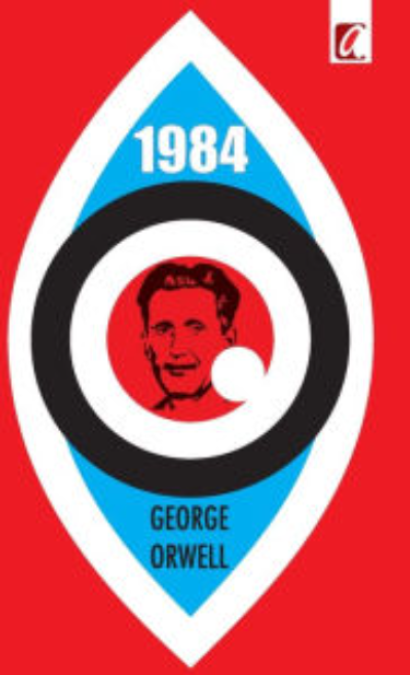
In 1984, the world is ruled by a powerful government called the Party. Big Brother watches everyone at all times. Citizens cannot think freely or speak against the state. Even their thoughts are controlled through fear and lies.
The story follows Winston Smith, a man who secretly questions the system. He wants truth. He wants freedom. But the Party punishes those who rebel.
This novel still feels real because surveillance is common today. Many people worry about privacy and how much governments know about them. The idea of fake news and twisted truth also feels familiar.
Get Book: 19842. The Handmaid’s Tale by Margaret Atwood (1985)
The Handmaid’s Tale takes place in a society called Gilead. In this world, women have lost nearly all their rights. Some women, called Handmaids, are forced to bear children for powerful men.
The story follows Offred, a Handmaid who remembers life before the new regime. She struggles to survive while holding on to hope. Small acts of resistance become powerful.

This novel still feels relevant because debates about women’s rights continue today. It reminds readers how quickly freedoms can disappear if power is unchecked.
Get Book: The Handmaid’s Tale3. Brave New World by Aldous Huxley (1932)
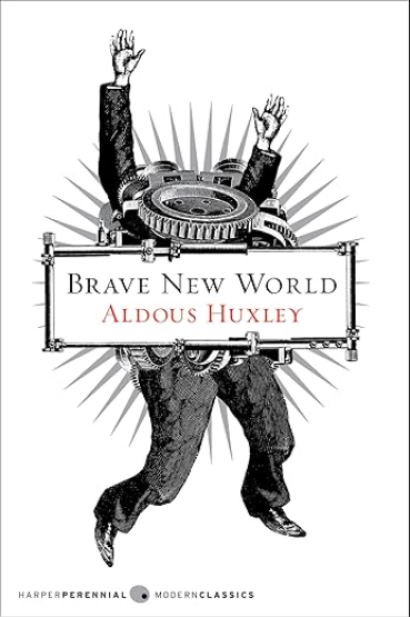
In Brave New World, people are controlled through pleasure instead of fear. Citizens are genetically designed before birth. They are trained to accept their roles without question. A drug called soma keeps everyone calm and happy.
The society looks peaceful. There is no war or hunger. But there is also no real freedom or deep emotion.
This book feels real in a world filled with entertainment and technology. It asks an important question: can comfort be another form of control?
Get Book: Brave New World4. The Hunger Games by Suzanne Collins (2008)
In The Hunger Games, the nation of Panem forces children to fight to the death in a yearly event. The Games are broadcast on television as entertainment. This keeps the districts afraid and divided.
Katniss Everdeen volunteers to save her sister. She becomes a symbol of hope and rebellion. Her courage sparks change.

This story feels real because it shows how media can shape public opinion. It also explores how power uses fear to control people.
Get Book: The Hunger Games5. Fahrenheit 451 by Ray Bradbury (1953)

In Fahrenheit 451, books are banned and burned. Firefighters do not stop fires. They start them. The government believes books cause confusion and unhappiness.
Guy Montag is a firefighter who begins to question his job. He secretly reads books and discovers new ideas. This puts him in great danger.
This novel feels relevant in a time when information spreads quickly. It reminds us how important free thought and knowledge truly are.
Get Book: Fahrenheit 451Common Themes in These Novels
These five books share powerful themes.
First, they show how control can take many forms. It can come through fear, pleasure, religion, or entertainment.
Second, they warn about the loss of truth. Governments in these stories twist facts. They rewrite history. They decide what people are allowed to know.
Fear is another key theme. Leaders use fear to silence citizens. People become too afraid to speak out.
Finally, these stories highlight resistance. Even in dark times, someone fights back. Hope may be small, but it survives.
Conclusion
Dystopian novels may describe imagined worlds, but their warnings feel real. They show how fragile freedom can be. They remind us that truth, knowledge, and courage matter.
These five books are not just stories. They are mirrors. They reflect fears that still exist today.
If these worlds feel so close to our own, what can we do to protect our future?
