
Mystery fiction has captivated readers for centuries. It invites us to play detective, follow clues and experience the thrill of solving a puzzle. But what exactly makes a novel a mystery? According to literary experts, a mystery novel follows a crime from the moment it is committed until the moment it is solved. These stories often feature a detective or private eye and are sometimes called whodunnits because readers are encouraged to identify the perpetrator. Most critics credit Edgar Allan Poe with inventing the modern mystery when he introduced the world’s first fictional detective in the 1841 story The Murders in the Rue Morgue.
Why do we keep coming back to these tales of crime and deduction? As Tufts author Joanna Schaffhausen explains, the mystery genre is one of the most popular in the world—Agatha Christie’s books have been outsold only by Shakespeare and the Bible. Readers love the genre because it offers both the comfort of seeing questions answered and justice restored and the thrill of venturing into darkness from a safe place. Schaffhausen notes that great mysteries feel like a personal quest; they pull us along with the protagonist, revealing clues slowly and building tension until the final reveal. In this article we explore fifteen outstanding mystery novels that span more than 150 years. From gothic classics to psychological thrillers, each book listed here helped shape the genre and continues to delight new readers.
Defining the mystery genre: A mystery novel tracks a crime from its commission to its solution, often through the eyes of a detective or private eye, and challenges readers to uncover the culprit.
Why readers love mysteries: The genre blends the comfort of seeing questions answered with the thrill of confronting danger from the safety of an armchair.
Foundational Classics & Origins
These early works laid the groundwork for detective fiction. Their memorable characters and inventive plots continue to inspire writers today.
1. The Hound of the Baskervilles – Arthur Conan Doyle (1902)
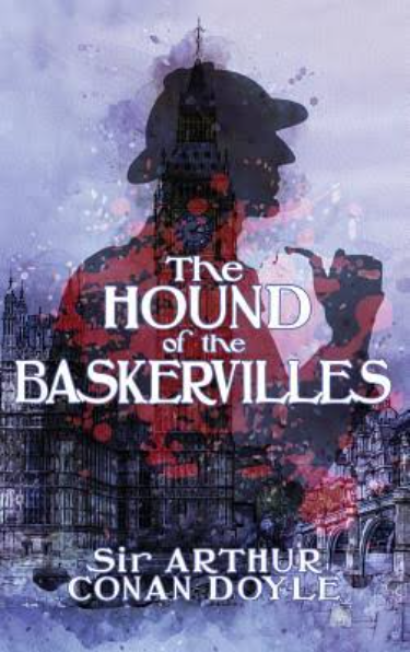
Serialized between 1901 and 1902, this Sherlock Holmes adventure sends the famous detective and Dr. Watson to Dartmoor to investigate a family curse. The Baskerville heirs are said to be haunted by a demonic hound, and when Sir Charles Baskerville dies, his heir Sir Henry receives threatening messages. Holmes must determine whether the spectral hound is real or a cover for murder. Doyle combines gothic atmosphere with rational deduction, and the moorland setting adds an eerie charm. This novel cemented Holmes’s status as the quintessential fictional detective and showcased Doyle’s knack for blending logic with suspense.
Read Book: The Hound of the Baskervilles2. The Moonstone – Wilkie Collins (1868)
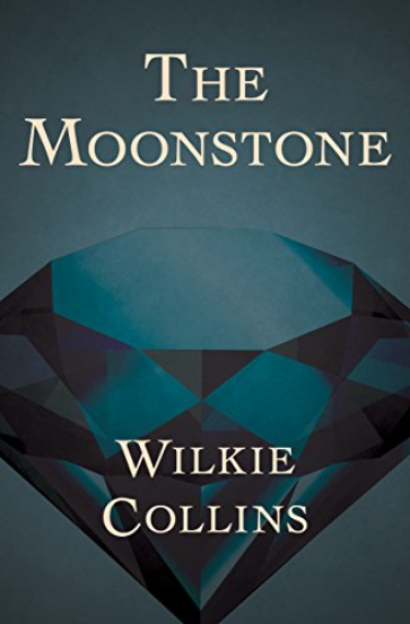
Considered by many to be the first modern detective novel, The Moonstone tells the story of a cursed Indian diamond stolen during a colonial siege and given to young Rachel Verinder as an inheritance. On the night of her birthday, the priceless gem vanishes from her bedroom, sparking an investigation that involves suspicious servants, mysterious Indian priests and multiple narrators. Collins uses letters and journals to tell the story from different perspectives, creating layers of deception that keep readers guessing. The novel’s focus on a single stolen object, the use of red herrings and the ultimate unmasking of the thief established conventions that later detective stories adopted.
Read Book: The Moonstone3. The Woman in White – Wilkie Collins (1860)
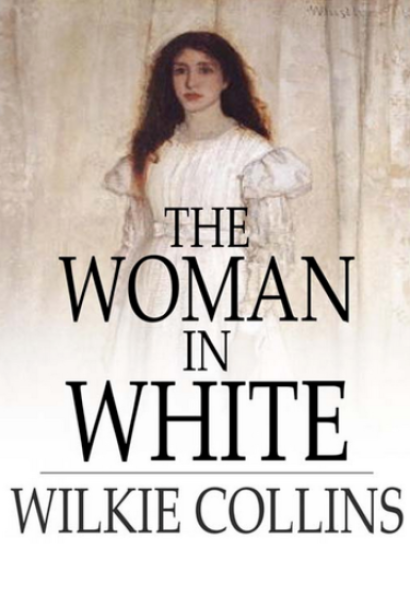
Collins’ earlier sensation novel blends mystery, gothic romance and social commentary. A young drawing teacher meets a terrified woman dressed completely in white on a London street and soon finds himself drawn into an intricate conspiracy involving his wealthy student, her duplicitous fiancé and stolen identities. Told through multiple narrators, the story explores themes of madness, inheritance and women’s legal rights. Its atmosphere of creeping dread and the use of an unreliable narrator influenced both mystery and thriller writers. While it predates the formal detective archetype, its investigative structure and emphasis on secrets make it a precursor to modern mysteries.
Get Book: The Woman in WhiteGolden Age & Puzzle Mysteries
The interwar period (1920s–1930s) produced cleverly plotted “fair‑play” mysteries in which readers were given all the clues. Agatha Christie was the undisputed queen of this era, and her ingenious puzzles remain benchmarks for the genre.
4. Murder on the Orient Express – Agatha Christie (1934)
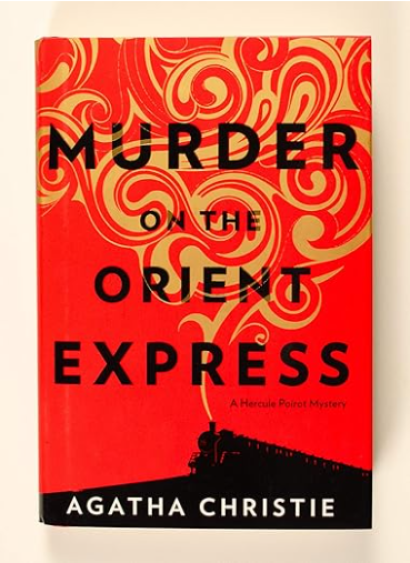
Just after midnight, a snowdrift stops the luxurious Orient Express in its tracks. In the morning, one passenger—American businessman Samuel Ratchett—is found stabbed multiple times in his locked compartment. With the train isolated and the killer likely among the passengers, Belgian detective Hercule Poirot must identify the murderer before they strike again. Christie crafts an ingenious “locked‑room” puzzle inspired by the Lindbergh kidnapping. The solution challenges notions of justice and fairness and remains one of the most famous twists in mystery fiction. Readers relish how every clue matters and how Poirot’s reasoning reveals hidden connections.
Get Book: Murder on the Orient Express5. And Then There Were None – Agatha Christie (1939)
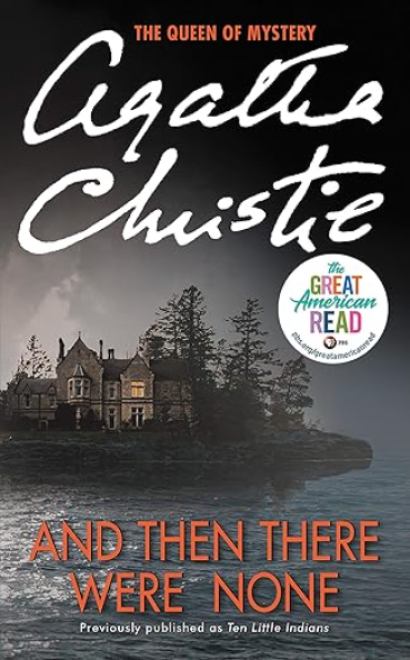
Ten strangers, each with a dark secret, are invited to Soldier Island off the Devon coast by a mysterious host. Cut off from the mainland and accused of past crimes, the guests begin to die one by one in ways that mirror a sinister nursery rhyme. As paranoia mounts, they realise the killer is one of their own. Christie’s bleak and atmospheric tale dispenses with the detective figure entirely, focusing instead on psychological suspense and the theme of guilt. It is the best‑selling crime novel of all time and has inspired countless adaptations and homages. The story’s relentless structure and moral ambiguity make it a masterpiece of plotting.
Get Book: And Then There Were None6. The Thirty‑Nine Steps – John Buchan (1915)
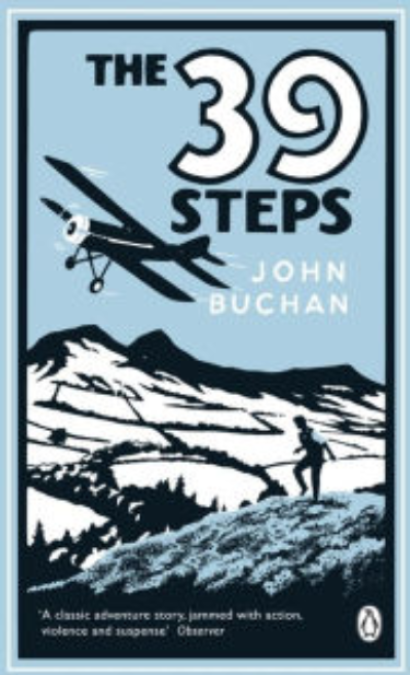
John Buchan’s espionage thriller predates the hard‑boiled school and introduces the archetypal innocent man on the run. Richard Hannay, a mining engineer visiting London, shelters a spy who warns him of a conspiracy. When the spy is murdered, Hannay finds himself pursued by the police and German agents. Fleeing to the Scottish Highlands with only a coded notebook, he must decode the meaning of the “thirty‑nine steps” and stop a plot that could plunge Europe into war. Packed with chases, disguises and hair‑raising escapes, the novel is a precursor to the modern spy thriller and inspired Alfred Hitchcock’s classic film adaptation.
Get Book: The Thirty‑Nine StepsHard‑Boiled & Noir Detective Fiction
By the 1930s and 1940s, American writers transformed detective fiction into gritty tales of urban corruption. Cynical private eyes navigated moral grey areas where happy endings were rare. The style emphasised terse prose, tough dialogue and a darker view of humanity.
7. The Maltese Falcon – Dashiell Hammett (1930)
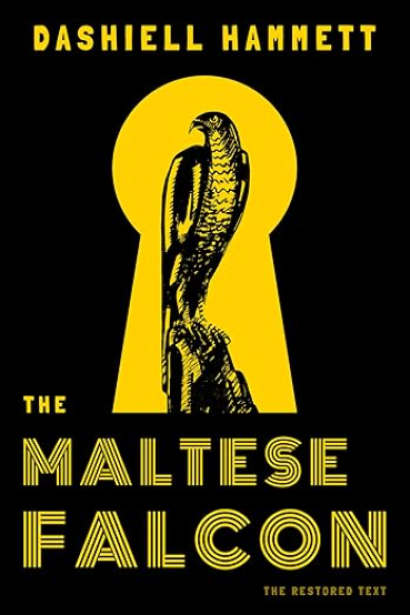
When a mysterious woman calling herself “Miss Wonderly” hires private detectives Sam Spade and Miles Archer to follow a man, Archer is soon murdered. Spade becomes the prime suspect and sets out to clear his name. He learns that his client’s real name is Brigid O’Shaughnessy and that several dangerous characters—including Joel Cairo and the corpulent “Fat Man,” Caspar Gutman—are searching for a jewel‑encrusted statuette known as the Maltese Falcon. In the University at Buffalo’s plot summary, the novel follows Spade as he uncovers betrayals and the bloody history of the black bird. Hammett’s lean prose, ambiguous morality and memorable characters defined the hard‑boiled style and introduced the archetype of the cynical but principled private eye.
Get Book: The Maltese Falcon8. The Big Sleep – Raymond Chandler (1939)
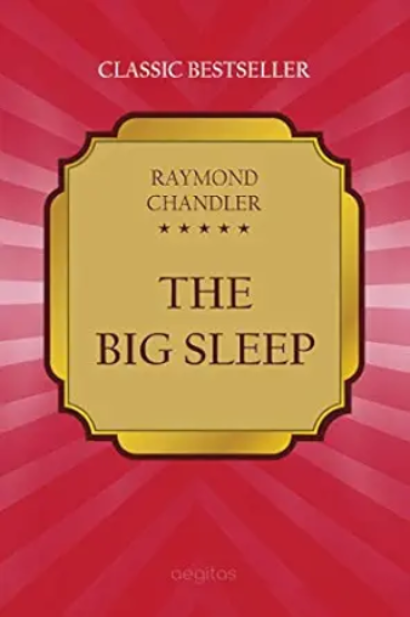
Philip Marlowe, a Los Angeles private investigator, is hired by elderly millionaire General Sternwood to stop a blackmailer targeting his wild younger daughter. As Marlowe digs deeper, he discovers that both Sternwood daughters are entangled with criminals. The investigation leads him into a world of gamblers, pornography dealers and corrupt police. According to the University at Buffalo summary, Marlowe endures beatings and murder attempts, resists the seductions of the Sternwood women and ultimately uncovers secrets too dark to reveal to his client. Chandler’s lush metaphors, vivid dialogue and flawed heroes elevated the detective novel to literary art and influenced generations of writers and filmmakers.
Get Book: The Big SleepGothic & Psychological Mysteries
Mysteries also explore the dark corners of the human mind. Gothic settings, unreliable narrators and psychological tension create stories where the greatest threats may be internal.
9. Rebecca – Daphne du Maurier (1938)
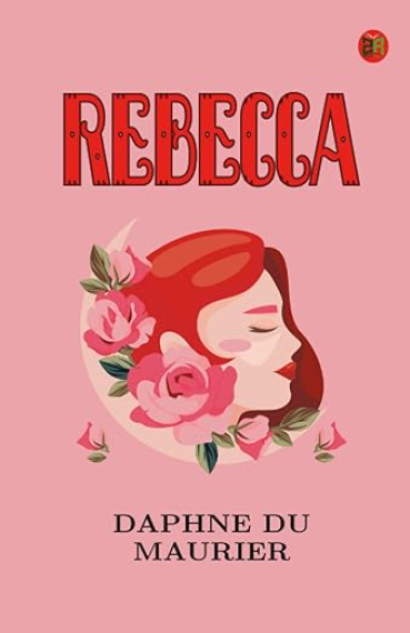
A shy young woman marries widower Maxim de Winter and moves to his grand estate, Manderley. She finds herself living in the shadow of Maxim’s first wife, Rebecca, whose presence lingers in every room. As the new Mrs. de Winter grapples with her insecurities, she uncovers secrets about Rebecca’s death and her husband’s past. Du Maurier’s atmospheric novel blends gothic romance and psychological suspense. The unnamed narrator’s jealousy, the sinister housekeeper Mrs. Danvers and the eventual revelation of Rebecca’s true nature make this a haunting exploration of identity and obsession.
Get Book: Rebecca10. The Silence of the Lambs – Thomas Harris (1988)
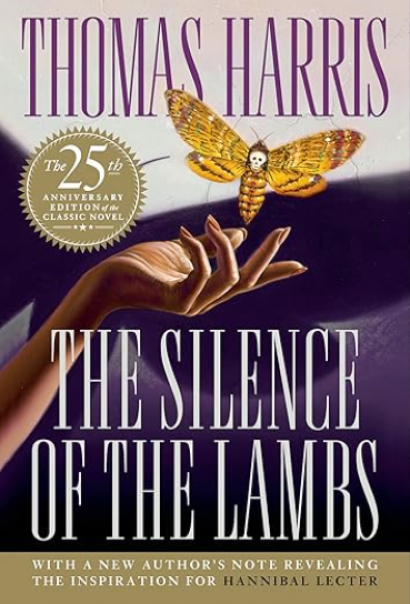
FBI trainee Clarice Starling is assigned to interview incarcerated cannibalistic serial killer Dr. Hannibal Lecter in hopes that he can help catch another murderer known as Buffalo Bill. Lecter offers cryptic clues and psychological insight into the killer while probing Clarice’s own traumatic past. As she races to save Buffalo Bill’s latest victim, Clarice navigates sexism within the FBI and the danger posed by both killers. Harris crafts a chilling psychological thriller that juxtaposes intellect and horror. The novel introduced one of fiction’s most unforgettable villains and examines how empathy and manipulation can coexist in a single mind.
Get Book: The Silence of the Lambs11. Gone Girl – Gillian Flynn (2012)
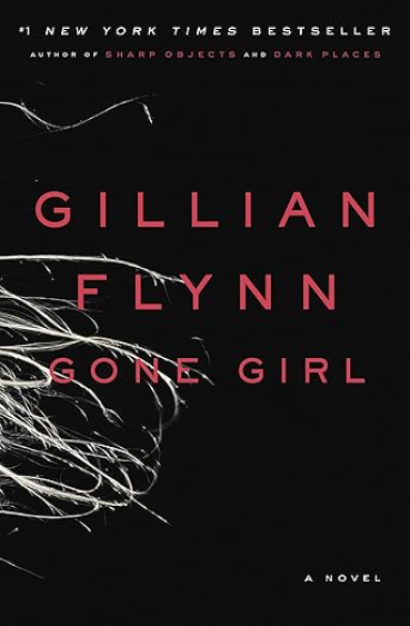
On their fifth wedding anniversary, Amy Dunne disappears from her Missouri home, and evidence points to her husband Nick. Alternating chapters between Nick’s perspective and Amy’s diary reveal a toxic marriage filled with lies and resentment. As the media frenzy escalates, the truth becomes increasingly elusive. Flynn’s novel turns the missing‑wife trope on its head, exploring unreliable narration and the performative nature of identity. The twists force readers to question who is telling the truth and examine the dark side of modern relationships. Its sharp social commentary and shocking reversals revitalised the psychological thriller for a new generation.
Get Book: Gone Girl12. In the Woods – Tana French (2007)
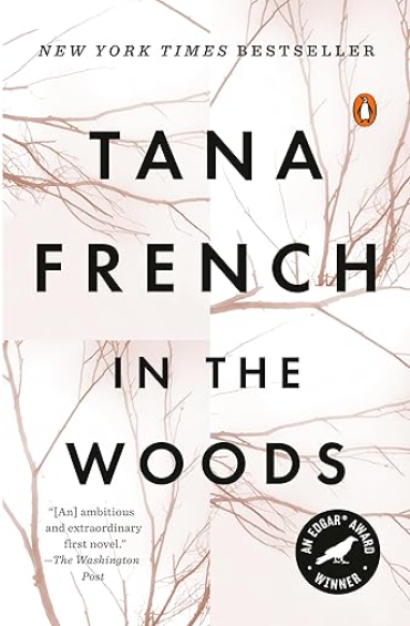
Detective Rob Ryan returns to the woods outside Dublin where, as a child, he was found standing alone and traumatised while his two friends were never seen again. Now investigating the murder of a young girl near the same site, Rob must confront suppressed memories that threaten to unravel his life. Working alongside his partner Cassie Maddox, he navigates political pressure, personal betrayal and the eerie parallels between past and present. French’s debut combines police procedural elements with psychological depth. The unresolved childhood case and Rob’s unreliable narration explore themes of trauma, friendship and the limits of memory.
Get Book: In the Woods13. Shutter Island – Dennis Lehane (2003)
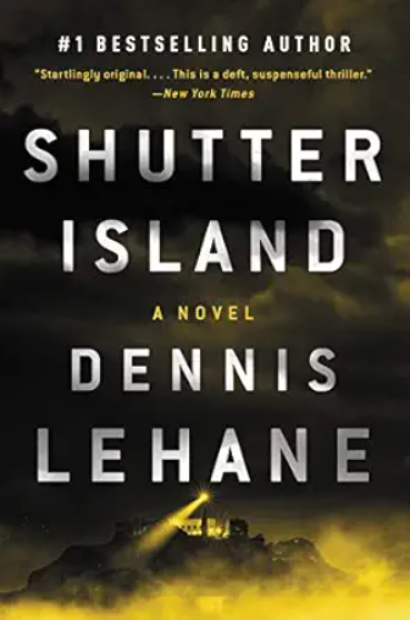
U.S. Marshal Teddy Daniels and his new partner Chuck Aule travel to the Ashecliffe Hospital for the criminally insane on Shutter Island to locate a missing patient. As a hurricane cuts off communication, Teddy uncovers evidence of unethical experiments and begins to question his own sanity. The oppressive setting, cryptic clues and paranoid atmosphere create a claustrophobic nightmare. Lehane’s twist ending forces readers to reconsider everything they have read, making the novel a masterclass in psychological misdirection.
Get Book: Shutter IslandHistorical & International Mysteries
Mysteries are not confined to modern settings or Western countries. Some authors use the genre to explore different cultures and eras, offering fresh perspectives on crime and justice.
14. The Name of the Rose – Umberto Eco (1980)
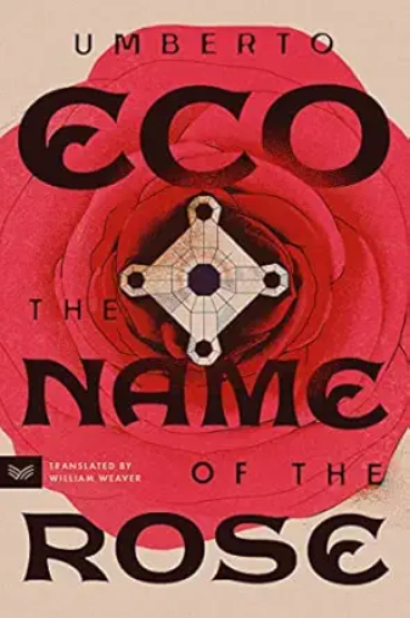
Set in a 14th‑century Italian monastery, Eco’s sprawling novel follows Franciscan friar William of Baskerville and his novice Adso as they investigate a series of murders that occur during a theological dispute. The abbey’s labyrinthine library hides forbidden texts, and knowledge itself becomes the motive for murder. Eco blends medieval history, semiotics, philosophy and detective fiction, challenging readers to decipher layers of symbolism. The book’s rich details and intellectual puzzles show how the mystery genre can interrogate ideas about truth, faith and power.
Get Book: The Name of the Rose15. The No. 1 Ladies’ Detective Agency – Alexander McCall Smith (1998)
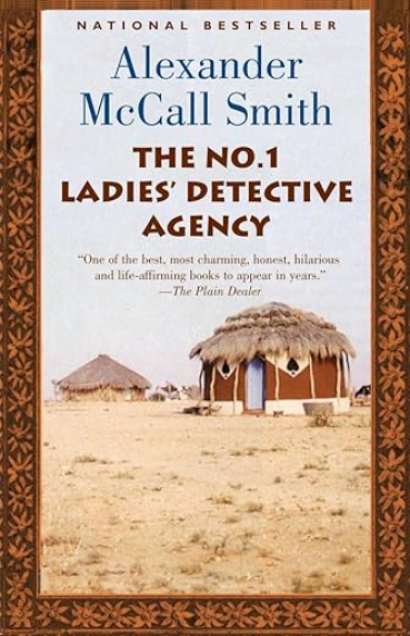
Precious Ramotswe sells her late father’s cattle to open Botswana’s first female‑run detective agency. Working from her modest office in Gaborone, she solves cases ranging from missing spouses to cattle theft while navigating the expectations of a patriarchal society. The novel celebrates Botswanan culture through its gentle humour and focus on community. Ramotswe’s intuition, compassion and reliance on common sense distinguish her from hard‑boiled detectives. This cozy mystery launched a long‑running series that offers a refreshingly warm view of detective work and showcases diverse voices in the genre.
Get Book: The No. 1 Ladies’ Detective AgencyWhy These Novels Endure
What makes these fifteen books so enduring? First, their literary quality transcends the simple mechanics of puzzle‑solving. Conan Doyle’s evocative moorland in The Hound of the Baskervilles and du Maurier’s haunting Manderley in Rebecca create atmospheres that linger in readers’ minds. Second, memorable characters anchor the stories. Whether it is the razor‑sharp intellect of Sherlock Holmes, the steadfast morality of Sam Spade or the vulnerable yet resourceful unnamed narrator of Rebecca, these characters invite empathy even when they inhabit morally ambiguous worlds.
Third, each novel features ingenious plots that keep readers turning the pages. Christie’s carefully planted clues allow readers to solve the crime alongside Poirot, while Flynn’s Gone Girl manipulates point of view to constantly upend expectations. Fourth, many of these works had significant cultural impact. And Then There Were None remains the best‑selling crime novel ever written, and The Silence of the Lambs introduced characters who have become icons in both literature and film. Finally, several books pioneered or revitalised the mystery genre through innovative narrative styles. Collins’ epistolary structure in The Moonstone, Eco’s erudite blending of medieval history and semiotics, and French’s psychological introspection each expanded the boundaries of what a mystery could be.
Another reason these stories endure is the enduring human fascination with crime and justice. As Schaffhausen points out, readers enjoy both the reassurance of seeing order restored and the thrill of exploring darkness. Mysteries provide a safe space to confront fear, examine moral complexities and experience catharsis. Whether you prefer cozy sleuths or hard‑boiled detectives, the genre continually reinvents itself while honouring the foundations laid by these classics.
Conclusion & Reading Recommendations
The fifteen novels highlighted here demonstrate the range and richness of mystery fiction. From the fog‑shrouded moors of Devon to the scorching streets of Los Angeles, these stories invite us into worlds where questions demand answers and nothing is as it seems. They also show how the genre evolves over time—embracing psychological depth, exploring diverse cultures and time periods, and challenging conventions with bold narrative experiments.
For readers who love classic puzzles: start with Agatha Christie’s Murder on the Orient Express or The Moonstone. Their fair‑play clues and satisfying resolutions make them perfect entry points.
For fans of modern psychological thrillers: pick up Gone Girl, In the Woods or Shutter Island. These books use unreliable narrators and twisty plots to explore identity and perception.
For those drawn to atmosphere and gothic elements: Rebecca and The Hound of the Baskervilles offer brooding settings and a sense of creeping dread.
If you prefer hard‑boiled grit: The Maltese Falcon and The Big Sleep deliver snappy dialogue, morally complex detectives and a view of the darker side of urban life.
For readers seeking diverse voices and settings: The No. 1 Ladies’ Detective Agency provides a warm, culturally rich take on detective work, while The Name of the Rose transports you to a medieval monastery full of secrets.
As the mystery genre continues to grow, these foundational works remind us why we fell in love with crime stories in the first place. Their inventive plots, unforgettable characters and exploration of human psychology ensure that they will continue to be read and re‑read for generations.
