
Imagine walking along cobbled streets while cannons thunder in the distance. Picture yourself standing under golden chandeliers in a royal court or peering down from the rafters of a half‑built cathedral. Historical fiction can take us there. When we open a novel set in another century, the sights, sounds and feelings of the past come alive on the page. We meet people who lived long ago and share their joys and struggles. These stories make history feel personal. They invite us to step into the past and see that human emotions like love, fear and hope have always been the same.
What Is Historical Fiction?
Historical fiction is a blend of fact and imagination. It tells stories set in the past but uses invented characters or events alongside real ones. The Ohio State University notes that this genre reconstructs historical events and people with imagination and may include fictional characters in real historical situations. Instead of listing dates and facts, historical fiction explores what life was like. It shows the emotions and everyday experiences of people living through great events. By placing readers inside the lives of characters, historical fiction helps us understand history in a personal way.
1. The Book Thief by Markus Zusak (2005)
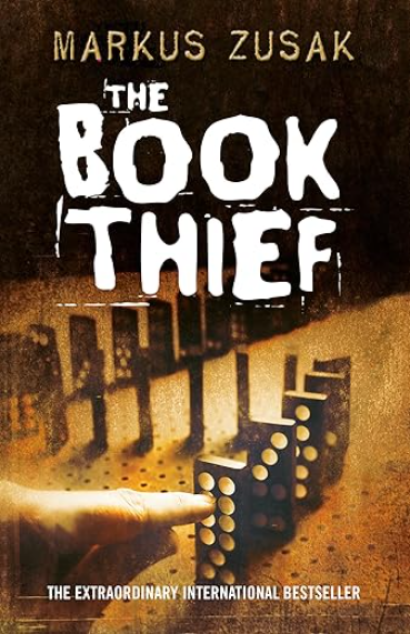
Liesel Meminger is a young girl living in Germany during World War II. After her mother is taken away, she stays with foster parents in a small town. They hide a Jewish man named Max in their basement, risking their lives to protect him. Liesel steals books to ease her fear and to share stories with neighbors during air raids. Words become her comfort and her weapon against despair. The story is told by Death, who watches human suffering and kindness with a wistful eye. Zusak paints the streets of wartime Munich with vivid detail, making readers feel the tension of living under Nazi rule.
What makes the book stand out is its unique narrator and its focus on the power of words. Liesel’s foster father teaches her how to read, and she clings to each stolen book like a treasure. Her best friend, Rudy Steiner, admires her bravery and dreams of running like an Olympic hero. The unusual narrator, Death, comments on both cruelty and kindness, reminding us that beauty can exist even during war. These elements make the story memorable and show that books can comfort and even save lives. The novel remains popular because it teaches young readers about resilience, friendship and the importance of stories.
Get Book: The Book Thief2. All the Light We Cannot See by Anthony Doerr (2014)
This novel follows two young people whose lives collide during World War II. Marie‑Laure LeBlanc is a blind French girl who loves science and radio. Her father works as a locksmith at a museum and builds her a miniature model of their neighborhood so she can learn the streets by touch. When the Nazis occupy Paris, they flee to the walled city of Saint‑Malo. Marie‑Laure carries a hidden jewel known as the Sea of Flames, which several people want to steal. Werner Pfennig is a German orphan whose skill with radios leads him into the Hitler Youth. He repairs transmitters and tracks illegal broadcasts, but he struggles with the harm his work causes. As the war unfolds, their paths move closer, and they meet in Saint‑Malo.
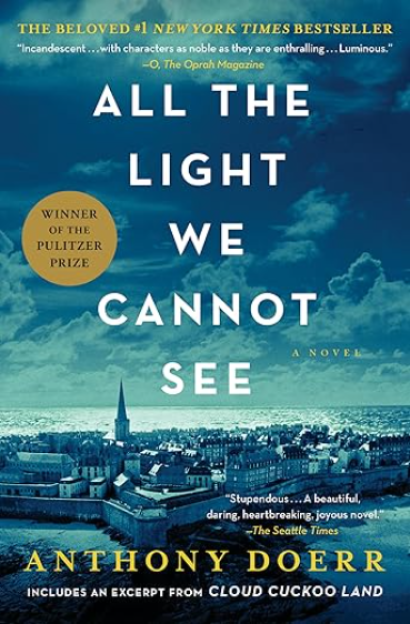
Doerr switches between the two characters’ perspectives, showing how the war affects each of them. His poetic descriptions of a seaside town and a fortified city make readers see, hear and feel everything. The novel stands out because it reveals that compassion and hope can exist even amid destruction. Marie‑Laure and Werner’s stories show that light, sound and radio waves connect people even in darkness. Today it reminds us that war changes lives on both sides and that small acts of kindness matter. It invites readers to think about the unseen connections that keep people human.
Get Book: All the Light We Cannot See3. The Nightingale by Kristin Hannah (2015)
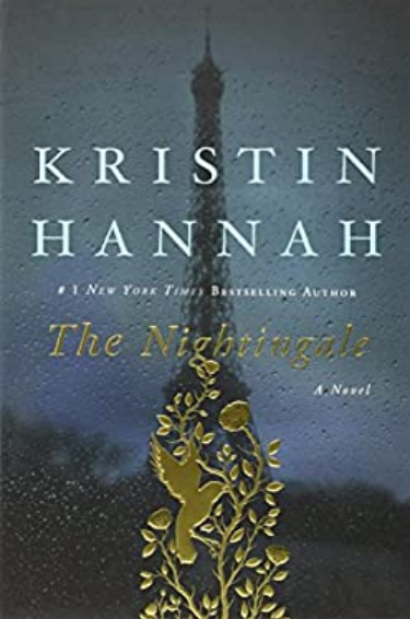
Set in Nazi‑occupied France, this story is about two sisters, Vianne and Isabelle Mauriac. Vianne tries to keep her family safe while her husband fights at the front. She endures ration lines, German soldiers living in her home and the constant threat of betrayal. Isabelle, younger and more rebellious, joins the resistance and risks her life to help downed Allied pilots escape. The sisters’ relationship is strained, yet they both fight in their own ways. The novel shows the brutal conditions of occupied France and the moral choices people faced.
The book stands out because it highlights the courage of women in war, a topic often overlooked. Hannah’s clear prose describes the fear, hunger and unexpected kindness that fill daily life under occupation. The code name “Nightingale” becomes a symbol of hope in the story. Isabelle leads downed pilots through the mountains into Spain, guiding them to safety under cover of night. Vianne hides Jewish children and risks everything to save lives. Hannah shows the many ways women resisted and the heavy cost of war on families and friendships. It still resonates because it shows that heroism can be quiet and that love can survive even when the world seems lost.
Get Book: The Nightingale4. Wolf Hall by Hilary Mantel (2009)
Wolf Hall transports readers to the court of Henry VIII in 16th‑century England. The story is told through the eyes of Thomas Cromwell, a clever commoner who rises to become the king’s chief advisor. We follow Cromwell’s rise as he helps the king annul his marriage to Catherine of Aragon and marry Anne Boleyn. Mantel uses present‑tense narration to create immediacy, and her dialogue brings historical figures to life. Readers witness the scheming and shifting alliances of the Tudor court, where fortunes are made and lost in an instant.
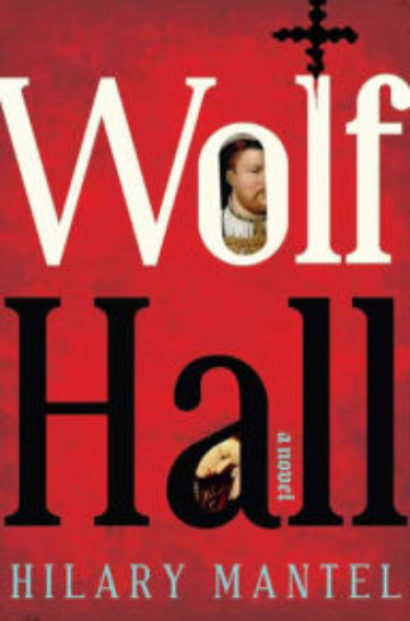
The novel stands out because it focuses on Cromwell’s perspective, turning a once‑shadowy figure into a complex human being. Cromwell rose from poverty, leaving an abusive home to become a soldier and later a lawyer. His loyalty to Cardinal Wolsey, Henry’s first advisor, shapes his early actions. Later he helps Henry break away from the Catholic Church, setting the stage for the English Reformation. Mantel shows the human side of political change and warns that ambition can be both a gift and a danger. It matters today because it reminds us that power comes from wit as well as birth and that political maneuvering can change a nation.
Get Book: Wolf Hall5. Gone with the Wind by Margaret Mitchell (1936)
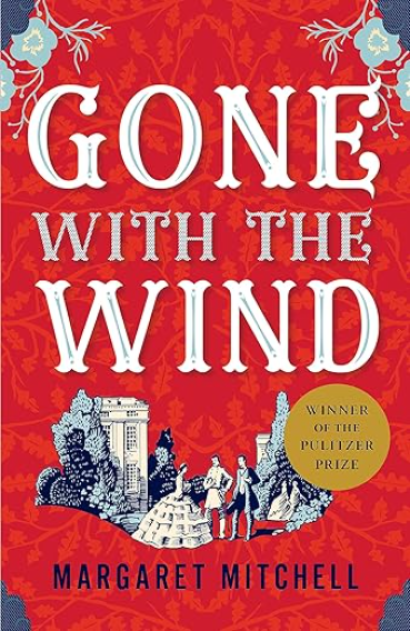
This sweeping epic is set in the American South during the Civil War and Reconstruction. It follows Scarlett O’Hara, a headstrong young woman determined to survive. When war destroys her family’s plantation, Scarlett must learn resilience and sacrifice. She navigates relationships with the charming Rhett Butler and the gentle Ashley Wilkes while struggling to keep her home. Mitchell’s detailed descriptions of antebellum life, battlefields and ruined cities draw readers into the era. The novel also portrays the collapse of the Old South and confronts the harsh realities of slavery and war.
Scarlett’s fierce devotion to her family’s plantation, Tara, drives her actions. She claws her way through hunger, poverty and social collapse to keep her home. Her relationships with Rhett and Ashley reveal her conflicting desires: love, security and independence. The novel stands out for its unforgettable characters and its portrayal of endurance in the face of war. It remains a classic because it shows how a stubborn person can adapt and survive when everything changes around them. Scarlett’s story raises questions about pride, love and resilience that still spark discussion today.
Get Book: Gone with the Wind6. The Pillars of the Earth by Ken Follett (1989)
This novel takes place in 12th‑century England, a time of political unrest and cathedral building. It centers around the construction of a great cathedral in the fictional town of Kingsbridge. Tom Builder dreams of creating a majestic church, while Prior Philip wants to inspire his flock. The book follows many characters, including noble families, craftsmen and monks, over several decades. Follett’s writing describes the daily struggles of medieval life—famine, war and labor—as well as the triumph of building something beautiful.
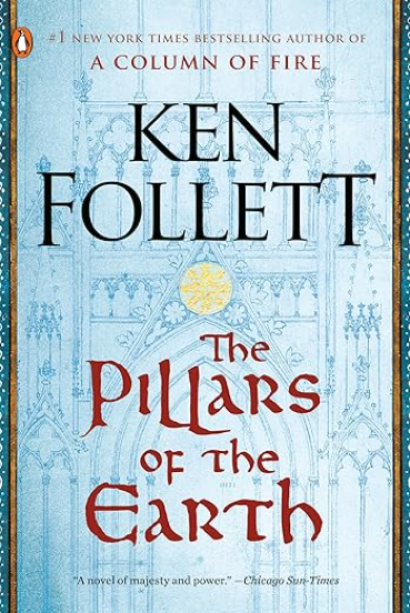
The novel stands out because it shows how ordinary people shaped history through ambition and skill. Aliena, a noblewoman whose life is shattered, fights to rebuild her future and protect her brother. Jack, an artistic and curious builder, dreams of spires that touch the sky. They face villains like William Hamleigh and Bishop Waleran, who scheme to control the town. The novel mixes romance, intrigue and architecture, showing how passion and skill can create something that lasts for centuries. Today it appeals to readers because it combines drama, architecture and human perseverance.
Get Book: The Pillars of the Earth7. A Tale of Two Cities by Charles Dickens (1859)

Dickens’ classic novel is set during the French Revolution. It tells the story of two men who look alike but live very different lives: Charles Darnay, a French nobleman, and Sydney Carton, a disillusioned English lawyer. Both love the same woman, Lucie Manette. As the revolution turns violent, Darnay faces execution, and Carton must decide what sacrifice he is willing to make. Dickens depicts the chaos of Paris and the fear of citizens caught between loyalty and survival. The novel’s opening line, “It was the best of times, it was the worst of times,” captures the contradictions of the era.
The novel stands out for its themes of sacrifice and resurrection. Dr. Manette returns from long imprisonment and reunites with his daughter Lucie. Madame Defarge knits the names of enemies into her scarf as she seeks revenge against those who wronged her family. London and Paris stand as twin cities with very different fates, showing how revolution can both destroy and renew society. The story still matters because it reminds us that love and honor can thrive even when society collapses, and it invites readers to consider what they would be willing to sacrifice for others.
Get Book: A Tale of Two CitiesWhy We Love Historical Fiction
Historical fiction connects readers to the past through emotions and imagination. In an article for The Atlantic, historian Robert Lacey explains that historical fiction is “imagination inspired by the past”. Novelist Min Jin Lee adds that storytelling provides insight into the humanity of ordinary people and that empathy is a writer’s job. These stories build empathy because they show what life was like for people who lived through major events. They teach history through the eyes and feelings of characters, making real events feel personal. By blending facts with emotion, historical fiction allows us to learn while caring deeply about the people we meet on the page.
We love historical fiction for many reasons:
- It builds empathy. Seeing the world through the eyes of someone from another time helps us understand their joys and struggles.
- It teaches history through emotion. Facts alone can be dry; stories fill them with life and meaning.
- It makes real events feel human. Characters’ fears, hopes and choices show that people in the past were much like us.
- It sparks curiosity. After finishing a novel, readers often want to learn more about the real history behind it.
Conclusion
Historical fiction makes history come alive. It lets us walk in the shoes of people from different times and places. Through these seven novels you can experience war, love, faith, architecture and survival across centuries. Each story is unique, yet they all show that human struggles and hopes are universal. As you explore these books, you may find yourself caring about people who never existed yet feel very real. Reading their journeys may inspire you to look at history with new eyes and to ask what echoes of the past still shape our lives. Which journey into the past will you take first?
