
There’s something quietly powerful about stepping into another person’s life.
Not the polished version we usually get in headlines or documentaries, but the real one—the uncertain beginning, the private struggle, the moments of doubt that could have changed everything. The best biographies do more than tell us what someone accomplished. They show us what it cost, what shaped them, and what kept them going when the easier choice would have been to stop.
That is what makes the best biographies of all time so memorable. They are not just records of success. They are stories of pressure, failure, resilience, obsession, sacrifice, and reinvention. They remind us that remarkable lives rarely unfold in a straight line. More often, they are built through setbacks, contradictions, and fragile turning points that only make sense in hindsight.
What draws us to these books is not just the scale of the people in them. It is the humanity. We see ambition, fear, loneliness, pride, courage, and hope. We see people trying to make sense of the world while also trying to make something of themselves. And in that way, biographies often become more than stories about other people. They become mirrors.
The books on this list stand out not only because of who they are about, but because of how powerfully they bring those lives to the page. Some are sweeping and historical. Others feel intimate and deeply personal. But all of them leave you with the same feeling: that greatness is never as simple as it looks from the outside.
Steve Jobs by Walter Isaacson
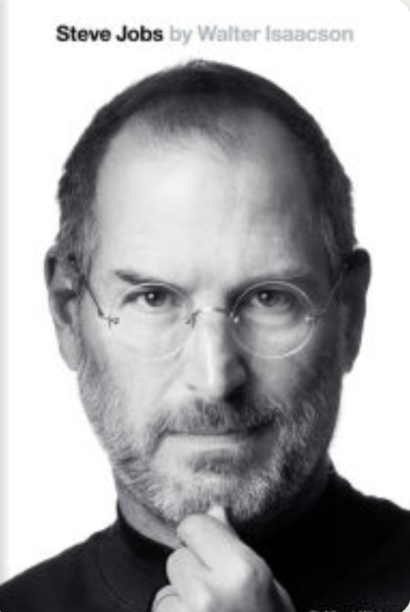
Steve Jobs began life far from the myth that would later surround him. Adopted at birth and raised in California, he grew up curious, intense, and often difficult to understand. He was drawn to electronics early, but what separated him from others was not just technical interest. It was his instinct for transformation. He did not simply want to build products that worked. He wanted to change the way people experienced technology altogether.
That ambition helped shape Apple, first in a garage and later on the global stage. Yet Jobs was never a simple hero story. He could be visionary and cruel, magnetic and deeply frustrating. He demanded beauty, elegance, and perfection, often at a personal cost to the people around him. His eventual departure from Apple was more than a business setback. It was a public fall that exposed how fragile genius can be when it collides with ego.
What makes Isaacson’s biography so compelling is its refusal to flatten Jobs into a legend. It gives readers the brilliance, but it also gives them the contradictions. That balance is what makes the book endure. You come away understanding that innovation is rarely neat, and that some of the people who change the world are also the hardest people to live with.
Get the Book: Steve Jobs!Alexander Hamilton by Ron Chernow
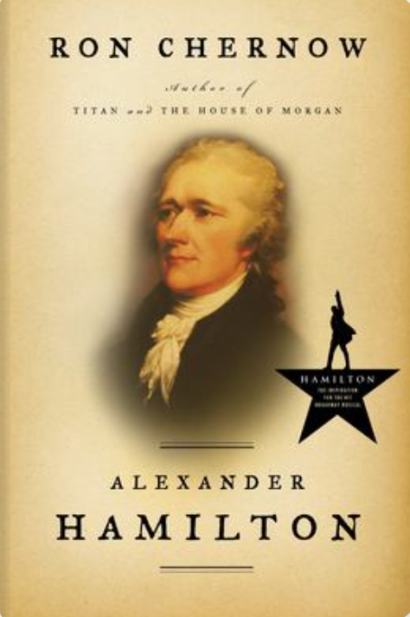
Alexander Hamilton’s life began in hardship. Born out of wedlock in the Caribbean and shaped by instability from an early age, he grew up with very little security and even less certainty about his future. But he had a sharp mind, unusual discipline, and a sense of urgency that seemed to define him from the start. Long before he became a central figure in American history, he was already writing, working, and thinking with the intensity of someone determined to outrun his circumstances.
That drive carried him into the heart of the American founding. He fought in war, earned George Washington’s trust, and became one of the key architects of the new nation’s financial system. But Hamilton was never an easy figure to admire without reservation. He was brilliant, combative, ambitious, and often divisive. His ideas were bold, but so was his ego. His personal flaws followed him just as closely as his political achievements.
Chernow’s biography works because it restores movement and drama to a life that could have felt distant on the page. Hamilton does not appear as a statue from history. He feels alive—restless, sharp, and constantly in motion. What stays with you most is the speed and urgency of his life. He lived as if time were limited, and in many ways, it was. That tension gives the story its power.
Get the Book: Alexander Hamilton!Einstein: His Life and Universe by Walter Isaacson
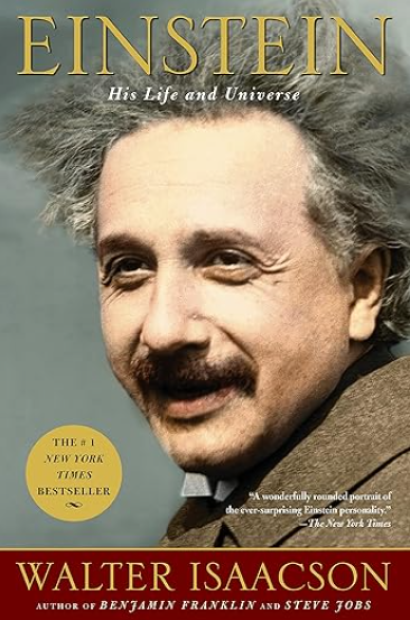
Albert Einstein is often remembered as the symbol of genius, but the life behind that image was far more layered. As a boy, he was quiet, inward-looking, and skeptical of authority. He did not move through the world with the confidence people later projected onto him. Instead, he questioned everything, often from the margins. Even when he was far from academic prestige, working at a patent office rather than inside a university, his mind was already reshaping the foundations of physics.
That is part of what makes his story so fascinating. Einstein’s breakthroughs did not come from following the expected path. They came from curiosity, mental freedom, and his willingness to look at old problems in entirely new ways. But the biography does not stop at his scientific triumphs. It also explores the strain of fame, the complications of his personal relationships, and the isolation that can come with seeing the world differently from everyone around you.
Isaacson succeeds because he makes Einstein’s ideas feel connected to his personality rather than separate from it. The science matters, of course, but so does the man asking the questions. The result is a biography that celebrates not just intellect, but imagination. It reminds readers that world-changing ideas often begin with something deceptively simple: the refusal to accept inherited answers.
Get the Book: Einstein: His Life and Universe!The Wright Brothers by David McCullough
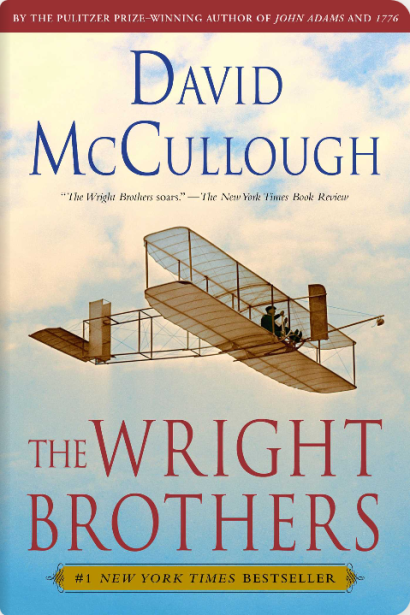
Before flight became ordinary, it was almost impossible to imagine. And before they became famous, Wilbur and Orville Wright were simply two brothers running a bicycle shop in Ohio. They were not wealthy. They were not backed by powerful institutions. They were not treated as obvious candidates to solve one of humanity’s oldest dreams. But they had patience, discipline, and an unusual ability to learn from failure without being defeated by it.
Their pursuit of flight was painstaking. It was built through observation, experimentation, and countless disappointments. They studied the work of others, made their own calculations, corrected previous errors, and returned again and again to test what many believed could not be done. Their success at Kitty Hawk did not appear out of nowhere. It emerged from persistence so quiet and methodical that it almost feels unbelievable in retrospect.
McCullough captures that process beautifully. He does not rush toward the famous achievement. Instead, he lets readers feel how long the dream took to become real. That is why the book lingers. It is not just about invention. It is about disciplined hope. The Wright brothers remind us that historic change is often built in small, careful steps long before the world notices.
Get the Book: The Wright Brothers!Napoleon: A Life by Andrew Roberts
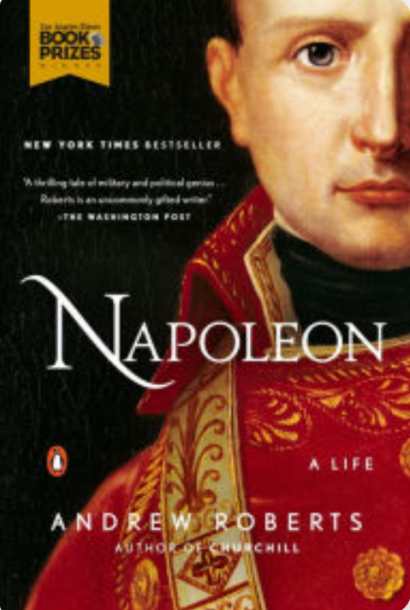
Napoleon Bonaparte’s rise remains one of history’s most extraordinary transformations. Born on Corsica and far from the traditional centers of power, he built himself into a military and political force who would dominate Europe. His intelligence, confidence, and strategic brilliance made him nearly impossible to ignore. He did not merely step into history. He bent it around himself.
But the same qualities that fueled his rise also shaped his downfall. Napoleon’s ambition was immense, and ambition of that size rarely stays contained. He reformed systems, reorganized institutions, and proved himself one of the most formidable military minds of his age. Yet overreach, pride, and relentless expansion gradually pulled him toward collapse. His story is thrilling because it contains both mastery and ruin in equal measure.
Roberts gives Napoleon the full scale he deserves without turning him into myth. The biography is rich, detailed, and deeply aware of the tension between admiration and caution. That tension is exactly what makes the book memorable. Napoleon’s life forces readers to confront one of biography’s biggest questions: when does vision become obsession, and when does greatness begin to carry the seeds of its own destruction?
Get the Book: Napoleon: A Life!Churchill: Walking with Destiny by Andrew Roberts
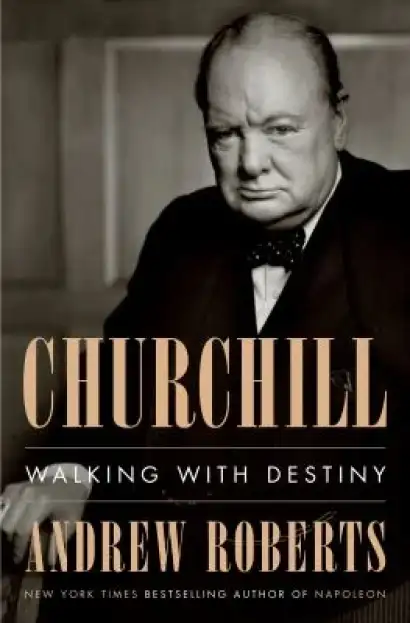
Winston Churchill is often remembered for his wartime leadership, but the force of this biography lies in how fully it shows the years before that defining chapter. Churchill’s life was filled with reinvention, setbacks, criticism, and periods when his judgment seemed badly out of step with the moment. Long before he became the voice of Britain’s resistance, he had already experienced failure and political isolation.
That history matters, because it makes his eventual leadership more powerful. When the crisis of World War II arrived, Churchill did not emerge from nowhere as a ready-made hero. He rose into that role carrying years of experience, scars, ambition, and hard-won perspective. His speeches inspired a nation, but the book also shows the emotional complexity behind the public figure—the doubts, pressure, and discipline required to sustain conviction when fear was everywhere.
Roberts writes with both sweep and precision, giving Churchill the historical scale he demands while also preserving his humanity. What makes the biography stay with you is not simply Churchill’s courage, but the way it presents courage as something forged over time. It shows that leadership is not the absence of weakness. It is often the ability to keep moving with full knowledge of the stakes.
Get the Book: Churchill: Walking with Destiny!Frida: A Biography of Frida Kahlo by Hayden Herrera
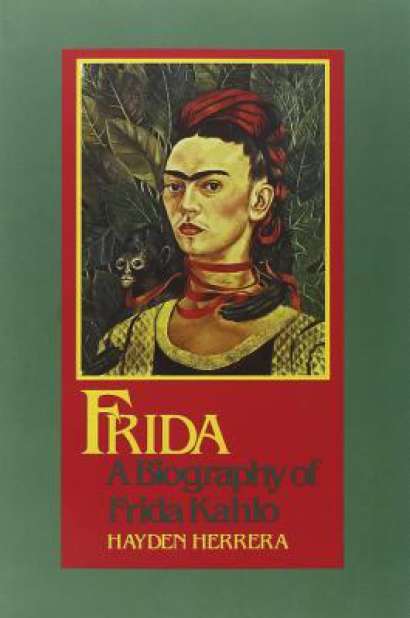
Frida Kahlo’s life was marked by pain from an early age, but what makes her story unforgettable is the way she transformed suffering into identity and art. After a devastating bus accident left her with lifelong physical injuries, her body became a site of constant limitation and endurance. Yet rather than disappearing into that pain, she used it. She painted herself, her losses, her anger, her longing, and her fractured reality with a honesty that still feels startling.
Her life was also shaped by emotional turbulence, especially in her relationship with Diego Rivera. Love, betrayal, illness, politics, and artistic ambition all collided within the same life, making her story feel as intense as her paintings. Frida did not try to make herself easy to understand. She remained fiercely individual, even when that meant embracing contradiction.
Herrera’s biography succeeds because it does not smooth out that complexity. It lets Frida remain difficult, vulnerable, defiant, and fully herself. That is what gives the book its emotional force. You leave with the sense that authenticity can be its own kind of resistance, and that some people create beauty not by escaping pain, but by confronting it directly.
Get the Book: Frida: A Biography of Frida Kahlo!Mandela: The Authorised Biography by Anthony Sampson
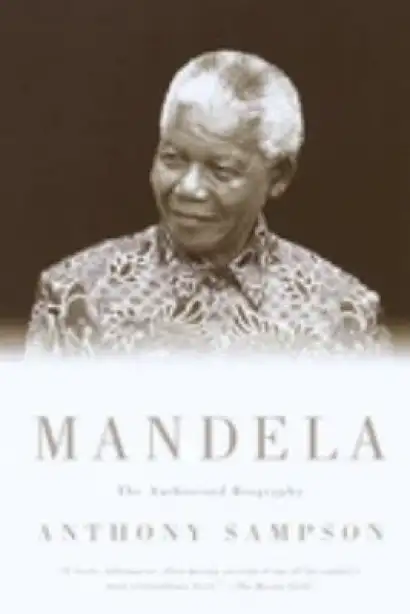
Nelson Mandela’s life is one of the clearest examples of endurance joined with moral force. His path from rural beginnings to revolutionary leadership and eventually global icon is powerful enough on its own, but what gives the story its lasting weight is the long middle—the years of imprisonment, isolation, and pressure that might have broken a lesser person. Mandela endured twenty-seven years in prison without losing sight of the future he believed was possible.
That endurance is what defines him. He became a symbol not simply because he suffered, but because he emerged from suffering without surrendering to bitterness. When the chance came to lead, he chose reconciliation over revenge. That decision changed the meaning of his life and the direction of a nation. It is one thing to resist oppression. It is another to imagine unity after it.
Sampson’s biography is powerful because it shows both the public figure and the disciplined inner life behind him. Mandela does not appear superhuman. He appears committed, patient, and morally serious in a way that feels almost rare. His story endures because it reminds us that strength is not always loud. Sometimes it is the steady refusal to let injustice define the shape of your spirit.
Get the Book: Mandela: The Authorised Biography!What Connects the Best Biographies
When you step back from these books, certain patterns begin to emerge.
The people in them lived in different centuries, came from different cultures, and pursued very different kinds of power, art, knowledge, or justice. Some built companies. Some shaped nations. Some changed science. Some transformed pain into creativity. But beneath those surface differences, the same forces appear again and again: resilience, ambition, discipline, doubt, reinvention, and the ability to keep moving when nothing is guaranteed.
That is why the best biographies stay with us. They do not simply document success. They show how fragile the path to significance really is. They remind us that history is not only made by talent, but by endurance. By the decision to continue. By the willingness to confront failure, uncertainty, or even exile and still keep building.
And maybe that is the deepest reason we return to these stories.
Not because these lives are so distant from our own, but because they are not. Strip away the fame, the titles, the scale of achievement, and what remains are human beings trying to do something meaningful with the time they were given. That is what makes great biographies feel so personal. In reading how others became who they were, we begin to think more carefully about who we are becoming ourselves.
Conclusion
The Best Biographies of All Time don’t just tell stories—they invite transformation.
They remind us that greatness isn’t reserved for a select few. It’s built, slowly, through choices, failures, and persistence. These lives show us what’s possible, not by perfection, but by effort.
So choose one. Just one.
Step into someone else’s journey—and you may walk away seeing your own life with new clarity.
Because in the end, the most powerful stories aren’t just the ones we read.
They’re the ones we decide to live.
