
April arrives with a certain quiet insistence. The year is no longer new, yet not quite settled. There’s a soft recalibration that happens around this time—an awareness of what has endured from the early months and what has quietly fallen away. It’s often in this in-between that we begin to crave stories that feel both grounding and slightly disorienting, narratives that sit with uncertainty rather than resolve it too quickly.
The books we found ourselves returning to this month hold that tension well. They move through memory and reinvention, through relationships that resist neat definitions, through spaces—both physical and emotional—that feel familiar until they don’t. There is a recurring sense of characters trying to understand not just where they are, but who they are in relation to everything they’ve carried forward. These are stories that ask for attention, but never demand it. They unfold at their own pace, and in doing so, invite us to slow down alongside them.
How We Chose These Picks
- Books that stayed with us in quiet, persistent ways
- Stories that sparked reflection rather than immediate resolution
- Strong emotional and psychological undercurrents
- A balance of intimate character studies and slightly unsettling narratives
- Writing that trusted the reader to sit with complexity
The Shelf at a Glance
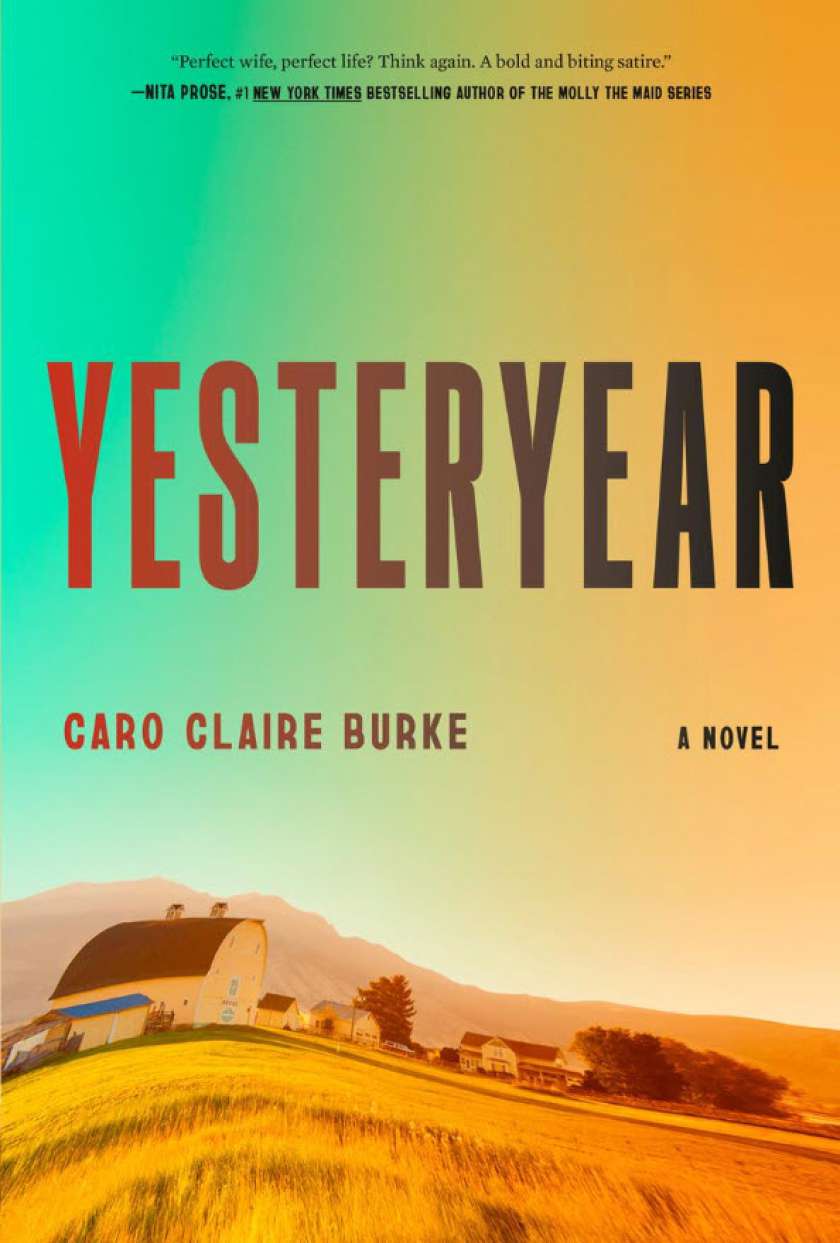
Yesteryear by Caro Claire Burke
This is a novel that sits comfortably within the space of memory and return. It lingers in the aftermath of choices made long ago, allowing the past to surface not as nostalgia, but as something unresolved. The narrative moves with a certain restraint, attentive to how time reshapes both people and perception.
What stayed with us is the book’s refusal to romanticize hindsight. Instead, it treats memory as something textured—partial, unreliable, sometimes protective. There’s a quiet honesty in how it considers the ways we revise our own stories just to keep moving forward.
Best for Readers Who…
- Enjoy emotionally layered stories
- Prefer character-driven narratives
- Are drawn to reflections on memory and time
- Want something absorbing but thoughtful
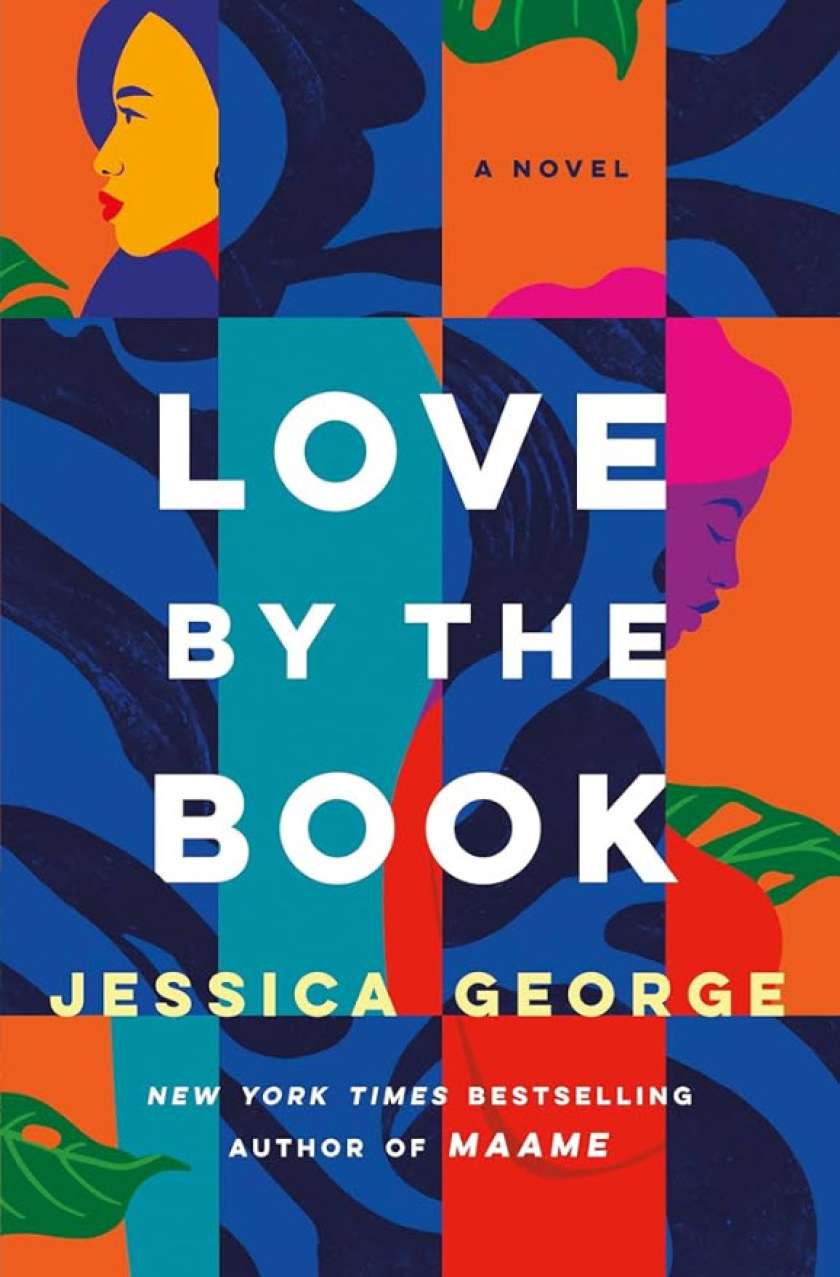
Love by the Book by Jessica George
Set within the rhythms of contemporary life, this novel explores love not as a grand event, but as something negotiated in the everyday. Relationships here are shaped by timing, expectation and the quiet influence of cultural and personal history.
George writes with a lightness that never undermines the weight of what her characters are navigating. There’s a warmth to the story, but also a clear-eyed understanding that love often asks more of us than we’re prepared to give.
Best for Readers Who…
- Like messy relationships or moral tension
- Enjoy contemporary, character-driven stories
- Appreciate subtle humor alongside emotional depth
- Want a thoughtful exploration of modern love
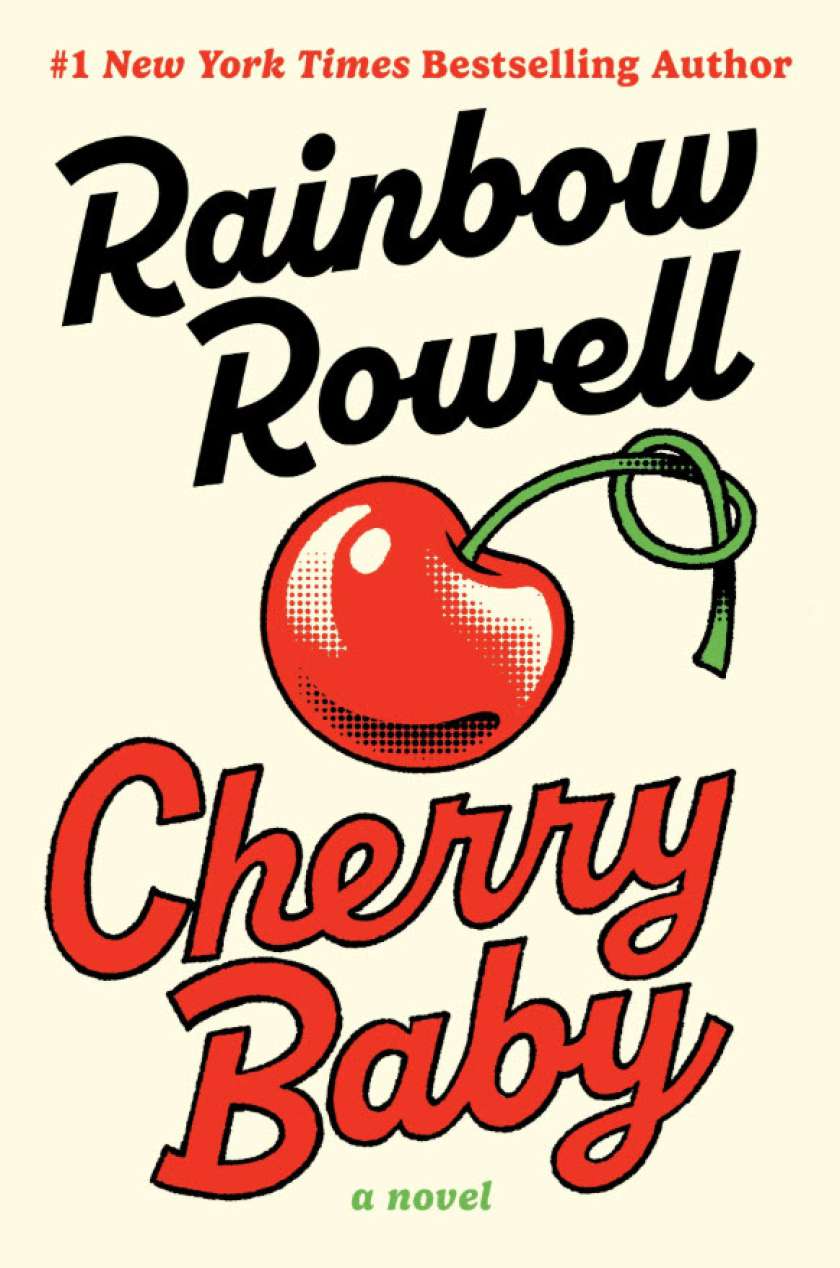
Cherry Baby by Rainbow Rowell
Rowell returns with a story that feels both intimate and slightly off-center. It inhabits the emotional interior of its characters with care, allowing small moments to carry surprising weight. There’s a sense of tenderness here, but also an undercurrent of unease.
What we noticed most is Rowell’s attentiveness to vulnerability—how it shows up in unexpected places, and how difficult it can be to name. The novel resists easy categorization, choosing instead to sit in that delicate space between comfort and discomfort.
Best for Readers Who…
- Enjoy emotionally nuanced storytelling
- Prefer quiet, character-focused narratives
- Are interested in the complexities of intimacy
- Appreciate a slightly unconventional emotional tone
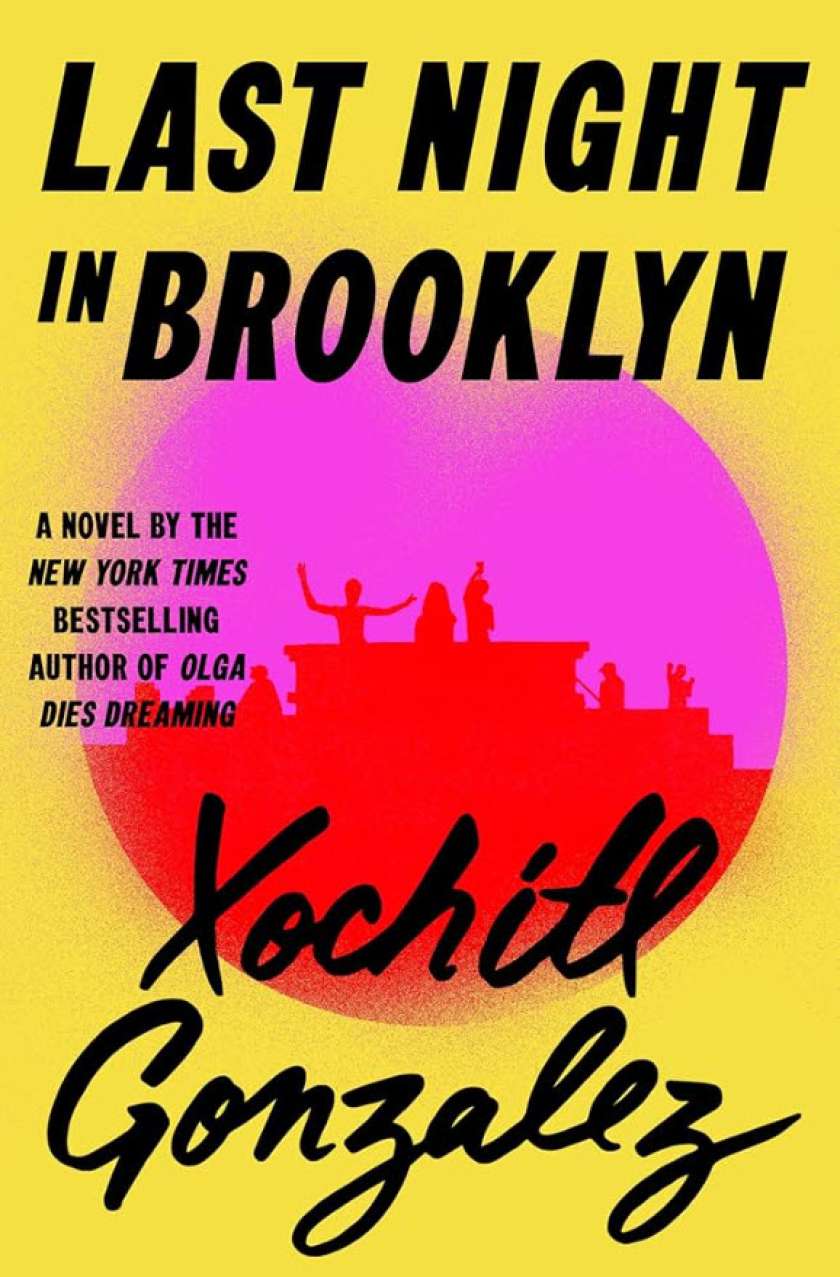
Last Night in Brooklyn by Xóchitl González
This novel captures a city not just as a setting, but as a force shaping the lives within it. Brooklyn feels alive here—layered, restless, full of competing histories and ambitions. The story moves through interconnected lives, each navigating their own version of belonging.
González brings a sharp observational lens to questions of class, identity and aspiration. What emerges is not a singular narrative, but a mosaic of perspectives that reflect the complexity of urban life without flattening it.
Best for Readers Who…
- Enjoy multi-perspective narratives
- Are drawn to stories rooted in place
- Like character-driven explorations of class and identity
- Want something immersive yet thoughtful
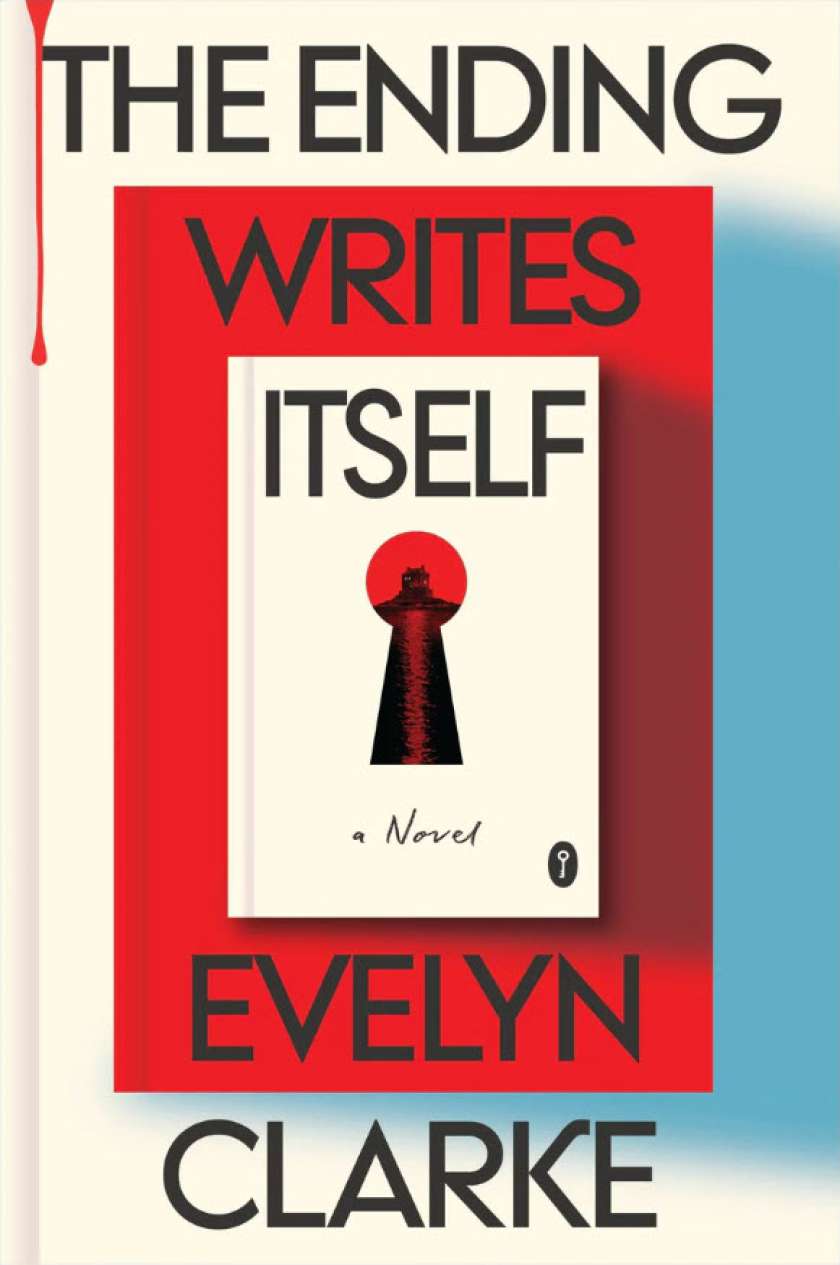
The Ending Writes Itself by Evelyn Clarke
There is a self-awareness to this novel that quietly shapes its structure. It plays with the idea of narrative control—who gets to tell a story, and how much of it can ever truly be directed.
Clarke approaches this with restraint, allowing the concept to emerge naturally rather than overtly. The result is a story that feels reflective without becoming overly cerebral, grounded in the lived experience of its characters even as it questions the frameworks surrounding them.
Best for Readers Who…
- Enjoy introspective, layered storytelling
- Like narratives that reflect on storytelling itself
- Prefer character-driven fiction with subtle experimentation
- Want something thoughtful without being heavy
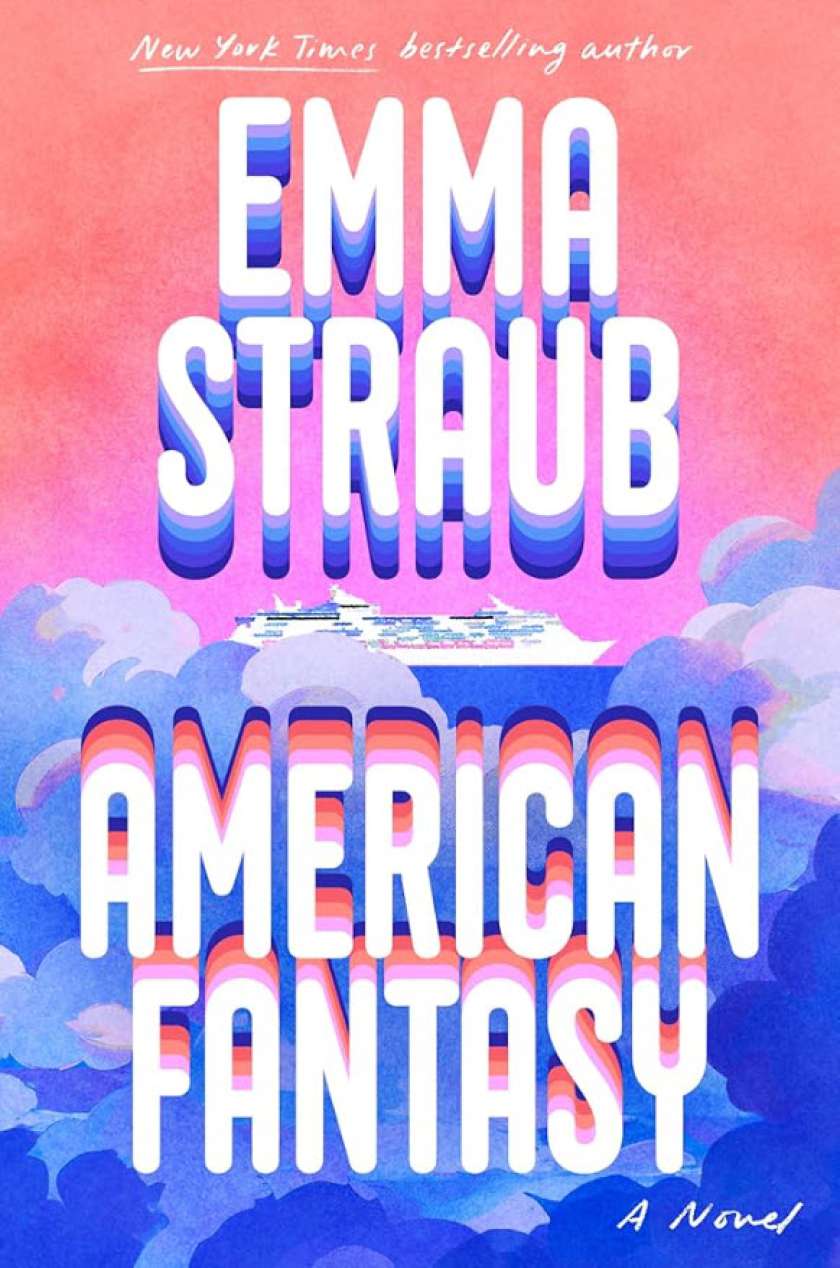
American Fantasy by Emma Straub
Straub’s work often sits at the intersection of familiarity and quiet surprise, and this novel continues in that tradition. It examines the idea of the “fantasy” we build around our lives—what we imagine, what we pursue, and what ultimately remains.
There’s an ease to the prose that makes the deeper questions feel almost incidental. Yet beneath that surface lies a careful consideration of expectation and disillusionment, handled with Straub’s characteristic warmth.
Best for Readers Who…
- Enjoy character-driven domestic fiction
- Appreciate subtle emotional shifts
- Are interested in themes of expectation and reality
- Want something reflective but accessible
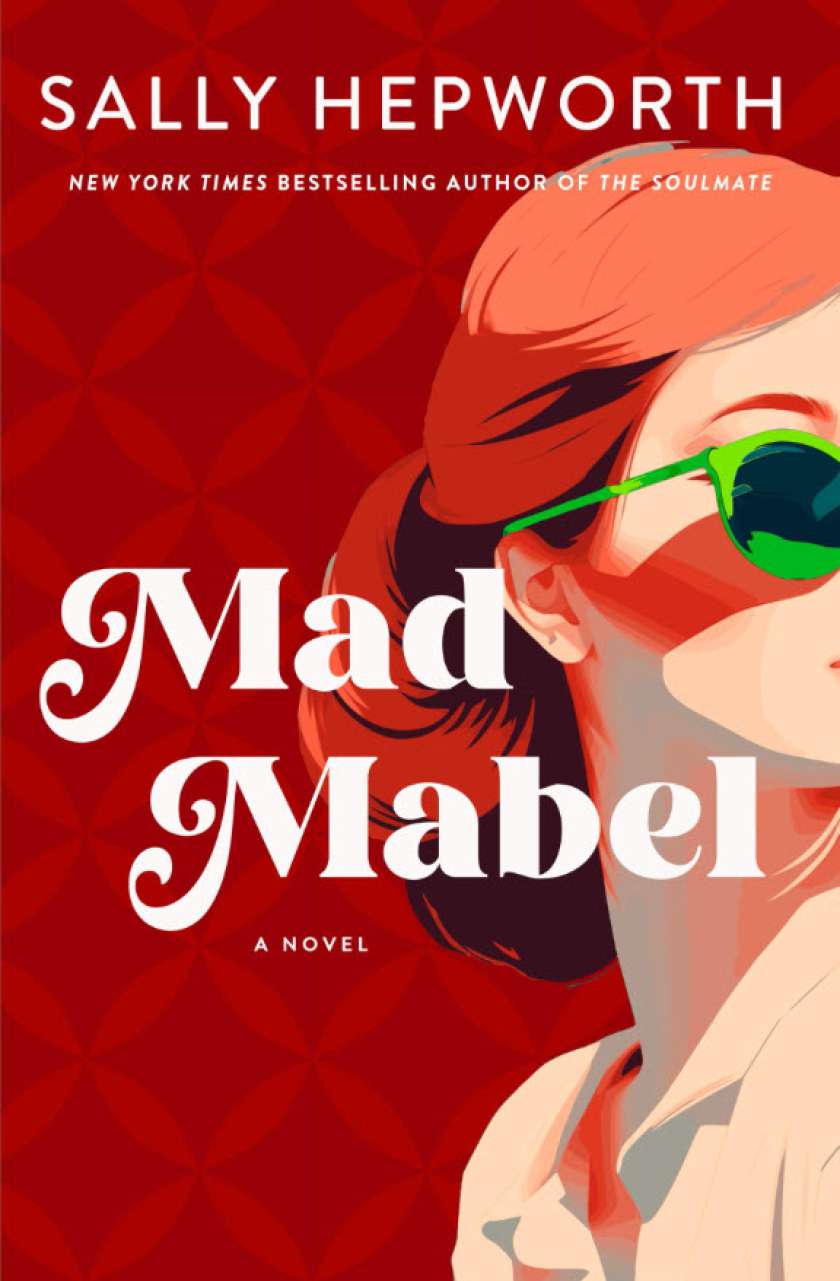
Mad Mabel by Sally Hepworth
This is a story that leans into psychological tension while remaining anchored in the everyday. The central character is both compelling and difficult to fully grasp, which gives the narrative a steady sense of unease.
Hepworth allows ambiguity to do much of the work. Rather than offering clear answers, the novel invites readers to sit with uncertainty, to question perception and motivation. It’s this restraint that gives the story its quiet intensity.
Best for Readers Who…
- Like messy relationships or moral tension
- Enjoy psychological, character-driven stories
- Appreciate ambiguity over clear resolution
- Want something unsettling but grounded
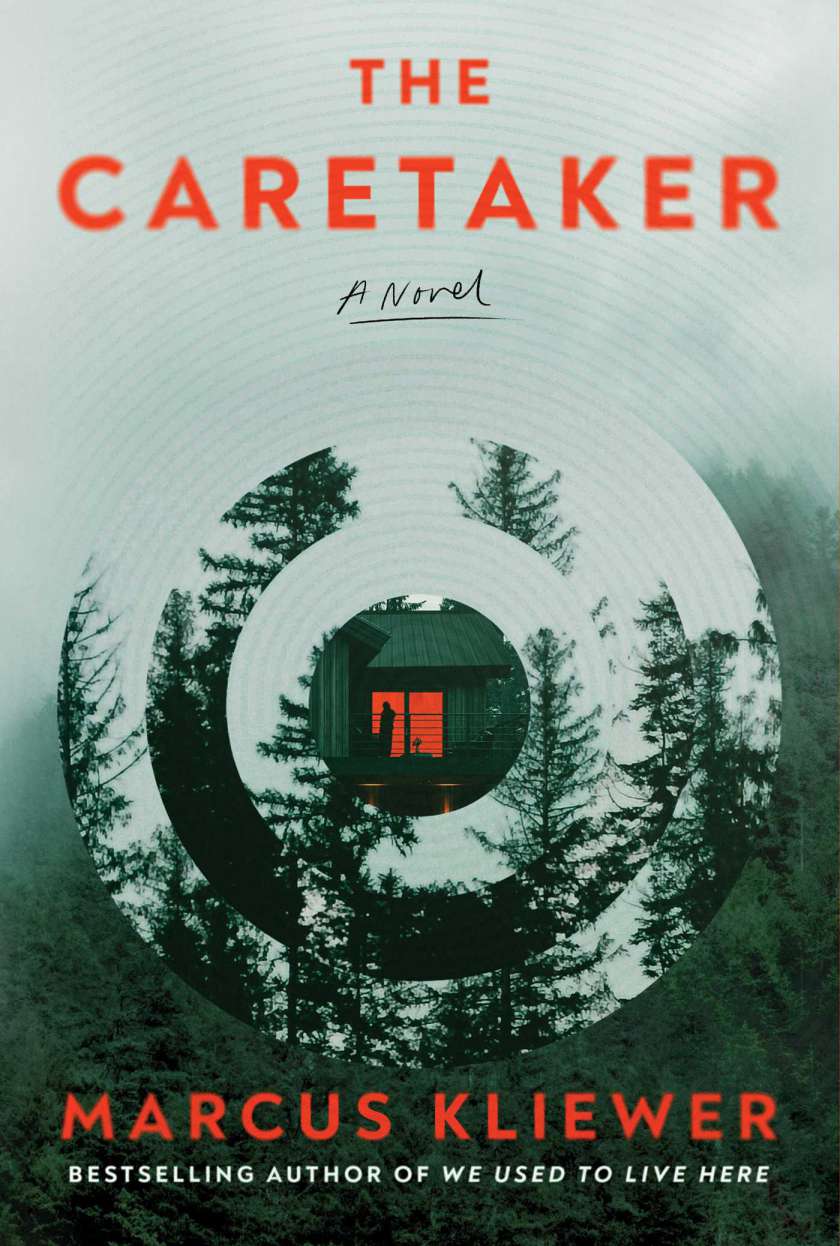
The Caretaker by Marcus Kliewer
There’s a deliberate stillness to this novel, one that builds tension through absence as much as presence. It occupies a space where the ordinary begins to feel slightly off, where small details accumulate into something harder to ignore.
What stood out is the author’s control of atmosphere. The story doesn’t rush; it allows discomfort to develop gradually, trusting the reader to notice what’s shifting beneath the surface.
Best for Readers Who…
- Enjoy slow-building psychological tension
- Prefer atmosphere-driven narratives
- Like stories that reward close attention
- Want something quietly unsettling
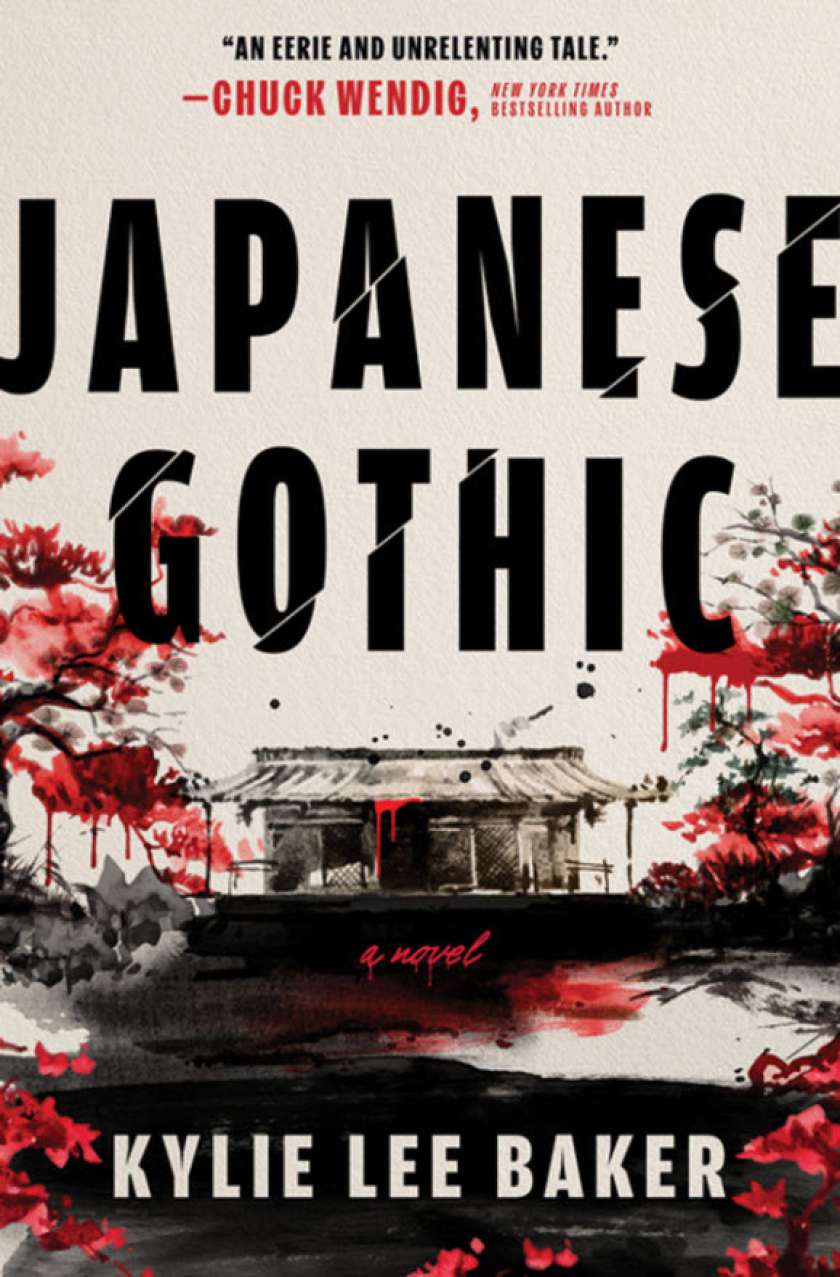
Japanese Gothic by Kylie Lee Baker
This novel draws from gothic traditions while grounding itself in a specific cultural and aesthetic context. The result is a story that feels both familiar and distinct, using atmosphere and restraint to create a lingering sense of unease.
Baker approaches horror with a certain elegance, allowing suggestion to carry more weight than spectacle. It’s a reminder that what remains unseen often holds the most power.
Best for Readers Who…
- Enjoy gothic storytelling with cultural specificity
- Prefer subtle, atmospheric horror
- Appreciate mood over overt scares
- Are drawn to beautifully restrained narratives
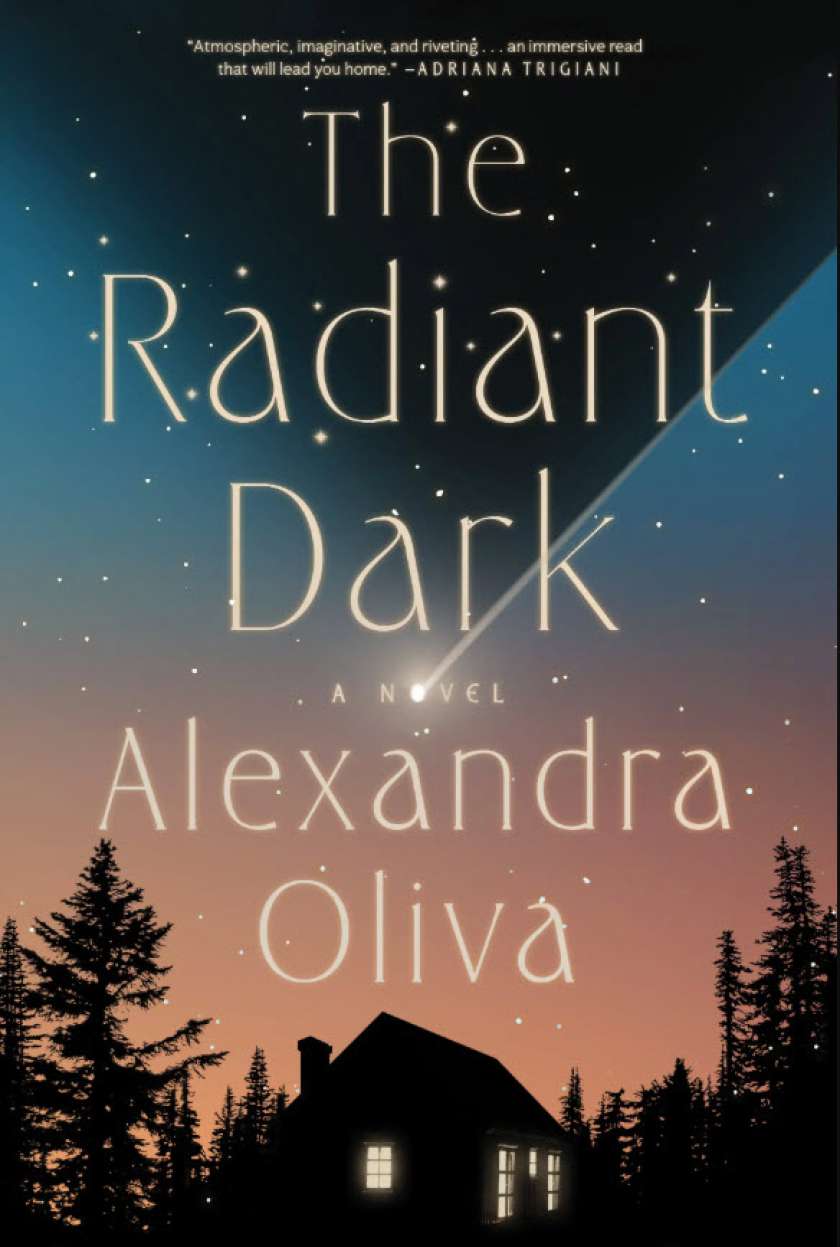
The Radiant Dark by Alexandra Oliva
Oliva’s novel sits at the edge of light and shadow—both literally and emotionally. It explores what happens when clarity gives way to uncertainty, when the boundaries we rely on begin to blur.
There is a quiet intensity to the writing, a sense that something is always just out of reach. The novel doesn’t rush to define itself, instead allowing meaning to emerge gradually through image and feeling.
Best for Readers Who…
- Enjoy introspective, atmospheric fiction
- Are drawn to stories that resist easy interpretation
- Prefer mood-driven narratives
- Want something immersive and quietly haunting
Editors’ Closing Note
If April offers anything, it is the space to notice what draws you in without needing to explain why. These books don’t ask to be read in a particular order, or even in the same mood. Let yourself reach for the one that feels right in the moment—the one that lingers just a little longer in your mind.
