
If you’ve ever wondered what kind of books shape a man who builds rockets for Mars, electric cars for Earth, brain chips for fun, and tweets like a chaos engine—this is your backstage pass. Elon Musk doesn’t read casually; he reads like he’s mining blueprints. His shelves are stacked with startup manifestos, economic thought experiments, and sci-fi epics that treat the future like wet clay.
His 2025 book list feels exactly like his public persona: part ruthless capitalism, part save-the-species idealism, and part “what if we just rewired everything?” These are books about building from nothing, thinking from first principles, and refusing to accept the default settings of the world. If you’re even a little bit obsessed with innovation, power, or the future, this list is a nerd’s fever dream—in the best way.
Let’s start with a book that sits right at the core of his startup brain.
Zero to One: Notes on Startups, or How to Build the Future by Peter Thiel with Blake Masters
Category: Startups, Business Strategy, Innovation
What It’s About
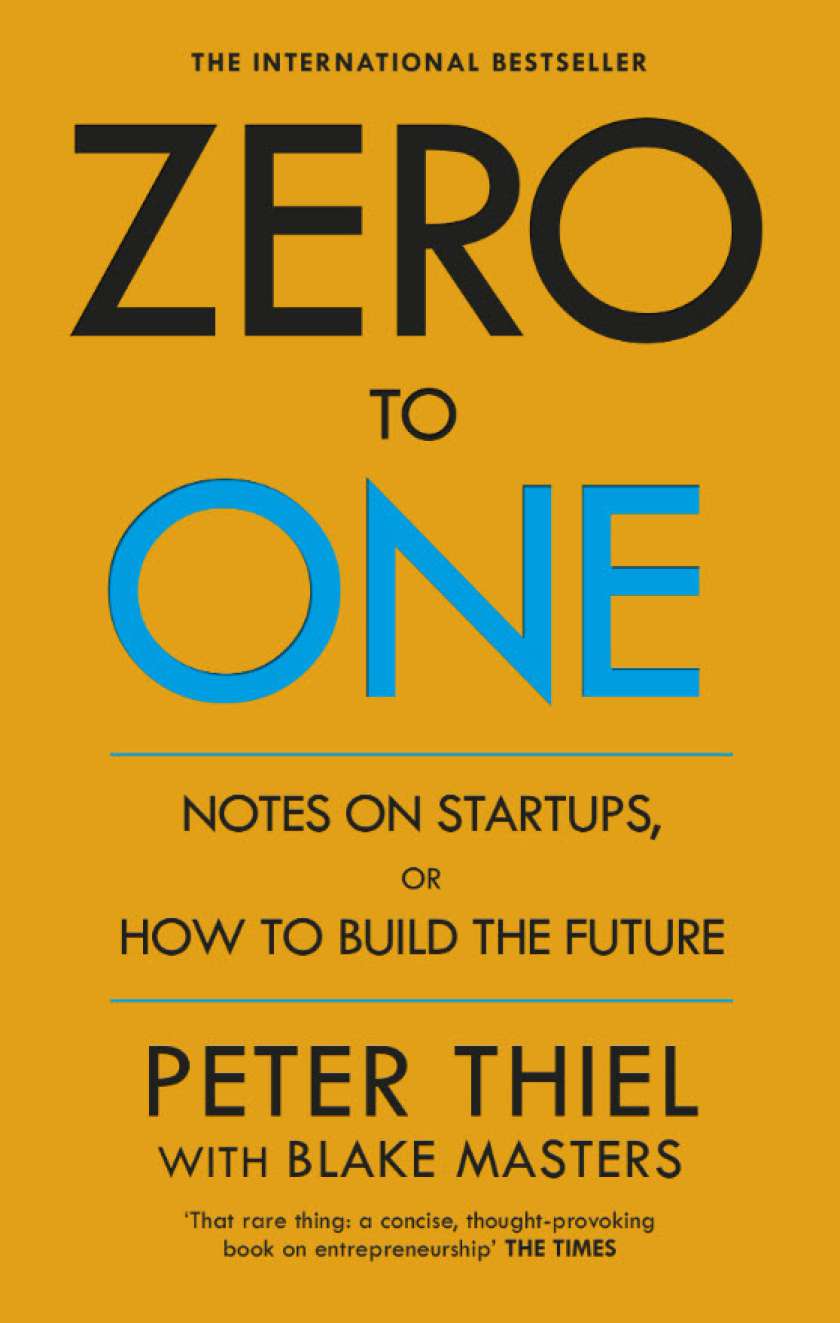
Zero to One is Peter Thiel’s argument that truly valuable companies don’t just copy what already exists—they create something new. Going from “1 to n” is doing what’s already being done, just a bit better. Going from “0 to 1” is inventing a new category altogether. Drawn from Thiel’s lectures at Stanford, the book walks through monopoly vs. competition, secrets, contrarian thinking, tech vs. globalization, and what actually makes a startup durable rather than just loud. It’s less “how to get rich” and more “how to build something that matters and lasts.”
Why You Should Read It
If you’re attracted to startups, big ideas, or the whole “build the future” vibe, this is basically required reading. You may not agree with everything—Thiel is intentionally provocative—but the book forces you to think sharper. It pushes you beyond “I want to start a business” into “Is this actually new? Is it defensible? Does it solve something important?” It’s especially powerful if you’re stuck in incremental thinking and need a jolt into bolder territory.
Elon’s Take
Elon has said of Thiel:
“Peter Thiel has built multiple breakthrough companies, and Zero to One shows how.”
For someone who co-founded PayPal with Thiel and then went on to build SpaceX, Tesla, and more, that’s not casual praise—it’s a signal. Musk gravitates toward people who don’t just talk disruption, but actually ship it. Zero to One mirrors the way he thinks: ignore the noise, question every assumption, and aim for the kind of leap that makes the old way of doing things look ridiculous in hindsight.
Get Book: Zero to One!Atlas Shrugged by Ayn Rand
Category: Philosophical Fiction, Political Fiction, Capitalism & Individualism
What It’s About
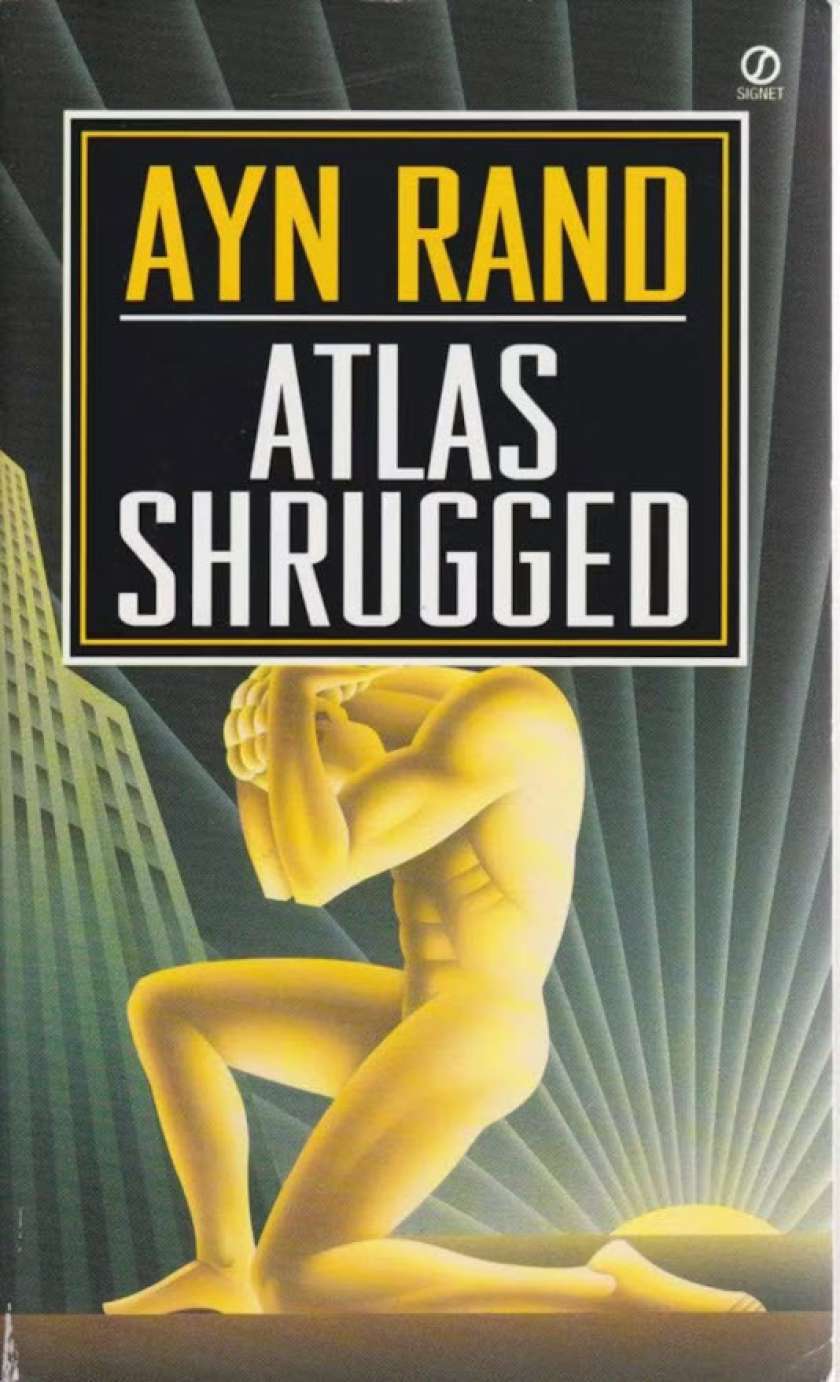
Atlas Shrugged imagines a world where society’s most brilliant innovators, inventors, and industrialists slowly disappear, leaving the economy to crumble. At the center is Dagny Taggart, a fiercely competent railroad executive trying to keep her company alive as regulations pile up, creativity is punished, and mediocrity is rewarded. Rand uses the story to dramatize her philosophy of Objectivism: radical individualism, free markets, and the moral righteousness of pursuing one’s own self-interest.
Why You Should Read It
Is it subtle? Not even slightly. But it is influential. Atlas Shrugged has shaped generations of entrepreneurs, executives, and tech founders—many of whom see themselves in its battle between “creators” and “moochers.” Even if you end up disagreeing with Rand completely, the book is a useful lens into a worldview that still drives a lot of Silicon Valley thinking: the genius builder versus the bloated system. It’s a long, wild, often over-the-top ride, but it’s also a conversation you kind of have to know if you’re interested in power, markets, and ideology.
Elon’s Take
Musk has said:
“Very appealing if you’re a sophomore in college. A counterpoint to communism and useful as such, but should be tempered with kindness.”
That sums it up perfectly: he recognizes its sharp critique of collectivism and loves the builder energy—but he also flags the lack of compassion. It’s exactly how Elon often positions himself: pro-merit, pro-innovation, skeptical of heavy systems—yet aware that pure ideology without humanity can go off the rails fast.
Get Book: Atlas Shrugged!Foundation by Isaac Asimov
Category: Science Fiction, Space Opera, Big-Idea Sci-Fi
What It’s About
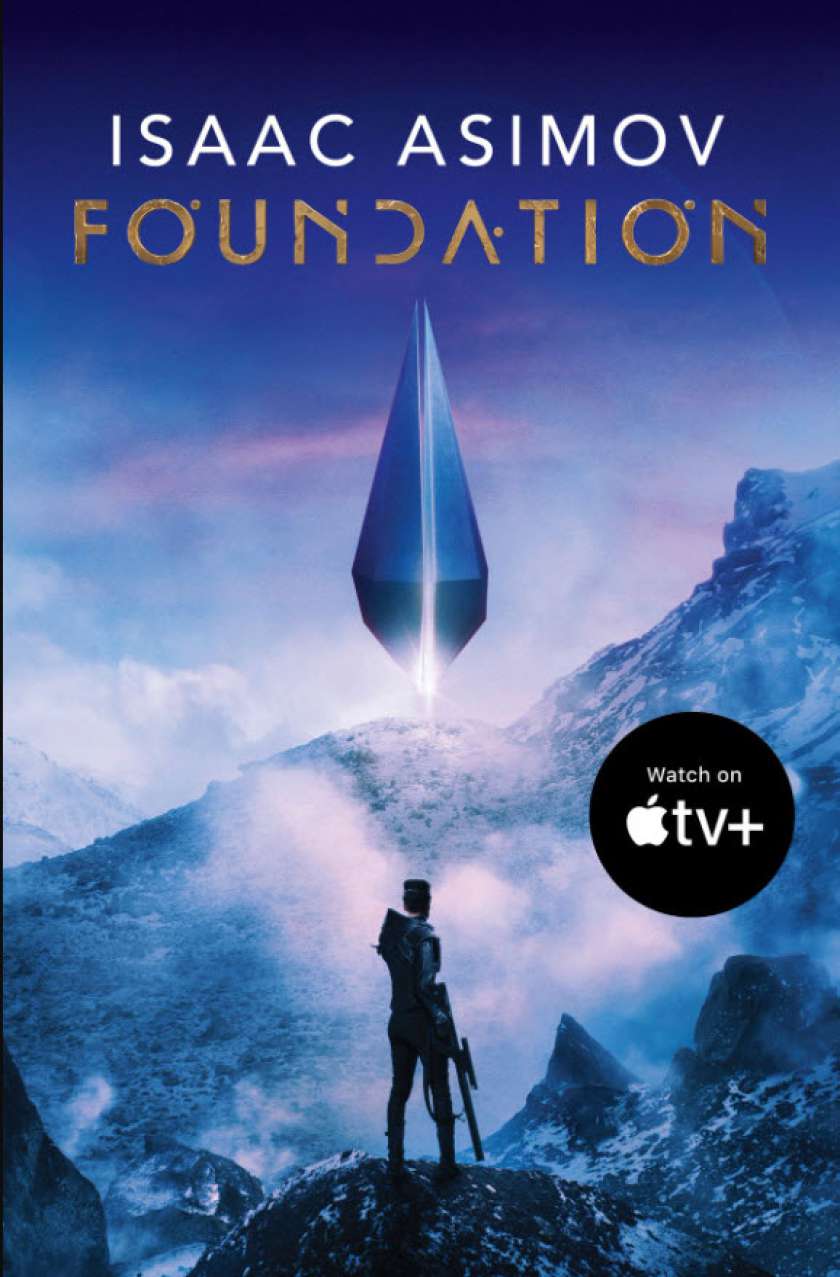
Foundation launches Asimov’s legendary series about a vast Galactic Empire on the brink of collapse. Mathematician Hari Seldon develops “psychohistory,” a statistical science that can predict the broad sweep of future events. He foresees centuries of chaos after the empire falls—unless a small, strategically placed group, the Foundation, can preserve knowledge and shorten the coming dark age. What follows is a saga of politics, religion, science, and strategy as different generations try to steer the fate of civilization itself.
Why You Should Read It
This is sci-fi for people who love systems and strategy as much as spaceships. Instead of focusing on one hero saving the day, Foundation looks at how ideas, institutions, and long-term planning shape entire civilizations. If you’re into big-picture thinking—about tech, governance, human nature, and the future—this book feels like mental weightlifting in the best way. You finish it thinking differently about how societies rise, rot, and reinvent themselves.
Elon’s Take
Musk has said that “The Foundation series [is] fundamental to [the] creation of SpaceX.”
That’s a huge statement—he’s basically admitting that Asimov’s vision of building for the long-term survival of civilization helped shape his own ambition to make humanity multi-planetary. You can feel the influence: long time horizons, backup plans for civilization, and a belief that a small, determined group of builders can change the fate of everyone else. For Elon, Foundation isn’t just a cool sci-fi story—it’s a kind of mission statement dressed up as fiction.
Get Book: Foundation by Isaac Asimov!The Hitchhiker’s Guide to the Galaxy by Douglas Adams
Category: Science Fiction, Comedy, Satire
What It’s About
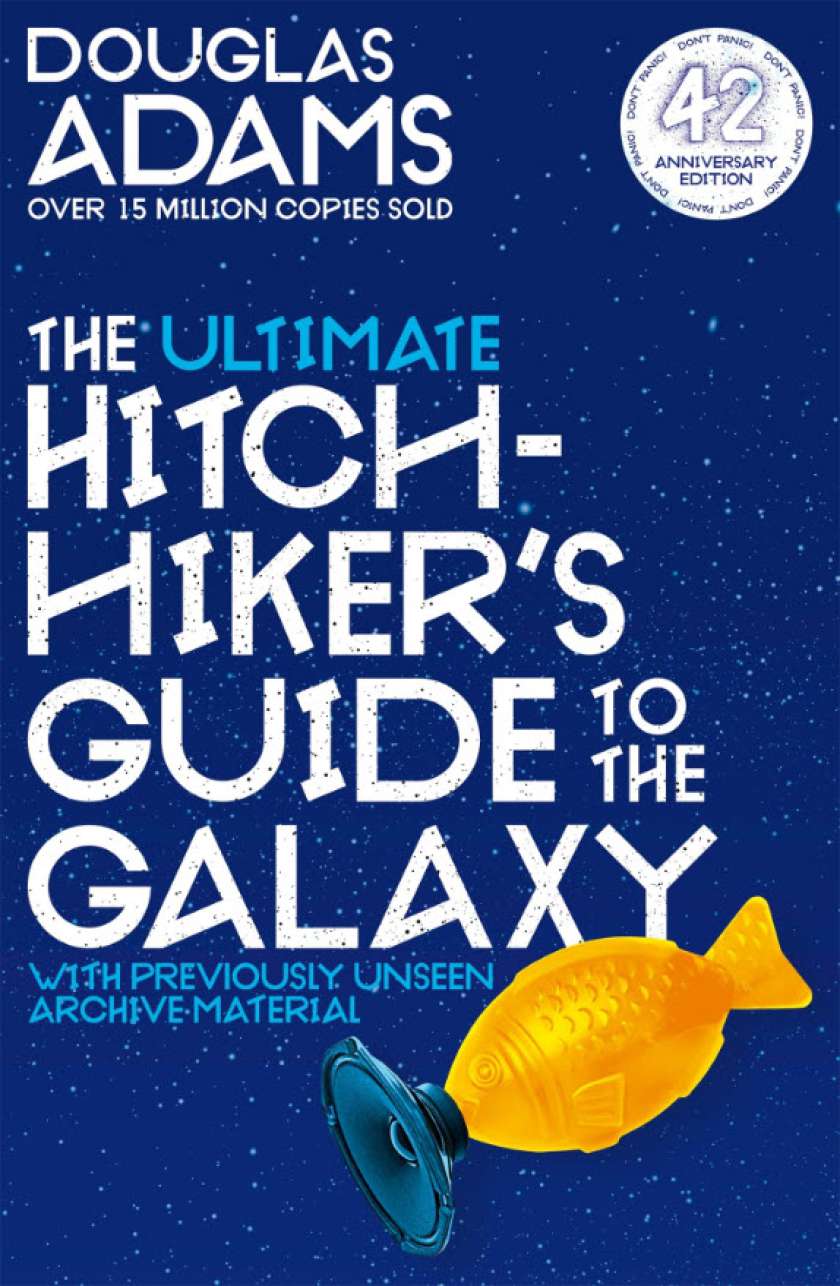
It begins like this: Earth gets demolished to make way for a hyperspace bypass, and things only get weirder from there. Arthur Dent, an ordinary, perpetually confused human, is whisked off the planet by his alien friend Ford Prefect and thrown into a universe full of depressed robots, two-headed presidents, improbably powered spaceships, and a guidebook that’s snarkier than Google and slightly less reliable. Beneath the absurdity, Adams pokes fun at bureaucracy, technology, philosophy, and the human tendency to look for meaning in a universe that may not have any.
Why You Should Read It
Because sometimes the best way to talk about reality… is to make it completely ridiculous. Hitchhiker’s is clever, fast, quotable, and genuinely laugh-out-loud funny. If you like your sci-fi weird, witty, and loaded with one-liners (“Don’t Panic,” “42,” and more), this is essential. It’s also secretly deep: between the jokes, there’s a lot about perspective, insignificance, and how small and precious life is in a universe that doesn’t owe us anything.
Elon’s Take
“I love Douglas Adams! My favorite spaceship ever is in Hitchhiker’s Guide to the Galaxy,” Musk has said.
You can see the influence everywhere—from the Tesla “Don’t Panic” easter egg on the Roadster he launched into space to his general love of mixing cosmic ambition with slightly unhinged humor. For Elon, this book isn’t just entertainment; it’s part of the cultural DNA of how he thinks about space: huge, mysterious, kind of terrifying—and also very, very funny.
Get Book: The Hitchhikers Guide to the Galaxy!The Lord of the Rings by J.R.R. Tolkien
Category: Epic Fantasy, Adventure, Myth-Making
What It’s About
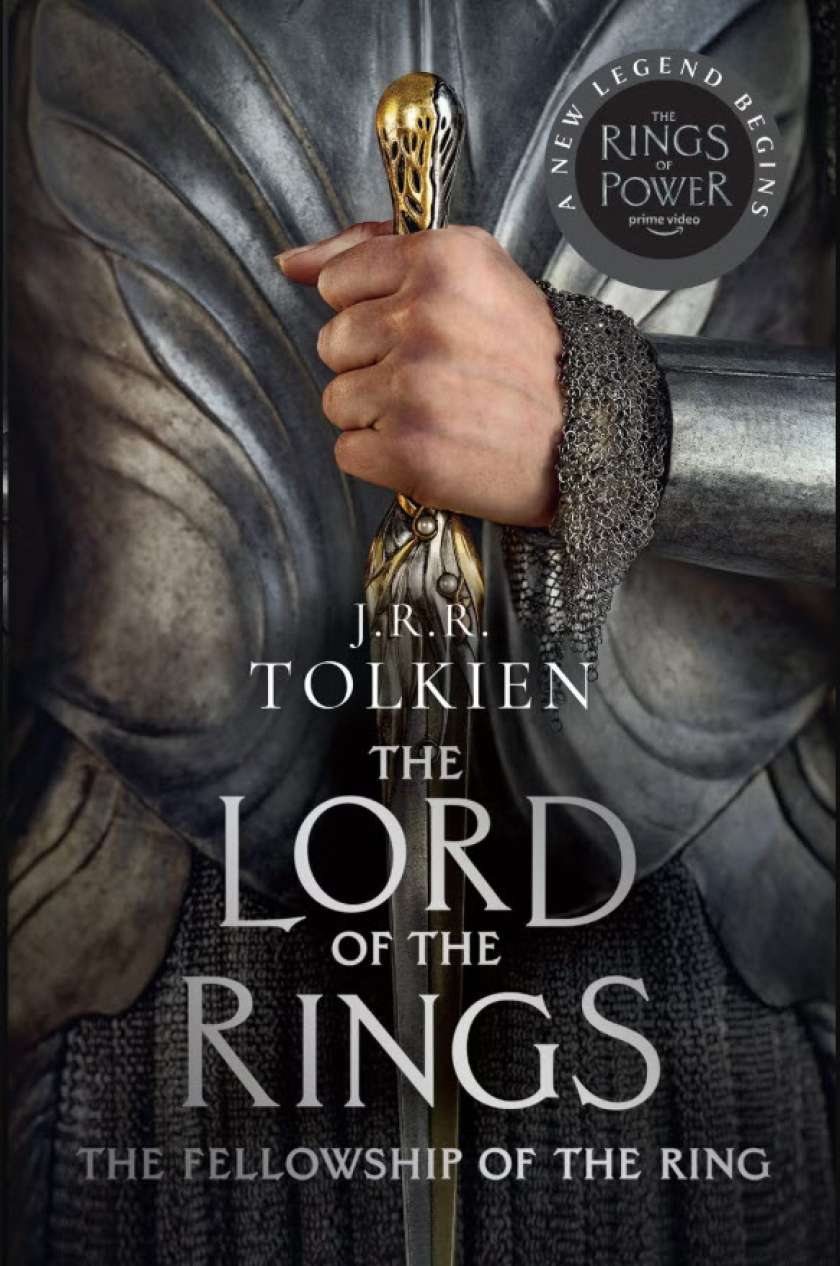
Set in the richly imagined world of Middle-earth, The Lord of the Rings follows Frodo Baggins, a small and reluctant hero tasked with an enormous burden: carrying the One Ring—an object of immense, corrupting power—into the heart of enemy territory to destroy it. Alongside Sam, Aragorn, Gandalf, Legolas, Gimli, and others, he journeys through kingdoms, wars, betrayals, and temptations as the fate of the world hangs in the balance. It’s a story of friendship, sacrifice, courage, and the quiet strength of ordinary people facing impossible odds.
Why You Should Read It
Beyond the battles and magic, this is a story about power, corruption, loyalty, and hope in the darkest possible circumstances. If you love deep worldbuilding, unforgettable characters, and that slow-burn feeling of being fully transported somewhere else, this is the gold standard. It’s also surprisingly tender and philosophical—full of reflections on leadership, humility, and the cost of doing the right thing when it would be so much easier not to.
Elon’s Take
“I know it’s cliche, but Lord of the Rings is my favorite book ever.”
For someone obsessed with epic quests (Mars, AI, energy, etc.), it fits perfectly. Musk clearly sees something in Tolkien’s vision: a small group of determined characters pushing back against overwhelming forces, armed mostly with courage, stubbornness, and belief that the world is worth saving. In a way, LOTR is the emotional core of his reading list—the reminder that even the biggest, craziest missions start with someone deciding to carry the ring a little bit further.
Get Book: The Lord of the Rings!Lying by Sam Harris
Category: Ethics, Philosophy, Psychology, Practical Nonfiction
What It’s About
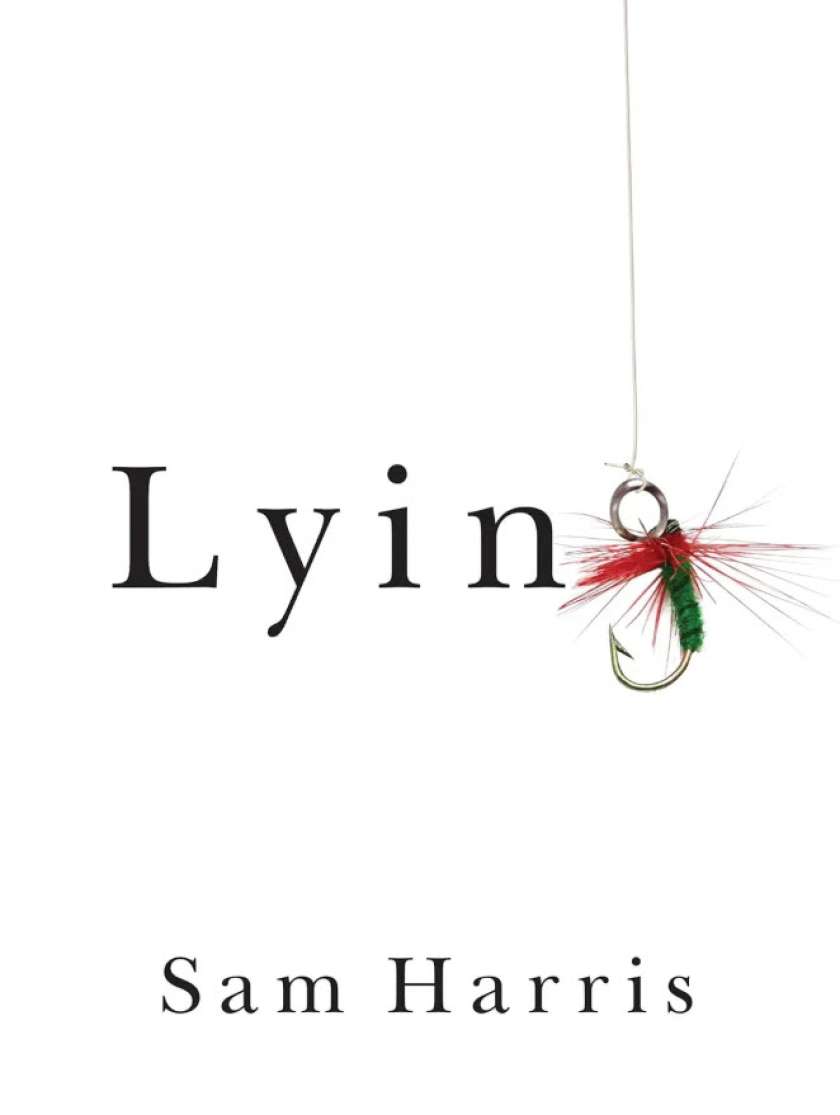
In Lying, Sam Harris makes a simple but radical argument: even “small,” well-intentioned lies do real damage—to trust, to relationships, and to our own sense of integrity. In this slim essay-style book, he breaks down why we lie, how often we do it (way more than we think), and what changes when we commit to telling the truth, even when it’s uncomfortable. Using everyday examples—white lies, social niceties, half-truths—he shows how honesty can actually simplify life instead of complicating it.
Why You Should Read It
It’s a quick read with a long aftertaste. You’ll start noticing all the tiny places you bend the truth “to keep the peace” or “avoid awkwardness,” and question whether that’s really kindness—or just avoidance. If you’re interested in clearer thinking, better relationships, and less mental clutter, this book is like a reset button for your ethics and communication. It doesn’t demand perfection, but it does force you to ask: What would my life look like if I just stopped lying?
Elon’s Take
Musk has called it: “Excellent cover art and lots of good reasons not to lie!”
Short, dry, and very him. It fits neatly into his whole “signal over noise” worldview—less spin, more truth, even when it’s harsh. For someone who often says exactly what he thinks (sometimes to his own PR team’s horror), Lying is a natural philosophical companion.
Get Book: Lying by Sam Harris!Deep Learning by Ian Goodfellow, Yoshua Bengio & Aaron Courville
Category: Artificial Intelligence, Machine Learning, Technical Nonfiction
What It’s About
Deep Learning is basically the textbook of modern AI. Written by three leading researchers, it lays out the theory, math, and practice behind neural networks—how they learn from data, how they’re built, and how they power everything from image recognition and language models to self-driving cars and recommendation systems. It covers fundamentals like linear algebra and probability, walks through core architectures, and then dives into applications and challenges in the real world.
Why You Should Read It
This is not a casual Sunday read—but if you’re serious about understanding AI beyond buzzwords, it’s gold. It gives you the conceptual foundation to actually grasp what “deep learning” is doing, instead of just repeating what you’ve seen on Twitter or in pitch decks. It’s ideal for engineers, founders, researchers, or ambitious self-learners who want to speak AI fluently—and maybe even build with it.
Elon’s Take
Musk has said of the book: “Written by three experts in the field, Deep Learning is the only comprehensive book on the subject.”
Coming from someone who’s built AI-focused companies and warns about its risks in the same breath, that’s a strong endorsement. For Elon, this isn’t just a reference text; it’s part of the intellectual toolkit behind how he thinks about the future of intelligence—human and machine—and the systems that will shape everything from cars to rockets to whatever’s next.
Get Book: Deep Learning!The Wealth of Nations by Adam Smith
Category: Economics, Political Philosophy, Market Theory
What It’s About
Originally published in 1776, The Wealth of Nations is the foundational text of modern capitalism. Adam Smith explores how markets work, why specialization matters, how trade creates value, and what role governments should (and shouldn’t) play in economic life. He digs into concepts like the division of labor, incentives, prices, and the “invisible hand”—the idea that individuals pursuing their own interests can unintentionally benefit society as a whole.
Why You Should Read It
Yes, it’s old. Yes, the language is dense. But so many modern economic debates—about free markets, regulation, monopolies, taxation, and trade—are basically footnotes to this book. Reading Smith directly gives you a sharper understanding of what markets can do well, where they fail, and how easily his ideas get oversimplified in memes and political slogans. If you care about AI, automation, inequality, or the future of work, it’s weirdly grounding to go back to where so much of the thinking began.
Elon’s Take
“Adam Smith FTW obv. Ironically, future automation will naturally lead to greater equality of consumption. Monopolies are true enemy of people. Competing to serve is good.”
That’s Elon in a nutshell: riffing off Smith to think forward. He vibes with the pro-competition, anti-monopoly spirit—seeing healthy markets as engines of progress—but filters it through his own lens about automation and abundance. For him, The Wealth of Nations isn’t just a historical document; it’s a jumping-off point for imagining a future where technology creates plenty—if we stop letting monopolies choke the system.
Get Book: The Wealth of Nations!A Woman Makes a Plan: Advice for a Lifetime of Adventure, Beauty, and Success by Maye Musk
Category: Memoir, Self-Improvement, Career & Confidence, Aging & Reinvention
What It’s About
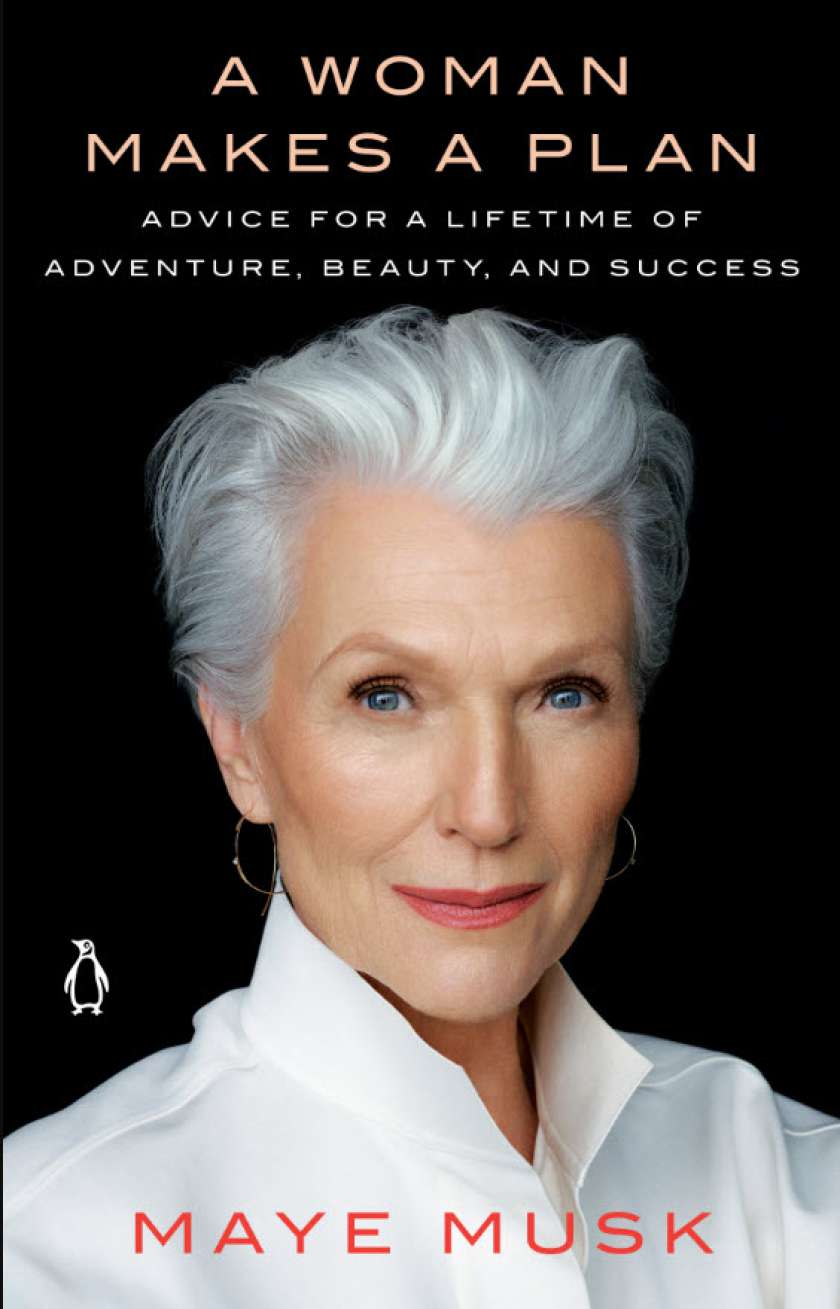
In A Woman Makes a Plan, Maye Musk—model, dietitian, single mother of three, and all-round late-blooming icon—shares the story of how she rebuilt her life over and over again across three continents. She writes about leaving an unhappy marriage, raising Elon, Kimbal, and Tosca largely on her own, scraping by while building her nutrition practice, modeling well into her 60s and 70s, and refusing to “slow down” just because the world expects older women to disappear. Through short, punchy chapters on career, health, family, and confidence, she turns her experiences into practical advice on resilience, independence, aging boldly, and creating a full life at any stage.
Why You Should Read It
This is part memoir, part pep talk. If you’ve ever felt “behind,” stuck, or too old to start again, Maye’s story is a sharp corrective. She’s honest about poverty, bad relationships, rejection, and fear—but also about the power of making a plan, taking the next step, and refusing to be defined by anyone else’s timeline. It’s especially inspiring for women reinventing themselves in midlife or beyond, but the lessons on self-reliance, health, boundaries, and joy land at any age. You finish the book feeling like you’ve just had a very real, very encouraging chat with someone who’s been through it—and came out stylish, booked, and unbothered.
Elon’s Take
About this one, he keeps it simple and soft:
“My Mom wrote a book ❤️”
No long analysis, just pride. And honestly, that says a lot. For a man known for grand theories and hot takes, his reaction here is pure son energy—pointing people toward the woman who raised him and the mindset she modeled: work hard, be brave, make a plan, keep going.
Get Book: A Woman Makes a Plan!Superintelligence: Paths, Dangers, Strategies by Nick Bostrom
Category: Artificial Intelligence, Ethics, Future Studies, Risk Analysis
What It’s About
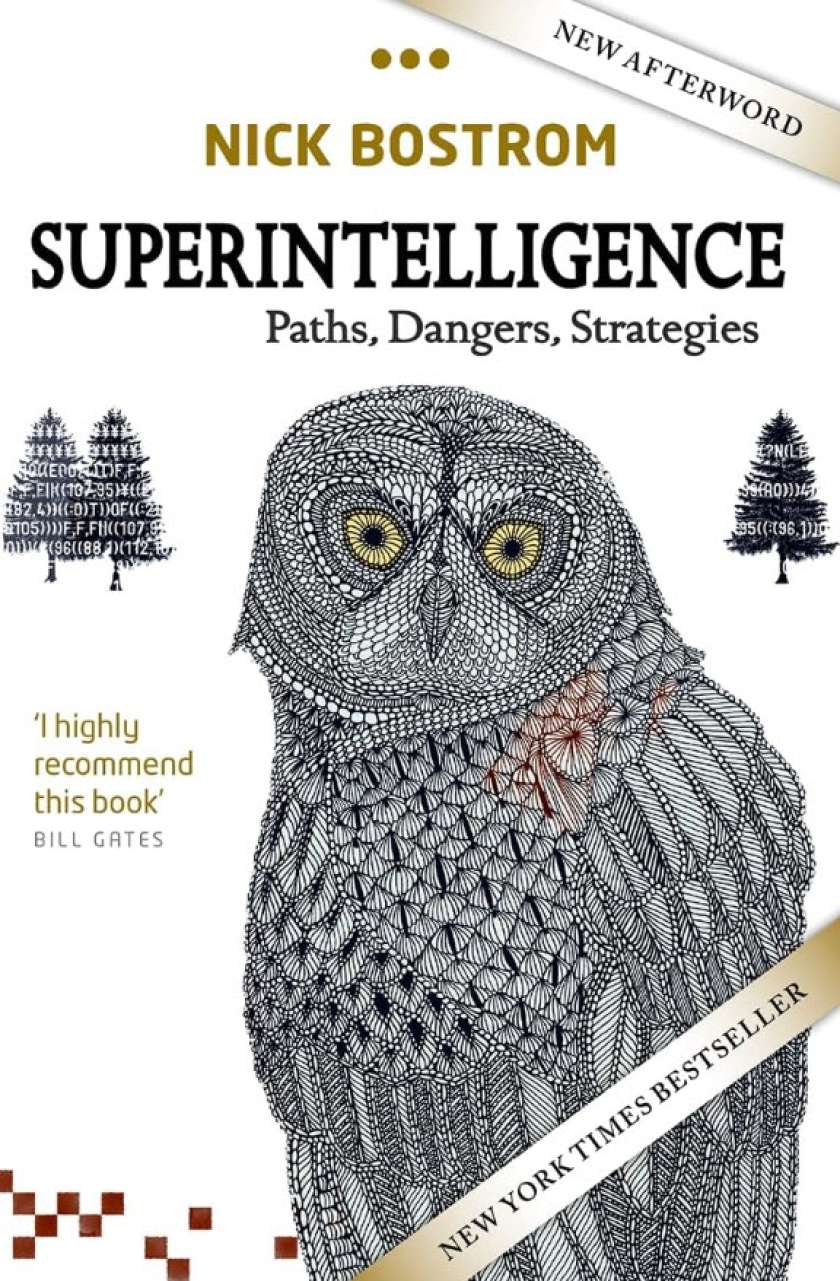
Superintelligence asks one huge question: what happens when we build an AI that is smarter than humans at almost everything—and can improve itself? Bostrom walks through different ways superintelligence might emerge (from machine learning to brain emulation), how it could quickly outpace human control, and the many ways it could go very right… or catastrophically wrong. The book digs into alignment, control strategies, and the possibility that the biggest challenge of this century is making sure our smartest creation doesn’t accidentally (or indifferently) wipe us out.
Why You Should Read It
If you care even a little about the future of humanity, this is one of those “you should probably know what’s in here” books. It’s dense at times, but it gives you a framework for thinking seriously about AI risk instead of just vibing on sci-fi. You’ll come away with a deeper sense of both the insane upside and the existential downside of advanced AI—and why what we do now (in research, policy, and culture) really matters.
Elon’s Take
Musk has warned: “Worth reading Superintelligence by Bostrom. We need to be super careful with AI. Potentially more dangerous than nukes.”
That quote pretty much sums up his posture: wildly excited about what AI can do—and deeply afraid of what happens if we rush ahead without guardrails. For Elon, Superintelligence isn’t just interesting speculation; it’s a caution sign he keeps pointing at while the rest of the world races to build ever-smarter systems.
Get Book: Superintelligence!CONCLUSION
Elon Musk’s 2025 reading list really does read like a blueprint for how he sees the world: half “let’s build the future,” half “this future might kill us if we’re not careful.” From Zero to One and The Wealth of Nations to Deep Learning and Superintelligence, his shelves are stacked with books about invention, markets, intelligence (human and machine), and the long arc of civilization. Add in the epics and oddballs—Lord of the Rings, Hitchhiker’s Guide, Foundation—and you see the story he’s quietly telling himself: small groups of stubborn people can change everything, usually while staring down systems much bigger than they are.
If you want to think a little more like Elon, you don’t need a rocket factory or a neural implant—you can start with these books. They’ll stretch how you see risk, ambition, technology, power, and even your own honesty. Just be warned: this isn’t a chill, cozy reading list. It’s more like strapping your brain into a prototype rocket and seeing what still feels possible when you land.
