
January is often framed as a month for fresh starts, but I’ve never experienced it that way. For me, January is quieter and more honest. It’s when the noise drops, the adrenaline fades, and you’re left with the thoughts you postponed in December. The books I reach for during this time tend to reflect that mood — reflective, unsettling, emotionally precise.
This month’s picks aren’t about escape. They’re about attention. Each of these books asked me to slow down, to sit with discomfort, to notice the subtleties of human behavior — the things we excuse, the things we deny, the moments we misread until it’s too late. These are stories that reward patience and stay with you long after you close the cover.
How We Chose These Picks
- Books that sparked sustained reflection, not just momentum
- Stories that trust the reader’s intelligence
- Writing that handles emotional complexity with restraint
- Narratives that invite discussion rather than conclusions
- A balance of tension, intimacy, and introspection
The Shelf at a Glance
The Editors’ Picks
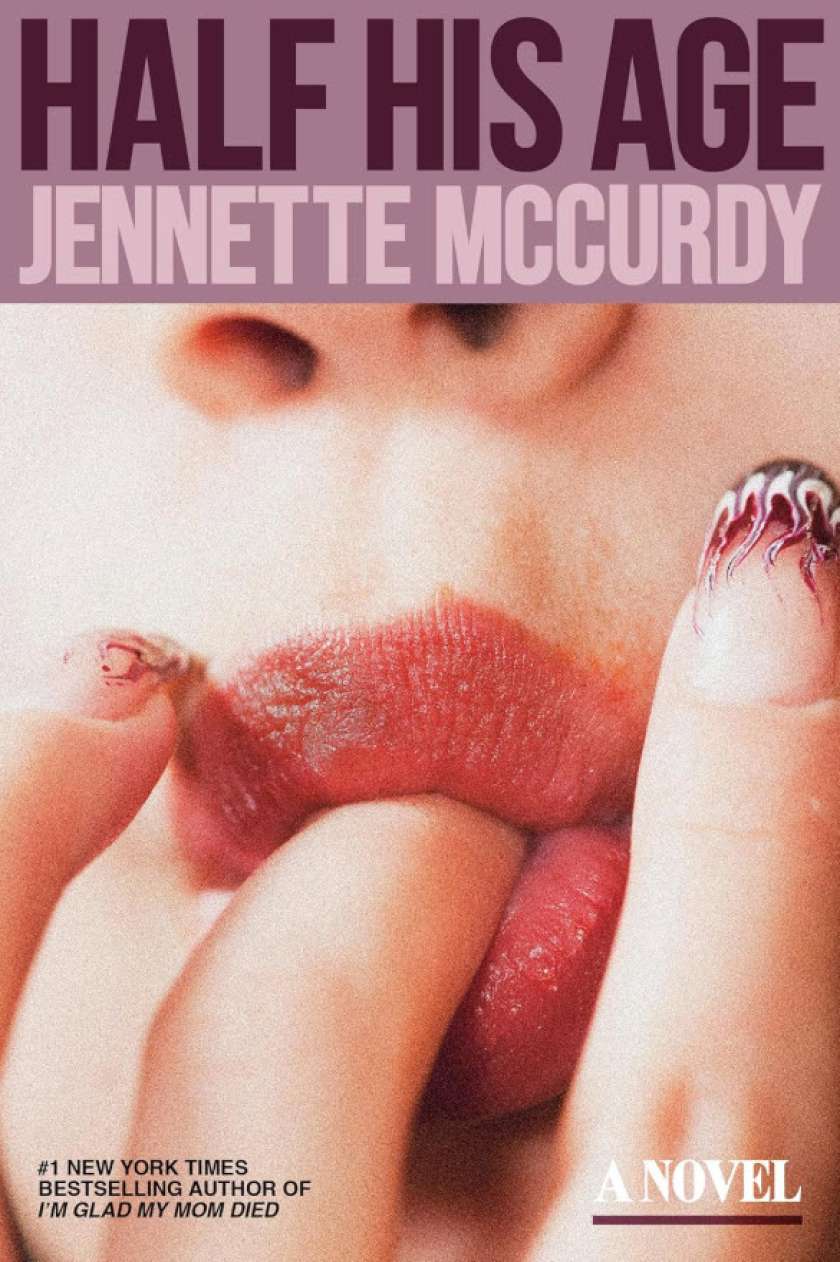
Half His Age by Jennette McCurdy
This memoir confronts power, vulnerability, and survival with remarkable clarity. It explores what happens when someone grows up inside an imbalance they don’t yet understand — and the long work of naming that experience later.
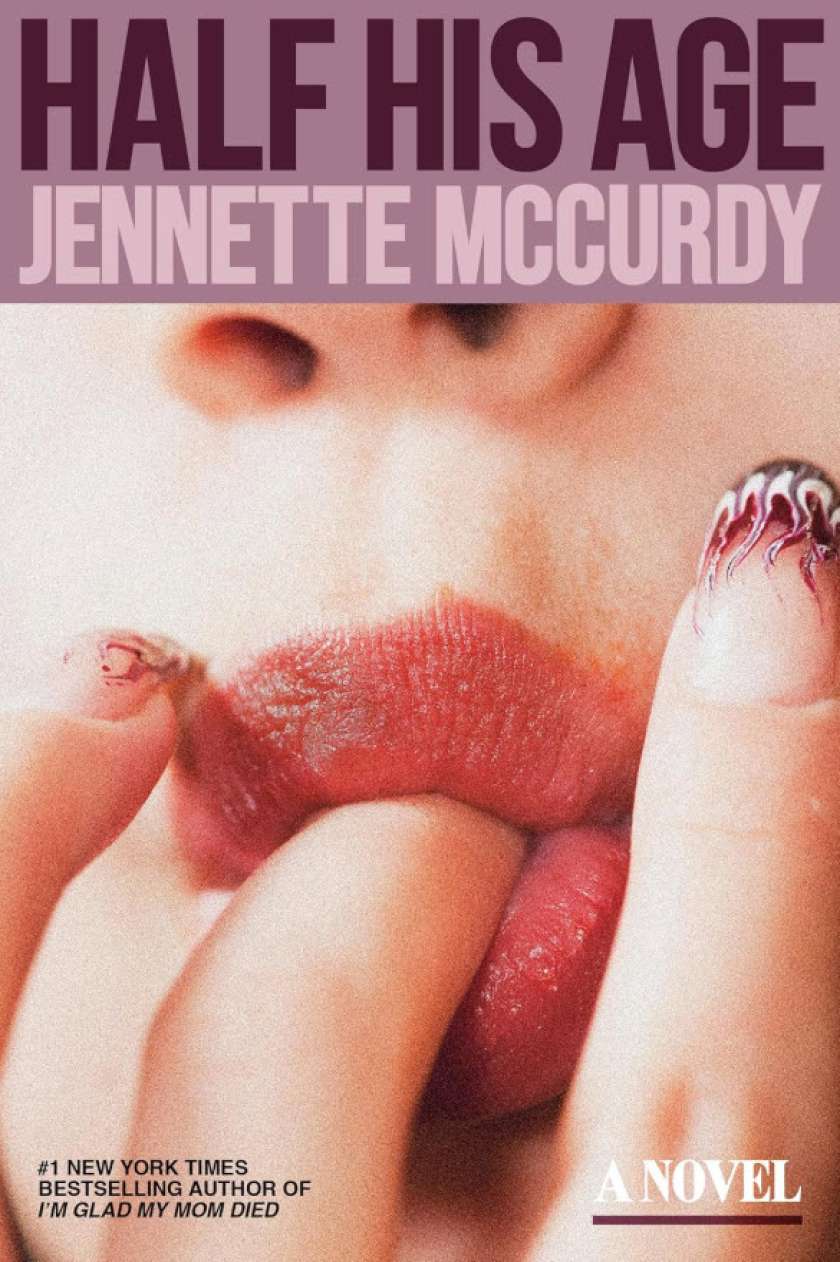
What struck me most was the discipline of the writing. I never felt manipulated or coached toward a reaction. Instead, I felt trusted to sit with the discomfort on my own terms. I admire books that don’t rush to resolve pain, and this one doesn’t. It allows complexity to remain complex — which feels both rare and necessary.
Best for readers who…
- Value emotional honesty over polish
- Are interested in power dynamics and agency
- Appreciate memoirs that resist simplification
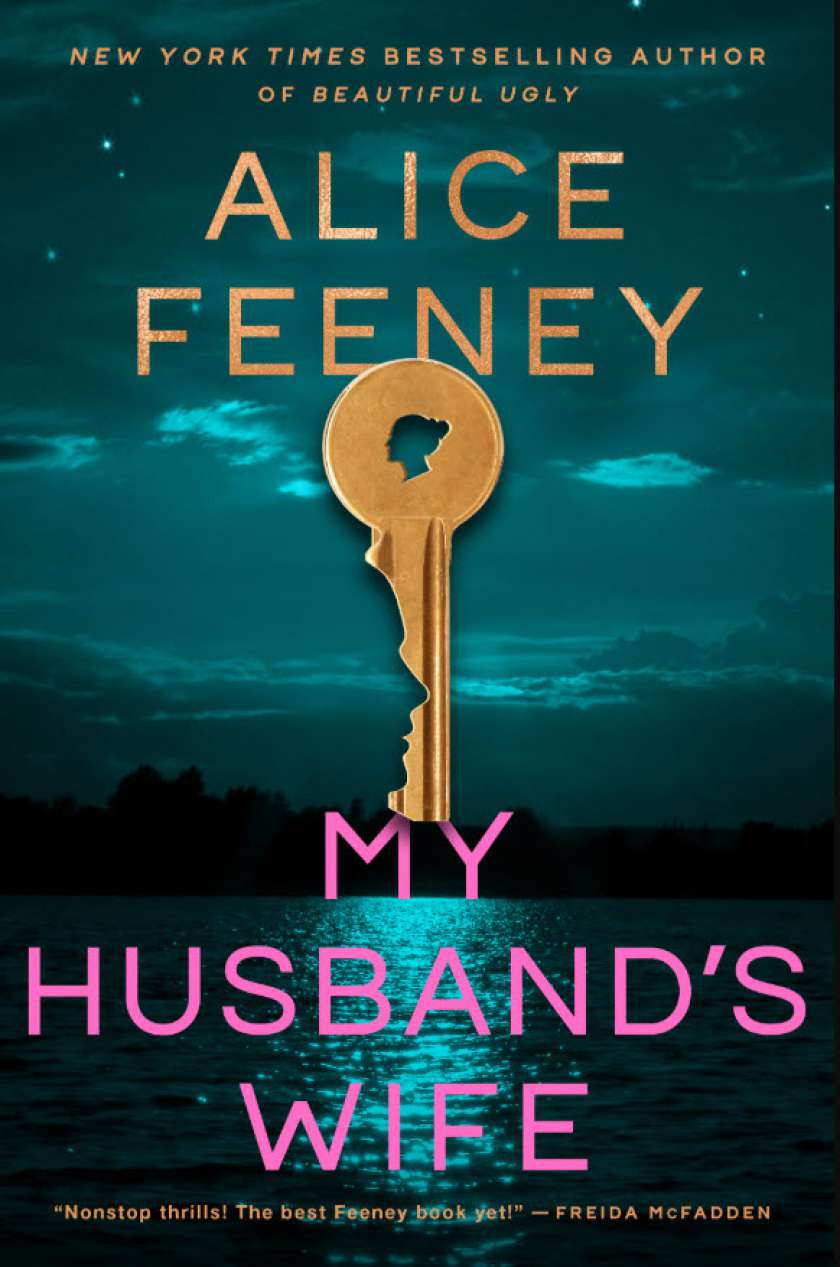
My Husband’s Wife by Alice Feeney
At its core, this is a story about marriage — not as an institution, but as a private ecosystem where truths are negotiated daily. The suspense unfolds quietly, almost politely, which makes it more unsettling.
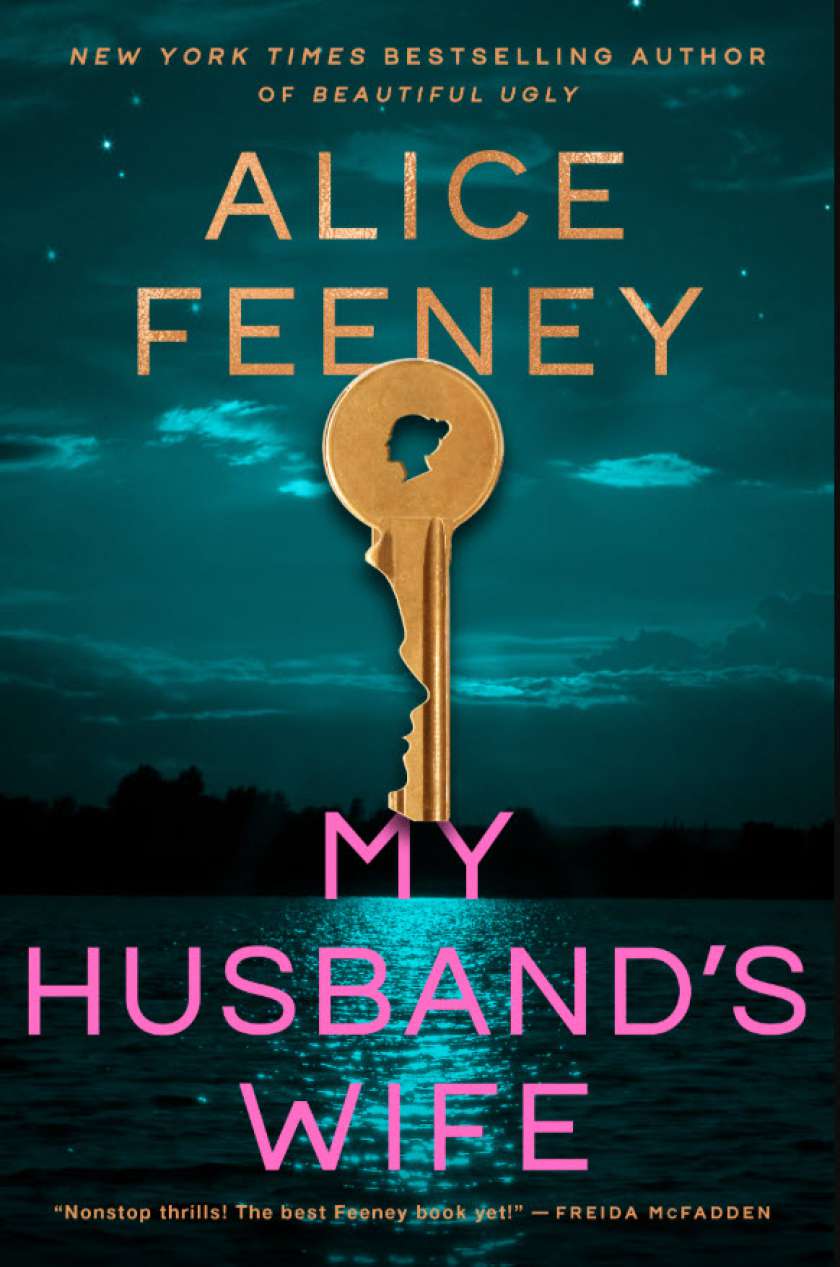
I kept thinking about how much this book understands long-term relationships. It recognizes that betrayal doesn’t always arrive loudly; sometimes it arrives through omission, through stories we stop telling. I found myself reflecting on how easily familiarity can become a blind spot — and that’s where this novel does its sharpest work.
Best for readers who…
- Prefer psychological tension over action
- Enjoy morally ambiguous characters
- Like thrillers that linger emotionally
The Future Saints by Ashley Winstead
This novel examines belief — not just religious belief, but belief in people, movements, and certainty itself. It traces how devotion forms, how it tightens, and how it resists questioning.
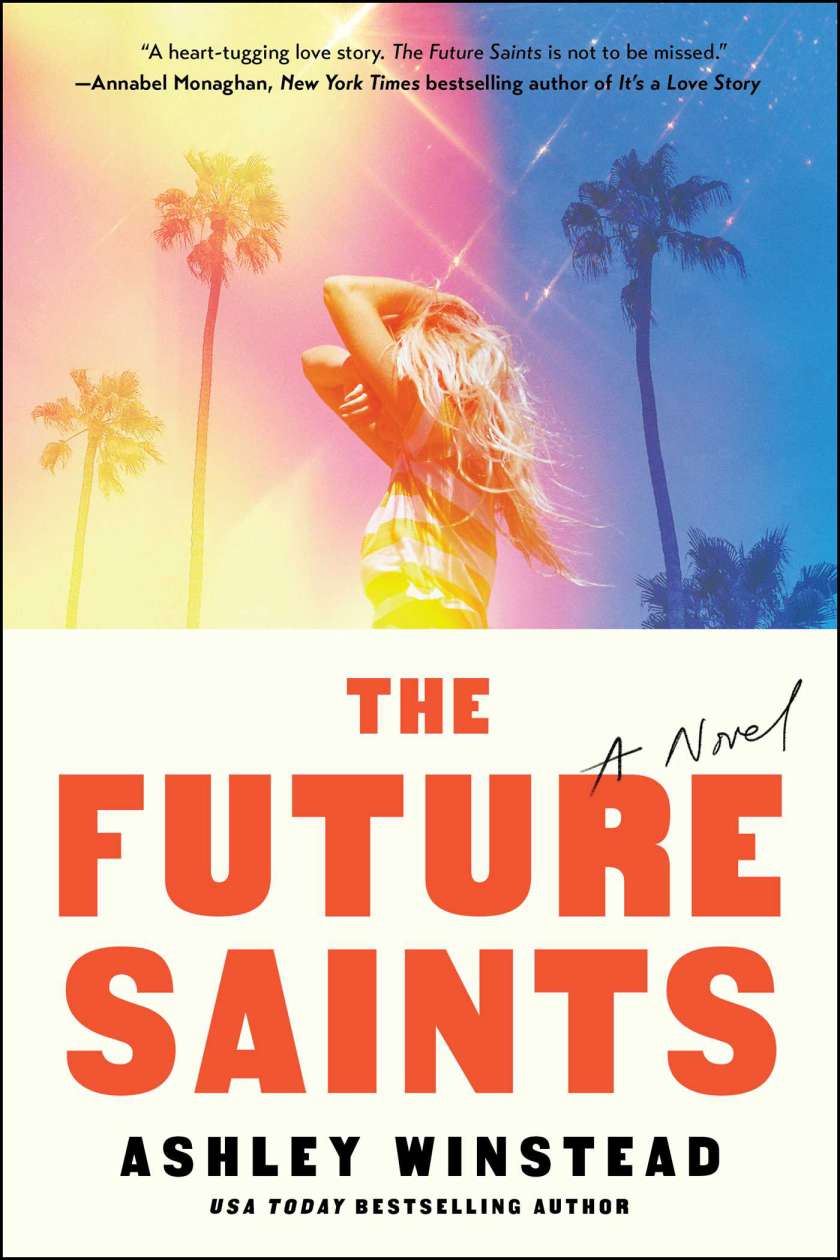
What I appreciated most was how familiar everything felt. I didn’t read this as an outsider looking in, but as someone recognizing patterns I’ve seen before. The book never sensationalizes its subject matter; instead, it lets inevitability do the work. That restraint makes it quietly disturbing.
Best for readers who…
- Are curious about group psychology
- Enjoy ethically complex fiction
- Like stories that challenge certainty
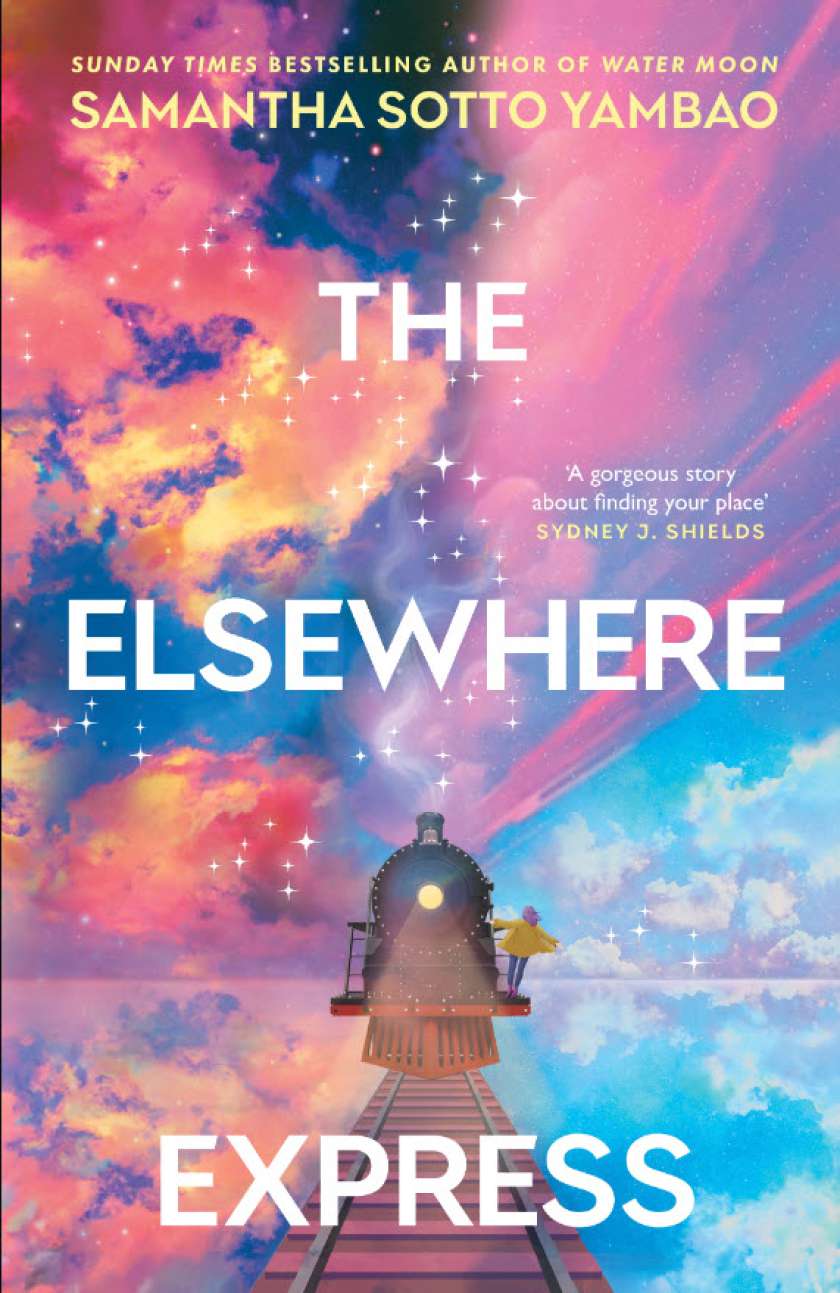
The Elsewhere Express by Samantha Sotto Yambao
This is a novel about grief and possibility, framed through imagination rather than realism. It moves fluidly between moments, memories, and alternate paths.
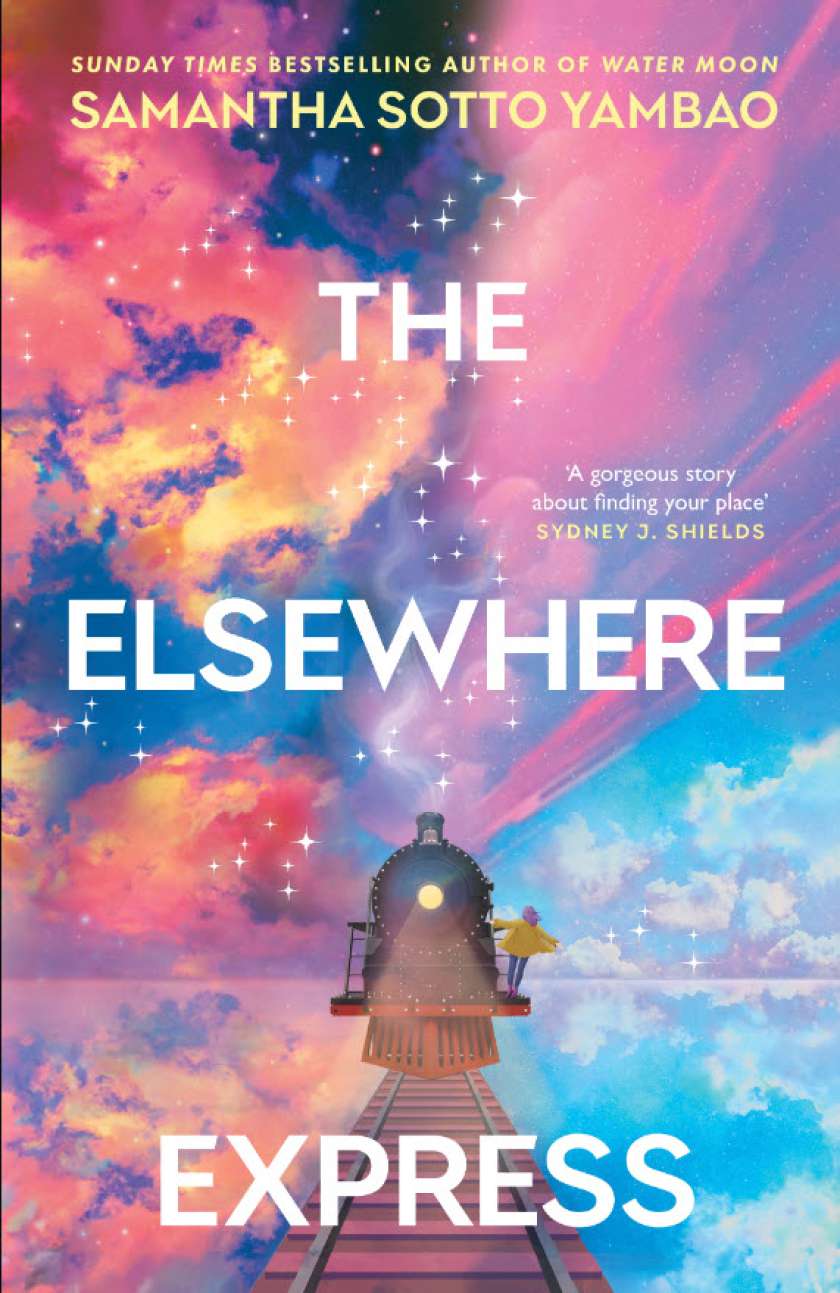
I found myself slowing down while reading this — not because it was difficult, but because it invited attention. It reminded me that some stories aren’t meant to be consumed quickly. They’re meant to be absorbed. The emotional payoff here is subtle, but deeply felt.
Best for readers who…
- Enjoy speculative fiction with heart
- Are drawn to reflective storytelling
- Like books that explore longing and regret
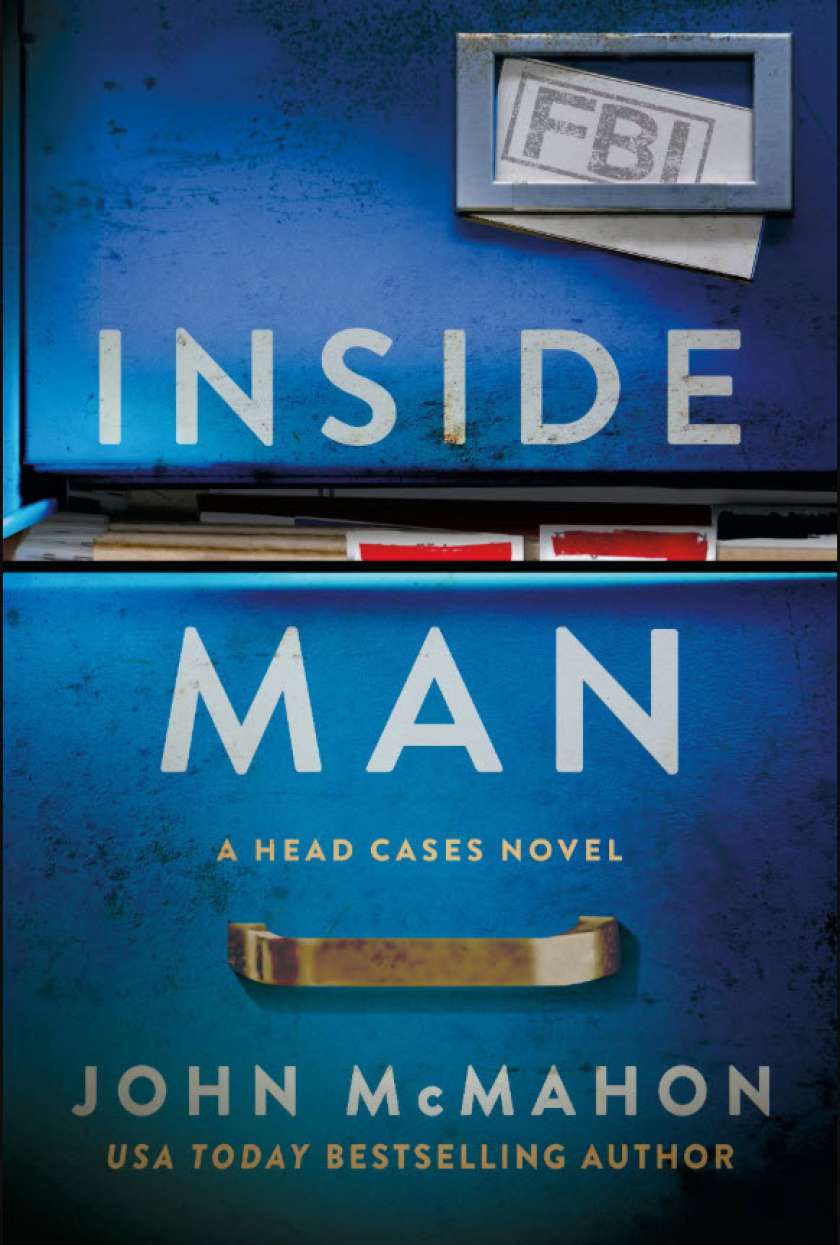
Inside Man by John McMahon
This crime novel is less interested in spectacle than in consequence. The tension comes from choices made under pressure and the moral residue those choices leave behind.
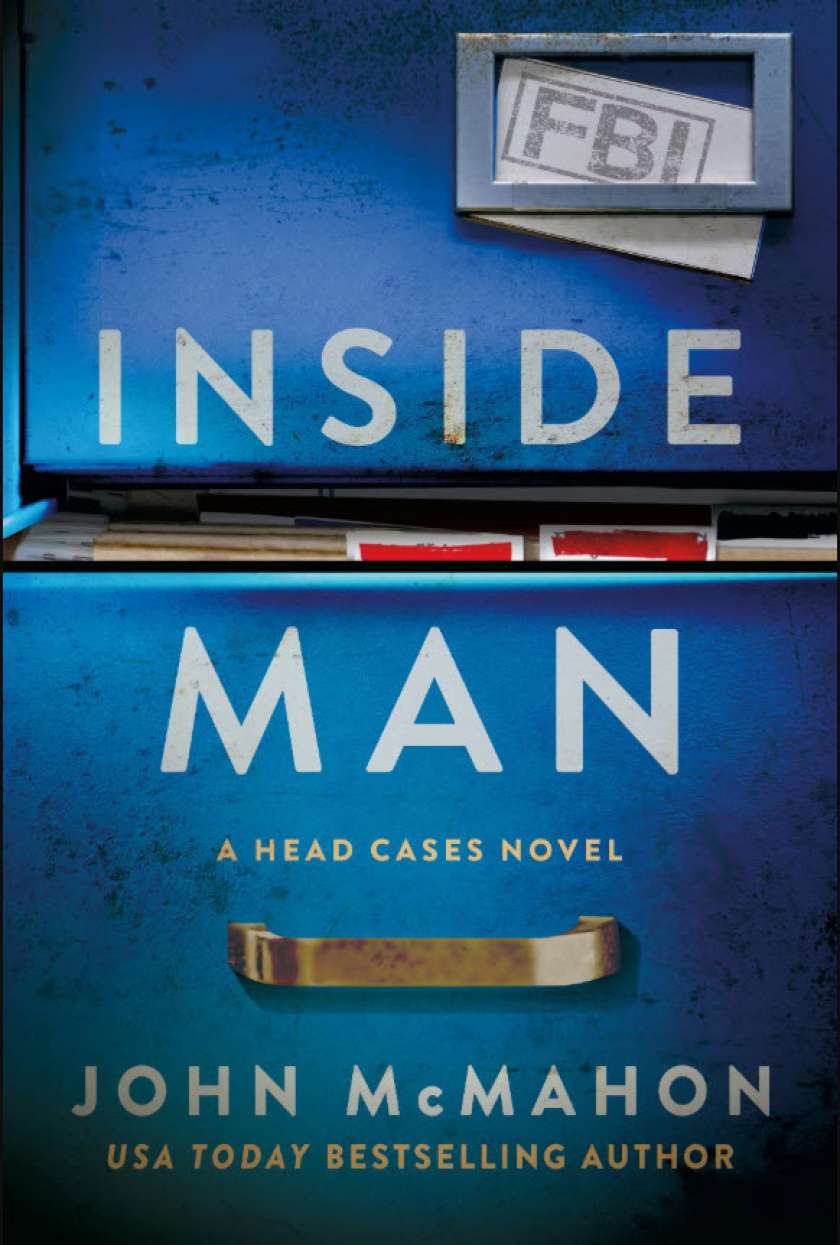
What stayed with me was the book’s seriousness. It doesn’t romanticize violence or rush toward resolution. Instead, it allows discomfort to linger — a reminder that justice is rarely clean, and integrity often comes at a cost.
Best for readers who…
- Appreciate grounded crime fiction
- Enjoy ethical complexity
- Prefer realism over dramatics
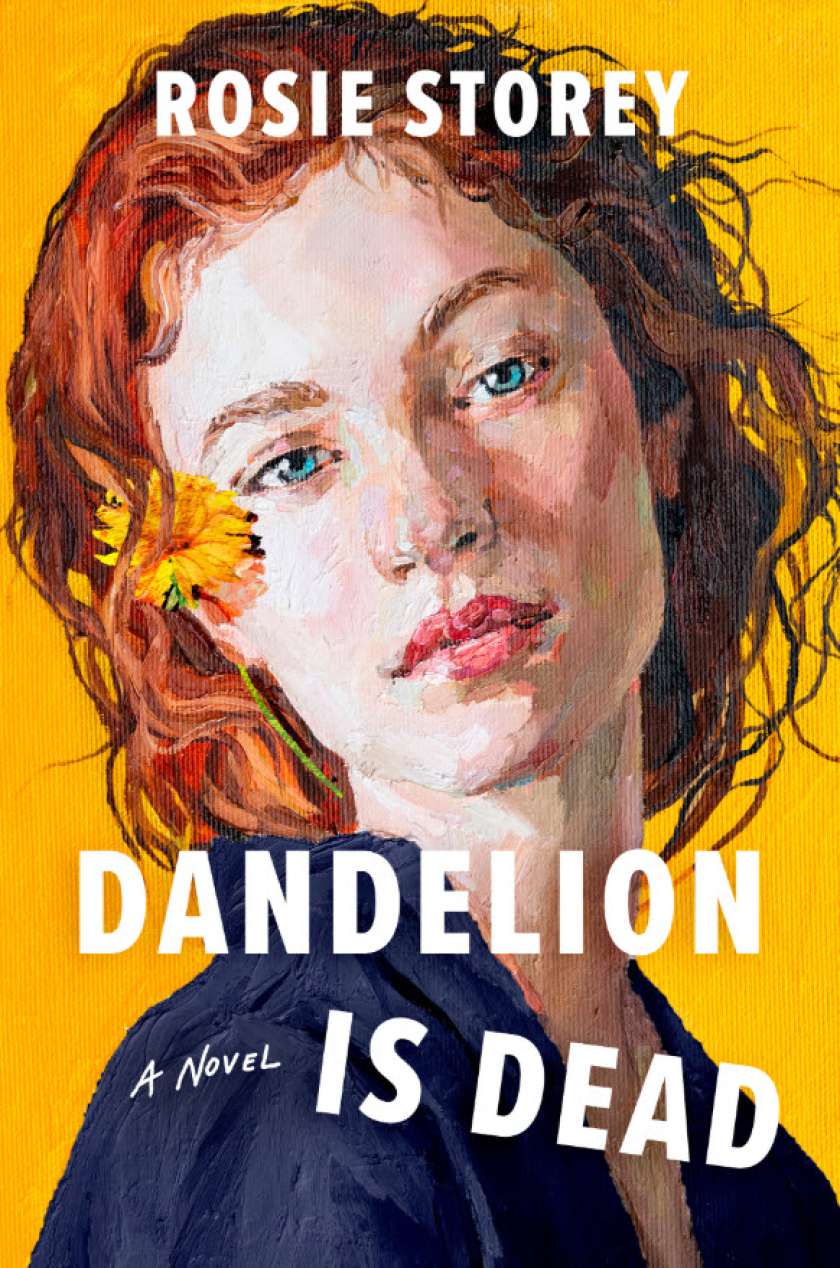
Dandelion Is Dead by Rosie Storey
This is a quiet novel about reckoning — with identity, with regret, with the stories we tell ourselves to get through the day.
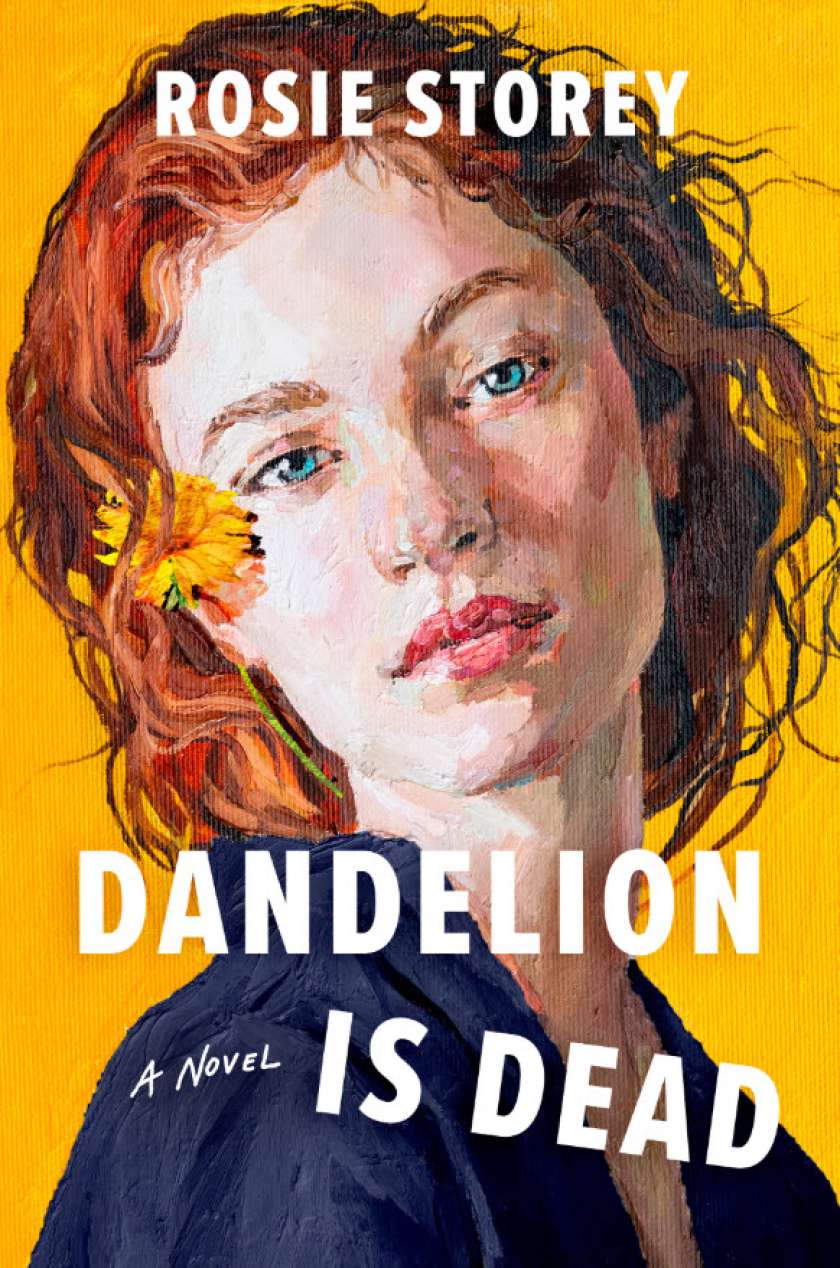
I admired how much space the book gives its protagonist to think. There’s no rush to transformation, no dramatic epiphany. Just the slow realization that something has to change. That patience made the emotional shifts feel earned rather than imposed.
Best for readers who…
- Like introspective, character-led fiction
- Enjoy subtle emotional arcs
- Prefer internal conflict over plot twists
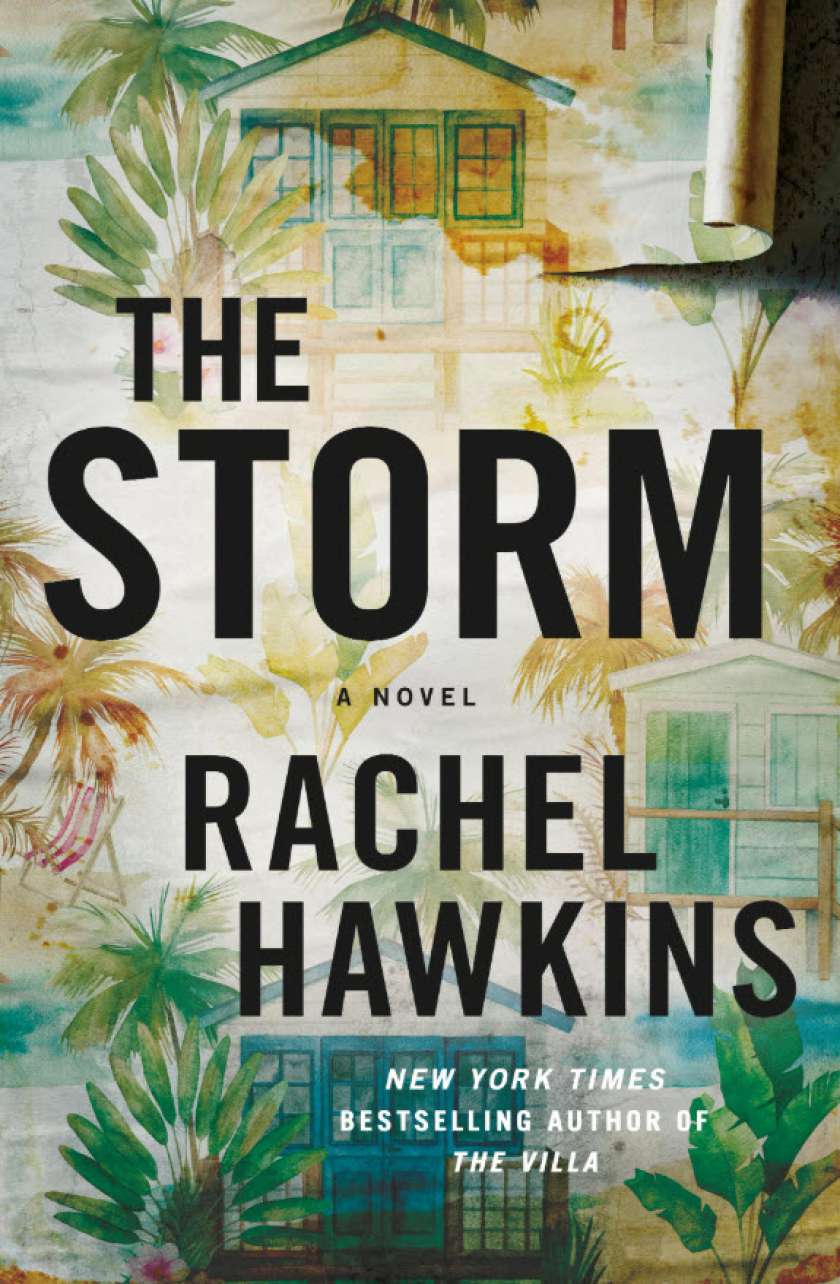
The Storm by Rachel Hawkins
Set against an isolating backdrop, this novel uses atmosphere as tension. Secrets surface gradually, shaped by proximity and pressure.
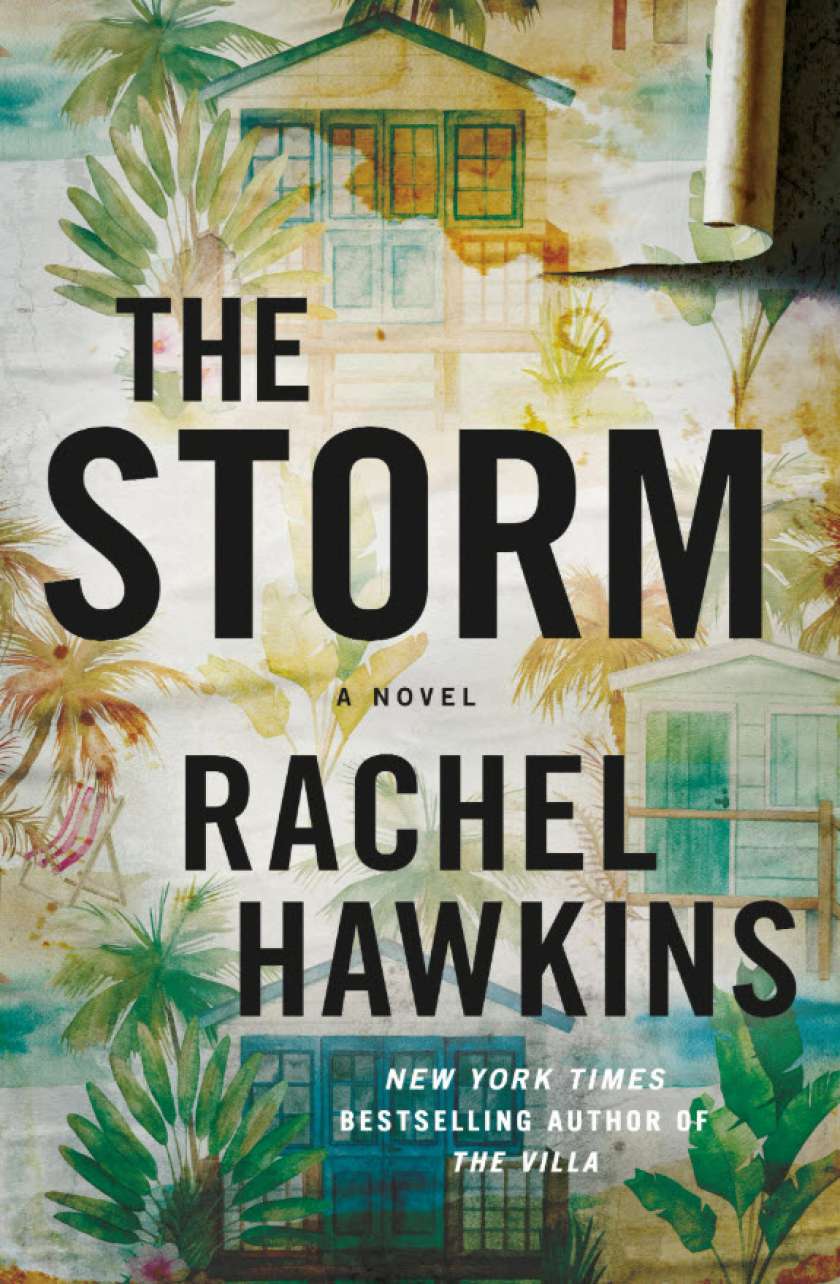
What worked for me was the control. Hawkins knows exactly when to reveal and when to withhold. The result is a story that feels steadily claustrophobic — not because of what happens, but because of what might.
Best for readers who…
- Enjoy contained thrillers
- Appreciate strong sense of place
- Like suspense built through mood
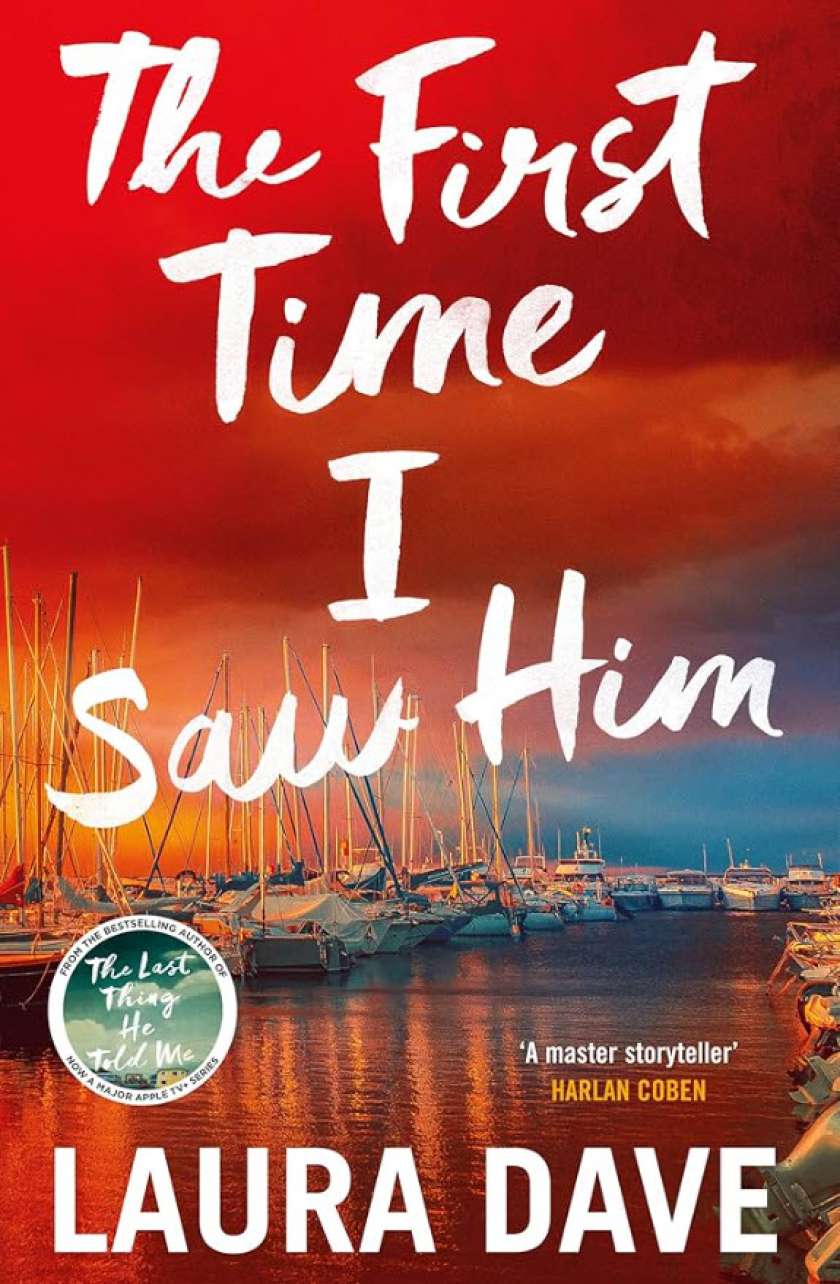
The First Time I Saw Him by Laura Dave
This novel reflects on love through memory rather than momentum. It’s less about beginnings and endings, and more about the space between them.
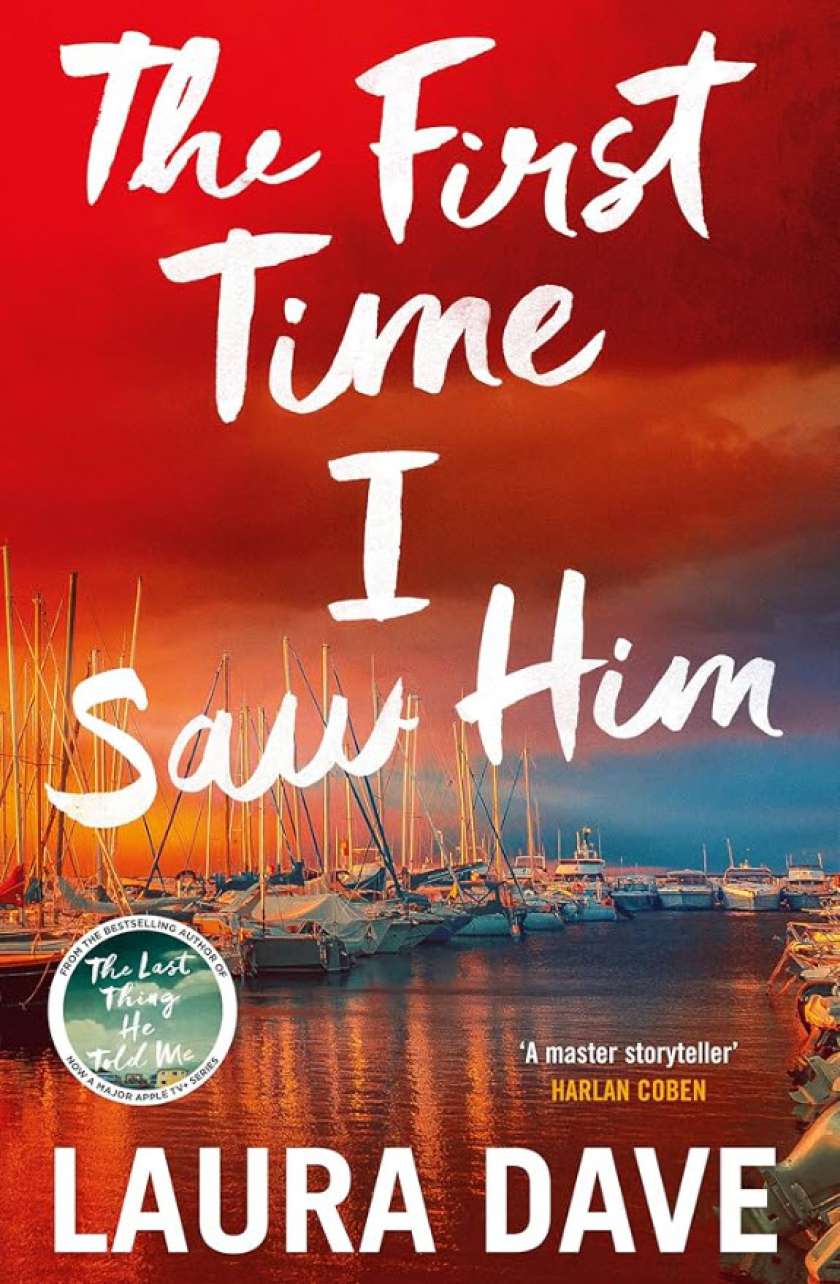
I found myself thinking about how often we measure relationships by outcomes instead of impact. This book resists that instinct. It honors the quiet significance of moments that shape us, even if they don’t last.
Best for readers who…
- Enjoy emotionally restrained storytelling
- Like reflective romance
- Appreciate nuance over drama
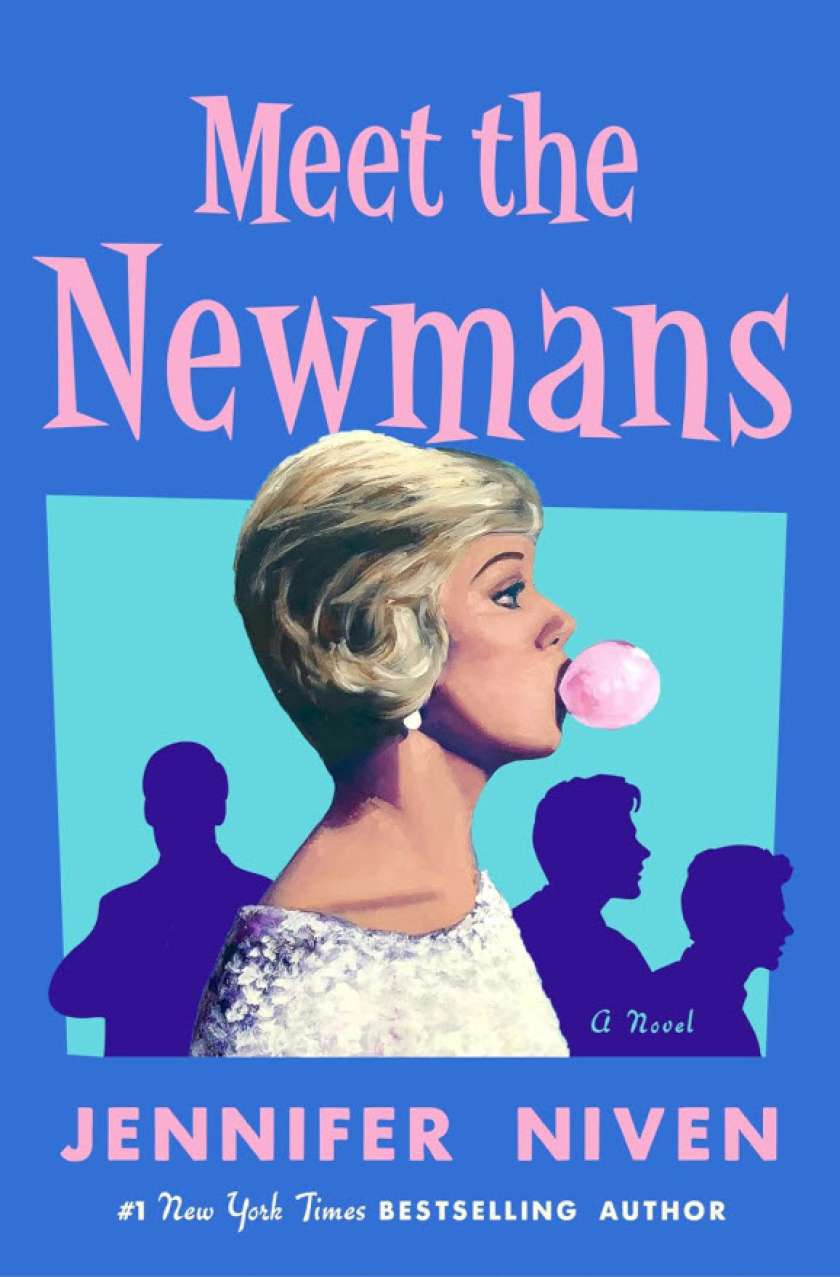
Meet the Newmans by Jennifer Niven
A family story that captures the closeness and distance that coexist within shared history. The novel balances humor, tension, and compassion with a light but deliberate touch.
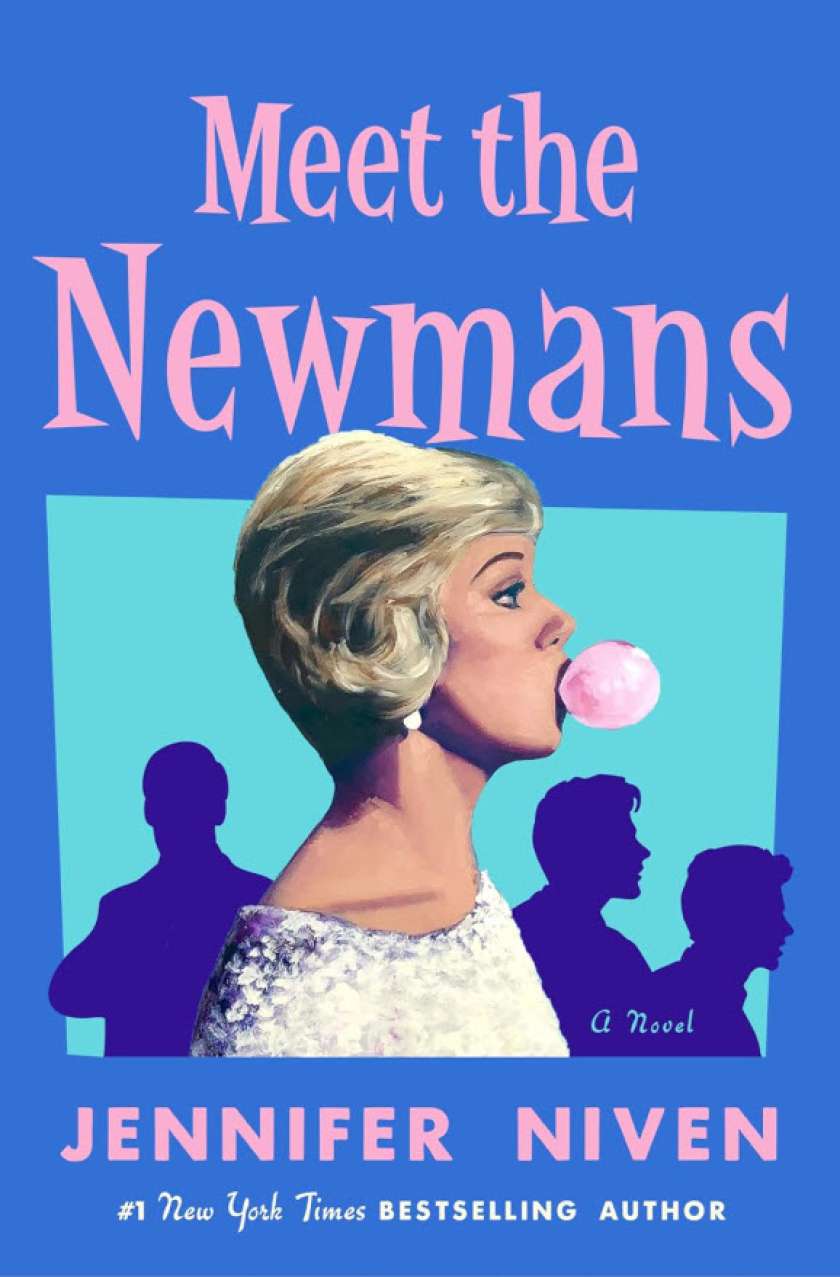
What I appreciated was the generosity of perspective. No one is flattened into a stereotype. Everyone is allowed to be flawed, contradictory, and human — which makes the family dynamic feel authentic.
Best for readers who…
- Enjoy ensemble narratives
- Like family-centered fiction
- Appreciate emotional realism
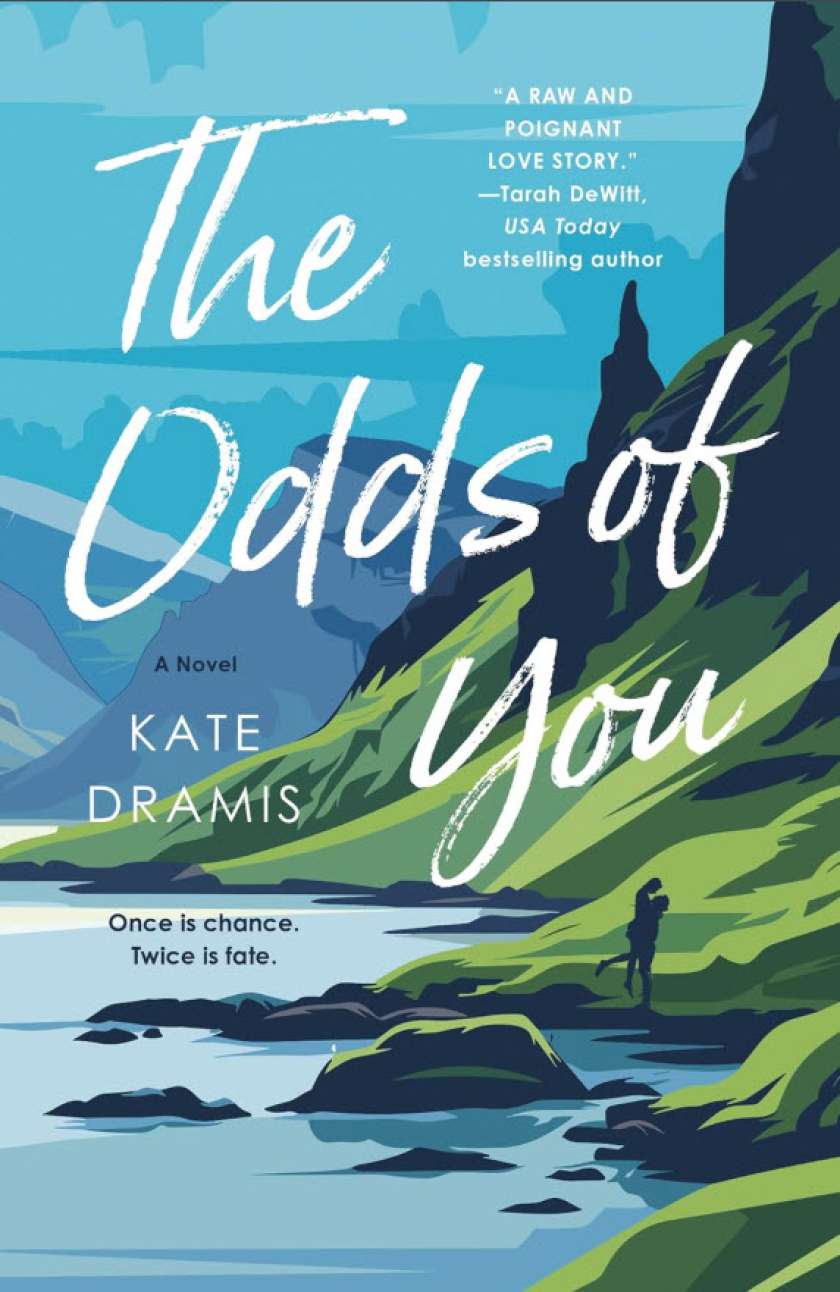
The Odds of You by Kate Dramis
This romance leans into vulnerability rather than grand gestures. It’s interested in timing, emotional readiness, and the quiet courage required to open up again.
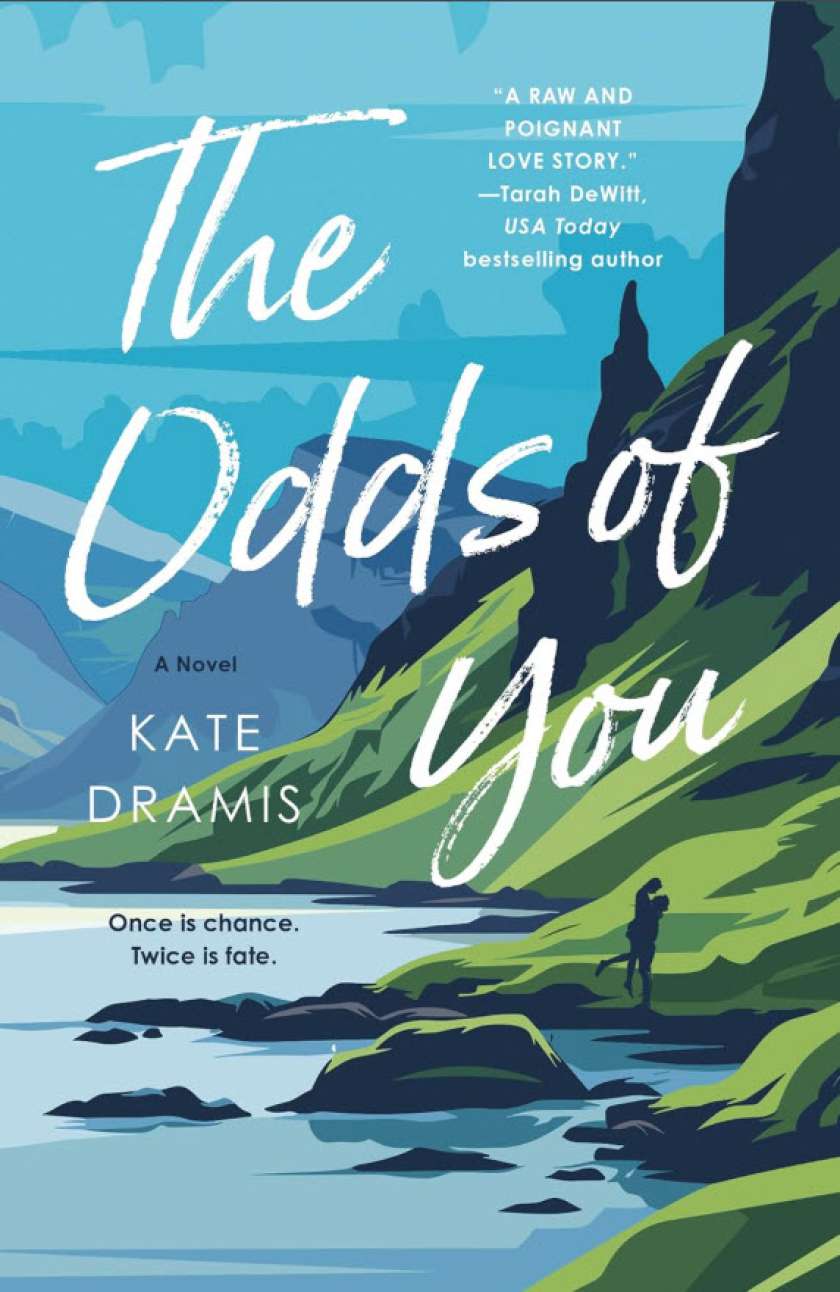
I liked how grounded this story felt. It doesn’t pretend love is simple, but it also doesn’t treat it as a problem to be solved. That balance made it refreshing.
Best for readers who…
- Prefer thoughtful romance
- Enjoy emotionally aware characters
- Want hope without fantasy
Editors’ Closing Note
These books don’t demand urgency. They invite attention. January is a good month for that kind of reading — the kind that doesn’t rush you, doesn’t flatter you, and doesn’t try to be everything at once. Start with the one that mirrors the questions you’re already asking. That’s usually the right place to begin.
