
Lin-Manuel Miranda reads the way he creates — expansively, curiously, and without strict borders. His bookshelf moves between sweeping epics, sharp essays, memoir, and imaginative fiction, often within the same breath. It’s a reading life that mirrors his work: rooted in history, alive to language, and deeply interested in how stories carry culture forward.
Looking at the books recommended by Lin-Manuel Miranda, a pattern begins to emerge. These are not passive reads. They are books that stretch form, challenge structure, and reward attention — the kind of works that feel alive on the page. His reading list reflects a mind that is constantly making connections, drawing from the past while reshaping it into something new.
One Hundred Years of Solitude by Gabriel García Márquez
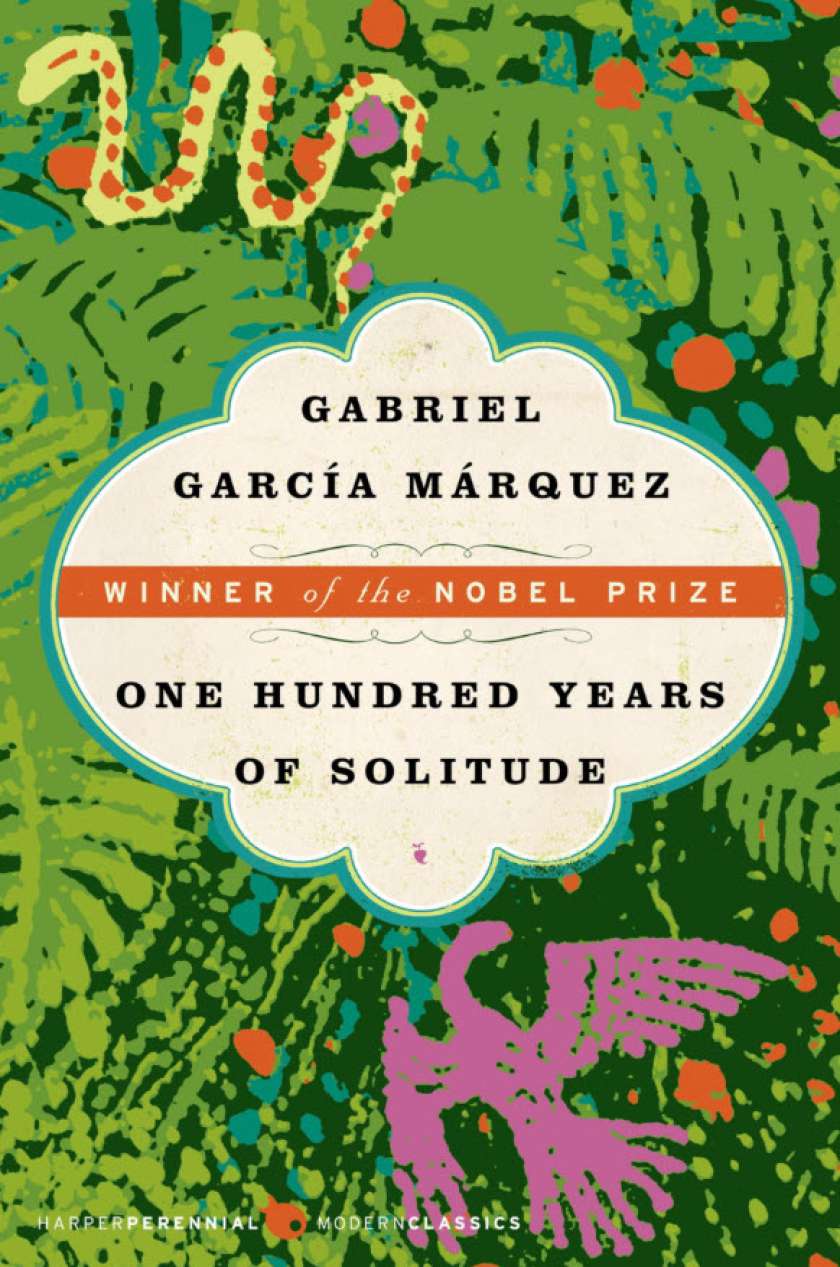
One Hundred Years of Solitude traces the rise and fall of the Buendía family across generations in the fictional town of Macondo. Blending the ordinary with the extraordinary, García Márquez creates a world where time loops, memory lingers, and reality bends just enough to reveal deeper emotional truths. The novel is dense, immersive, and richly layered — less a linear story than a living tapestry of history, myth, and human longing.
Why You Should Read It
This is a book for readers willing to surrender to the experience. It doesn’t guide you gently; it asks you to pay attention, to sit with repetition, and to notice patterns as they emerge. If you’re drawn to stories that blur the line between reality and imagination — and reward patience with moments of quiet brilliance — this novel offers something rare.
Lin-Manuel Miranda’s Take
Miranda has often spoken about his love for expansive storytelling, and One Hundred Years of Solitude fits naturally into that sensibility. Its rhythm, its sense of inherited narrative, and its ability to hold multiple timelines at once echo the way he approaches story and structure. This is the kind of book that doesn’t just tell a story — it builds a world that continues to resonate long after you leave it.
Get Book: One Hundred Years of Solitude!Theft by Finding by David Sedaris
Theft by Finding is a collection of diary entries spanning decades, offering an unfiltered look at David Sedaris’s life as he moves from uncertainty to recognition. The entries are brief, observational, and often deceptively simple — capturing moments of awkwardness, irritation, humor, and quiet revelation. What emerges is not a conventional narrative, but a portrait built from fragments, where meaning accumulates over time.
Why You Should Read It
This is a book for readers who appreciate voice above all else. Sedaris proves that nothing is too small to matter if it’s observed closely enough. If you’re drawn to writing that feels immediate, conversational, and sharply self-aware — the kind that turns everyday moments into something memorable — Theft by Finding is endlessly rewarding.
Lin-Manuel Miranda’s Take
Miranda’s creative process has always embraced spontaneity and accumulation — ideas gathered, shaped, and revisited over time. Sedaris’s diary format reflects that same instinct: a trust in the small moment, the passing thought, the detail that might later become something larger. It’s easy to see why this kind of writing would resonate with someone who builds meaning through rhythm, repetition, and observation.
Get Book: Theft by Finding!War and Peace by Leo Tolstoy
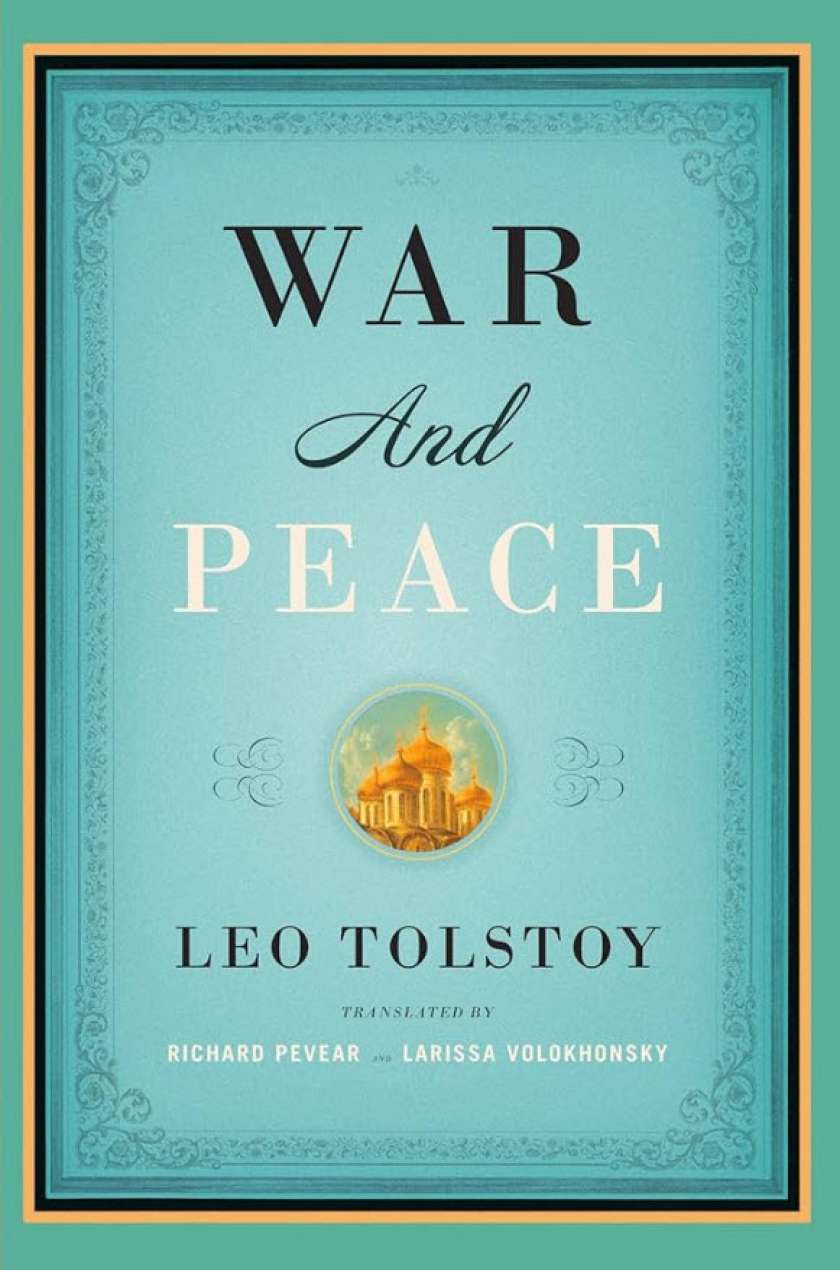
War and Peace moves between battlefields and drawing rooms, tracing the lives of several aristocratic families during the Napoleonic Wars. But beyond its historical setting, the novel is concerned with something larger — how individuals live, love, and search for meaning within forces far beyond their control. Tolstoy’s storytelling is expansive yet intimate, allowing personal moments to carry as much weight as national upheaval.
Why You Should Read It
This is a book that asks for commitment — and rewards it. Rather than rushing toward resolution, War and Peace invites you to inhabit its world, to observe how lives unfold over time. If you’re drawn to novels that combine emotional depth with intellectual reach — where history and humanity are inseparable — this is one of the most enduring examples.
Lin-Manuel Miranda’s Take
Miranda’s work often operates on a similar scale, balancing personal stories against sweeping historical backdrops. War and Peace reflects that same instinct — an understanding that history is not abstract, but lived through individual choices, relationships, and consequences. It’s the kind of narrative ambition that aligns closely with how Miranda approaches storytelling: big in scope, but always grounded in human detail.
Read Book: War and Peace!Creativity, Inc. by Ed Catmull
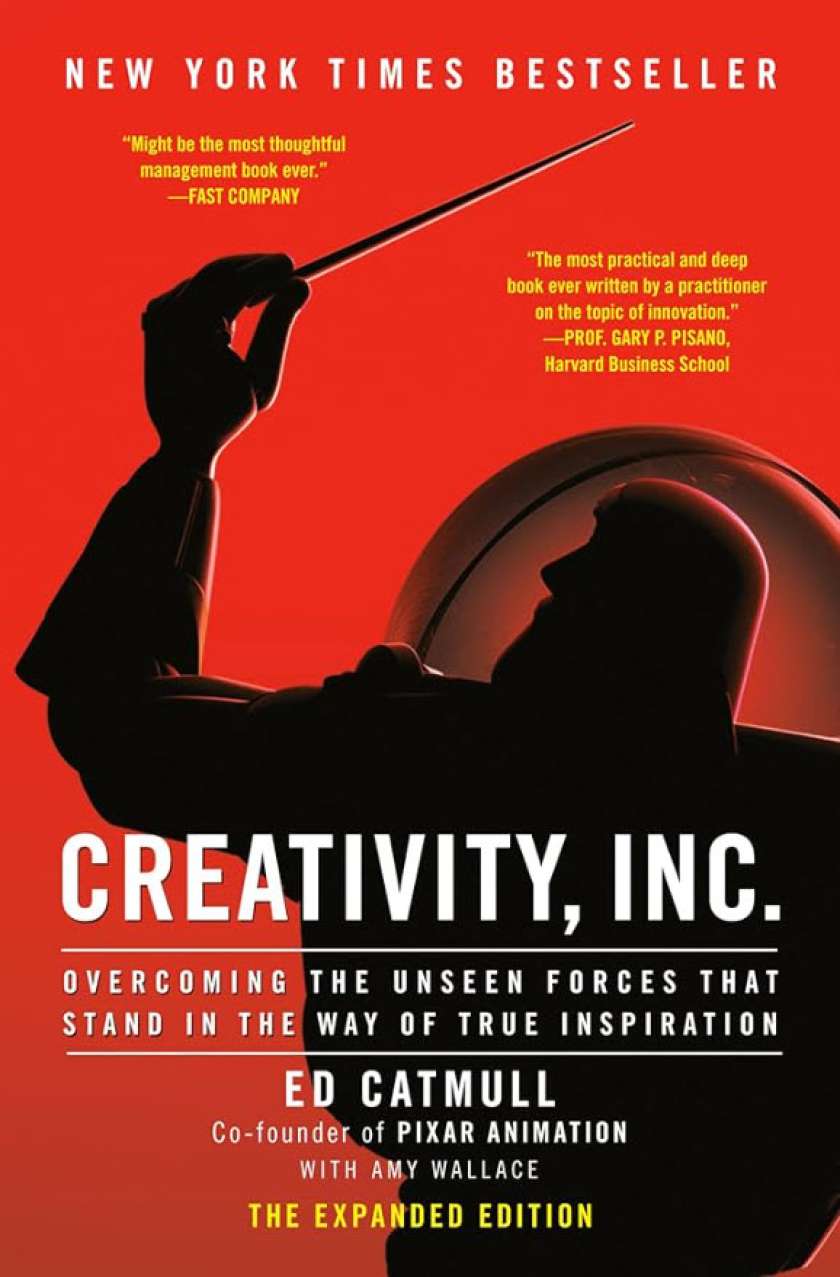
In Creativity, Inc., Pixar co-founder Ed Catmull reflects on what it takes to build and sustain a creative culture. Blending memoir with practical insight, the book explores how ideas are developed, challenged, and refined within a collaborative environment. Rather than presenting creativity as inspiration alone, Catmull focuses on systems — the structures, conversations, and leadership choices that allow creative work to thrive.
Why You Should Read It
This is a book for anyone trying to make something — and make it well. Creativity, Inc. offers a rare behind-the-scenes look at how creative excellence is maintained over time, emphasizing honesty, iteration, and trust. If you’re interested in the process behind great work — not just the finished product — this book provides both clarity and perspective.
Lin-Manuel Miranda’s Take
Miranda’s work is deeply collaborative, shaped through rehearsal rooms, workshops, and constant revision. Creativity, Inc. reflects that same belief: that great ideas don’t emerge fully formed, but are built through community and refinement. It’s easy to see the alignment — a shared understanding that creativity is not just talent, but a system that must be nurtured deliberately.
Get Book: Creativity, Inc!A Wind in the Door by Madeleine L’Engle
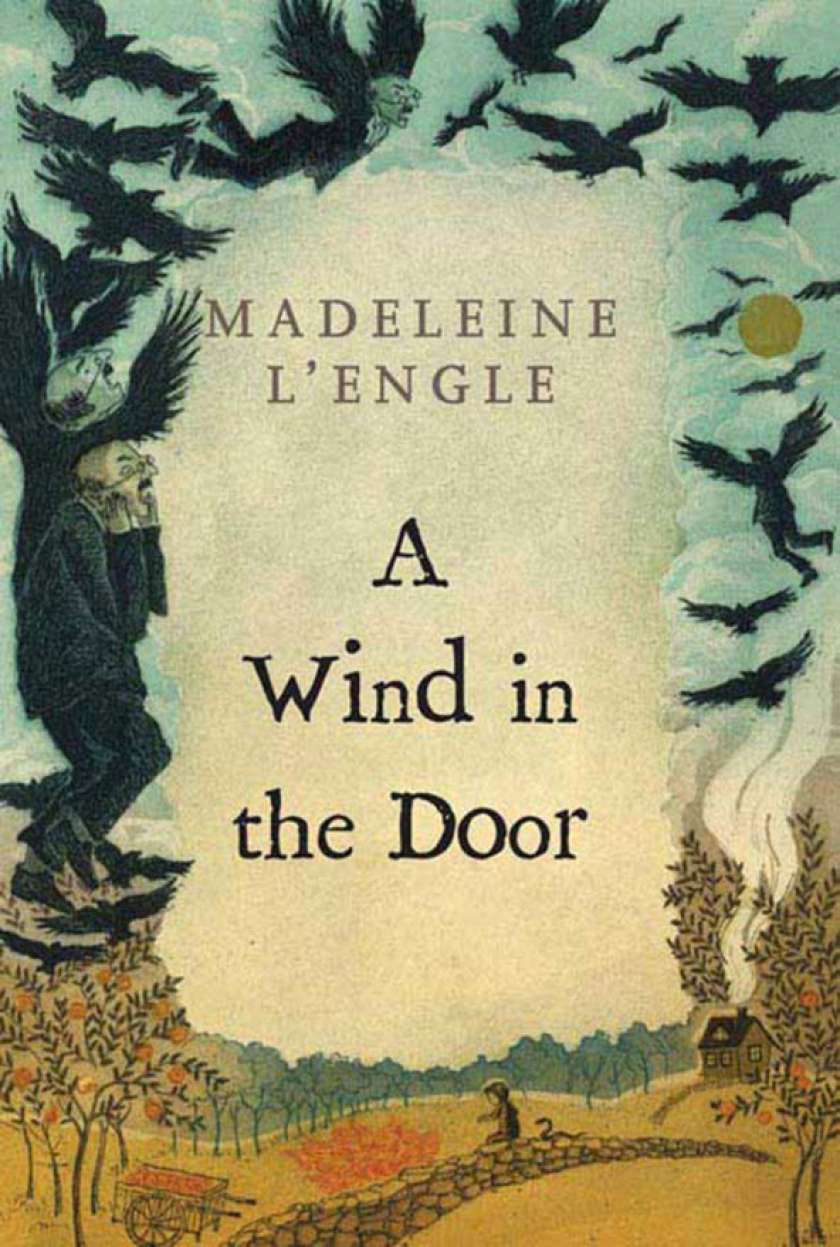
A Wind in the Door continues Meg Murry’s story, moving from the vastness of the universe into something even more intricate — the unseen worlds within and around us. Blending science, theology, and imagination, L’Engle explores ideas of identity, belonging, and the fragile balance that holds life together. The novel feels both intimate and cosmic, asking questions that stretch far beyond its pages.
Why You Should Read It
This is a book for readers who enjoy stories that think as much as they feel. L’Engle doesn’t separate wonder from meaning; she allows the two to exist side by side. If you’re drawn to fiction that explores big ideas through deeply personal stakes — and invites you to sit with questions rather than resolve them — this novel offers a quietly expansive experience.
Lin-Manuel Miranda’s Take
Miranda’s storytelling often carries a sense of layered meaning — where personal journeys intersect with something larger, whether history, culture, or identity. A Wind in the Door reflects that same instinct, blending imagination with philosophical depth. It’s the kind of book that trusts its audience to think, feel, and wonder all at once — a balance Miranda consistently strives for in his own work.
Get Book: A Wind in the Door!Consider the Lobster by David Foster Wallace
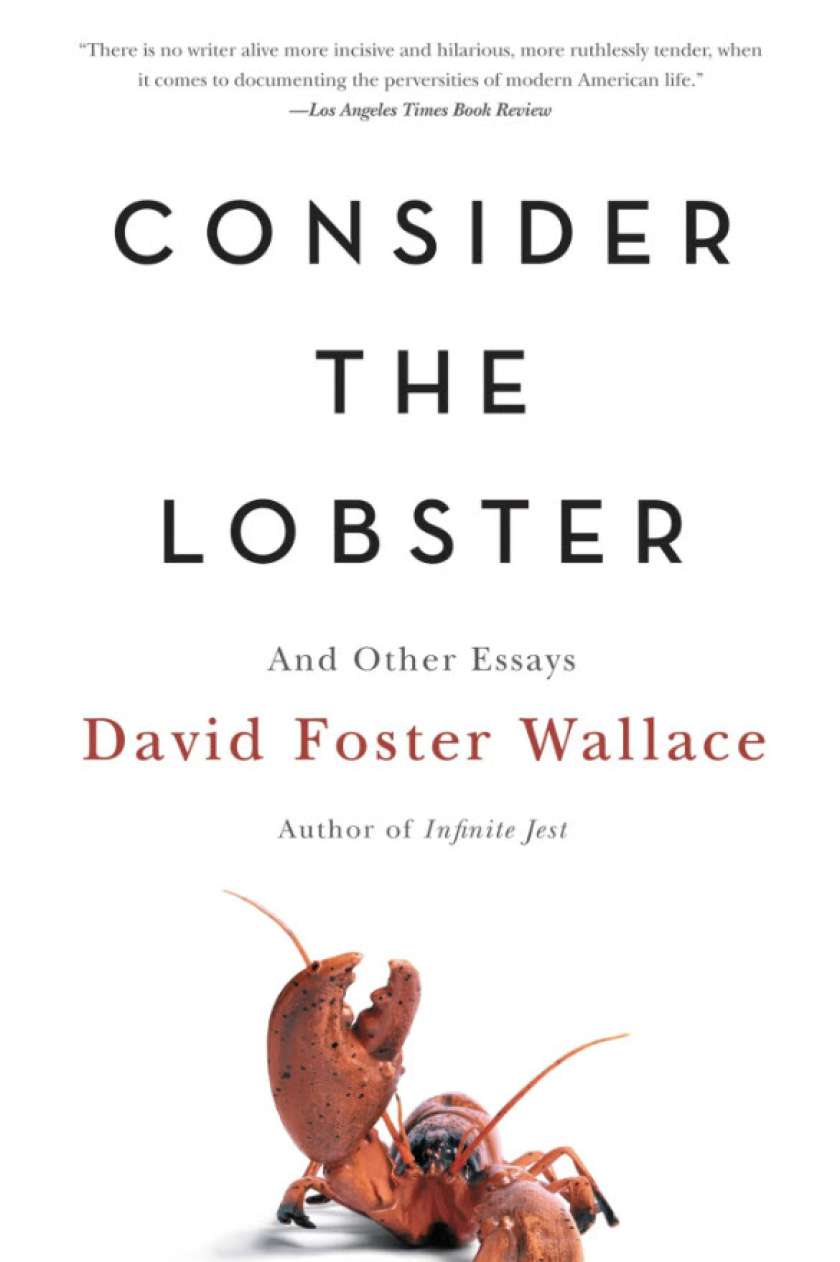
Consider the Lobster is a collection of essays that moves between the mundane and the philosophical with disarming precision. Whether writing about a food festival, language, or cultural rituals, Wallace lingers on the ethical questions beneath everyday experiences — often uncovering discomfort where none was initially visible. His style is dense, digressive, and exacting, demanding attention while rewarding it with unexpected clarity.
Why You Should Read It
This is a book for readers who enjoy thinking on the page. Wallace doesn’t offer easy conclusions; instead, he expands the frame, asking you to reconsider what you take for granted. If you’re drawn to essays that challenge your assumptions and sharpen your awareness — often in ways that feel both intellectual and deeply human — this collection is quietly transformative.
Lin-Manuel Miranda’s Take
Miranda’s work often reveals an attentiveness to detail — the small moments, the overlooked perspectives, the questions beneath the surface. Consider the Lobster reflects that same curiosity, a willingness to interrogate the familiar and sit with complexity. It’s the kind of writing that doesn’t just observe the world, but questions it — a quality that aligns closely with Miranda’s own creative lens.
Get Book: Consider the Lobster!Letterman: The Last Giant of Late Night by Jason Zinoman
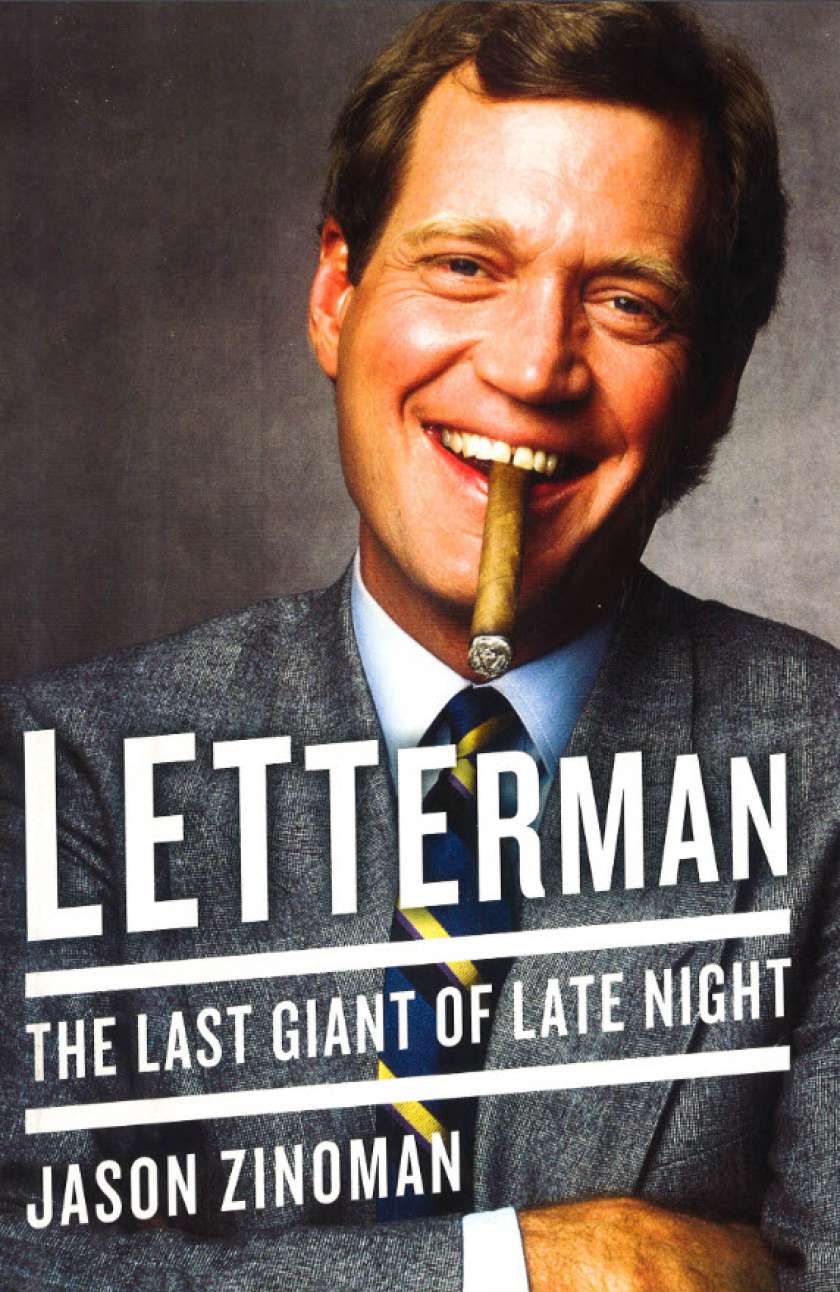
Letterman: The Last Giant of Late Night examines the career of David Letterman, tracing how he reshaped television through irony, unpredictability, and a willingness to disrupt convention. Zinoman looks beyond the public persona to explore the tension between performance and personality — how a host both reveals and conceals himself in front of an audience. The book becomes, in many ways, a study of influence: how one voice can redefine an entire medium.
Why You Should Read It
This is a book for readers interested in how entertainment shapes culture. It moves past nostalgia to consider what made Letterman’s approach feel new — and why it mattered. If you’re drawn to stories about creative disruption, media evolution, and the cost of staying original in a public space, this biography offers a thoughtful, layered perspective.
Lin-Manuel Miranda’s Take
Miranda’s own career sits at the intersection of performance and reinvention, constantly pushing against established forms. A figure like Letterman — someone who challenged format while still working within it — reflects a similar creative tension. This kind of story, about reshaping a medium from the inside, aligns closely with Miranda’s instinct to innovate while staying connected to tradition.
Get Book: Letterman: The Last Giant of Late Night!The Power by Naomi Alderman
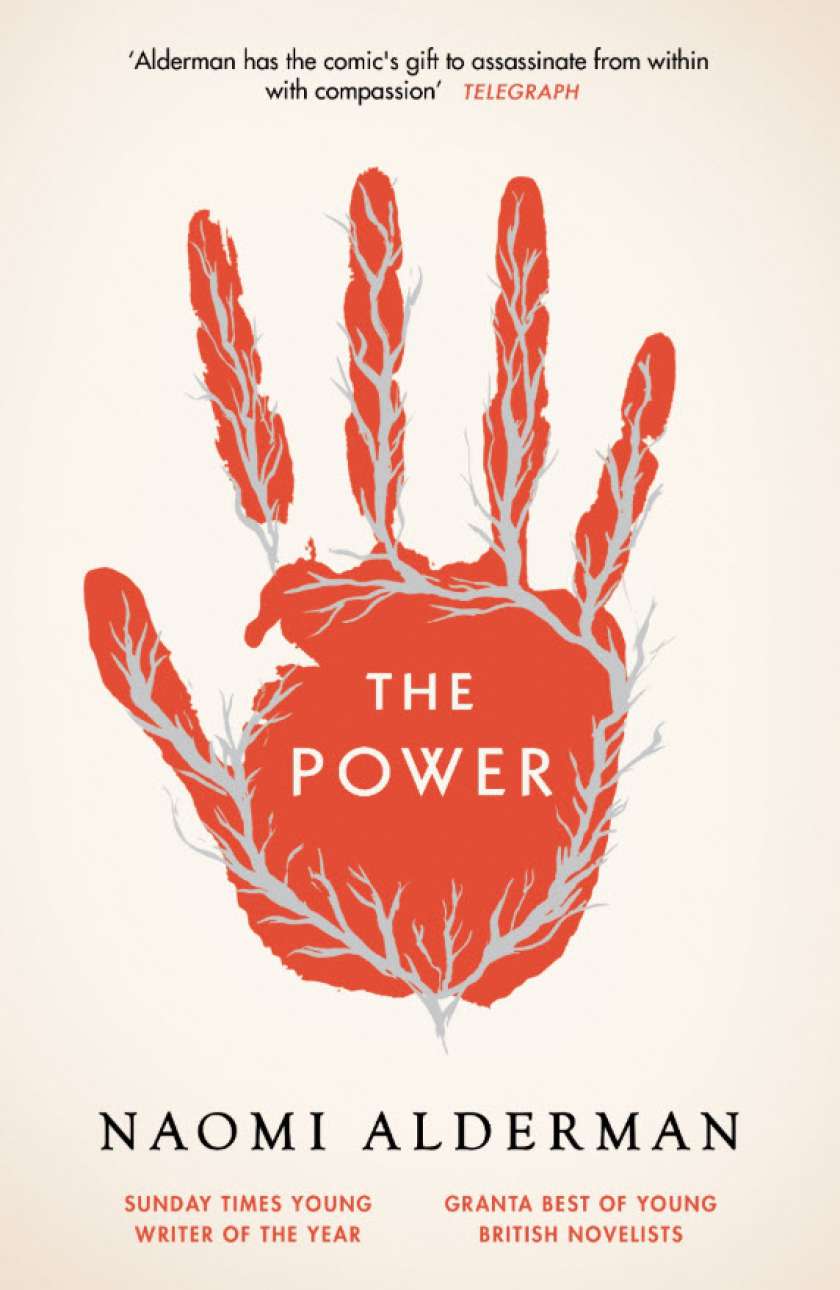
The Power imagines a world where women develop the ability to generate physical force, upending long-standing structures of control and authority. What follows is not a simple reversal, but an exploration of how power reshapes behavior, belief, and identity — regardless of who holds it. Alderman’s narrative moves across perspectives, showing how quickly systems shift when the balance changes.
Why You Should Read It
This is a book that asks difficult questions without offering comfortable answers. The Power is less about empowerment as an ideal and more about power as a force — unpredictable, intoxicating, and often corrosive. If you’re drawn to speculative fiction that interrogates real-world dynamics through bold premises, this novel is both gripping and thought-provoking.
Lin-Manuel Miranda’s Take
Miranda’s work frequently examines who gets to hold power — and how that power is challenged, redistributed, or reimagined. The Power aligns with that ongoing interest, offering a narrative that doesn’t just flip the script, but questions the script itself. It’s the kind of story that invites reflection on systems, not just individuals — a perspective that resonates strongly with his creative lens.
Get Book: The Power!Unmasked: A Memoir by Andrew Lloyd Webber
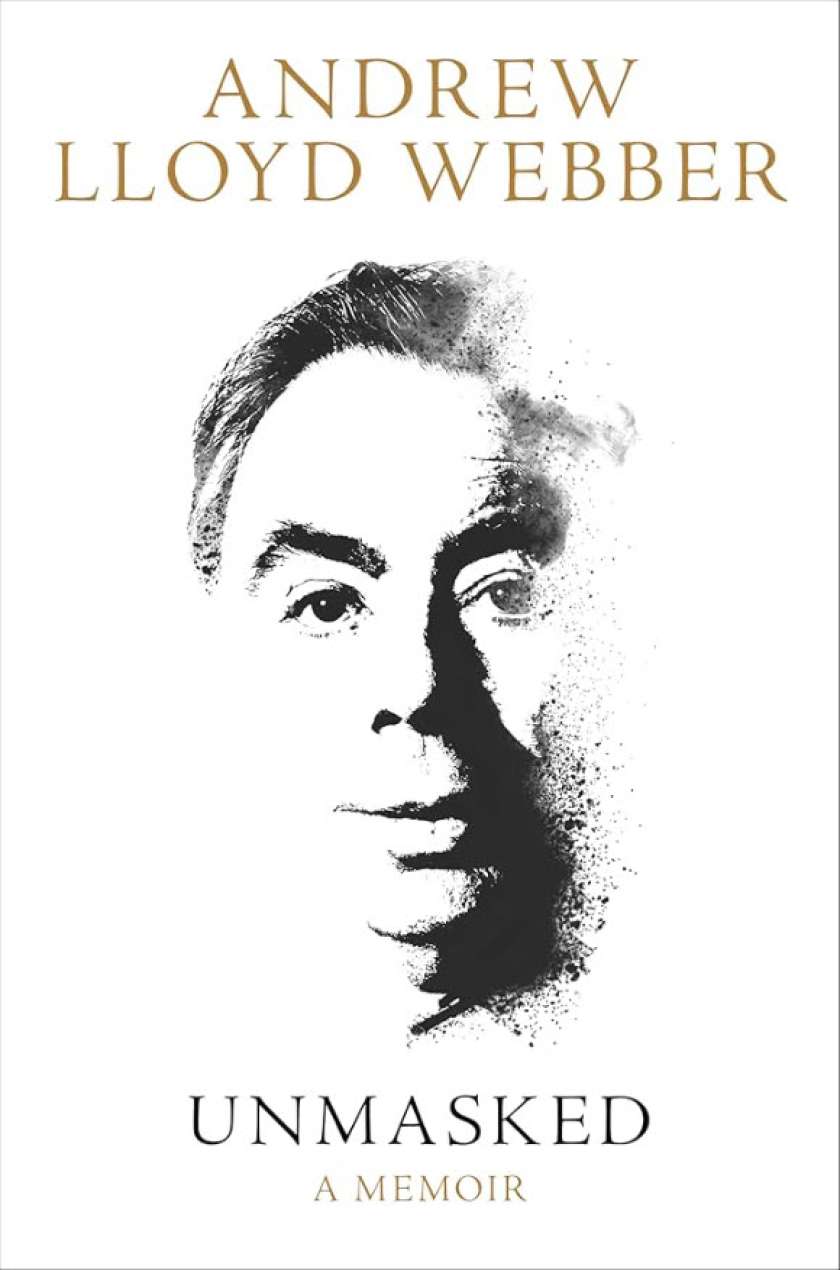
In Unmasked: A Memoir, Andrew Lloyd Webber reflects on a life shaped by music, ambition, and the demands of sustaining a creative career in the public eye. Moving between personal recollection and professional milestones, the memoir explores the realities behind success — the risks taken, the failures endured, and the persistence required to keep creating. It’s a portrait not just of achievement, but of the discipline and vulnerability that underpin it.
Why You Should Read It
This is a book for readers interested in the long arc of a creative life. Unmasked offers insight into what it means to build, lose, and rebuild — repeatedly — while staying committed to one’s craft. If you’re drawn to stories that reveal the process behind artistic success, rather than just its outcomes, this memoir provides a candid and reflective perspective.
Lin-Manuel Miranda’s Take
Miranda’s career shares a similar foundation — a deep commitment to storytelling through music, shaped by both collaboration and personal vision. A figure like Lloyd Webber, whose work has defined eras of musical theatre, represents a kind of artistic endurance that Miranda himself embodies. This memoir speaks to the realities behind the spotlight — something Miranda, as both performer and creator, understands intimately.
Get Book: Unmasked: A Memoir!Children of Blood and Bone by Tomi Adeyemi
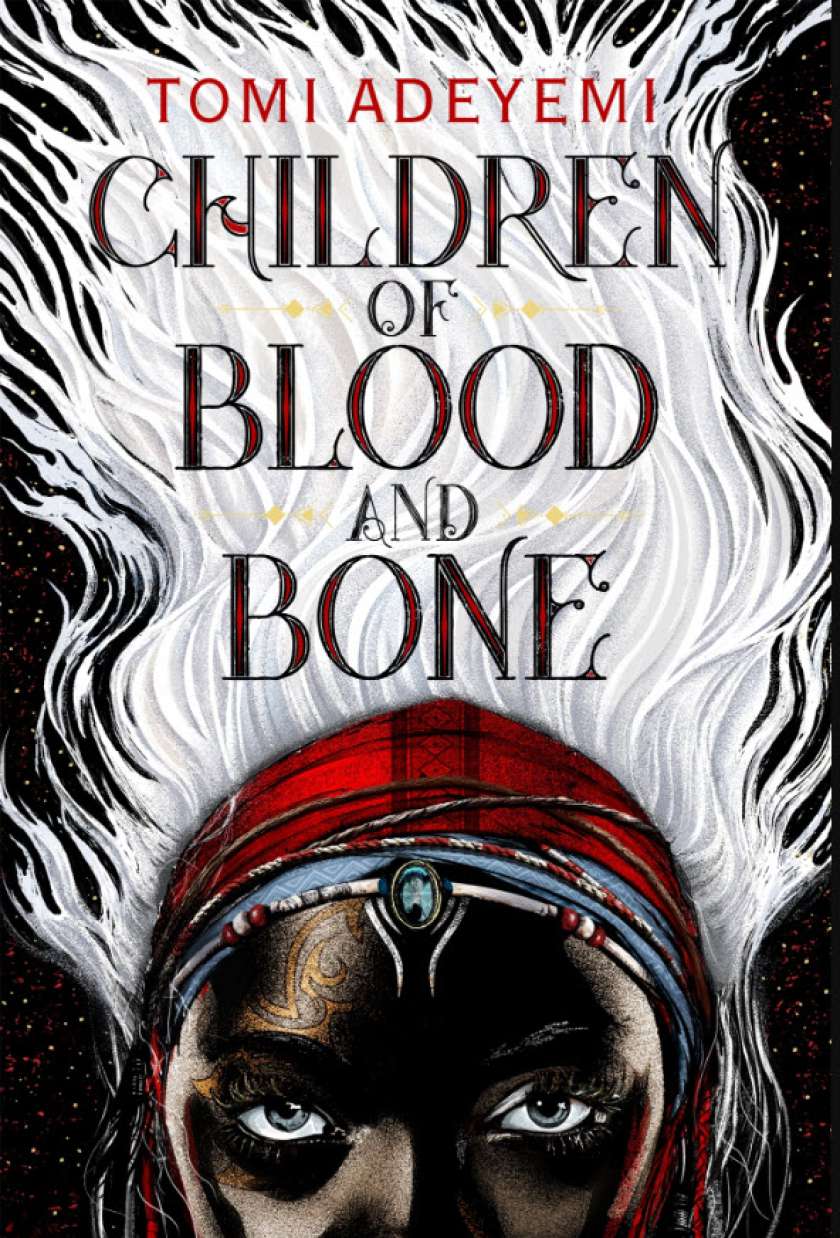
Children of Blood and Bone follows Zélie Adebola as she sets out to restore magic to a world where it has been violently suppressed. Drawing from West African mythology, the novel builds a rich, immersive landscape shaped by loss, resistance, and the enduring fight for justice. Adeyemi blends action with emotional depth, creating a story where personal grief and collective struggle are inseparable.
Why You Should Read It
This is a book that moves with urgency. It combines fast-paced storytelling with themes that feel deeply relevant — power, oppression, identity, and the cost of reclaiming what has been taken. If you’re drawn to fantasy that is both immersive and socially resonant, Children of Blood and Bone offers a compelling balance of both.
Lin-Manuel Miranda’s Take
Miranda has consistently shown an interest in stories that center identity, culture, and the reclamation of voice. Children of Blood and Bone reflects that same energy — a narrative that insists on being heard while honoring the traditions it draws from. It’s the kind of storytelling that feels both personal and expansive, aligning closely with Miranda’s own commitment to stories that resonate beyond the stage.
Get Book: Children of Blood & Bone!Closing Reflection
Taken together, the books recommended by Lin-Manuel Miranda read like a map of a restless, searching mind — one that moves easily between scale and intimacy, structure and spontaneity, history and imagination. There is no single genre or tone that defines this list, only a consistent pull toward work that stretches form and asks more of its audience.
What stands out is not just the range, but the rhythm. Expansive novels sit beside fragmented diaries; philosophical inquiry meets lyrical storytelling; personal memoir exists alongside myth-making. It’s a reading life that resists neat categorisation, much like Miranda’s own creative output. Each book, in its own way, reflects a belief that stories are not fixed — they evolve, echo, and build upon one another.
There is also a quiet throughline of curiosity — about power, identity, creativity, and the systems that shape both individuals and cultures. Whether through history, speculative fiction, or essay, these books return again and again to the question of how people make meaning within the worlds they inherit.
In the end, this is not a list built for comfort reading. It’s a collection that invites movement — across ideas, across forms, across ways of seeing. And perhaps that’s the most revealing thing of all: that for Miranda, reading is not an escape from the work of storytelling, but part of the same ongoing conversation.
