
power, prejudice, and whether the law is always the same thing as justice. So it’s no surprise that J.K. Rowling’s 2026 reading list leans hard into those same obsessions—then softens them with a little wit, philosophy, and yes, a touch of Jane Austen.
If you’ve ever wondered what’s on J.K. Rowling’s bookshelf beyond Hogwarts, this guide walks you through the books she’s praised, returned to, or publicly recommended—titles that span political theory, classic literature, darkly comic fiction, and sharp moral inquiry. Think of it as a curated path into the ideas that shaped her: books about justice and power, about guilt and responsibility, about how ordinary people behave when the stakes are impossibly high.
In this breakdown of J.K. Rowling’s 2026 book recommendations, we’ll look at what each book is about, why it’s worth your time, and what it reveals about the way she thinks. Whether you’re searching for “J.K. Rowling books about justice and politics”, or you’re just hunting for deeper lessons from J.K. Rowling’s reading list, consider this your starting point.
Let’s step into the stack—beginning with the novels and nonfiction that show just how much she loves a thorny moral dilemma.
Team of Rivals: The Political Genius of Abraham Lincoln by Doris Kearns Goodwin
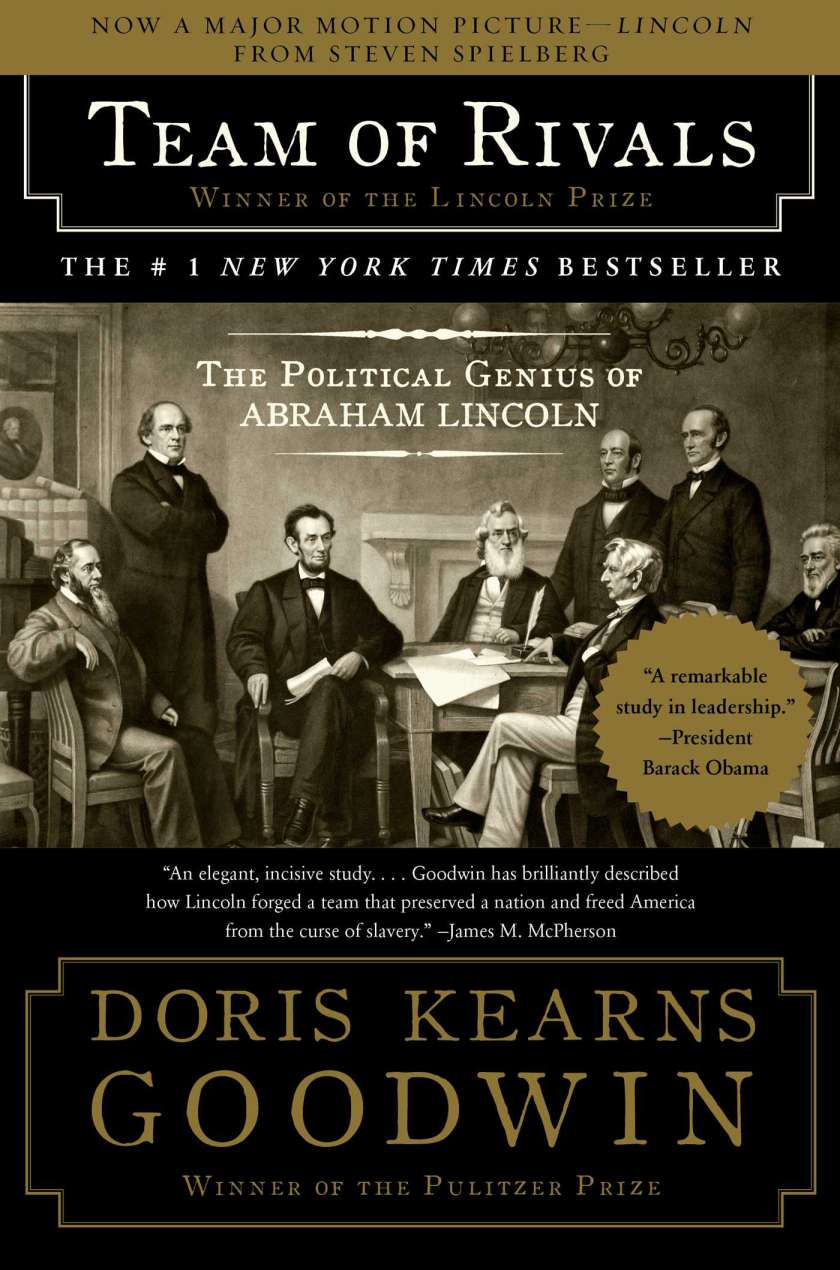
One of the heaviest-hitters on J.K. Rowling’s 2026 reading list, Team of Rivals is a nearly 1,000-page biography of Abraham Lincoln and the three men who began as his political enemies and ended up in his Cabinet. Doris Kearns Goodwin tracks Lincoln’s rise from prairie lawyer to president, then zooms in on how he brought forOne of the rawest novels on J.K. Rowling’s 2026 reading list, The Woman Who Walked Into Doors follows Paula Spencer, a working-class Dublin housewife and mother of four, who is also a battered wife and an alcoholic.
The story moves back and forth in time as Paula remembers her childhood, her teenage bravado, her intoxicating early romance with Charlo, and the long, brutal years of marriage that follow. The title comes from the lie she tells doctors and neighbours when Charlo beats her—she says she “walked into a door.” As she faces the news of Charlo’s death, Paula is forced to piece together how she lost herself, and where, if anywhere, she can begin again.mer rivals William H. Seward, Salmon P. Chase, and Edward Bates into his government—and managed their egos, ambitions, and feuds through the Civil War. Instead of a dry policy history, it reads like a big, character-driven novel about leadership under impossible pressure, moral courage, and the slow, ugly work of moving a divided country toward abolition and victory.
Why You Should Read It
If you’re looking for J.K. Rowling–approved books about power, justice, and political genius, this is the cornerstone. Goodwin shows that Lincoln’s greatness wasn’t just about soaring speeches; it was about his emotional intelligence—his ability to read people, absorb insults, forgive slights, and still get his rivals to pull in the same direction when it mattered. You see how real leadership often means sitting with conflict instead of avoiding it, carrying enormous personal grief while making world-shaping decisions, and choosing principle over popularity again and again.
It’s a brilliant pick if you’re interested in:
- How coalitions are built in real life, not theory
- What ethical leadership looks like when the stakes are life-and-death
- The gap between “hero myth” and the messy reality of governing
It’s long, but it’s incredibly readable—more like an epic novel than a textbook—and it will permanently change how you think about presidents, cabinets, and any room where big decisions get made.
J.K. Rowling’s Take
Rowling has called Team of Rivals “the last truly great book” she read, saying:
“I lived in it the way that you do with truly great books; putting it down with glazed eyes and feeling disconcerted to find yourself in the 21st century.”
That reaction tells you everything about why it sits so high on J.K. Rowling’s reading list about justice and power. She isn’t just admiring Lincoln as a distant, marble statue; she’s completely immersed in his world, in the human drama of rivals, backroom deals, and impossible choices. For a writer who builds ministries, councils, and rebellions on the page, Team of Rivals is both a masterclass in political storytelling and a reminder that the most enduring “magic” often comes from flawed people choosing courage anyway.
Get Book: Team of Rivals!The Woman Who Walked Into Doors by Roddy Doyle
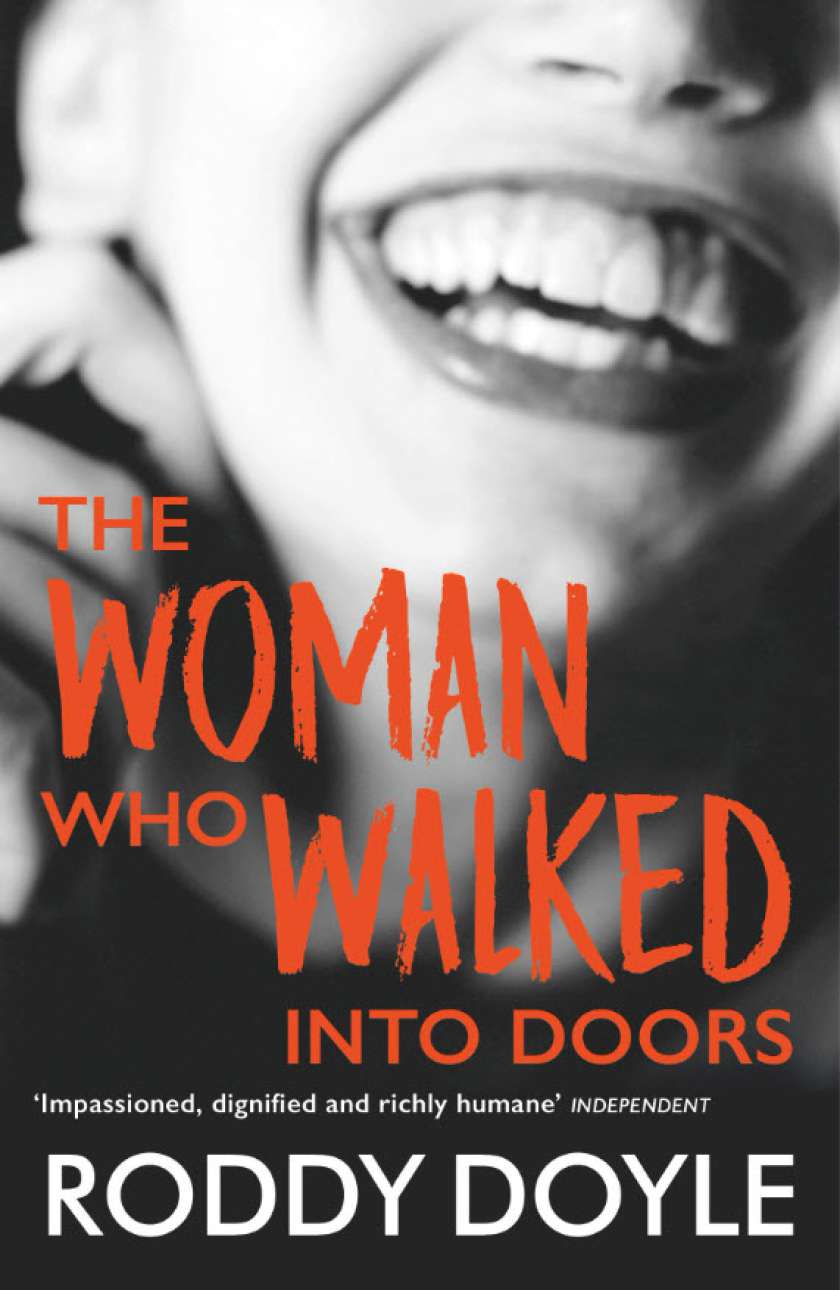
One of the rawest novels on J.K. Rowling’s 2026 reading list, The Woman Who Walked Into Doors follows Paula Spencer, a working-class Dublin housewife and mother of four, who is also a battered wife and an alcoholic. The story moves back and forth in time as Paula remembers her childhood, her teenage bravado, her intoxicating early romance with Charlo, and the long, brutal years of marriage that follow.
The title comes from the lie she tells doctors and neighbours when Charlo beats her—she says she “walked into a door.” As she faces the news of Charlo’s death, Paula is forced to piece together how she lost herself, and where, if anywhere, she can begin again.
Why You Should Read It
If you’re looking for J.K. Rowling–approved books about domestic violence, dignity, and survival, this is the one that hits like a punch to the chest. Doyle writes Paula’s voice with such intimacy and rhythm that you feel her shame, humour, denial, and stubborn strength in every line. There’s no sentimentality, no neat rescue—just the complicated reality of a woman who’s been told, over and over, that she’s worthless, still scraping together the will to keep going.
It’s a powerful read if you’re interested in:
- How abuse actually feels from the inside, not as a headline
- Working-class Irish life, told without romanticizing or judgment
- A female character who is deeply flawed, often unlikeable, and absolutely unforgettable
As part of Rowling’s reading list about power and harm, The Woman Who Walked Into Doors sits on the intimate, everyday end of the spectrum: not presidents and laws, but one kitchen, one marriage, one woman trying to reclaim her own story.
J.K. Rowling’s Take
Rowling has been open about how much this book—and Roddy Doyle’s writing in general—means to her. She’s called Doyle her “favorite living writer,” and has singled out The Woman Who Walked Into Doors as “one of the most important books” in her life, praising how convincingly he inhabits a female voice. In an interview about the novel, she said she had “never encountered such a believable, fully rounded female character from any other heterosexual male writer in any age.”
That kind of admiration explains why this title anchors J.K. Rowling’s books about violence, resilience, and moral complexity. For a writer obsessed with how ordinary people withstand cruelty—whether from institutions or from the person sleeping beside them—Paula Spencer is a touchstone: proof that fiction can tell the truth about pain without stripping its heroine of her humanity.
Get Book: The Woman Who Walked Into Doors!I Capture the Castle by Dodie Smith
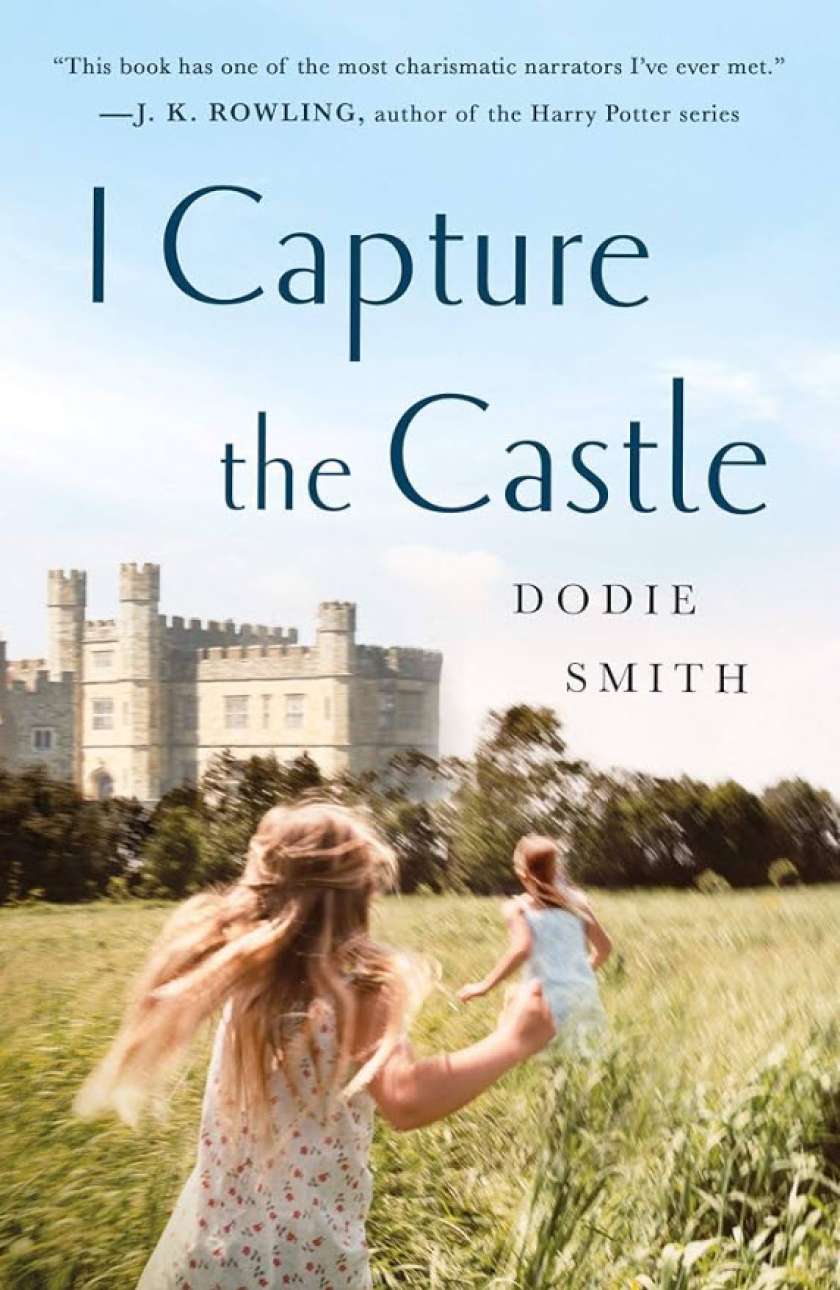
One of the most beloved classics on J.K. Rowling’s reading list, I Capture the Castle is a coming-of-age novel told through the diary of seventeen-year-old Cassandra Mortmain, who lives with her eccentric family in a crumbling rented castle in the English countryside in the 1930s. Her father is a once-famous novelist paralyzed by writer’s block; her beautiful older sister Rose dreams of marrying rich to escape their genteel poverty; their bohemian stepmother Topaz communes with nature in dramatic fashion; and their loyal handyman Stephen is quietly in love with Cassandra.
When two wealthy American brothers inherit the nearby estate and enter their lives, Cassandra finds herself navigating first love, jealousy, disappointment, and the bittersweet process of growing up—all while “capturing” everything in her sharp, funny, endlessly observant journal.
Why You Should Read It
If you’re looking for J.K. Rowling–approved books about first love, creativity, and complicated families, this is pure gold. Cassandra is exactly the kind of narrator Rowling adores: bright, self-deprecating, a little naive, and uncannily perceptive about everyone around her except herself. The castle setting scratches that same itch as Hogwarts—drafty, inconvenient, slightly magical in atmosphere—while the story itself stays grounded in very real emotions: envy between sisters, financial anxiety, artistic frustration, and the ache of wanting more than your life seems able to offer.
It’s also a beautiful read if you’re an aspiring writer. Cassandra is constantly trying to “capture” life on the page, measuring herself (sometimes literally) against Jane Austen, musing on how to turn ordinary days into art. You can see why this novel appeals to readers who love character-driven fiction with strong voice; it feels like being taken into someone’s confidence, one diary entry at a time.
J.K. Rowling’s Take
Rowling has said of I Capture the Castle that it has “one of the most charismatic narrators I’ve ever met.”
She’s singled out Cassandra’s voice as a masterclass in first-person storytelling—funny, painfully honest, and wise in ways she doesn’t fully understand yet. For Rowling, who built an entire universe around young characters observing an adult world they don’t entirely control, Cassandra is a kindred spirit. That’s why this novel sits so comfortably among J.K. Rowling’s books about growing up, power dynamics, and the gap between fantasy and reality: it proves that sometimes the most spellbinding magic is just one girl, a notebook, and a life she’s learning to see clearly.
Get Book: I Capture the Castle!Grimble at Christmas by Clement Freud
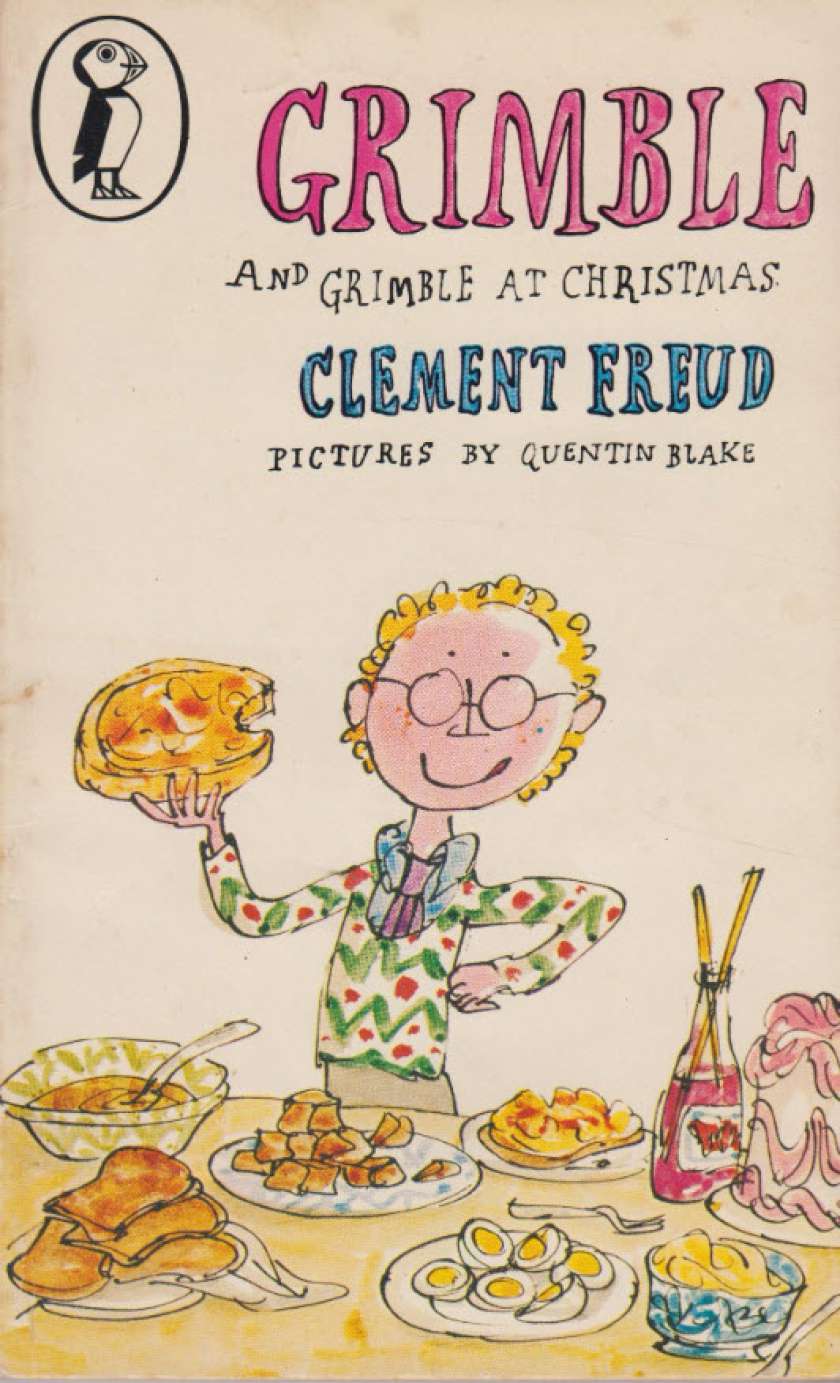
One of the oddest, most joyful children’s titles associated with J.K. Rowling’s favourite books, Grimble at Christmas returns to ten-year-old Grimble, the boy with wildly disorganised, bohemian parents. This time, he’s not being abandoned for Peru—but he is pretty sure his parents have completely forgotten that Christmas is coming.
With their usual chaotic approach to life, there are no presents, no plans, and no sign of a turkey in sight. As the days tick down, Grimble drops hints, hums carols, points out Christmas puddings in shop windows, and finally decides there’s only one solution: he’ll have to organise Christmas himself. The result is a funny, slightly anarchic holiday story about a resourceful child trying to create order (and magic) out of total parental chaos, brought to life with wonderfully scruffy illustrations in later editions by Quentin Blake.
Why You Should Read It
If you’re looking for J.K. Rowling–approved books about eccentric families, resourceful kids, and gloriously imperfect Christmases, Grimble at Christmas is a small, offbeat gem. It has the same mix you find in Rowling’s own work: adults who are unreliable at best, a child quietly taking on more responsibility than anyone realises, and humour used as both shield and secret superpower. Grimble’s independence—cooking, planning, improvising around his parents’ vagueness—feels like the mischievous cousin of the Weasley twins or early Harry stuck with the Dursleys.
Because it’s short and very funny, it’s also perfect as a family read-aloud or a nostalgic comfort reread for adults. Underneath the jokes about forgetful parents and improvised Christmas dinners, there’s a surprisingly tender message: sometimes the holiday doesn’t look the way it’s “supposed” to, but love and effort from one determined kid can still make it special.
J.K. Rowling’s Take
Rowling has called the Grimble stories “one of the funniest books I’ve ever read,” and has frequently cited them among her all-time childhood favourites.
That enduring love explains why Grimble at Christmas fits so neatly alongside the other titles on J.K. Rowling’s reading list: it’s silly on the surface, but underneath it’s all about a brave, slightly odd child negotiating adults who don’t quite know how to look after him. For a writer who built a whole universe out of under-appreciated kids and chaotic grown-ups, Grimble is exactly the kind of hero you’d expect to find on her Christmas shelf.
Get Book: Grimble at Christmas!The Little White Horse by Elizabeth Goudge

One of the most important childhood reads on J.K. Rowling’s bookshelf, The Little White Horse is a low-fantasy children’s novel set in 1842. It follows 13-year-old orphan Maria Merryweather, who is sent to live with her cousin at Moonacre Manor in the West Country of England. There she discovers that the valley, the manor, and the surrounding village are steeped in old magic, unfinished business, and an ancient family wrong that only she can help set right.
Guided by a cast of vivid characters—her eccentric guardian Sir Benjamin, the stern cook Marmaduke Scarlet, a mysterious parson—and aided by animals like the black “dog” Wrolf and the unicorn-like little white horse, Maria must face pride, greed, and division in order to restore peace and harmony to Moonacre. It’s a cosy, enchanted world, but underneath the charm are serious themes: responsibility for inherited mistakes, reconciliation, and the courage it takes to choose goodness when it costs you.
Why You Should Read It
If you’re looking for J.K. Rowling–approved books about magic, moral courage, and old wrongs being put right, this is essential. On the surface it’s a gentle, old-fashioned children’s story—cottages, feasts, animals that are a little more than they seem—but the structure is astonishingly tight. Maria isn’t just wandering through a pretty fantasy; she’s working through a multi-generational conflict where pride and selfishness once tore a community apart, and where only humility, sacrifice, and forgiveness can heal it. That pattern should feel familiar to any Harry Potter fan.
It’s also a brilliant pick if you love world-building details. Goudge lingers on food, clothes, weather, light, and domestic rituals—the kind of sensory richness that makes you feel like you’ve actually moved into Moonacre Manor. Readers often describe the book as “a dream” or “a story you sink into and never want to leave,” and you can absolutely see why a future fantasy writer would imprint on it.
J.K. Rowling’s Take
Rowling has been very clear about how much this book matters to her. She has called The Little White Horse her favourite childhood book and said,
Rowling has been very clear about how much this book matters to her. She has called The Little White Horse her favourite childhood book and said,
She’s talked about admiring how “well-constructed and clever” it is under its simple surface, and she’s specifically mentioned loving the way Goudge always described what the children were eating—something she consciously echoed in all the Hogwarts feasts and common-room snacks.
That’s why The Little White Horse isn’t just another nostalgic favourite on J.K. Rowling’s reading list about magic and justice. It’s part of the DNA of the wizarding world: a story where a brave, slightly stubborn young heroine walks into an old, enchanted place, uncovers an inherited sin, and decides she’s the one who’s going to put it right—no prophecy required.
Get Book: The Little White Horse!The Wind in the Willows by Kenneth Grahame
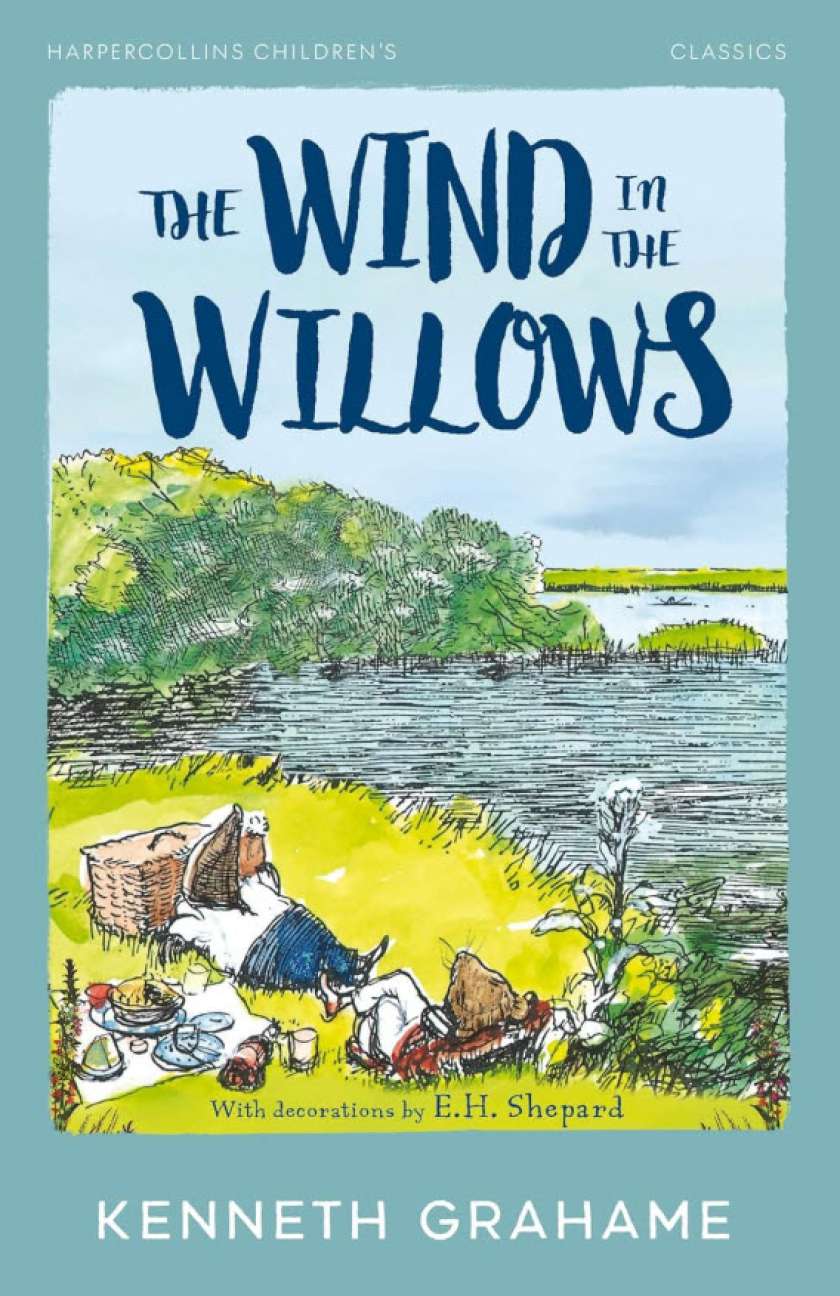
Among all the classics on J.K. Rowling’s reading list, The Wind in the Willows is the one that feels most like pure childhood—riverside picnics, cosy burrows, and small adventures that somehow feel enormous. First published in 1908, it follows the lives of Mole, Rat, Badger, and the incorrigible Mr. Toad along the banks of the River Thames.
On the surface, it’s a gentle animal story about friendship, home, and mischief: Mole discovers the river for the first time, Rat extols the “pleasures of the river,” Toad becomes hopelessly obsessed with motorcars and lands himself in serious trouble, and the friends must band together to save Toad Hall. Beneath the whimsy, though, it’s quietly about loyalty, loyalty, the pull of home, and the tension between adventure and responsibility.
Why You Should Read It
If you’re looking for J.K. Rowling–approved books about friendship, home, and the magic of ordinary landscapes, this one is non-negotiable. Grahame’s riverbank isn’t a high-stakes fantasy world; it’s a small, lovingly detailed setting where good food, warm fires, and shared jokes matter just as much as “plot.” That domestic cosiness—interrupted by moments of wildness and danger—feels like an early echo of the balance Rowling later strikes between Hogwarts feasts and battles with dark magic.
- Love character-driven stories where nothing and everything happens
- Want a comforting, slightly nostalgic read that still has real emotional depth
- Enjoy seeing how a simple children’s book can shape a writer’s sense of atmosphere, pacing, and warmth
As part of Rowling’s books about courage, loyalty, and belonging, The Wind in the Willows sits at the gentle, luminous end of the spectrum—a reminder that not every important story is dark or epic; some are just about showing up for your friends and finding your way back home.
J.K. Rowling’s Take
Rowling has described The Wind in the Willows as one of the foundational reading experiences of her childhood, recalling that her “most vivid memory of being read to” is of her father reading this book aloud while she was about four years old and ill with measles. That memory says a lot about why the book endures on her personal canon: it’s tied not just to story, but to comfort, care, and being held inside a safe, imagined world when the real one felt frightening.
In the context of J.K. Rowling’s reading list about justice, power, and love, The Wind in the Willows might seem like the lightest title—but it’s also a quiet blueprint. It shows how much narrative power there is in small communities, shared meals, and steadfast friends—a current that runs right through the heart of the wizarding world.
Read Book: The Wind in the Willows!Lolita by Vladimir Nabokov

One of the most unsettling—and technically brilliant—novels on J.K. Rowling’s 2026 reading list, Lolita is narrated by Humbert Humbert, a middle-aged literature professor who becomes sexually obsessed with 12-year-old Dolores Haze. Written as his florid “confession” from prison, the book follows his manipulation of her mother, the kidnapping that follows her death, and the cross-country abuse he disguises as a twisted love story.
The horror is filtered entirely through Humbert’s voice: witty, erudite, full of wordplay and self-justification, which forces readers to feel the clash between seductive language and monstrous behaviour. It’s now widely read as a masterclass in the unreliable narrator, exposing how abusers narrate away their own crimes.
Why You Should Read It
If you’re drawn to J.K. Rowling–approved books about power, obsession, and the ethics of storytelling, Lolita is a dark but essential stop. Nabokov uses every tool—rhythm, sound, metaphor—to make Humbert’s prose intoxicating, then lets the content slowly reveal just how corrupt he is. That tension is the point: you’re meant to feel uneasy about enjoying the sentences while despising the man writing them. Reading Lolita today is less about “can you separate art from artist?” and more about learning to spot narrative manipulation: whose voice we’re hearing, what’s being left out, and how charm and intelligence can be weaponised.
It’s a demanding read, emotionally and morally, but if you care about how fiction can illuminate grooming, gaslighting, and self-mythologising from the inside, there’s really nothing else like it.
J.K. Rowling’s Take
Rowling has been emphatic about how deeply this novel affects her. She’s said:
“There are two books whose final lines make me cry without fail, irrespective of how many times I read them, and one is Lolita by Vladimir Nabokov.”
For a writer obsessed with voice, moral complexity, and the dangers of power used selfishly, that makes perfect sense. On J.K. Rowling’s reading list about justice, control, and who gets to tell the story, Lolita is the darkest mirror: a reminder that beautiful language can hide monstrous acts, and that part of becoming a better reader—and person—is learning not to be fooled by how pretty the story sounds.
Get Book: Lolita by Vladimir Nabokov!Emma by Jane Austen
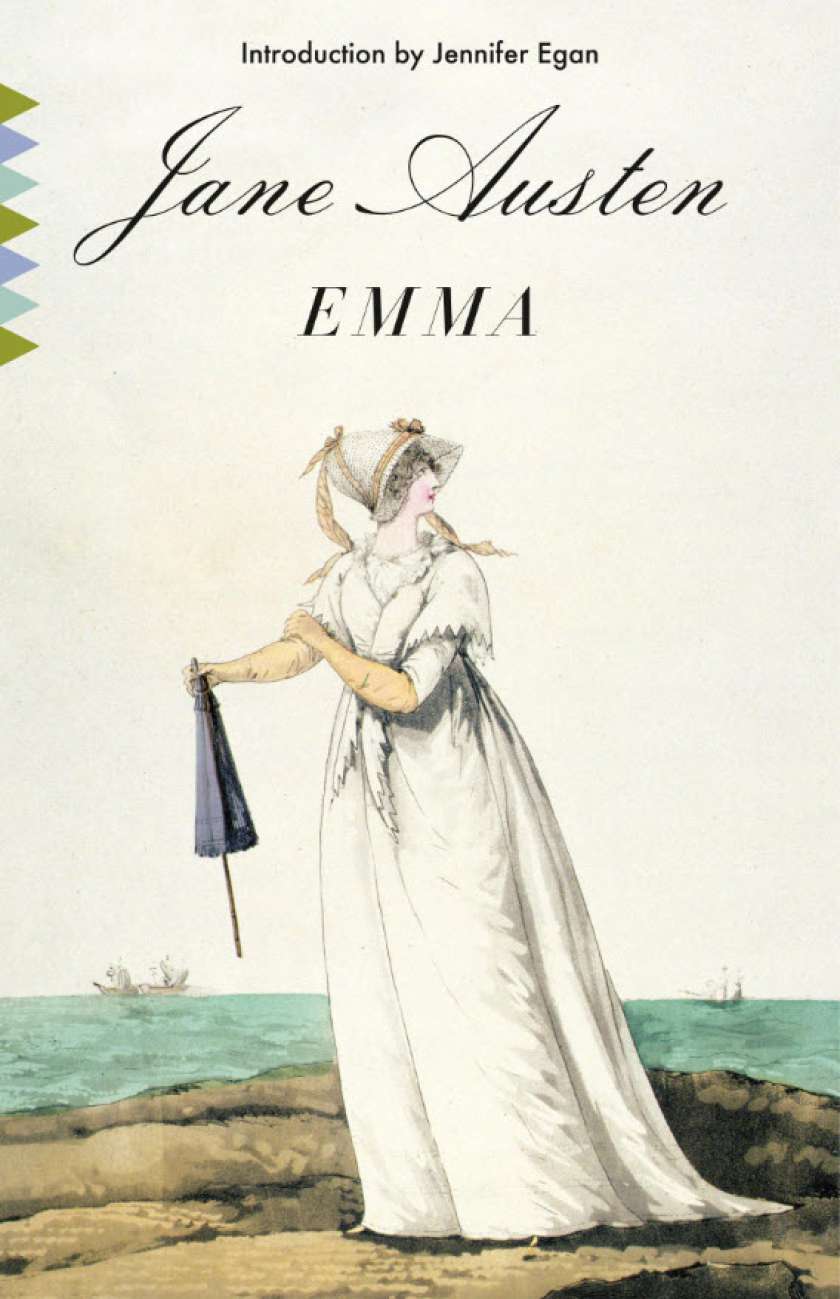
No J.K. Rowling reading list would be complete without Jane Austen, and Emma is the one she’s singled out as her absolute favourite. The novel follows Emma Woodhouse, “handsome, clever, and rich,” who lives with her hypochondriac father in the village of Highbury and amuses herself by meddling in other people’s love lives.
Convinced she knows what (and who) is best for everyone, Emma tries to orchestrate matches for her friend Harriet, misreads every social cue around her, and only slowly realises how badly she’s misunderstood the hearts and motives of the people she claims to care for. There’s no war, no murder, no high drama—just a tight little social world where pride, blindness, kindness, and self-knowledge quietly collide.
Why You Should Read It
If you’re looking for J.K. Rowling–approved books about character, consequence, and the ethics of interference, Emma is a masterclass. Austen’s genius here isn’t just the romance; it’s the way she lets us live inside Emma’s head—charmed by her, annoyed with her, and gradually watching her outgrow herself. You see how easy it is to rewrite other people’s stories in your own mind, how self-deception works, and how humiliating (but necessary) it is to be confronted with your own selfishness.
It’s especially satisfying if you love:
- Sharp, funny dialogue and devastating one-line observations
- Closed little communities where every visit, letter, and look carries weight
- Stories where the “villain” is really the heroine’s unexamined assumptions
On Rowling’s reading list about justice and power, Emma sits in the domestic lane: no ministries or dictators, just one young woman slowly learning that power over other people’s lives—social, emotional, romantic—is something you have to handle with care.
J.K. Rowling’s Take
Rowling has called Jane Austen her favourite author of all time, and Emma her favourite of Austen’s novels. That choice tracks perfectly with her own work: a keen interest in how communities function, how pride and prejudice (small-p) play out in drawing rooms and classrooms, and how much drama can live inside everyday social rituals.
For readers trying to trace lessons from J.K. Rowling’s reading list, Emma is a key piece of the puzzle. It shows her love of tight plotting, moral growth, and heroines who aren’t perfect but are capable of becoming better once they finally see themselves clearly—something Harry, Snape, Dumbledore, and so many others wrestle with in the wizarding world too.
Read Book: Emma by Jane Austen!Justice: What’s the Right Thing to Do? by Michael J. Sandel
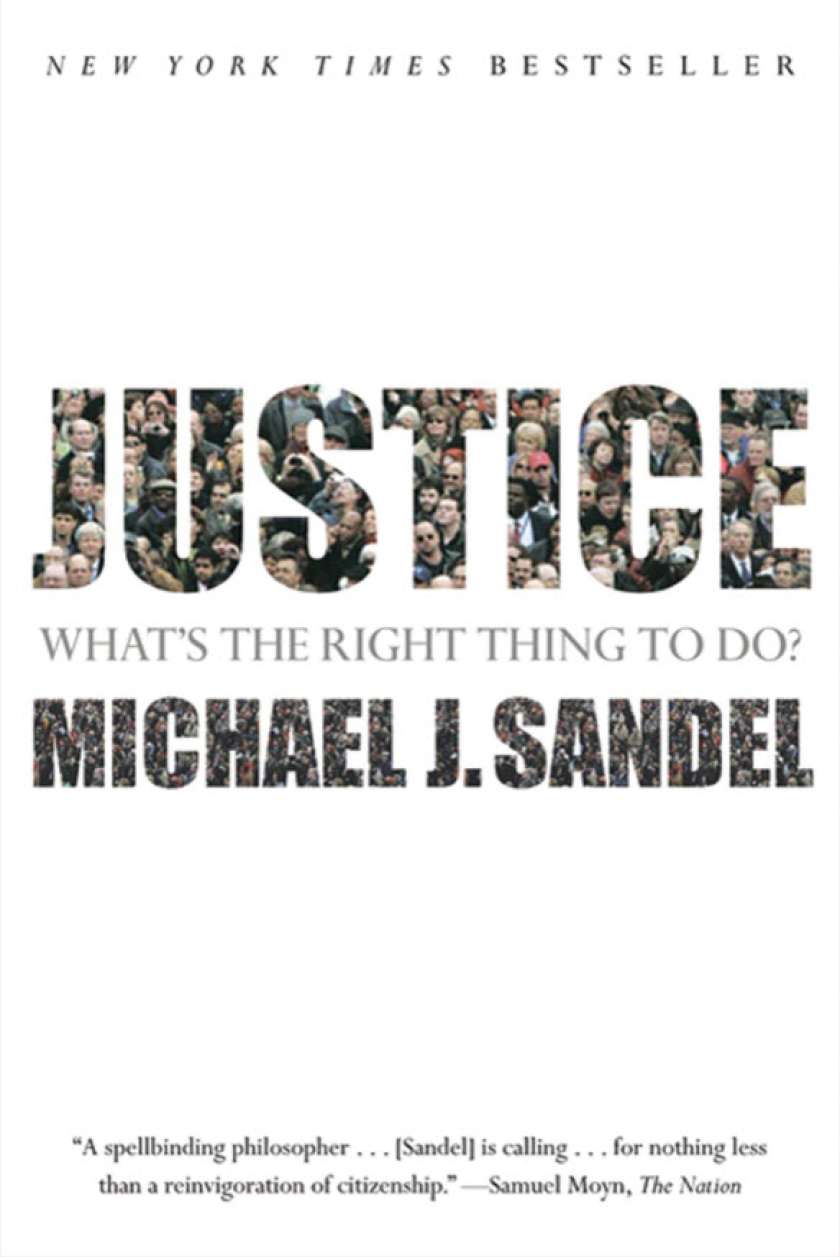
On the more explicitly philosophical end of J.K. Rowling’s 2026 reading list, Justice: What’s the Right Thing to Do? is based on Michael Sandel’s famous Harvard course on moral and political philosophy. Instead of giving you abstract theory in heavy academic language, Sandel walks you through real-world dilemmas—price-gouging during emergencies, affirmative action, same-sex marriage, draft lotteries, torture, income inequality—and then tests different philosophical frameworks against them: utilitarianism, libertarianism, Kantian duty, Aristotle’s virtue ethics, and more.
Each chapter asks: if we say X is “right” or “fair,” what are we really assuming about freedom, the good life, and what we owe each other?
Sandel’s gift is making big ideas feel concrete. He doesn’t just explain theories; he throws you into scenarios and basically says, “OK, what would you do—and why?” By the end, you’ve had a crash course in moral reasoning without ever feeling like you sat through a dry lecture.
Why You Should Read It
If you’re searching for J.K. Rowling–approved books about justice, ethics, and how to think about right and wrong, this is the clearest doorway in. Instead of shouting opinions, Sandel teaches you how to argue with yourself: to notice which values you’re privileging (freedom, equality, tradition, outcomes), and how those values sometimes clash.
It’s especially useful if you:
- Constantly feel torn in political or social debates and want better tools than “it just feels wrong”
- Enjoy stories (like Rowling’s) where characters face morally impossible choices and you want language for why those choices are so hard
- Are interested in law, politics, philosophy, or just being more intellectually honest about your own beliefs
Constantly feel torn in political or social debates and want better tools than “it just feels wrong”
Enjoy stories (like Rowling’s) where characters face morally impossible choices and you want language for why those choices are so hard
Are interested in law, politics, philosophy, or just being more intellectually honest about your own beliefs
J.K. Rowling’s Take
Rowling has said of Justice that she’d “give our prime minister this book,” which is about as clear an endorsement as you’re going to get. It’s not just a book she admired; it’s one she wishes people in power would actually sit with. That little aside fits perfectly with the rest of J.K. Rowling’s reading list: she’s drawn to books that don’t just diagnose problems, but force you—whether you’re a citizen, a minister of magic, or a real-world leader—to ask, “What is the right thing to do here, and why?”
In a stack that runs from Team of Rivals to The Woman Who Walked Into Doors and Emma, Justice is the spine: a reminder that behind every policy, every law, and every personal choice is a hidden theory of fairness. Sandel brings those theories into the light—and Rowling clearly thinks more of us, especially leaders, should do the same.
Get Book: Justice by Michael J. Sandel!Conclusion
J.K. Rowling’s 2026 reading list looks, on the surface, like a mix of history, philosophy, children’s classics, and scandalous literary fiction—but together, they read like a map of her obsessions. Team of Rivals and Justice handle power and morality at the level of presidents and prime ministers. The Woman Who Walked Into Doors, I Capture the Castle, and Grimble at Christmas bring that same concern with justice down into kitchens, castles, and chaotic homes. The Little White Horse and The Wind in the Willows show where her love of cosy, enchanted, tightly drawn worlds began. Lolita and Emma add the hardest layers: how charm and narrative control can distort truth, and how blind we can be to our own power over other people’s lives.
If you’re looking for lessons from J.K. Rowling’s reading list, they’re pretty clear: stories matter because they teach us how to read power—who has it, who abuses it, who resists it, and how ordinary people live in the shadow of those decisions. Her favourite books aren’t just “good reads”; they’re training grounds for moral imagination. If you want J.K. Rowling books about justice, power, and a touch of Jane Austen’s wit, this stack is a perfect place to start. Begin with whatever question you’re carrying—leadership, abuse, fairness, growing up—and choose the title that sits closest to that ache. With this list, you’re not just reading like Rowling; you’re thinking alongside the writers who helped shape the way she sees the world.
