
Physics can feel like a locked room: equations on the walls, strange symbols everywhere, and a quiet fear that you’re “not smart enough” to be here. But physics isn’t a private club. At its core, it’s just the most honest way we’ve found to ask big questions about ordinary life: Why does time move forward? What is reality made of? How can light be both a speed limit and the reason your phone can find you on a map? And if the universe runs on rules, what does that mean for choice, meaning, and who we become?
This list is built for curious beginners — people who want the wow of science without being buried under jargon. The books here move from the practical to the mind-bending: quantum computers and what they might unlock, the strange tricks hidden in the speed of light, the simulation idea (and why it refuses to go away), and the way AI is already reshaping what it means to be human. You don’t need a physics background to enjoy these. Think of them as guided tours: the authors do the heavy lifting, and you get the payoff — clearer thinking, bigger perspective, and that delicious “wait… WHAT?” feeling that good science writing does so well.
If you’ve ever looked at the night sky, a shadow on the wall, or an algorithm that seems to know you too well and thought, there has to be more going on here — these books are your doorway.
Quantum Supremacy: How the Quantum Computer Revolution Will Change Everything
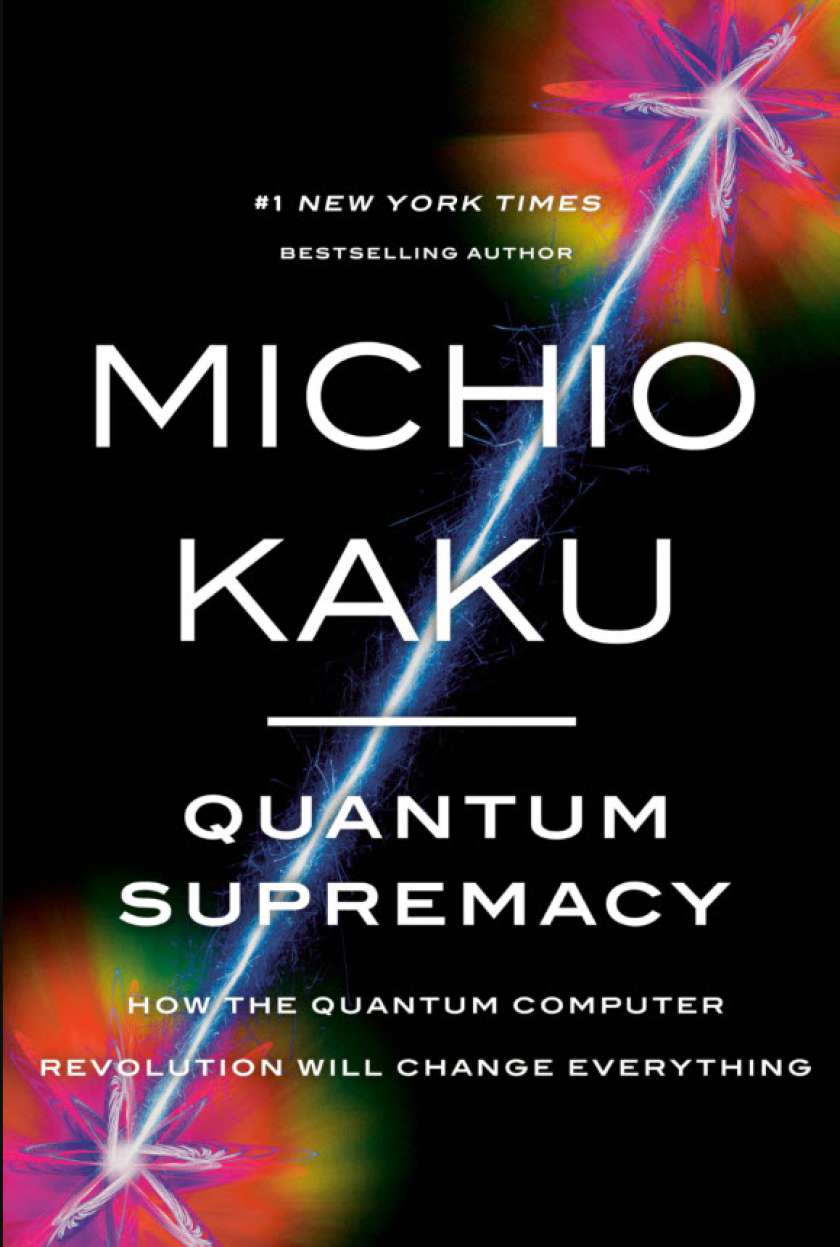
This book explores what makes quantum computers different from normal computers — not just “faster,” but fundamentally built on the weird rules of quantum physics. Instead of bits that are either 0 or 1, quantum systems can behave in ways that allow many possibilities to be processed at once, which is why people believe quantum computing could transform fields like chemistry, medicine, materials science, and energy.
Why you should read it:
Because quantum computing is one of those once-in-a-generation technologies: it’s still early, but the implications are massive. The best part is that the “mind-bending” isn’t extra — the weirdness is the point. If you want an accessible bridge between sci-fi ideas (like unbreakable encryption or miracle batteries) and real-world science, this is a strong starting place.
Best for:
Readers who like big-picture tech + science, and want to understand what quantum computing could realistically change.
Faster than Light: How Your Shadow Can Do It but You Can’t
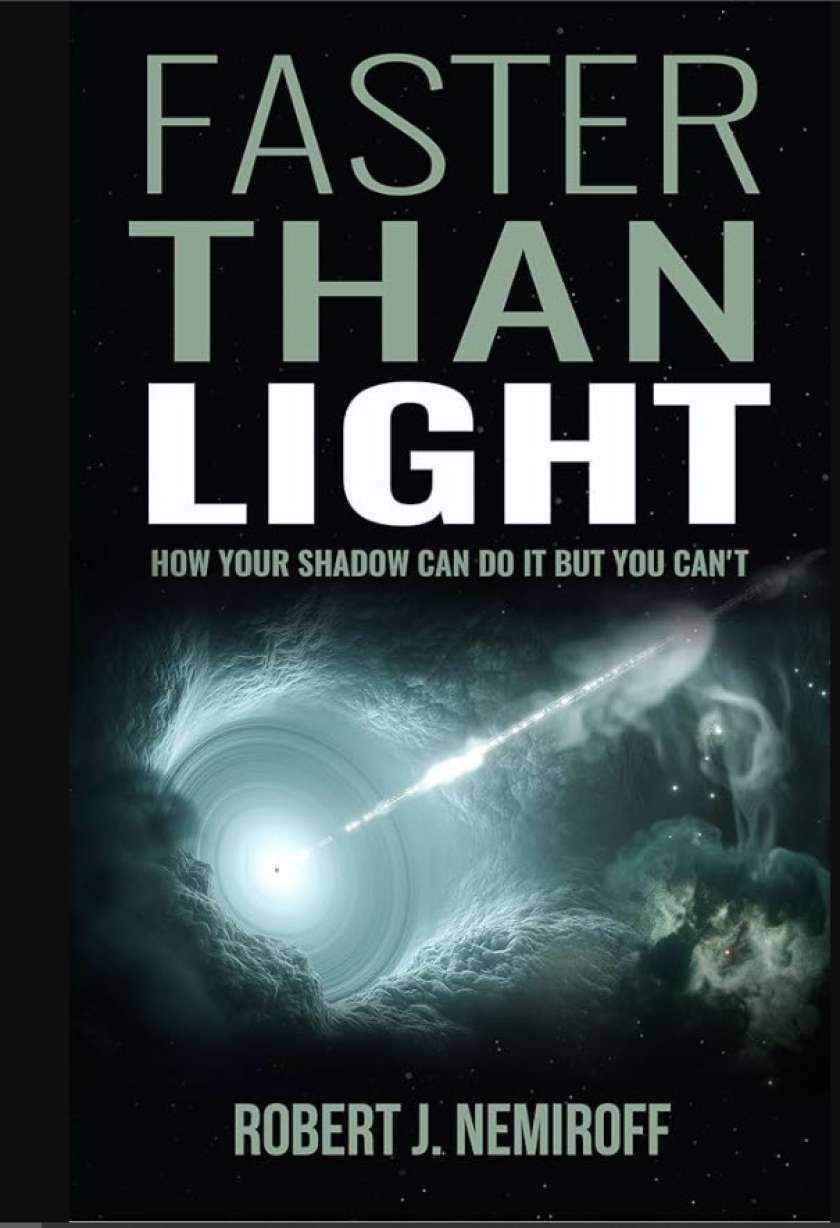
This is a playful, concept-driven journey through the speed of light — why it matters, why it’s weird, and how it creates paradoxes that mess with your intuition. The title’s hook is real: your shadow can appear to move faster than light in certain setups, but no information or object is actually breaking physics. The book uses “riddles” and thought experiments to teach you relativity-style thinking without drowning you in math.
Why you should read it:
If you’ve ever wanted to feel why Einstein-style physics is so strange (and so beautiful), this one delivers. It’s the kind of book that upgrades how you think — not just about light, but about time, distance, and what “speed” even means in the universe.
Best for:
Anyone who learns best through examples, paradoxes, and “wait… how is that possible?” moments.
The Simulated Multiverse: An MIT Computer Scientist Explores Parallel Universes, The Simulation Hypothesis, Quantum Computing and the Mandela Effect
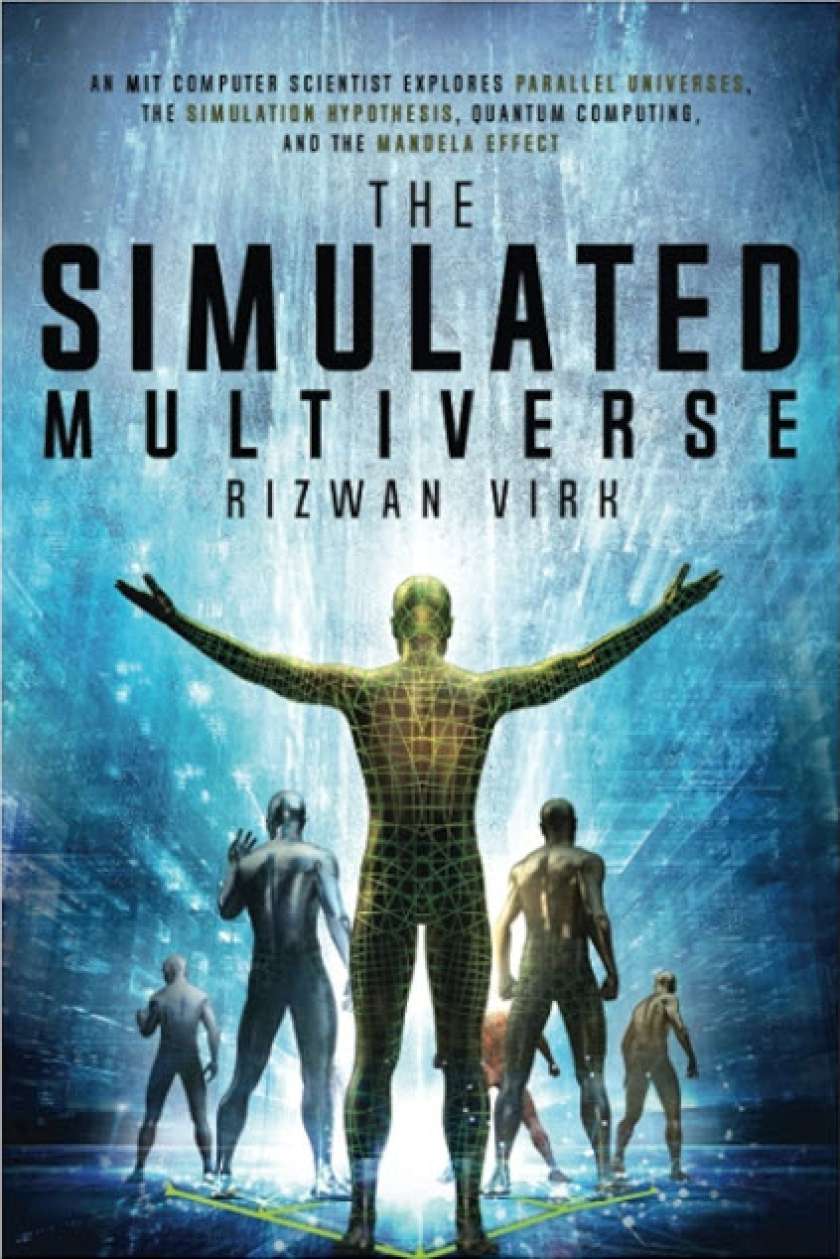
This book connects several popular “big ideas” — simulation theory, multiverses, and interpretations of quantum mechanics — and explores how modern computing (especially quantum computing) makes these thought experiments feel less like pure fantasy and more like serious philosophical questions. It also touches the Mandela Effect as part of its broader curiosity about “multiple realities” and why human perception can feel glitchy.
Why you should read it:
Because it’s a doorway into the modern debate between physics, philosophy, and technology — the place where questions about reality turn from “late-night conversation” into “wait, could this actually be testable someday?” It’s speculative, yes, but it’s structured speculation — the kind that helps you sort what’s physics, what’s philosophy, and what’s fun.
Best for:
Readers who love mind-stretching ideas and want a guided map through simulation/multiverse talk without getting lost.
2034: How AI Changed Humanity Forever
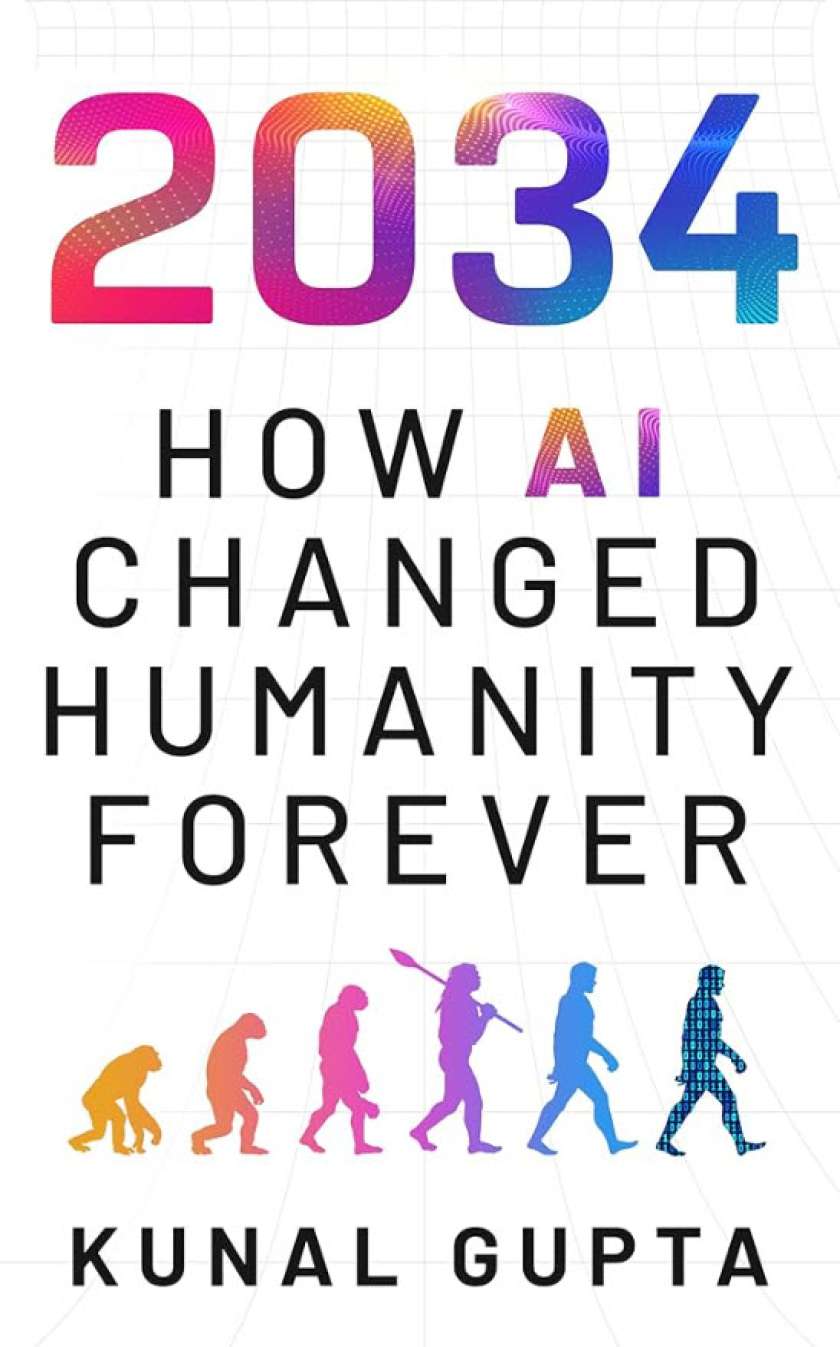
This is speculative nonfiction that imagines how AI could reshape everyday life — creativity, work, relationships, identity, and meaning — by the year 2034. Instead of treating AI as just a tech story, it frames it as a human story: how we adapt, what we gain, what we lose, and what kinds of people we become when intelligence is no longer rare.
Why you should read it:
Because physics isn’t only about stars and atoms — it’s also about the technologies built from physical laws, and how those technologies reshape society. If quantum computing is about the next level of computing power, AI is about what we do with power once it’s in our hands. This book is a conversation-starter that helps you think beyond hype and ask better questions: What should we automate? What should stay human?
Best for:
Readers who want “future thinking” that stays grounded in real human stakes.
The End of Everything: (Astrophysically Speaking)
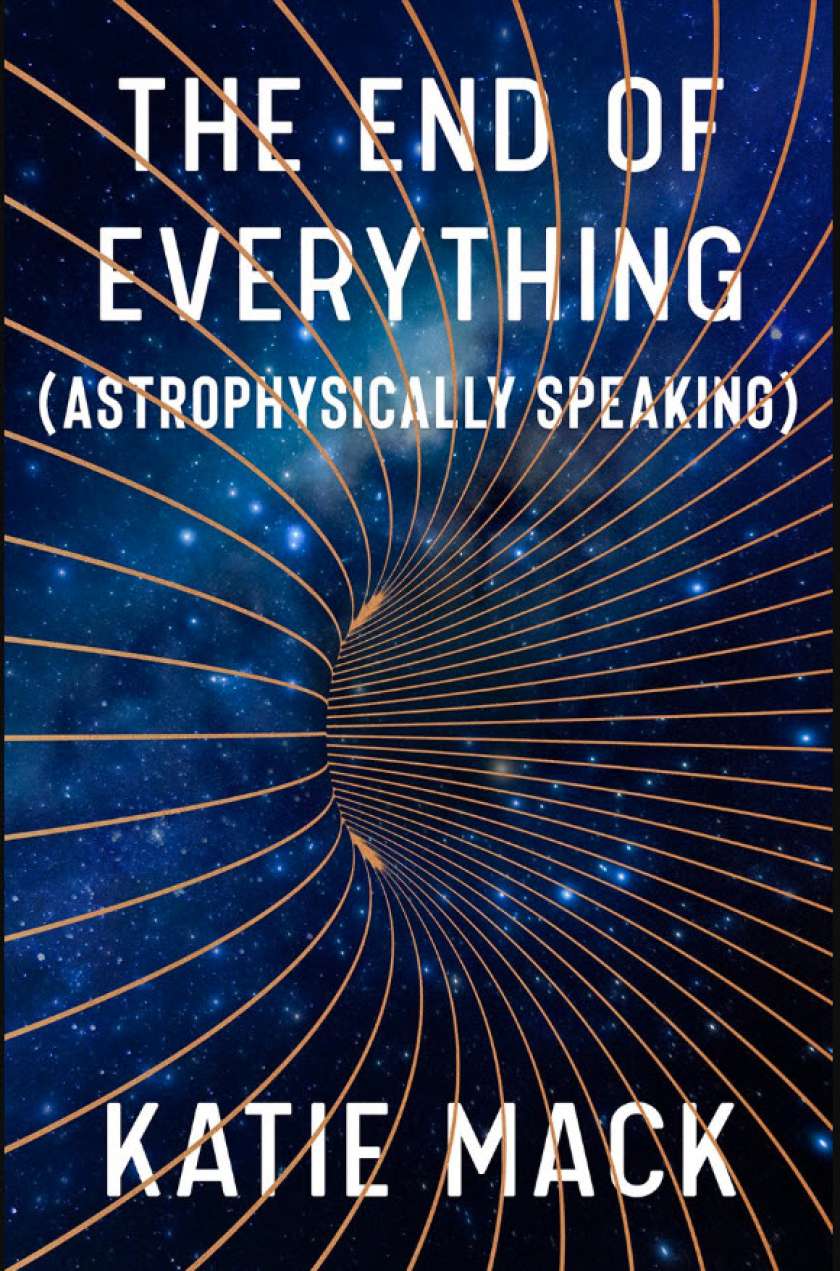
Astrophysicist Katie Mack walks you through the main scientific “endings” the universe might face—heat death, the Big Crunch, the Big Rip, vacuum decay, and other cosmic finales—using clear explanations and zero intimidation. The fun twist is that tiny differences in what we don’t yet know about the universe can lead to wildly different endings.
Why you should read it:
Because it gives you the big cosmic picture without the heavy math. It’s one of the best “beginner-friendly but still deep” books for understanding how scientists think about the universe at the largest scales—and why uncertainty is not a weakness in science, but part of the process.
Best for:
Readers who love space, want real science (not vibes), and enjoy learning through vivid “what if” scenarios.
Until the End of Time: Mind, Matter, and Our Search for Meaning in an Evolving Universe
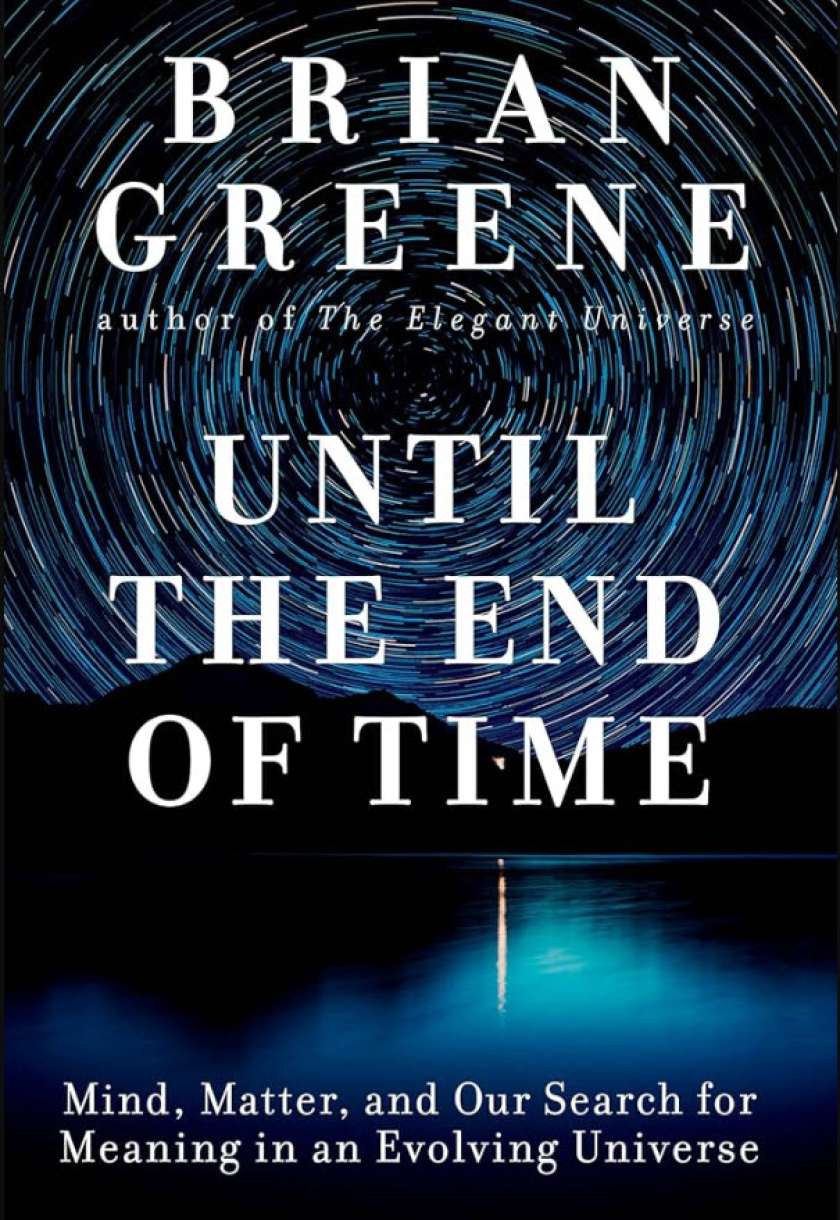
Brian Greene takes you from the Big Bang to the far future, explaining how structure forms (stars, planets, life), how mind might emerge from matter, and how humans build meaning inside a universe that keeps changing. It blends cosmology with philosophy in a grounded, readable way—science first, reflection second.
Why you should read it:
This is the book for “Okay, but what does it mean?” It doesn’t just teach physics ideas—it helps you connect them to identity, purpose, and the emotional reality of being a small creature in a very large timeline.
Best for:
Anyone who wants physics with heart—big concepts, but always tied back to human experience.
The Order of Time
Carlo Rovelli gently dismantles the “common sense” view of time. Instead of time being one universal river flowing the same for everyone, physics suggests time behaves differently depending on motion, gravity, and even the way we measure it. Rovelli blends science, poetry, and philosophy to show how time might be more like a network of relationships than a single ticking clock.
Why you should read it:
Because it changes how you think. Even if you don’t remember every concept, you’ll walk away with a new mental model: time isn’t just something you live in—time is something your reality is constantly negotiating.
Best for:
Readers who like reflective nonfiction and want their brain rewired (in a calm, beautiful way).
A Brief History of Time
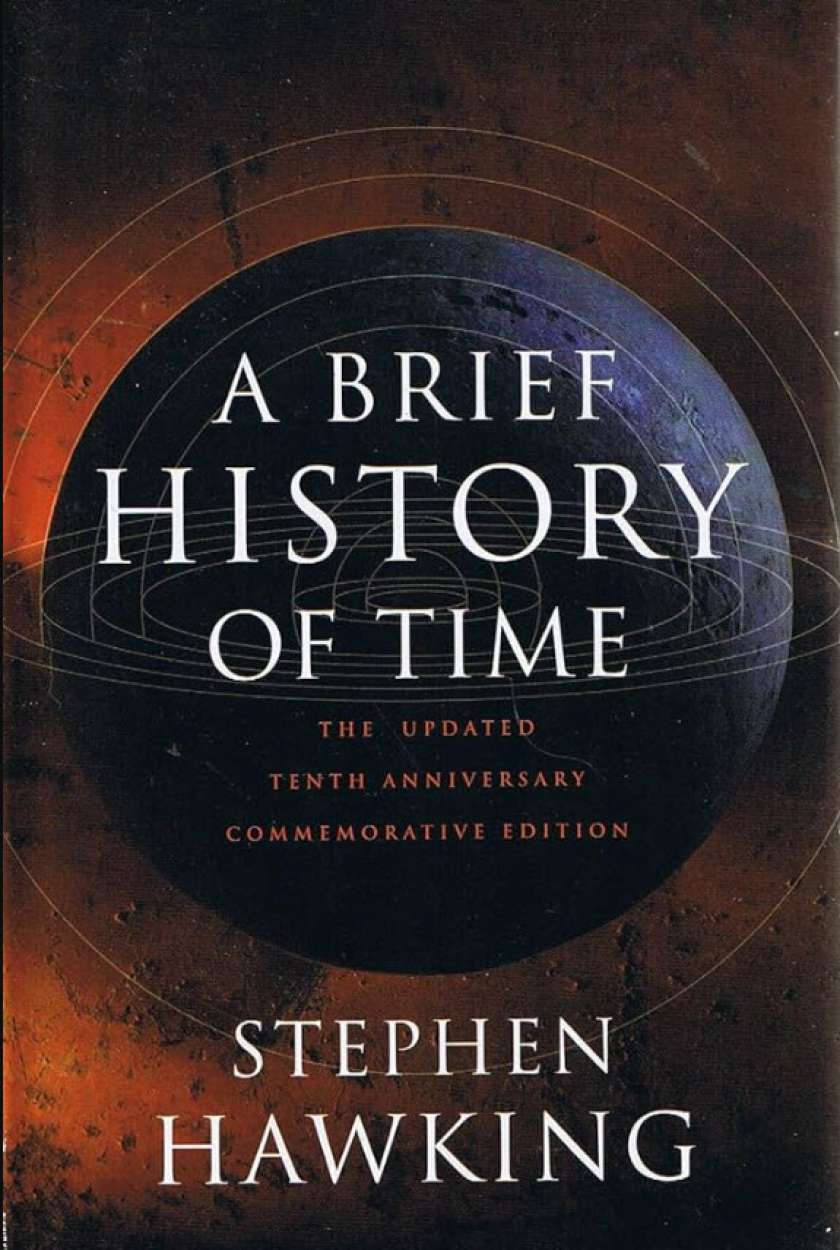
Stephen Hawking’s classic introduction to cosmology explores the origin, structure, and possible fate of the universe—covering ideas like space-time, black holes, the Big Bang, and how modern physics tries to connect relativity and quantum theory. It’s famous for trying to talk about huge topics in non-technical language.
Why you should read it:
It’s a cultural landmark and a genuine doorway into the biggest questions physics asks. Even if some parts make you pause and reread, it gives you a foundation—like learning the basic map of the universe before you explore the stranger neighborhoods.
Best for:
Beginners who want a “core text” and don’t mind reading a little slower for big payoff.
The Grand Design
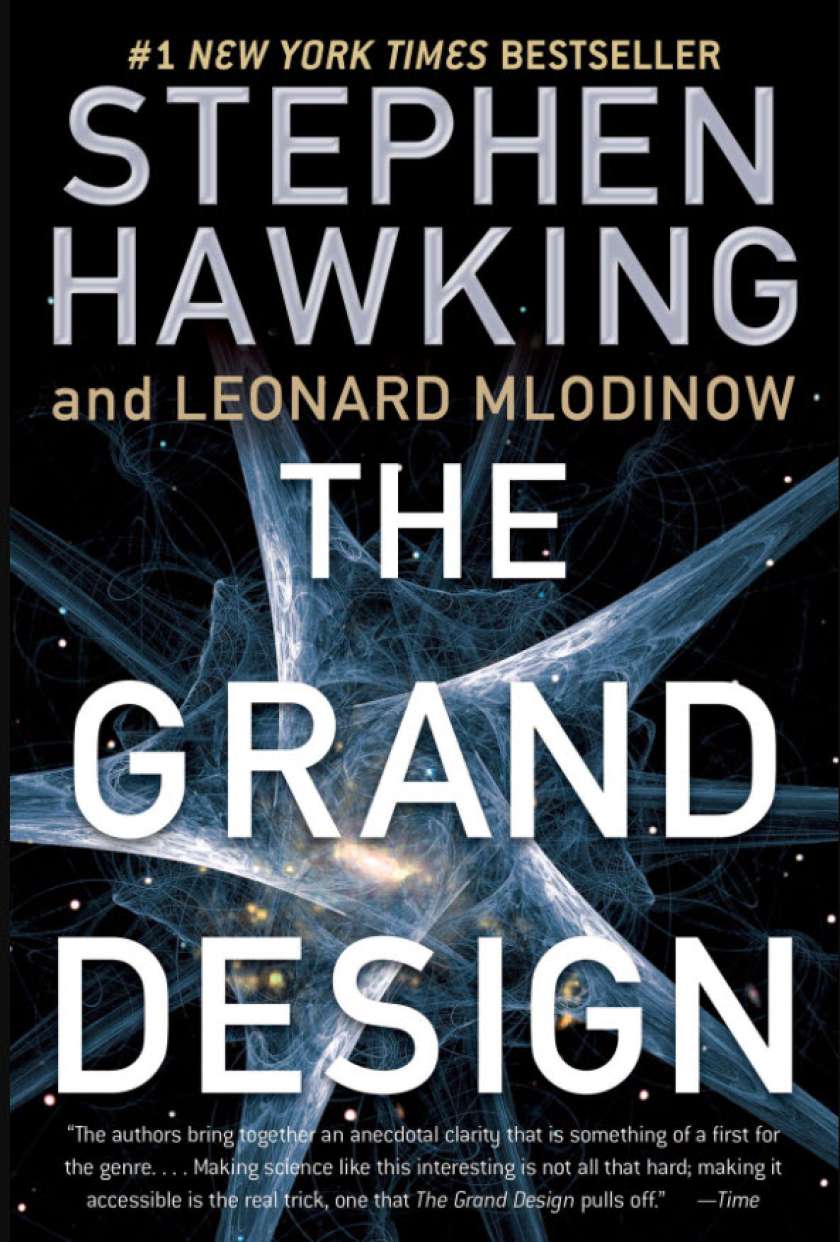
Hawking and Leonard Mlodinow look at how scientific explanations of the universe evolved, then argue for a modern picture that includes ideas like quantum physics, “model-dependent” ways of describing reality, and (notably) M-theory/multiverse-style thinking. One of the book’s most debated claims is that the laws of physics can explain a universe that begins without needing a supernatural creator as part of the explanation.
Why you should read it:
Because it’s not just “space facts”—it’s physics as worldview. It’s the kind of book that makes you ask: What counts as an explanation? What does it mean to say something is real? You don’t have to agree with every conclusion to benefit from the clarity it forces in your thinking.
Best for:
Readers who enjoy big questions at the intersection of science, philosophy, and belief.
Your Brain Is a Time Machine: The Neuroscience and Physics of Time
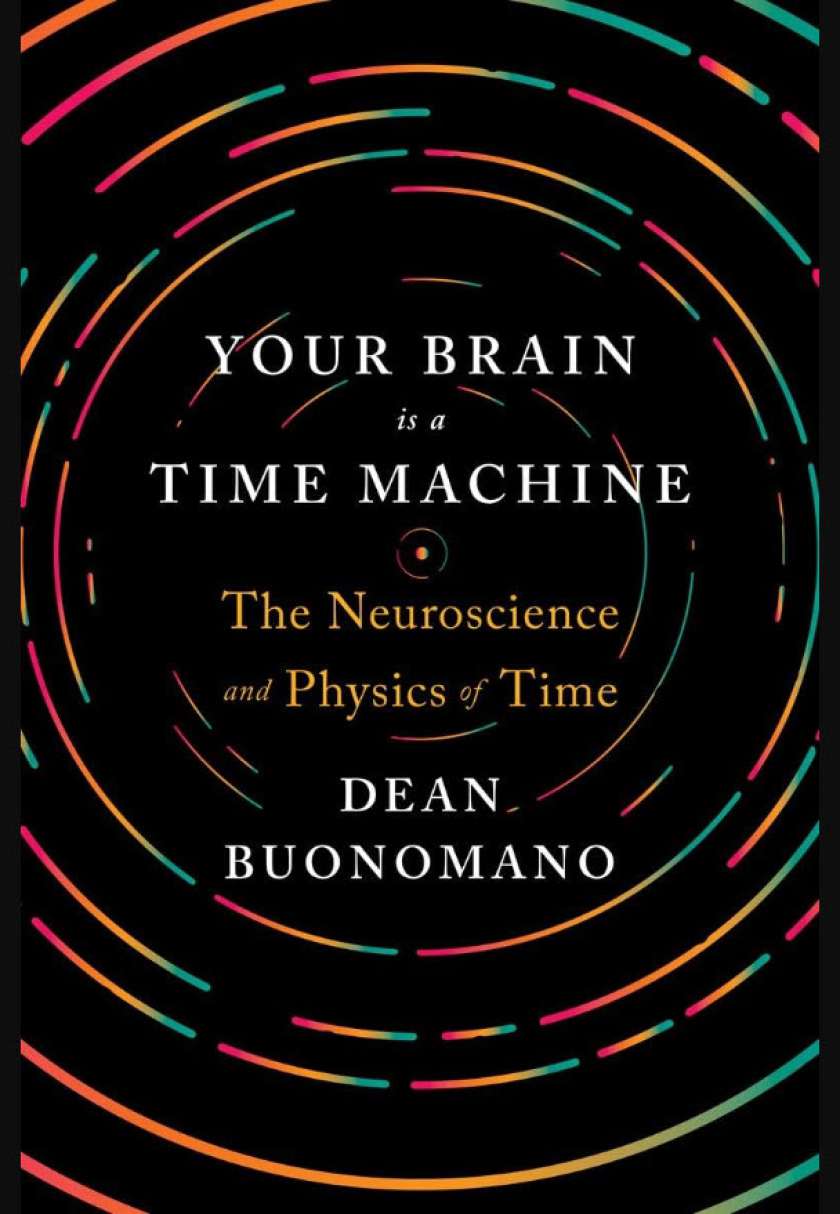
Dean Buonomano (a neuroscientist) tackles a surprisingly personal question: if time is such a “physics” topic, why does it feel so different inside your head? The book explores how the brain measures time, predicts what’s about to happen, and even “travels” mentally by replaying the past and simulating the future. It’s a bridge between physics time (clocks, relativity, order) and brain time (memory, anticipation, emotion).
Why you should read it:
Because it explains something you experience every day—why time drags, flies, loops in memories, and speeds up as life gets busier—without turning it into a lecture. It also makes a bigger point: a lot of what we call “time” is partly something the brain constructs so we can survive and make sense of reality.
Best for:
Readers who love the “science of being human” angle—psychology/neuroscience with a physics backbone.
From Eternity to Here: The Quest for the Ultimate Theory of Time
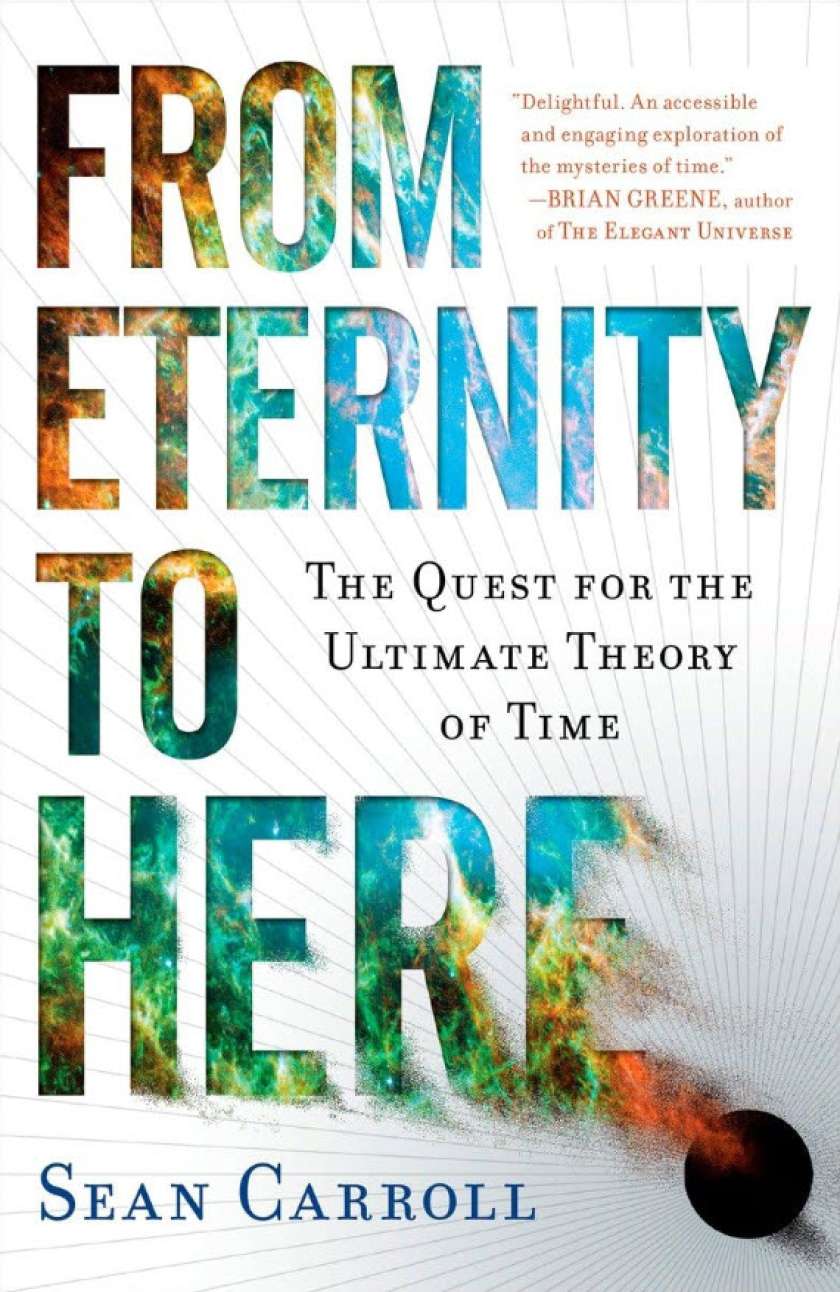
Sean Carroll goes after one of the deepest mysteries in science: the arrow of time—why time seems to move forward, not backward. The book connects everyday experience (memory only works in one direction) to big physics ideas (entropy, cosmology, conditions near the Big Bang). It’s about time, but it’s really about why the universe has a direction at all.
Why you should read it:
It’s one of the clearest “big explanation” books for time. Carroll doesn’t just say “entropy” and move on—he helps you understand why disorder matters, why it shows up as time’s one-way feeling, and why the question isn’t just academic. If you want a book that makes your brain feel upgraded after every chapter, this one does that.
Best for:
Curious beginners who can handle a slightly denser read, but still want a friendly guide.
The Fabric of the Cosmos: Space, Time, and the Texture of Reality
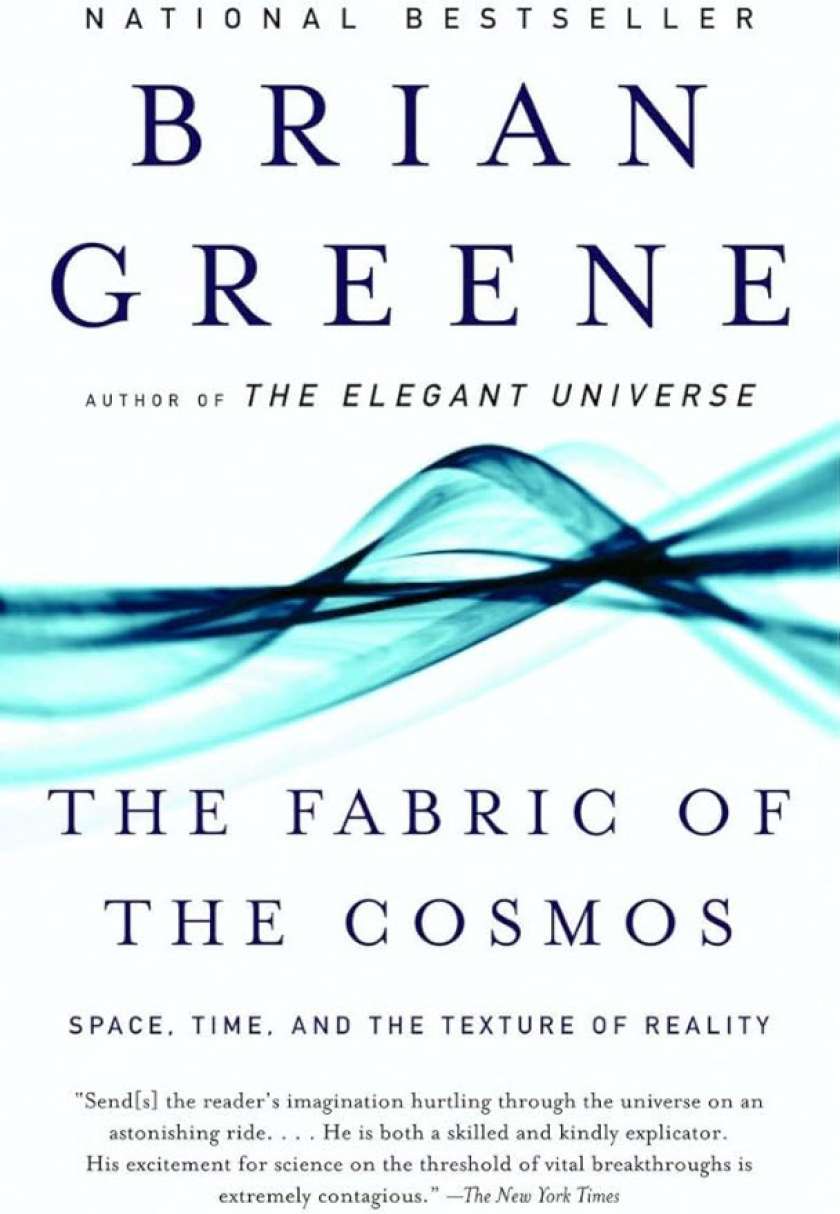
Brian Greene takes you on a “grand tour” of modern physics, exploring what space and time really are, and how reality might be built underneath what we can see. You’ll meet ideas like relativity, quantum strangeness, and the possibility that space-time is not fundamental—but something that can emerge from deeper rules.
Why you should read it:
Because it gives you the full landscape. If you want a single book that connects the dots—space, time, black holes, quantum mechanics, and the big “what is reality?” question—this is a powerhouse. It’s long, but it’s written to keep pulling you forward with curiosity rather than intimidation.
Best for:
Readers who want a foundational “one book to rule them all” overview—perfect if you’re building serious physics literacy.
Something Deeply Hidden: Quantum Worlds and the Emergence of Spacetime
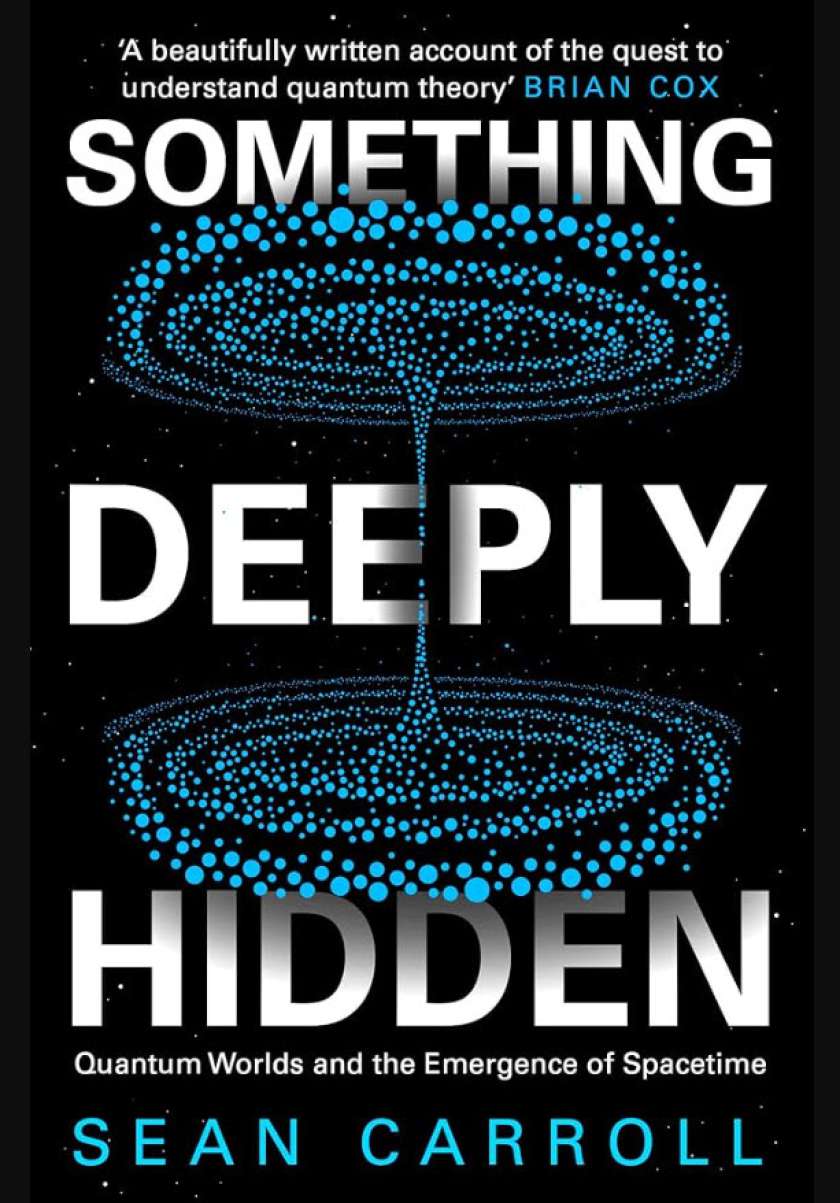
This is Sean Carroll’s deep (but readable) dive into what quantum mechanics might mean—not just how to use it. He argues strongly for the Many-Worlds interpretation: the idea that quantum events don’t “collapse” into one outcome, but reality branches into multiple outcomes. It also explores how space-time itself might emerge from a quantum description of reality.
Why you should read it:
Because it’s the book that takes quantum weirdness seriously—and refuses to let it stay as “cute science trivia.” Even if you don’t fully adopt Carroll’s conclusion, you’ll finally understand why quantum interpretation is still debated, why the “shut up and calculate” approach frustrates some physicists, and why this stuff matters for how we picture reality.
Best for:
Readers ready for peak mind-bend—quantum mechanics, but explained with patience and a clear narrative.
Conclusion
If there’s one quiet lesson running through all 13 books, it’s this: physics doesn’t just explain the universe — it changes the shape of your thinking. You start out looking for answers about quantum computers, light, time, or black holes, and you end up questioning deeper assumptions you didn’t even realize you were carrying: that reality is singular, that time is universal, that “now” is the same for everyone, that the future is simply waiting to arrive.
And that’s where the “what it means for us” part lands. These ideas reshape how we understand certainty and humility (we can calculate so much, yet still stand at the edge of mystery). They reshape responsibility (because the technologies built from these laws — AI, quantum computing, space science — don’t just advance knowledge; they change power). And they reshape meaning: not by offering easy comfort, but by showing that wonder is a real form of clarity. We’re here for a brief moment in a vast story, and the fact that we can study that story at all is extraordinary.
If you’re new to physics, don’t worry about reading this list “in order” or understanding everything on the first pass. Pick one doorway — time, space, quantum weirdness, the fate of the cosmos — and let your curiosity lead. The point isn’t to become a physicist overnight. The point is to come away seeing the world differently: more spacious, more honest, and a little more alive.
