
Classic novels often carry a quiet reputation for being difficult, distant, or even intimidating. Many readers approach them with hesitation, expecting dense language and stories that feel disconnected from modern life. This assumption, while common, is often misleading. The truth is that classic literature is not meant to exclude readers—it invites them into deeper reflection.
What makes these works endure is not just their age, but their understanding of human nature. Across different time periods and cultures, these novels explore emotions and conflicts that remain deeply familiar. Love, ambition, fear, identity, and injustice—these are not bound by time. They continue to shape how we see ourselves and others.
In many ways, classics act as a mirror. They show us how people lived, thought, and struggled, while also revealing patterns that still exist today. When read with patience, they begin to feel less like historical artifacts and more like living conversations. Their ideas continue to influence modern storytelling, politics, and even personal values.
This is why exploring the classic novels everyone should read is not just about reading old books. It is about engaging with ideas that have shaped generations. These works remain part of the best classic literature because they challenge, question, and inspire. They are not always easy—but they are almost always worth it.
Quick List of the 9 Classic Novels
- Pride and Prejudice – Jane Austen
- 1984 – George Orwell
- To Kill a Mockingbird – Harper Lee
- The Great Gatsby – F. Scott Fitzgerald
- Jane Eyre – Charlotte Brontë
- The Catcher in the Rye – J.D. Salinger
- Brave New World – Aldous Huxley
- Wuthering Heights – Emily Brontë
- The Picture of Dorian Gray – Oscar Wilde
1. Pride and Prejudice – Jane Austen
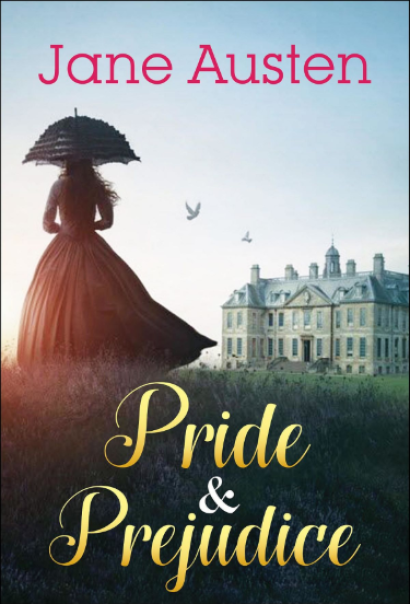
Set in early 19th-century England, Pride and Prejudice follows Elizabeth Bennet, a perceptive and independent young woman navigating the expectations of marriage and social class. Her family’s future depends heavily on advantageous matches, placing quiet pressure on each daughter. When the wealthy Mr. Bingley arrives in the neighborhood, he brings with him the reserved and seemingly arrogant Mr. Darcy.
Elizabeth quickly forms a negative impression of Darcy, interpreting his behavior as prideful and dismissive. Meanwhile, Darcy observes Elizabeth with growing admiration, though he struggles to express it. Misunderstandings deepen as rumors and social dynamics complicate their interactions. Over time, both characters confront their own flaws—Elizabeth her prejudice, and Darcy his pride. Their evolving relationship becomes a story of self-awareness and emotional growth.
Key Themes and Deeper Meaning
At its core, the novel is not simply about romance, but about perception and personal transformation. Austen carefully examines how social expectations influence judgment, often leading individuals to form incomplete or inaccurate opinions. Elizabeth’s journey reveals how intelligence alone does not protect against bias. Likewise, Darcy’s arc reflects the challenge of overcoming ingrained social attitudes.
The novel also critiques the rigid class structure of its time. Marriage is not only a personal choice but a social transaction, shaped by wealth and status. Austen subtly questions this system by valuing emotional compatibility over financial gain. Through its characters, the book suggests that true understanding requires humility and reflection.
Why This Book Still Matters Today
Modern readers can easily recognize the dangers of quick judgment and social pressure. In a world shaped by first impressions—especially through digital spaces—the novel feels strikingly relevant. It reminds us to question assumptions and remain open to change. Relationships today, much like in Austen’s time, still benefit from honesty and self-awareness.
What Makes It a True Classic
Austen’s sharp observations and balanced storytelling have ensured the novel’s lasting appeal. Its characters feel authentic, and its themes remain universally relatable. The book continues to influence both literature and modern romantic storytelling.
Read Book: Pride and Prejudice!2. 1984 – George Orwell
1984 presents a chilling vision of a future controlled by an all-powerful government known as the Party. Winston Smith lives in a society where surveillance is constant, and independent thought is treated as a crime. His job involves altering historical records to match the Party’s version of truth, erasing any trace of contradiction.

Despite his outward obedience, Winston begins to feel a quiet rebellion growing within him. He questions the system and longs for freedom. His relationship with Julia offers a brief escape from control, creating a fragile sense of hope. However, the Party’s reach is vast and relentless. As Winston’s defiance grows, he is forced to confront the terrifying limits of resistance in a world where even thoughts are monitored.
Key Themes and Deeper Meaning
Orwell’s novel explores the nature of power and its ability to shape reality itself. The Party does not simply control actions; it controls truth, memory, and language. This raises an unsettling question: if authority can rewrite facts, what remains of objective reality?
The concept of “doublethink”—holding two conflicting beliefs at once—reveals how easily the human mind can be manipulated under pressure. Orwell suggests that control over language limits the ability to think freely. When words are restricted, ideas shrink. The novel also examines fear as a tool of control, showing how constant surveillance can break down individual identity.
Why This Book Still Matters Today
In an age of digital surveillance and information control, Orwell’s warnings feel especially relevant. Questions about privacy, truth, and media influence continue to shape modern life. The novel encourages readers to remain aware of how power operates and to protect independent thought.
What Makes It a True Classic
Few books have influenced political and cultural discussions as deeply as 1984. Its concepts remain widely referenced, and its message continues to resonate across generations. It stands as a powerful cautionary tale about unchecked authority.
Get Book: 1984!3. To Kill a Mockingbird – Harper Lee

Set in the American South during the 1930s, the novel is told through the eyes of Scout Finch, a curious and observant child. Her father, Atticus Finch, is a lawyer known for his integrity and fairness. When he agrees to defend Tom Robinson, a Black man falsely accused of assault, the town reacts with hostility.
Scout and her brother Jem begin to see the world differently as the trial unfolds. They witness both kindness and cruelty within their community. Through Atticus’s example, they learn about courage, empathy, and moral responsibility. The case becomes more than a legal battle—it becomes a lesson in justice and humanity.
Key Themes and Deeper Meaning
The novel explores the gap between justice as an ideal and justice in practice. Atticus represents moral clarity, yet the system around him fails to uphold fairness. This contrast highlights how prejudice can distort truth and influence outcomes.
Through Scout’s perspective, the story examines the loss of innocence. As she grows, she begins to understand that people are complex. Good and bad often exist within the same individual. The novel also emphasizes empathy, suggesting that understanding others requires patience and imagination.
Why This Book Still Matters Today
Issues of inequality and injustice remain present in many societies. The novel continues to challenge readers to confront bias and stand for fairness. It encourages thoughtful reflection on how communities treat those who are different.
What Makes It a True Classic
Its emotional depth and moral clarity have made it a lasting work of literature. The story speaks across generations, offering lessons that remain deeply relevant.
Get Book: To Kill a Mockingbird!4. The Great Gatsby – F. Scott Fitzgerald
Set in the 1920s, The Great Gatsby is narrated by Nick Carraway, who moves to a wealthy area in New York. There, he meets his mysterious neighbor, Jay Gatsby, a man known for hosting lavish parties filled with strangers. Gatsby appears confident and successful, yet much of his life remains hidden.
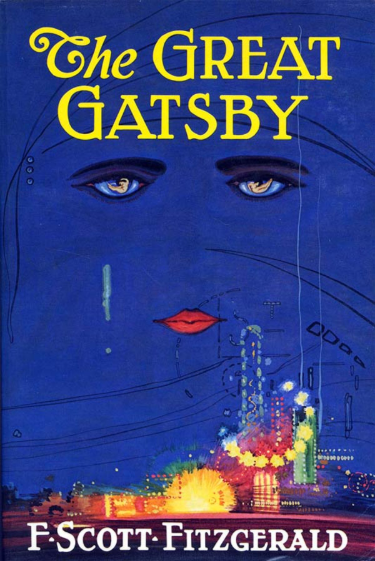
As Nick gets closer to him, he learns that Gatsby’s wealth and lifestyle are driven by a single goal: to win back Daisy Buchanan, a woman he loved years before. Daisy, however, is now married to Tom Buchanan, a man of privilege and arrogance. Gatsby believes he can recreate the past and build a future with her. But reality does not bend so easily. As the story unfolds, illusions begin to collapse, revealing the emptiness beneath the glitter.
Key Themes and Deeper Meaning
At its heart, the novel questions the idea of the “American Dream.” Gatsby represents the belief that anyone can achieve success through ambition. Yet his dream is built on illusion, not truth. Fitzgerald suggests that wealth alone cannot create fulfillment or genuine connection.
The novel also explores identity and self-invention. Gatsby carefully constructs his persona, but it remains fragile. Beneath it lies a man shaped by longing and insecurity. The contrast between appearance and reality runs throughout the story, showing how easily people can be misled by surface impressions.
Why This Book Still Matters Today
Modern society still values success, image, and status. Social media often reflects a similar world of curated appearances. The novel reminds readers to question what lies beneath these images. It also encourages reflection on what truly brings meaning to life.
What Makes It a True Classic
Fitzgerald’s writing is both elegant and deeply emotional. The novel captures a specific moment in history while exploring universal ideas. Its themes of ambition and illusion continue to resonate strongly.
Read Book: The Great Gatsby!5. Jane Eyre – Charlotte Brontë
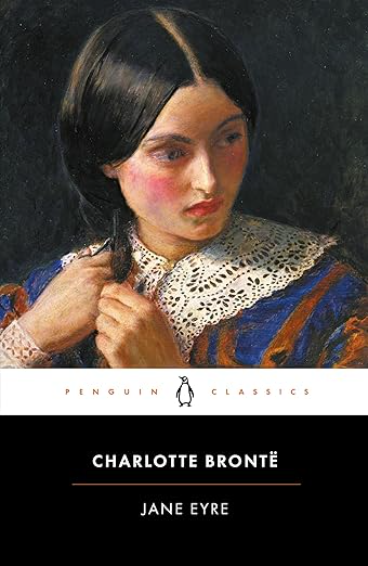
Jane Eyre’s life begins in hardship. Orphaned at a young age, she grows up in an unkind household before being sent to a strict boarding school. Despite these challenges, she develops a strong sense of self and moral clarity.
As an adult, Jane becomes a governess at Thornfield Hall. There, she meets Mr. Rochester, a complex and guarded man. Their connection grows through honest conversation and mutual respect. However, Rochester hides a secret that threatens their future. When Jane discovers the truth, she faces a difficult choice between love and self-respect.
Key Themes and Deeper Meaning
The novel explores independence and personal integrity. Jane refuses to compromise her values, even when faced with emotional pain. Her journey highlights the importance of self-worth and inner strength.
It also examines love in a thoughtful way. Rather than presenting romance as simple or idealized, Brontë shows it as something that must align with moral truth. The novel challenges traditional gender roles, giving Jane a voice that feels both strong and deeply human.
Why This Book Still Matters Today
Jane’s struggle for independence and dignity continues to resonate. Readers today can relate to the desire to stay true to oneself. The novel also speaks to ongoing discussions about equality and personal agency.
What Makes It a True Classic
Jane Eyre remains influential for its emotional depth and strong central character. Its blend of romance and moral reflection has inspired countless readers and writers.
Read Book: Jane Eyre!6. The Catcher in the Rye – J.D. Salinger
The novel follows Holden Caulfield, a teenager who has just been expelled from school. Instead of returning home, he spends several days wandering through New York City. During this time, he reflects on his life, his relationships, and his growing sense of isolation.
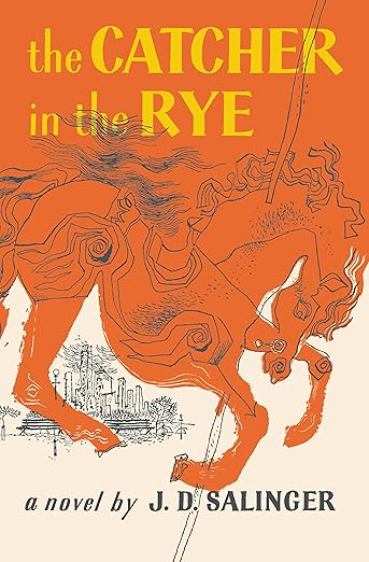
Holden struggles to connect with others. He often sees the world as fake or dishonest. Beneath his criticism lies a deep sense of confusion and sadness. His journey is not about physical movement, but about trying to understand himself.
Key Themes and Deeper Meaning
The novel explores identity, alienation, and the transition from childhood to adulthood. Holden resists growing up because he fears losing innocence. His desire to protect others, especially children, reveals his sensitivity beneath his frustration.
Salinger presents a realistic view of inner conflict. Holden’s thoughts may seem scattered, but they reflect genuine emotional struggle. The novel suggests that confusion is a natural part of growth.
Why This Book Still Matters Today
Many young people still experience feelings of uncertainty and disconnection. The novel offers a voice to those emotions. It encourages empathy and understanding toward mental and emotional challenges.
What Makes It a True Classic
Holden’s voice is unique and deeply personal. The novel has influenced how adolescence is portrayed in literature. Its honesty continues to resonate with readers.
Get Book: The Catcher In The Rye!7. Brave New World – Aldous Huxley
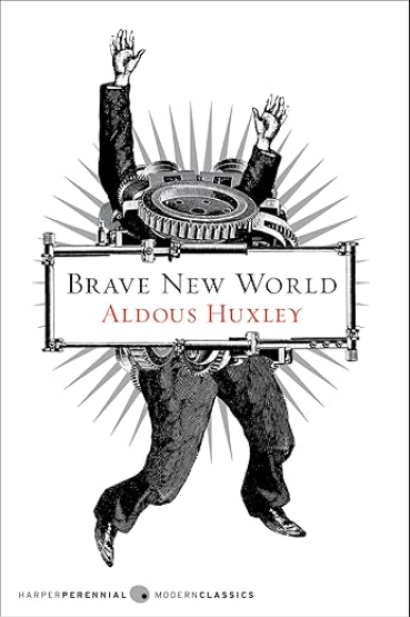
Set in a future society, Brave New World presents a world where stability is maintained through control and comfort. People are conditioned from birth to accept their roles. Technology and pleasure are used to prevent conflict and dissatisfaction.
Bernard Marx begins to feel out of place within this system. He questions the lack of individuality and emotional depth. When he meets John, who was raised outside this controlled world, the contrast becomes clear. John struggles to understand a society that values comfort over truth.
Key Themes and Deeper Meaning
Huxley explores the cost of a perfectly controlled society. While there is no visible suffering, there is also no true freedom. The novel questions whether happiness without choice is meaningful.
It also examines how technology can shape behavior. Rather than controlling through fear, this society controls through pleasure. This raises important questions about the balance between comfort and authenticity.
Why This Book Still Matters Today
Modern life is deeply connected to technology and convenience. The novel encourages readers to consider what might be lost in exchange for comfort. It raises concerns about dependence on systems that limit independent thought.
What Makes It a True Classic
Huxley’s vision remains striking and thought-provoking. The novel continues to influence discussions about technology and society. Its ideas feel increasingly relevant.
Get Book: Brave New World!8. Wuthering Heights – Emily Brontë
Wuthering Heights tells the story of Heathcliff and Catherine, whose relationship is intense and complicated. They grow up together but are separated by social expectations. Catherine chooses to marry another man, believing it will provide stability.

Heathcliff, deeply hurt, becomes driven by revenge. His actions affect not only Catherine but also the next generation. The story unfolds across time, showing how unresolved emotions can shape lives long after they begin.
Key Themes and Deeper Meaning
The novel explores the darker side of love. It presents passion not as gentle or comforting, but as powerful and sometimes destructive. Heathcliff’s actions reveal how pain can turn into bitterness.
Brontë also examines social class and its impact on relationships. Catherine’s decision reflects the tension between emotional truth and social expectation. The novel suggests that ignoring one’s true self can lead to lasting consequences.
Why This Book Still Matters Today
Relationships today still face similar tensions between emotion and practicality. The novel reminds readers of the importance of emotional honesty. It also highlights the long-term effects of unresolved conflict.
What Makes It a True Classic
Its emotional intensity sets it apart from other novels. The story remains unique in its portrayal of love and revenge. Its influence on literature is undeniable.
Read Book: Wuthering Heights!9. The Picture of Dorian Gray – Oscar Wilde

Dorian Gray is a young man admired for his beauty. After having his portrait painted, he makes a wish: that he will remain young while the portrait ages instead. As he pursues a life of pleasure and indulgence, the painting begins to change, reflecting the consequences of his actions.
Dorian hides the portrait, avoiding the truth it represents. Over time, his choices grow darker. While his outward appearance remains untouched, his inner self deteriorates. Eventually, he must confront the reality he has tried to escape.
Key Themes and Deeper Meaning
The novel explores the relationship between appearance and morality. Wilde questions the value placed on beauty and surface image. Dorian’s life reflects what happens when pleasure is pursued without responsibility.
It also examines denial and self-deception. By hiding the portrait, Dorian avoids facing his actions. The novel suggests that truth cannot be hidden forever. Actions always carry consequences, whether seen or unseen.
Why This Book Still Matters Today
In a world focused on image and appearance, the novel feels highly relevant. It challenges readers to consider the difference between how things look and what they truly are. It also raises questions about personal responsibility.
What Makes It a True Classic
Wilde’s writing is sharp and philosophical. The novel blends storytelling with deeper reflection. Its message continues to challenge readers across generations.
Read Book: The Picture of Dorian Gray!Are Classic Novels Really Difficult to Read?
Many readers find classic novels challenging at first because of their language and structure. The writing style can feel unfamiliar, especially compared to modern books. Sentences may be longer, and cultural references may seem distant. This creates a sense of difficulty before the story even begins.
However, much of this challenge fades with time and patience. Like learning a new rhythm, reading becomes easier after a few chapters. It helps to read slowly and focus on understanding rather than speed. Looking up unfamiliar words or ideas can also make the experience smoother.
Over time, readers often discover that classics are not harder—just different. Once the style becomes familiar, the depth of the story becomes more rewarding. What first felt like effort begins to feel like discovery.
Conclusion
Classic novels are often described as “important,” but their true value goes beyond that word. They do not simply teach lessons—they invite reflection. Each story asks the reader to slow down, to think, and to see familiar ideas from a new angle.
What makes these books powerful is their ability to stay relevant without changing. The world around us evolves, yet the questions they raise remain the same. What does it mean to live honestly? How do we deal with power, love, or loss? These novels do not offer easy answers, but they help us ask better questions.
If you have never read a classic before, you do not need to start with all ten. Choose one that speaks to you. Read it with patience, and allow yourself time to adjust. You may find that what once felt distant begins to feel deeply personal.
In the end, classic literature is not about the past—it is about understanding the present a little more clearly.
