
The end of the year has a way of asking questions we don’t always have answers to.
What worked. What didn’t. Who we became. Who we lost. What we’re proud of. What we’re still carrying.
For some people, 2025 was full — full of growth, momentum, answered prayers, and quiet wins. For others, it was heavier, marked by change, grief, uncertainty, or lessons learned the hard way. And for many, it was a mix of everything at once.
This moment — the space between one year ending and another beginning — doesn’t need urgency or performance. It doesn’t need resolutions shouted into existence or a perfectly mapped plan. It needs honesty. It needs reflection. It needs room.
That’s where reading comes in.
Books don’t demand that you fix your life by January. They don’t rush you through what you’re feeling or tell you what your next move should be. They sit with you. They remind you that other people have stood where you are — unsure, hopeful, grieving, excited, tired — and kept going.
Whether you’re closing this year with gratitude, with questions, or with a deep need for rest, there’s a book that meets you there. And whether you want to step into 2026 quietly or boldly, there’s a story that can help you begin with intention.
This is a reading list for wherever 2025 left you — and for the kind of strength you want to carry forward into 2026.
For Those Carrying Grief or Loss Into the End of the Year
End-of-2025 Reads (Sitting With Grief)
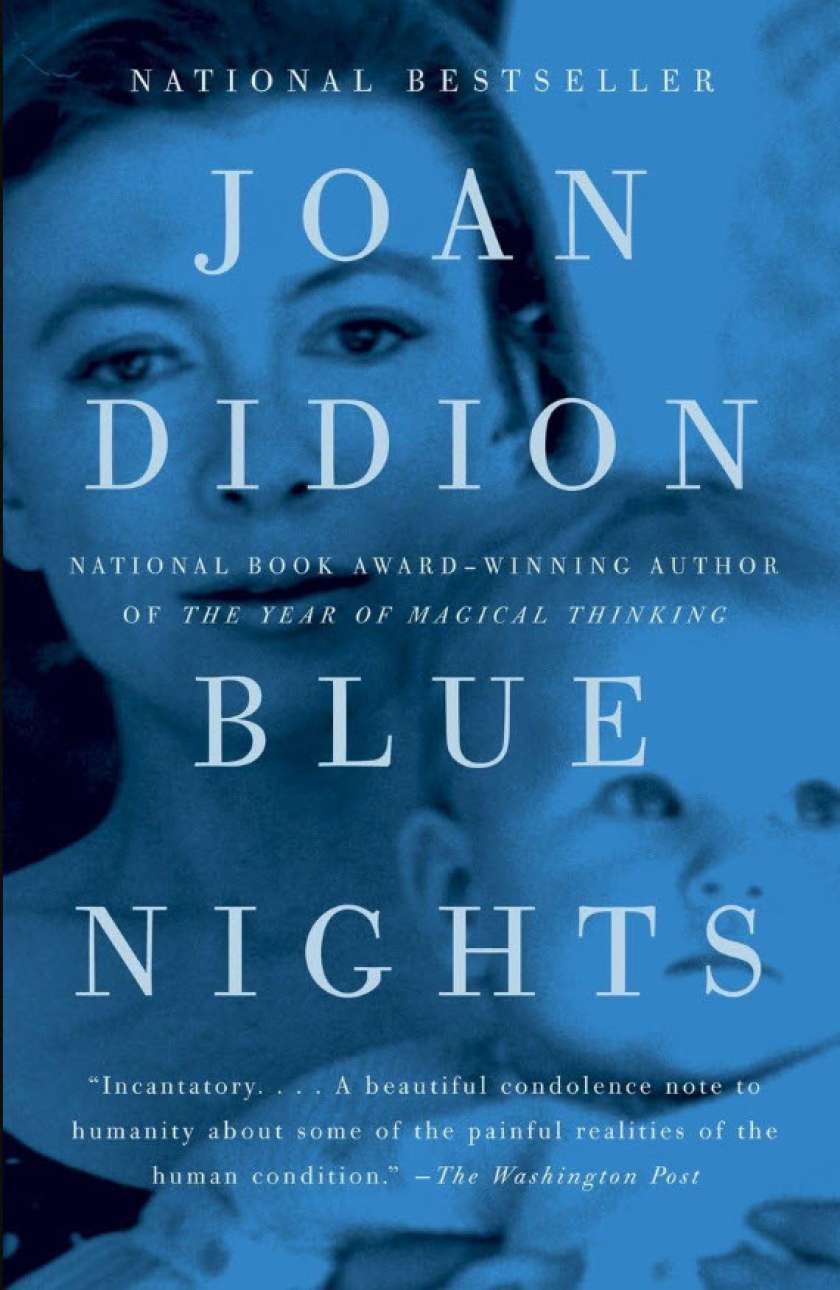
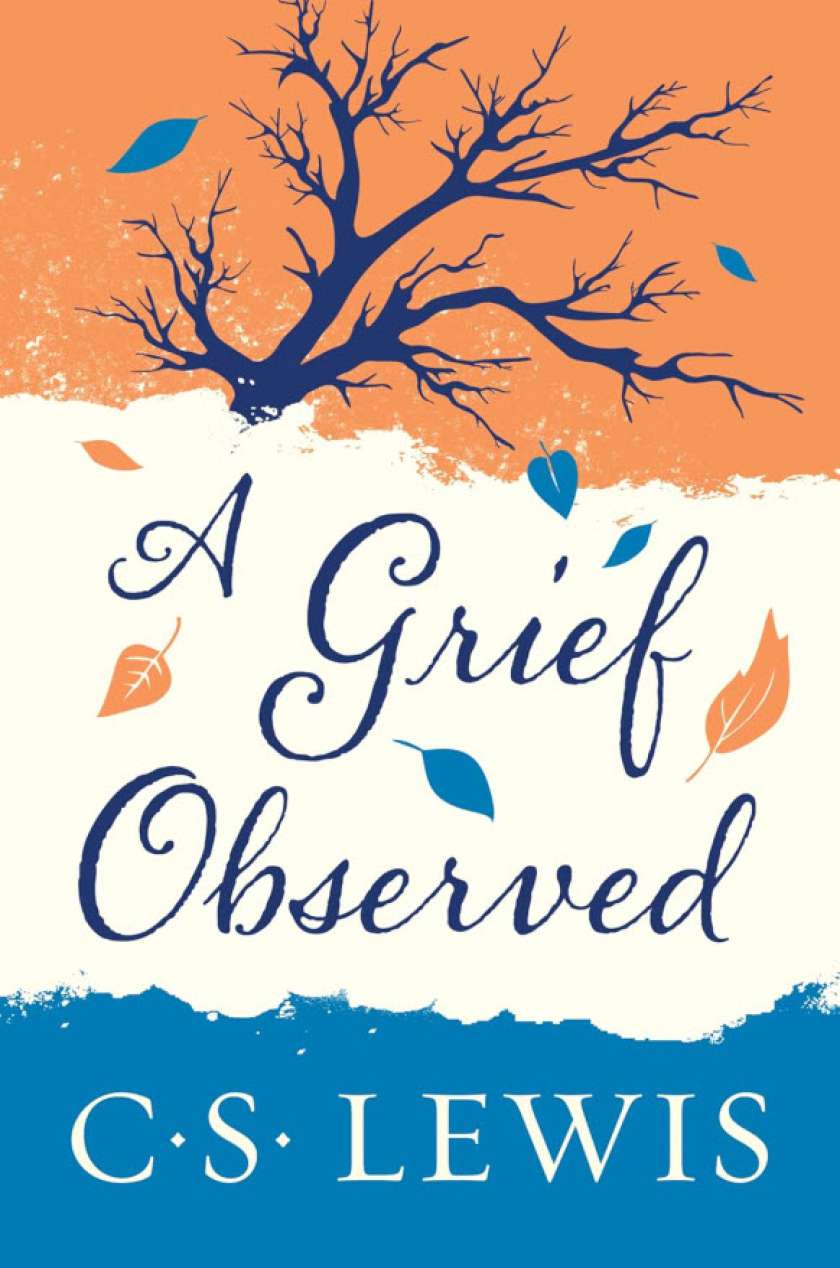
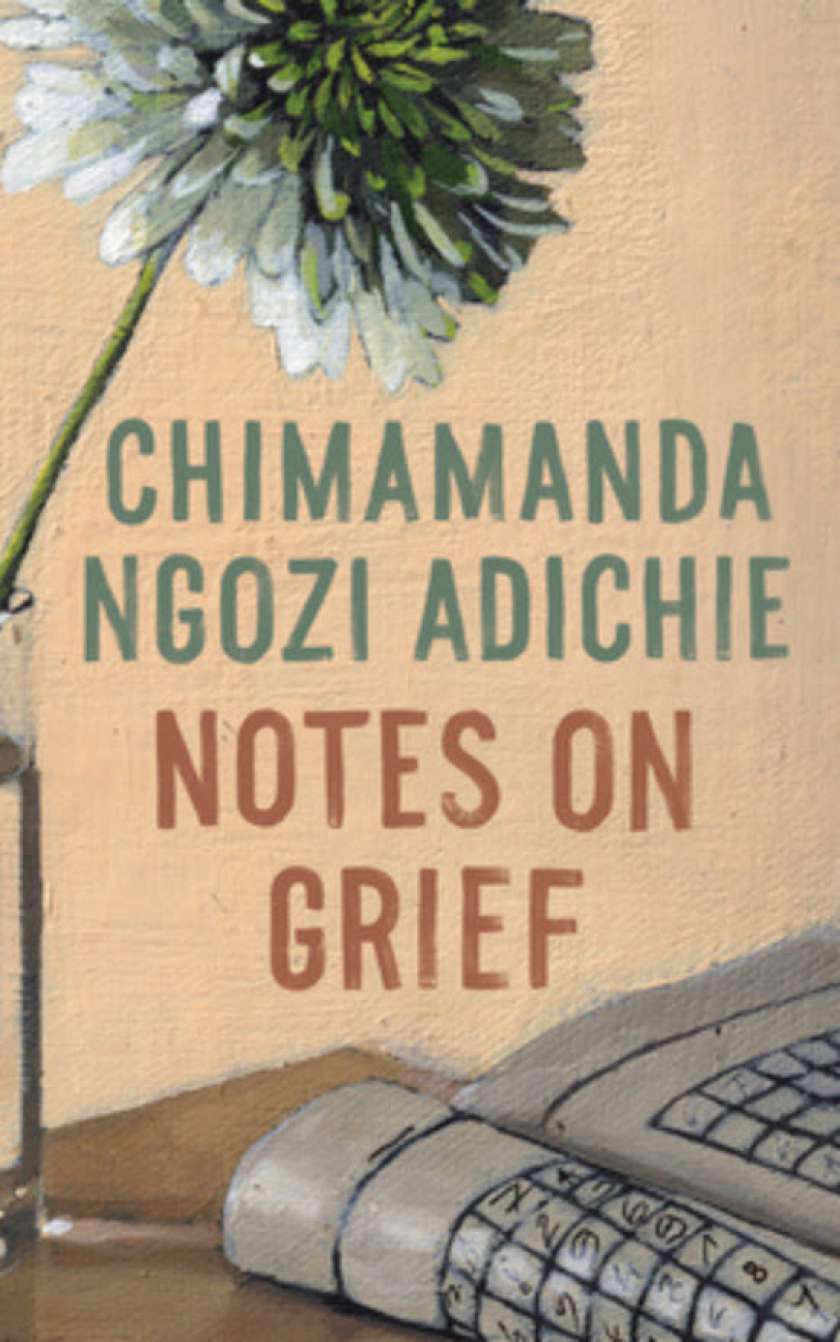
Blue Nights, A Grief Observed, and Notes on Grief are not books that rush anyone toward closure — and that’s precisely why they belong here. Joan Didion, C.S. Lewis, and Chimamanda Ngozi Adichie each write from the raw interior of loss, capturing the disorientation, repetition, and quiet loneliness that grief brings, especially at year’s end. These books allow sorrow to exist without apology or platitudes. They remind readers that grief doesn’t follow neat stages or timelines, and that sitting with pain — rather than fixing it — is sometimes the most honest way to close a year shaped by loss.
Start-2026 Reads (Living Forward, Softly)
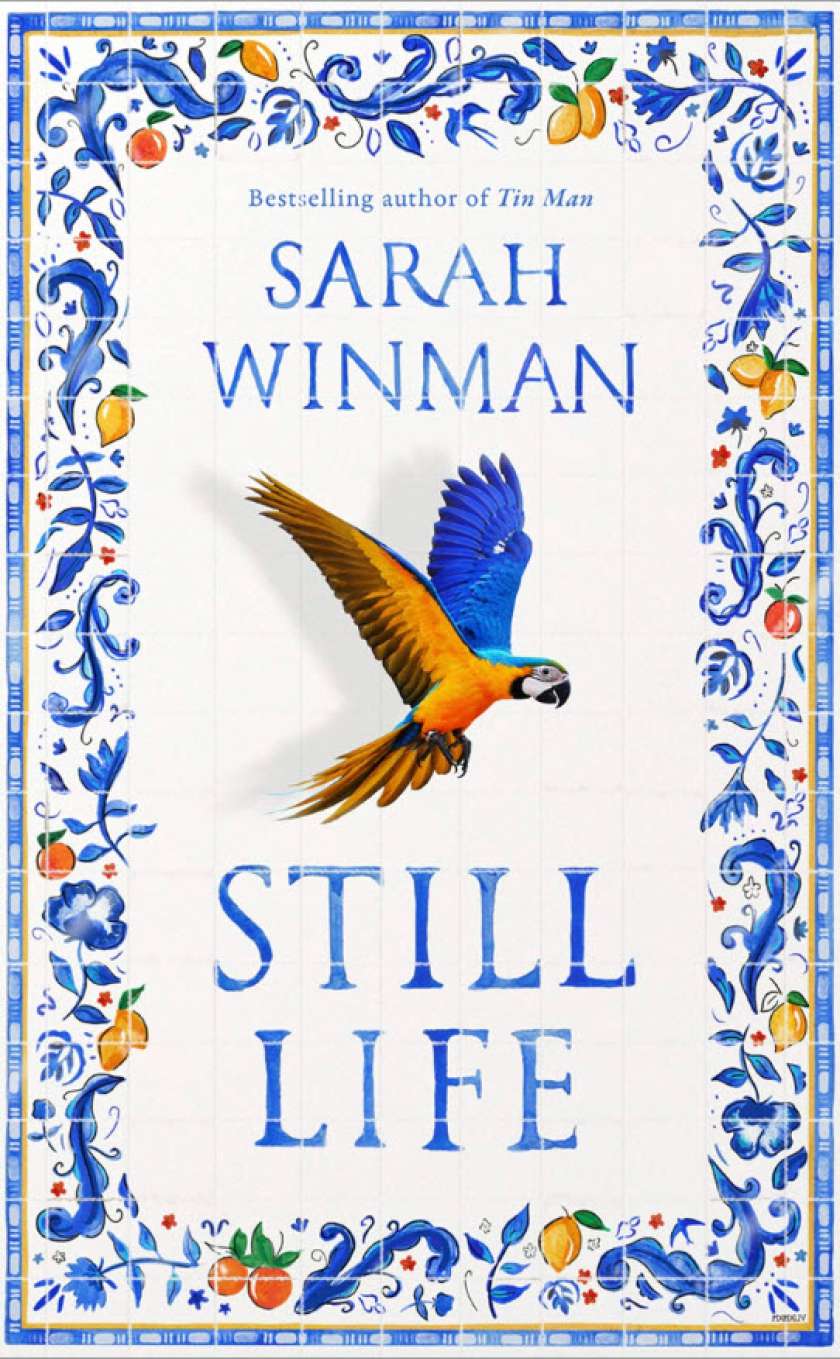
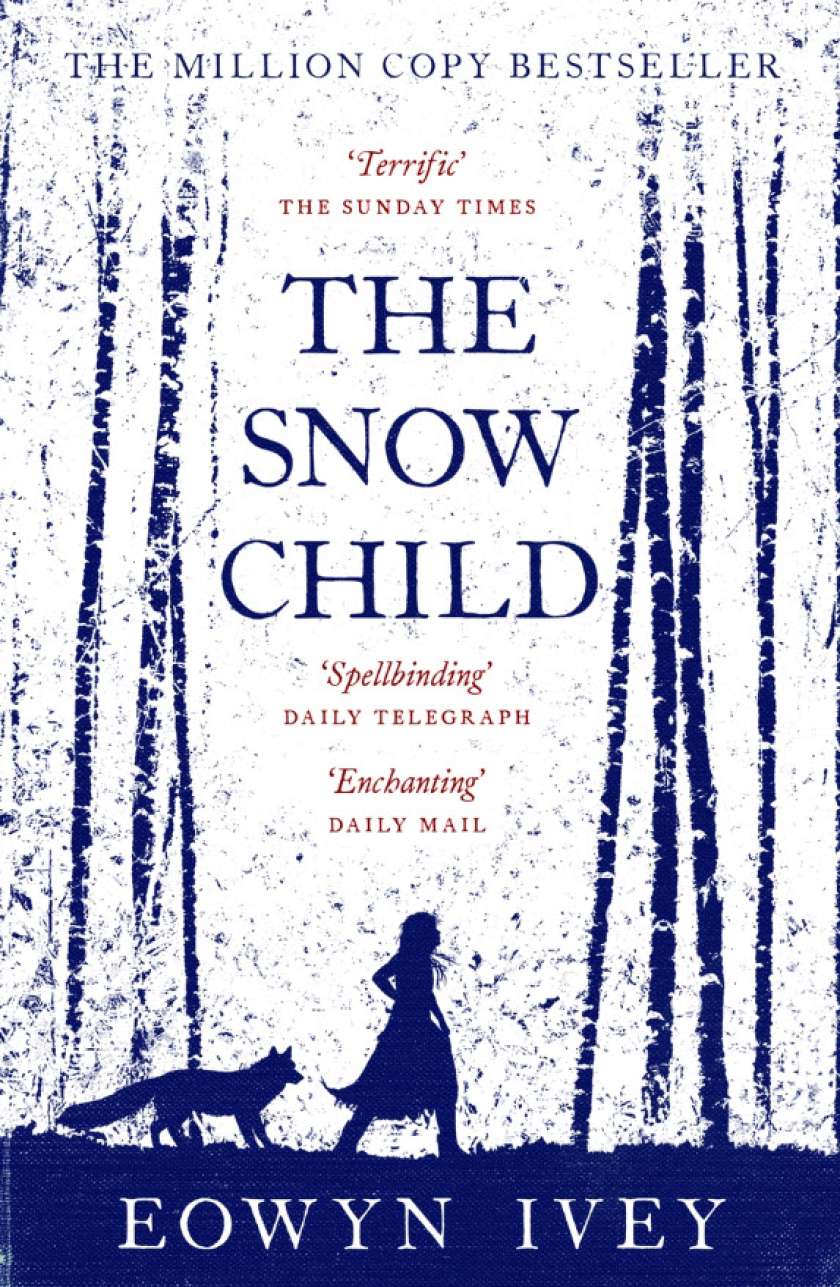
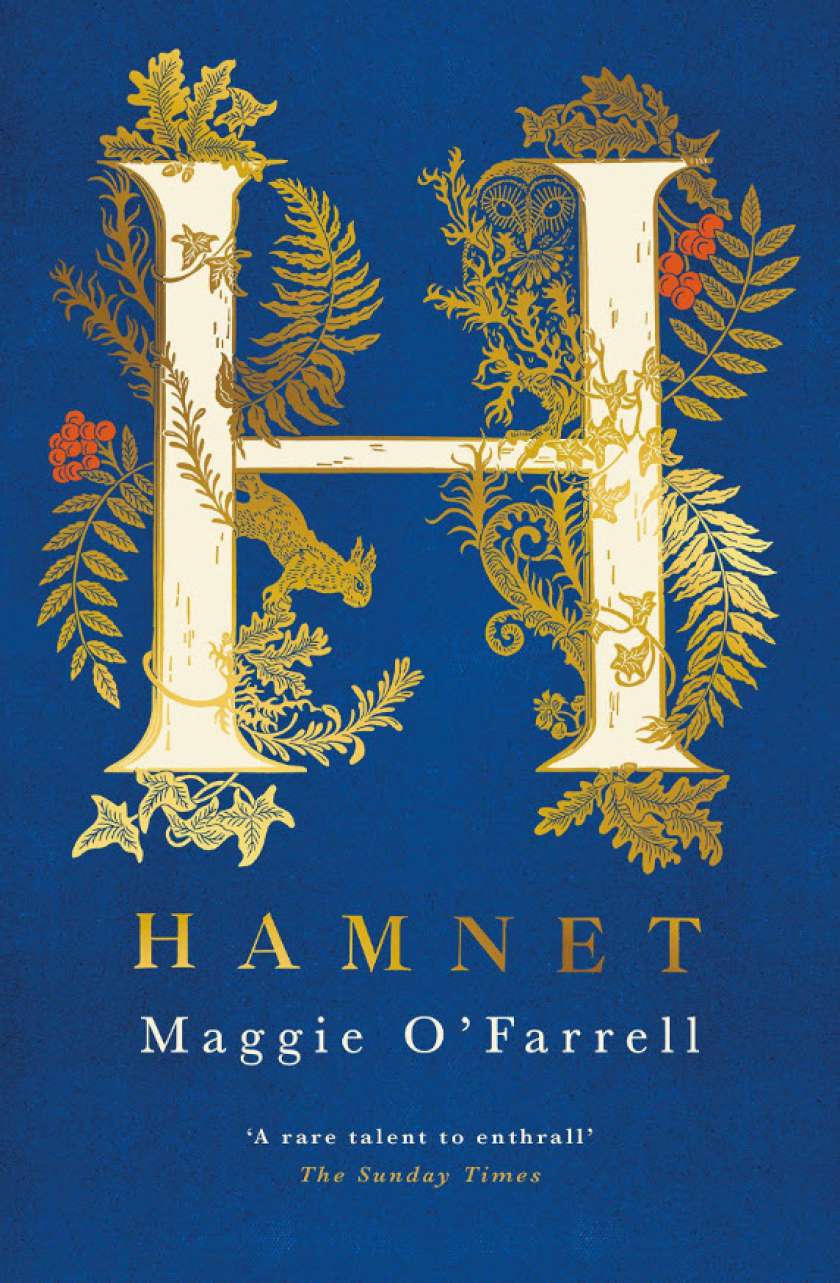
Still Life, The Snow Child, and Hamnet offer stories where grief does not disappear, but life continues to grow around it. These novels are gentle without being sentimental, showing how love, memory, and meaning can still take root after devastating loss. They are ideal for the beginning of a new year because they don’t demand optimism — they simply suggest that beauty, connection, and tenderness can coexist with absence. They help readers step into 2026 carrying love forward, rather than leaving it behind.
For Those Feeling Lost, Stuck, or Unsure
End-of-2025 Reads (Not Knowing Is Okay)
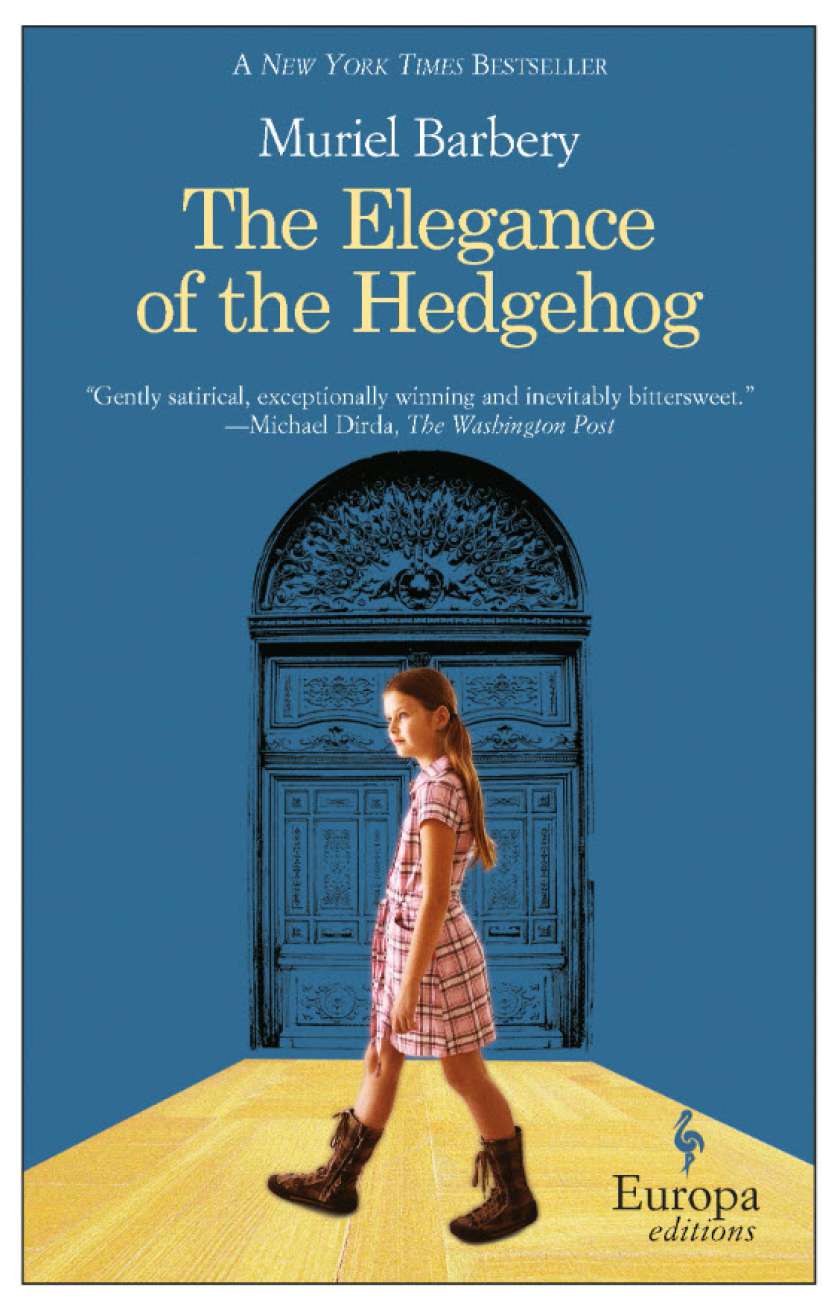
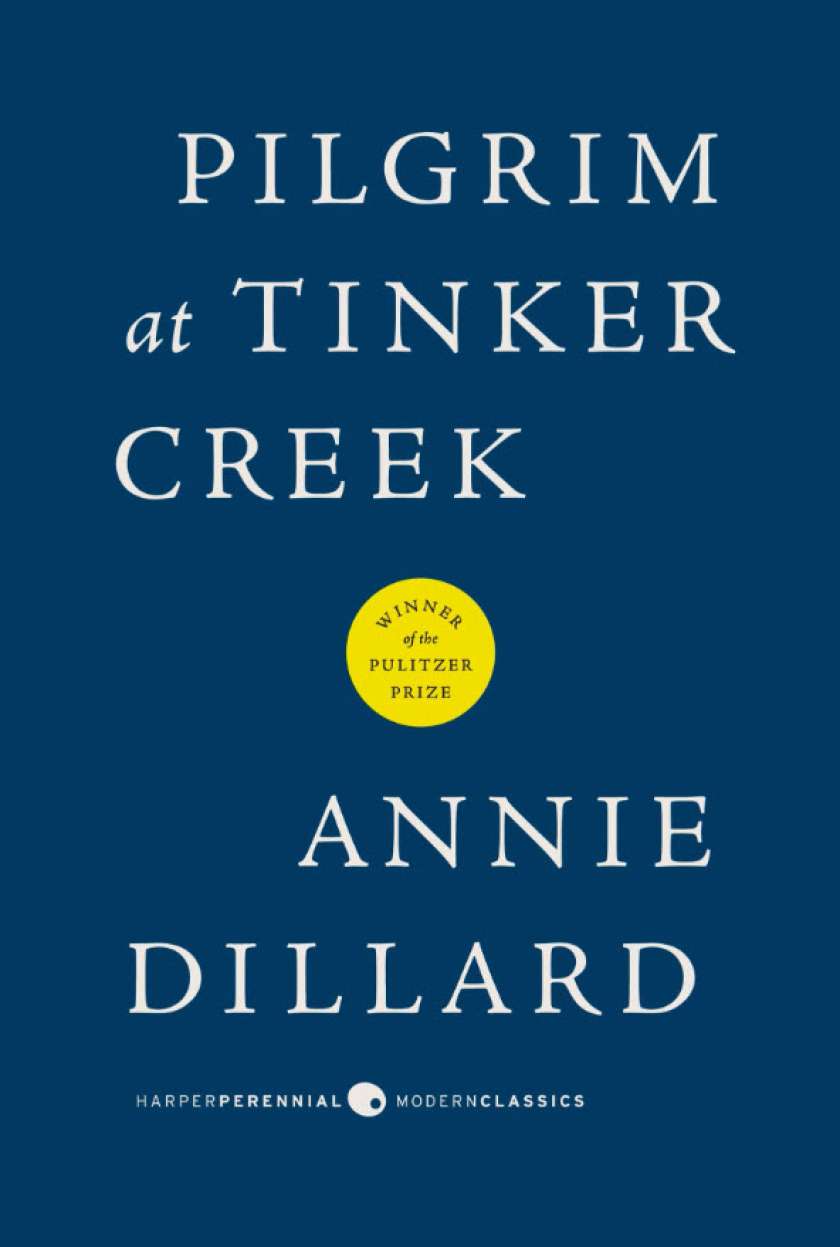
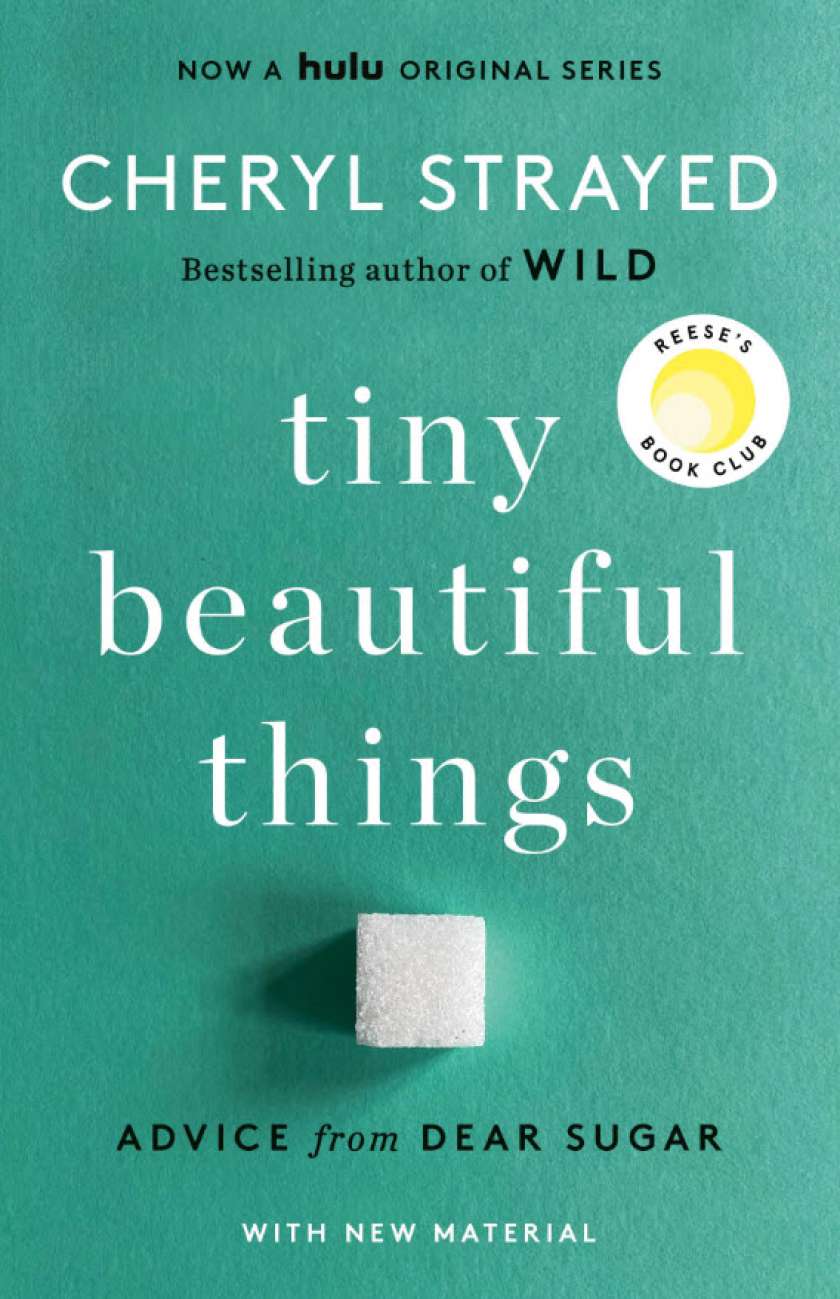
The Elegance of the Hedgehog, Pilgrim at Tinker Creek, and Tiny Beautiful Things are books for readers who are questioning where they belong and what comes next. These works sit comfortably in uncertainty, offering reflection rather than instruction. Whether through quiet observation, philosophical wandering, or compassionate advice, they affirm that feeling stuck or unmoored is not a personal failure — it’s a deeply human experience. They’re perfect companions for the end of the year, when answers feel elusive but reflection feels necessary.
Start-2026 Reads (Clarity Without Pressure)
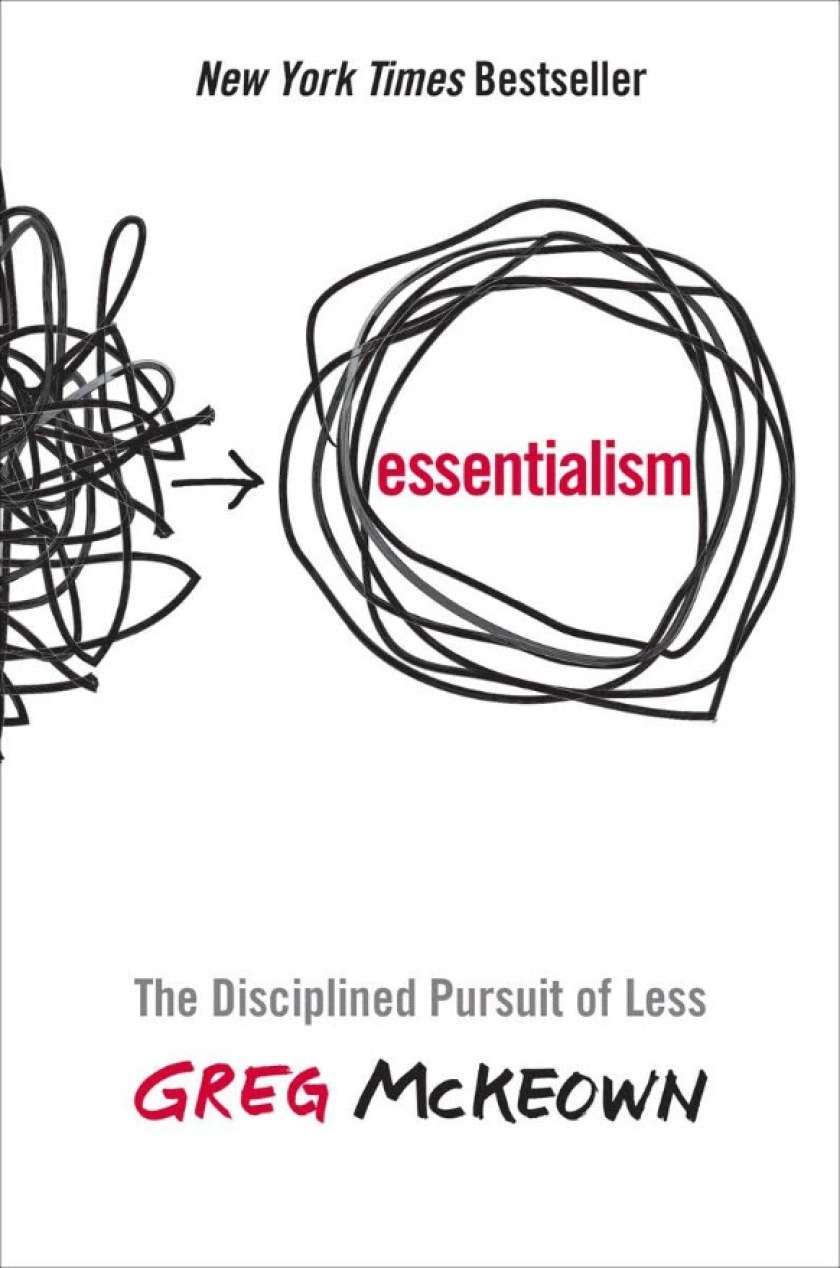
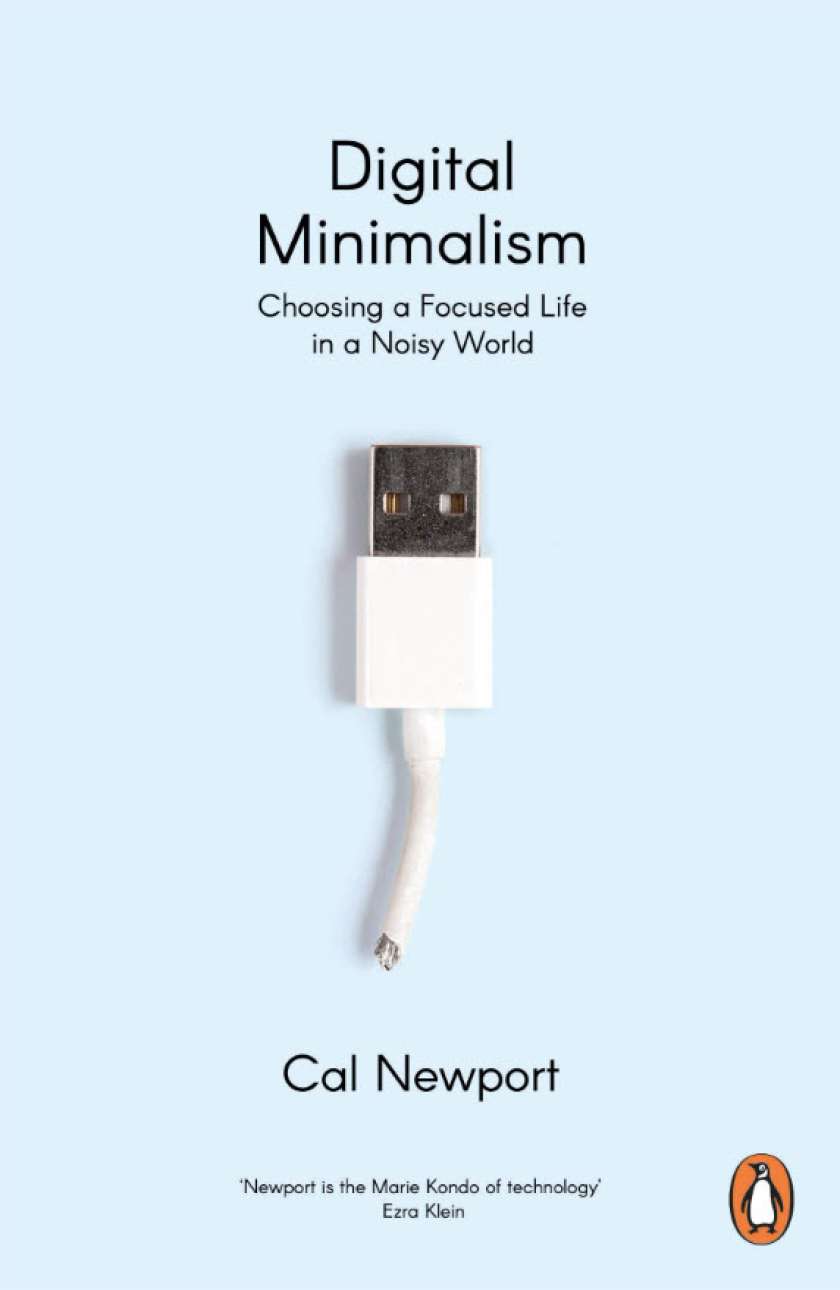
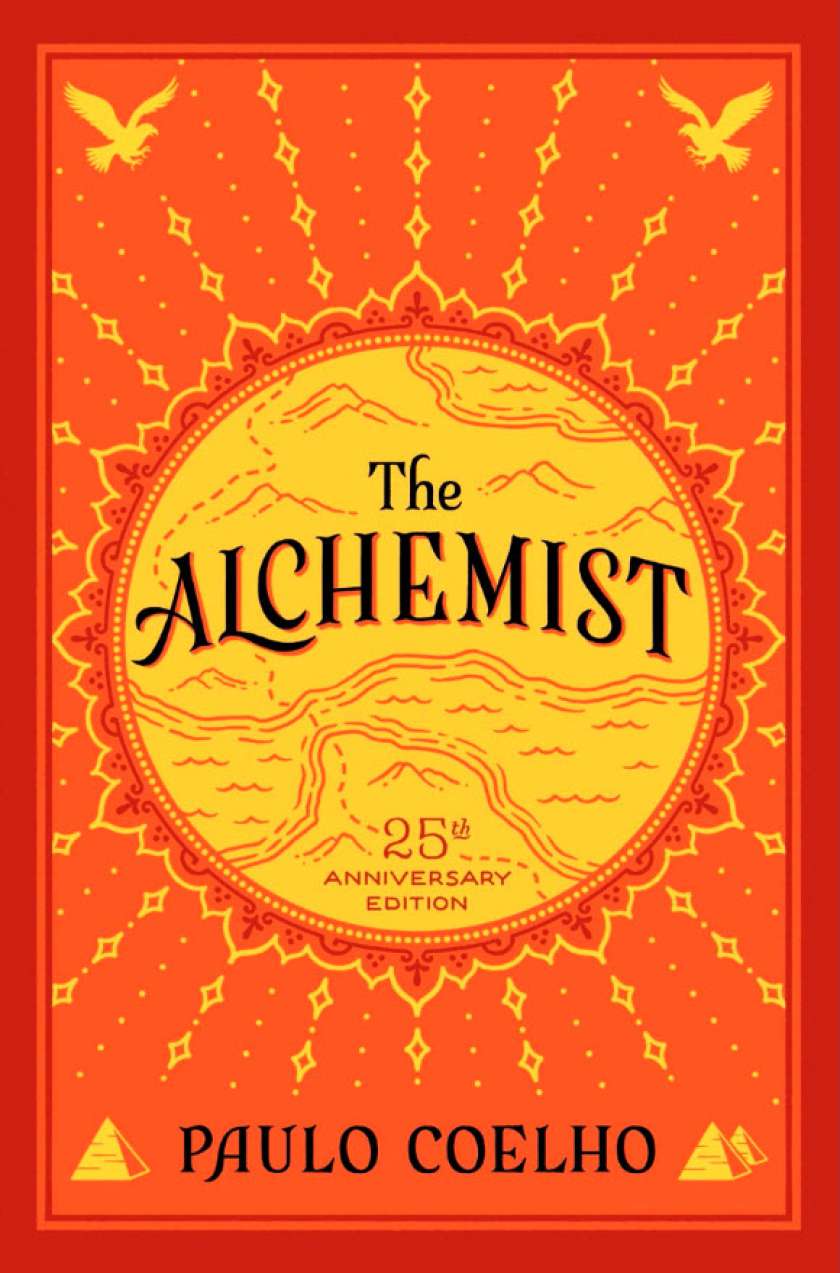
Essentialism, Digital Minimalism, and The Alchemist speak to readers who want direction without overwhelm. Rather than pushing productivity or rigid goal-setting, these books encourage discernment, intentional living, and trust in one’s own path. They’re ideal for starting a new year because they focus less on doing more and more on doing what actually matters — creating space for clarity to emerge naturally.
For People in the Middle of Big Transitions
End-of-2025 Reads (Honoring the In-Between)
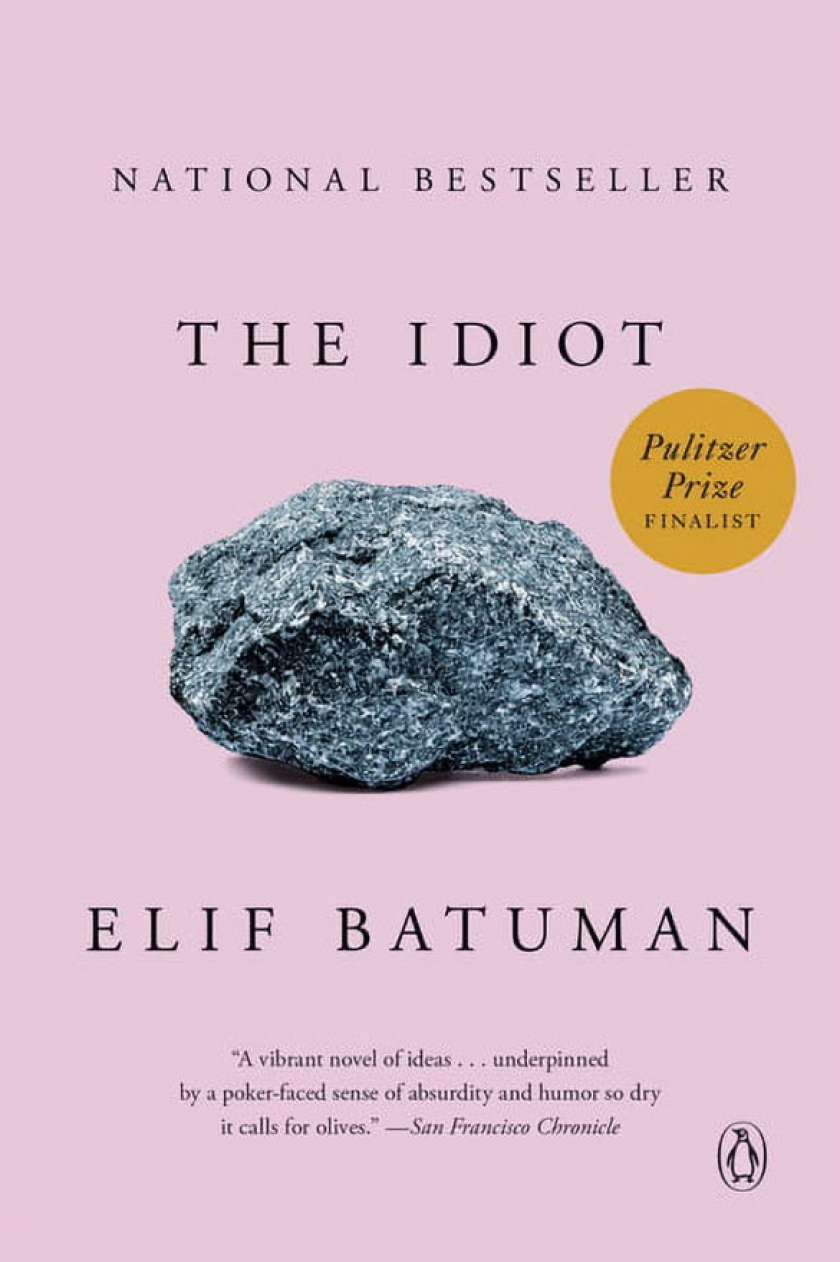
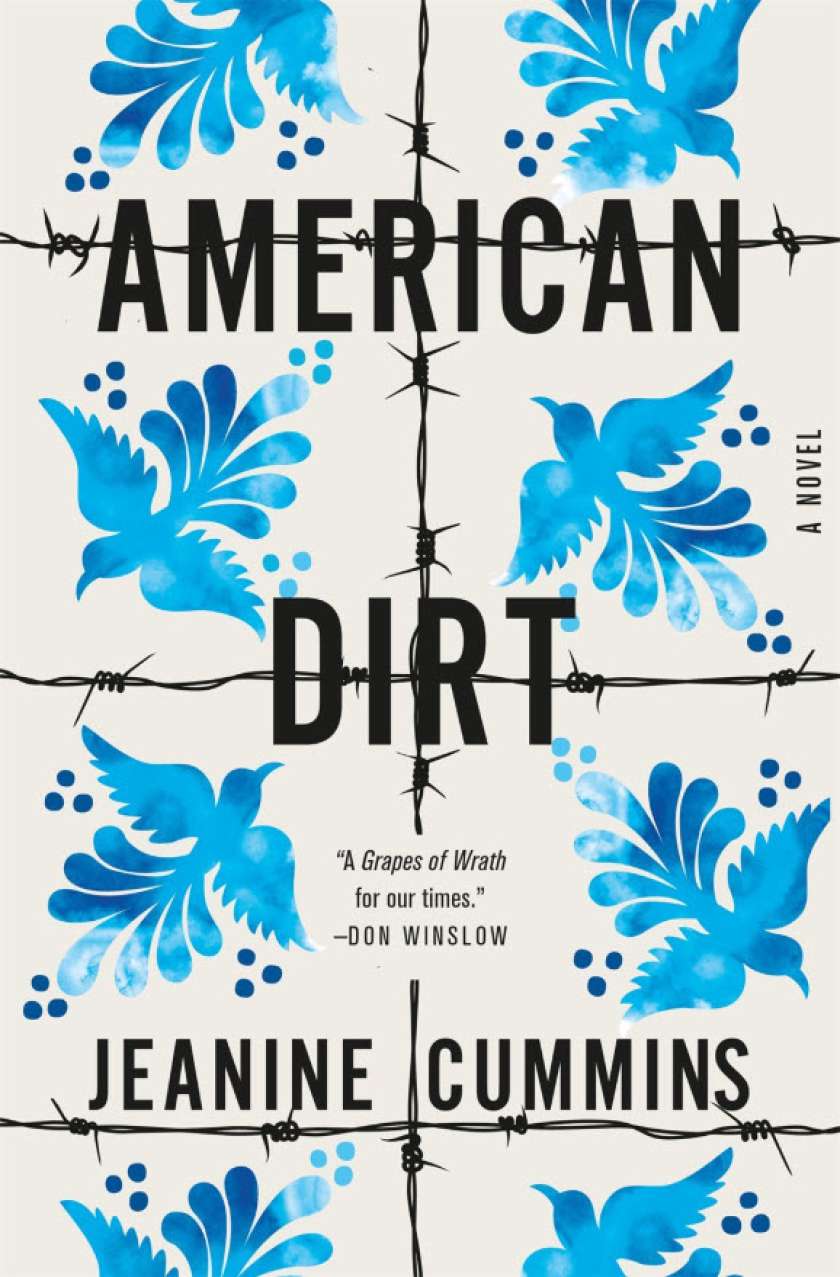
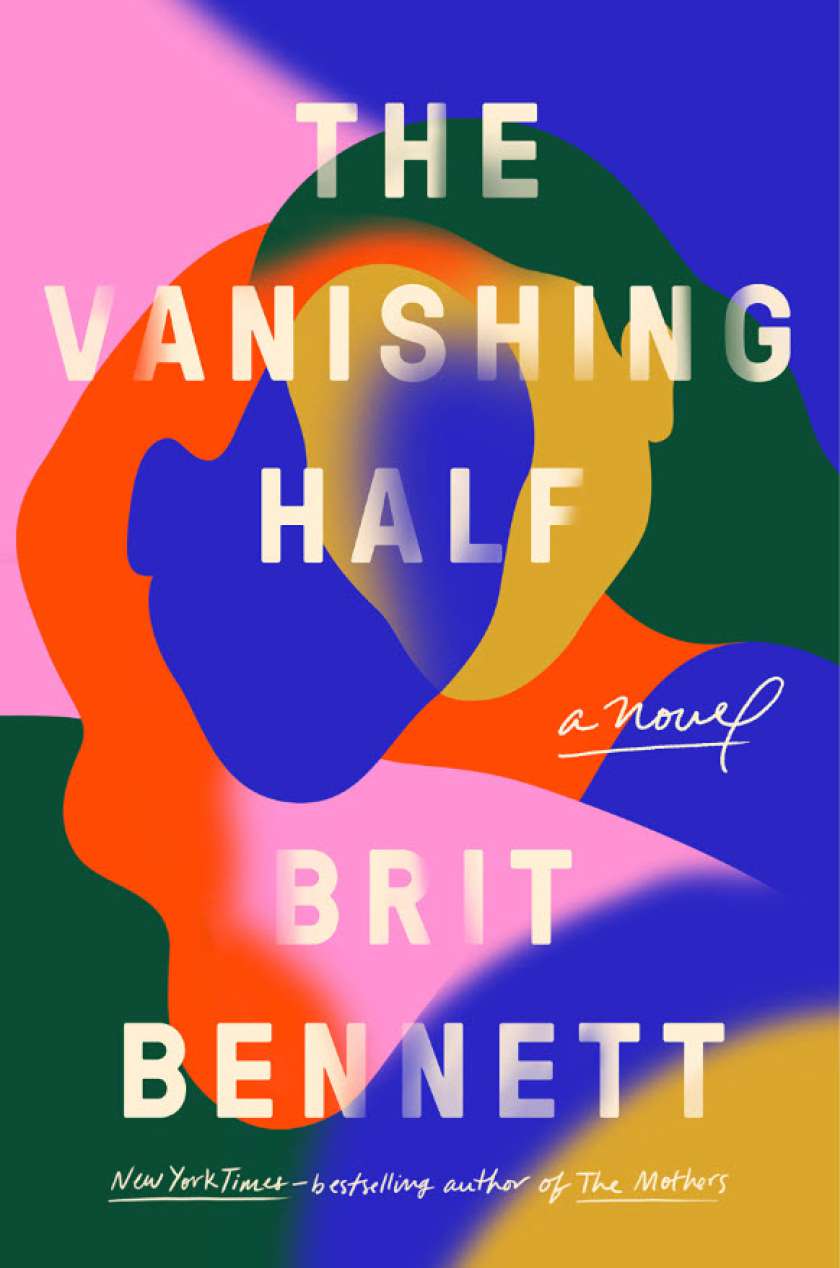
The Idiot, The Vanishing Half, and American Dirt all explore moments when life is shifting beneath a character’s feet. These stories sit squarely in the discomfort of change — new identities, new places, and the emotional cost of transformation. They resonate at year’s end because they validate the confusion, fear, and hope that come with transition, reminding readers that becoming something new is rarely neat or linear.
Start-2026 Reads (Stepping Forward)
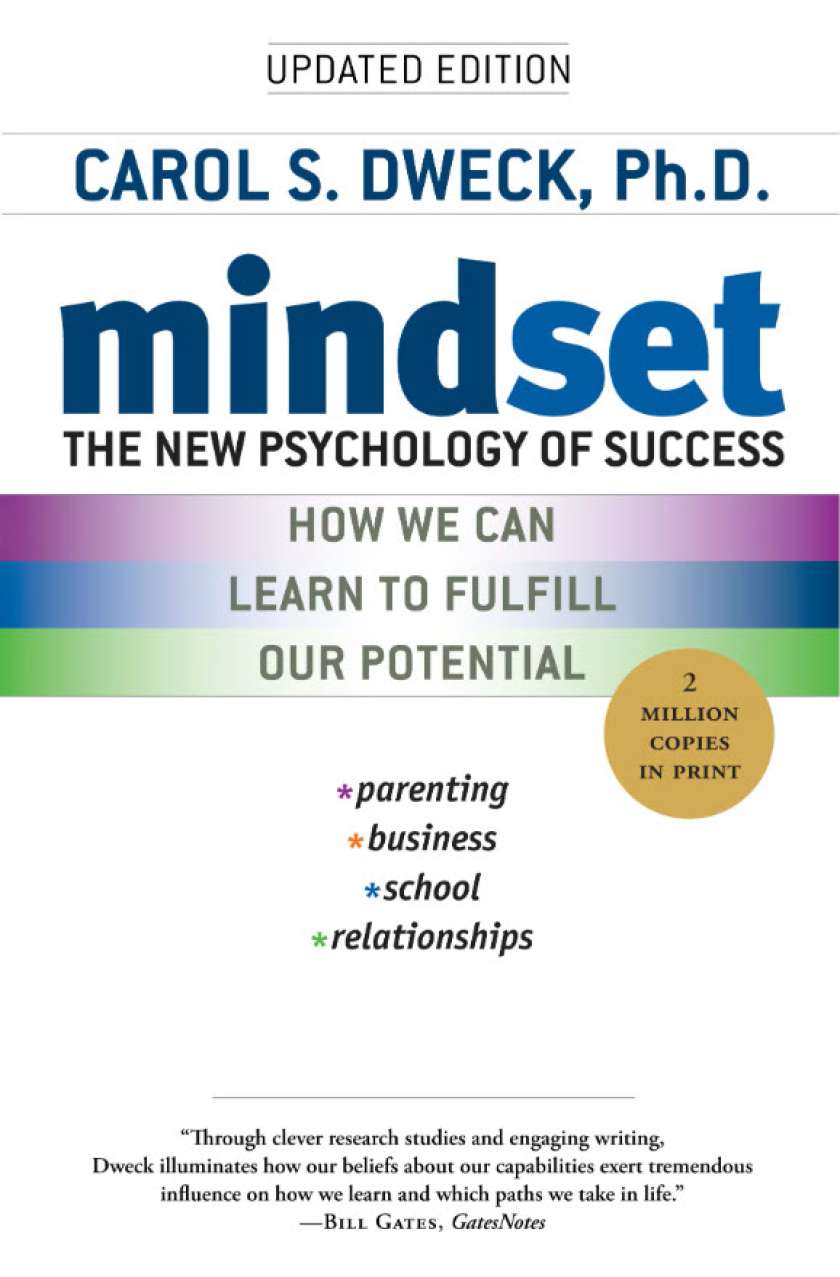
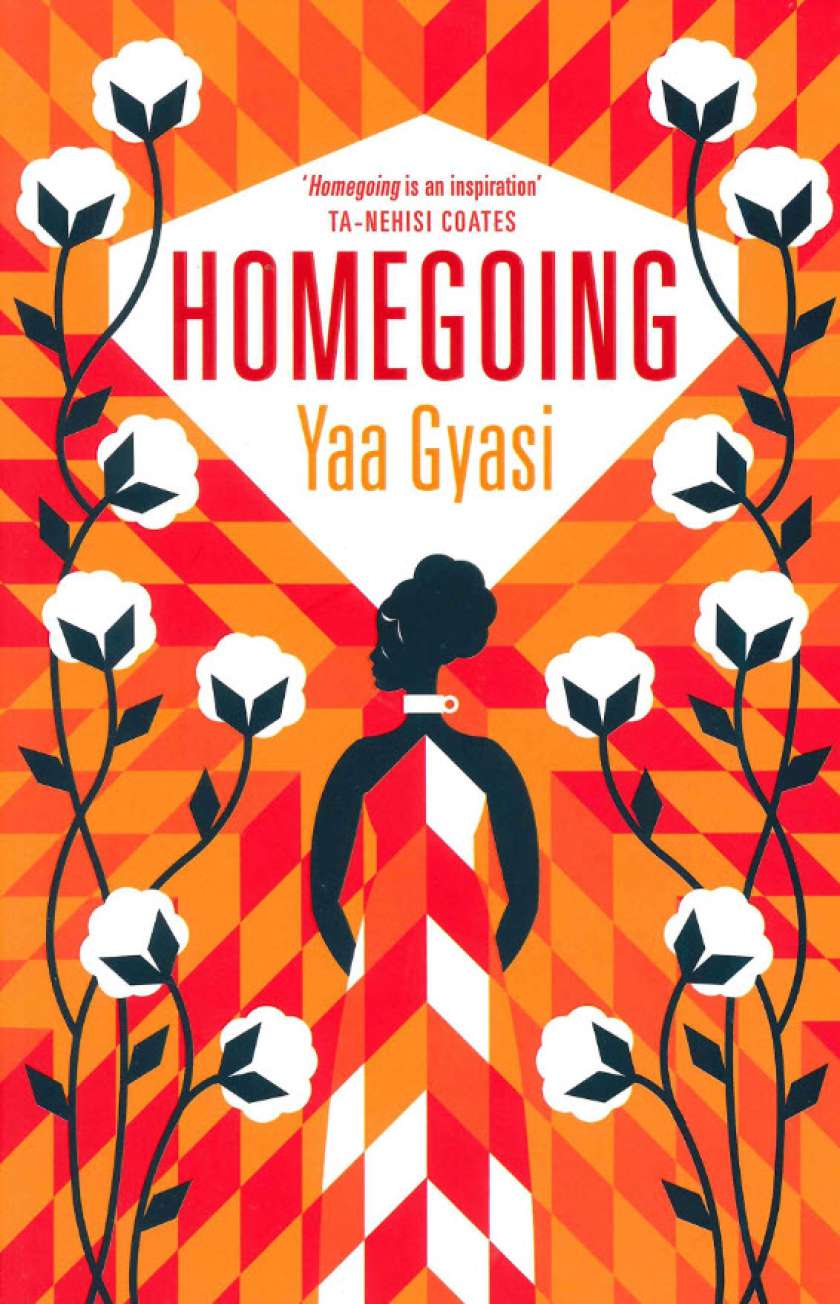
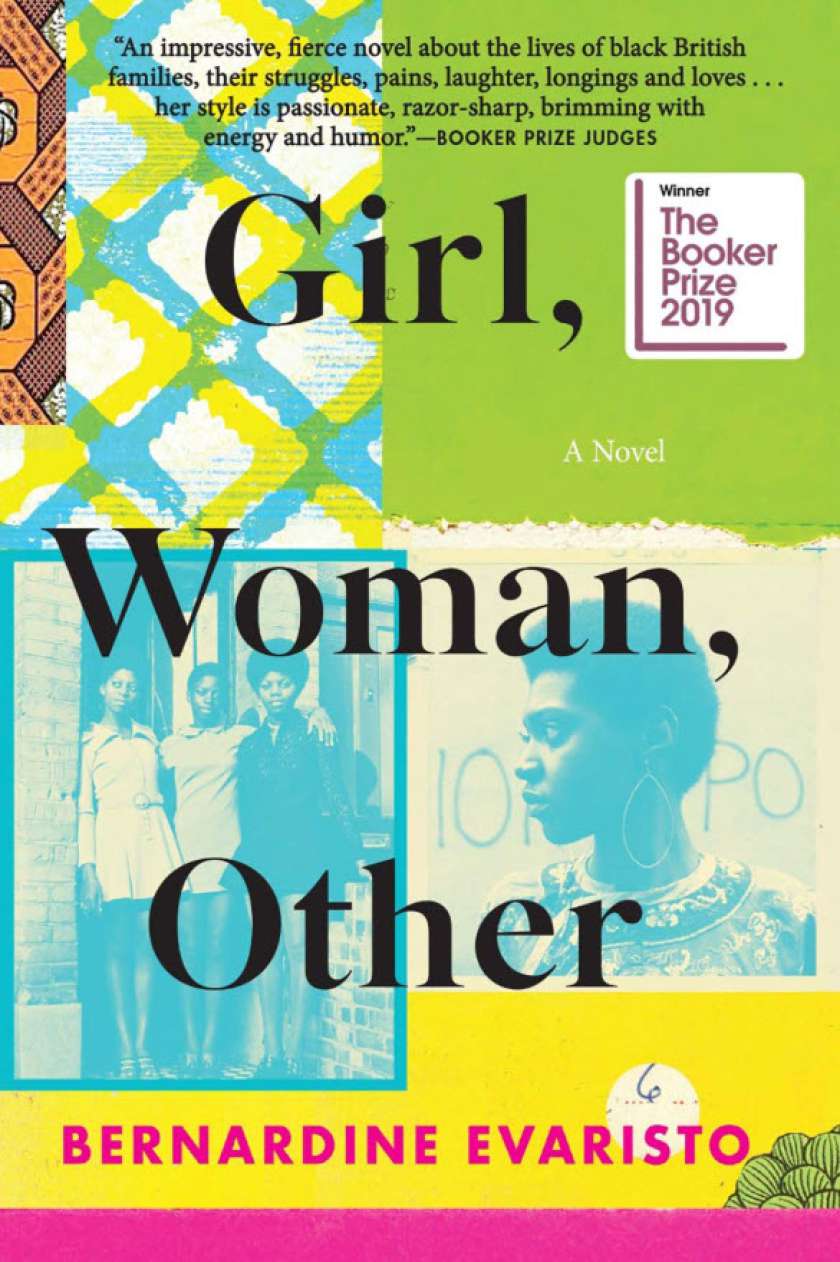
Mindset, Homegoing, and Girl, Woman, Other are forward-facing in different ways, united by a belief in growth and possibility. Whether through psychological reframing or sweeping generational storytelling, these books reinforce the idea that change is not just personal — it’s historical, cultural, and ongoing. They’re powerful reads for beginning a new year with courage, perspective, and a deeper sense of belonging within a larger story.
For New Moms & Women in Identity-Shifting Seasons
End-of-2025 Reads (Validation & Companionship)
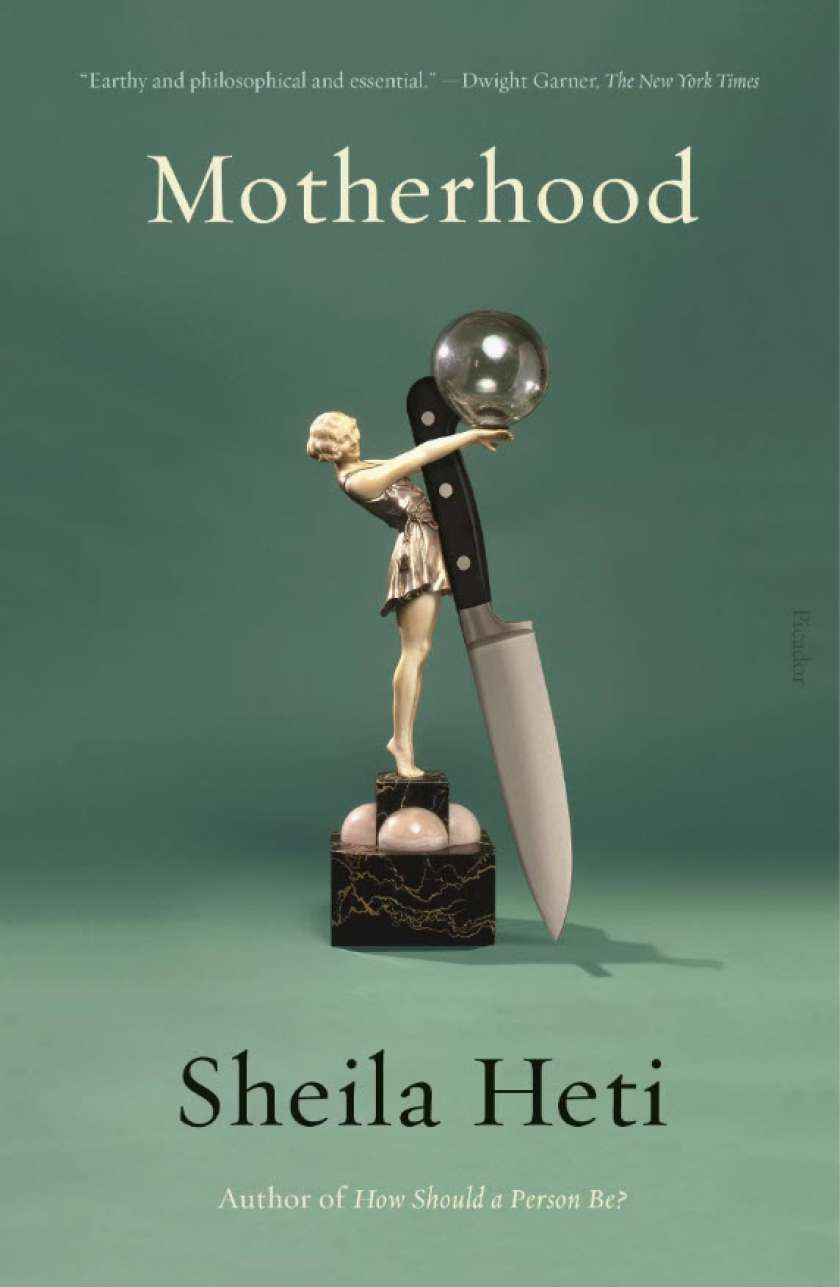
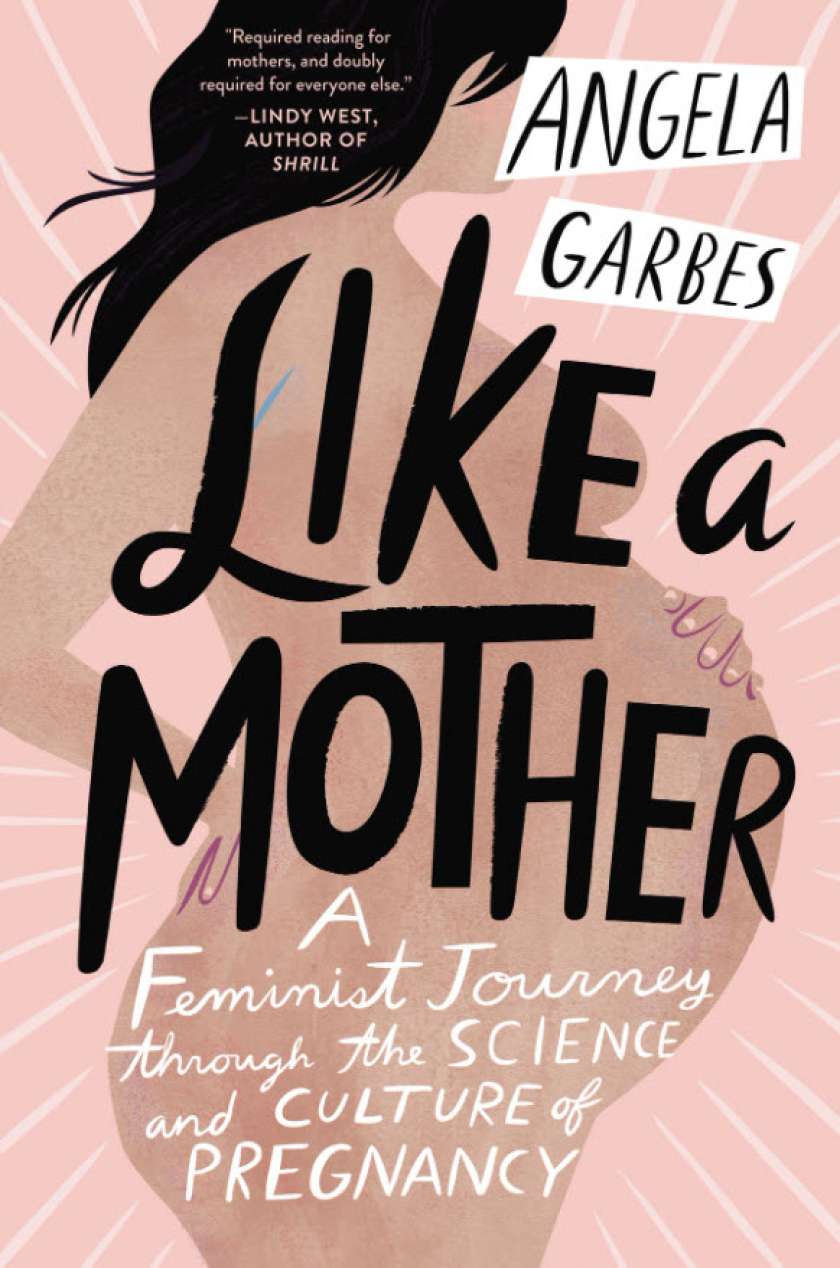
Motherhood, Breasts and Eggs, and Like a Mother offer unflinching portrayals of womanhood, caregiving, and identity transformation. These books are deeply validating for women who feel unseen, conflicted, or quietly overwhelmed. They acknowledge the joy and the grief that can coexist in this season, making them especially meaningful reads at the end of a year that may have reshaped a woman’s sense of self.
Start-2026 Reads (Reclaiming Self & Voice)
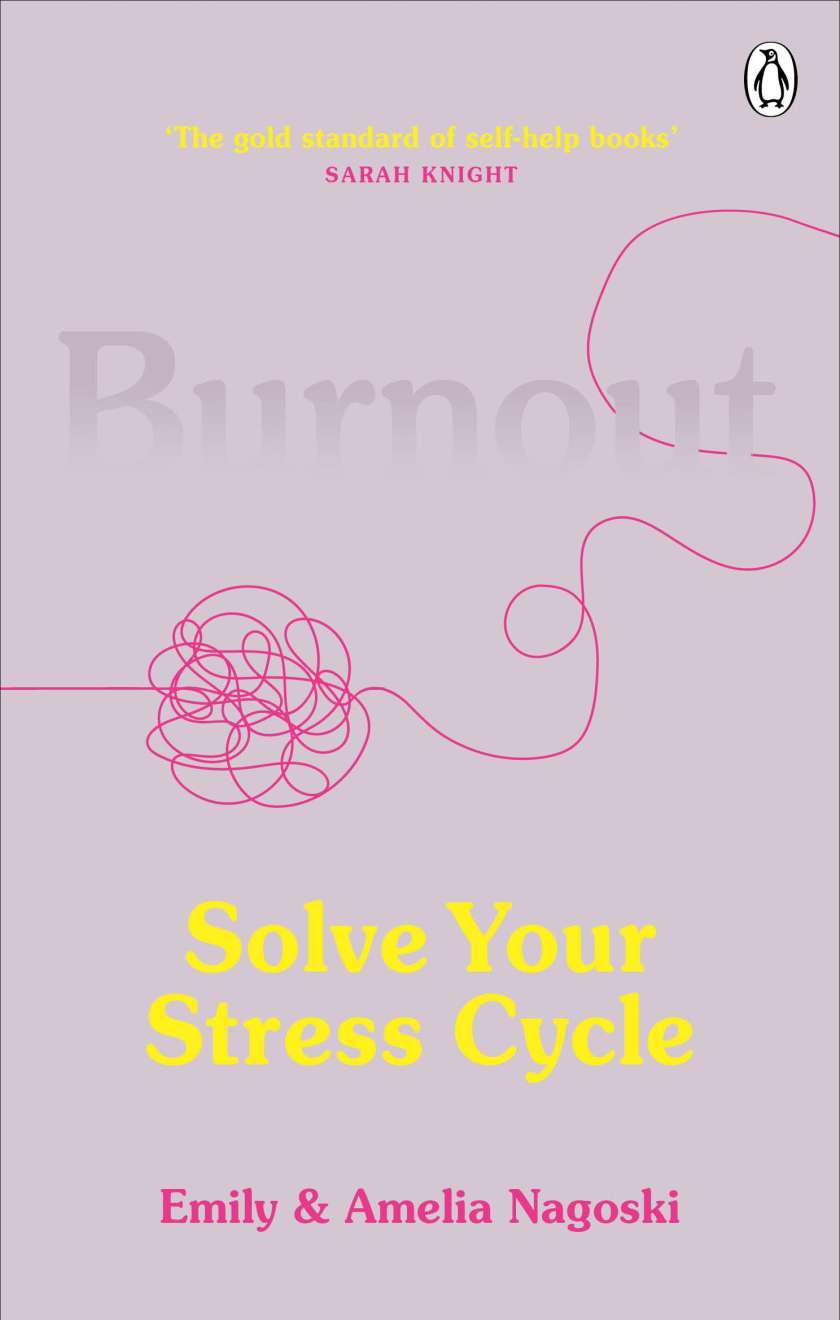
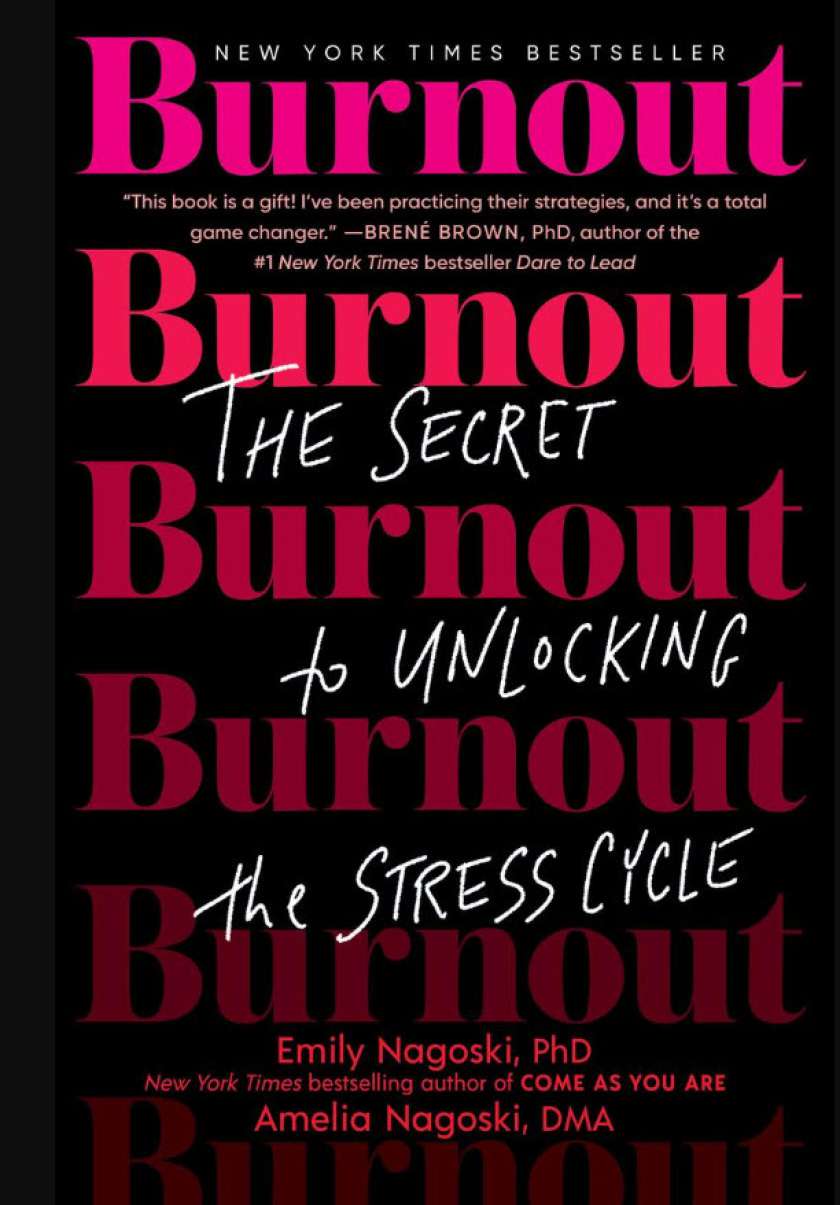
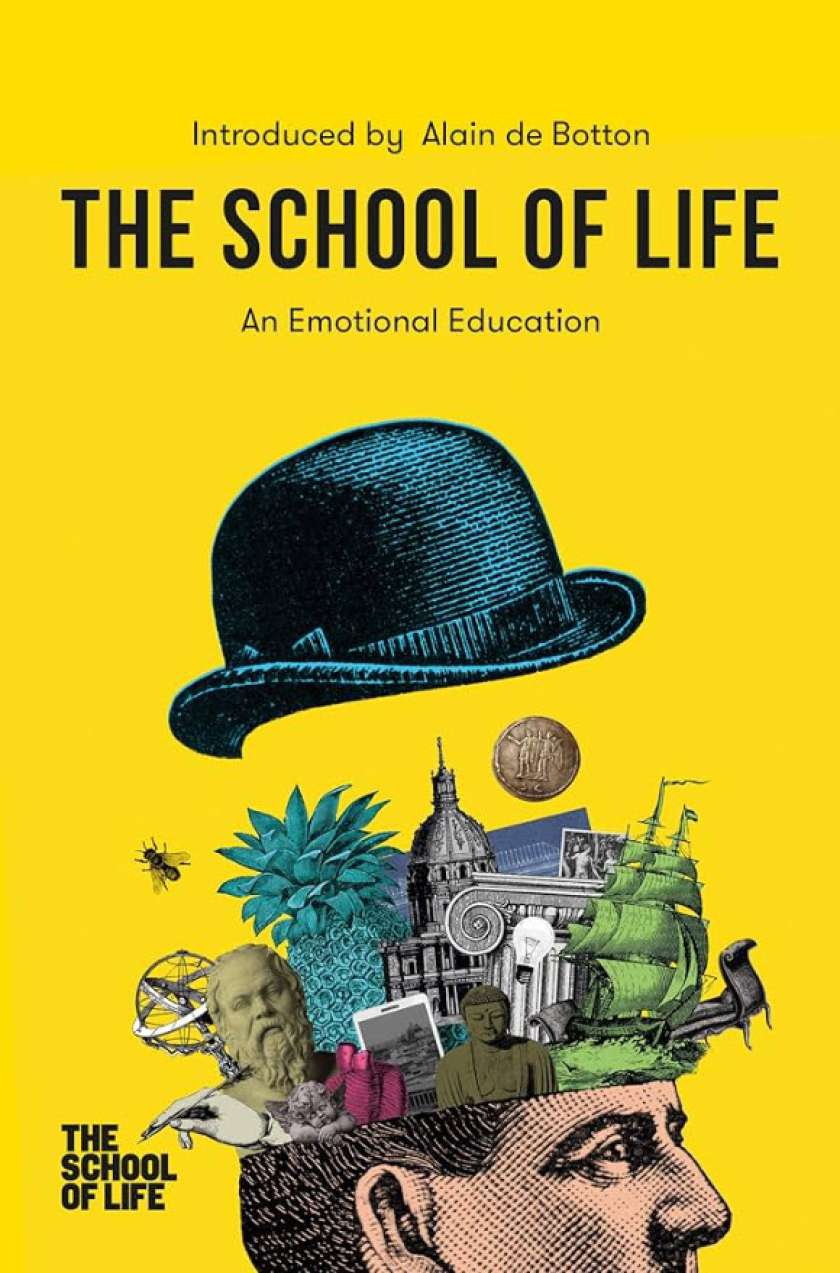
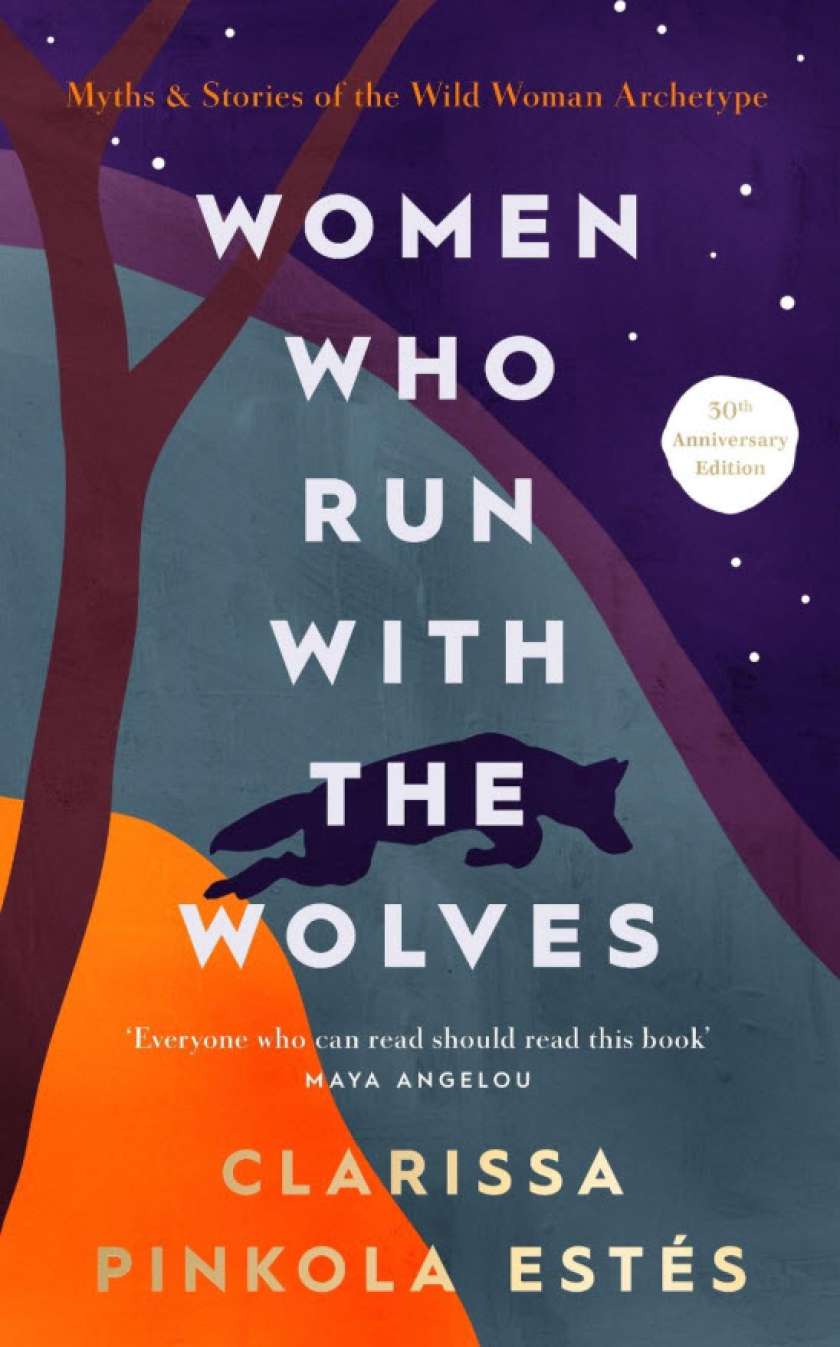
The School of Life: An Emotional Education, Burnout, and Women Who Run with the Wolves help women reconnect with their inner lives, creativity, and agency. These books encourage emotional literacy, rest, and intuition — offering a way to enter the new year with self-trust rather than self-erasure. They are not about becoming someone new, but about remembering who you already are.
For People Who Had a Good Year & Want to Keep Momentum
End-of-2025 Reads (Reflection & Alignment)
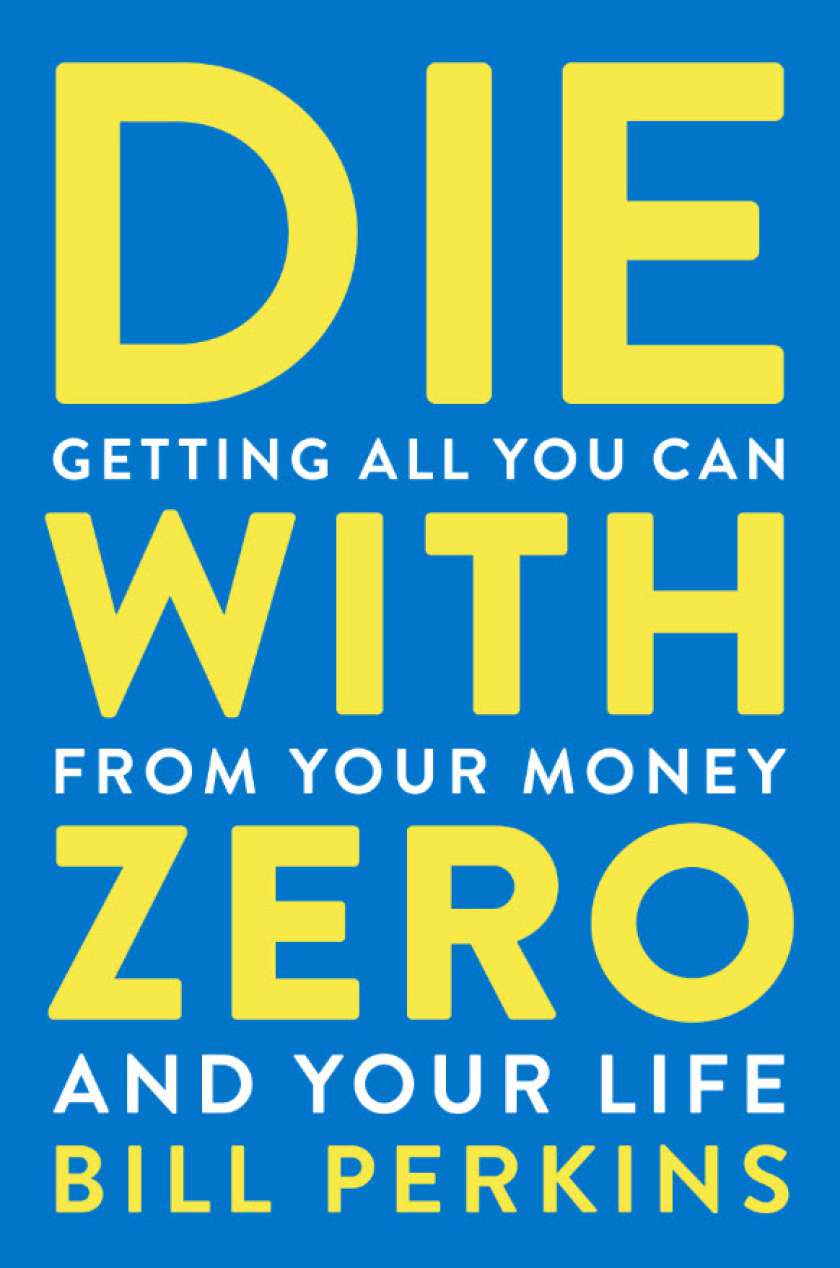
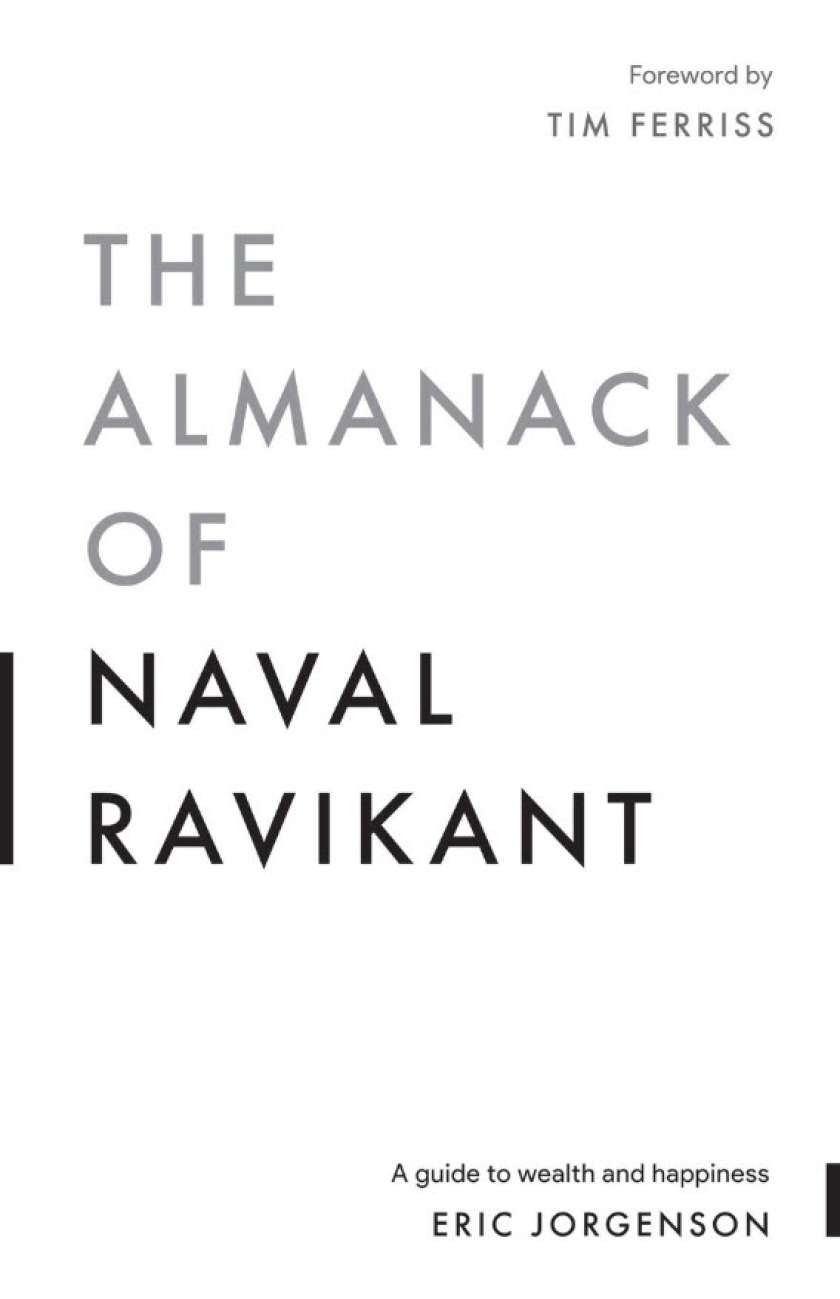
Die with Zero and The Almanack of Naval Ravikant are reflective rather than celebratory, inviting readers to examine how success, time, and happiness intersect. These books help readers pause and evaluate what actually made the year feel meaningful — not just productive. They’re well-suited to year-end reflection because they encourage alignment, not escalation.
Start-2026 Reads (Strategic, Sustainable Growth)
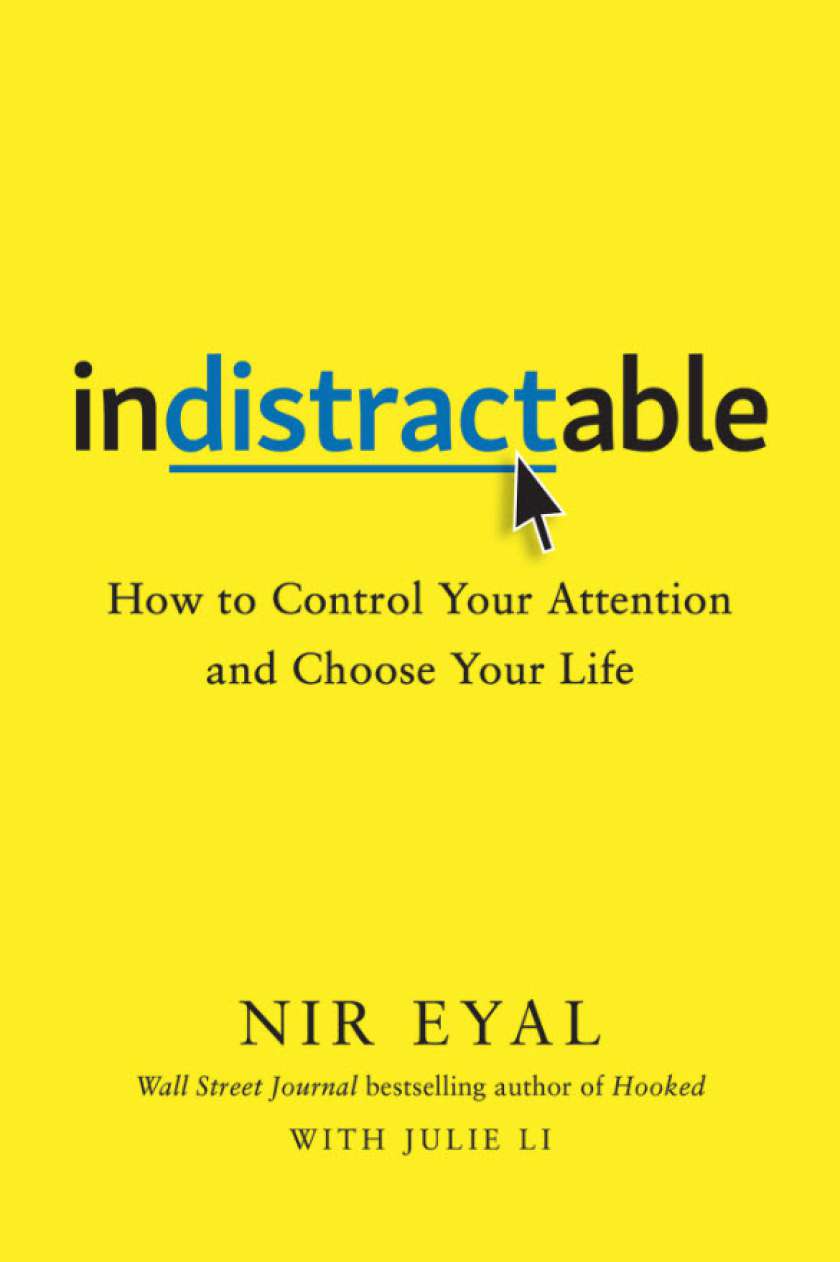
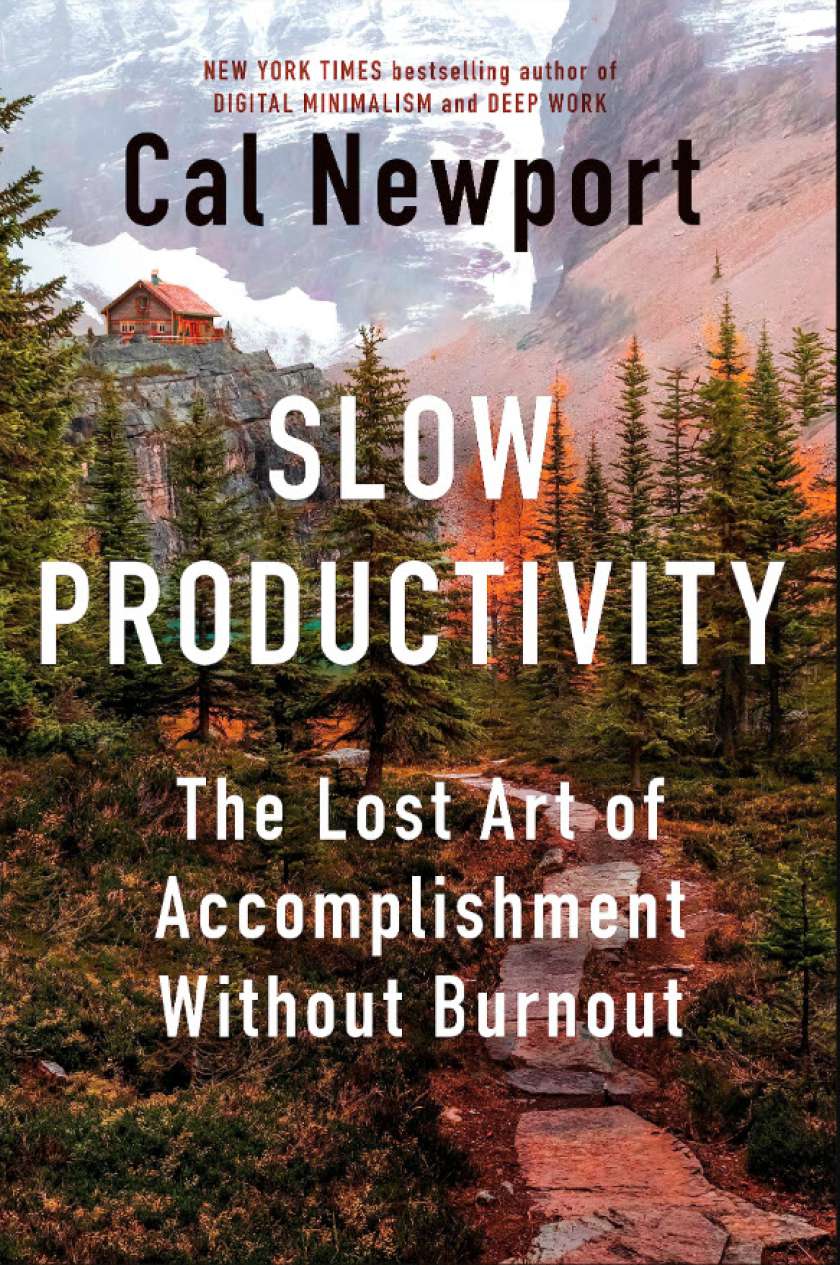
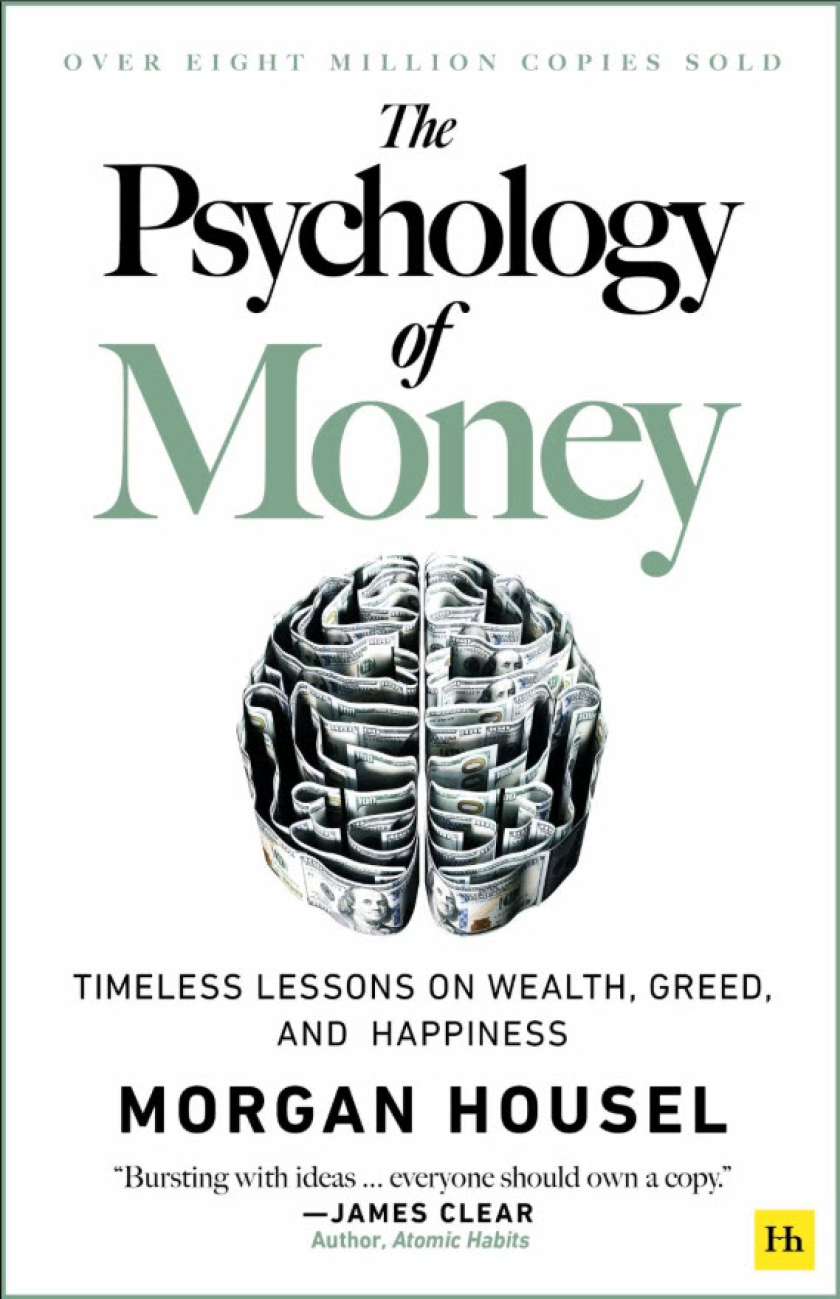
Slow Productivity, Indistractable, and The Psychology of Money are ideal for readers who want to build on their momentum without burning out. These books focus on sustainability, focus, and long-term thinking — helping readers carry success forward thoughtfully. They frame strength not as speed, but as clarity and consistency.
For Those Who Tried, Failed, and Learned
End-of-2025 Reads (Normalizing the Mess)
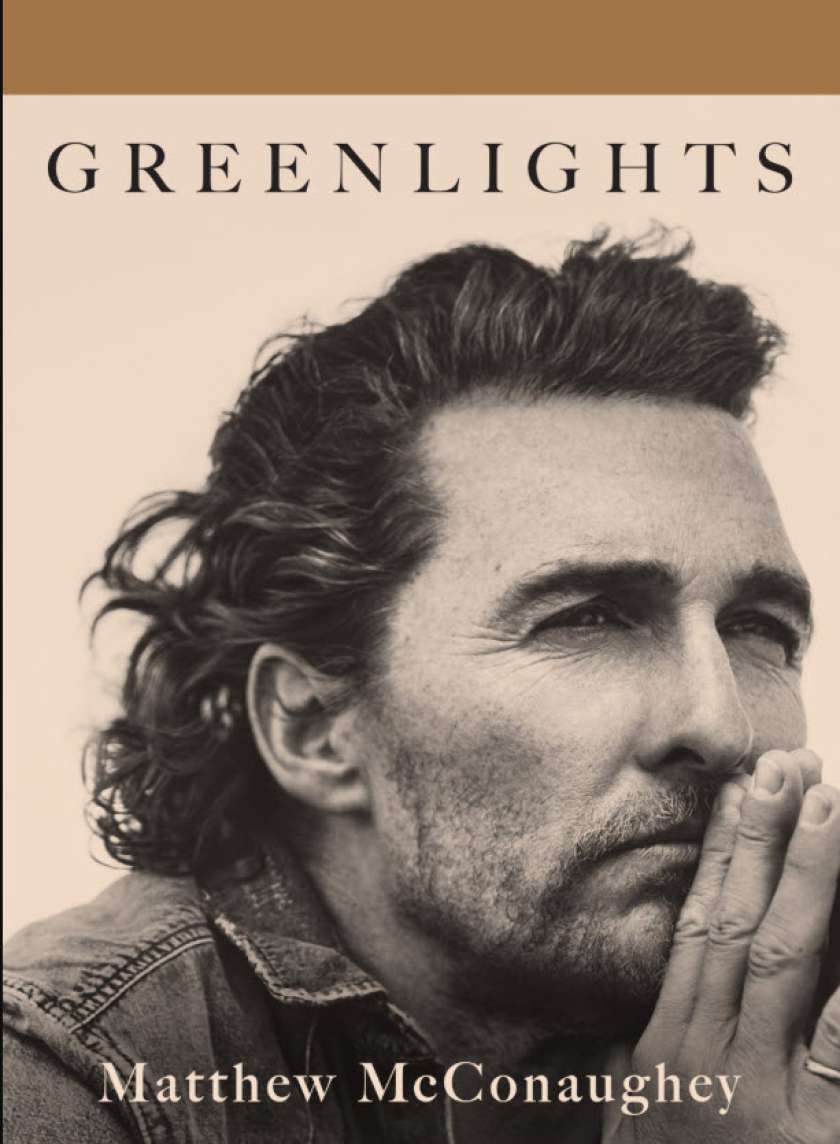
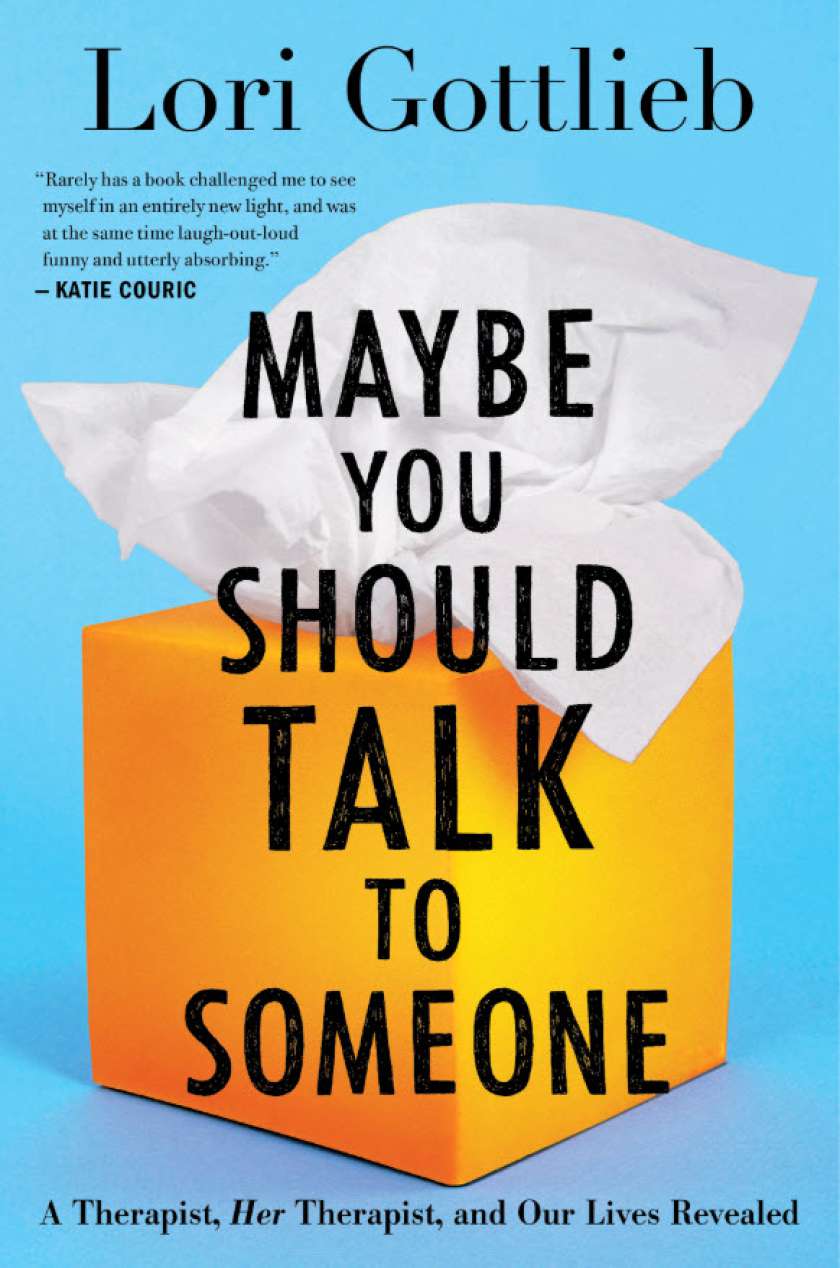
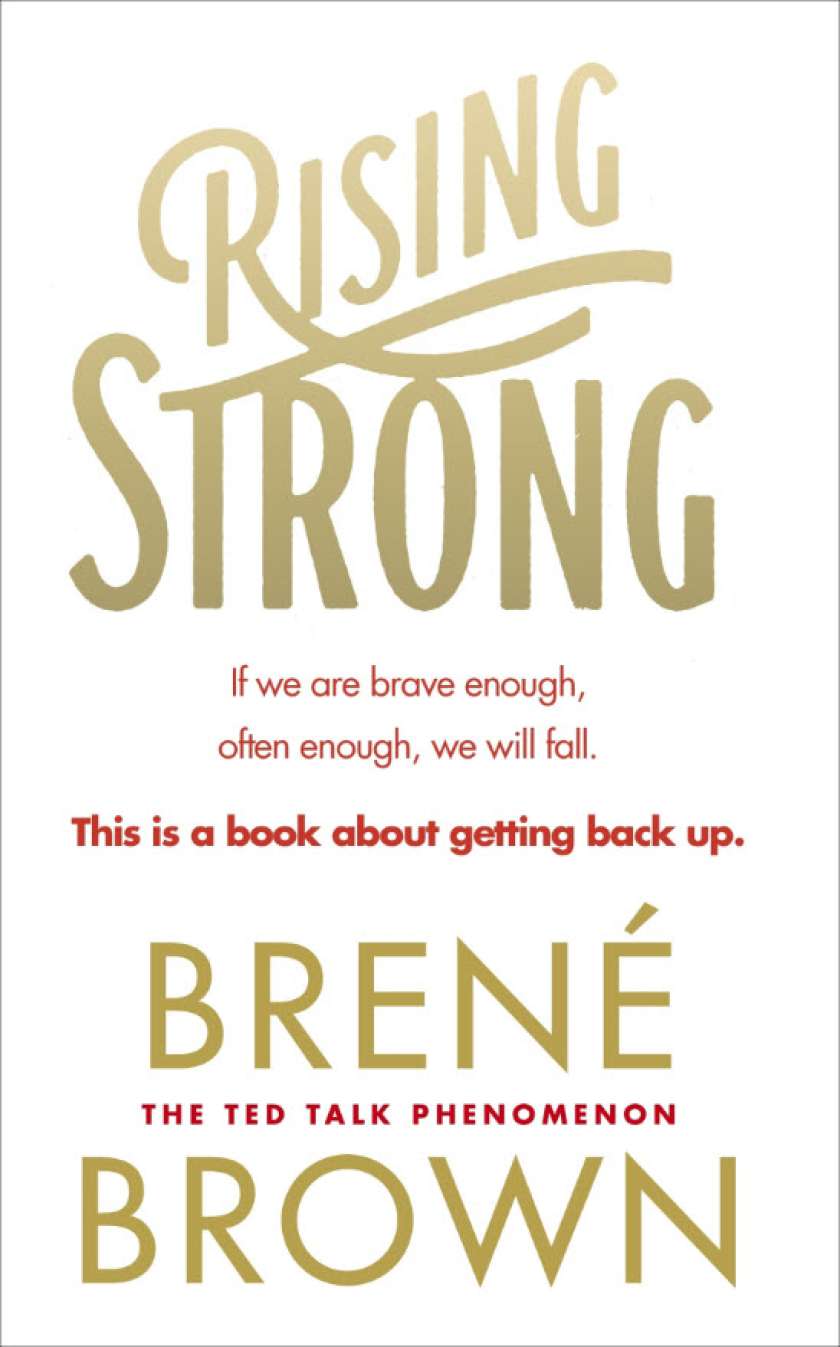
Maybe You Should Talk to Someone, Greenlights, and Rising Strong are honest, sometimes messy reflections on failure, vulnerability, and resilience. They work well at year’s end because they allow readers to process disappointment without shame, reframing setbacks as part of growth rather than evidence of inadequacy.
Start-2026 Reads (Wiser Beginnings)
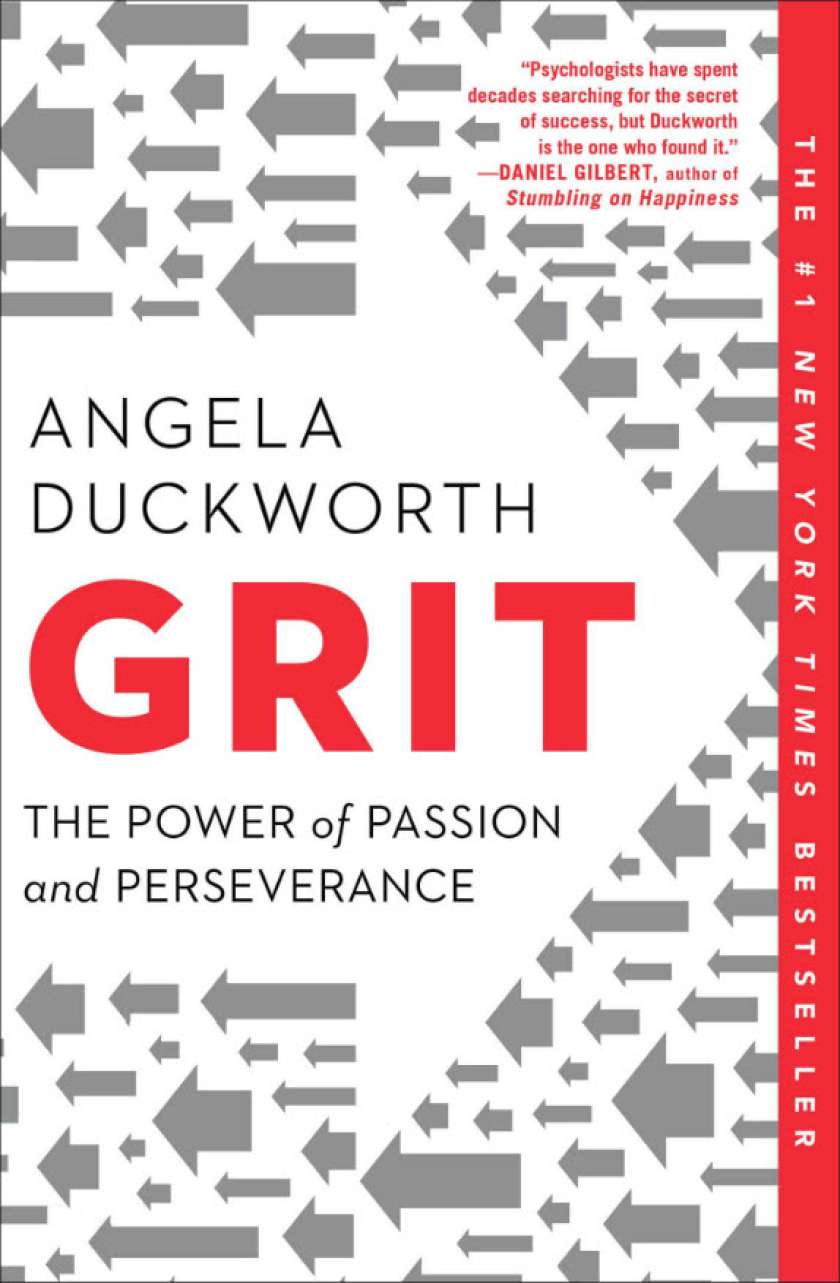
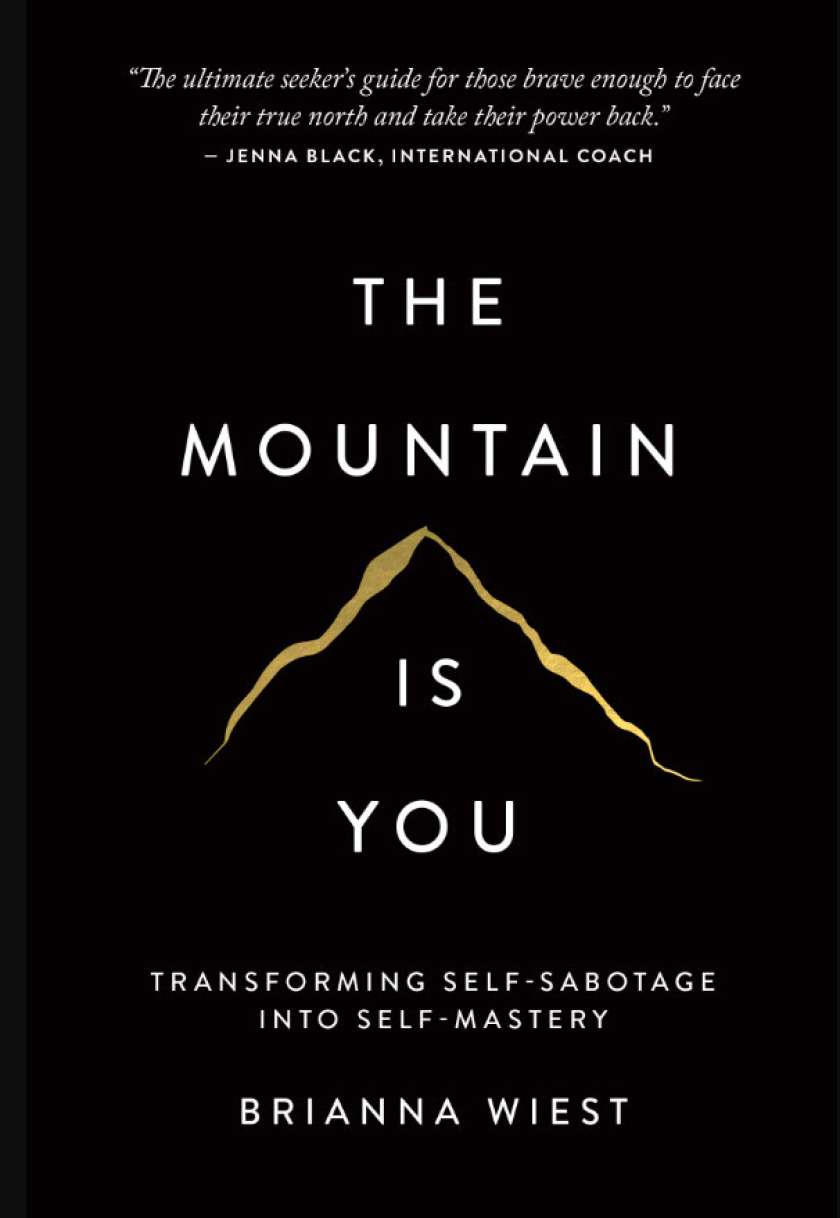
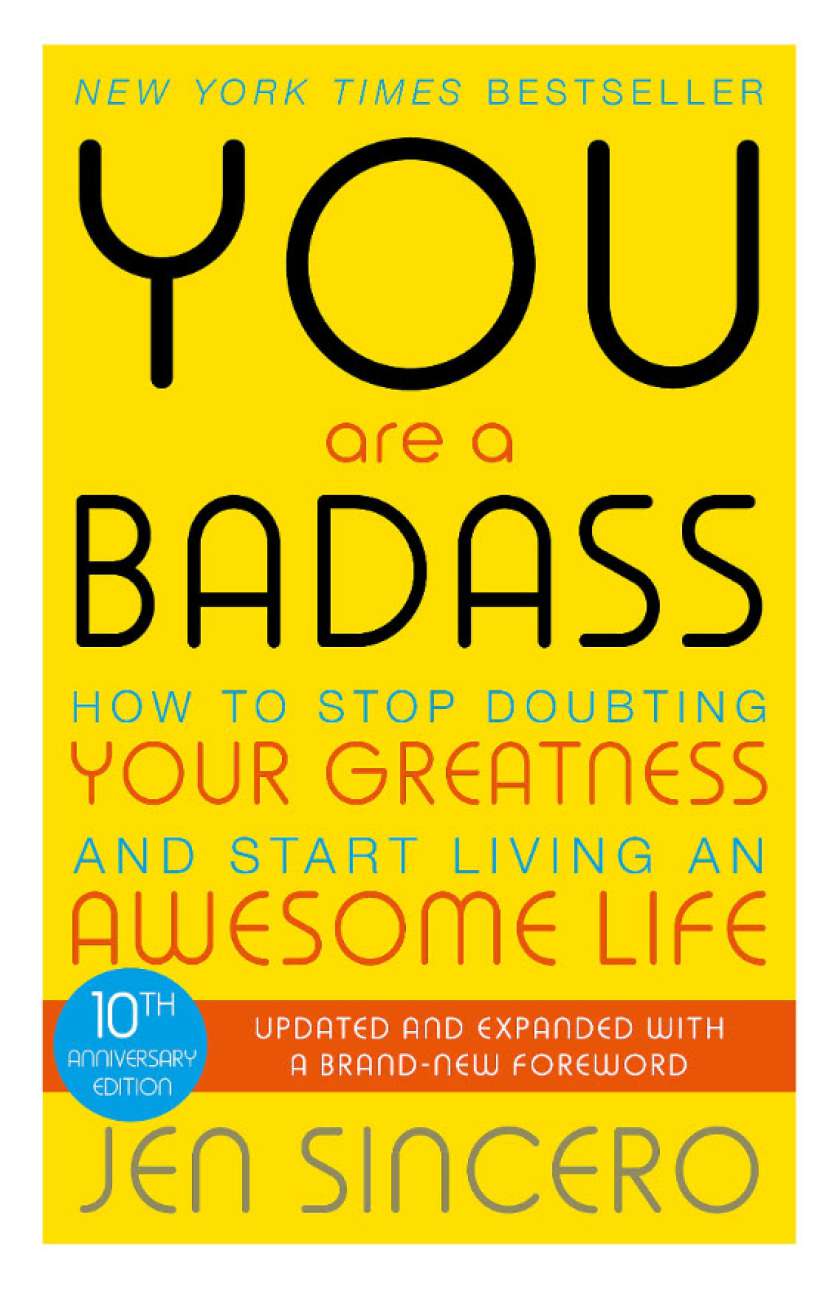
The Mountain Is You, Grit, and You Are a Badass offer encouragement rooted in self-awareness and persistence. These books help readers step into the new year with confidence informed by experience — not denial — emphasizing growth built from lessons learned.
For Anyone Wanting a Calm, Intentional Start
End-of-2025 Reads (Pure Rest)
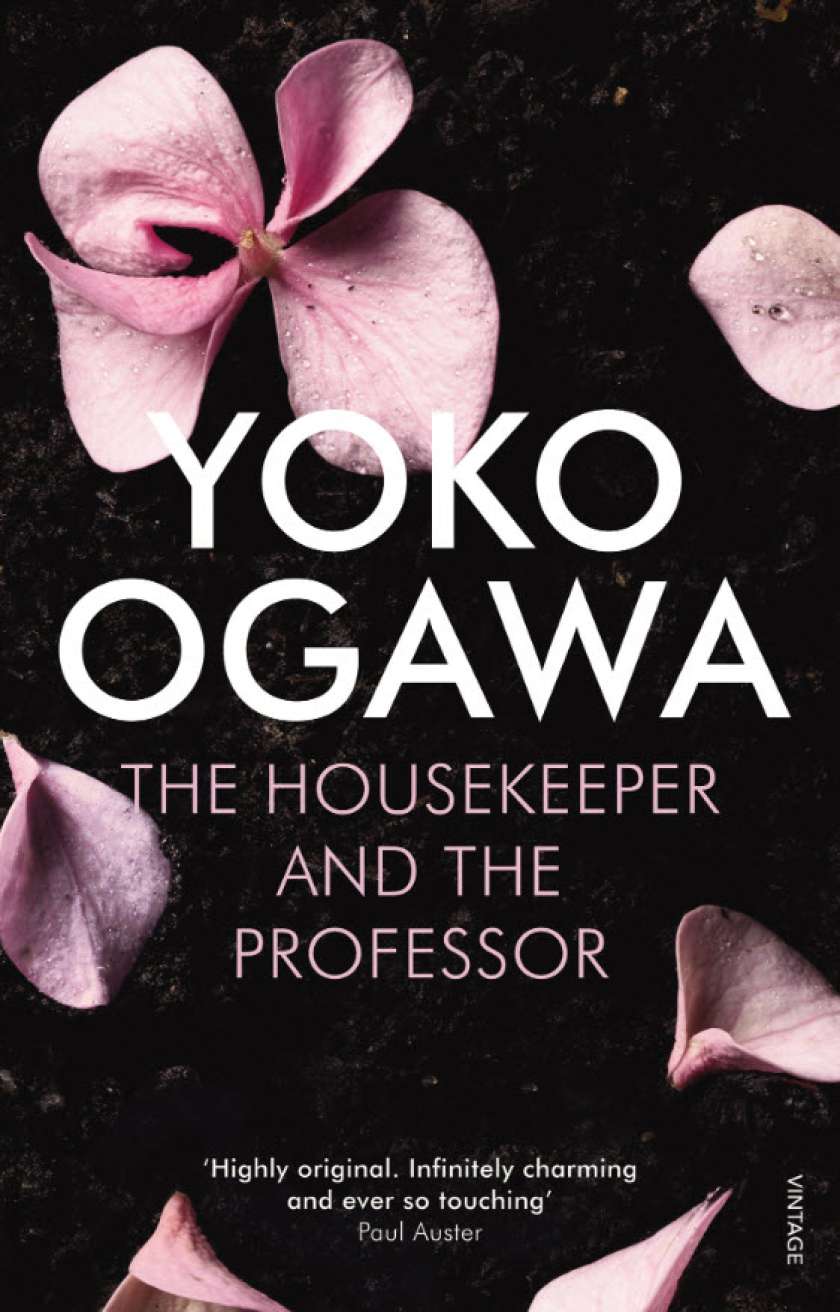
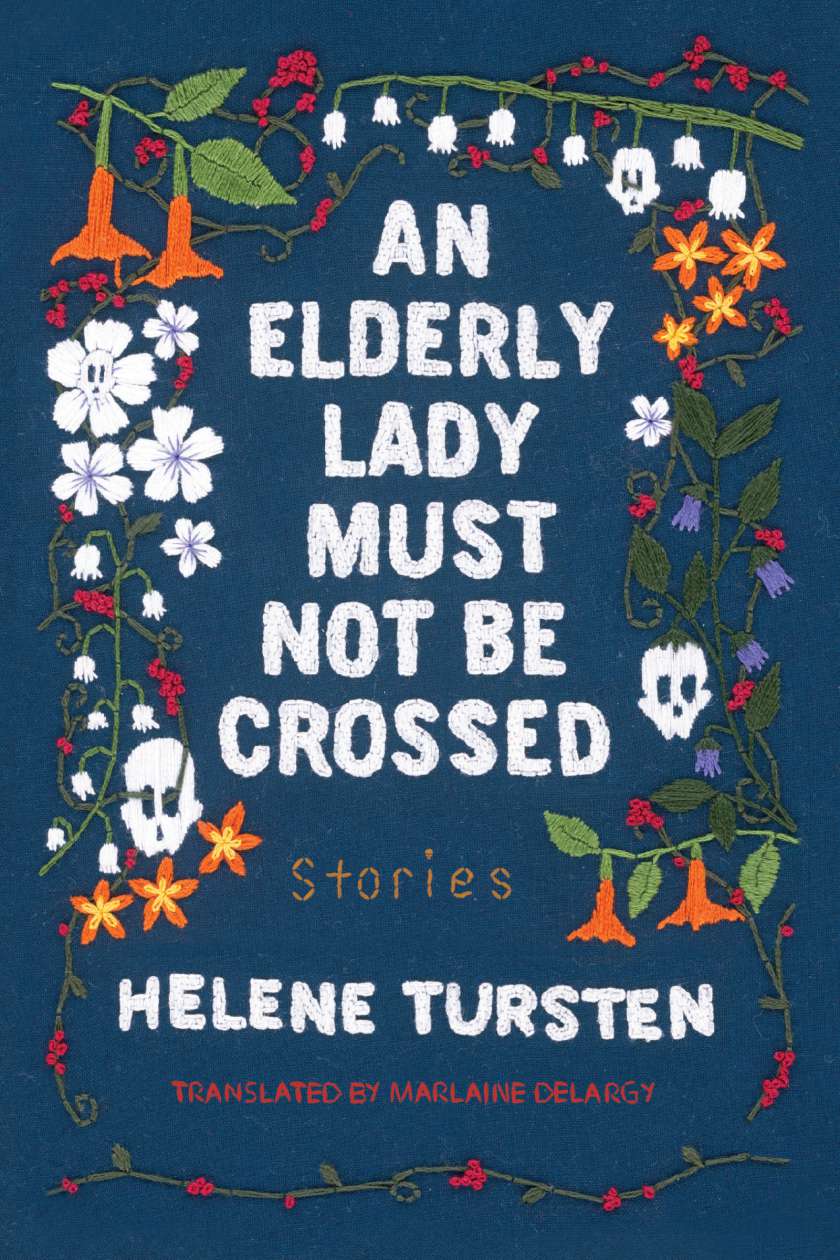
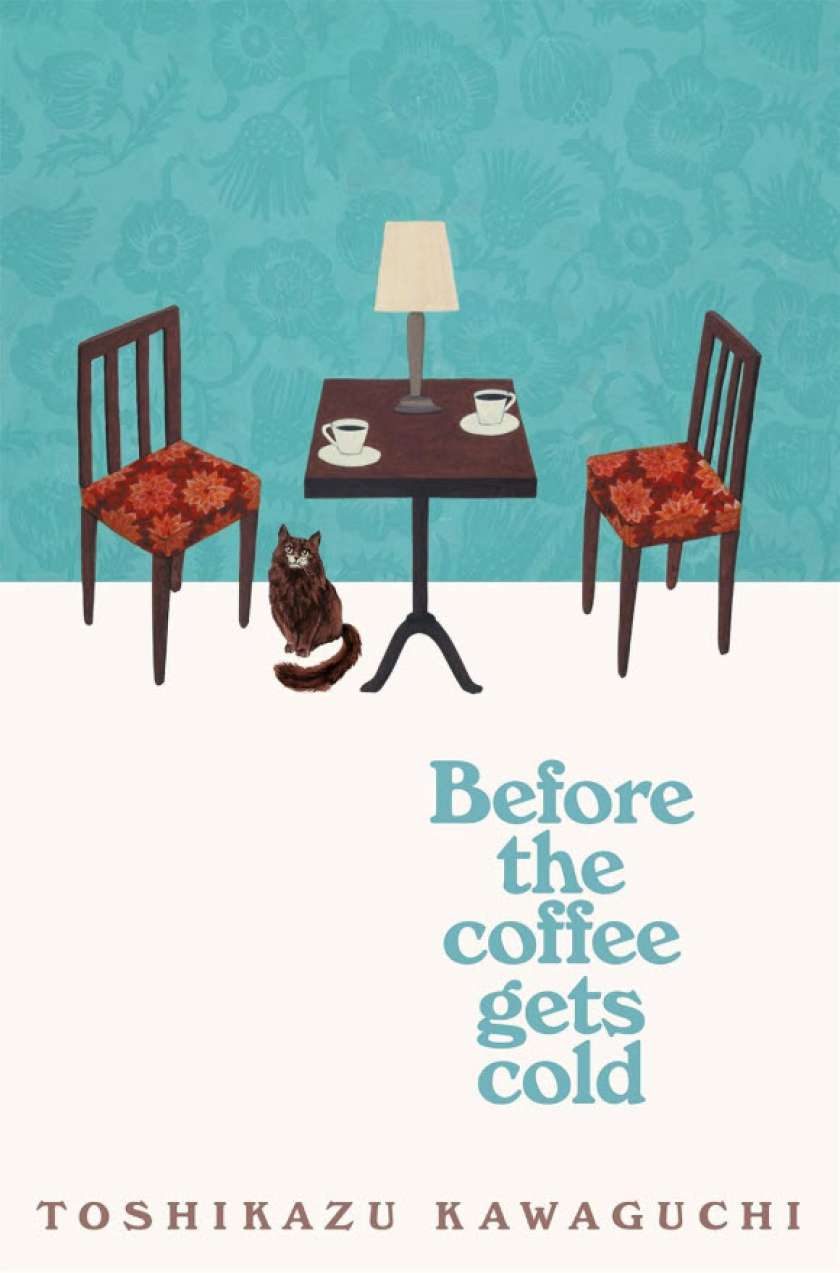
The Housekeeper and the Professor, An Elderly Lady Is Up to No Good, and Before the Coffee Gets Cold are gentle, low-stakes reads that prioritize atmosphere and humanity over urgency. They’re perfect for the final days of the year, offering comfort, quiet humor, and reflection without emotional labor.
Start-2026 Reads (Grounded & Centered)
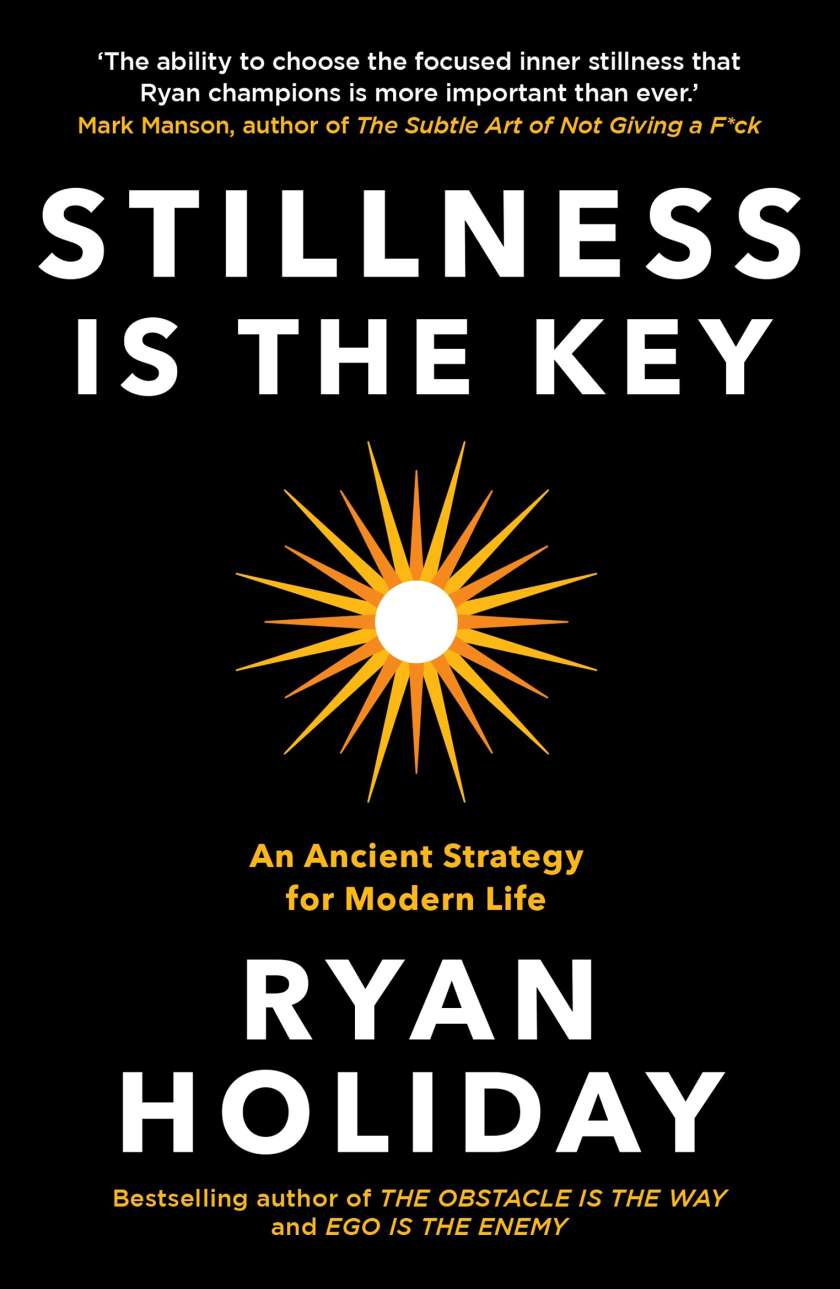
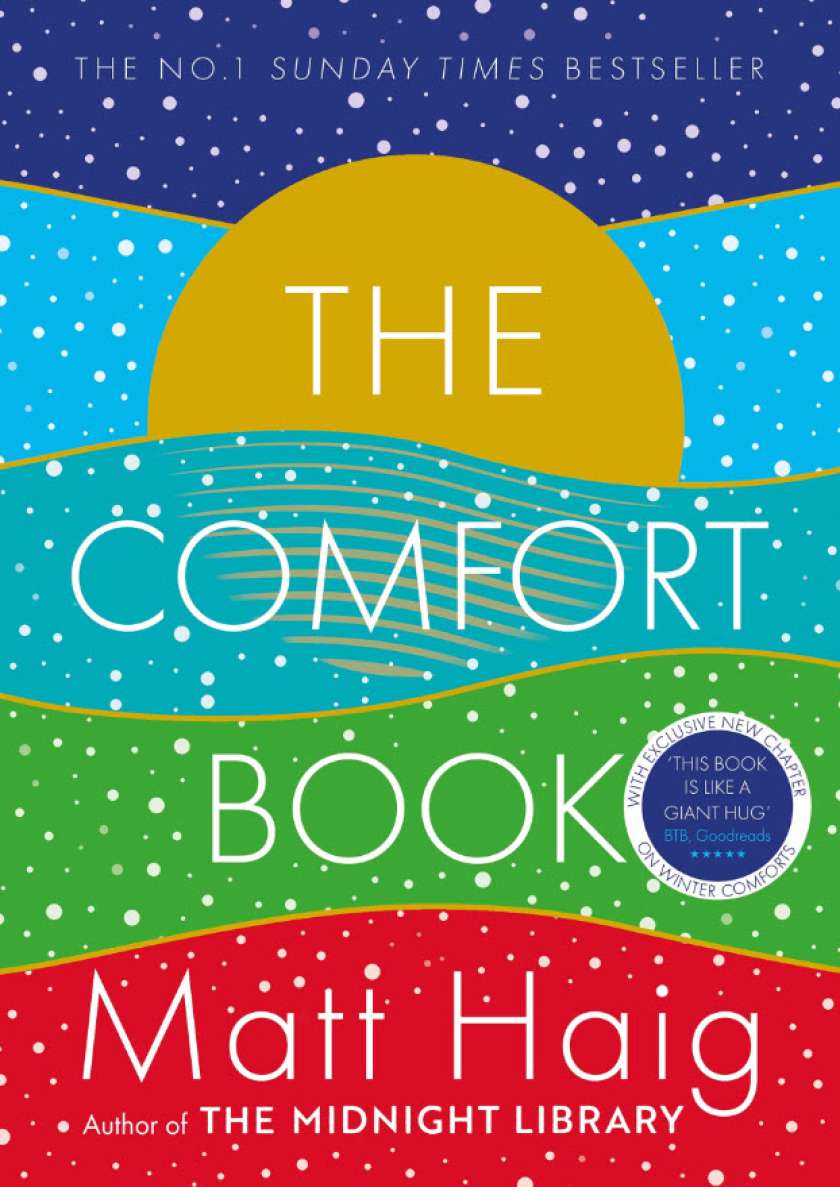
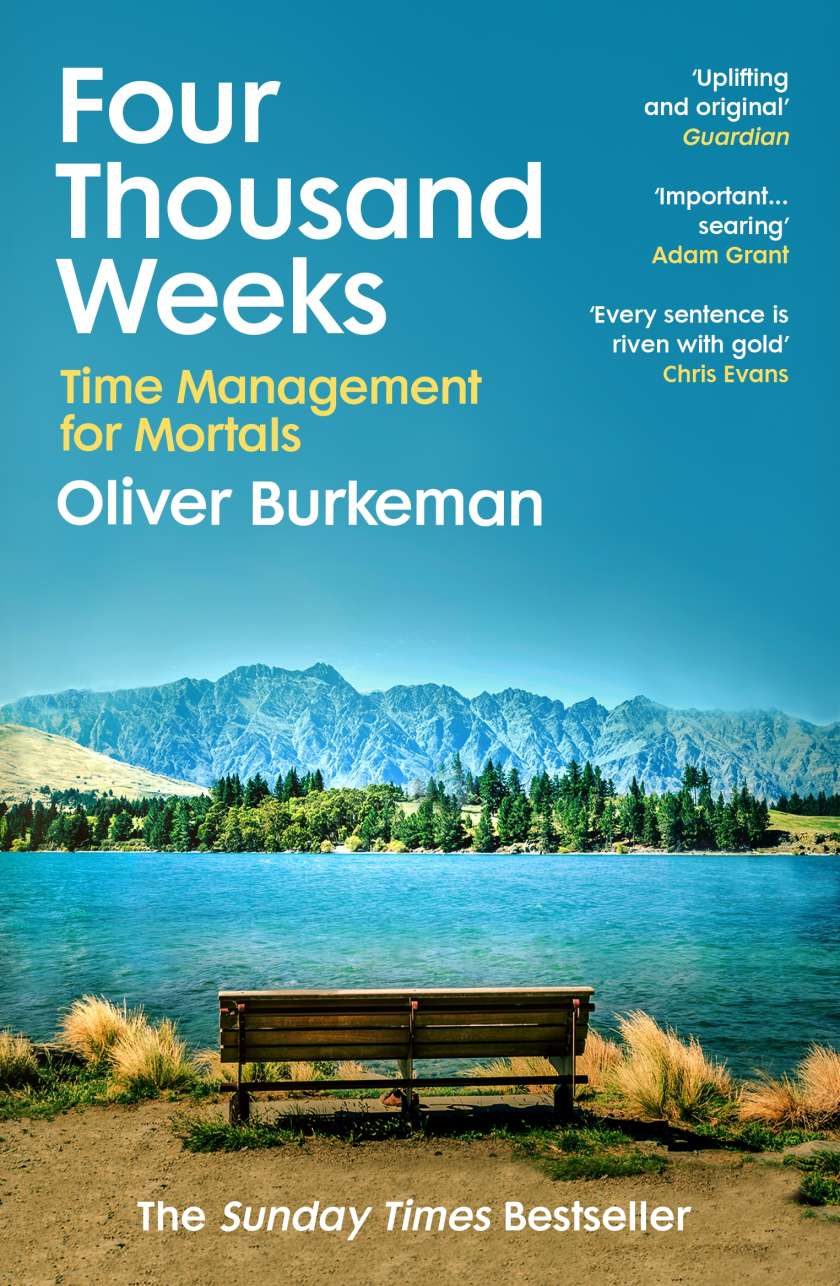
Stillness Is the Key, The Comfort Book, and Four Thousand Weeks help readers begin the year with perspective rather than pressure. These books encourage presence, acceptance, and a realistic relationship with time — grounding readers in what matters most as a new chapter begins.
Closing
There’s no single right way to end a year, just as there’s no universal way to begin a new one. Some people arrive here tired but grateful. Others arrive bruised, wiser, or still figuring out what this year meant at all. Strength doesn’t always look like momentum — sometimes it looks like honesty, rest, or choosing to move forward without all the answers.
What you read at the end of the year doesn’t need to transform you. It just needs to meet you. And what you read at the start of a new one doesn’t need to fix your life — it only needs to help you step into it with a little more clarity, courage, or calm.
Whether you’re carrying grief, confidence, curiosity, or quiet hope into 2026, let your reading reflect that. Choose books that honour where you’ve been and support where you’re going. Not because the calendar changed, but because you did.
End the year gently. Start the next one strong — in whatever way strength looks like for you.
