
Decades before Carl Jung ever wrote about the “shadow,” Robert Louis Stevenson had already described it, almost perfectly, in a novel about a doctor and a monster who turn out to be the same man.
Jung’s shadow is the part of the self we push out of view because it doesn’t fit the person we want to be seen as. It’s not necessarily evil. It’s just unacceptable, so we bury it, deny it, refuse to claim it as ours. And according to Jung, the more we deny it, the more power it quietly gains, until it finds a way to surface anyway, usually at the worst possible moment.
That is, almost exactly, the plot of Dr. Jekyll and Mr. Hyde.
Hyde Isn’t a Stranger. He’s a Denial.
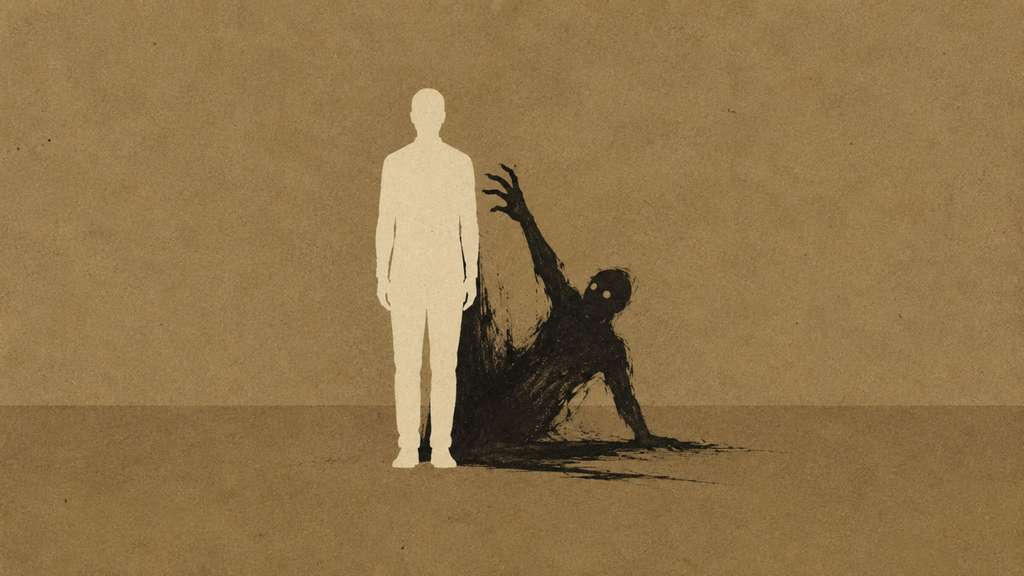
Jekyll doesn’t invent Hyde. He uncovers him.
Everything Jekyll considers shameful, every impulse too undignified for a respected doctor to admit to, gets pushed down for years, never processed, never expressed, never even acknowledged as his. He builds an entire public identity on the promise that those things don’t exist in him. That’s the exact move Jung would later describe: the shadow doesn’t disappear because you refuse to look at it. It just goes somewhere you can’t see it working on you.
When Jekyll finally gives that buried part of himself a body, he’s stunned by how completely it feels like relief. Not because Hyde is powerful or thrilling, but because, for the first time, Jekyll isn’t holding anything back. The horror of the book isn’t that Hyde is monstrous. It’s that not suppressing himself feels, to Jekyll, like freedom.
The More You Push It Down, the Harder It Comes Back
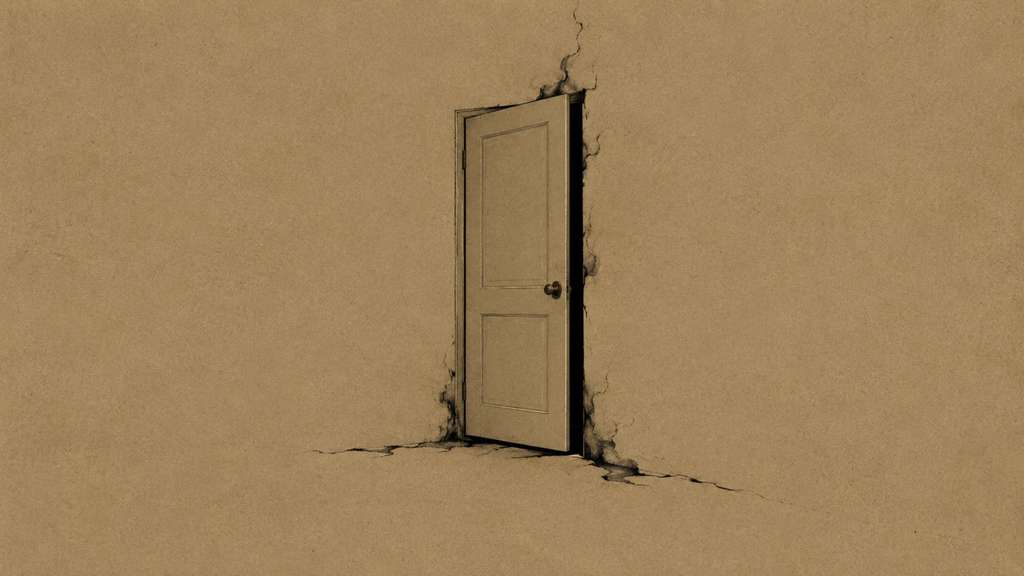
This is where the psychology gets uncomfortable, because it doesn’t stay theoretical for long. Jekyll believes, at first, that he’s in control. He can become Hyde when he wants to, and return to being Jekyll whenever he chooses. It’s an experiment, run on his own terms.
That control doesn’t last. He needs the potion less and less to become Hyde, and needs more and more of it to become Jekyll again. Eventually Hyde starts appearing on his own, uninvited, in the middle of ordinary life, without Jekyll taking anything at all.
That escalation is exactly what Jung warned about. A shadow that’s acknowledged and integrated stays manageable. A shadow that’s denied and repressed doesn’t go quiet, it grows more forceful, until it stops asking permission to surface. Jekyll thought he was managing Hyde. He was actually just delaying the moment Hyde stopped needing him to.
Everyone Has a Hyde
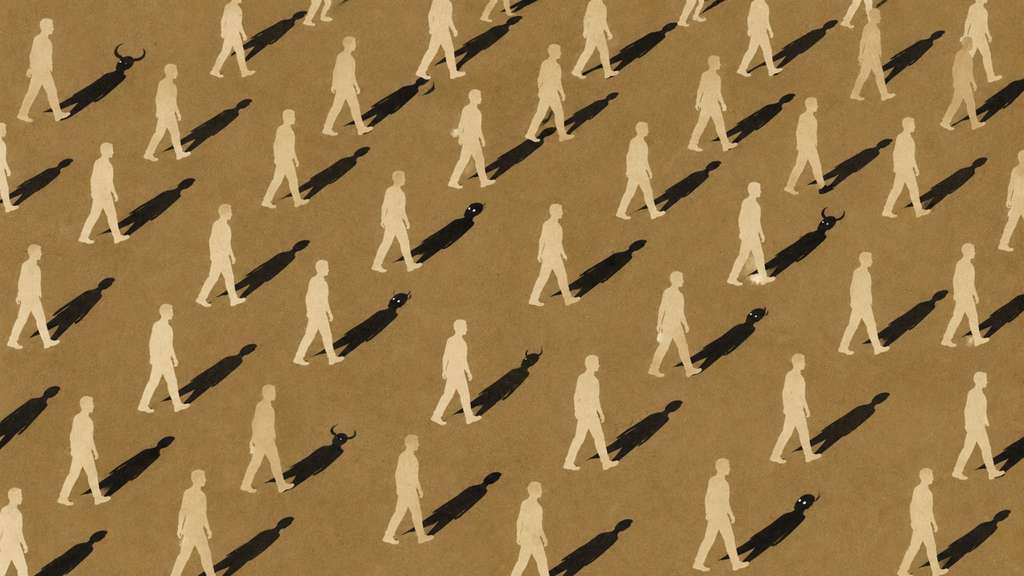
Here’s the part of the story that makes it hold up more than a hundred years later: this isn’t really a story about a uniquely bad man. It’s a story about the gap that exists in most people, between the self shown to others and the self that exists in private.
Almost everyone has thoughts they’d never say out loud. Impulses they notice and immediately suppress. A version of themselves that only appears in the smallest, most unguarded moments, usually followed by a flash of something like shame. Most people never act on that version of themselves. But the fact that it exists at all, quietly, underneath the person everyone else sees, is the entire premise of this book.
Stevenson isn’t asking readers to be afraid of Hyde specifically. He’s asking them to notice that they already understand him, because they’ve met a smaller, quieter version of him in themselves.
What the Book Actually Warns Against
It’s tempting to read this story as a warning against giving in to your darker impulses. But that’s only half of it. The more unsettling reading is that Jekyll’s real mistake wasn’t creating Hyde. It was spending his entire life pretending Hyde didn’t exist in the first place.
The shadow doesn’t ask to be indulged. It asks to be acknowledged. Jekyll never gave himself that option, not once, until the only way left for that part of him to exist was to fully take over.
That’s the question worth sitting with after finishing the book: not “could I become a monster,” but “what have I refused to look at in myself, and what happens if I keep refusing.”
Watch our full video essay on Dr. Jekyll and Mr. Hyde, where we walk through Jekyll’s unraveling scene by scene and explore what Stevenson was really warning us about.
