
Chris Pine isn’t afraid of a challenging read. His bookshelf is filled with ambitious novels, dense literary fiction, sprawling crime epics, and modern classics that demand patience and close attention. These aren’t books you breeze through in a weekend—they’re books that ask you to slow down, wrestle with big ideas, and embrace uncertainty.
Looking at the books recommended by Chris Pine, it’s clear he’s drawn to writers who experiment with form and refuse easy answers. From Japanese detective fiction and fragmented philosophical novels to unflinching memoirs and monumental works of history, his reading list is united by a fascination with complexity, both in storytelling and in human nature.
What makes Pine’s recommendations especially refreshing is his honesty as a reader. He’s quick to admit when a book confuses him, frustrates him, or takes time to click, proving that even seasoned readers don’t always find great literature immediately accessible.
If you’re looking for comfort reads, this probably isn’t the list for you. But if you’re ready to tackle some of the most rewarding—and demanding—books in contemporary and classic literature, Chris Pine’s bookshelf is an excellent place to start.
Flights by Olga Tokarczuk
Flights is an unconventional novel that weaves together dozens of interconnected stories, essays, travel reflections, and philosophical observations.
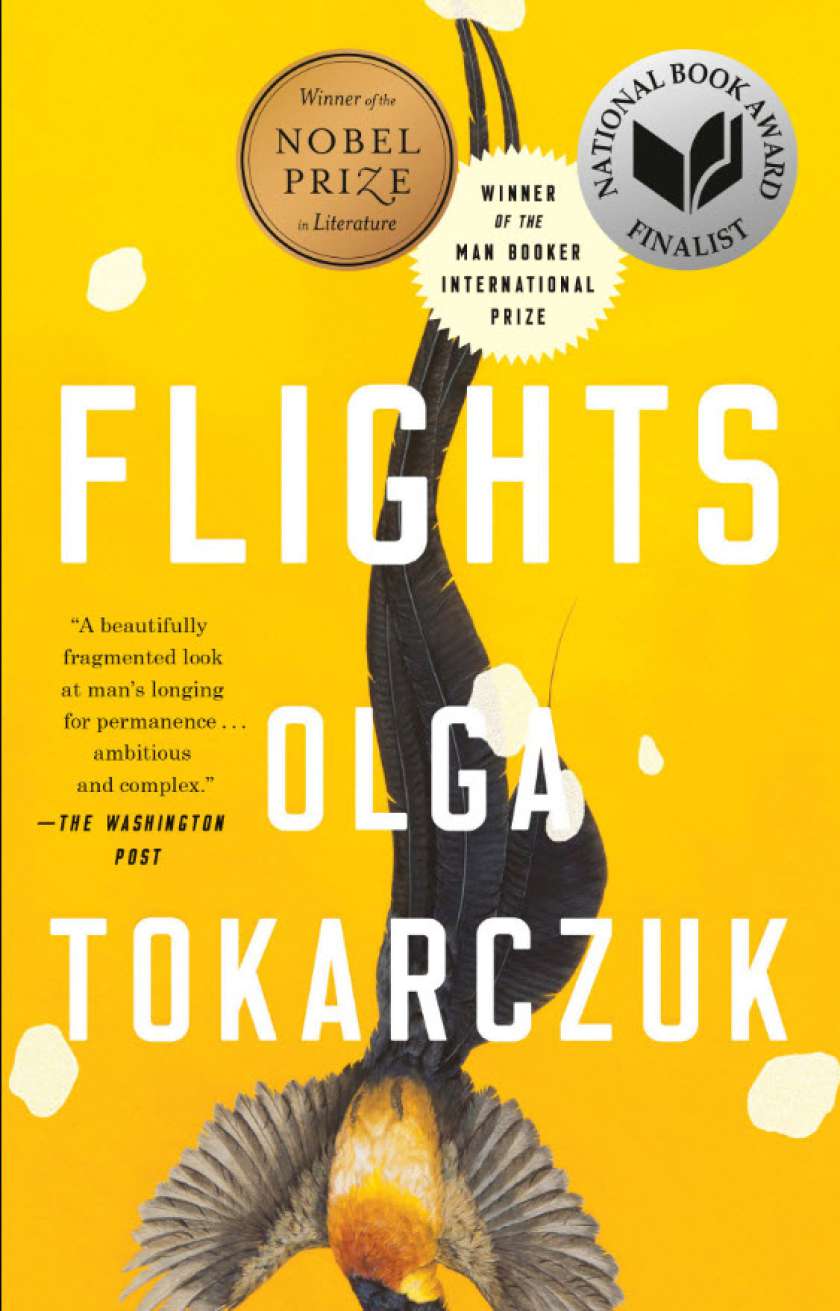
Rather than following a single protagonist or plot, Olga Tokarczuk creates a literary mosaic exploring movement, memory, anatomy, migration, and what it means to be constantly in transit. Each fragment offers a new perspective, gradually building a larger meditation on human curiosity and the ways our bodies and journeys shape our lives.
Why You Should Read It
Flights is unlike almost any novel you’ll encounter. It rewards readers who enjoy experimental fiction that prioritizes ideas and atmosphere over conventional storytelling. While its fragmented structure can be challenging, Tokarczuk’s brilliant observations and lyrical prose make the journey worthwhile. If you’re looking for a book that pushes the boundaries of what a novel can be, Flights is an unforgettable experience.
Chris Pine’s Take
“I really wish I could speak intelligently about Flights. It’s super mosaic-y, and every time you start getting invested in one of these mosaic pieces, she kind of flips the subject. I found it pretty impenetrable until the end. It did land for me in the last bit.”
Chris’s recommendation is refreshing because it doesn’t pretend this is an easy masterpiece. Instead, he admits that Flights challenged him for much of the reading experience before everything finally came together. It’s a reminder that some of the most rewarding books don’t reveal themselves immediately—and that sometimes perseverance is part of the experience the author intends.
Get Book: Flights!Lady Joker by Kaoru Takamura
Lady Joker is an epic Japanese crime novel inspired by a real-life corporate extortion case.
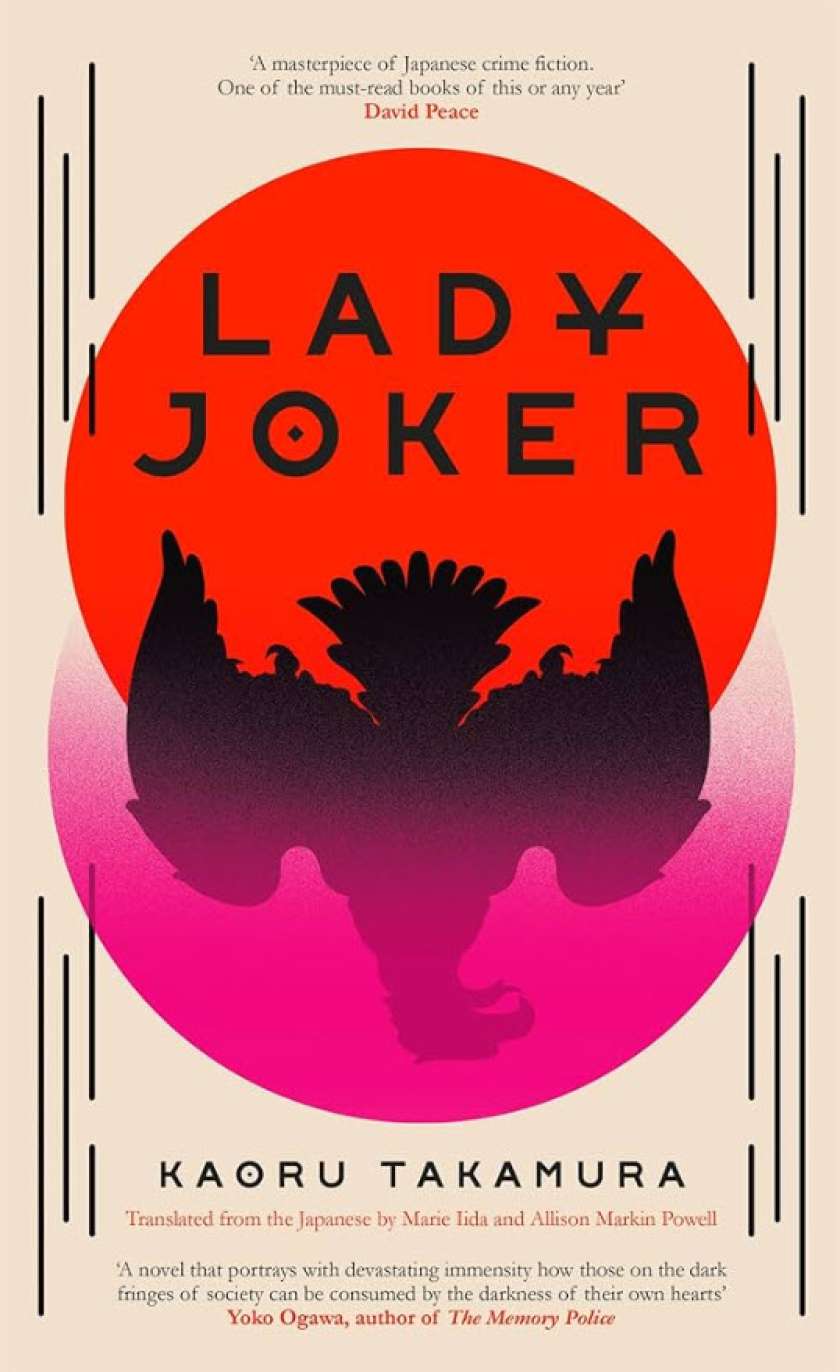
The story follows a mysterious group that kidnaps a brewery executive and attempts to blackmail one of Japan’s largest companies, unfolding into a sprawling examination of corporate corruption, media influence, class, and justice. Rich in detail and psychological insight, it’s as much a portrait of modern Japanese society as it is a detective story.
Why You Should Read It
If you enjoy crime fiction that goes far beyond solving a mystery, Lady Joker is a remarkable read. Takamura combines meticulous investigative detail with complex characters and sharp social commentary, creating a novel that rewards patient readers. It’s an ambitious literary thriller that explores how power, money, and morality collide in unexpected ways.
Chris Pine’s Take
“She’s like the grande dame of Japanese detective fiction.”
Chris’s succinct praise speaks volumes. By comparing Kaoru Takamura to the leading figures of the genre, he highlights her stature as one of Japan’s most respected crime writers. His recommendation suggests that Lady Joker isn’t simply another detective novel—it’s the work of a master storyteller whose influence extends well beyond the conventions of crime fiction.
Get Book: Lady Joker!
The Copenhagen Trilogy by Tove Ditlevsen
The Copenhagen Trilogy is Tove Ditlevsen’s acclaimed memoir, comprising three interconnected volumes—Childhood, Youth, and Dependency.
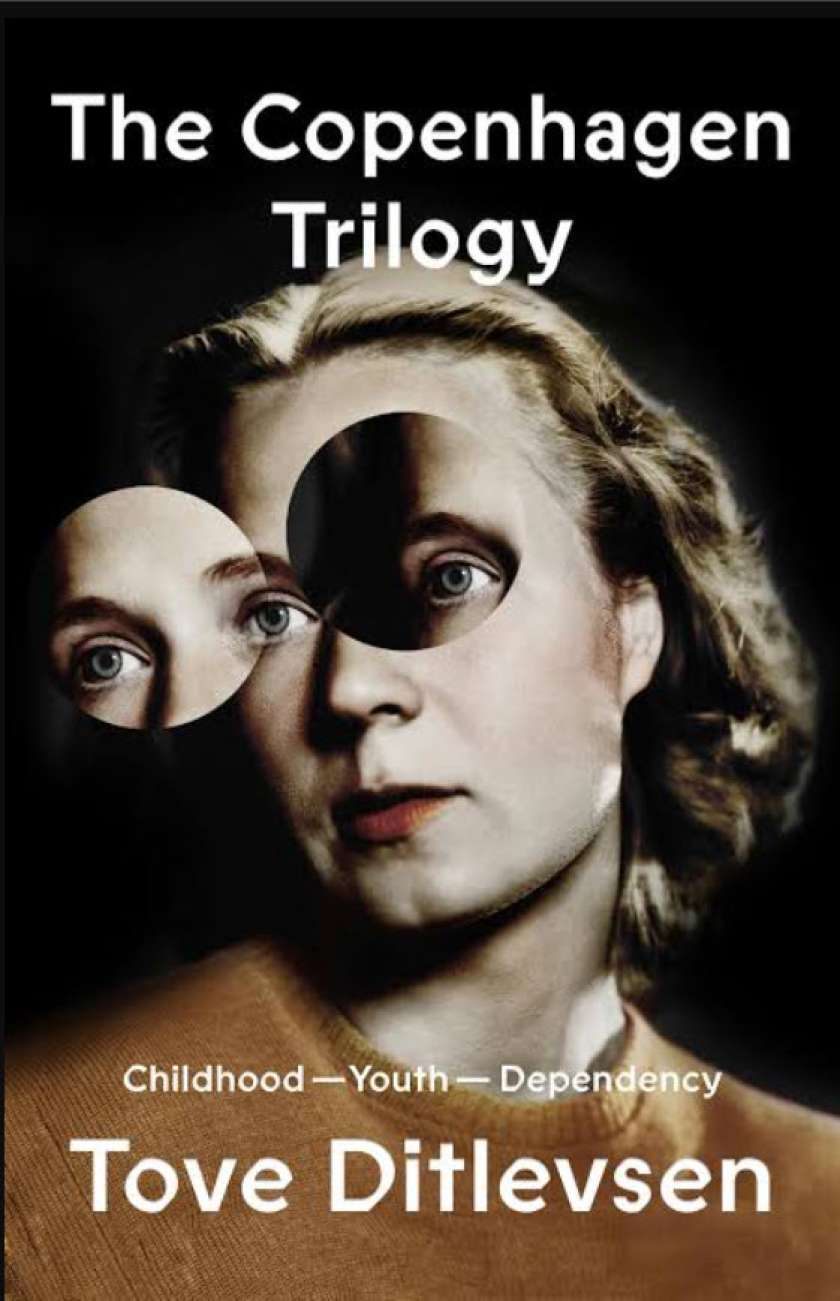
With striking honesty, Ditlevsen recounts her journey from a working-class upbringing in Copenhagen to literary success, while confronting addiction, troubled relationships, mental illness, and the relentless pursuit of artistic identity. It’s an intimate portrait of a life marked by extraordinary talent and profound personal struggle.
Why You Should Read It
This is one of the most celebrated memoirs of the twentieth century, admired for its elegant prose and emotional candor. Ditlevsen refuses to romanticize either suffering or success, instead presenting a life in all its contradictions. Readers who appreciate deeply personal, psychologically rich writing will find this trilogy both devastating and unforgettable.
Chris Pine’s Take
“It’s really an interesting story, until it just doesn’t end up anywhere you want it to end up. After spending some time with this protagonist, you’re like, ‘Please succeed, please succeed,’ and then—no. It didn’t get me as angry as A Little Life, which left me apoplectic in my anger—it’s just so unrelentingly dark. Copenhagen—at least it’s shorter.”
Chris captures exactly what makes The Copenhagen Trilogy so emotionally powerful. As readers, we instinctively root for Ditlevsen, hoping each new chapter will finally bring her peace. Instead, the memoir offers an unflinching account of a life repeatedly derailed by addiction and heartbreak. His reaction is a testament to Ditlevsen’s remarkable ability to make readers deeply invested in her story, even when it refuses to deliver the ending they desperately want.
Get Book: The Copenhagen Trilogy!Master of Souls by Irène Némirovsky
Master of Souls follows Dario Asfar, a brilliant but morally compromised doctor whose relentless pursuit of wealth and social status slowly consumes both his personal and professional life.
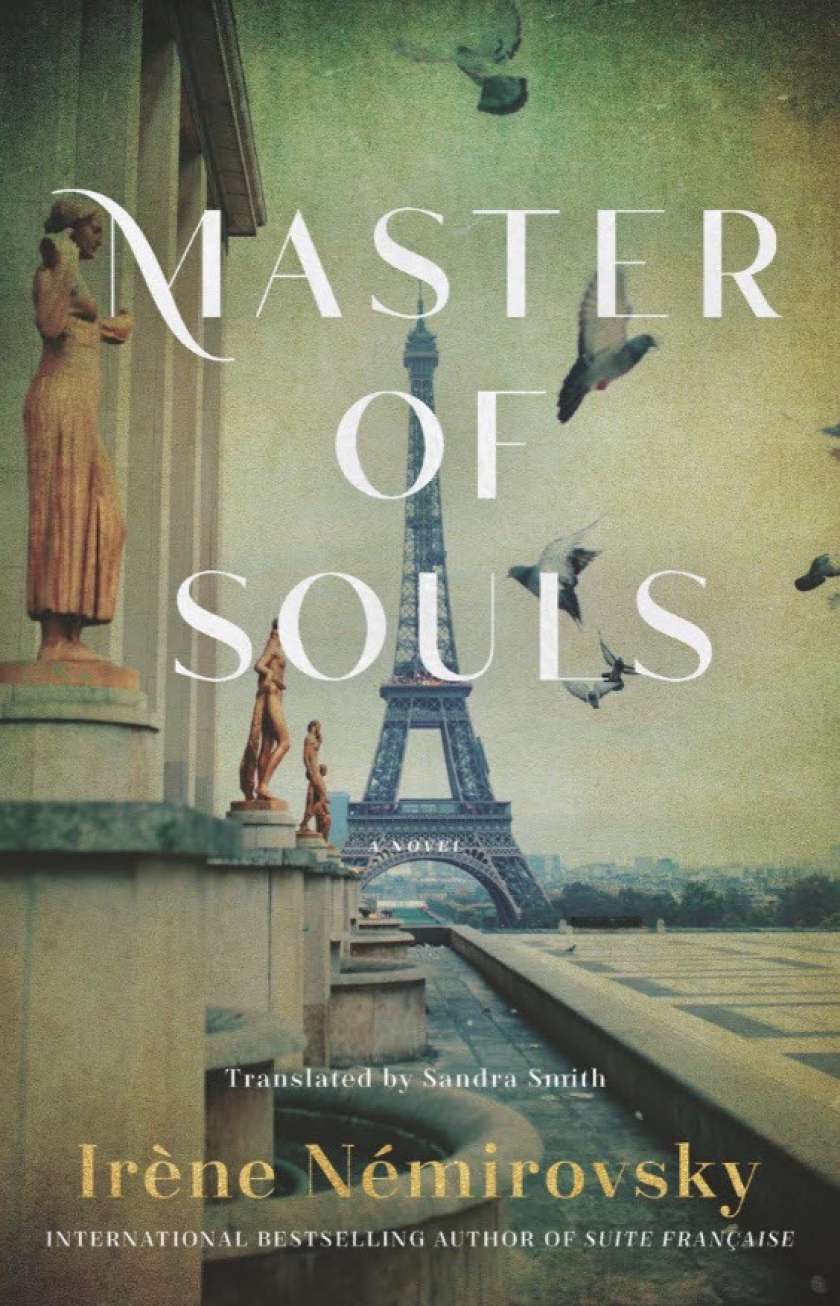
Set in pre-World War II France, Irène Némirovsky crafts a compelling psychological novel that examines greed, ambition, class, and the price of sacrificing integrity in the pursuit of success.
Why You Should Read It
Though relatively short, Master of Souls packs remarkable psychological depth. Némirovsky’s sharp observations about human desire and social ambition feel just as relevant today as they did nearly a century ago. If you enjoy literary fiction that explores the moral consequences of success and the complexities of human nature, this overlooked novel is well worth discovering.
Chris Pine’s Take
“I think she was a Polish émigré to France, pre-World War II, and then got swept up in the camps and died. She wrote Suite Française, these novels that were rediscovered after her death. Master of Souls is a great parable about greed, the need for more, ambition. It’s beautiful and short and quite good.”
Chris’s recommendation highlights both the remarkable story behind Irène Némirovsky and the timeless themes of Master of Souls. While he acknowledges her tragic life and posthumous rediscovery, it’s the novel’s exploration of ambition and insatiable desire that clearly resonates with him. His description captures why this lesser-known work deserves more attention: it’s concise, beautifully written, and offers profound insight into the human pursuit of success.
Get Book: Master of Souls!Berlin Noir by Philip Kerr
Berlin Noir is the acclaimed trilogy that introduces Bernie Gunther, a private detective working in Nazi Germany during the years leading up to and throughout the Second World War.
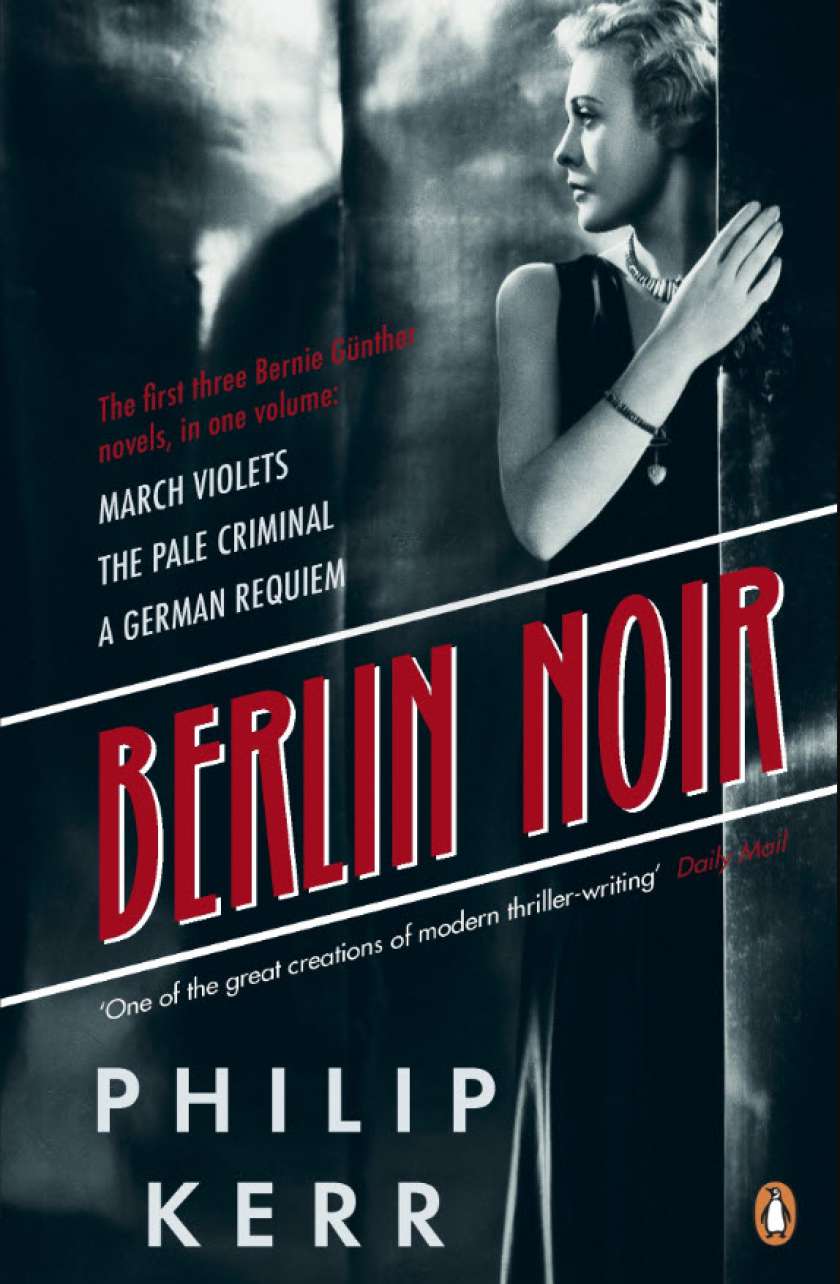
Blending hard-boiled detective fiction with meticulously researched historical detail, Philip Kerr explores murder, corruption, political oppression, and the impossible moral choices faced by ordinary people living under a totalitarian regime.
Why You Should Read It
If you enjoy crime fiction with historical depth, Berlin Noir is one of the finest examples of the genre. Kerr crafts compelling mysteries while painting a vivid portrait of life in Nazi Germany, showing how politics, fear, and survival shape every decision. It’s an intelligent thriller that raises difficult ethical questions without ever losing the pace and intrigue of a classic detective novel.
Chris Pine’s Take
“Berlin Noir I read a little while ago, but I fucking love it. Bernie Gunther—he’s a detective in Nazi Germany. It’s interesting to get a sense of what it’s’s like to be a normal person inside a fascist thing.”
Chris’s enthusiasm is unmistakable, but it’s what fascinates him about the novel that makes his recommendation so compelling. Rather than focusing on the mystery itself, he’s drawn to the book’s exploration of ordinary life under an authoritarian regime. Through Bernie Gunther’s eyes, Berlin Noir becomes more than a detective story—it’s a thoughtful examination of morality, survival, and what it means to retain your humanity when surrounded by systemic evil.
Get Book: Berlin Noir!In Cold Blood by Truman Capote
In Cold Blood is Truman Capote’s groundbreaking nonfiction novel recounting the brutal 1959 murders of the Clutter family in rural Kansas.
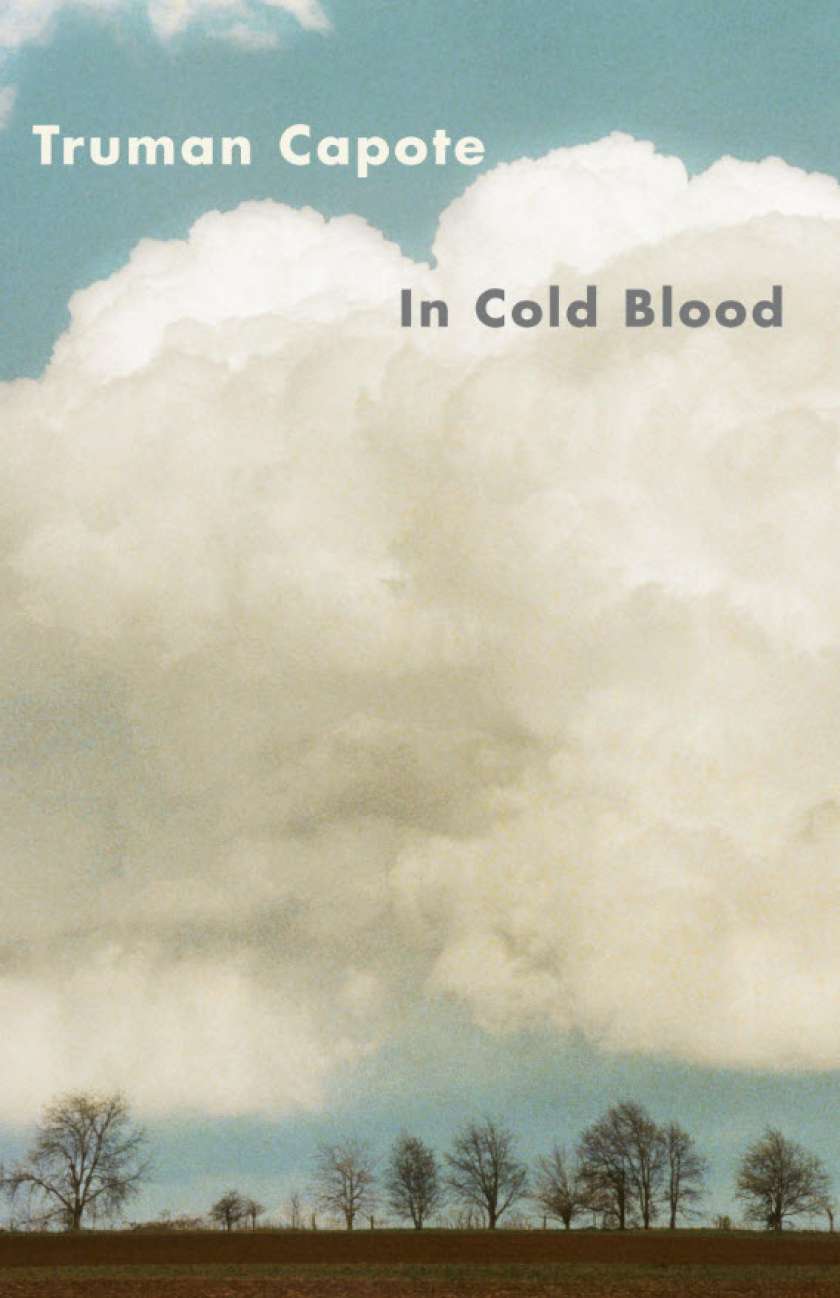
Drawing on years of investigative reporting, Capote reconstructs the crime, its aftermath, and the lives of the two killers with extraordinary detail, creating a work that forever changed the landscape of true crime writing.
Why You Should Read It
Often credited with pioneering the nonfiction novel, In Cold Blood combines the meticulous reporting of journalism with the narrative power of literary fiction. More than a crime story, it’s a profound examination of violence, justice, and the circumstances that shape human behavior. It’s essential reading for anyone interested in true crime, literary journalism, or psychological character studies.
Chris Pine’s Take
“A fucking masterpiece, in the same vein—it humanizes these awful people in a way that’s difficult for your brain, your moral brain, to deal with. So that was great.”
Chris’s reaction gets to the heart of what has made In Cold Blood so influential for decades. Rather than presenting its killers as one-dimensional monsters, Capote forces readers to confront their humanity without excusing their crimes. It’s an emotionally and morally uncomfortable experience—one that challenges our instinct to divide the world neatly into heroes and villains. For Chris, that’s exactly what elevates the book from great true crime to literary masterpiece.
Get Book: In Cold Blood!The Executioner’s Song by Norman Mailer
The Executioner’s Song is Norman Mailer’s Pulitzer Prize-winning nonfiction novel about Gary Gilmore, the convicted murderer whose execution in 1977 became the first carried out in the United States after the reinstatement of the death penalty.
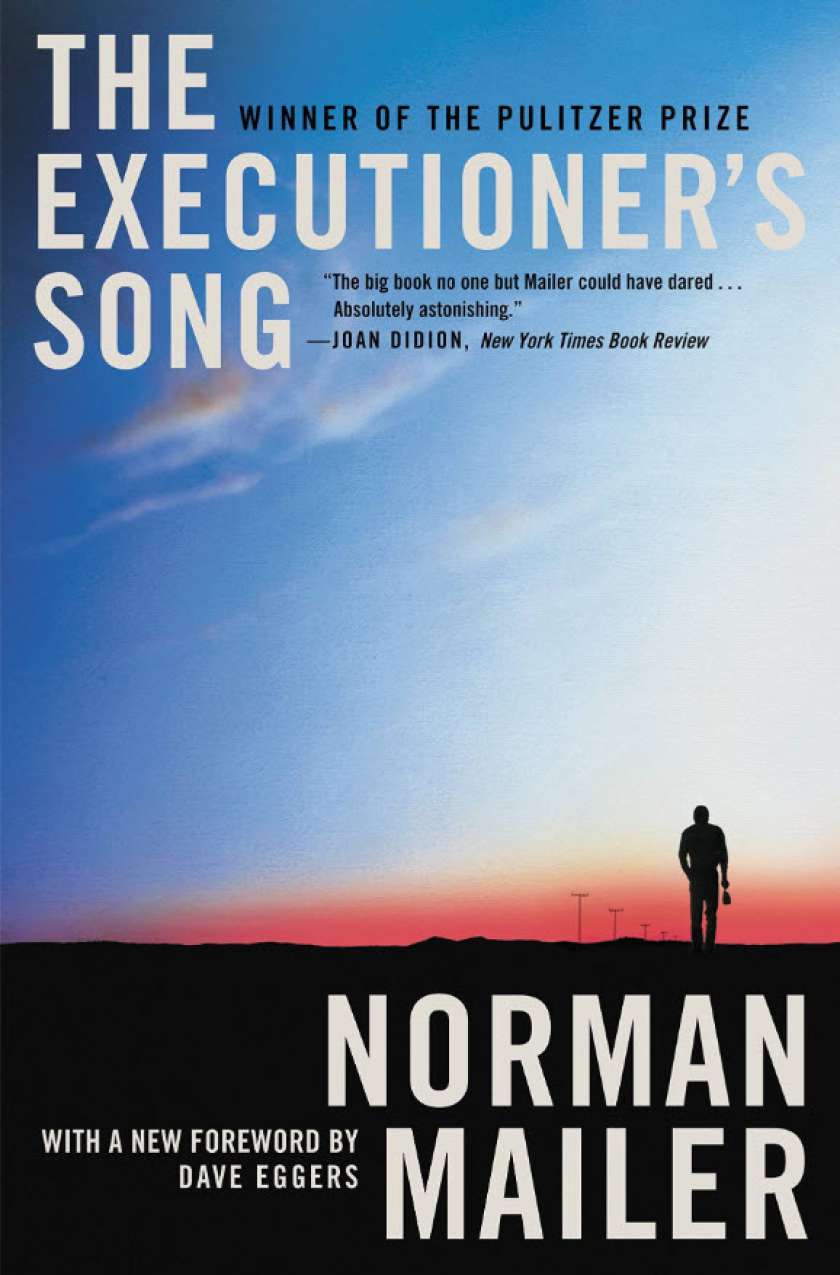
Through meticulous reporting and richly drawn characters, Mailer explores not only Gilmore’s life and crimes but also the families, journalists, lawyers, and communities caught in the orbit of his actions.
Why You Should Read It
This is far more than a true crime book. The Executioner’s Song is an expansive study of crime, punishment, fame, morality, and the complexities of human nature. Mailer refuses to offer simple judgments, instead creating a nuanced portrait that asks readers to wrestle with difficult questions about justice, empathy, and redemption. It’s a demanding but deeply rewarding literary achievement.
Chris Pine’s Take
“It’s so tremendous in its depth, and the layers of these people’s lives that it peels back. Mailer can’t help but fall in love a bit with the protagonist, who’s a killer. He finds the strange brilliance and charisma and perhaps sociopathy of his primary character… he becomes both tragic and awful and worthy of compassion and empathy, like any normal human being. So, it’s really complicated. Brings up a lot as you read it.”
Chris is drawn to the book’s refusal to simplify its central figure. Rather than reducing Gary Gilmore to either villain or victim, Mailer presents him as a deeply contradictory human being—charismatic yet destructive, sympathetic yet horrifying. That’s what Chris finds so compelling: The Executioner’s Song doesn’t tell readers what to think. Instead, it forces them to grapple with uncomfortable moral questions that linger long after the final page.
Get Book: The Executioner’s Song!The Naked and the Dead by Norman Mailer
The Naked and the Dead is Norman Mailer’s landmark debut novel, following an American platoon fighting in the Pacific during World War II.
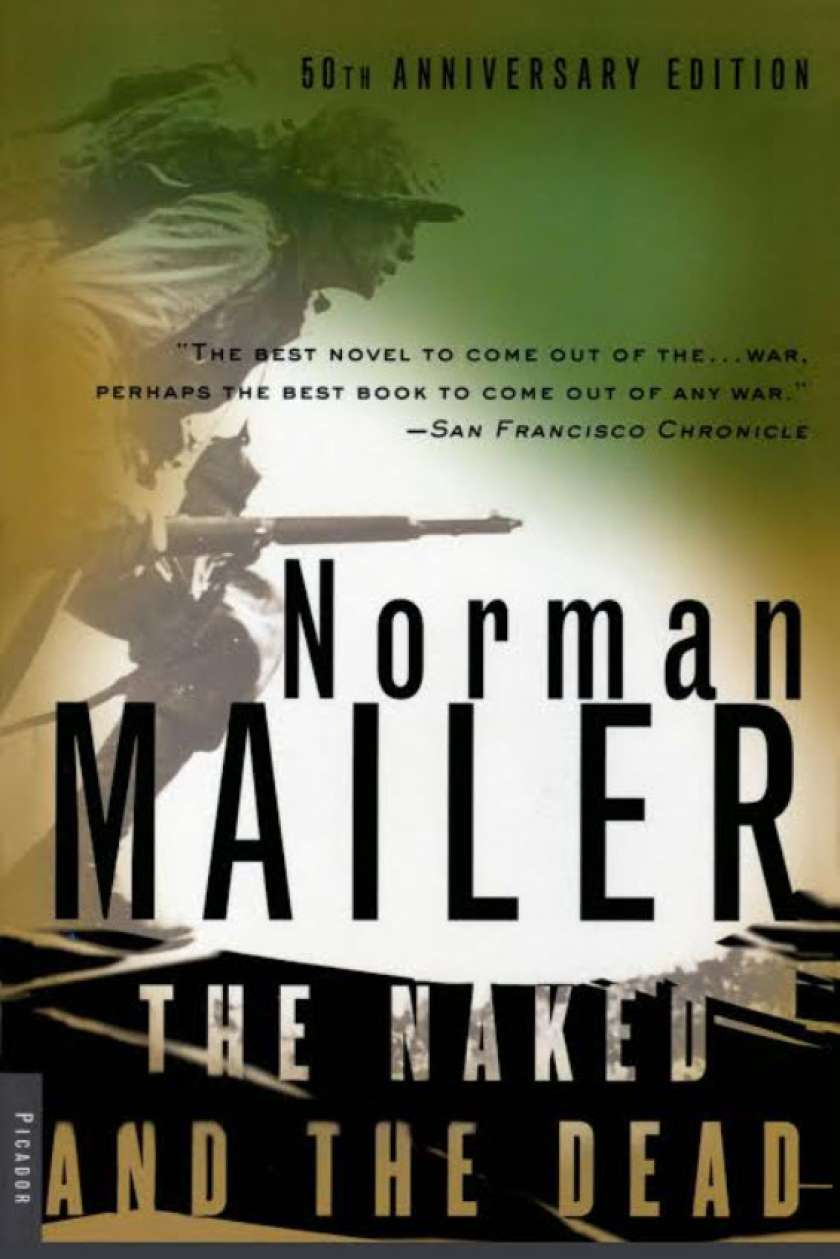
Through multiple perspectives, Mailer examines fear, ambition, power, and survival, exposing the psychological toll of war on ordinary soldiers and the hierarchies that govern military life. Rather than celebrating heroism, the novel presents war as a deeply dehumanizing experience.
Why You Should Read It
Widely regarded as one of the greatest American war novels, The Naked and the Dead combines gripping battlefield scenes with profound psychological insight. Mailer explores not only combat itself but also the personalities, motivations, and moral compromises of the men caught within it. Readers interested in literary fiction, military history, or character-driven novels will find it both intellectually challenging and emotionally powerful.
Chris Pine’s Take
“I just went through a huge Norman Mailer phase. I read The Naked and the Dead, which he wrote when he was fucking twenty-five. His insight into the human mind and the psyche, and insight into a soldier, is profound… A complete existentialist takedown of war, the stupidity of war, sending men off to die for nothing. Fascinating.”
Chris is clearly in awe of what Mailer accomplished at such a young age. While he acknowledges the author’s occasional tendency to “flex his muscles,” what impresses him most is the novel’s extraordinary psychological depth and its uncompromising critique of war. Rather than glorifying combat, The Naked and the Dead examines the emotional and moral costs of conflict, making it as much a study of human nature as it is a war novel.
Get Book: The Naked and the Dead!Underworld by Don DeLillo
Underworld is Don DeLillo’s sweeping postmodern epic that traces decades of American history through interconnected lives, beginning with the legendary 1951 baseball game between the New York Giants and the Brooklyn Dodgers.
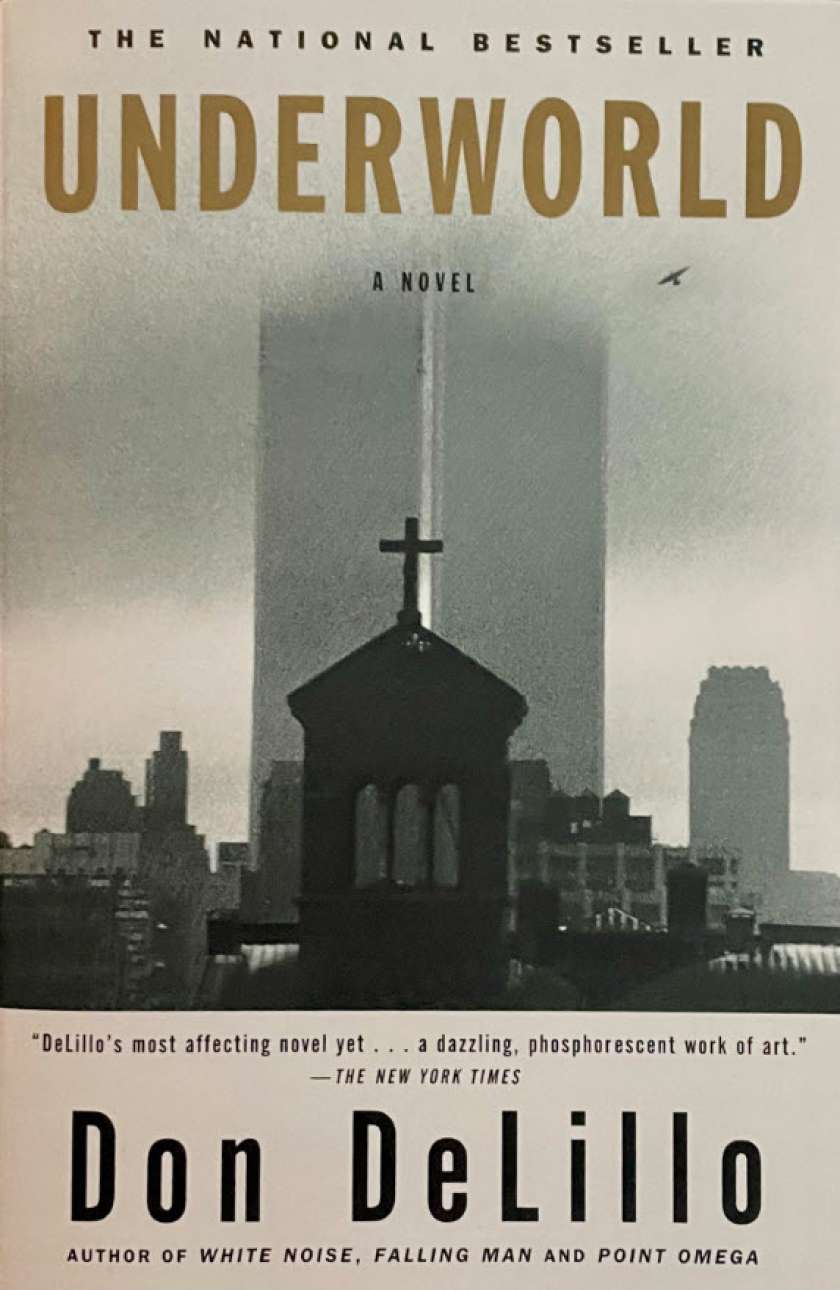
Moving across the Cold War, nuclear anxiety, consumer culture, politics, and waste, the novel explores how seemingly unrelated moments and people become woven into the larger story of modern America.
Why You Should Read It
Regarded as one of the great American novels of the late twentieth century, Underworld is ambitious in both scope and style. DeLillo blends historical events with intimate character studies, creating a richly layered meditation on memory, identity, and the forces that shape a nation. It’s a demanding read, but one that rewards readers with extraordinary prose and unforgettable moments.
Chris Pine’s Take
“DeLillo’s language is like a really, really dense luminescent spiderweb. It can go particular and then it can go into graphic abstraction in the course of a paragraph. The first forty pages, where they’re at the baseball game, are unbelievable. Maybe the best 40 pages I’ve ever read. Sinatra, Toots Shor, and fucking J. Edgar Hoover. It’s the weirdest trio.”
Chris’s description perfectly captures what makes DeLillo such a singular writer. He admires the way the prose constantly shifts between vivid concrete detail and sweeping philosophical reflection, creating a novel that’s as intellectually stimulating as it is beautifully written. His praise for the famous opening sequence is especially telling—many critics consider it one of the greatest openings in modern American literature, and Chris clearly agrees.
Get Book: Underworld!A Tale of Two Cities by Charles Dickens
Set against the backdrop of the French Revolution, A Tale of Two Cities follows the intertwined lives of families in London and Paris as political upheaval transforms ordinary people into heroes, victims, and revolutionaries.
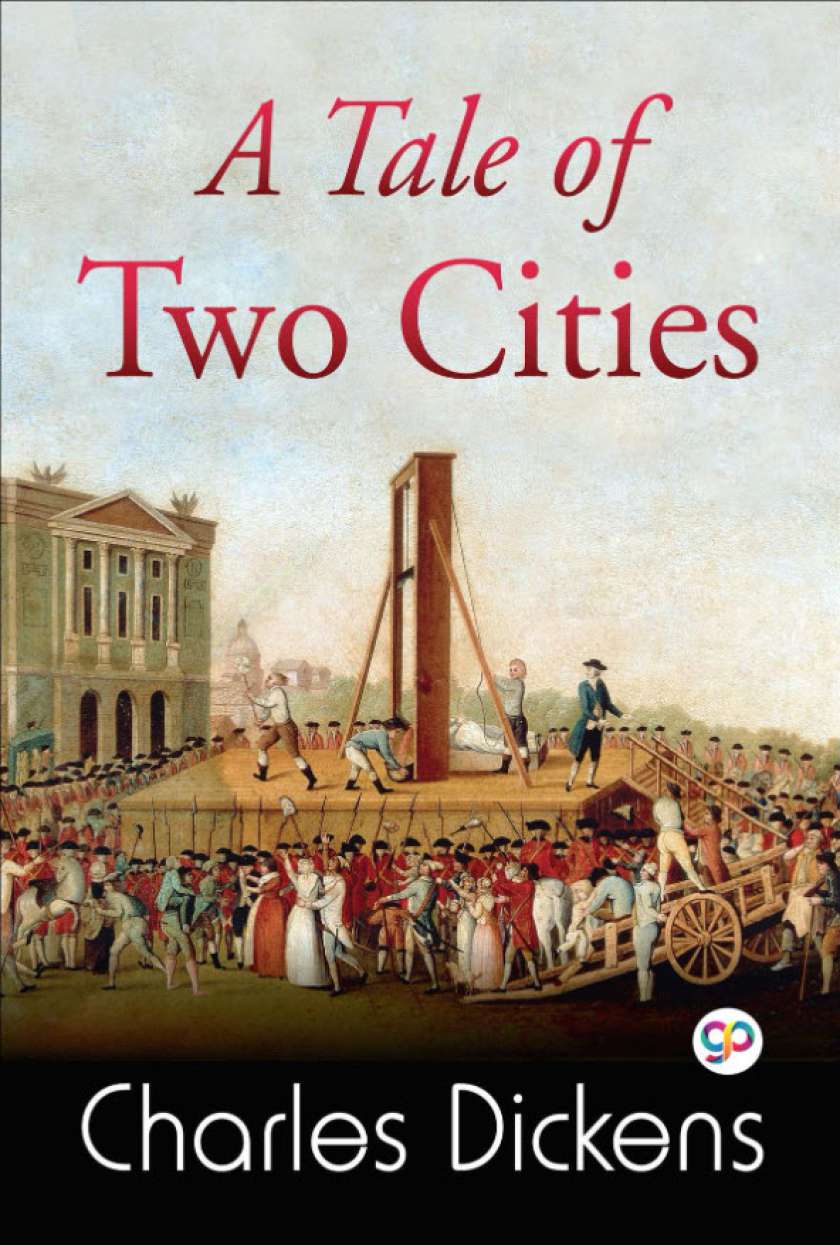
Charles Dickens explores themes of sacrifice, justice, resurrection, and the devastating consequences of inequality, culminating in one of the most memorable endings in literary history.
Why You Should Read It
While it’s often assigned in classrooms, A Tale of Two Cities is far more accessible—and entertaining—than many readers expect. Dickens balances wit, unforgettable characters, and emotional storytelling with sharp political insight, creating a novel that remains strikingly relevant. It’s both a gripping historical drama and a timeless reflection on what happens when social divisions become impossible to ignore.
Chris Pine’s Take
“I love Dickens… I thought A Tale of Two Cities was going to be some giant book—which it’s actually not. He’s the master of the run-on sentence and the parenthetical, but also, he’s so fucking funny—still. Just like Mark Twain. But also, A Tale of Two Cities is so relevant to America right now. I think we all need to read this book, because this is about how revolutions happen and how ugly they are. What happens when the middle class dies.”
Chris appreciates Dickens not just as a literary giant but as a writer whose observations still resonate today. He dispels the myth that A Tale of Two Cities is an intimidating classic, praising its humor alongside its powerful political themes. What stands out most is his belief that the novel remains urgently relevant, offering a sobering look at the social inequality and unrest that can push a society toward revolution.
Read Book: A Tale of Two Cities!Closing Reflection
Taken together, the books on Chris Pine’s bookshelf reveal someone who reads for challenge rather than comfort. These aren’t novels that hand readers easy answers or tidy resolutions. Instead, they ask difficult questions about morality, power, violence, ambition, grief, history, and what it means to be human.
One thing becomes clear throughout Chris’s recommendations: he values complexity above all else. Whether he’s talking about a fragmented masterpiece like Flights, the moral ambiguity of In Cold Blood, the psychological depth of Norman Mailer’s work, or the political warnings embedded in A Tale of Two Cities, he’s drawn to books that refuse to reduce people into heroes and villains. His favorite authors embrace contradiction, trusting readers to wrestle with uncomfortable truths rather than offering simple conclusions.
Just as compelling is Chris’s honesty as a reader. He doesn’t pretend to understand every difficult novel immediately, nor does he shy away from admitting when a book frustrated, unsettled, or emotionally exhausted him. That openness makes his recommendations feel refreshingly genuine. Great literature, his reading list suggests, isn’t always enjoyable in the conventional sense—but it is transformative.
If you’re looking for books that will stretch your thinking, test your patience, and stay with you long after you’ve finished reading, Chris Pine’s 2026 book picks are an excellent place to start. They may be some of the hardest books you’ll ever pick up, but they’re also among the most rewarding.
