
Edgar Allan Poe does not ask to be understood all at once. His work moves through shadow and sound, through rooms that seem to close in on themselves, through voices that linger long after the final line. What he creates is not simply story, but atmosphere—something felt as much as read.
Often described as the father of the gothic tale, Poe is less concerned with external horror than with the inner life: obsession, guilt, decay, the quiet unraveling of the mind. His writing invites a different kind of attention—slower, more attuned to rhythm, to repetition, to what is suggested rather than explained. To read Poe is not to search for clarity, but to enter a mood and remain there, even when it unsettles.
The works below offer a way into that world—each one distinct in form, but united by a shared sense of unease that feels both distant and strangely familiar.
The Cask of Amontillado
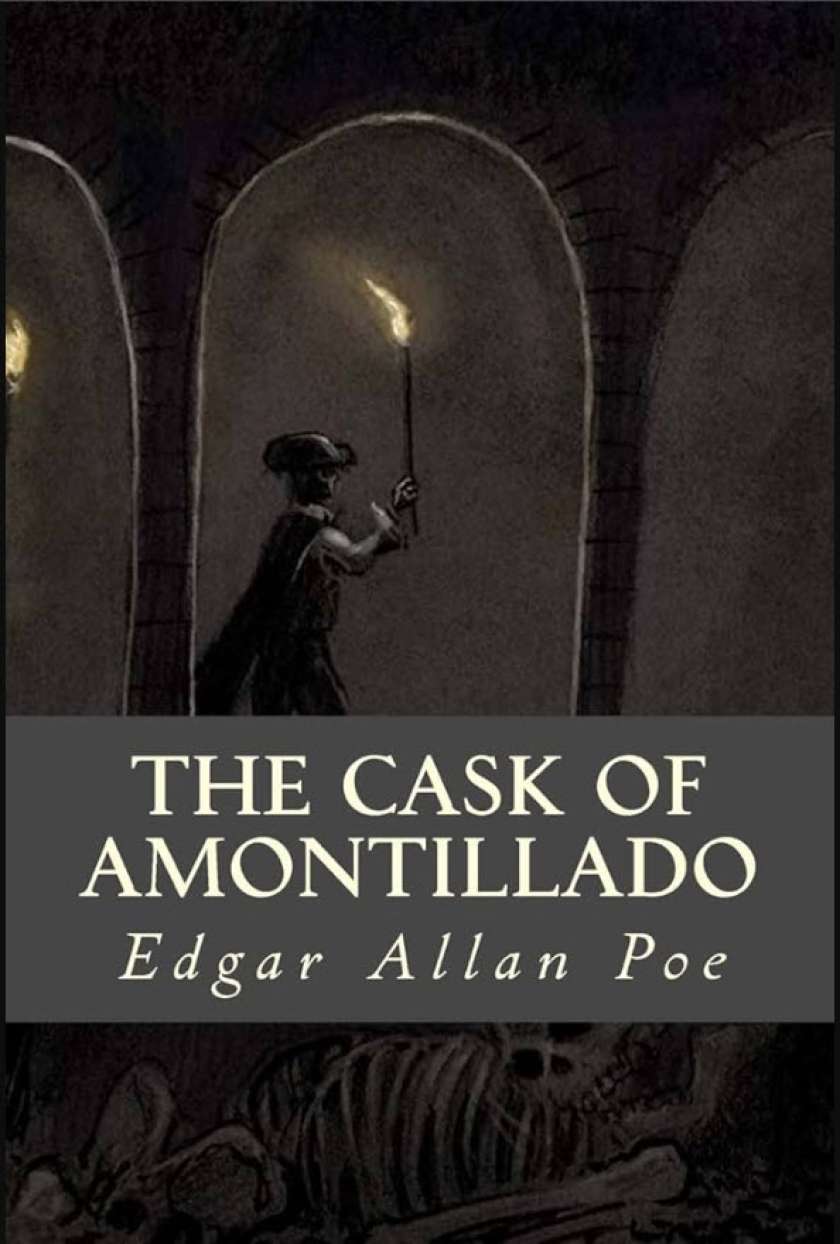
A man leads another into the depths of a wine cellar, guided by the promise of a rare vintage. What unfolds is quiet, deliberate, and disturbingly controlled—a story not of sudden violence, but of patient, calculated revenge. The narrator speaks with unsettling calm, his voice steady even as his intentions become clear.
This is often the most immediate way into Poe. The narrative is direct, the tension tightly contained, and the horror emerges not from spectacle but from certainty. There is no ambiguity in what is happening—only in how easily it is carried out. Read it slowly, paying attention to the tone rather than the outcome. The true weight of the story lies in its restraint.
Reading Commitment: Short — concise, sharp, and deeply unsettling.
Read Book: The Cask of Amontillado!The Fall of the House of Usher

A visitor arrives at a decaying mansion, summoned by a childhood friend whose mind, like the house itself, seems to be slowly collapsing. The boundaries between the physical and the psychological begin to blur, until the environment itself feels complicit in what unfolds.
Here, Poe’s atmosphere becomes inseparable from his storytelling. The house is not merely a setting—it breathes, reflects, and absorbs the condition of its inhabitants. The story moves with a kind of dream logic, where events feel inevitable long before they are understood. It rewards a slower reading, one that lingers on description and allows the unease to build gradually.
Reading Commitment: Medium — layered, atmospheric, and best read without interruption.
Read Book: The Fall of the House of Usher!The Masque of the Red Death
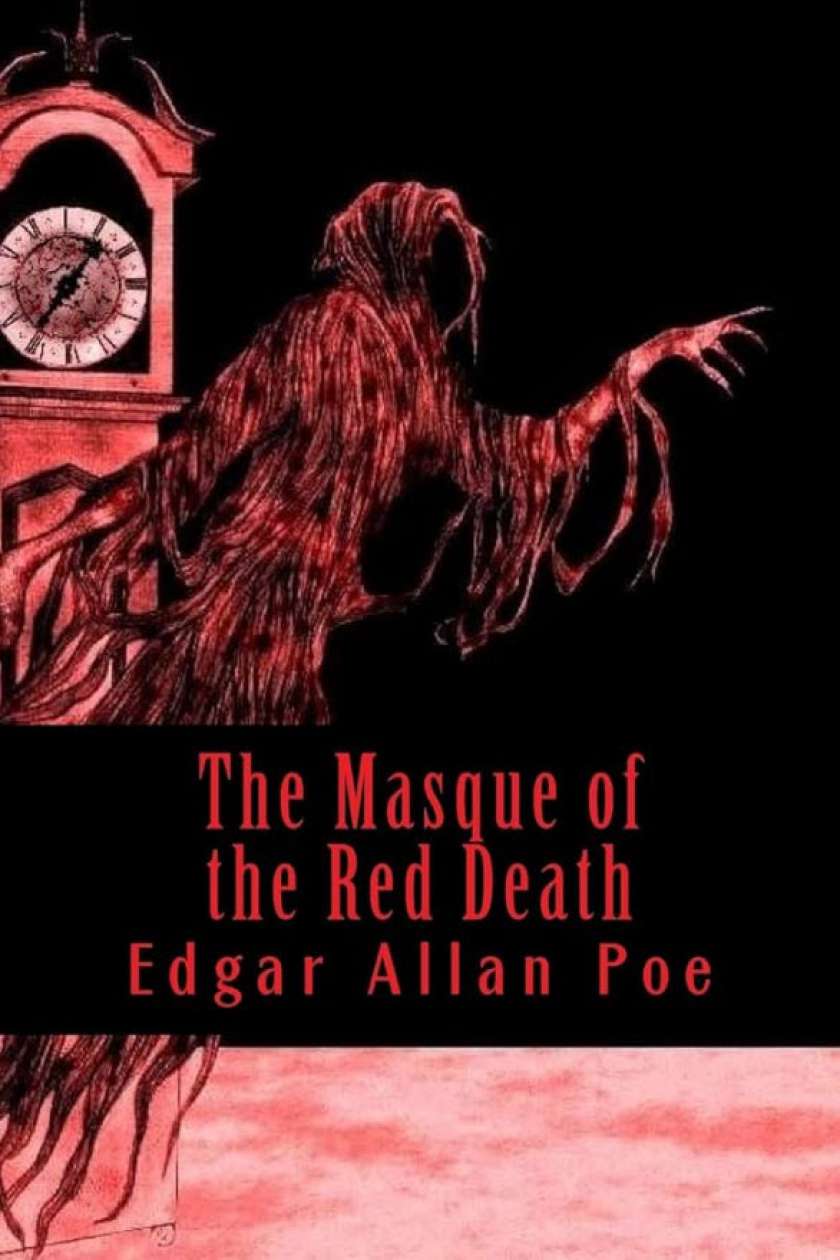
As a deadly plague ravages the land, a prince retreats into a secluded abbey, surrounding himself with wealth, music, and carefully curated distraction. Within its walls, time is marked by a series of ornate rooms—each one more striking than the last—while outside, the world continues to suffer.
This story unfolds less as narrative and more as allegory. Its imagery is precise, almost ceremonial, building toward a conclusion that feels both sudden and inevitable. Poe’s concern here is not fear in the conventional sense, but the illusion of escape—the belief that distance, status, or denial can hold back what is certain. It is best read with attention to its symbols, but without the need to resolve them.
Reading Commitment: Short — vivid, symbolic, and quietly overwhelming.
Read Book: The Masque of the Red Death!The Raven

A solitary figure, late at night, is visited by a raven whose presence begins as curiosity and becomes something far more consuming. Through repetition and sound, the poem draws the reader into a space where grief and memory circle endlessly, refusing release.
This is Poe at his most musical. The meaning of the poem unfolds through its rhythm as much as its language, making it most effective when read aloud or heard internally. The repetition is not decorative—it mirrors the mind’s inability to move beyond loss. Allow the sound to carry you; the emotional weight follows naturally.
Reading Commitment: Short — best experienced slowly, with attention to sound and cadence.
Read Book: The Raven!The Bells and Other Poems
Across this collection, Poe explores the relationship between sound and feeling. Bells ring, echo, intensify—each variation reflecting a different emotional state, from lightness to alarm to something approaching dread. The poems move less through narrative and more through sensation.
For readers, this is an invitation to approach poetry as experience rather than interpretation. The language is meant to be heard, almost physically, as it builds and recedes. It is less about what the poems “mean” and more about what they evoke over time.
Reading Commitment: Short to Medium — best read in intervals, allowing each piece to settle.
Read Book: The Bells and Other Poems!The Narrative of Arthur Gordon Pym of Nantucket
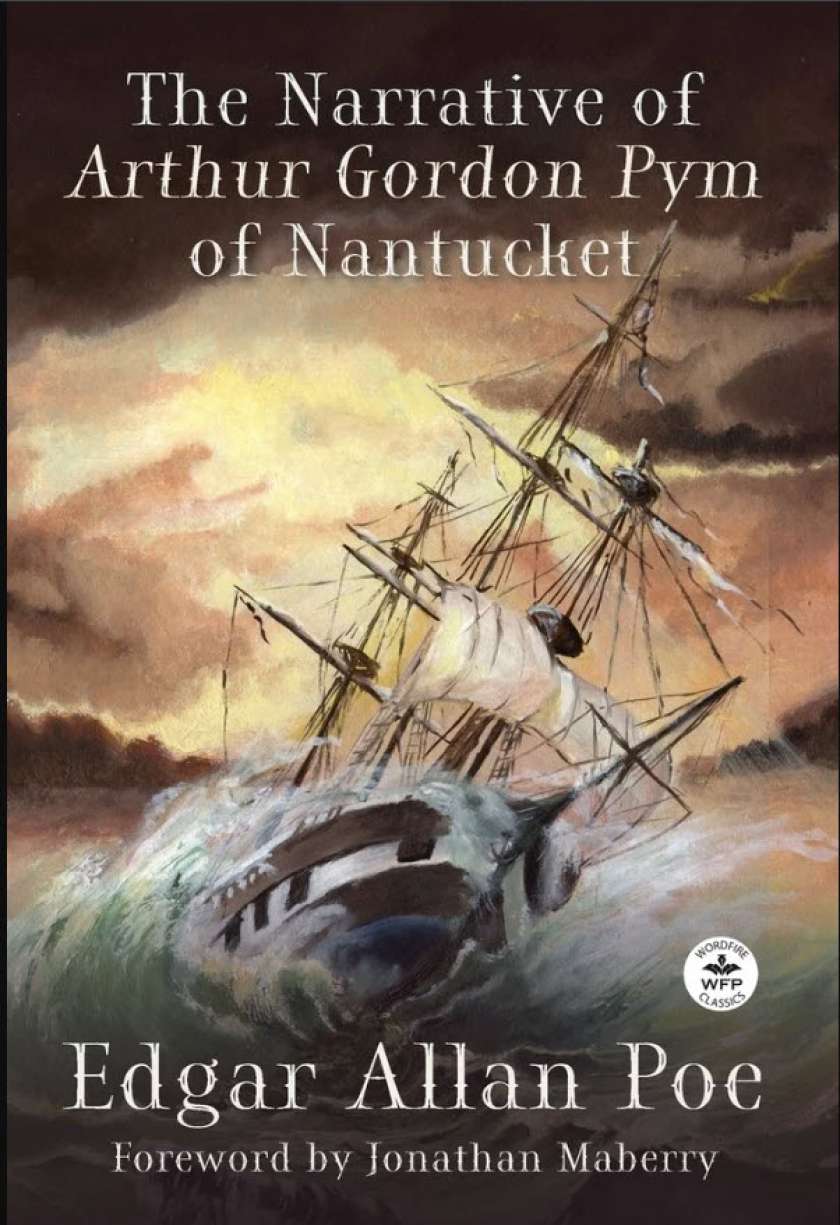
Departing from the contained intensity of his shorter works, this novel follows a young man who stows away on a ship, setting off a journey that becomes increasingly strange and disorienting. What begins as maritime adventure gradually shifts into something more surreal, moving through isolation, discovery, and encounters that resist clear explanation.
This is Poe at his most expansive—and perhaps his most unpredictable. The narrative refuses to remain within a single mode, shifting tone and expectation as it unfolds. It is best approached with openness, rather than the desire for coherence. Not everything resolves, and that is part of its effect.
Reading Commitment: Long — uneven by design, but compelling in its strangeness.
Read Book: The Narrative of Arthur Gordon Pym of Nantucket!Closing
Edgar Allan Poe’s work does not conclude so much as it lingers. His stories rarely offer resolution; instead, they leave behind impressions—an image, a sound, a feeling that resists easy dismissal. What he captures is not just fear, but the conditions that allow it to grow: isolation, fixation, the slow erosion of certainty.
There is no single way to read Poe. Some begin with the sharp clarity of his shorter tales, others with the rhythm of his poetry, still others with the strange expanse of his only novel. What remains consistent is the experience itself—a quiet descent into something that feels at once distant and deeply familiar.
And perhaps that is why his work endures. It does not ask to be solved. Only to be entered, and, at some point, returned to.
