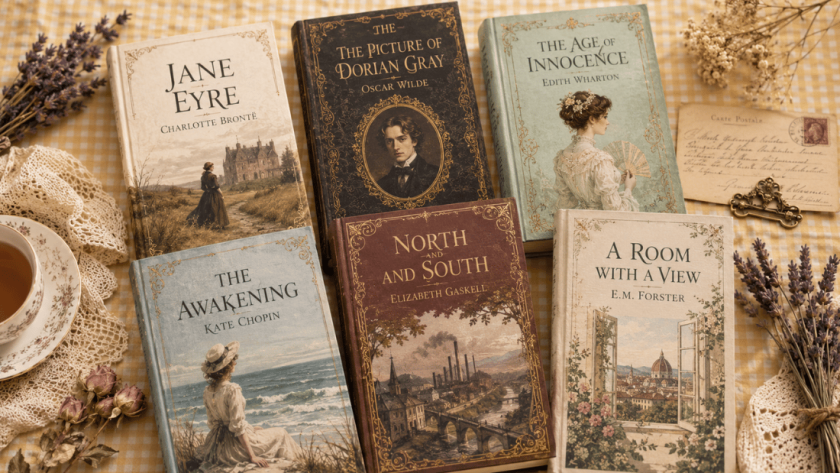
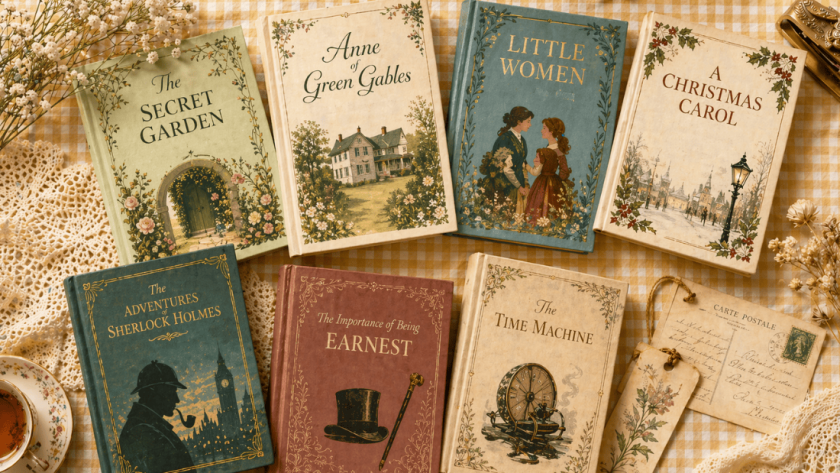
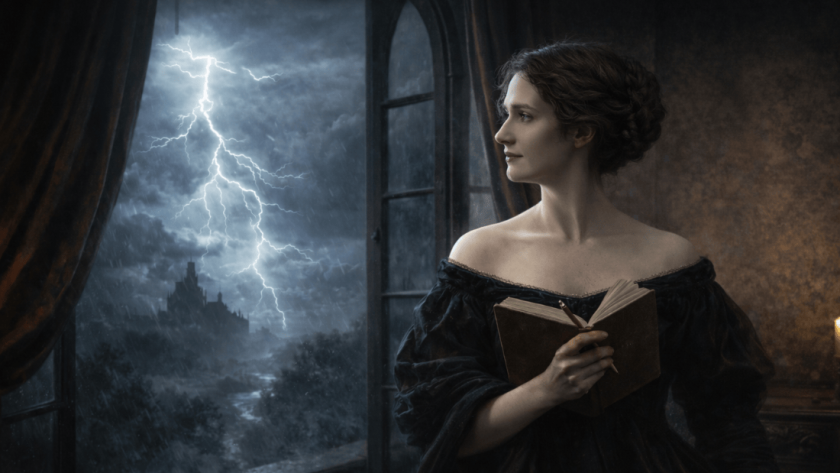
If you mostly read modern fiction, classics can sometimes feel like a different country altogether. The pacing seems slower. The language looks older on the page. The names carry the weight of school syllabi and literary reputation. It is easy to assume that classic literature will ask for patience before it offers pleasure.
But some…
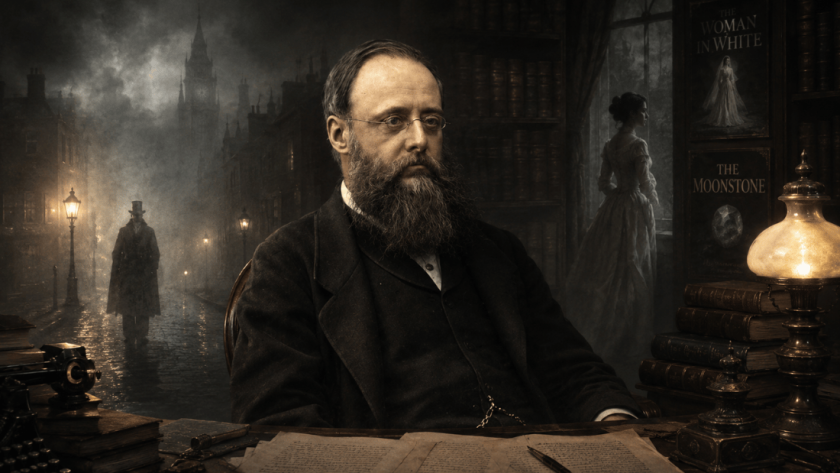
Wilkie Collins does not rely on atmosphere alone to hold a reader’s attention. His power lies in movement—stories that unfold through letters, testimonies, shifting perspectives, each voice revealing just enough to deepen the mystery without resolving it. Long before detective fiction took its modern shape, Collins was already experimenting with suspense as structure, building narratives…
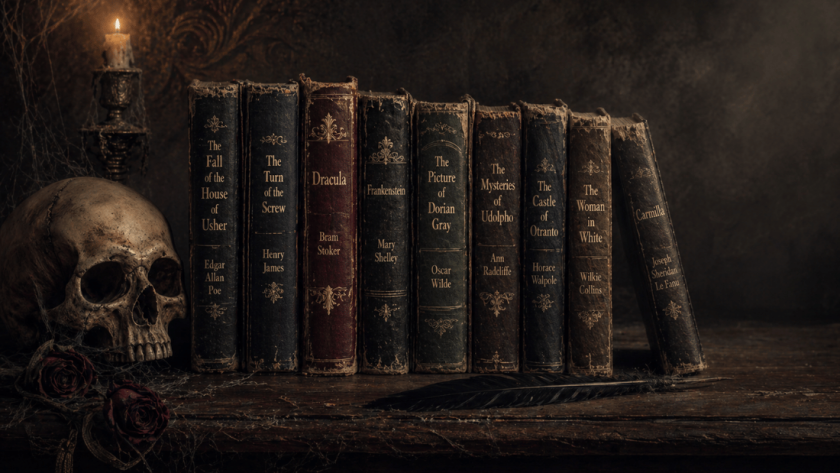
There are some weekends that seem to ask for a different kind of reading. Not something brisk and forgettable, but something atmospheric. Something full of candlelit corridors, restless minds, locked rooms, decaying houses, strange inheritances, and the feeling that something is not quite right. Gothic fiction, at its best, gives you exactly that. It lingers…
There is a certain kind of reader who wants to get into classics but keeps holding back. Sometimes it is the fear of dense prose. Sometimes it is the memory of being forced through a novel at school before you were ready for it. And sometimes it is simply the assumption that classic books belong…
Mary Shelley is often remembered through a single creation. Frankenstein has come to stand not only for her work, but for an entire genre—its image so familiar that it risks obscuring the mind behind it. Yet Shelley’s writing moves far beyond that one story, returning again and again to questions of creation, loss, responsibility, and…
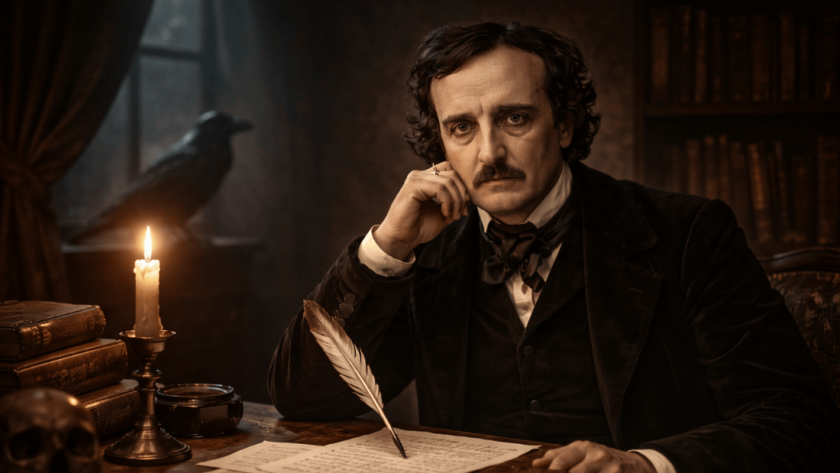
Edgar Allan Poe does not ask to be understood all at once. His work moves through shadow and sound, through rooms that seem to close in on themselves, through voices that linger long after the final line. What he creates is not simply story, but atmosphere—something felt as much as read.
Often described as the…
Oscar Wilde is often remembered in fragments. A line quoted out of context. A drawing room filled with laughter. A reputation for brilliance that seems almost too polished to question. Over time, that surface—witty, dazzling, effortlessly clever—can begin to feel like the whole.
But Wilde’s work resists that simplification. Beneath the epigrams lies a writer…
Jane Austen is often introduced through reputation before experience. Her novels are framed as manners-driven, decorous, even distant—stories one is meant to admire rather than enter. That framing misses the point. Austen wrote with a sharp eye for self-deception, social performance, and the quiet stakes of ordinary lives. Her wit is precise, her sympathy earned,…
For many readers, Louisa May Alcott arrives already defined. Her work is often remembered through a single title, filtered through childhood reading lists and well-worn cultural memory. That familiarity, paradoxically, can create distance—making her feel more like a lesson than a living voice.
Yet Alcott wrote with remarkable emotional attentiveness. Her stories are rooted in…
Few writers dared to capture the inner world like Virginia Woolf. Born in 1882into a family of intellect and privilege, she grew up surrounded by books, conversation, and creativity- but also by the shadow of loss and mental struggle. From those contrasts came one of the most original voices of the 20th century. Woolf turned…