
From the outside, Natalie Portman’s life looks like a highlight reel: Oscars, iconic roles, red carpets, the whole thing. But if you peek at her reading lists, you see something much more interesting—someone who is constantly trying to understand why people hurt each other, how systems go wrong, and where empathy fits into all that mess. Through Natalie’s Book Club, she’s been quietly curating stories that stretch from global politics to intimate family drama, from climate grief to personal reinvention.
From the outside, Natalie Portman’s life looks like a highlight reel: Oscars, iconic roles, red carpets, the whole thing. But if you peek at her reading lists, you see something much more interesting—someone who is constantly trying to understand why people hurt each other, how systems go wrong, and where empathy fits into all that mess.
Through Natalie’s Book Club, she’s been quietly curating stories that stretch from global politics to intimate family drama, from climate grief to personal reinvention.
Autocracy, Inc.: The Dictators Who Want to Run the World by Anne Applebaum
Category: Political Nonfiction, Geopolitics, Democracy & Authoritarianism
What It’s About
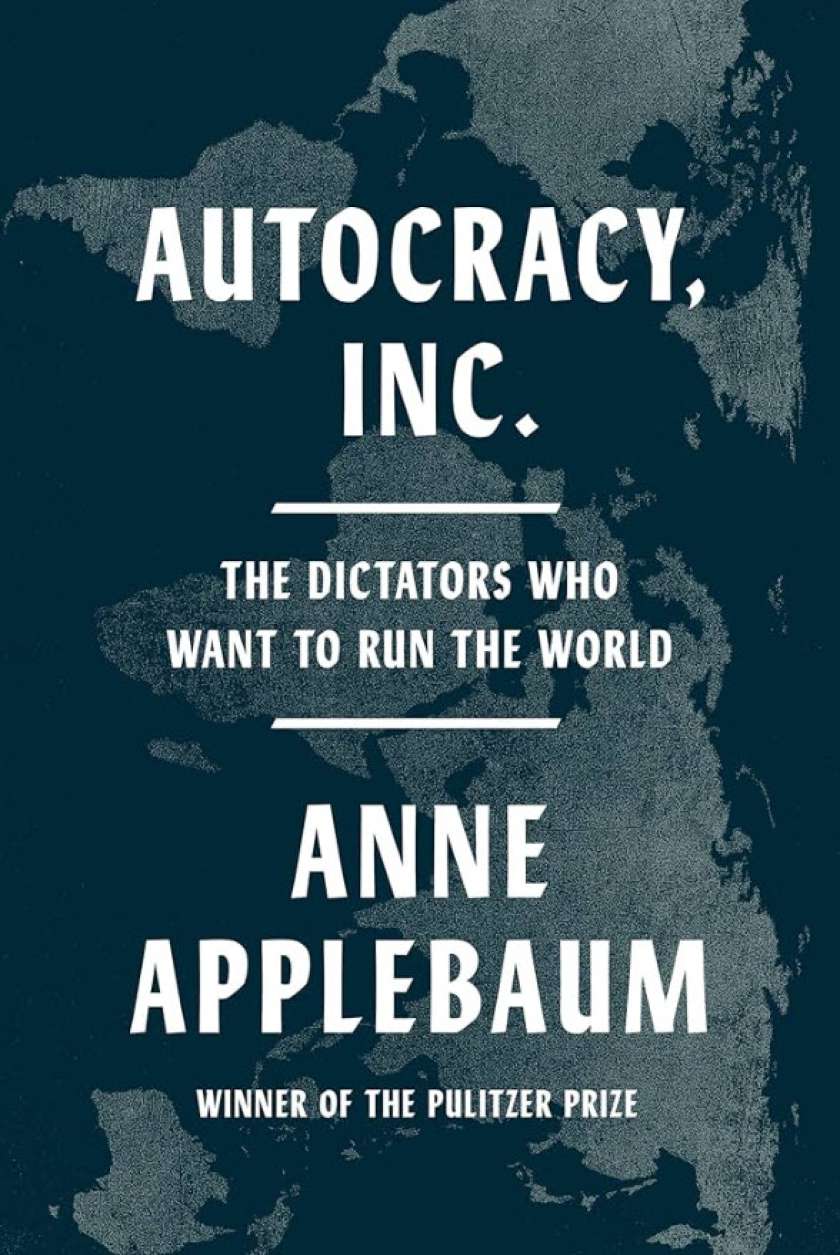
In Autocracy, Inc., Pulitzer Prize–winning historian Anne Applebaum argues that today’s dictators aren’t isolated strongmen ruling in separate corners of the world—they’re part of a network. Instead of being bound by a shared ideology, they’re united by one thing: a ruthless determination to keep power and protect their wealth.
Applebaum traces how regimes in places like Russia, China, Iran, Venezuela, and others quietly cooperate. They help each other with propaganda, surveillance tech, weapons, money laundering, and diplomatic cover. When one autocrat is under pressure, another steps in—like when a Chinese satellite picked up Russian state TV after Western platforms dropped it, keeping Kremlin narratives alive abroad. She shows how these governments use disinformation, state-controlled media, and global financial loopholes (often with help from lawyers and banks in democratic countries) to tighten their grip at home while projecting power abroad.
The book is part diagnosis, part alarm bell. Applebaum’s message is blunt: the democratic world assumed openness and globalization would turn authoritarians into democrats; instead, the autocrats learned how to weaponize the open system for themselves.
Why You Should Read It
This is one of those books that rearranges how you read the news. Instead of seeing “separate crises” — an election hacked here, an opposition leader jailed there, a shady money trail somewhere else — Autocracy, Inc. reveals the connective tissue. You start to see patterns: the same tactics, the same shell companies, the same playbook of repression and spin, just in different languages and uniforms.
It’s also surprisingly readable for such a heavy topic. Applebaum keeps the narrative brisk and grounded in specific stories: TV channels being quietly rescued by foreign satellites, autocrats trading weapons and surveillance tools, and Western institutions looking the other way because the money is good. You’ll come away with a clearer sense of how fragile democracy really is—and how much work it will take to shore it up.
If you care about human rights, journalism, foreign policy, or just want to understand the forces shaping the 21st century beyond your social feed, this is essential. It doesn’t offer easy comfort, but it does offer clarity—and that’s the first step toward doing anything about it.
Natalie’s Take
For her April 2025 pick at Natalie’s Book Club, Portman spotlighted Autocracy, Inc. and wrote:
“Thank you for writing this book, Anne Applebaum — a guide to understanding where autocracies come from, why they persist, and how the democratic world can defeat them.”
That wording is very Natalie: grateful, precise, and focused on understanding as a path to action. It fits her larger mission for the club—to choose books that deepen empathy and illuminate the systems we live inside, not just entertain us. Here, she’s pointing her readers straight at one of the biggest questions of our time: if autocrats are this organized, how serious are we about defending democracy?
Get Book: Autocracy, Inc. by Anne Applebaum!Saving Five: A Memoir of Hope by Amanda Nguyen
Category: Memoir, Trauma & Healing, Activism, Human Rights
What It’s About
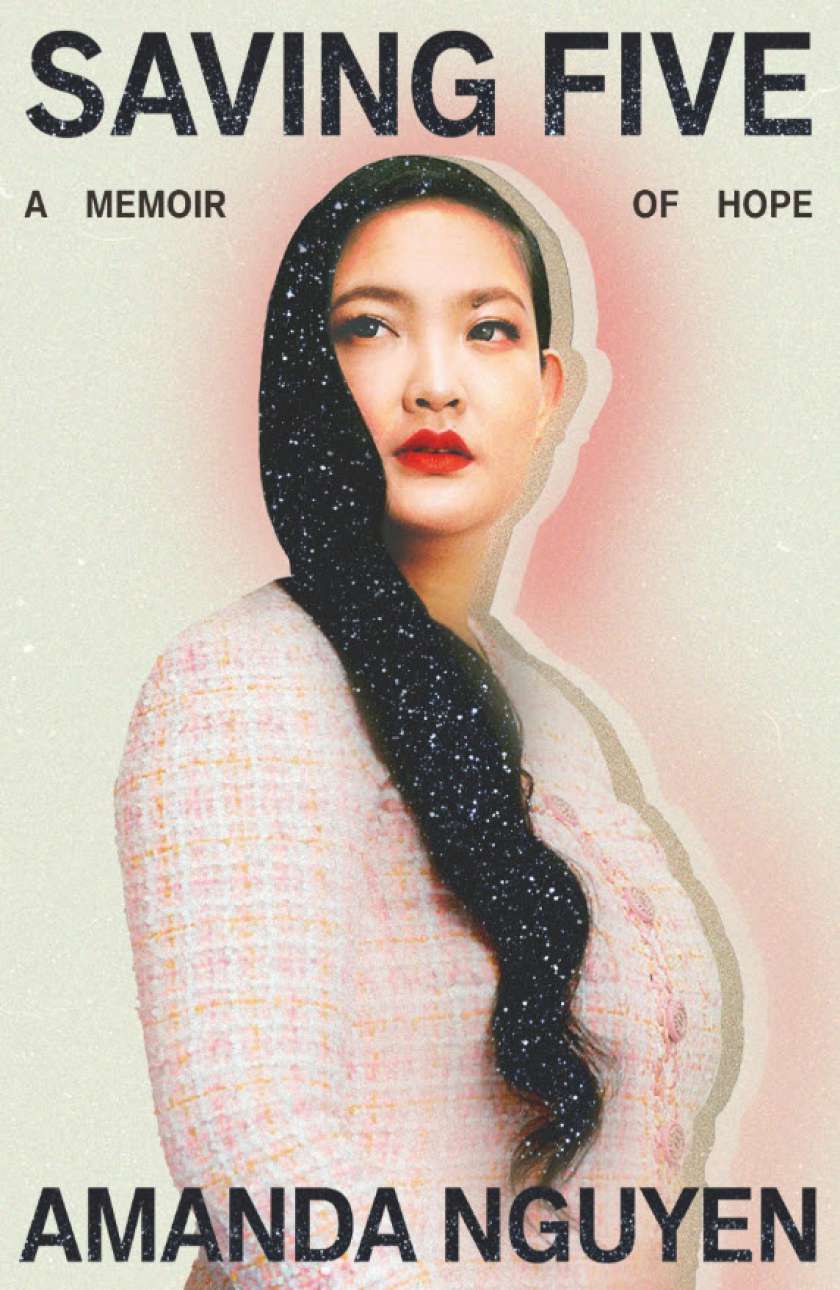
In Saving Five, Nobel Peace Prize nominee and civil rights activist Amanda Nguyen tells the story of how her life shattered—and how she rebuilt it into a movement. In 2013, while a student at Harvard and dreaming of working for NASA, Amanda was raped. When she tried to navigate the justice system, she discovered that because her rape kit was filed under “Jane Doe,” Massachusetts law allowed it to be destroyed after just six months unless she repeatedly fought to preserve it—despite a much longer statute of limitations.
Refusing to accept a system that effectively denied survivors any chance at justice, she chose not only to fight for herself but for millions of others. The memoir braids two strands: the real-world story of her activism—founding the civil-rights organization Rise, drafting the Sexual Assault Survivors’ Bill of Rights, and seeing it pass unanimously through the U.S. Congress—alongside a lyrical, imagined journey of her younger selves at ages five, fifteen, twenty-two, and thirty. Those younger versions of Amanda move through emotional landscapes of fear, rage, dissociation, and ultimately, reclamation, embodying the stages of her healing from both the rape and a childhood marked by violence and instability.
The result is a memoir that’s part legal thriller, part inner-child odyssey, and part love letter to every survivor who has ever been told to stay quiet.
Why You Should Read It
Saving Five is not “easy,” but it is essential. It shows, in granular detail, how institutions can betray survivors twice: first through the violence itself, then through bureaucratic indifference and outright cruelty. But it also shows what can happen when one person refuses to accept that as the final story.
If you’ve ever wondered what it really takes to change a law, build a movement, or keep going when your body and brain want to shut down, this book lays it bare. Nguyen doesn’t present herself as a flawless hero—she’s vulnerable about depression, rage, shame, and exhaustion—but that honesty makes her victories feel even more hard-earned and real. For survivors, it can be a validating mirror; for allies, policymakers, and anyone who cares about justice, it’s a powerful education in both the personal cost of violence and the structural work required to address it.
It’s also beautifully, imaginatively written. The “five” in the title isn’t just a number; it’s a narrative device that turns trauma into a story of fragmented selves learning to walk toward each other—and toward the future—again.
Natalie’s Take
Sharing Saving Five with her community, Natalie Portman wrote:
“Thank you for sharing your truth, your light, and for writing your story — a story of survival which ignited an entire movement and enabled sexual assault survivor rights.”
For Natalie, this isn’t just a moving personal narrative—it’s a blueprint for how one voice, telling the truth as clearly as it can, can reshape the law, shift culture, and offer a lifeline to countless others. In a 2025 list that moves from dictatorships to dysfunctional systems, Saving Five stands out as a testament to what happens when someone refuses to be only a victim, and instead becomes an architect of change.
Get Book: Saving Five by Amanda Nguyen!A Different Kind of Power: A Memoir by Jacinda Ardern
Category: Memoir, Political Leadership, Feminism, Empathy & Power
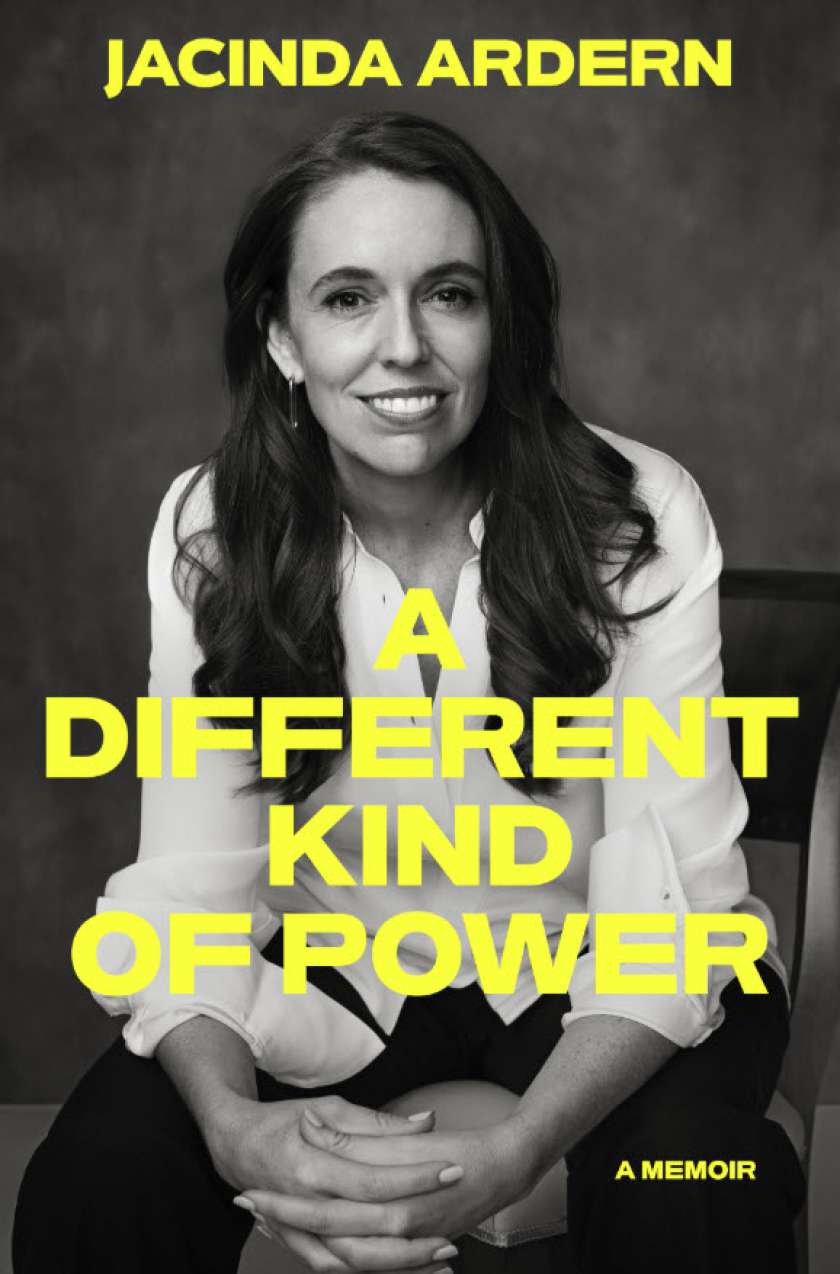
In A Different Kind of Power, former New Zealand Prime Minister Jacinda Ardern tells the story of how a shy, self-doubting girl from small-town Morrinsville became one of the most visible leaders in the world—and why she ultimately chose to walk away from office.
The memoir moves chronologically: her childhood in a Mormon family, early brushes with politics, mentorships, and the slow, sometimes reluctant path toward leadership. Then it dives into the six years that defined her premiership: the Christchurch mosque shootings, the Whakaari/White Island eruption, the Covid-19 pandemic, child-poverty reforms, climate policy, and the increasingly toxic pressures of public life. Along the way, she writes honestly about imposter syndrome, fear, the “confidence gap,” and what it felt like to lead a country while also becoming a first-time mother under relentless global scrutiny.
But this isn’t a score-settling political memoir—it’s more like a case study in a different model of leadership. Instead of glorifying “strongman” tactics, Ardern traces how kindness, listening, grief, and vulnerability shaped her decisions, and why she still believes those “soft” traits are forms of power. The book keeps circling one big question: What if we are capable of more, and better, than the leadership we’ve come to accept?
Why You Should Read It
If you’re exhausted by loud, angry politics, this feels like a deep breath. Ardern offers a front-row view of crisis leadership—hate crimes, natural disasters, pandemics—without pretending it was easy or glamorizing burnout. She talks about panic, doubt, and the cost of being constantly “on,” but also about the joy of public service, the power of small gestures, and the strange intimacy of holding a nation’s grief.
It’s a must-read if you’re interested in:
How women lead differently—and how they’re judged for it
Balancing motherhood and high-pressure work
What it actually feels like to be a head of government
Why empathy isn’t weakness, but a strategy
Even if you’re not a politics person, the memoir reads like a beautifully crafted story about values, boundaries, and knowing when to step forward—and when to step away. Reviewers describe it as honest, hopeful, funny in moments, and “an inspiring call to action for empathetic leaders” everywhere.
Natalie’s Take
Natalie has called A Different Kind of Power “a story of how to lead with compassion and grace, how to inspire and nurture. Thank you for showing us what leadership can look like.”

That’s exactly why it sits so comfortably in her 2025 lineup: after books about autocrats and broken systems, Ardern’s memoir offers a counter-image—a real-life example of someone trying to wield power without abandoning her humanity. For Natalie’s readers, it’s both a behind-the-scenes political story and a handbook for anyone who’s ever wondered, Can I lead without becoming someone I don’t recognize?
Saving Time: Discovering a Life Beyond Productivity Culture by Jenny Odell
Category: Cultural Critique, Philosophy, Time & Work, Ecology
What It’s About
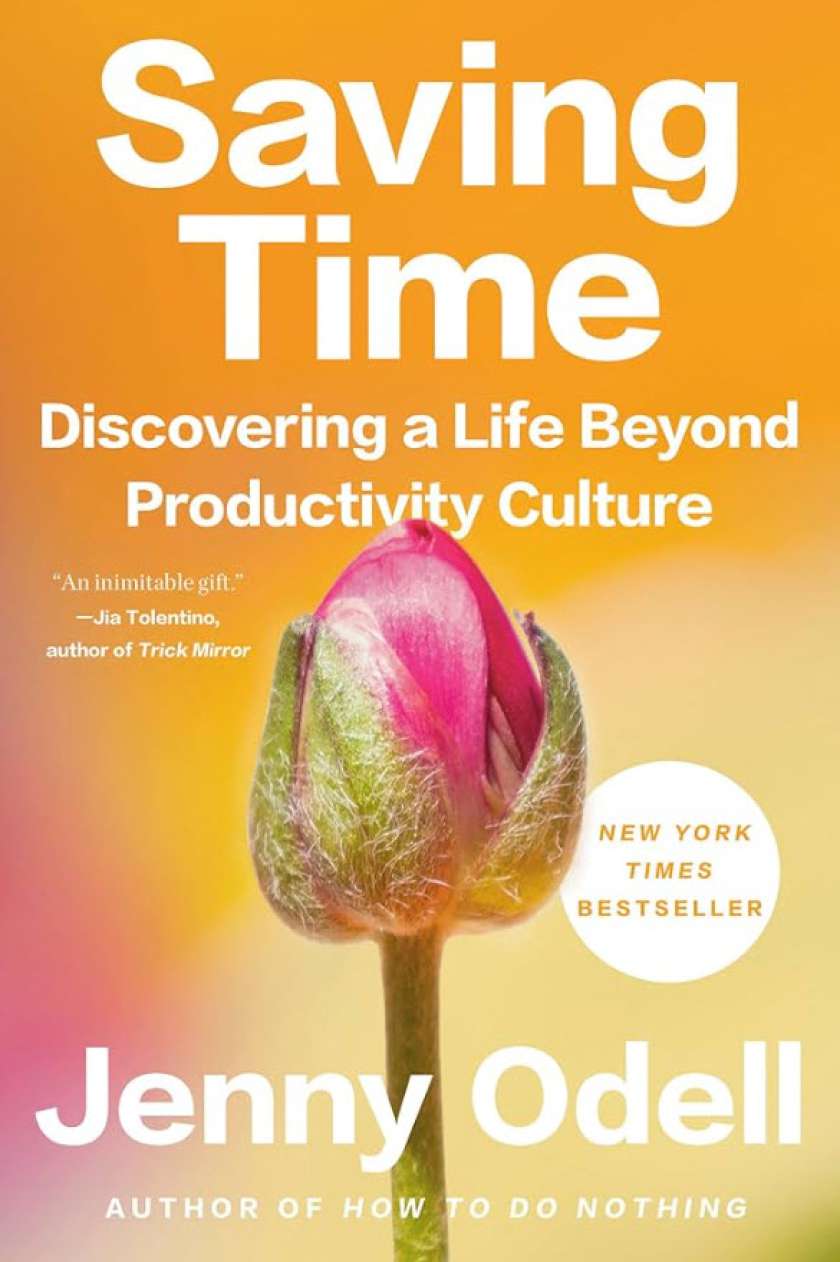
In Saving Time, Jenny Odell asks a deceptively simple question: what if “time is money” is the real problem? Building on the ideas from her first book, How to Do Nothing, she digs into how our modern sense of time was engineered—by factories, capital, and profit—not by the rhythms of human bodies or the planet.
She traces the history of the clock and the workday, showing how our lives have been chopped into units meant to be optimized, sold, and tracked. Then she gently rips that logic open. Odell looks at other ways time moves: the lengthening and shortening of days, the slow arc of a pregnancy, the time it takes to heal from grief or injury, the migrations of birds, the erosion of cliffs. She connects our anxious, scarcity-driven relationship with time to burnout, inequality, climate crisis, and a sense of helpless fatalism—then begins to sketch alternatives inspired by pre-industrial cultures, ecological cycles, and geological timescales.
Instead of asking how to “get more done,” the book invites a deeper question: What is time for—and who taught us to see it this way in the first place?
Why You Should Read It
If you feel like there’s never enough time, like even your rest has to be “productive,” this book will hit home. But rather than scolding you for not meditating enough, Odell zooms out and shows how you were trained to feel this way—by systems that profit from your constant hurry and self-optimization.
Saving Time is especially powerful if:
- You’re burned out on hustle culture and “rise and grind” advice
- You’re anxious about the future (personal or planetary)
- You want language for why everything feels rushed, shallow, and precarious
- You’re curious about more ecological, humane ways of living in time
It’s not a quick-fix productivity manual; it’s more like a quiet revolution in how you perceive your days. Readers and critics have called it “dazzling,” “subversive,” and “deeply hopeful”—a book that tugs at the seams of reality and rearranges how time feels in your body.
Natalie’s Take
Announcing this pick for Natalie’s Book Club, Portman described Saving Time as
“an exploration of how we can revise our relationship with time to inspire hope and action.”
That last pairing—hope and action—is exactly why it belongs on a list that also includes books about autocracies, trauma, and leadership. For Natalie, Odell’s work isn’t about checking out or floating above the world; it’s about finding a way to live in time that doesn’t crush us into numbness or panic, so we actually have the emotional and mental space to care, organize, and change things. In a 2025 lineup that runs from dictatorships to dysfunction, Saving Time is the quiet, radical reminder that how we experience each hour shapes what we believe is possible—both in our own lives and in the world we’re trying to fix.
Get Book: Saving Time!What Are You Going Through by Sigrid Nunez
Category: Literary Fiction, Friendship, Mortality, Caregiving
What It’s About
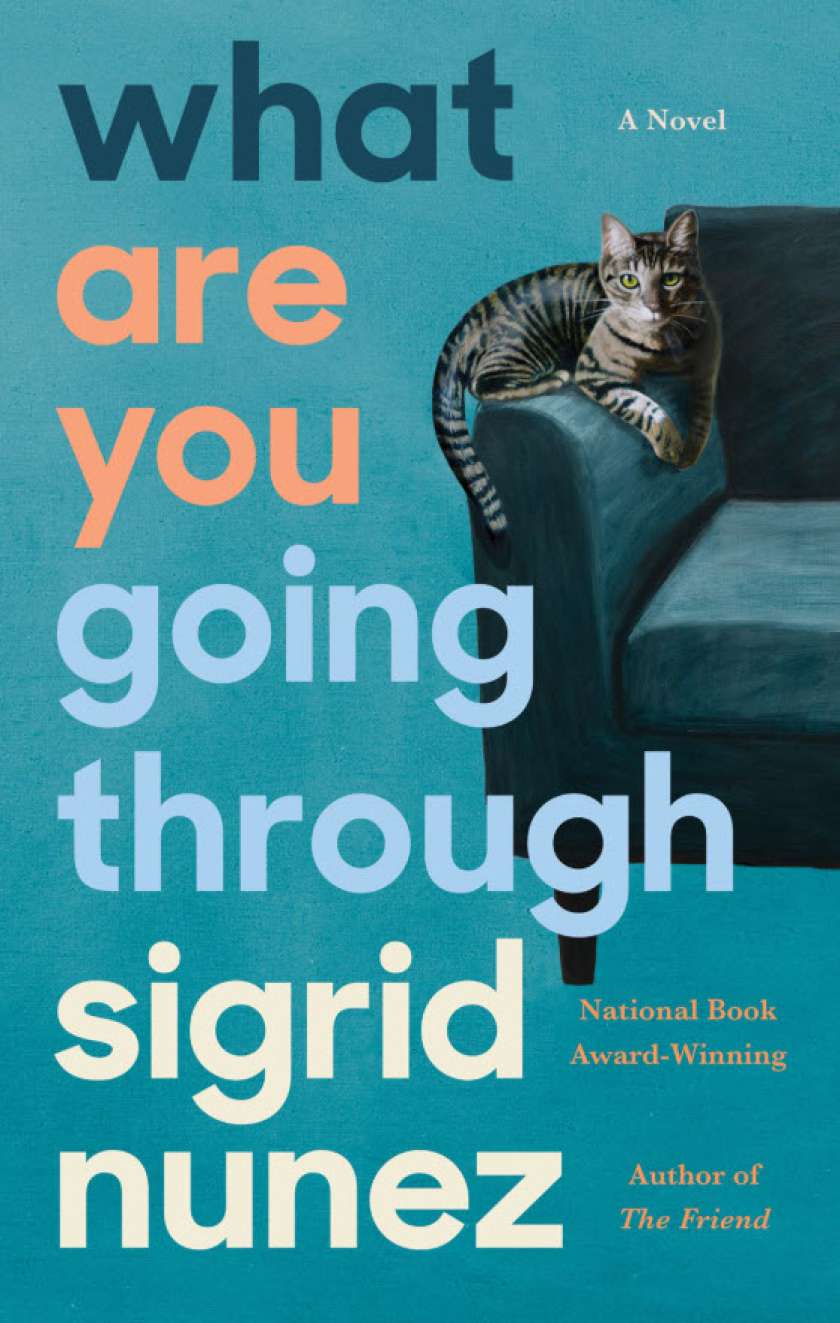
What Are You Going Through follows an unnamed narrator who reconnects with an old friend—also unnamed—who is dying of cancer and has decided to end her life on her own terms. The friend asks the narrator for an extraordinary kind of help: to accompany her to a rented house in another town and stay with her as she prepares for, and ultimately carries out, her death.
Around this central storyline, the narrator moves through a series of encounters: ex-lovers, strangers, landlords, podcast hosts, people she overhears on trains and in waiting rooms. They tell her about divorce, loneliness, financial anxiety, aging, climate dread, and everyday heartbreaks. The book becomes a kind of chorus of voices, all circling the same question embedded in its title: what are you going through?
Nunez weaves reflections on literature, philosophy, animals, and art through these conversations, all while the narrator edges closer to the moment when she will have to stand beside her friend at the very end. It’s a novel about death, yes—but even more about the strange, fragile, funny, inadequate ways we try to be there for each other when words and actions both feel impossibly small.
Why You Should Read It
This is one of those quiet novels that sneaks up on you. On the surface, not much “happens”: people talk, walk, remember, observe. But emotionally, it goes very deep. If you’ve ever sat by a hospital bed, walked a friend through a breakup, or tried to support someone whose pain you can’t fix, this book feels almost uncomfortably true.
Nunez doesn’t offer grand speeches or tidy lessons. Instead, she shows how clumsy, awkward, and yet profoundly meaningful our attempts at care can be. She writes about:
- The ethics of assisted dying
- The exhaustion and tenderness of caregiving
- The limits of language—how we can and cannot understand one another
- The way humor and absurdity slip into even the darkest moments
Critics have called it “a moving and provocative portrait of the way we live now,” and it’s only become more resonant with time—especially as the story has reached new audiences through Pedro Almodóvar’s film adaptation The Room Next Door, starring Julianne Moore and Tilda Swinton.
If you like fiction that feels like sitting with a brutally honest, unexpectedly funny friend who’s willing to talk about the hardest things, this is that book.
Natalie’s Take
Announcing it as one of her Natalie’s Book Club picks, Portman shared:
“This book is such an incredible example of how fiction can bring utter truth to experience.”
That’s exactly why it belongs on her 2025 list. After reading about autocrats, broken systems, and big political structures, What Are You Going Through zooms all the way in: one person, one friend, one death, one long act of witness. For Natalie, it’s a reminder of what art does at its best—it doesn’t just describe events, it captures the emotional texture of being alive beside someone else’s pain. In a lineup that runs from dictatorships to dysfunction, this novel is the tender, devastating answer to the question behind all of it: how do we actually show up for one another?
Get Book: What Are You Going Through!Fight Night by Miriam Toews
Category: Literary Fiction, Family Drama, Feminism, Generational Resilience
What It’s About
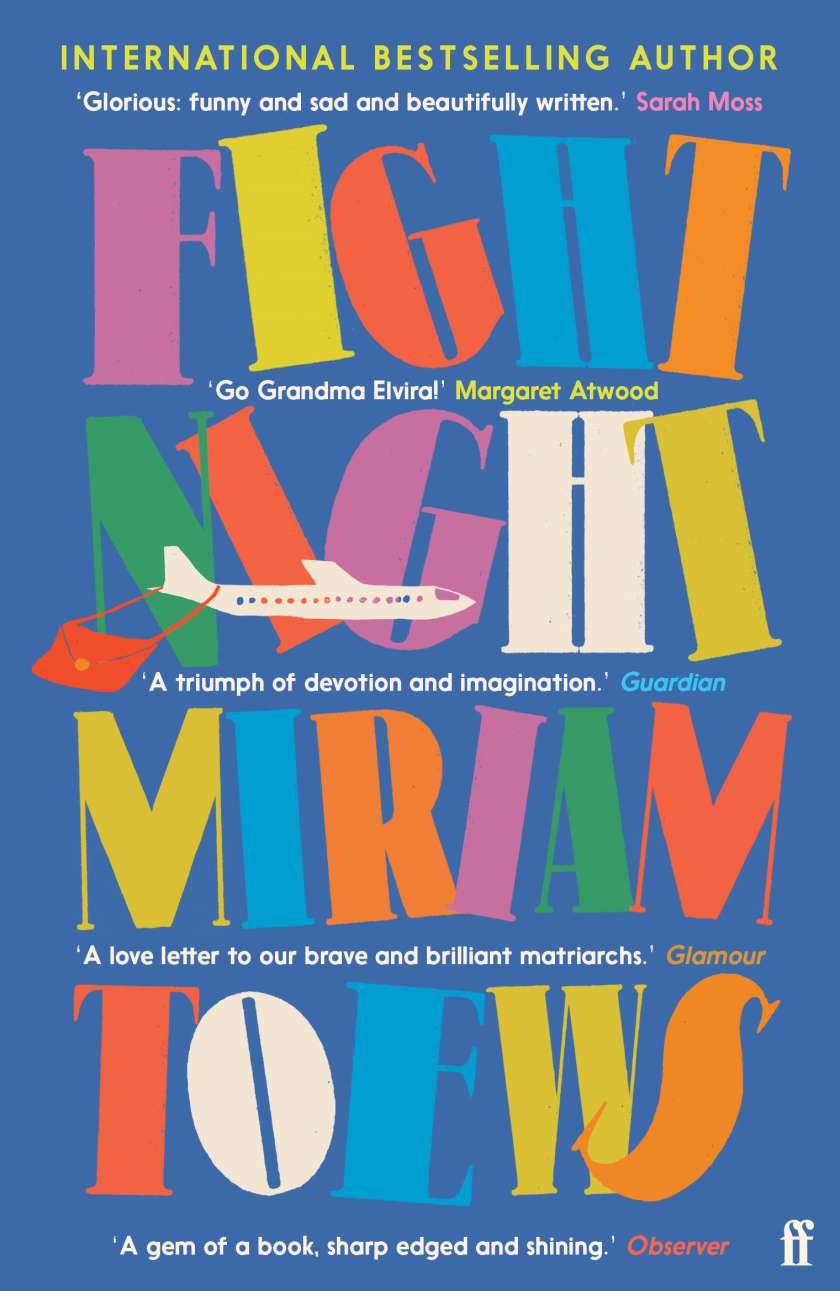
Fight Night is told in the wild, hilarious, and heartbreakingly honest voice of Swiv, a rebellious nine-year-old living in Toronto with her very pregnant mom and her larger-than-life grandmother, Elvira. Swiv has just been expelled from school for fighting, so her days are now spent at home—where Grandma becomes her unofficial teacher and co-conspirator. Her main assignment? To write a long letter to her absent father about everything that’s happening in their chaotic, love-soaked household.
What unfolds is a multigenerational story of three women—child, mother, grandmother—sharing a small space, a lot of history, and more than a little pain. Grandma has been fighting all her life: against the suffocating rules of a fundamentalist religious community, against grief, against bodies that fail, against a world that underestimates older women. Swiv is fighting in her own way: with teachers, with expectations, and with fear she doesn’t know how to name. Mom is fighting exhaustion, depression, and the weight of being both daughter and mother at once. The plot is simple—errands, arguments, baths, a big trip to visit family in California—but emotionally, it’s huge: a loud, messy hymn to survival, humor, and women who refuse to be quiet.
Why You Should Read It
If you love novels where “nothing much happens” on the surface but everything important happens underneath, this is one of those rare, blazing books. Toews nails the child’s-eye view—Swiv is rude, curious, sharp, and frequently hilarious—but constantly lets adult readers glimpse the heartbreak and history she doesn’t fully understand.
At its heart, Fight Night is about:
- Female resilience: three generations of women lifting and annoying and saving each other, over and over.
- Joy as resistance: Grandma insists that laughter, mischief, and love are not escapes from pain, but weapons against it.
- Inheritance: not just of trauma, but of stubbornness, humor, and the will to keep fighting.
If you’ve ever had a grandmother who said wildly inappropriate things and somehow held your world together—or wished you had—this book will break your heart and then patch it back with duct tape and bad jokes. It’s also a beautiful counter to ageism: Elvira is frail and unstoppable at the same time, a reminder that elders are not side characters but protagonists with entire lives of resistance behind them.
Natalie’s Take
Introducing Fight Night as her July pick, Natalie Portman shared:
“A birthday gift from my parents and our July book pick, Miriam Toews’s Fight Night is told from the voice of Swiv, a rebellious nine-year-old living in Toronto with her pregnant mother — who is raising Swiv while also caring for her own lively mother. I can’t wait to dive in and discuss with you all soon.”
For Natalie, this novel is a perfect example of how “dysfunction” can coexist with deep, ferocious love. In a 2025 list that stretches from autocracies and activism to burnout and caregiving, Fight Night brings the focus all the way home—to kitchens, arguments, laughing fits, and the daily, unglamorous work of keeping each other alive.
Get Book: Fight Night!Heartburn by Nora Ephron
Category: Literary Fiction, Autofiction, Divorce, Dark Comedy
What It’s About
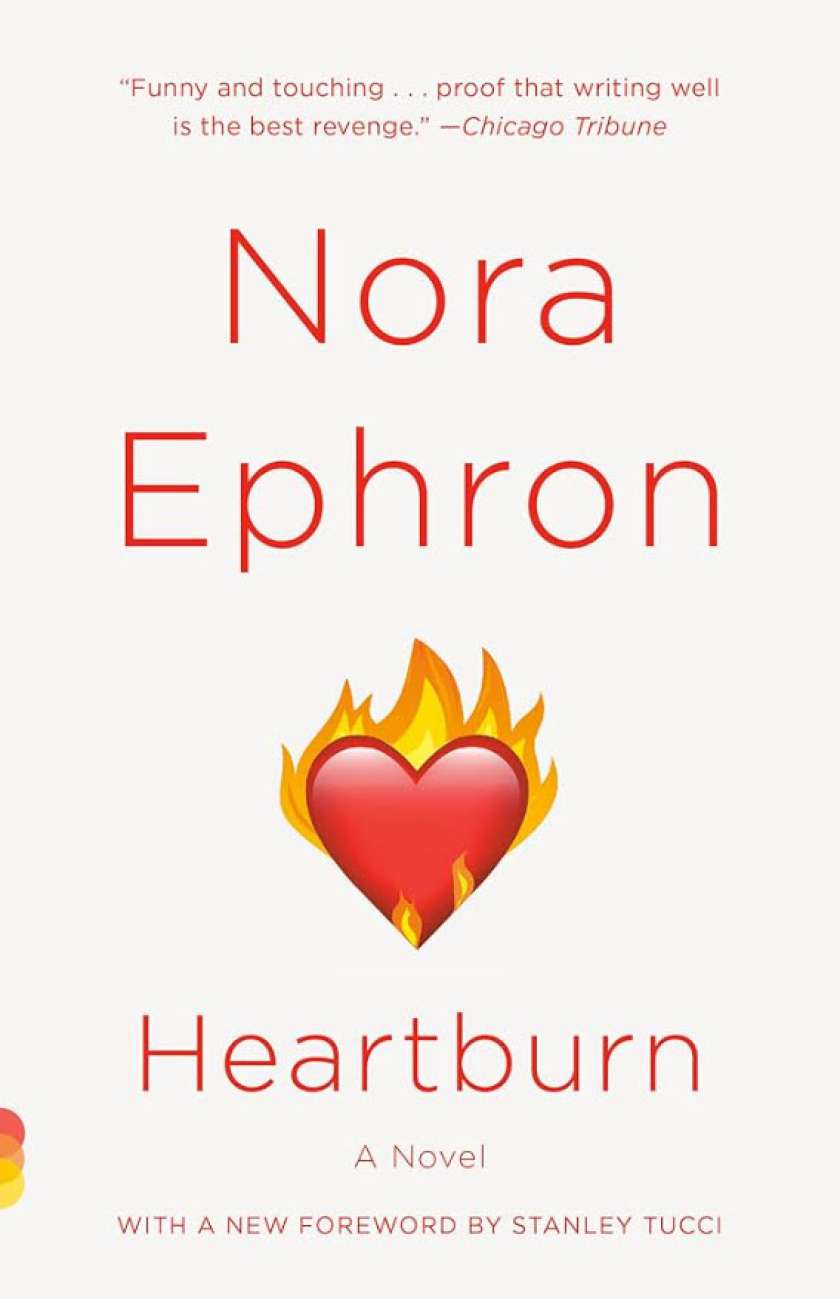
Heartburn is Nora Ephron turning one of the worst moments of her life into razor-sharp fiction. The novel follows Rachel Samstat, a successful food writer who is seven months pregnant when she discovers her husband, political journalist Mark Feldman, is having an affair—with a woman Rachel knows.
Rachel has uprooted her life from New York to Washington, D.C. to support his career, and the book tracks the spectacular unraveling of their marriage: therapy sessions, screaming matches, humiliations at dinner parties, and the slow, dawning realization that the person you built a future with has been building one somewhere else. Threaded through all of it are recipes, food memories, and domestic details—because even when your heart is breaking, you still have to decide what to make for dinner.
It’s semi-autobiographical—Ephron based Mark on her then-husband, journalist Carl Bernstein, and the other woman on Margaret Jay—and that closeness to real life gives the novel its electric mix of fury and wit.
Why You Should Read It
If you’ve ever wondered what it looks like when a brilliant writer refuses to let heartbreak have the last word, Heartburn is the answer. It’s short, viciously funny, and painfully honest about jealousy, humiliation, and the logistics of dismantling a life that was supposed to be forever.
Ephron does a few things beautifully here:
- Turns shame into storytelling power – Rachel is falling apart, but the narration is so sharp and self-aware that you feel her slowly reclaiming the narrative as her own.
- Uses humor without minimizing pain – you’ll laugh at the one-liners and then suddenly realize your chest hurts.
- Shows how food can be both comfort and control – the recipes aren’t a cute gimmick; they’re a survival strategy, a way of imposing order and pleasure when everything else feels chaotic.
It’s also a fascinating time capsule of 1980s D.C. media and marriage politics—yet it feels weirdly current in how it talks about betrayal, therapy, and starting over. If you like your fiction honest, a little petty, and emotionally astute, this one delivers.
Natalie’s Take
Announcing it as a pick for Natalie’s Book Club, Portman wrote:
“Excited to finally read Nora Ephron’s Heartburn, her classic transformation of pain into humorous art. Looking forward to hearing what you all think!”
That phrase—“transformation of pain into humorous art”—is exactly why this book belongs on her 2025 list. In a lineup that deals with autocracy, assault, burnout, and grief, Heartburn offers a different kind of power: the ability to take devastation and turn it into something sharp, shapely, and shareable. For Natalie, it’s not just a funny divorce novel; it’s a masterclass in what storytelling can do when life falls apart.
Monsters: A Fan’s Dilemma by Claire Dederer
Category: Cultural Criticism, Feminist Essays, Memoir, Ethics & Art
What It’s About
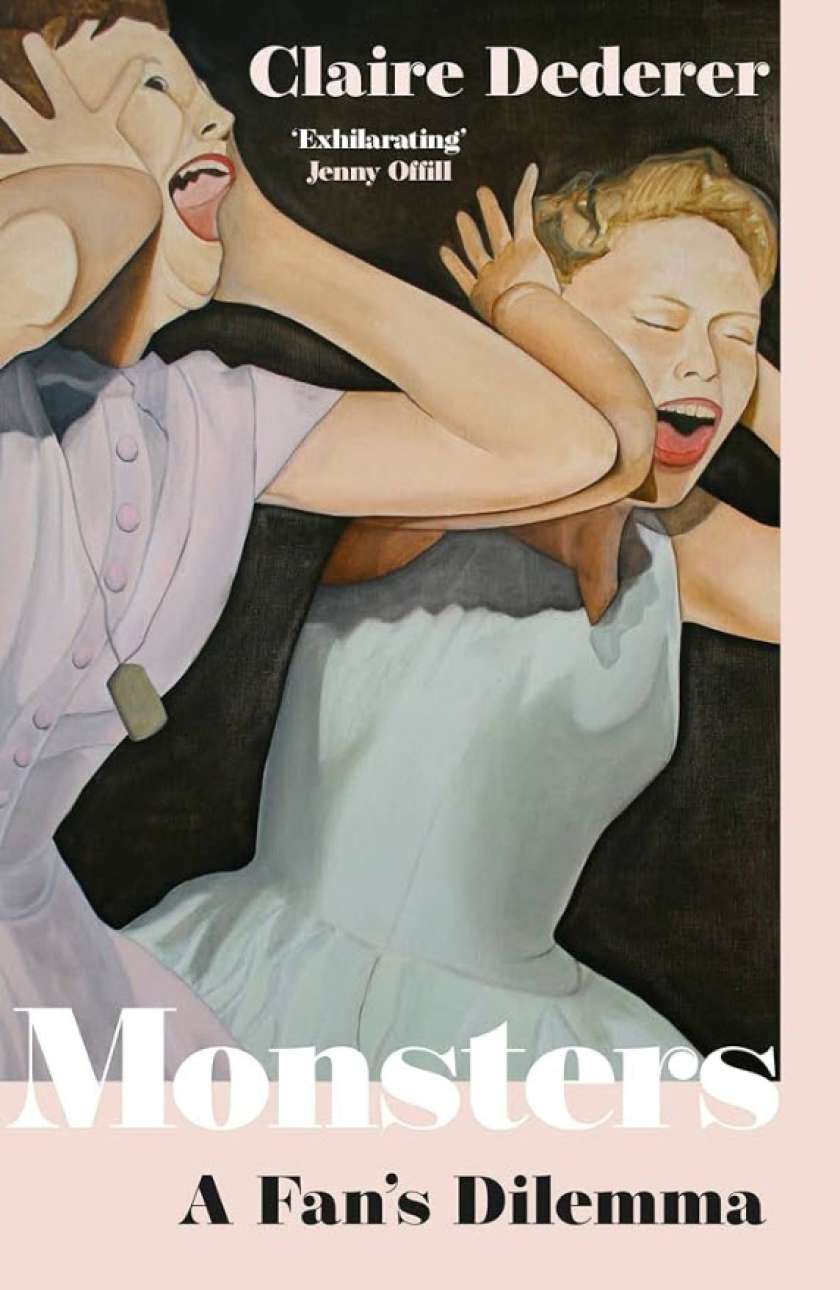
Monsters: A Fan’s Dilemma starts with one uncomfortable question:
What do we do with the art of people who have done terrible things?
Claire Dederer—critic, memoirist, and lifelong fangirl—takes that question and turns it into a whole, deeply personal conversation. Expanding on her viral 2017 Paris Review essay “What Do We Do with the Art of Monstrous Men?”, she examines the tension between loving a work of art and knowing its creator is an abuser, a bigot, or otherwise morally compromised.
She writes what she calls an “autobiography of the audience”: moving through her own experiences watching Polanski films, reading Nabokov, listening to Michael Jackson, wrestling with Picasso, and more. The book explores ideas like:
- The “stain” an artist’s biography leaves on their work
- How gender and power shape who gets forgiven and who gets canceled
- Why we call some people “geniuses” and let that genius excuse harm
- How our responses as fans are tangled up with our own histories, desires, and contradictions
Dederer doesn’t hand down simple rules. Instead, she walks the reader through the messy process of feeling admiration, revulsion, nostalgia, denial, and everything in between—and asks us to notice what those reactions say about us.
Why You Should Read It
If you’ve ever found out that a beloved director, musician, or writer is actually… awful, this book will feel uncomfortably close to home. Rather than shouting “cancel them all” or “separate art from artist” from either extreme, Dederer sits in the middle, where most of us actually live.
You should pick this up if:
- You’re tired of hot takes and want nuance about cancel culture and fandom
- You’ve struggled with whether to keep engaging with work by artists who’ve harmed others
- You’re curious how your own identity—gender, trauma, desire, politics—shapes the art you’re willing to forgive
- You like criticism that reads like a smart friend thinking out loud, rather than a professor laying down rules
The book doesn’t give you “the answer,” and that’s the point. It gives you a framework, language, and a lot of piercing examples so you can make your own choices more consciously. It’s as much about our complicity and longing as it is about “them, the monsters.”
Natalie’s Take
Sharing Monsters with her community, Natalie Portman wrote:
“Claire Dederer’s Monsters asks us how and if we can separate the art from the artist while giving us space to interrogate the contradictions within our own beliefs.”
That’s incredibly on-brand for her 2025 list: not just pointing at villains out there—dictators, corrupt systems, abusers—but asking what happens inside us as we watch, listen, and cheer. In a reading year that moves from autocracy and activism to burnout, caregiving, and divorce, Monsters is the perfect meta-layer: a book about the stories we love, the people who made them, and the moral knots we tie ourselves into trying to hold both at once.
Get Book: Monsters: A Fan’s Dilemma!The English Understand Wool by Helen DeWitt
Category: Novella, Satire, Class & Wealth, Publishing World
What It’s About
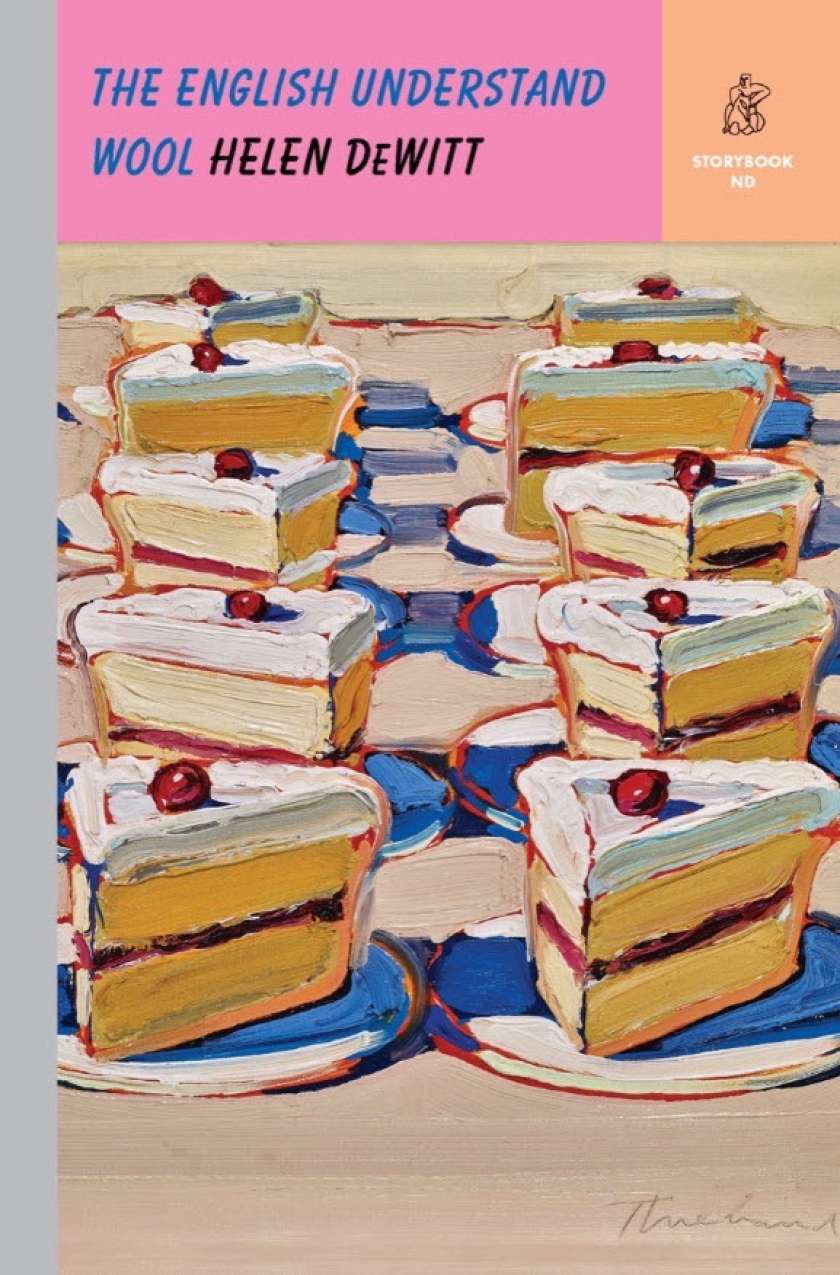
The English Understand Wool is a tiny book with teeth. The story is narrated by Marguerite, a teenage girl raised in extreme privilege by her impeccably tasteful, terrifyingly exacting mother—“Maman.” They live between Marrakech and Europe, traveling in first-class comfort while Maman drills into her daughter the rules of bon ton: never be vulgar, never overshare, never trust bad taste, and always, always seek out the best things in life—like handwoven tweed from the Outer Hebrides, because “the English understand wool.”
Then everything comes apart. Maman disappears under scandalous circumstances, leaving Marguerite abruptly alone. Suddenly she’s pulled into a world Maman always despised: tabloid frenzy, exploitative agents, and a publishing industry desperate to turn her “trauma” into a bestselling misery memoir. Editors and lawyers swoop in, trying to package her into a victim and her life into marketable content. Marguerite, armed only with her mother’s ruthless training in taste and self-control, has to decide how much of herself she’s willing to sell—and to whom.
It’s part coming-of-age story, part con, and part darkly funny takedown of how publishing loves a “true story” as long as it’s profitable.
Why You Should Read It
At just about 60 pages, this is the kind of book you can read between breakfast and lunch—and then think about for weeks.
You should pick it up if you like:
- Dark, elegant satire – DeWitt skewers snobbery and the trauma-industrial complex at the same time.
- Morally tricky heroines – Marguerite isn’t “relatable” in a cozy way; she’s cool, baffling, sharp, and increasingly fascinating.
- Books about books – the novella is viciously funny about editors, contracts, and the way “true stories” get shaped, simplified, and sold.
Readers and critics have called it “a superb macaron of darkly satirical fiction,” “tricksy,” and “alarmingly enjoyable” for the way it twists right up to the final pages. It’s perfect if you want something short but layered—a little amuse-bouche of a book that leaves a surprisingly sharp aftertaste.
Natalie’s Take
On one curated list of her book club selections, Natalie’s endorsement appears alongside The English Understand Wool:
“A story of how to lead with compassion and grace, how to inspire and nurture. Thank you for showing us what leadership can look like.”
It’s a striking way to frame this sly novella: not as a simple satire, but as a kind of sideways lesson in self-possession and boundaries. Marguerite may not be “nice” in any conventional sense, but she refuses to let others define her story—or mine her pain on their terms. In a 2025 lineup full of books about power, harm, and how we respond, The English Understand Wool is Natalie’s pointed little reminder that sometimes leadership looks like knowing your worth, keeping your own counsel, and walking away with your dignity—and your story—intact.
Get Book: The English Understand Wool!Conclusion
Natalie Portman’s 2025 book recs read like a guided tour through the hardest parts of being human—and all the ways we still keep choosing tenderness, truth, and courage anyway. From Autocracy, Inc. and A Different Kind of Power to Saving Five and Monsters, her list moves between the macro and the micro: dictatorships and movements, broken institutions and survivor rights, burnout and time, divorce and friendship, grandmothers and nine-year-olds fighting to stay alive in their own small worlds. Some of these books ask you to stare straight at cruelty and abuse of power; others sit down beside you and whisper about grief, betrayal, caregiving, and the quiet work of stitching a self back together.
If there’s a thread running through all of them, it’s this: harm is real, systems fail, people disappoint us—but what we do next still matters. Do we organize? Do we tell the truth? Do we rest differently? Do we show up for a friend? Do we keep loving art while questioning the people who made it? Natalie’s 2025 picks don’t offer easy answers, but they do offer language, companionship, and a braver way of looking at the world. If you’re ready for a reading year that will push you, unsettle you, make you laugh inappropriately, and maybe change how you move through your own life, this is a stunning place to start.
