
Some reading months ask for urgency. This one asks for depth.
The books on this shelf are not bound by genre so much as by sensibility. They are interested in inheritance, in the broadest sense of the word: the families we come from, the histories that shape us before we have language for them, the ambitions that carry us forward, and the private longings that quietly rearrange a life. Across these novels, people are asked to reckon with what has been handed to them and decide, sometimes painfully, what they will keep, what they will challenge, and what they will become.
There is range here, certainly. Historical fiction sits beside romance, literary family drama beside speculative tenderness, social satire beside stories of restoration and survival. But what unites these books is their emotional intelligence. Each one, in its own way, resists the shallow read. They are attentive to complexity, to contradiction, to the fact that identity is rarely singular and healing is rarely neat.
This month’s shelf is for readers who want to be moved, but not manipulated; transported, but not rushed. These are books with atmosphere, texture, and interior weight, the kind that invite you to settle in and stay a little longer than you meant to.
How We Chose These Picks
This shelf leans toward novels that are interested in what people inherit, whether that inheritance arrives as family silence, political power, old grief, buried shame, or a longing to belong somewhere at last. Together, these books move across decades, households, landscapes, and social classes, but all of them are preoccupied with the same quiet question: what becomes of a life shaped by forces it did not choose?
The Shelf at a Glance
Keeper of Lost Children by Sadeqa Johnson — a multigenerational historical novel about identity, belonging, and the long afterlife of hidden decisions.
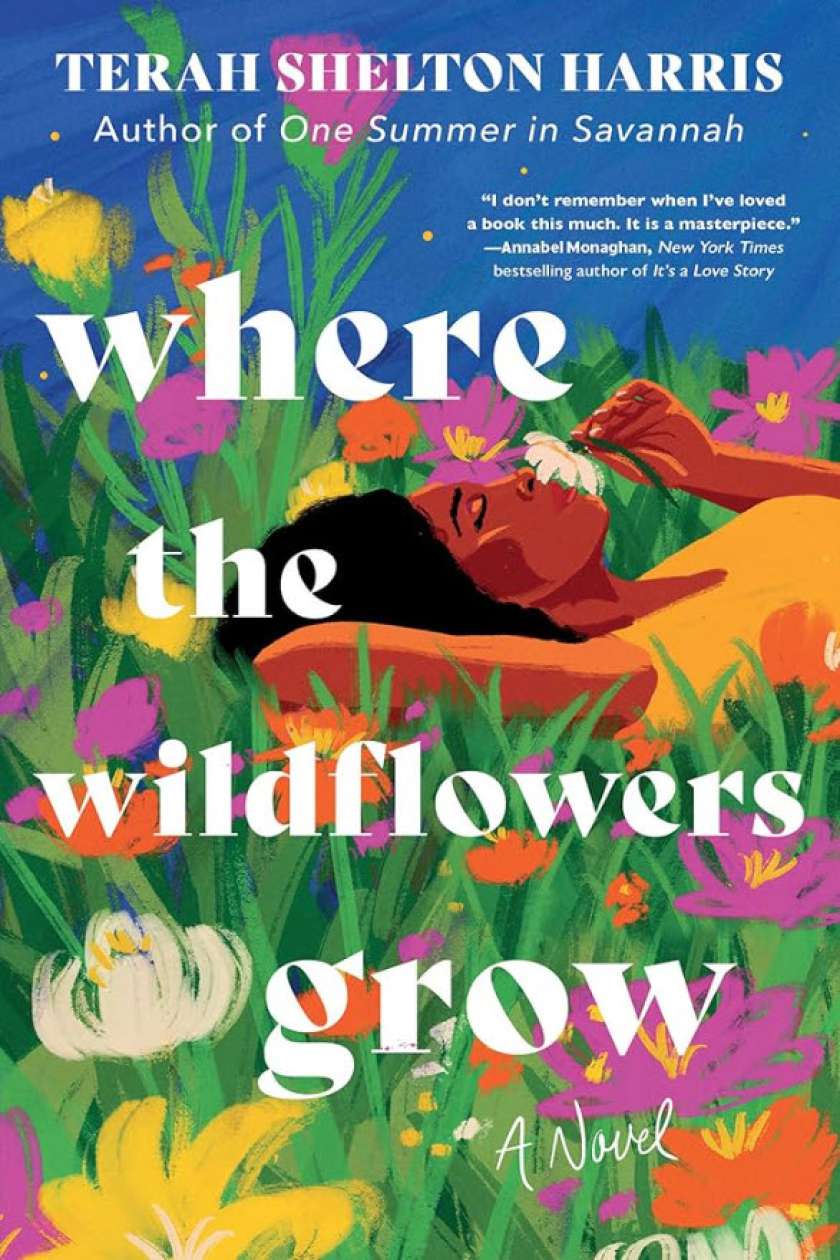
Where the Wildflowers Grow by Terah Shelton Harris — a tender story of survival, grief, and unexpected refuge in rural Alabama.
The Johnson Four by Christina Hammonds Reed — a 1960s family saga of music, ambition, and haunting.
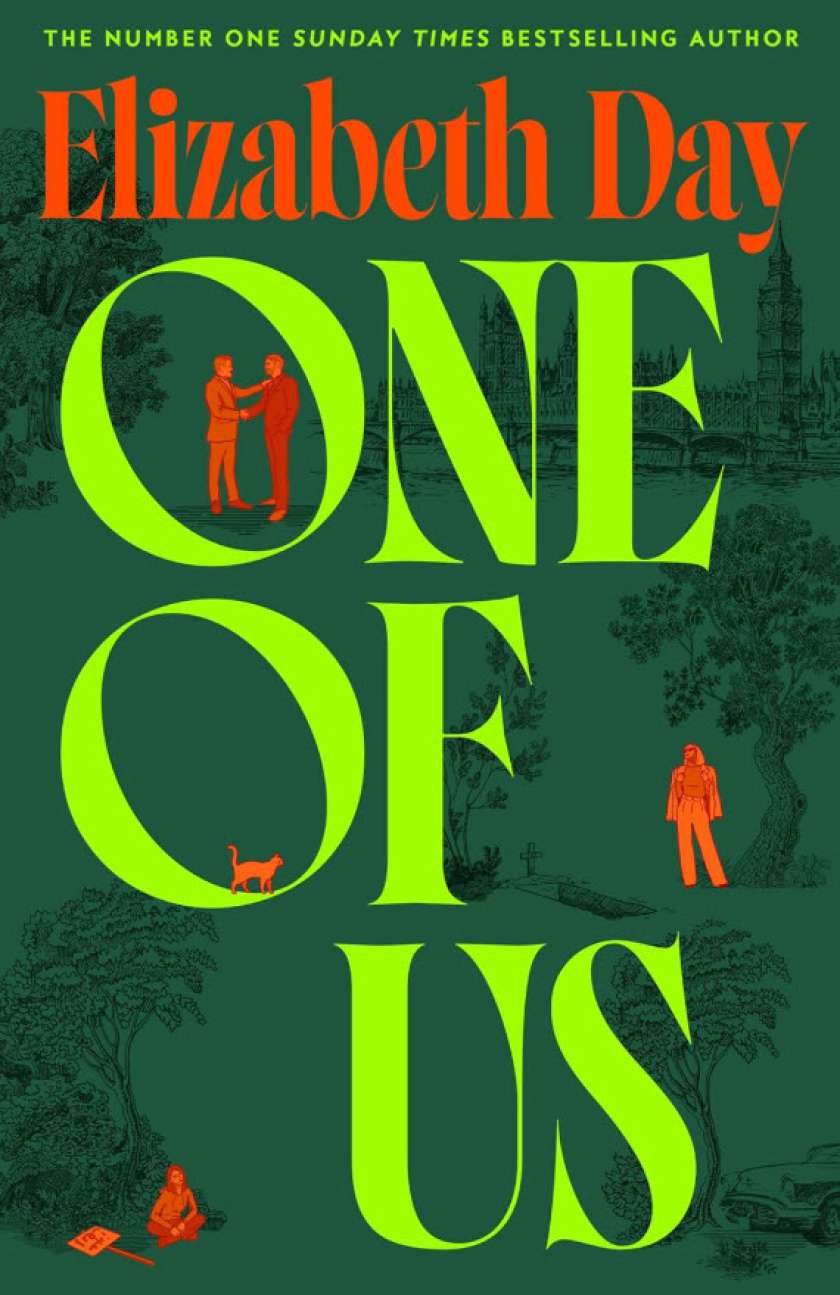
One of Us by Elizabeth Day — a sharp literary drama of wealth, power, and social performance.
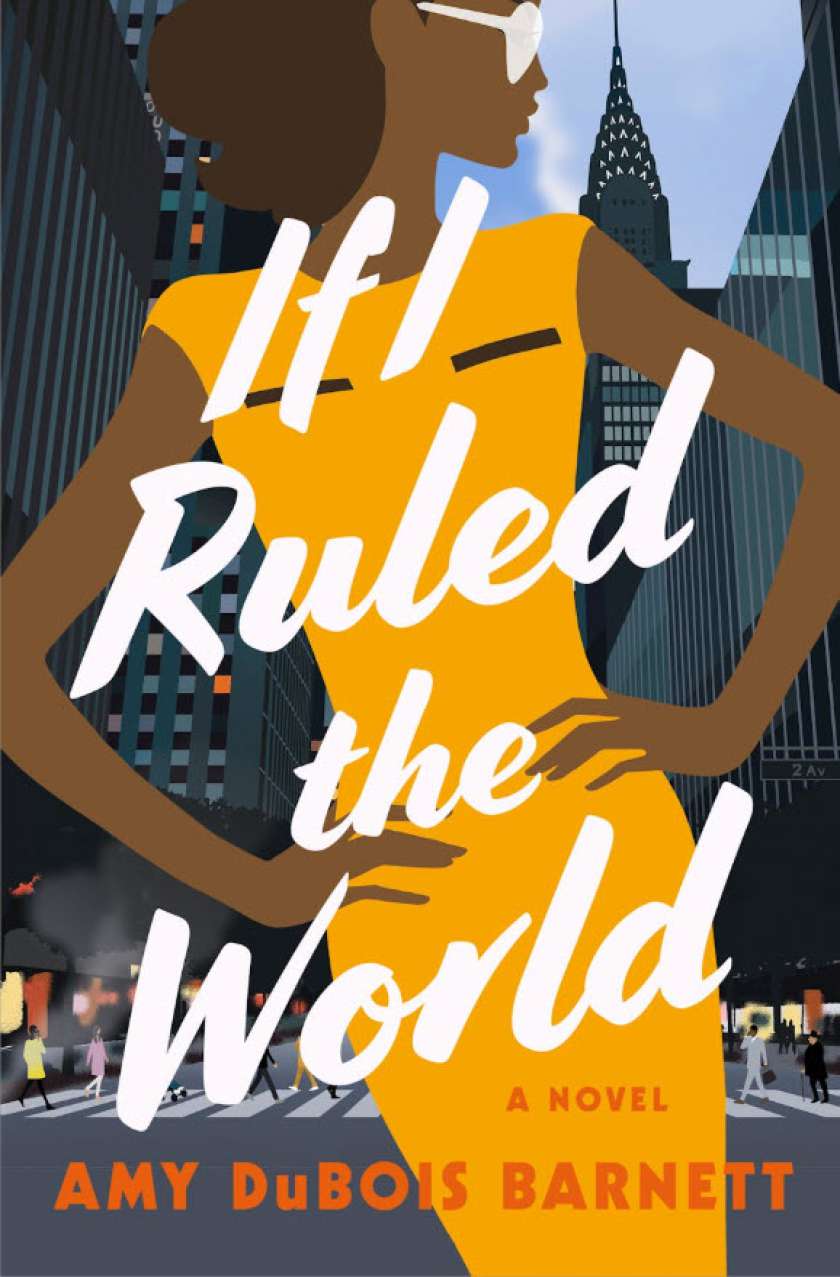
If I Ruled the World by Amy DuBois Barnett — a stylish late-1990s New York novel about fashion, media, race, and ambition.
The Midnight Train by Matt Haig — a reflective speculative novel about love, regret, and revisiting the past.
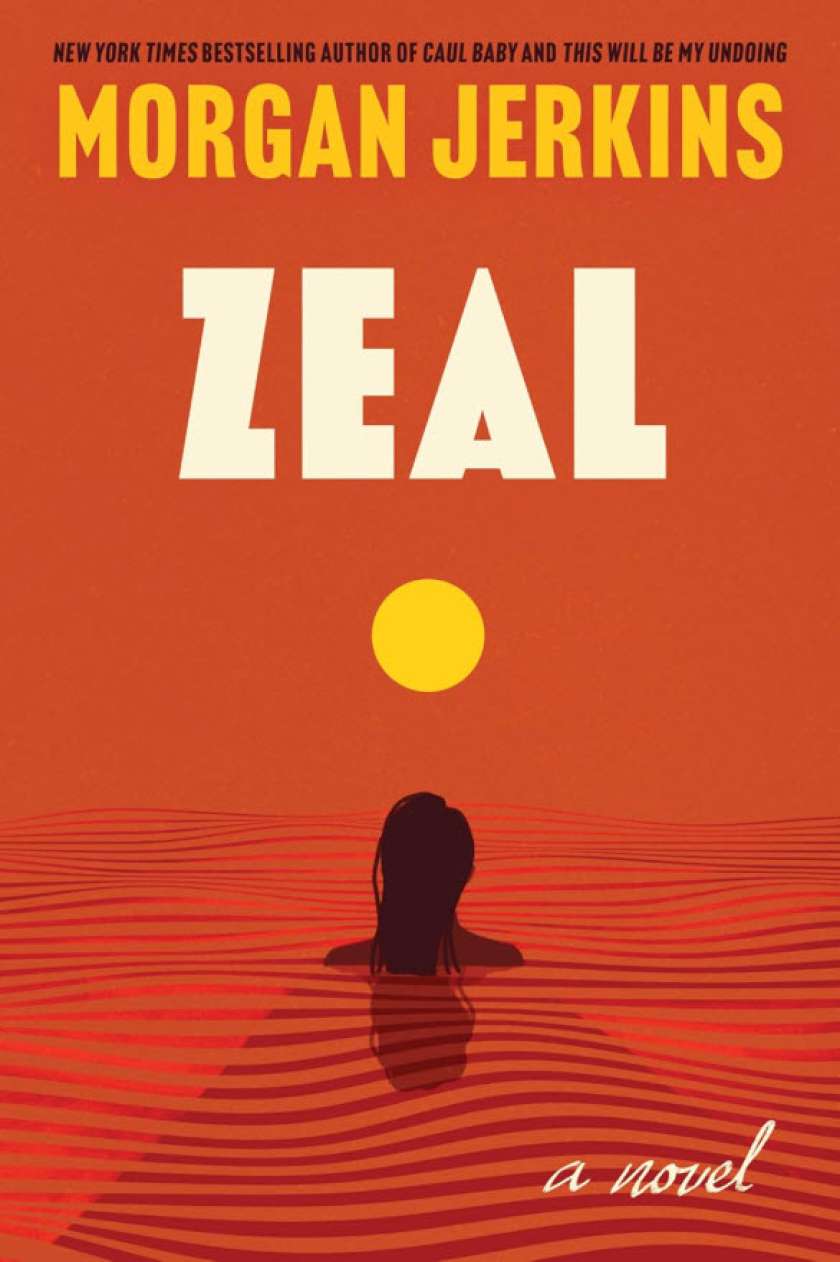
Zeal by Morgan Jerkins — a multigenerational story of love, lineage, and the weight of history.
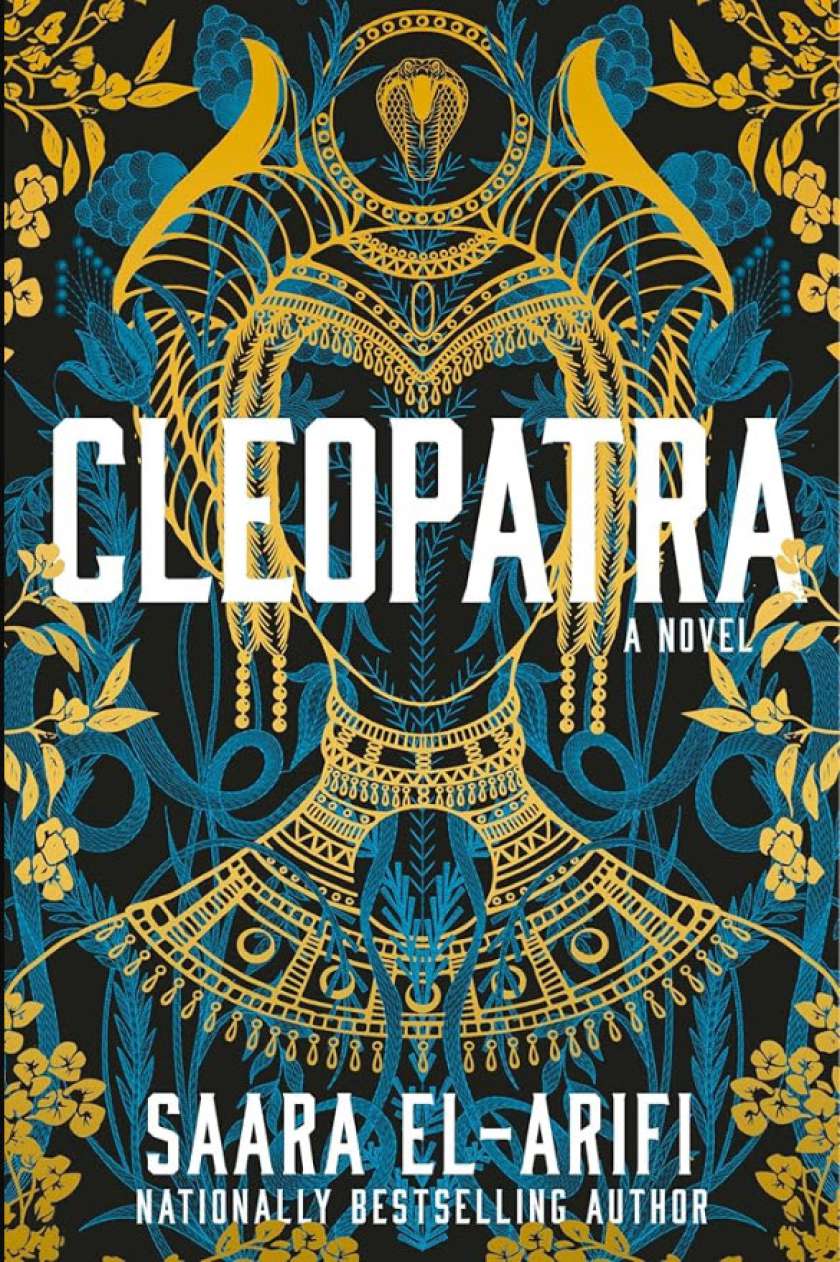
Cleopatra by Saara El-Arifi — a richly imagined reintroduction to one of history’s most over-mythologised women.
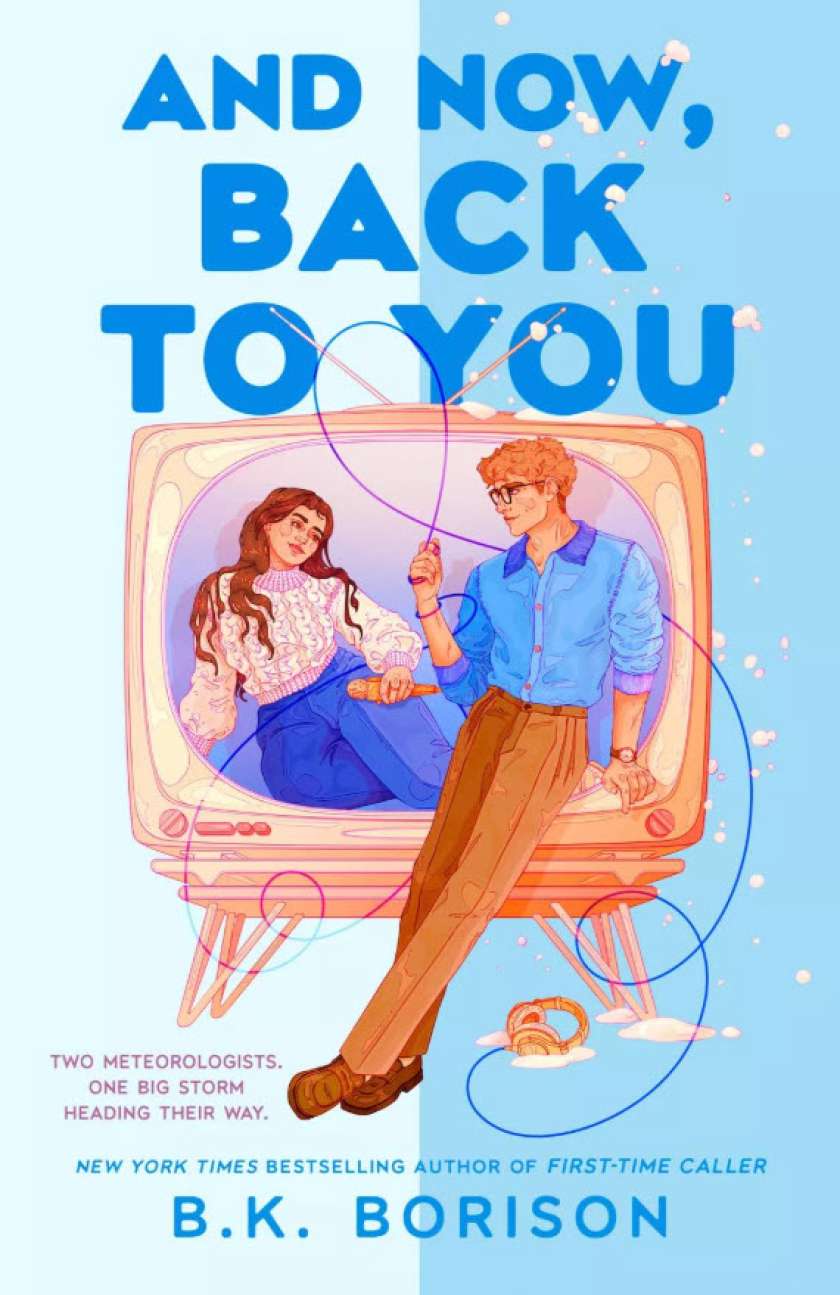
And Now, Back to You by B.K. Borison — a warm, witty workplace romance with chemistry and charm.
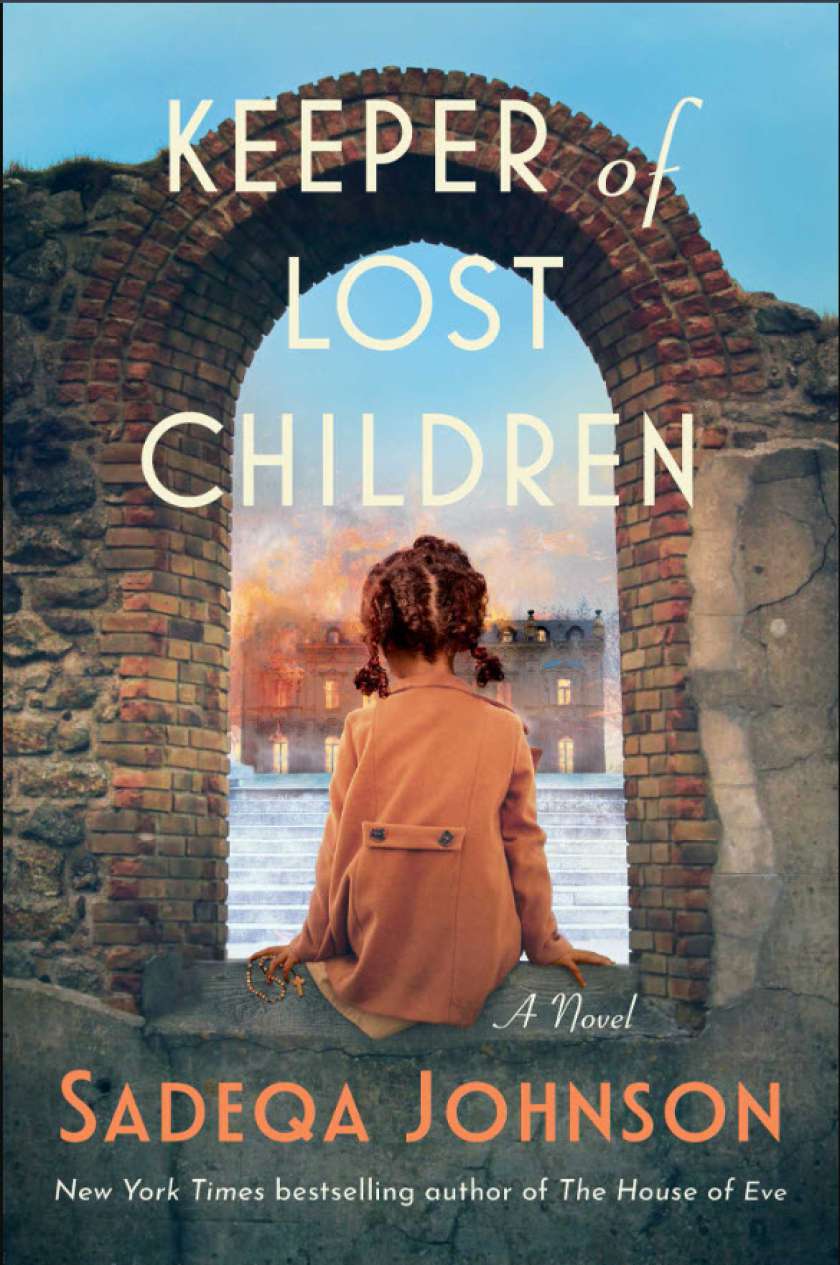


Keeper of Lost Children by Sadeqa Johnson
Set across post-war Europe and 1960s Maryland, Keeper of Lost Children follows lives that seem separate at first before converging around questions of race, identity, family rupture, and the hidden histories adults leave behind.
What makes this especially strong is its emotional reach. It is interested not only in the historical moment, but in the private ache beneath it: the need to be claimed, the damage done by silence, and the strange persistence of hope across generations. This is the kind of novel that asks for patience and rewards it with depth.
Best for readers who:
- like historical fiction with strong emotional architecture
- are drawn to stories about identity, family history, and belonging
- want a book that feels expansive without losing its intimacy
Where the Wildflowers Grow by Terah Shelton Harris
This novel begins in crisis and slowly unfolds into something softer. At its centre is a woman whose life has already been marked by loss, only to be altered again by a violent accident that leaves her in unfamiliar terrain, where refuge arrives in unexpected forms.
What lingers here is the sense that survival can be both instinct and burden. The novel seems less interested in neat transformation than in the slower, more complicated work of learning how to live after grief has rearranged everything. It carries the warmth of a restorative story without ever becoming easy.
Best for readers who:
- love found-family stories with emotional depth
- gravitate toward Southern settings and restorative landscapes
- want fiction about grief that still leaves room for tenderness
The Johnson Four by Christina Hammonds Reed
Set in the 1960s, The Johnson Four follows a family shaped by musical ambition, paternal pressure, and the unstable promise of fame. With its blend of family drama and ghostly presence, the novel moves through questions of legacy, damage, and what gets passed down when success comes at a cost.
What stands out here is the confidence of its mix. This is a family saga, a music story, and a haunting all at once, but the emotional core remains clear. It feels like a novel interested in what ambition can do to a household, and in how certain absences never stop making themselves known.
Best for readers who:
- enjoy family dramas with unusual narrative texture
- like music history threaded through literary fiction
- are open to a ghost story that deepens the emotional stakes
One of Us by Elizabeth Day
One of Us opens with death and circles outward into a larger story of privilege, political ambition, old loyalties, and family fracture. It is a novel that turns its gaze toward power and class, asking what is protected, what is performed, and who gets absorbed into the world of influence.
This is the sharpest book on the shelf in tonal terms, and that sharpness is part of its pleasure. It brings social satire into the mix without becoming cold. For readers who enjoy literary fiction with bite, pace, and a clear eye for elite self-mythology, this offers something satisfyingly well observed.
Best for readers who:
- enjoy character-driven dramas about class and power
- like social satire with a dark edge
- want a page-turner that still has something to say
If I Ruled the World by Amy DuBois Barnett
Set in late-1990s New York, If I Ruled the World follows a Black fashion editor navigating media, image, race, and ambition in an industry that thrives on visibility while withholding real power. It is stylish, culturally alert, and deeply aware of the pressures placed on women moving through influential spaces.
What makes this feel especially shelf-worthy is its texture. Beneath the glamour is a close examination of who gets to shape culture and who is asked to carry it without ownership. It has the appeal of a workplace novel, but with larger questions of status, desire, and self-definition running underneath.
Best for readers who:
- enjoy smart fiction set inside fashion and media
- like novels about ambition, image, and cultural power
- want a story that feels stylish without becoming superficial
The Midnight Train by Matt Haig
In The Midnight Train, the past becomes newly accessible, allowing its protagonist to revisit earlier moments in life and love with the possibility of understanding them differently. As with Haig’s best-known work, the speculative premise here seems less about mechanics than emotional truth.
What gives this novel its appeal is tenderness. It leans into regret, memory, and the fantasy that one more passage through the past might illuminate what was missed the first time. For readers who like speculative fiction softened by emotion, this offers a quieter kind of wonder.
Best for readers who:
- loved thoughtful speculative fiction with emotional weight
- enjoy time-slip stories rooted in love and regret
- want something imaginative that still feels intimate
Zeal by Morgan Jerkins
Zeal is a multigenerational novel that links present-day lives to a love story beginning generations earlier, tracing how family history, longing, and the unfinished work of freedom continue to shape the present.
What stands out is the scale of feeling. This is a story about romance, certainly, but also about lineage, inheritance, and the emotional lives carried inside history. It feels especially suited to readers who want historical fiction that is not only expansive, but deeply personal.
Best for readers who:
- love multigenerational Black family stories
- are drawn to fiction shaped by memory, lineage, and longing
- want a romance inseparable from historical weight
Cleopatra by Saara El-Arifi
In this reimagining, Cleopatra is reclaimed from myth and returned to herself. Rather than flattening her into symbol or scandal, the novel offers a more intimate, politically alive portrait of one of history’s most endlessly interpreted women.
The attraction here is not only the historical glamour, though there is certainly that. It is the promise of revision: the chance to encounter a familiar figure with greater depth, vulnerability, and interior authority. For readers drawn to historical fiction that reconsiders who gets to narrate history, this has obvious appeal.
Best for readers who:
- enjoy feminist historical reimaginings
- like lush, voice-driven fiction about famous women
- want a novel that questions the stories history has handed down
And Now, Back to You by B.K. Borison
This workplace romance pairs two competing meteorologists and lets friction do what it often does best in fiction: turn into chemistry. Light on its feet but emotionally sincere, the novel promises banter, attraction, and the pleasures of two people learning how not to stay guarded.
A shelf like this benefits from one book that offers ease without becoming slight, and this seems to do exactly that. It brings brightness to the list while still feeling emotionally grounded, which makes it a welcome counterpoint to the heavier, more historically layered novels surrounding it.
Best for readers who:
- like workplace romance with sharp banter
- enjoy opposites-attract stories with warmth
- want a contemporary love story with charm and momentum
Editors’ Closing Note
What holds this shelf together is not sameness, but sensibility. These are books that look closely at the lives people inherit and the ones they try to build for themselves: stories shaped by memory, ambition, grief, reinvention, romance, and the long shadow of family.
Some are expansive and historical, others intimate and contemporary, but all of them reward a reader willing to sit with complexity. This month’s picks are for those drawn to fiction that has both feeling and form, books that do not rush to explain themselves, but leave something lingering after the final page.
