
When Mark Zuckerberg isn’t tweaking the algorithm or quietly steering the future of social media, he’s… reading dense books about power, institutions, technology, and how societies hold themselves together—or fall apart. From the early days of his “A Year of Books” project, his choices have leaned less “fun beach read” and more “so, how does civilization work exactly?”
His 2025 list continues that pattern. These are books that zoom out: they dissect nations, markets, political systems, and emerging technologies with a cold, analytical eye. They’re brilliant and bold—but also a little alarming, because you can’t help thinking: if this is what’s shaping Zuck’s brain, what kind of world is he planning for?
Let’s start with one of his most famous picks—a doorstop of a book about why some countries thrive and others stay stuck.
Why Nations Fail: The Origins of Power, Prosperity, and Poverty by Daron Acemoglu & James A. Robinson
Category: Political Economy, Development, Institutions
What It’s About

Why Nations Fail tackles one huge question: why are some countries rich and stable, while others seem trapped in cycles of poverty, corruption, and collapse? Acemoglu and Robinson argue that the answer lies less in culture or geography and more in institutions—the political and economic rules of the game.
Why Nations Fail tackles one huge question: why are some countries rich and stable, while others seem trapped in cycles of poverty, corruption, and collapse? Acemoglu and Robinson argue that the answer lies less in culture or geography and more in institutions—the political and economic rules of the game.
Why You Should Read It
This is one of those big-brain books that quietly changes how you read the news. After Why Nations Fail, you stop seeing economic crises or political chaos as “random events” and start seeing them as the logical outcome of incentives and power structures. It’s especially valuable if you’re interested in development, global inequality, or why reforms in some countries seem to “stick” while others fall apart. The book doesn’t offer easy fixes—but it does give you a clearer mental model for why progress is so uneven across the world.
Zuckerberg’s Take
When Zuckerberg chose this as one of his A Year of Books selections, he explained:
“This book explores the different kinds of social institutions and incentives that nations have applied to encourage prosperity, economic development and elimination of poverty.”
For him, it was a natural follow-up to Portfolios of the Poor, moving from how people live in poverty to why poverty exists in the first place and how to reduce it. That’s very Zuck: looking for structural explanations—and, implicitly, structural solutions. It’s not hard to imagine him reading this and thinking about Facebook/Meta as its own kind of institution, shaping incentives and outcomes on a global scale.
Get Book: Why Nations Fail!The New Jim Crow: Mass Incarceration in the Age of Colorblindness by Michelle Alexander
Category: Criminal Justice, Race, Civil Rights, Social Justice
What It’s About

In The New Jim Crow, civil rights lawyer and legal scholar Michelle Alexander argues that the U.S. criminal justice system has created a new racial caste system—one that operates through mass incarceration rather than explicit segregation. She traces how the War on Drugs, harsh sentencing laws, police practices, and felony disenfranchisement have disproportionately targeted Black communities, especially Black men, and how people labeled “criminals” face lifelong barriers to voting, housing, employment, and education even after serving their time. The core claim is stark: mass incarceration functions much like Jim Crow once did, just under different language and legal structures.
Why You Should Read It
This isn’t just a policy book—it’s a perspective shift. After reading The New Jim Crow, you stop seeing prison statistics as abstract numbers and start seeing them as the architecture of a system designed to control and marginalize. Alexander blends data, case law, and human stories into a powerful argument that criminal justice reform is civil rights work. If you care about racism, democracy, policing, or inequality, this book gives you a vocabulary and framework you’ll find yourself coming back to in conversations and debates.
Zuckerberg’s Take
When Zuckerberg picked this for his A Year of Books reading project, he wrote:
“I’ve been interested in learning about criminal justice reform for a while, and this book was highly recommended by several people I trust.”
For someone whose platforms have been central to modern activism—from Black Lives Matter to criminal justice campaigns—this choice tracks. It shows his growing interest in how systems of power operate under the surface, and what it means to talk about “community” when entire communities are being systematically criminalized.
Get Book: The New Jim Crow!The Hard Thing About Hard Things: Building a Business When There Are No Easy Answers by Ben Horowitz
Category: Startups, Leadership, Management, Entrepreneurship
What It’s About

Ben Horowitz—cofounder of Andreessen Horowitz and former CEO of Loudcloud/Opsware—doesn’t write a “10 easy steps to success” book. Instead, The Hard Thing About Hard Things is about the ugly, sleepless, brutally honest side of building and leading a company: firing friends, surviving near-bankruptcy, managing layoffs, dealing with cofounder drama, telling the truth when things are falling apart, and making calls where every option is bad. It’s less theory and more “here’s what actually happened and what I learned while trying not to crash the plane.”
Why You Should Read It
If you romanticize startups, this book will cure you—in a good way. It’s essential reading for founders, managers, and anyone in leadership who feels like everyone else has the answers but they don’t. Horowitz talks plainly about fear, doubt, and imposter syndrome at scale, while still offering practical frameworks for hiring, culture, communication, and CEO decision-making. You come away feeling less alone in the chaos—and more equipped to handle it.
Zuckerberg’s Take
Zuck has said:
“For anyone interested in building, growing, or leading a great company, this book is an incredibly valuable resource.”
Coming from someone who scaled Facebook from dorm room project to global infrastructure, that’s a serious endorsement. It fits his reality: there’s no playbook for steering a company that big through scandals, regulation, hypergrowth, and cultural shifts—but books like this at least give language to the “hard things” you can’t talk about in a press release.
Get Book: The Hard Thing About Hard Things!Lean In: Women, Work, and the Will to Lead by Sheryl Sandberg
Category: Leadership, Feminism, Workplace Culture
What It’s About
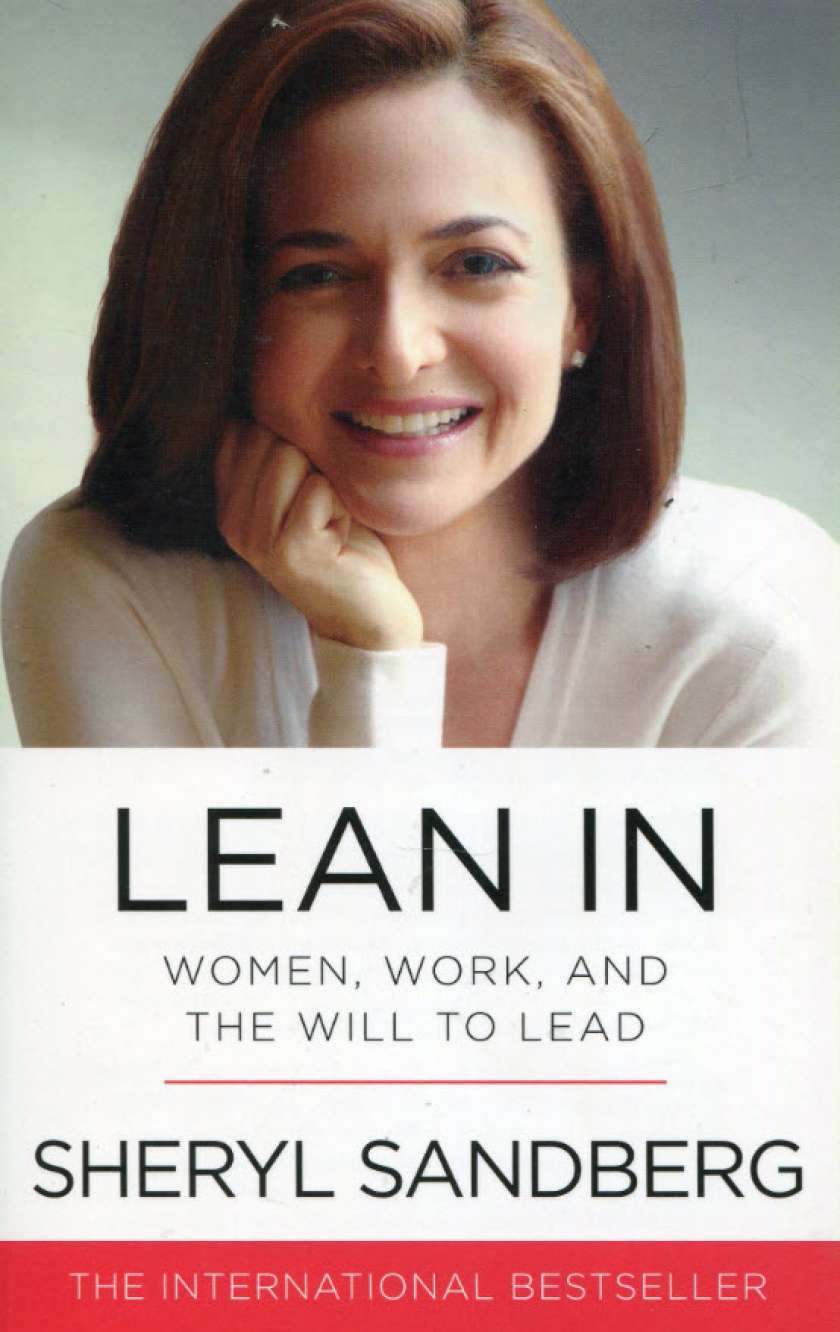
In Lean In, former Meta (then Facebook) COO Sheryl Sandberg explores why, despite progress, so many women are still underrepresented in leadership roles—and what can be done about it. Drawing on research, personal stories, and years inside high-pressure environments at Google and Facebook, she looks at internal barriers (self-doubt, social conditioning, “likability” penalties) and external ones (bias, broken structures, uneven support at home and at work). The book is part manifesto, part career guide, urging women to claim their seat at the table while also challenging institutions to change.
Why You Should Read It
Whatever you think about corporate feminism, Lean In has shaped a generation of conversations about women, ambition, and work. It’s especially resonant if you’ve ever second-guessed speaking up, negotiated too softly, or felt like you had to choose between being “nice” and being effective. Sandberg doesn’t pretend to have all the answers, but she offers tools, language, and stories that help you see your own patterns and your workplace’s expectations more clearly. It’s also useful for men who actually want to understand and support women colleagues better.
Zuckerberg’s Take

Zuck has praised the book for the way it merges insight and execution, noting that it “combines [the author]’s ability to synthesize information with her understanding of how to get the best out of people.” That’s exactly what she did as his COO: turn complex challenges into clear action. For Zuckerberg, Lean In isn’t just theory—it’s a window into the leadership style of the person who helped him scale Facebook through some of its most intense growth years.
Creativity, Inc.: Overcoming the Unseen Forces That Stand in the Way of True Inspiration by Ed Catmull with Amy Wallace
Category: Leadership, Creativity, Management, Company Culture
What It’s About
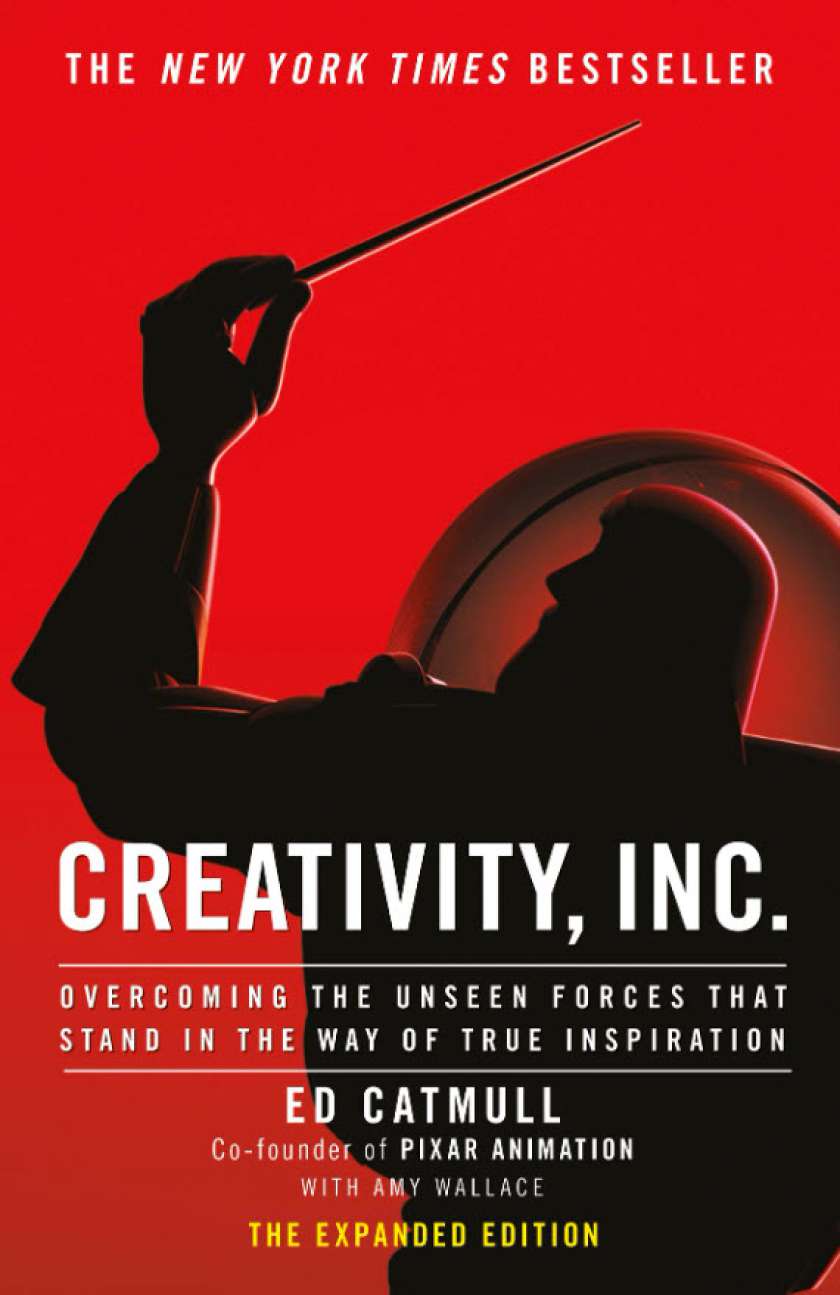
In Creativity, Inc., Pixar cofounder and longtime president Ed Catmull pulls back the curtain on how the studio behind Toy Story, Finding Nemo, and Inside Out actually works. The book isn’t just a victory lap of hits; it’s a deep look at how to build a culture where artists and engineers feel safe enough to take risks, tell the truth, and fix problems early. Catmull walks through ideas like the “Braintrust” (brutally honest feedback sessions), protecting candor, embracing failure as part of the process, and designing systems that keep fear and ego from killing good ideas.
Why You Should Read It
If you care about creativity at scale—whether in tech, media, design, or any field where teams make things together—this is essential reading. It’s especially powerful if you’re a leader who wants innovation but secretly punishes mistakes, or if you’re part of a team where people are afraid to speak up. Catmull shows that magic doesn’t just “happen”; it’s engineered through trust, processes, and a relentless focus on fixing problems rather than hiding them. You walk away with practical tools and a new appreciation for how fragile (and fixable) creative cultures are.
Zuckerberg’s Take
“I love reading first-hand accounts about how people build great companies like Pixar and nurture innovation and creativity,” Zuckerberg has said of this book.
That tracks perfectly with his obsession with product, culture, and long-term building. For him, Creativity, Inc. is more than a behind-the-scenes Pixar story—it’s a playbook for how to keep a company inventive even after it’s big, bureaucratic gravity has set in.
Get Book: Creativity, Inc.!Gang Leader for a Day: A Rogue Sociologist Takes to the Streets by Sudhir Venkatesh
Category: Sociology, Urban Poverty, Gangs, Ethnography
What It’s About

In Gang Leader for a Day, sociologist Sudhir Venkatesh tells the story of the six years he spent embedded in the Robert Taylor Homes housing projects on Chicago’s South Side, shadowing a crack-dealing gang called the Black Kings and their leader, JT. What starts as a grad-school research project turns into full-blown immersion: hanging out in stairwells, watching drug deals, sitting in on gang meetings, and slowly earning the trust of residents, hustlers, and community figures.
Through his eyes, we see how the gang operates almost like a corporation—managing territory, handling payroll, negotiating with building managers and even the police—while also acting as an informal welfare system in a neighborhood starved of formal support. The book reveals a world where violence, loyalty, entrepreneurship, exploitation, and mutual aid coexist in messy, complicated ways.
Why You Should Read It
If you’ve ever seen headlines about “gangs” and assumed you knew the story, this book will undo that. Venkatesh doesn’t romanticize or excuse anything, but he does humanize everyone involved. You come away with a much more nuanced understanding of how people survive when they’re shut out of stable jobs, safe housing, and effective public services. It’s also a fascinating look at what real ethnographic fieldwork looks like—messy, risky, morally complicated, and full of unexpected relationships. For anyone interested in inequality, policing, drugs, housing, or how underground economies really work, it’s gripping and eye-opening.
Zuckerberg’s Take

When Zuckerberg added Gang Leader for a Day to his A Year of Books lineup, he framed it as a window into what life looks like for people who don’t live under “effective governance”—people whose daily security, income, and conflict resolution are handled not by the state, but by informal power structures like gangs and local leaders.
That’s very Zuck: he’s drawn to books that explain how parallel systems form when institutions fail—and what that means for anyone trying to “build community” at scale, online or off.
Get Book: Gang Leader for a Day!The End of Power by Moisés Naím
Category: Political Science, Globalization, Power & Institutions
What It’s About
In The End of Power, Moisés Naím argues that while power is still very real, it’s less stable, less absolute, and harder to hold onto than ever before. Big institutions—governments, armies, churches, giant corporations—used to dominate almost every aspect of life. Now, thanks to globalization, technology, information flows, and rising individual agency, their grip is loosening. Small players can challenge big ones, outsiders can disrupt insiders, and authority is constantly being eroded, bypassed, or ignored. Naím breaks this down across politics, business, religion, and culture, showing how the “old rules” of power no longer reliably apply.
Why You Should Read It
If you’ve ever looked at protest movements, start-ups, social media uprisings, or even meme stocks and thought, “Wait… how did that small group just move the needle that much?”—this book gives you a framework. It helps explain why institutions feel more fragile, why leaders seem to have less control, and why chaos and innovation often arrive together. It’s especially useful if you work in big organizations or care about how tech, networks, and individuals are reshaping who gets to influence what.
Zuckerberg’s Take
Zuck picked The End of Power as the very first book in his A Year of Books project, calling it a lens on how power is being redistributed in the modern world. He summarized it as a book that
“explores how the world is shifting to give individual people more power that was traditionally only held by large governments, militaries and other organizations.”
That’s almost a mission statement for social media—and for Meta. You can see why it spoke to him: his entire career has been about building tools that let individuals broadcast, organize, and influence at planetary scale, sometimes with more reach than old-school institutions ever had.
Get Book: The End of Power!Dealing with China: An Insider Unmasks the New Economic Superpower by Henry M. Paulson Jr.
Category: Geopolitics, Economics, China, Policy
What It’s About

In Dealing with China, former U.S. Treasury Secretary and ex–Goldman Sachs CEO Henry Paulson offers a rare insider view of how China became an economic superpower—and what it’s like to negotiate with the people running it. Drawing on decades of meetings with top Chinese leaders, Paulson walks through China’s transformation from a closed, poor country into a central player in global markets. He explains how state-controlled capitalism actually works on the inside, how deals are struck, what reforms China has embraced or resisted, and where the U.S.–China relationship is most fragile and most vital.
Why You Should Read It
If you’re trying to make sense of the 21st century, you can’t ignore China—and this book is a crash course from someone who sat in the room where it happened. It’s especially useful if you’re interested in business, trade, global risk, or how economic power translates into political leverage. Rather than shouting hot takes from the sidelines, Paulson offers nuance: opportunities, missteps, mutual misunderstanding, and the reality that the world’s stability now depends heavily on how the U.S. and China manage each other.
Zuckerberg’s Take
Introducing this pick for his A Year of Books club, Zuckerberg wrote:
“Over the last 35 years, China has experienced one of the greatest economic and social transformations in human history. Hundreds of millions of people have moved out of poverty. By many measures, China has done more to lift people out of poverty than the whole rest of the world combined… I’ve been personally interested as a student of Chinese culture, history and language. I’m looking forward to reading Paulson’s perspective on what China’s rise means for the world.”
For Zuck, this isn’t just academic—it connects directly to his long-standing fascination with China’s scale, speed of change, and digital ecosystem. It’s the kind of book you read when you’re thinking in terms of systems, superpowers, and what the next few decades might look like.
Get Book: Dealing with China!Orwell’s Revenge: The 1984 Palimpsest by Peter Huber
Category: Technology & Society, Political Fiction / Nonfiction Hybrid, Media & Power
What It’s About

Orwell’s Revenge is a strange, brainy project: Peter Huber takes George Orwell’s 1984, scans Orwell’s writings into a computer, and then uses that text to “rewrite” the story from a very different angle. Instead of treating technology as a one-way instrument of totalitarian control (Big Brother’s telescreens), Huber imagines a world where computers and networks actually empower individuals, decentralize information, and weaken monopolies on power.
The book alternates between fiction and nonfiction chapters: continuing Winston’s story in a reimagined future while dropping in Huber’s own analysis of why Orwell’s technological pessimism was, in his view, “profoundly and significantly wrong.” Rather than a master–slave relationship between humans and machines, he argues, new communication technologies—especially networked computers and, by extension, the internet—can be tools for creativity, freedom, and equal access to information.
Why You Should Read It
If you’ve ever read 1984 and thought “yep, that’s Twitter, that’s my phone, that’s my smart TV listening to me,” this book offers a provocative counterpoint. It doesn’t deny the dangers of surveillance tech, but it insists that technology is not inherently tyrannical; it’s shaped by who controls it and how open the networks are. Huber’s mashup of narrative and essay isn’t for everyone, but it’s a great pick if you’re interested in media theory, digital freedom, or the long-running debate over whether the internet liberates or imprisons us. Think of it as arguing that the same screens Orwell feared can also be used to watch the watchers.
Zuckerberg’s Take
When Zuckerberg added Orwell’s Revenge to his A Year of Books line-up, he described it as “an alternate version of 1984,” and highlighted how Huber shows that tools like the internet can benefit people and change society for the better. It’s not hard to see why he was drawn to it: the book basically defends the idea that networked technologies—like the ones Meta builds—can erode old concentrations of power instead of just creating new Big Brothers. In Zuck’s broader reading arc about institutions, power, and governance, Orwell’s Revenge is the optimistic tech counterweight to our usual dystopian fears.
Get Book: Orwell’s Revenge!Conclusion
Mark Zuckerberg’s 2025 reading list is basically a syllabus for understanding how power works—who has it, who doesn’t, and what happens when you try to redesign the systems in between. If you want to think a bit more like Zuckerberg, you don’t need to learn to code or build a social network in your dorm room. You could start here—with historians, sociologists, economists, and founders who’ve all, in their own way, asked the same question: What happens to people when systems change?
Read these books slowly. Argue with them. Notice what excites you and what unsettles you. Because that’s the quiet message in this whole list: the future isn’t just about products and platforms—it’s about the kind of world they create, and whether we’re paying enough attention while it’s being built.
