
Most people like to believe that evil is rare, obvious, and easy to spot. We tell ourselves that cruelty belongs to strangers, monsters, or broken minds far away from our own lives. Yet crime fiction keeps returning to a more troubling idea: the darkest impulses often grow inside ordinary people, behind polite smiles, careful routines, and private fears. That is part of what makes these stories so hard to shake. They do not just ask who committed the crime, but what kind of hunger, shame, or need made it possible.
We are drawn to crime stories because they let us step close to danger without being consumed by it. They turn fear into structure, chaos into pattern, and violence into a question that can be followed to its source. In that search, readers are not only tracking a killer or solving a mystery. They are also studying jealousy, obsession, greed, loneliness, control, and the silent cracks in human morality. The best crime novels do not simply entertain us with suspense. They force us to sit with the parts of human nature we would rather keep hidden.
That is why the strongest works of psychological crime fiction feel bigger than their plots. A murder may begin the story, but the real subject is often what people do when love turns possessive, when power goes unchecked, or when identity itself becomes unstable. Crime fiction strips away manners and excuses, then shows what remains when a person feels trapped, humiliated, or unseen. It reveals how easy it can be to justify harm when desire becomes stronger than conscience. In that sense, these books are not just about crime at all. They are about the dangerous stories people tell themselves before they cross a line.
The novels below explore that darkness in different ways, from cold manipulation and buried trauma to social decay and the fear of being powerless. Some are sleek and modern, while others carry the shadowy elegance of classic noir. Some lock you inside the minds of damaged people, while others expose the rot hidden inside families, institutions, and entire social circles. Together, they show why the phrase crime novels dark side human nature feels so fitting for the genre at its best. These are not just some of the best crime novels ever written. They are deep, unsettling studies of what human beings are capable of when desire, fear, and control take over.
The Girl with the Dragon Tattoo – Stieg Larsson
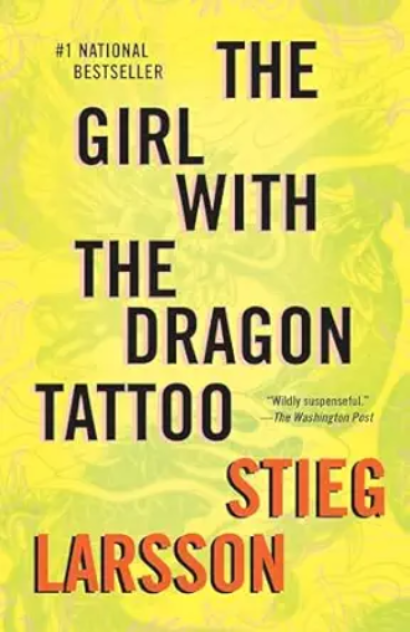
At first glance, this novel begins like a cold case wrapped inside a family mystery, set on an island estate where old money and old secrets have had decades to settle into the walls. Journalist Mikael Blomkvist is hired to investigate the disappearance of a young woman from forty years earlier, and what seems like a stale puzzle slowly becomes something far more rotten.
As he digs deeper, he is joined by Lisbeth Salander, a brilliant hacker whose sharp mind and guarded nature make her one of the most unforgettable figures in modern crime fiction. The Swedish winter setting adds its own chill, making every discovery feel harsher and more isolating. The story moves with the pressure of a locked room slowly filling with poison.
What makes the novel so disturbing is the way it connects personal violence to systems of power. Larsson is not only interested in one crime, but in the long history of abuse that hides behind wealth, reputation, and male authority. Lisbeth stands at the center of that tension, carrying deep wounds while refusing to become passive in a world built to control her. The book explores humiliation, sadism, and the casual ways powerful people dismiss the suffering of others when it benefits them. It suggests that the dark side of human nature is not always explosive or dramatic. Sometimes it survives through silence, institutions, and the willingness of decent people to look away.
This novel stands out because it combines the drive of a thriller with the moral anger of a social novel. Larsson writes with urgency, but the emotional force comes from the feeling that every clue leads not just to a person, but to a culture of cruelty. Lisbeth Salander gives the story its electricity, because she is both vulnerable and dangerous, broken and fiercely alive. Her presence changes the mood of every page, making the novel feel less like a conventional mystery and more like a battle over who gets to reclaim power. Few books blend suspense, outrage, and psychological sharpness this well, which is why it remains essential reading for anyone interested in psychological crime fiction.
Get Book: The Girl with the Dragon Tattoo!Gone Girl – Gillian Flynn
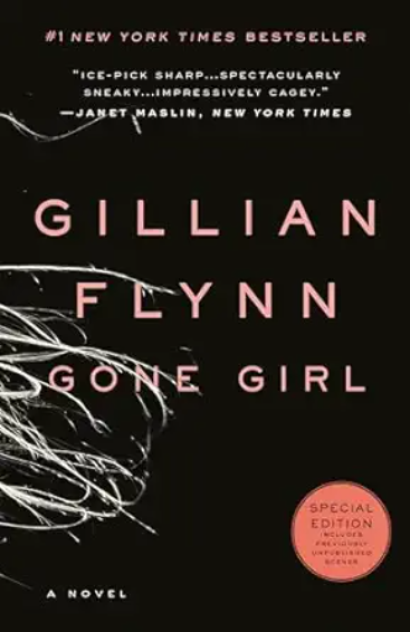
On the morning of his fifth wedding anniversary, Nick Dunne discovers that his wife, Amy, has vanished, and the empty house around him quickly begins to feel staged like a crime scene with a private audience. From there, the novel builds its tension through public suspicion, media frenzy, and the quiet terror of realizing that a marriage can become a theater of lies.
Flynn turns suburban life into something slick and poisonous, where every smile hides calculation and every memory shifts under pressure. The story moves through diary entries, interviews, and competing versions of the truth, making the reader feel trapped inside a hall of mirrors. What begins as a missing person case becomes a brutal examination of intimacy itself.
The dark side of human nature here lies in performance, resentment, and the hunger to control how one is seen. Gone Girl is not only about deception between two people, but about the twisted satisfaction people find in punishing each other emotionally. Amy and Nick are terrifying not because they are strangers to normal life, but because they understand its expectations so well and weaponize them with precision. The novel explores vanity, manipulation, grievance, and the way love can rot into a power struggle where winning matters more than truth. It also exposes how public narratives can flatten human complexity into simple heroes and villains. That is what makes the book feel so unsettling: it shows how identity can become a costume worn for survival, revenge, or control.
Flynn’s great strength is her voice, which is sharp, funny, cruel, and exact in all the right places. She writes marriage as a battlefield of image and resentment, and that choice gives the novel an emotional charge that goes beyond plot twists. Even when the story becomes outrageous, the feelings underneath it remain disturbingly familiar, because many people know what it means to feel misread, trapped, or quietly furious. The book stands out among the best crime novels because it makes domestic life feel as dangerous as any alley or interrogation room. Long after the mystery unfolds, what lingers is the sick realization that two people can know each other deeply and still choose to destroy each other.
Get Book: Gone Girl – Gillian Flynn!In the Woods – Tana French
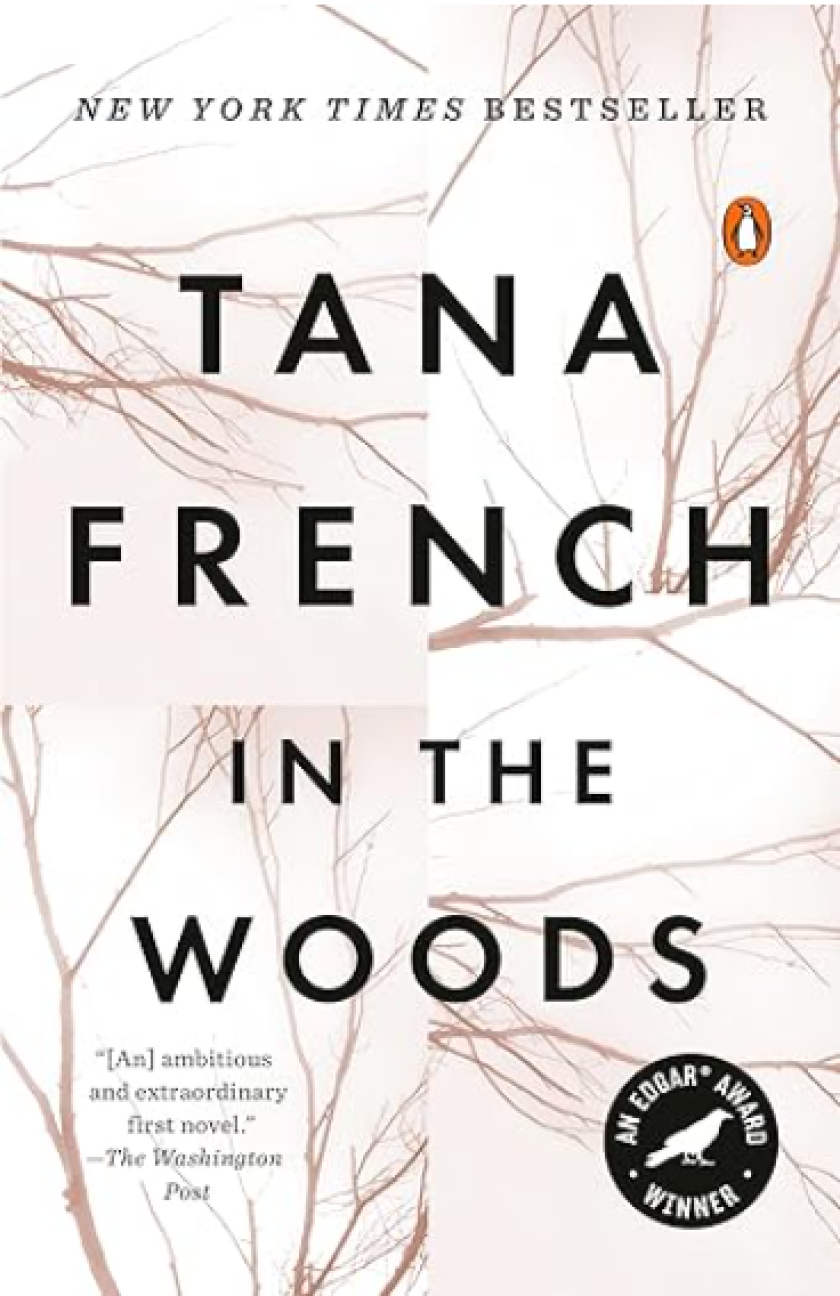
In this haunting novel, detective Rob Ryan investigates the murder of a young girl in a small Irish town, only to find that the case stirs the buried nightmare of his own childhood. Years earlier, Rob was found alone in the woods after his two best friends disappeared without explanation, and he has never recovered the missing pieces of that day.
Now the new crime unfolds near the same place, turning the landscape itself into a source of dread. French fills the novel with damp air, old memories, and the kind of silence that feels crowded with unseen things. The investigation becomes more than a search for facts. It becomes a slow descent into a mind that may not be able to survive the truth.
The darkness in In the Woods comes from memory, repression, and the fear that we are never fully known, even to ourselves. Rob is not a steady guide through the story, and that is exactly the point. He is intelligent, damaged, defensive, and quietly unraveling, which makes the case feel inseparable from his own instability. The novel explores the way trauma reshapes identity, leaving people to build adult lives over ground that never stopped shaking. It also shows how obsession can make someone both determined and blind, pulling them closer to answers while destroying their judgment. In this book, human nature is dark not because people are always monstrous, but because grief and fear can twist perception until reality itself becomes slippery.
French’s writing is what makes the novel feel so rich and alive. She treats the murder investigation seriously, but she is even more interested in atmosphere, emotional tension, and the hidden violence of memory. Her sentences create a mood that feels almost dreamlike, yet the emotional damage underneath it is painfully real. The book stands out because it refuses the clean satisfaction many mysteries offer, choosing instead to leave the reader with unease and ache. That choice makes it powerful, because some wounds do not close neatly, and some crimes expose absences that can never truly be solved.
Get Book: In the Woods!The Silence of the Lambs – Thomas Harris
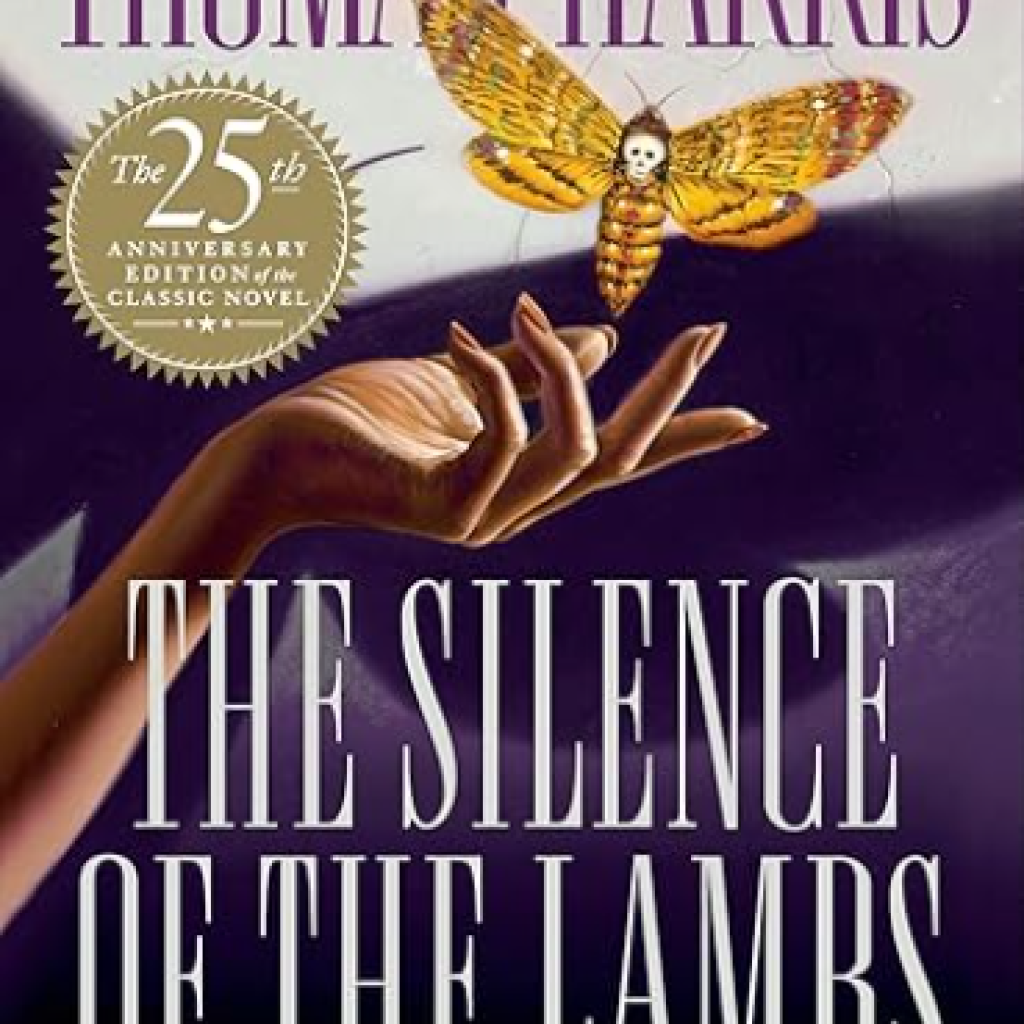
FBI trainee Clarice Starling is sent to interview the imprisoned Hannibal Lecter in hopes that his insight might help catch another killer still at large. That setup alone is enough to generate dread, because the story asks a young woman to walk willingly into the mental presence of a man whose intelligence is as frightening as his crimes.
Harris turns every conversation between Clarice and Lecter into a contest of nerves, perception, and hidden motive. Meanwhile, the hunt for Buffalo Bill adds urgency, pushing the novel forward with the knowledge that time is running out for someone unseen and vulnerable. The result is a thriller that feels both intimate and relentless.
The dark side of human nature in this novel appears through appetite, domination, and the need to possess other people completely. Lecter is the most obvious example, but Harris is too smart to let the darkness stop with one extraordinary monster. Clarice moves through institutions shaped by male power, dismissal, and predatory behavior of many different kinds, which broadens the novel’s moral terrain. Evil here is not only spectacular. It also appears in condescension, objectification, and the ways vulnerable people are studied, used, or reduced. The book forces the reader to confront the thin line between curiosity and violation, between understanding darkness and being drawn toward it.
What makes the novel stand out is the precision of its psychological tension. Harris writes with clean force, and he knows how to make dialogue feel more dangerous than action. Clarice is a major reason the book works so well, because she brings intelligence, discipline, and emotional depth to a story that could otherwise become pure horror. Her determination gives the novel a beating heart, even as the atmosphere grows colder and more threatening. Among the best crime novels, this one remains unforgettable because it understands that fear is strongest when it enters through the mind before it ever reaches the body.
Get Book: The Silence of the Lambs!The Big Sleep – Raymond Chandler
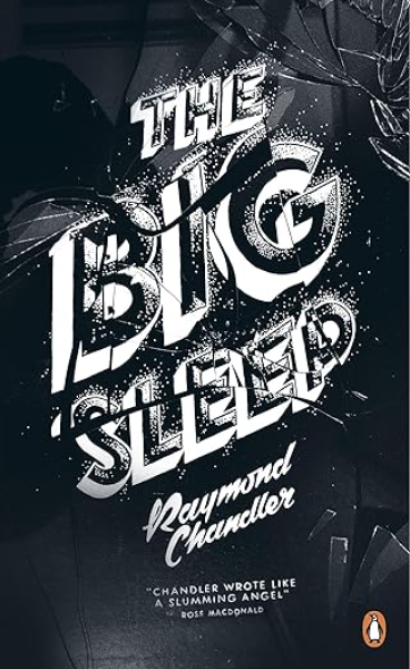
Private investigator Philip Marlowe is hired by the wealthy Sternwood family to handle a case of blackmail, but the job quickly opens into a maze of vice, corruption, missing people, and sudden death. Los Angeles in Chandler’s hands is not bright and glamorous, but exhausted, crooked, and morally stained beneath its polished surface.
Marlowe walks through gambling houses, mansions, back rooms, and dark streets with a mix of cynicism and battered honor. The plot coils and shifts like smoke, creating a world where truth is always partly hidden and danger often arrives wearing elegance. The city itself feels guilty, as though every building knows more than it is willing to say.
The darkness here comes from decay, compromise, and the everyday normality of corruption. Chandler’s world is full of people who have learned how to live with moral dirt on their hands, whether they caused it or simply accepted it as the price of survival. Marlowe stands out because he is not innocent, but he is still trying to remain human in a system designed to crush integrity. The novel explores greed, lust, blackmail, and the deadening effect of privilege, showing how power can protect people even when they are hollow at the center. It suggests that evil does not always scream. Sometimes it lounges in a rich house, speaks softly, and lets others do the damage.
What makes The Big Sleep memorable is Chandler’s style, which turns noir into something almost musical. His language is hard, witty, and lyrical all at once, giving the novel an atmosphere that is as important as the mystery itself. Marlowe’s voice carries the reader through the confusion, and that voice is full of dry intelligence and bruised moral feeling. Even when the plot becomes dense, the emotional truth remains clear: this is a world where innocence has become expensive and honesty is a lonely habit. That tension gives the book lasting power and helps explain why it still shapes so much crime fiction today.
Get Book: The Big Sleep!Murder on the Orient Express – Agatha Christie
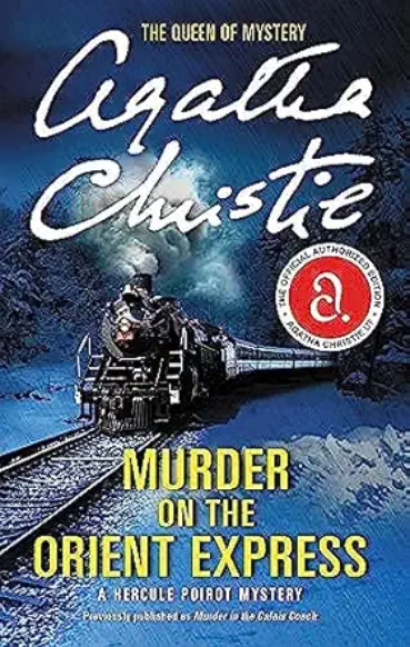
A luxury train cuts through the snow, then stops cold in the night, sealed off from the outside world by weather and circumstance. By morning, one passenger is dead in his compartment, and Hercule Poirot realizes that the killer must still be on board. Christie takes this elegant setup and fills it with unease, because the train feels both civilized and claustrophobic, a place where manners remain polished even as suspicion thickens in the air.
Each passenger carries a history, a motive, or a carefully managed version of selfhood. The result is a mystery that feels less like a simple puzzle and more like a chamber full of private moral storms.
The dark side of human nature in this novel is tied to justice, revenge, and the dangerous emotion of believing that one’s cause is righteous enough to excuse almost anything. Christie does not present darkness here as wild chaos, but as something organized, reasoned, and emotionally persuasive. That is what gives the book its uneasy moral weight. It asks whether people become less guilty when their motives feel understandable, and whether pain can ever justify carefully chosen harm. By placing these questions inside such a controlled and elegant setting, the novel quietly reveals how thin the surface of civilization can be.
This book stands out because Christie uses the structure of classic detective fiction to raise larger ethical questions without losing suspense. Poirot is not just a solver of riddles in this story. He becomes a witness to the conflict between law and moral feeling, which gives the ending its lasting sting. The novel is also a masterclass in compression, creating a whole world of tension inside a single train car and a single night. Its cleverness is famous, but what keeps it alive is its emotional complexity. It is one of the best crime novels because it proves that even the neatest mystery can leave behind a deeply unsettling truth.
Get Book: Murder on the Orient Express!The Talented Mr. Ripley – Patricia Highsmith
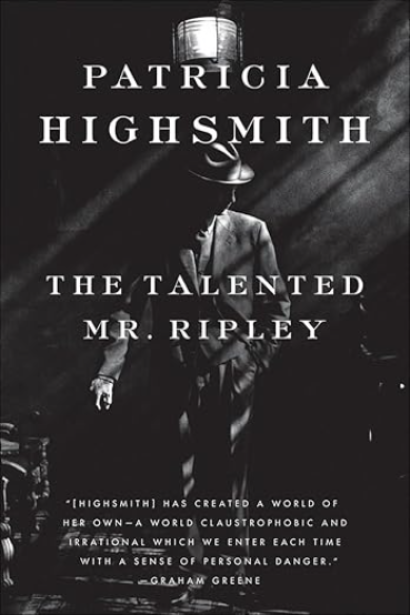
Tom Ripley begins as an uncertain young man drifting on the edge of better lives, then is sent to Europe to persuade the wealthy Dickie Greenleaf to come home. Once there, Tom falls under the spell of Dickie’s world of ease, style, money, and casual freedom. Highsmith creates a setting of sunlit beauty, but the atmosphere is never safe.
Underneath the clean shirts, fine meals, and coastal charm, Tom’s longing starts to harden into something far more dangerous. The novel pulls the reader close to him until every desire, humiliation, and act of imitation feels disturbingly intimate.
The darkness in this book is rooted in envy, identity, and the terrifying flexibility of conscience. Tom does not think of himself as a monster, and that makes him far more unsettling. He wants comfort, admiration, and belonging, and he gradually teaches himself to believe that he deserves them by any means necessary. Highsmith shows how easily morality can be bent when someone feels excluded from the life they crave. The novel suggests that the dark side of human nature often begins not with hatred, but with desire so intense that another person becomes an obstacle rather than a human being.
What makes The Talented Mr. Ripley so powerful is its psychological closeness. Highsmith places the reader inside Tom’s shifting mind, where fear and calculation blend so smoothly that dread becomes almost hypnotic. Her prose is cool and controlled, which makes the emotional chill even sharper. The novel refuses easy distance, because it lets the reader understand Tom just enough to feel implicated by that understanding. Few works of psychological crime fiction are this elegant or this unnerving, and few villains are as memorable as one who can almost persuade you to follow his logic.
Get Book: The Talented Mr. Ripley!Shutter Island – Dennis Lehane
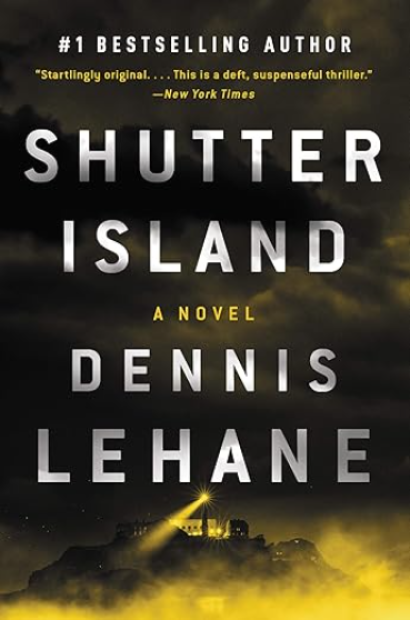
Two U.S. marshals arrive at Ashecliffe Hospital, a remote institution on an island battered by wind and surrounded by cold water, to investigate the disappearance of a patient. From the start, nothing on the island feels stable. The staff seem careful in the wrong ways, the patients watch too closely, and the storm gathering overhead makes the place feel cut off from ordinary reality.
Lehane builds pressure through locked wards, whispered theories, and the constant sense that someone is manipulating the scene. The mystery grows darker because it does not feel limited to one missing person. It begins to suggest that the island itself is built on hidden violence.
The novel’s deepest darkness lies in trauma, guilt, and the desperate tricks the mind can play to protect itself. This is a story about what happens when grief becomes too heavy to carry honestly. Fear, paranoia, and self-deception spread through the book like fog, making every revelation feel uncertain until it lands with full weight. Lehane explores how people build internal prisons, then mistake them for shelter. That idea is what gives the story its power, because it suggests that human nature is not only capable of harm toward others, but also of terrible distortions when it tries to survive unbearable pain.
Shutter Island stands out because it balances thriller momentum with emotional devastation. Lehane knows how to control atmosphere, and every detail on the island works toward a feeling of dread that is both physical and psychological. The novel also earns its impact by grounding its mystery in raw human suffering rather than cleverness alone. When the truth begins to come into view, the effect is not just surprising. It is tragic. That emotional aftershock is why the book remains one of the most memorable examples of crime novels that examine the dark side of human nature.
Get Book: Shutter Island!The Secret History – Donna Tartt
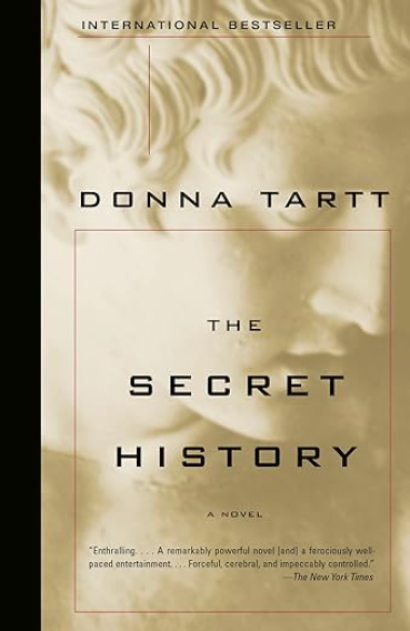
At Hampden College, a tight circle of brilliant classics students live in a world that seems almost separate from ordinary life, shaped by beauty, privilege, and intellectual obsession. Into that circle steps Richard Papen, who is drawn by their confidence, their mystery, and the sense that they are living by deeper rules than everyone else.
From the opening pages, the reader knows a murder has already taken place, and the novel unfolds under the pressure of that knowledge. Tartt is less interested in shock than in slow corruption, showing how charm and intelligence can become intoxicating. The campus setting glows with beauty, but underneath it is a cold, dangerous emptiness.
The dark side of human nature here is tied to elitism, moral detachment, and the seduction of belonging. These characters convince themselves that beauty and intellect place them beyond common limits, and that belief becomes the seed of disaster. The novel examines how group identity can weaken conscience, especially when people feel chosen, admired, or superior. It also explores the quiet cruelty of self-protection, because loyalty inside the group always comes at someone else’s expense. What makes the book so disturbing is how recognizable these impulses are. Many people long to belong to something rare or powerful, and Tartt shows how that longing can become morally fatal.
This novel stands out because it treats crime as a philosophical and emotional atmosphere rather than just an event. Tartt’s prose is lush, reflective, and slow-burning, which gives the story a strange, consuming beauty. She understands that dread can grow not only from danger, but from admiration curdling into disgust. The book remains with readers because it captures the glamour of transgression and then reveals the spiritual emptiness behind it. That tension between beauty and decay makes it one of the richest and most unsettling books on this list.
Get Book: The Secret History!American Psycho – Bret Easton Ellis
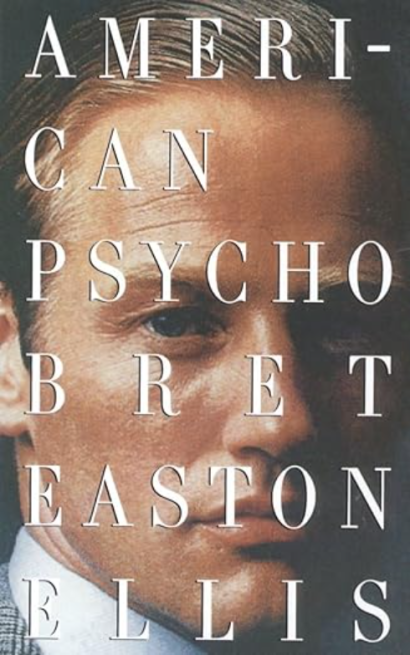
Patrick Bateman moves through 1980s Manhattan surrounded by expensive restaurants, designer labels, business cards, and conversations so shallow they feel almost mechanical. On the surface, he has everything that should signal success, status, and desire. Yet the world around him is so obsessed with image that it becomes hard to tell where performance ends and personhood begins.
Ellis creates a setting that is glossy, repetitive, and spiritually numb, and from that numbness grows a disturbing emptiness. The novel uses crime not simply as plot, but as an expression of a culture that has hollowed itself out.
The dark side of human nature in this book is tied to narcissism, dehumanization, and the total collapse of empathy. Bateman sees other people as objects, mirrors, or interruptions, and that worldview grows from a social environment already built on vanity and status worship. Ellis suggests that when a culture teaches people to value surfaces above souls, cruelty becomes easier to excuse and harder to notice. The novel is deeply unsettling not because it presents darkness as rare, but because it links that darkness to ordinary ambition, consumer hunger, and emotional emptiness. Its vision of evil is not only individual. It is cultural, and that is what gives it such a cold lasting force.
What makes American Psycho memorable is the way it traps the reader inside monotony until the monotony itself becomes threatening. Ellis uses repetition with purpose, showing how a life built entirely on image can become both absurd and terrifying. The novel is often discussed for its extremity, but its deeper power comes from satire, emptiness, and emotional frost. It leaves readers with the sense that horror can emerge from a society that stops recognizing other people as fully human. For that reason, it remains one of the boldest and most disturbing books in any discussion of psychological crime fiction.
Get Book: American Psycho!Shared Shadows Across These Novels
What links these books is not just murder, mystery, or suspense, but the way each one strips human beings down to the instincts they try hardest to hide. Again and again, these stories return to obsession, shame, greed, fear, and the need to control how one is seen. Some characters want power, some want love, some want safety, and some simply want to escape the pain of being ordinary or powerless. Yet the method is often the same: they twist reality until another person becomes useful, disposable, or blameworthy. That is what makes these novels so powerful. They suggest that darkness does not always enter from outside, because it may already be waiting inside familiar desires.
Crime fiction also gives readers a rare way to face uncomfortable truths without pretending they are simple. These novels show that morality is fragile when pride is wounded, when status is threatened, or when trauma distorts the mind. They reveal how institutions protect abusers, how social polish can hide corruption, and how private fantasies can become public harm. At the same time, readers are drawn to these stories because they offer recognition as much as fear. We may not see ourselves in the crimes, but we recognize the jealousy, loneliness, anger, insecurity, and hunger for control that feed them. That is why the genre remains so compelling: it turns darkness into a mirror, and the reflection is rarely easy to dismiss.
Conclusion
The greatest crime novels do more than create suspense. They uncover the pressures and weaknesses that push people toward lies, cruelty, betrayal, and self-deception. They remind us that evil is not always loud, and that danger often grows in ordinary spaces like marriages, classrooms, offices, and family homes. Through detectives, victims, liars, outsiders, and killers, these books trace the fragile borders between civility and chaos. They show us how quickly the human mind can justify the unacceptable once fear, desire, or pride takes over.
That is why these stories stay with readers long after the final page. The best crime novels do not offer darkness as empty shock. They use it to explore what people are like when their masks slip, when their appetites grow stronger than their conscience, or when their pain becomes something they can no longer contain. Even the most stylish or clever among them carry a serious emotional question underneath the mystery. What are human beings capable of when they believe no one truly sees them, or when being seen becomes the very thing they fear most?
In the end, crime fiction remains so gripping because it understands something uncomfortable but true. Human nature is not divided neatly between the innocent and the monstrous. It is full of contradiction, weakness, longing, and stories people tell themselves in order to live with what they have done. These novels confront that fact in different ways, but all of them leave the reader with the same cold thought. The darkest crimes are frightening not only because they are extreme, but because their roots are often painfully human.
Meta description: Explore 10 gripping crime novels that reveal the dark side of human nature through obsession, manipulation, fear, and psychological tension.
