
Hugh Jackman’s reading life reflects a man deeply attuned to purpose, responsibility, and connection. His book choices move across continents and disciplines — from economics and philosophy to literature and personal growth — but they are united by a quiet insistence on meaning. These are books that ask not just how to live, but how to live well.
Looking at the books recommended by Hugh Jackman, a pattern begins to emerge. Again and again, these are stories of transformation — individuals confronted with hardship, moral complexity, or self-discovery, and choosing to respond with intention. It’s a reading list shaped by empathy, by curiosity, and by a belief that growth is something we owe not just to ourselves, but to others.
Banker to the Poor by Muhammad Yunus
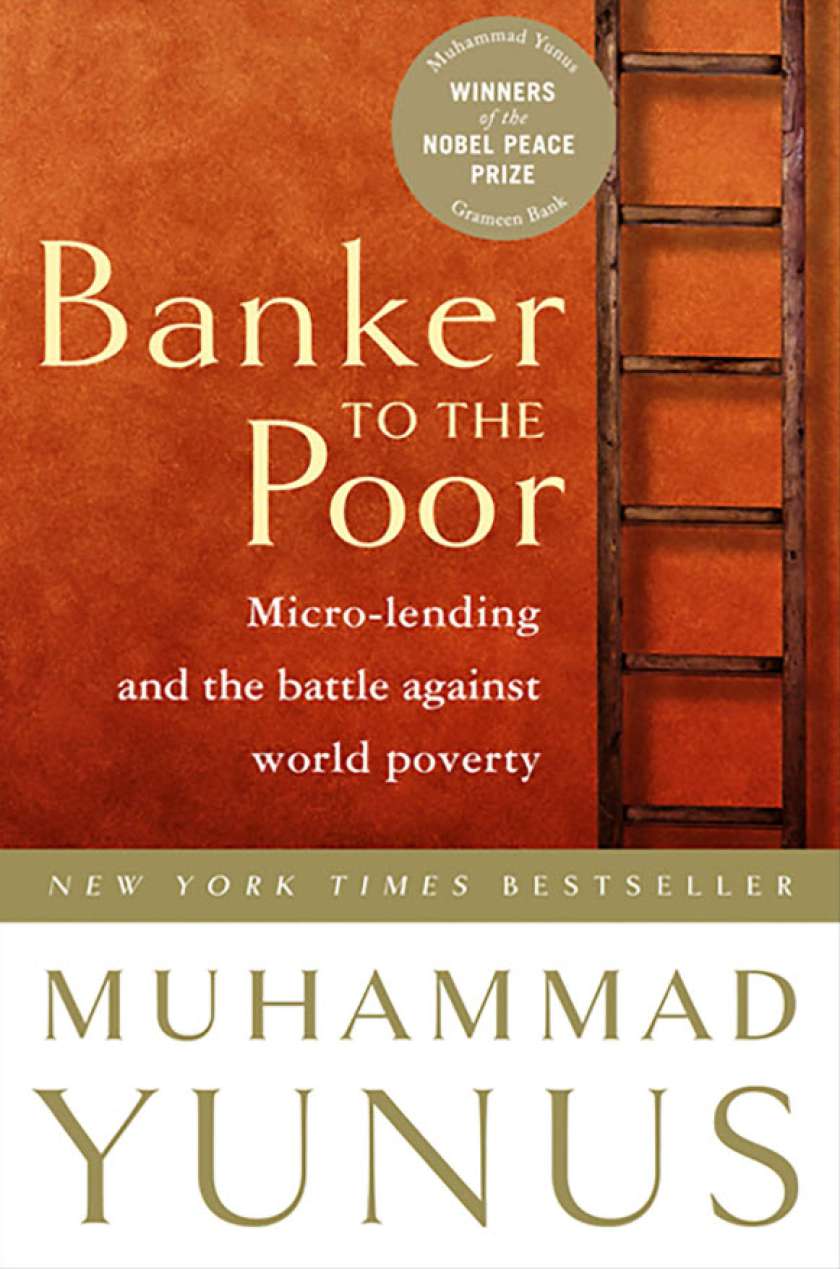
In Banker to the Poor, Muhammad Yunus recounts how his experience during the Bangladesh famine led him to challenge traditional economic systems and create microfinance as a practical solution to poverty. What begins as a moral discomfort — teaching theory while witnessing suffering — evolves into a radical rethinking of how financial systems can serve the most vulnerable. The book is both personal and systemic, grounded in action rather than abstraction.
Why You Should Read It
This is a book that reshapes how you think about impact. Banker to the Poor shows how small, intentional actions can create lasting structural change. If you’re interested in social innovation, ethical leadership, or the power of acting on what you see rather than turning away, this book offers both inspiration and clarity.
Hugh Jackman’s Take
What resonates most with Jackman is not just Yunus’s achievement, but his response to discomfort. He’s spoken about how Yunus “couldn’t turn away from what he saw,” choosing instead to follow that instinct and act on it. That idea — that we are constantly being shown the direction we should take, if we’re willing to notice — feels central to Jackman’s worldview. It’s not about waiting for certainty, but about responding to what feels undeniably right.
Get Book: Banker to the Poor!Cloudstreet by Tim Winton
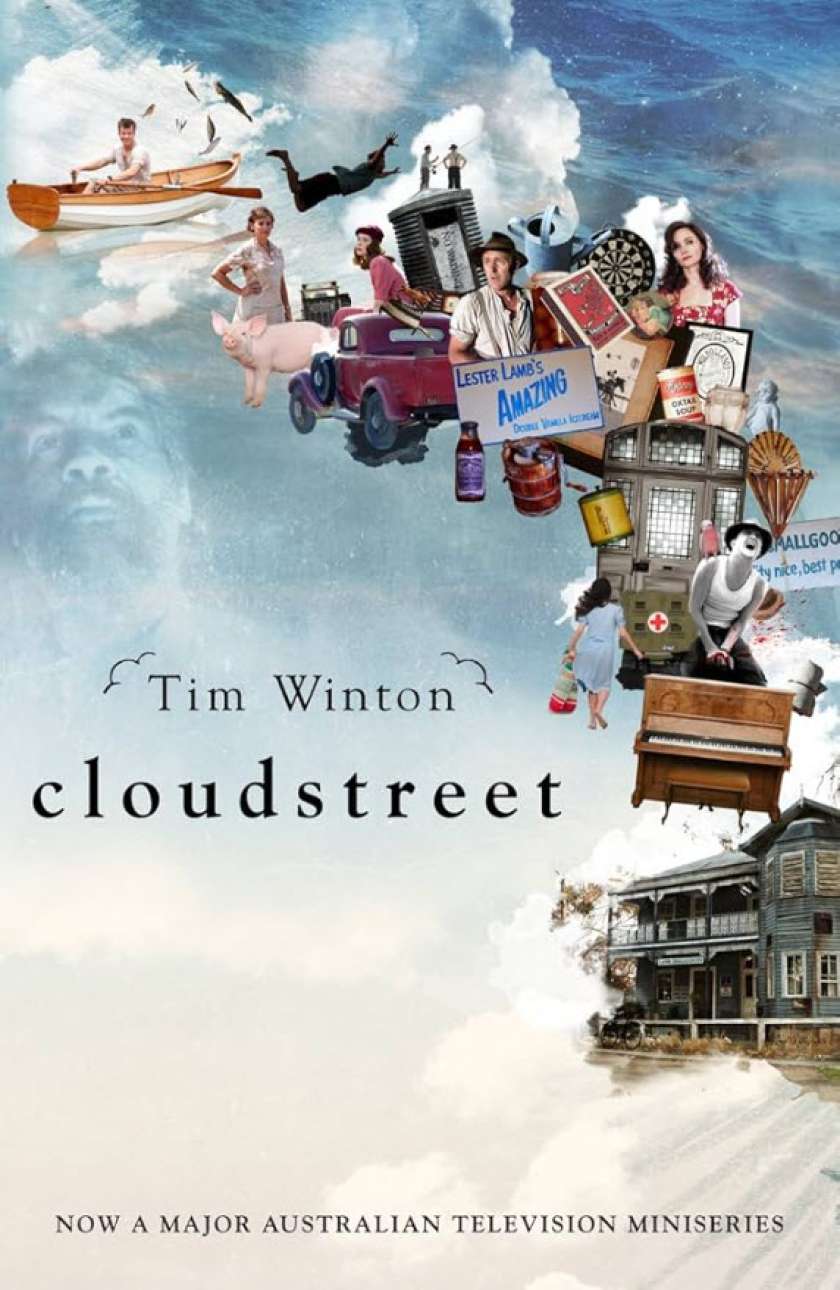
Cloudstreet follows two working-class families, the Lambs and the Pickles, as they share a sprawling, dilapidated house over the course of twenty years. What unfolds is a deeply human story of struggle, resilience, and the fragile, often messy bonds that hold people together. Winton’s writing is sensory and grounded, capturing not just events, but atmosphere — the feel of a place, the texture of everyday life.
Why You Should Read It
This is a novel that feels lived-in. Cloudstreet is less about plot and more about presence — about watching lives unfold in all their imperfection. If you’re drawn to stories that explore family, community, and the quiet beauty that exists alongside hardship, this book offers something deeply affecting.
Hugh Jackman’s Take
For Jackman, reading Cloudstreet while living abroad felt like being transported home. He’s described how vividly Winton captures Australia — the people, the atmosphere, the small details that make a place feel real. What stayed with him most, though, is the balance within the story: flawed characters facing immense pressure, yet still holding onto a sense of community. It’s that combination — hardship and connection — that makes the novel feel, in his words, “absolutely beautiful and life affirming.”
Get Book: Cloudstreet!The Grapes of Wrath by John Steinbeck
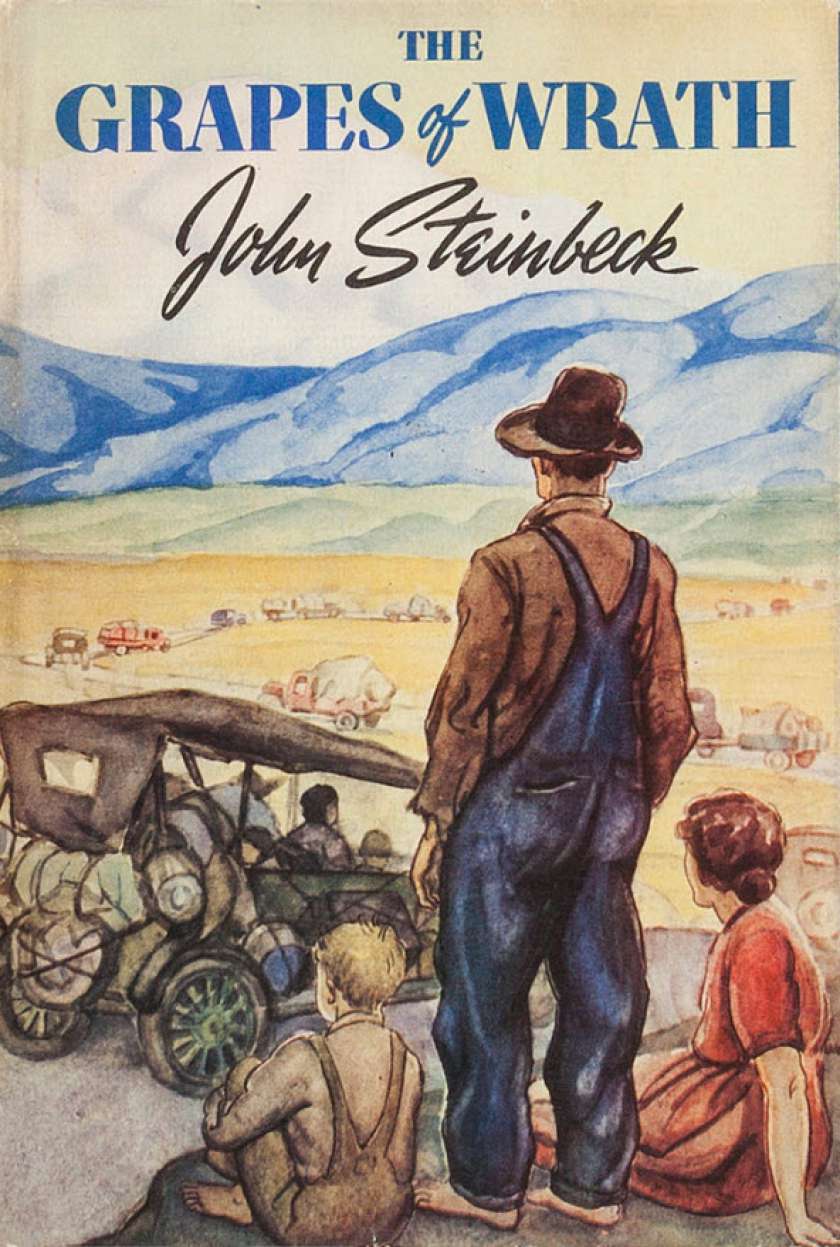
The Grapes of Wrath follows the Joad family as they leave their drought-stricken home and journey west in search of survival during the Great Depression. But beyond its historical setting, the novel is about awakening — how hardship forces a shift from individual survival to collective responsibility. Steinbeck traces that evolution with quiet intensity, showing how circumstances reshape not just lives, but values.
Why You Should Read It
This is a book that expands your sense of empathy. The Grapes of Wrath doesn’t just tell a story of struggle; it asks what we owe one another in times of crisis. If you’re drawn to novels that explore justice, community, and the moral choices people make under pressure, this remains one of the most powerful.
Hugh Jackman’s Take
What stayed with Jackman is the transformation of Tom Joad — the shift from a self-focused life to one shaped by responsibility to others. As he reflects, “with the opportunities you get you have responsibility beyond your family… and if you have some power to do things, you should do them.” That idea clearly resonates with him. It’s not just about growth, but about direction — moving outward, toward impact, rather than inward toward self alone.
Get Book: The Grapes of Wrath!Siddhartha by Hermann Hesse
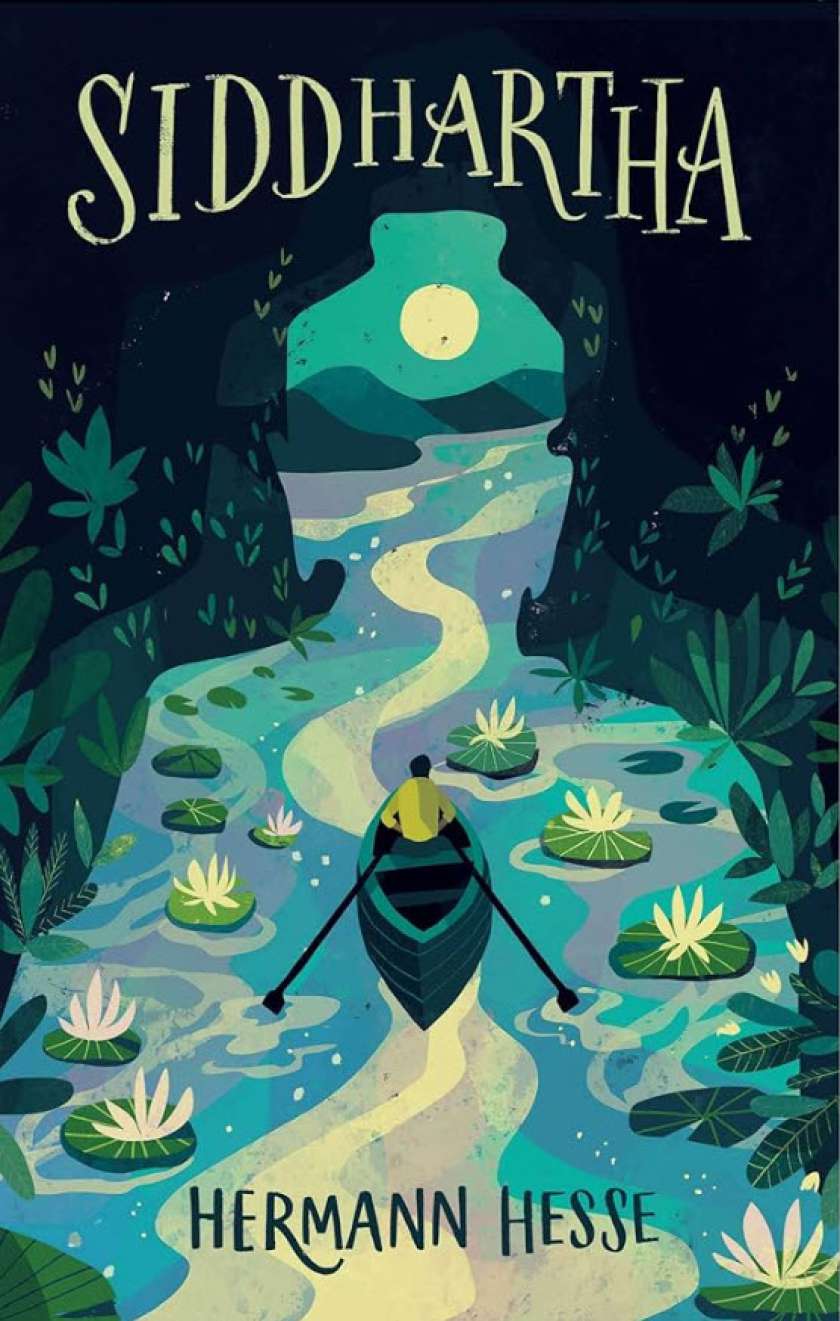
Siddhartha follows a young man who leaves behind certainty in order to seek a more personal, lived understanding of truth. Rather than accepting inherited wisdom, he moves through desire, discipline, loss, and reflection, learning that meaning cannot simply be taught — it must be experienced. Hesse’s novel is spare, contemplative, and quietly transformative.
Why You Should Read It
This is a book for readers in transition. Siddhartha doesn’t offer formulas or easy answers; it asks deeper questions about who you are, what you believe, and whether the life you’re building is truly your own. If you’re drawn to books that feel philosophical without losing emotional clarity, this one has a lasting, grounding force.
Hugh Jackman’s Take
Jackman has said he was given Siddhartha as he was leaving for drama school, at a moment when he was trying to understand both himself and the path ahead. What struck him most was the novel’s insistence on personal truth — not what is true for a parent, a community, or a tradition, but what is true for the self. As he puts it, Siddhartha’s journey is “a reminder that we always have to find our own truth.” It’s easy to see why this became one of those books he presses into other people’s hands.
Read Book: Siddhartha!Long Walk to Freedom by Nelson Mandela
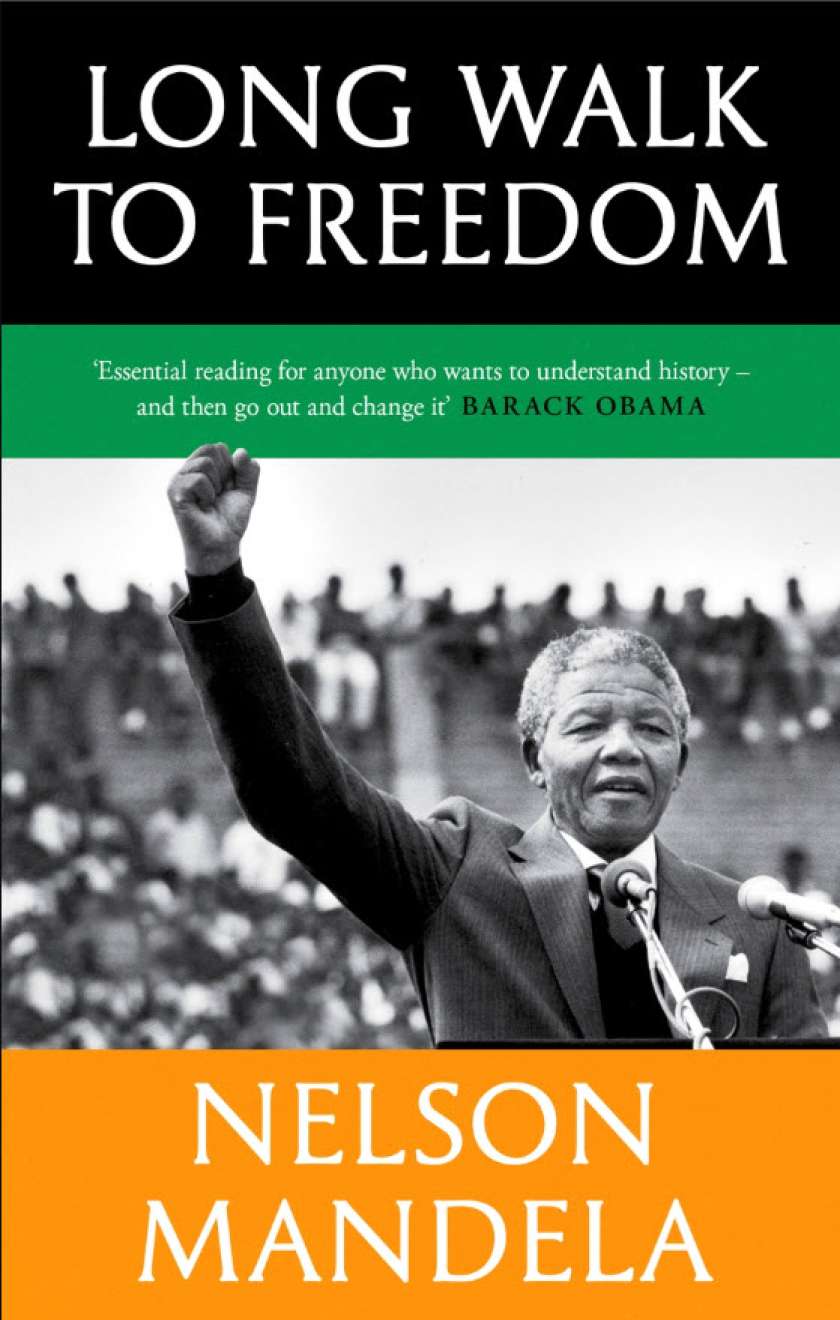
Long Walk to Freedom traces Nelson Mandela’s life from his early years through his 27-year imprisonment and eventual role in dismantling apartheid. But what gives the book its depth is not just its historical significance — it’s the emotional and moral discipline that runs through it. Mandela’s ability to endure injustice without surrendering to bitterness gives the narrative a quiet, extraordinary strength.
Why You Should Read It
This is a book that redefines resilience. Long Walk to Freedom goes beyond survival, exploring what it means to hold onto purpose and humanity under extreme pressure. If you’re drawn to stories of leadership shaped by sacrifice — and the kind of strength that is both firm and compassionate — this remains essential reading.
Hugh Jackman’s Take
What struck Jackman most is Mandela’s capacity for both strength and self-awareness. He recalls being deeply moved by Mandela’s reflection: “My commitment to my people… was at the expense of the people I knew best and loved most.” That acknowledgment — that even a life of extraordinary impact carries personal cost — seems to resonate deeply with him. It’s not just admiration for Mandela’s achievements, but for his honesty about what it took to achieve them.
Get Book: Long Walk to Freedom!The Overstory by Richard Powers
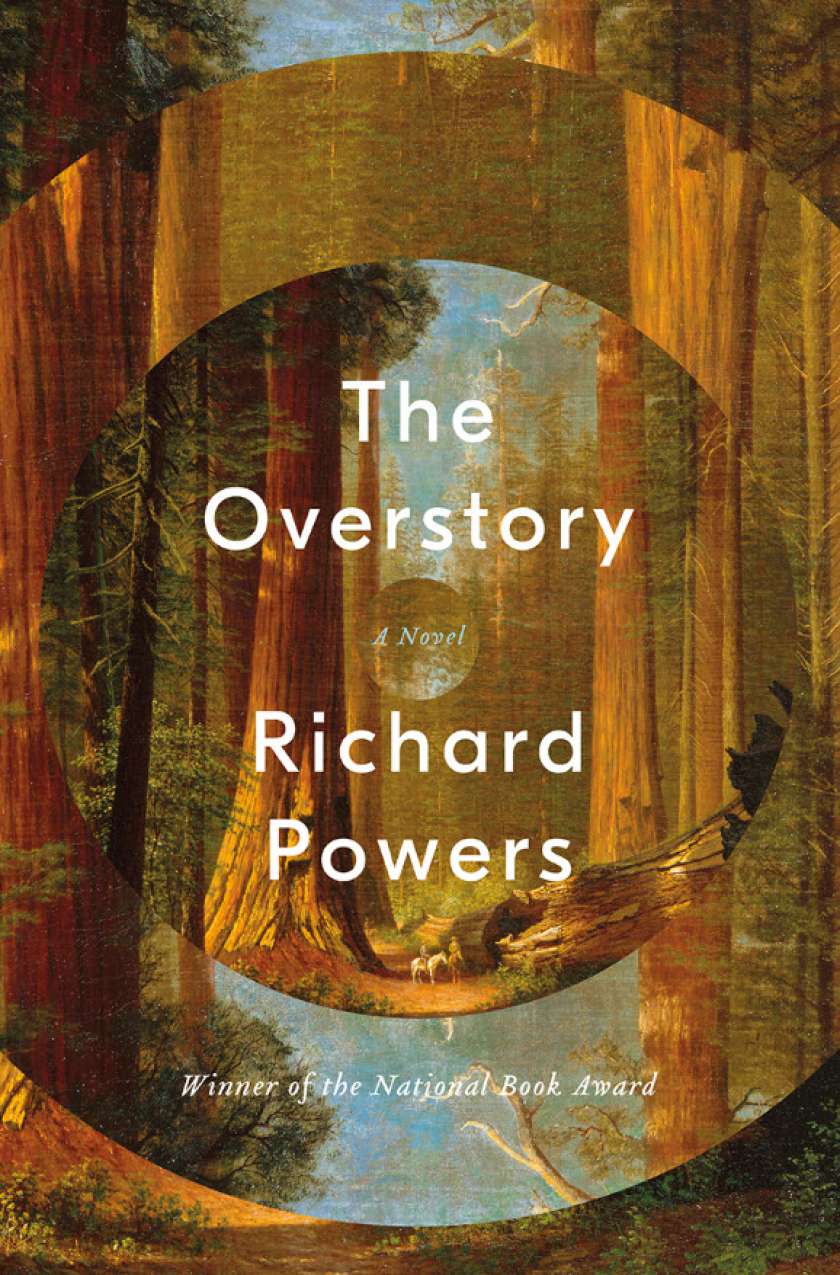
The Overstory weaves together the lives of disparate characters whose paths converge through trees — not merely as symbols, but as living presences that alter how they understand the world. Richard Powers turns the natural world into both subject and structure, asking readers to think beyond individual lives and human timelines. The novel is ambitious, lyrical, and quietly radical in the way it reorders attention.
Why You Should Read It
This is a book that changes your pace. The Overstory asks you to slow down, look up, and reconsider what counts as a life, a relationship, or even a story. If you’re drawn to novels that expand your moral imagination and leave you seeing the ordinary world differently, this one is deeply rewarding.
Hugh Jackman’s Take
Jackman’s response to the novel is wonderfully direct: it “completely reverses the way you look at the world when you walk outside.” That reaction captures the book’s power perfectly. What stays with him is not just the story itself, but the shift in perception it creates — the sense that after reading it, the world is no longer quite arranged in the same way. It’s the kind of book that doesn’t simply move you; it recalibrates you.
Get Book: The Overstory!The 4-Hour Body by Tim Ferriss
The 4-Hour Body explores how small, targeted changes in diet, training, and recovery can produce outsized physical results. Tim Ferriss approaches the body as a system to be tested and optimised, combining research with self-experimentation. The book is practical, unconventional, and built around the idea that performance can be engineered through consistency and curiosity.
Why You Should Read It
This is a book for readers who like to test ideas for themselves. The 4-Hour Body doesn’t present a single path, but a range of tools you can adapt to your own goals. If you’re interested in fitness, recovery, and the science behind performance, it offers a hands-on, results-oriented approach.
Hugh Jackman’s Take
For Jackman, the value of the book shows up in practice. While preparing for physically demanding roles, he picked up habits that stayed with him — including the now-infamous cold exposure. As he puts it, “another thing I learned… the cold bath. So I have a cold shower every morning.” It’s a small detail, but it captures something essential: for Jackman, reading isn’t just about ideas — it’s about what you carry into your daily life.
Get Book: The 4-Hour Body!Strength in Stillness by Bob Roth
Strength in Stillness introduces Transcendental Meditation as a practical way to reduce stress and access deeper clarity. Bob Roth presents meditation not as something abstract or mystical, but as a daily practice that supports focus, emotional balance, and long-term well-being. The book is accessible, steady, and grounded in routine.
Why You Should Read It
This is a book for readers looking to create space. Strength in Stillness offers a simple framework for stepping out of constant noise and into a more centered state of mind. If you’re interested in mental clarity, stress reduction, and sustainable calm, this book provides a gentle but effective starting point.
Hugh Jackman’s Take
For Jackman, this book is tied to something shared. He’s spoken about how both he and his wife have been influenced by Bob Roth’s work, noting simply, “he’s really helped us and our son.” That understated reflection says a lot. It’s not about theory or performance — it’s about what supports a family, what creates steadiness, and what quietly improves everyday life.
Get Book: Strength in Stillness!Here Is New York by E. B. White
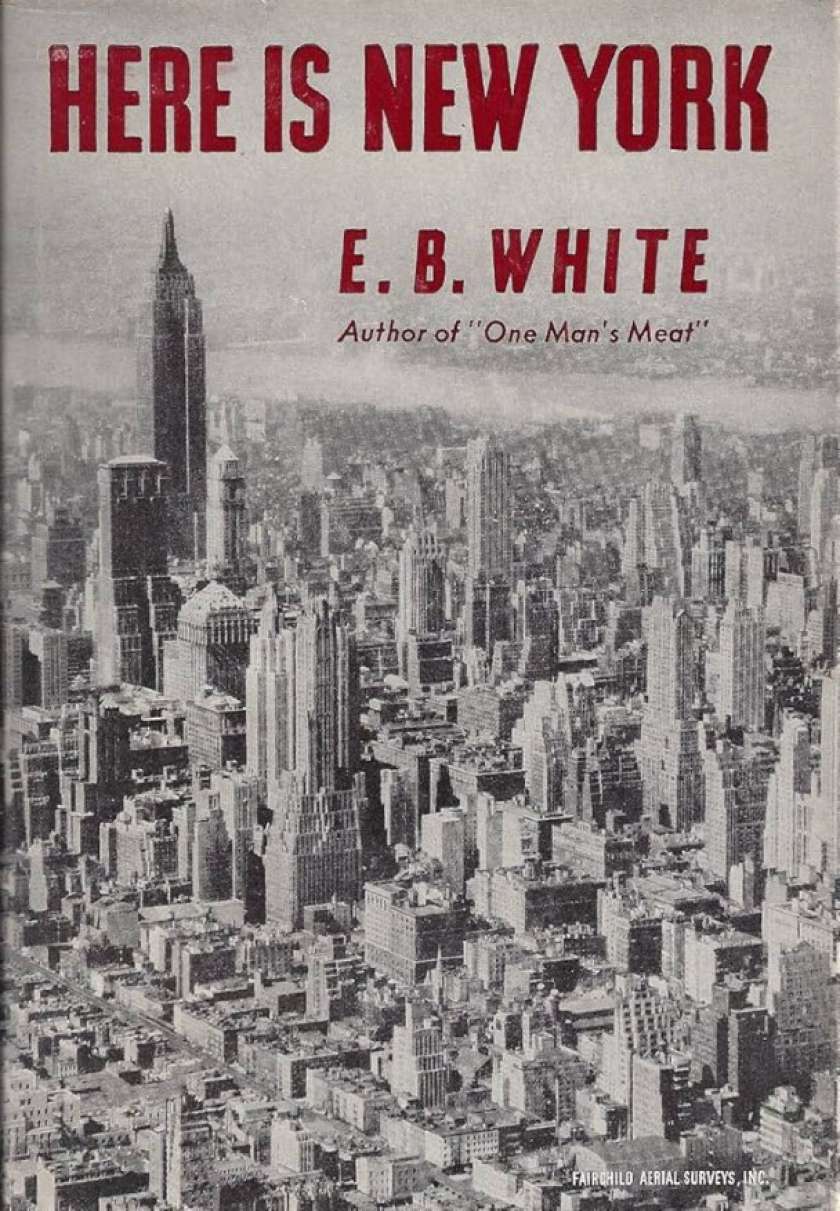
In Here Is New York, E. B. White reflects on the city with clarity, affection, and a deep awareness of its contradictions. The book is brief, but it captures something enduring about New York: its energy, its loneliness, its possibility, and the strange way it belongs to both residents and dreamers alike. White writes not as a tourist or an analyst, but as someone trying to name the emotional texture of a place that never stops moving.
Why You Should Read It
This is a book for readers who love cities not just as settings, but as living forces. Here Is New York is thoughtful, elegant, and full of sharp observations that still feel relevant. If you’re drawn to books that make a place feel both intimate and mythic, this one offers a rare kind of urban tenderness.
Hugh Jackman’s Take
Jackman has described this as “a little book” he gives to people who live in New York or simply love it, which tells you a great deal about how he sees it. This is not just a book he admires; it is one he passes on. That instinct — to share it, to offer it almost as a gesture of welcome — suggests that for him, Here Is New York captures something essential about the city’s spirit: not just its scale, but its soul.
Get Book: Here is New York!Outlive: The Science and Art of Longevity by Peter Attia
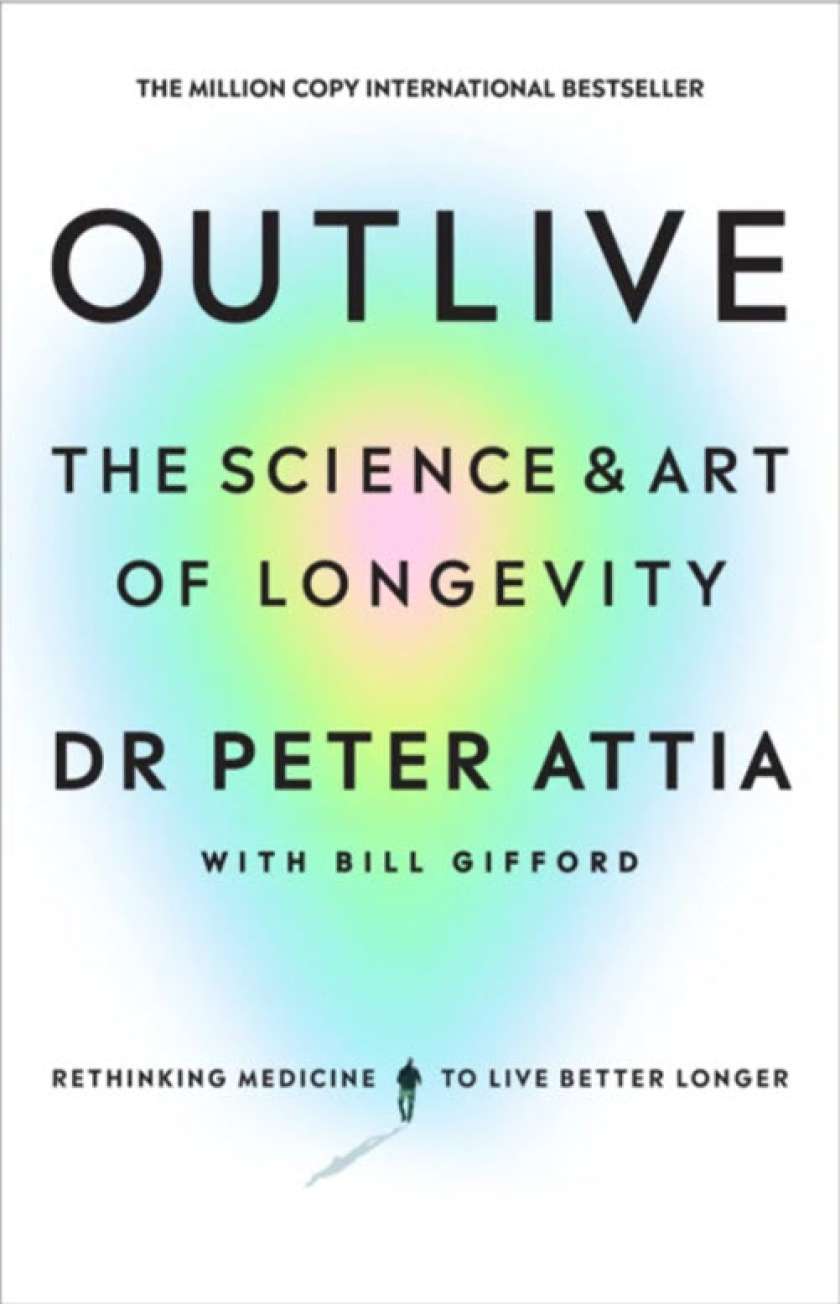
In Outlive, Peter Attia rethinks what it means to pursue health over the course of a lifetime. Rather than focusing only on lifespan, he makes the case for healthspan — the quality of those years, and how strength, metabolic health, mobility, and prevention shape the way we age. The book combines medical insight with practical strategies, asking readers to take a more intentional, long-range approach to well-being.
Why You Should Read It
This is a book for readers who want to think beyond quick fixes. Outlive offers a framework for understanding health as something proactive rather than reactive, built through habits and informed choices over time. If you’re interested in longevity, performance, and how to live with greater strength and vitality, this book provides a thoughtful, modern roadmap.
Hugh Jackman’s Take
Jackman doesn’t overcomplicate his praise here — he simply says, “I could not recommend this book more highly.” That directness suits the book. Outlive is the kind of read that speaks to a broader philosophy already visible across his list: that taking care of yourself is not vanity or optimization for its own sake, but part of living fully and responsibly. It’s a fitting final note for a reading life so clearly shaped by purpose.
Get Book: Outlive!Closing Reflection
Taken together, the books recommended by Hugh Jackman form something more than a reading list — they sketch out a philosophy of living. This is a collection shaped by purpose, by curiosity, and by a quiet but persistent question: what do I do with the life I’ve been given?
Across these books, there is a clear movement outward. From Yunus’s response to poverty, to Mandela’s moral endurance, to Tom Joad’s shift from self to community, the emphasis is not just on personal growth, but on responsibility. Again and again, these stories return to the idea that awareness carries obligation — that once you see something clearly, you are called to respond.
And yet, this list is not only about action. There is an equally strong inward thread — a search for truth, clarity, and grounding. Books like Siddhartha and Strength in Stillness remind us that direction must be anchored in self-understanding, while The Overstory and Here Is New York expand that awareness outward again, asking us to reconsider our place in a larger world.
What emerges is a balance. Discipline and stillness. Ambition and humility. Individual purpose and collective impact.
In the end, this is what makes Jackman’s reading life so compelling. It doesn’t separate success from meaning, or achievement from responsibility. Instead, it suggests that the two are inseparable — that how you grow, what you choose, and who you become are all part of the same unfolding story.
