
Mary Shelley is often remembered through a single creation. Frankenstein has come to stand not only for her work, but for an entire genre—its image so familiar that it risks obscuring the mind behind it. Yet Shelley’s writing moves far beyond that one story, returning again and again to questions of creation, loss, responsibility, and the quiet, enduring weight of loneliness.
What makes her work linger is not simply its gothic atmosphere, but its emotional clarity. Her characters are often set apart—from society, from those they love, even from themselves—and what unfolds is less a descent into horror than an exploration of what it means to exist in isolation. To read Shelley is to encounter not just imagination, but its consequences: the lives shaped, and sometimes broken, by what we bring into the world.
The works below offer a way into that landscape—one shaped as much by feeling as by idea, where the most haunting elements are often the most human.
Frankenstein; Or, The Modern Prometheus
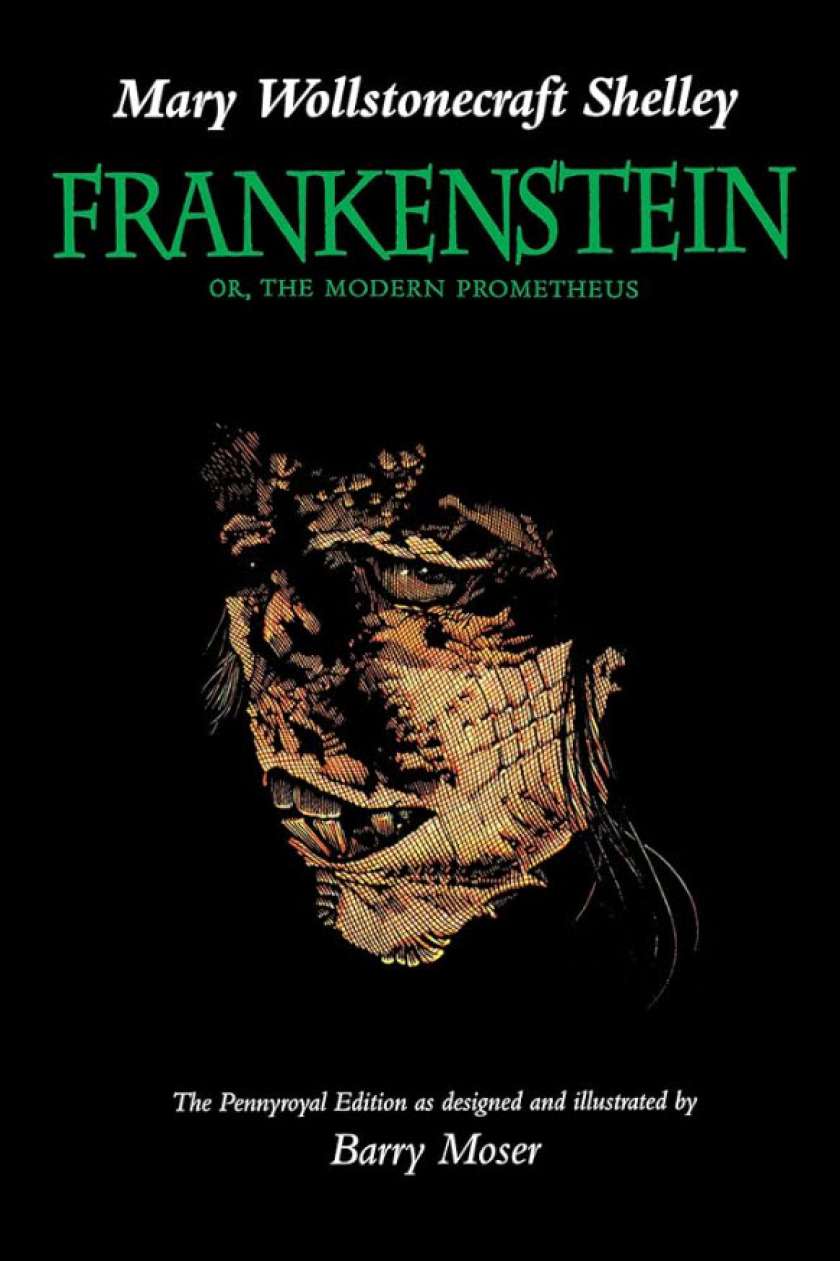
At its center, Frankenstein tells the story of Victor Frankenstein, a young scientist driven by the desire to transcend natural limits and create life itself. What he brings into being, however, is not the triumph he imagined, but a living presence he cannot accept—one that is left to navigate a world that rejects it at every turn.
The novel unfolds not as a simple tale of creation gone wrong, but as a sustained reflection on responsibility: what it means to create, and what it means to abandon what has been created.
What gives the novel its enduring power is its refusal to settle into a single perspective. The so-called “monster” emerges as one of the most articulate and emotionally complex figures in literature, while Victor’s ambition becomes increasingly difficult to defend. For readers, this is less a story to decode than one to sit with—its questions about empathy, isolation, and moral accountability unfolding gradually, often uncomfortably.
Reading Commitment: Long — best read with patience, allowing its shifting perspectives to deepen over time.
Read Book: Frankenstein; Or, The Modern Prometheus!The Last Man
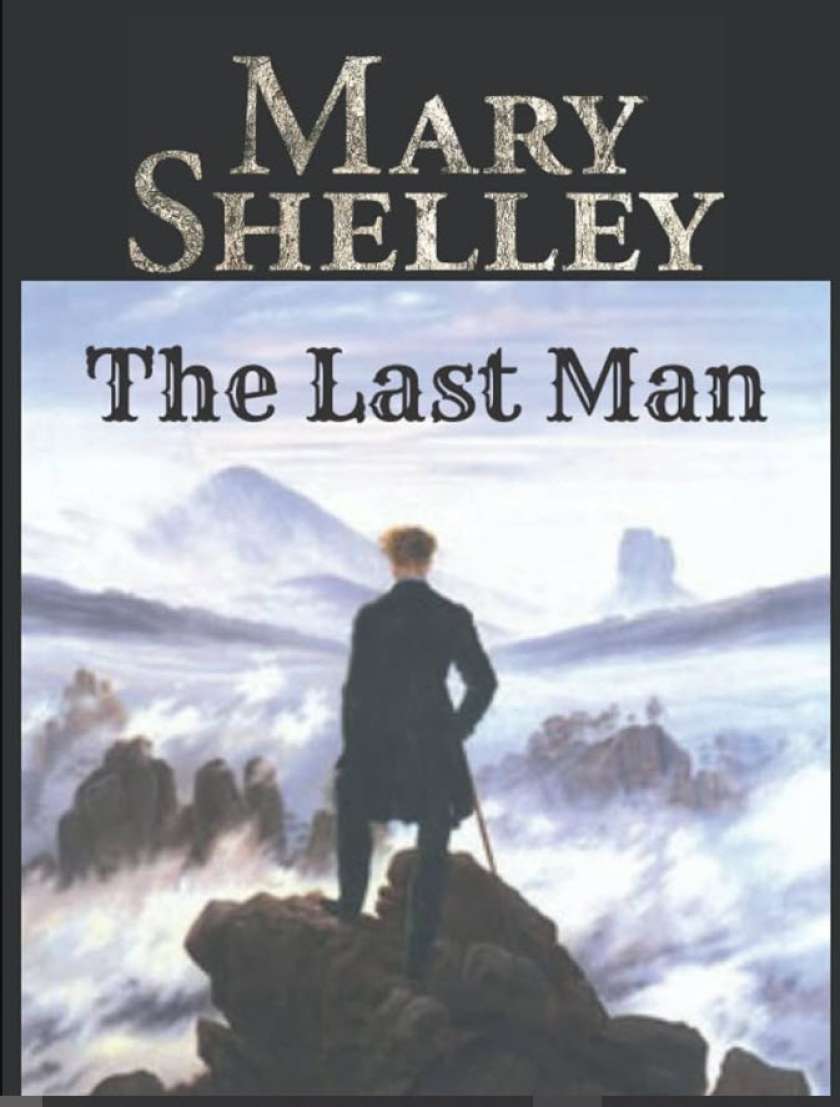
In The Last Man, Shelley imagines a future where humanity is slowly extinguished by a relentless plague, leaving behind a single survivor to bear witness to its end. The novel moves through friendship, love, ambition, and loss, gradually narrowing its scope until only one voice remains—reflecting on a world that no longer exists.
More than an apocalyptic narrative, the novel reads as an extended meditation on solitude. The vastness of its setting contrasts sharply with the intimacy of its emotional core, creating a sense of quiet devastation that builds rather than shocks. For readers, it offers one of Shelley’s most profound explorations of loneliness—not as a moment, but as a condition that stretches indefinitely.
Reading Commitment: Long — expansive and reflective, best approached slowly.
Read Book: The Last Man!Mathilda
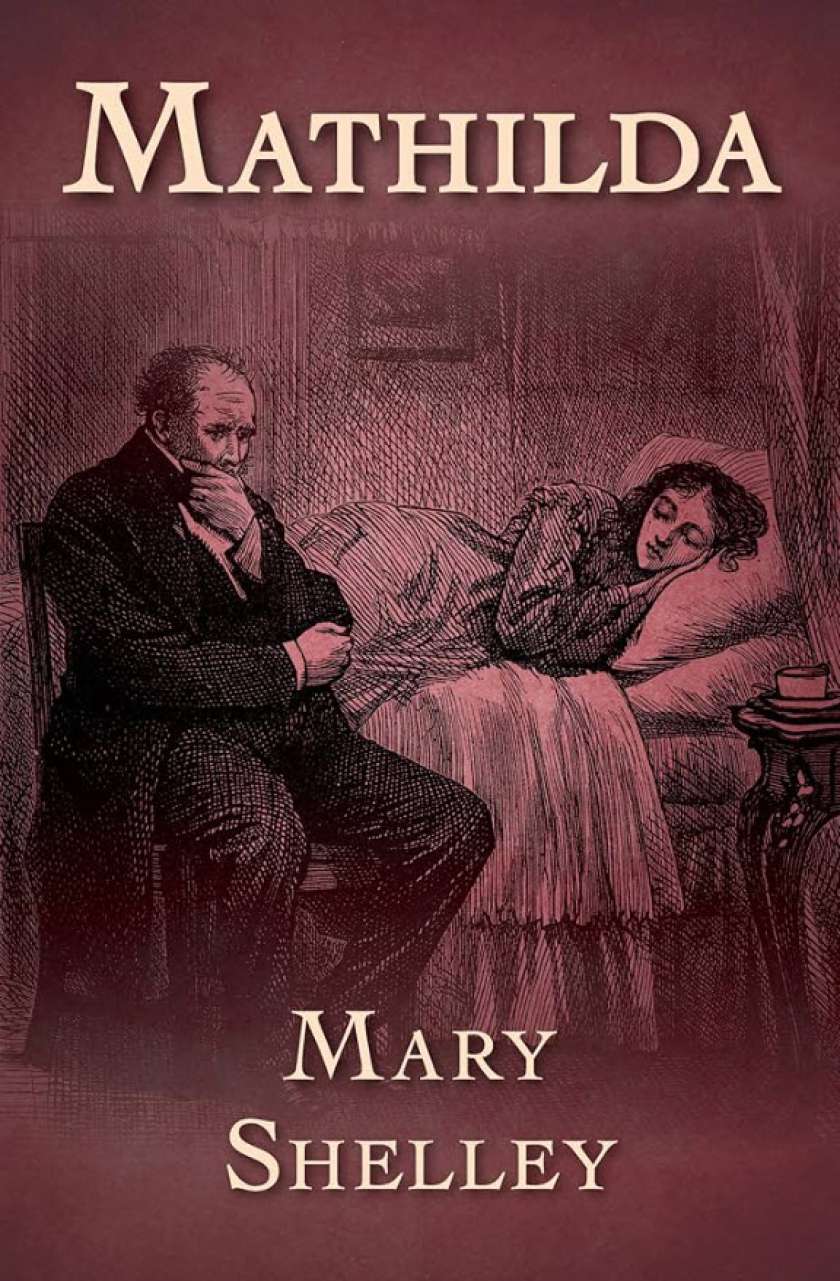
Mathilda turns inward, focusing on a young woman whose life becomes shaped by grief, emotional isolation, and a relationship that disrupts the boundaries of familial love. The narrative unfolds through confession, memory, and withdrawal, tracing the gradual closing off of the self from the world.
This is Shelley at her most intimate. The scale is smaller, but the emotional intensity is sharper, with language that feels restrained yet deeply personal. For readers, the experience is less about plot than about proximity—being drawn into a voice that is both vulnerable and distant at once.
Reading Commitment: Short — concentrated and emotionally intense.
Read Book: Mathilda!Tales and Stories
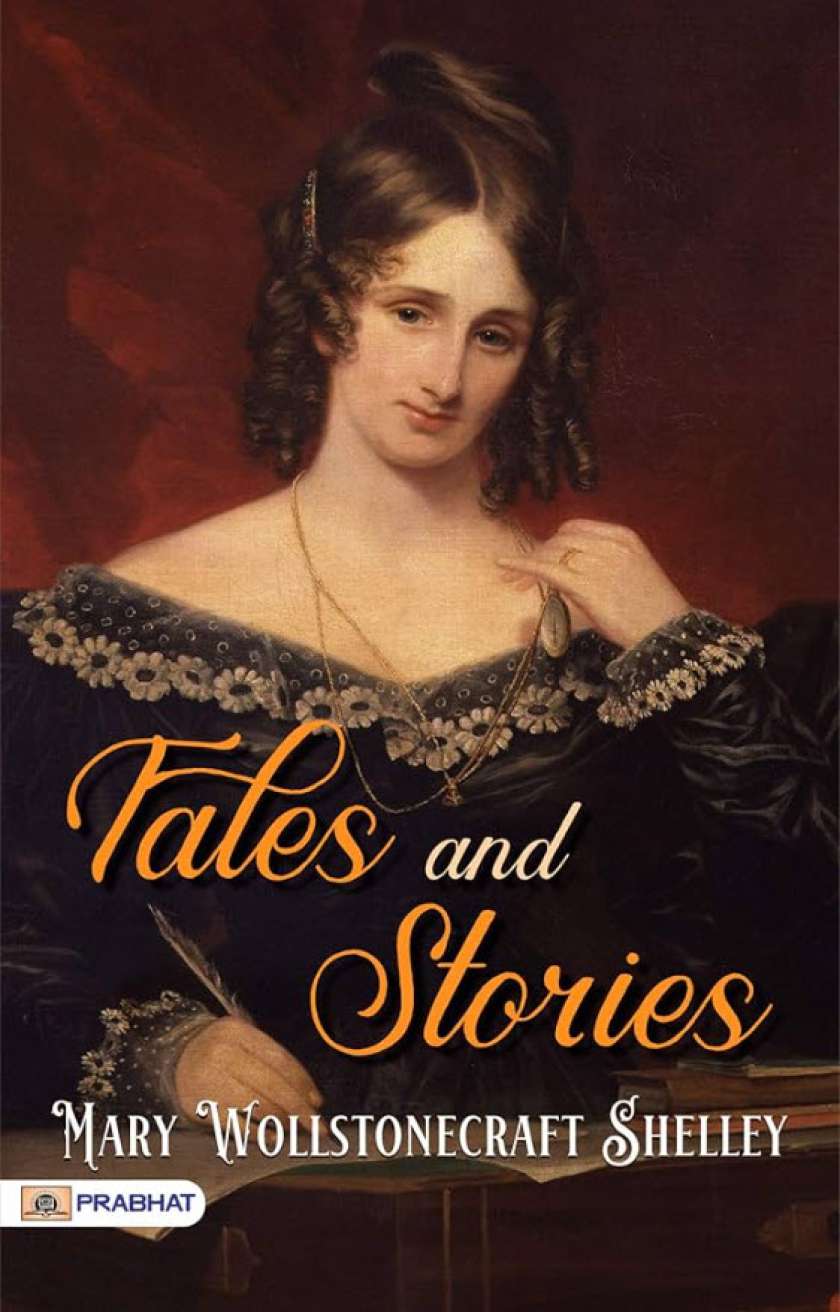
Across this collection, Shelley explores a range of situations and emotional tones, moving from the gothic to the reflective, from the dramatic to the quietly observant. The stories offer glimpses into her broader imagination, revealing how consistently she returns to questions of character, consequence, and moral choice.
For readers, this collection provides flexibility. Each story stands alone, allowing for a more gradual engagement with her work. At the same time, recurring themes begin to emerge—subtle reminders of the concerns that unify even her shorter pieces.
Reading Commitment: Short to Medium — best read one story at a time.
Read Book: Tales and Stories!Proserpine and Midas
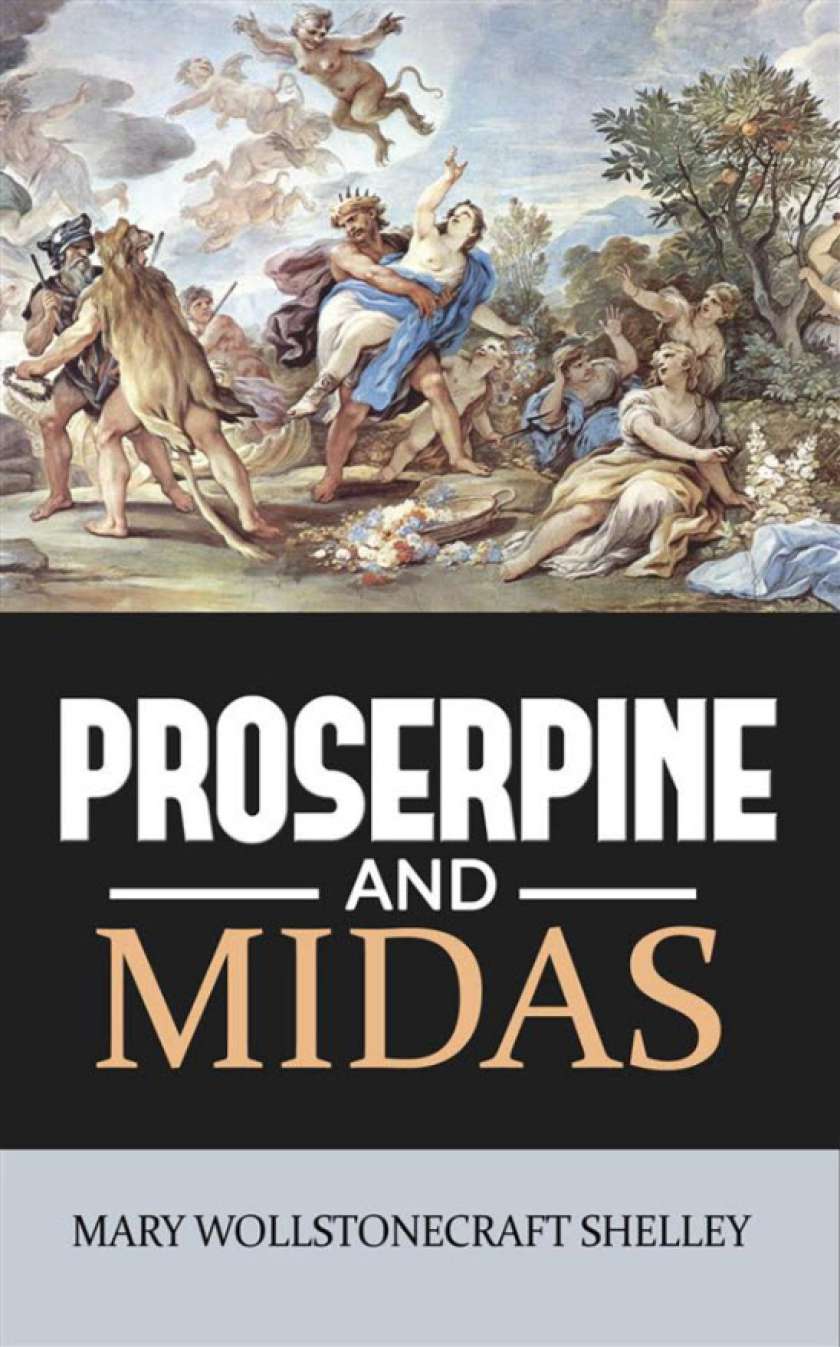
In these mythological dramas, Shelley turns to classical material, reimagining familiar figures through her own sensibility. The stories of Proserpine and Midas—rooted in transformation, desire, and consequence—are rendered with clarity and restraint, allowing their symbolic weight to remain intact.
Though lighter in tone than her novels, these works still carry her characteristic attentiveness to change and its effects. They offer a different entry point into her writing—one that is less emotionally heavy, but still reflective in its treatment of human longing and limitation.
Reading Commitment: Short — accessible, with a more measured pace.
Read Book: Prosepine and Midas!Closing
Mary Shelley’s work lingers not because it seeks to unsettle, but because it refuses to resolve. Her stories move through creation and aftermath, through connection and its absence, leaving behind questions that remain open rather than answered. What she captures is not simply fear, but the quieter conditions that give rise to it—loneliness, responsibility, the desire to be seen and understood.
To read her beyond Frankenstein is to encounter a writer deeply attentive to the emotional life of her characters, and to the consequences that follow even the most ambitious acts. Her work does not demand urgency. It asks only for attention—and, perhaps, a willingness to remain with what it reveals.
