
Thomas Hardy’s novels rarely promise comfort. They move through windswept landscapes, small towns governed by custom, and lives shaped as much by circumstance as by choice. Love is rarely simple, ambition often collides with social limits, and the natural world seems to watch silently as human lives bend under expectation, desire, and regret.
Yet Hardy’s reputation for tragedy sometimes hides the richness of his storytelling. His fictional region of Wessex—drawn from the rural southwest of England—forms one of the most vivid literary landscapes in English fiction. Across farms, villages, and market towns, Hardy explores class mobility, moral judgment, changing traditions, and the fragile hopes of people trying to shape their own destinies.
The books below offer the clearest way into Hardy’s world. Some introduce his pastoral warmth, others his darker philosophical edge. Read together, they reveal a writer deeply attentive to the tensions between freedom and fate.
Far from the Madding Crowd
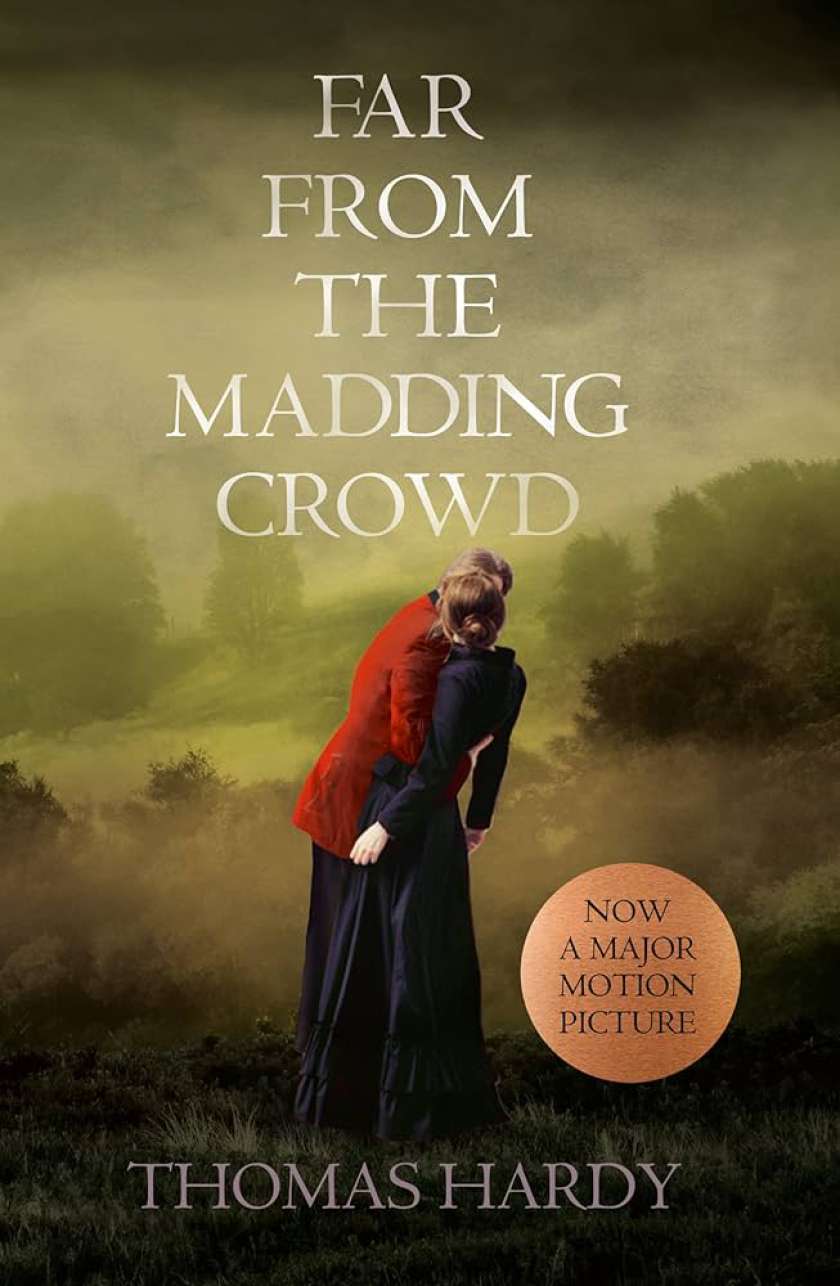
Few Hardy novels balance romance, drama, and rural atmosphere as gracefully as Far from the Madding Crowd. The story follows Bathsheba Everdene, an independent young woman who unexpectedly inherits a farm and must navigate both the responsibilities of leadership and the attention of three very different suitors. Through her relationships with the steadfast shepherd Gabriel Oak, the charming but unreliable Sergeant Troy, and the respectable farmer Boldwood, Hardy examines how pride, passion, and patience shape a life.
For readers new to Hardy, this novel offers the most welcoming entry point. The pastoral setting is vivid without being oppressive, and the emotional stakes unfold gradually rather than relentlessly. While tragedy touches the story, it is balanced by resilience and quiet hope, allowing readers to experience Hardy’s moral and emotional depth without the full severity of his later works.
Reading Commitment: Medium — expansive but readable, with a narrative that moves steadily forward.
Read Book: Far From The Madding Crowd!The Mayor of Casterbridge

The Mayor of Casterbridge begins with one of the most shocking openings in Victorian fiction: in a drunken moment at a country fair, Michael Henchard sells his wife and child to a passing sailor. Years later, having risen to respectability as the mayor of a thriving town, he attempts to rebuild the life he once discarded. What follows is a powerful study of guilt, pride, and the limits of redemption.
This novel offers a strong introduction to Hardy’s tragic vision. Henchard is not a villain but a deeply flawed man whose character—impulsive, stubborn, and fiercely proud—shapes his downfall as much as circumstance. Hardy’s storytelling here is direct and dramatic, making the novel both emotionally gripping and philosophically rich.
Reading Commitment: Medium — intense but tightly constructed, with a powerful narrative drive.
Read Book: The Mayor of Casterbridge!Tess of the d’Urbervilles
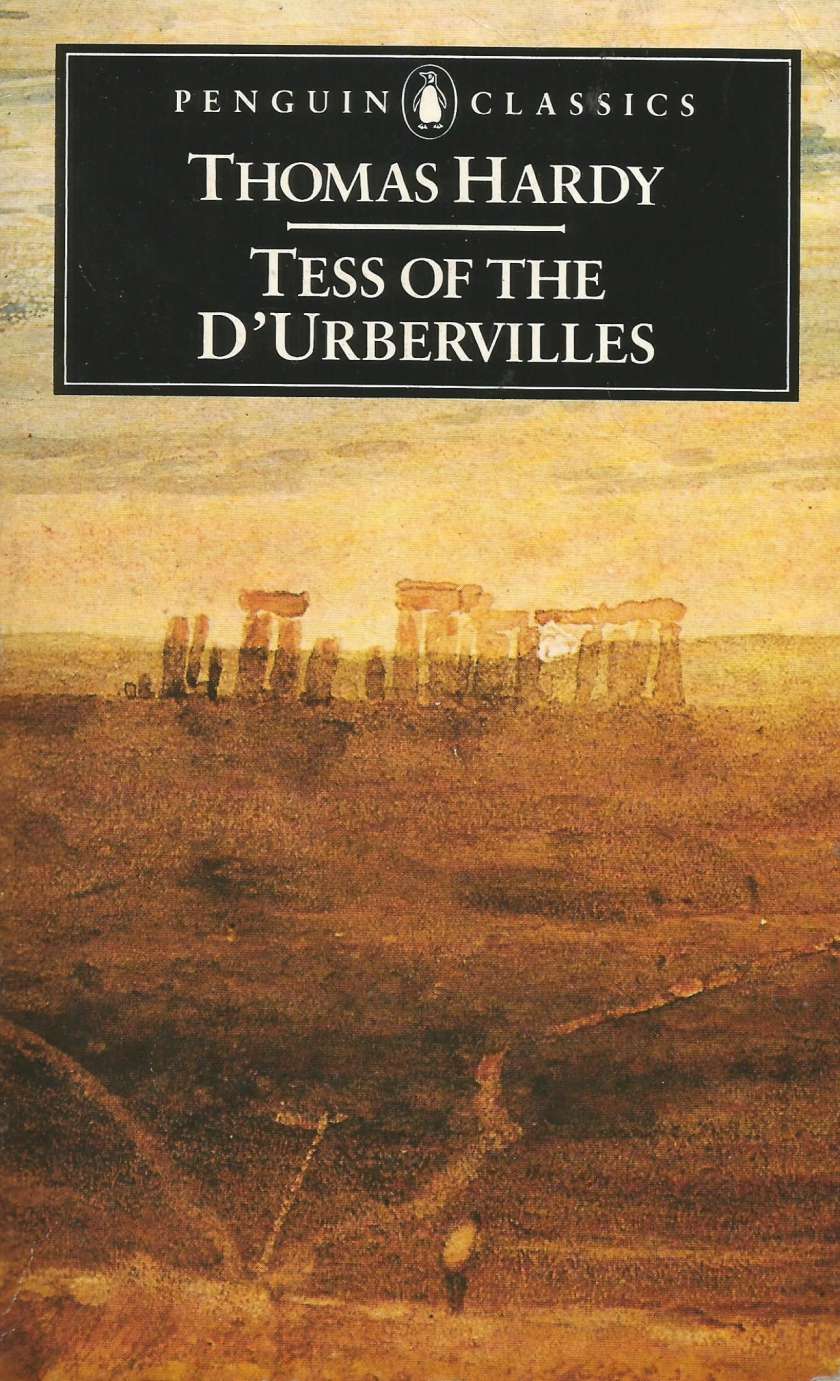
In Tess of the d’Urbervilles, Hardy tells the story of Tess Durbeyfield, a young woman whose life is shaped by forces far beyond her control: poverty, social judgment, and the moral double standards of Victorian society. As Tess moves through moments of hope and devastating loss, Hardy exposes the cruelty embedded in rigid ideas of purity and respectability.
Often considered Hardy’s most famous novel, Tess represents the full weight of his social critique. The story is heartbreaking, but its emotional force lies in Hardy’s deep compassion for Tess herself—portrayed not as a symbol, but as a fully realized human being struggling to retain dignity in a world determined to misunderstand her.
Reading Commitment: Long — emotionally intense, best approached with patience and reflection.
Read Book: Tess of the d’Urbervilles!The Return of the Native
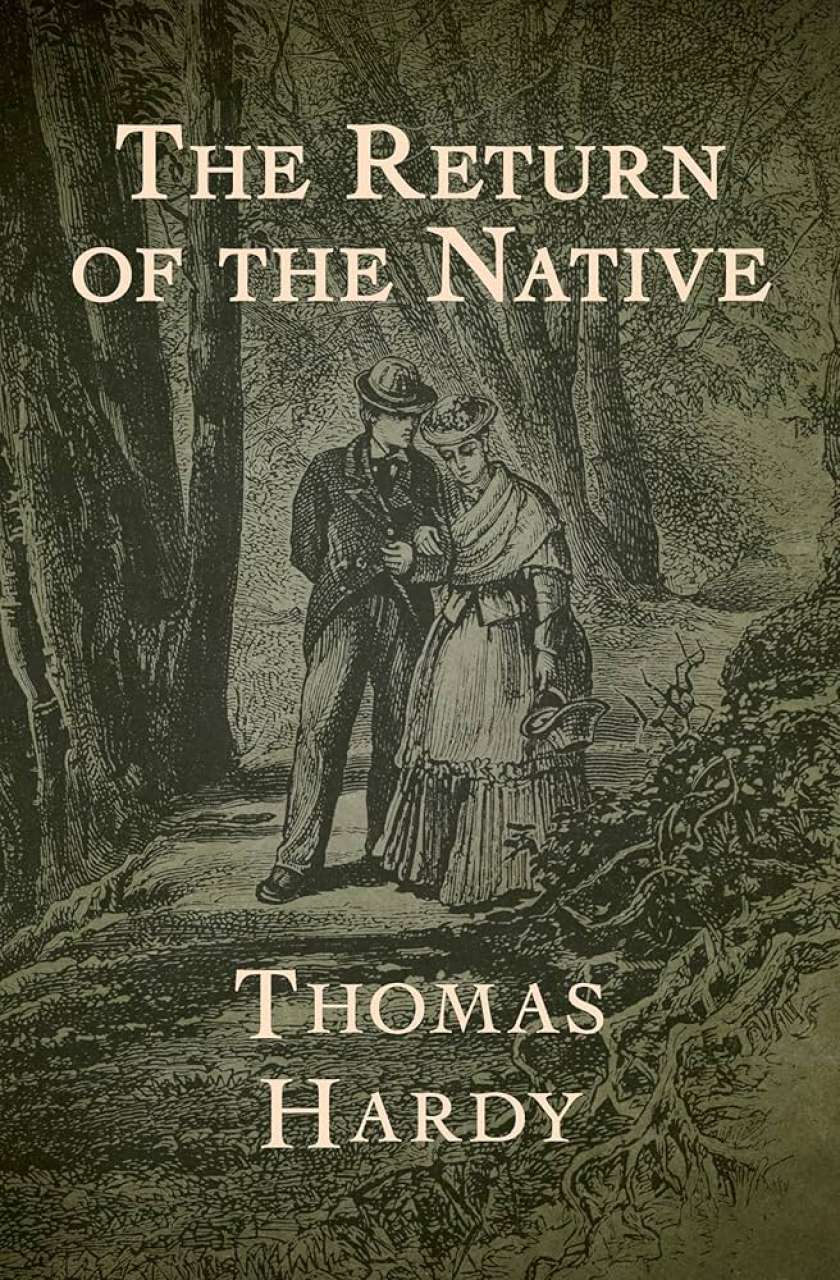
Set against the brooding landscape of Egdon Heath, The Return of the Native explores the restless desires of characters trapped between ambition and circumstance. At its center is Eustacia Vye, a passionate and dissatisfied woman who longs to escape the isolation of rural life. Around her orbit a cast of characters whose ambitions, loyalties, and disappointments intertwine in ways that feel both inevitable and tragic.
For readers interested in Hardy’s philosophical side, this novel reveals how landscape itself becomes a character. Egdon Heath is not merely a setting but a presence—ancient, indifferent, and quietly shaping the lives of those who live within it.
Reading Commitment: Long — atmospheric and contemplative, rewarding readers who enjoy reflective pacing.
Read Book: The Return of the Native!The Woodlanders
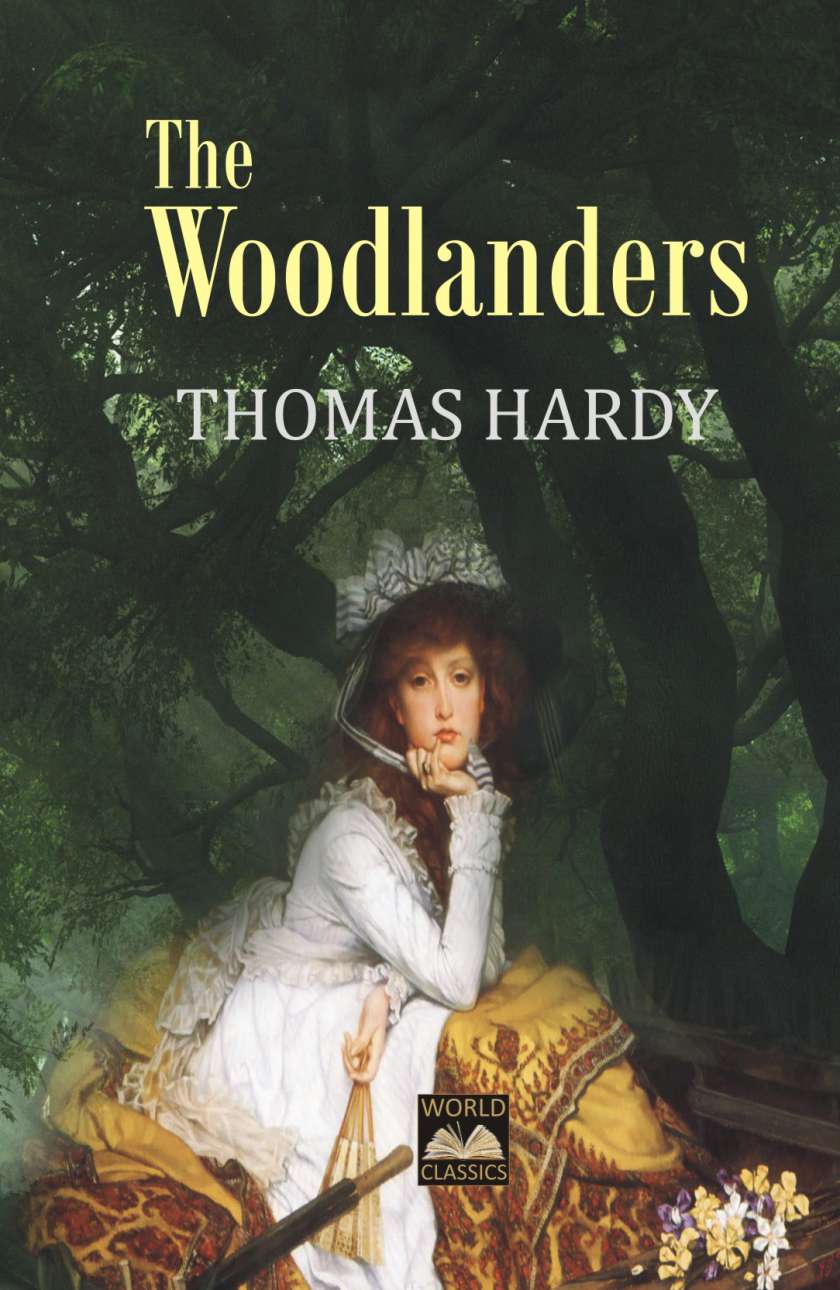
The Woodlanders is one of Hardy’s most intimate and underrated novels. Set within a forest community whose livelihoods depend on the rhythms of nature, the story follows Grace Melbury and Giles Winterborne, childhood companions whose paths diverge as social ambition and personal loyalty collide.
Rather than sweeping drama, Hardy focuses here on quiet emotional tensions: the cost of upward mobility, the fragility of affection, and the slow erosion of relationships shaped by expectation. Many readers find this novel particularly moving because of its restraint and its deep sympathy for ordinary lives.
Reading Commitment: Medium — reflective and character-driven, unfolding with quiet emotional weight.
Read Book: The Woodlanders!Jude the Obscure
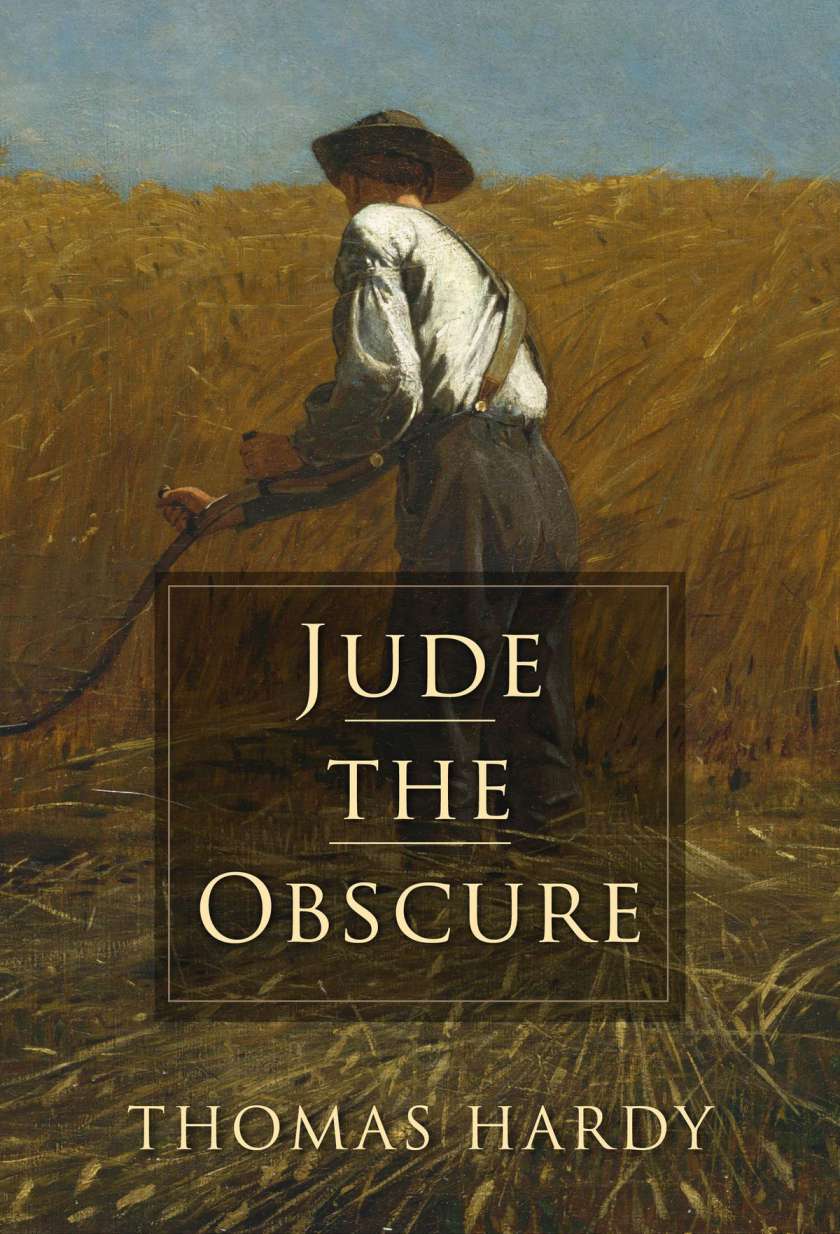
Hardy’s final novel, Jude the Obscure, is also his most controversial. It follows Jude Fawley, an intelligent young stonemason whose dream of university education collides with rigid social hierarchies and moral conventions. Alongside him is Sue Bridehead, one of Hardy’s most complex and challenging heroines.
The novel’s unflinching portrayal of ambition, class barriers, and unconventional relationships shocked Victorian readers, many of whom considered it scandalous. Today it is recognized as one of Hardy’s boldest works—a devastating examination of how institutions and expectations can crush individual aspiration.
Reading Commitment: Long — emotionally demanding but intellectually powerful.
Read Book: Jude the Obscure!A Pair of Blue Eyes
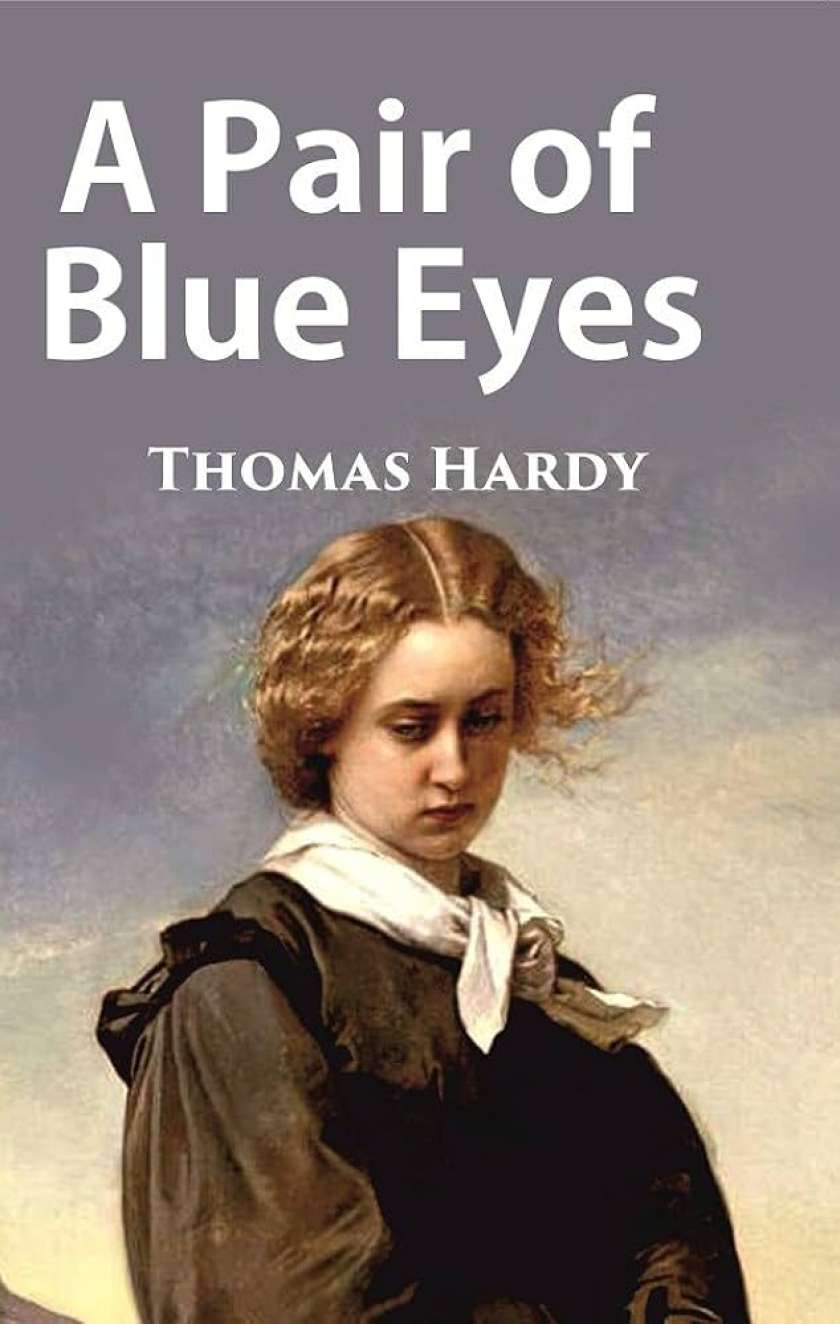
Among Hardy’s earlier novels, A Pair of Blue Eyes introduces many themes he would later develop more fully. The story follows Elfride Swancourt, a young woman caught between two suitors whose differences in class and temperament create emotional and social tension.
What makes this novel especially interesting is its mixture of romance, psychological observation, and early hints of Hardy’s darker worldview. It is also famous for containing one of literature’s most memorable cliffside scenes—an episode that would influence later adventure storytelling.
Reading Commitment: Medium — accessible and engaging, with moments of dramatic suspense.
Read Book: A Pair of Blue Eyes!Desperate Remedies
Hardy’s first published novel, Desperate Remedies, reads more like a Victorian sensation thriller than the pastoral tragedies that later defined his reputation. Filled with secrets, sudden reversals, and elaborate plotting, the story follows Cytherea Graye as she becomes entangled in a web of deception and social intrigue.
For readers curious about Hardy’s beginnings, this novel offers a fascinating glimpse of a writer still experimenting with form. While less philosophically complex than his later work, it remains lively and unexpectedly dramatic.
Reading Commitment: Medium — plot-driven and energetic.
Read Book: Desperate Remedies!The Hand of Ethelberta
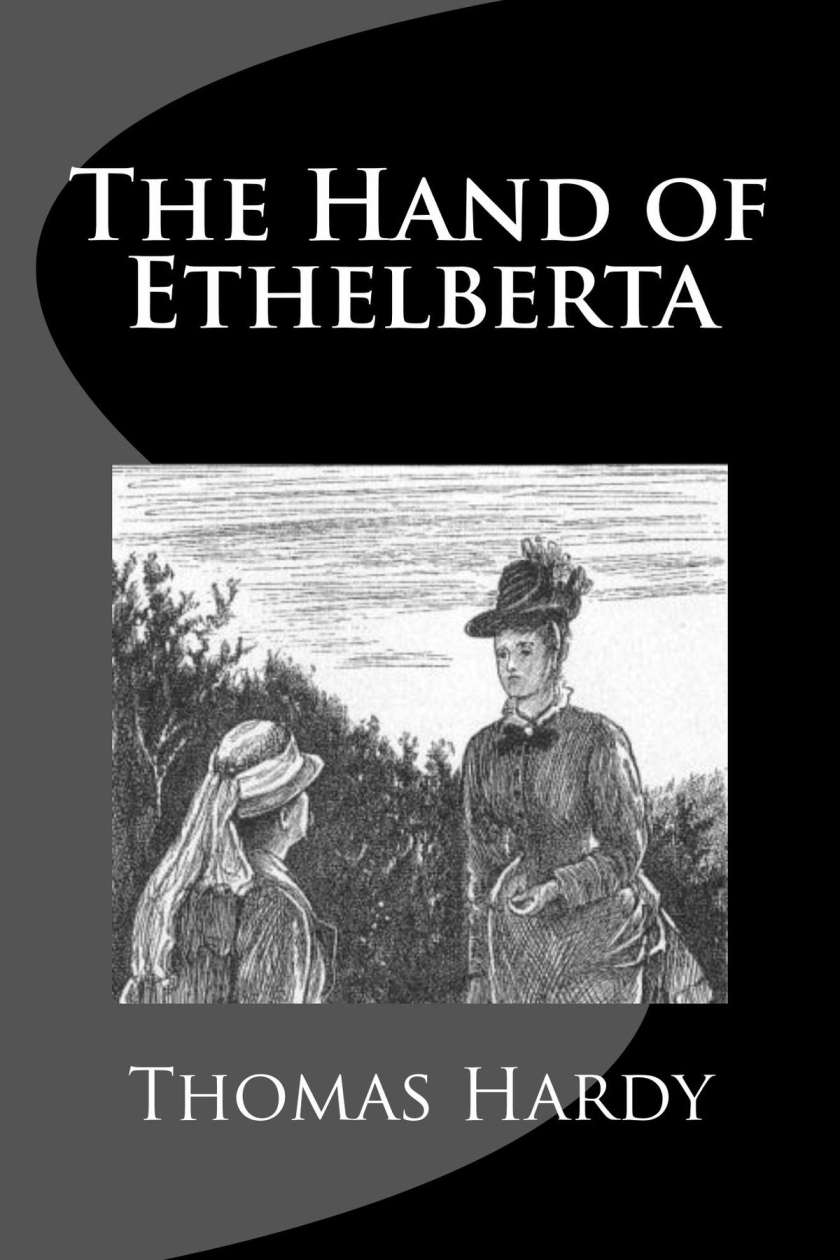
In The Hand of Ethelberta, Hardy adopts a lighter tone, exploring class mobility through the story of a young woman who carefully manages her public identity while secretly supporting her struggling family. Ethelberta moves through high society with poise, but her position is far more precarious than it appears.
This novel stands apart from Hardy’s darker works, offering satire and social observation rather than tragedy. It reveals his interest in performance—how people construct identities to survive within rigid social structures.
Reading Commitment: Medium — witty and socially observant.
Read Book: The Hand of Ethelberta!Wessex Tales
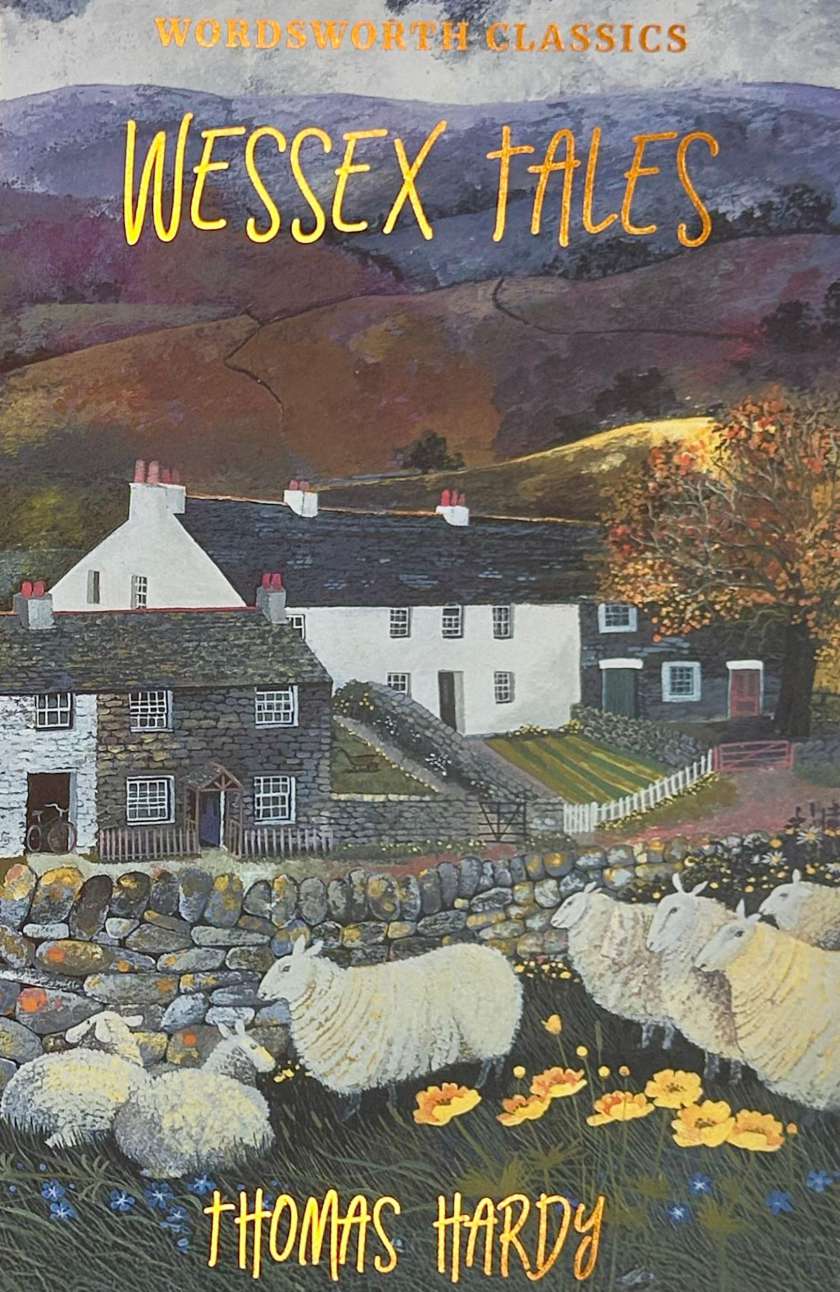
For readers unsure about committing to a full novel, Wessex Tales provides a series of shorter stories set within Hardy’s fictional countryside. These tales capture the textures of village life—local traditions, unexpected romances, and moments of quiet irony that shape ordinary existence.
The collection also reveals Hardy’s skill in miniature. Within a few pages he can evoke an entire world, suggesting the same tensions between fate, choice, and environment that animate his longer works.
Reading Commitment: Short — ideal for sampling Hardy’s voice in smaller, self-contained pieces.
Read Book: Wessex Tales!Conclusion
Thomas Hardy’s novels rarely offer easy resolutions, but they reward readers with emotional honesty and extraordinary atmosphere. His characters struggle against social conventions, personal flaws, and the quiet indifference of the world around them—and in doing so they illuminate questions that still feel familiar today.
For many readers, the journey begins with the pastoral openness of Far from the Madding Crowd. From there, Hardy’s world gradually deepens, revealing the full complexity of a writer who understood both the beauty and the sorrow woven into human lives.
