
There are some weekends that seem to ask for a different kind of reading. Not something brisk and forgettable, but something atmospheric. Something full of candlelit corridors, restless minds, locked rooms, decaying houses, strange inheritances, and the feeling that something is not quite right. Gothic fiction, at its best, gives you exactly that. It lingers in mood as much as plot. It unsettles, enchants, and draws you into worlds where beauty and dread are often inseparable.
The good news is that many of the genre’s essential works are now free to read in the public domain. And while Gothic classics can sound intimidating from a distance, many of them are surprisingly absorbing once you step into their peculiar darkness. Some are short enough to finish over a quiet weekend. Others are better suited to being savored over a couple of slow afternoons, ideally with rain at the window or a lamp burning late into the evening.
If you have been looking for the best free Gothic classics to read this weekend, these books offer an excellent place to begin. Some are eerie and elegant, some are wild and dramatic, and some are so foundational that you can still feel their shadow in modern horror, dark academia, and psychological suspense.
Carmilla by Joseph Sheridan Le Fanu
If you want something short, unsettling, and unmistakably Gothic, Carmilla is one of the best places to start. This eerie novella follows a young woman drawn into the orbit of a mysterious female guest whose beauty, frailty, and strangeness slowly take on a more sinister shape.
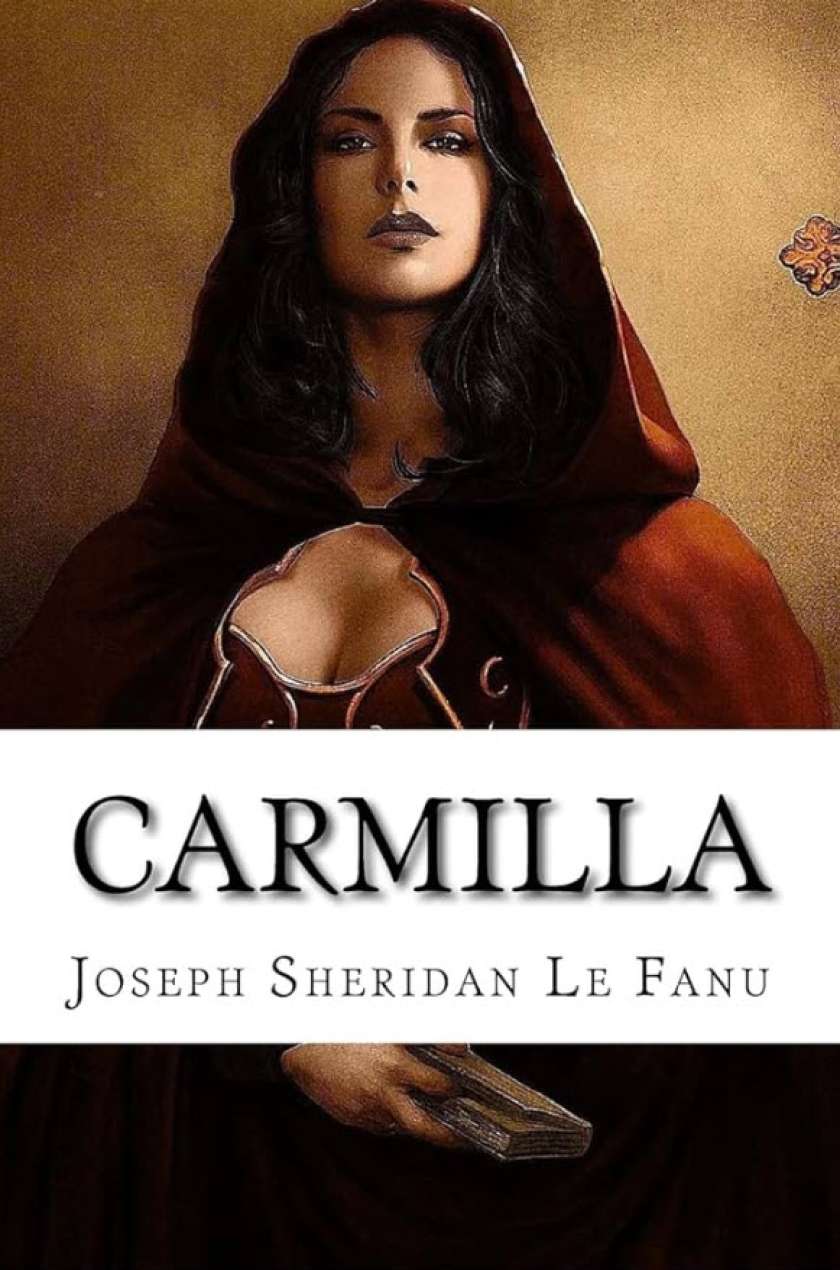
Long before Dracula, Le Fanu was already working with the vampire as a figure of seduction, secrecy, and dread. The prose is accessible, the atmosphere is rich, and the whole book can be read in a relatively short sitting. For a weekend read that feels haunting without being overly demanding, Carmilla is a near-perfect choice.
The Fall of the House of Usher by Edgar Allan Poe
Few Gothic classics are as concentrated and memorable as Poe’s The Fall of the House of Usher. It is less a story you simply read than a mood you enter. A crumbling mansion, a troubled family line, a sense of decay that feels both physical and psychological—everything in it is designed to create unease.
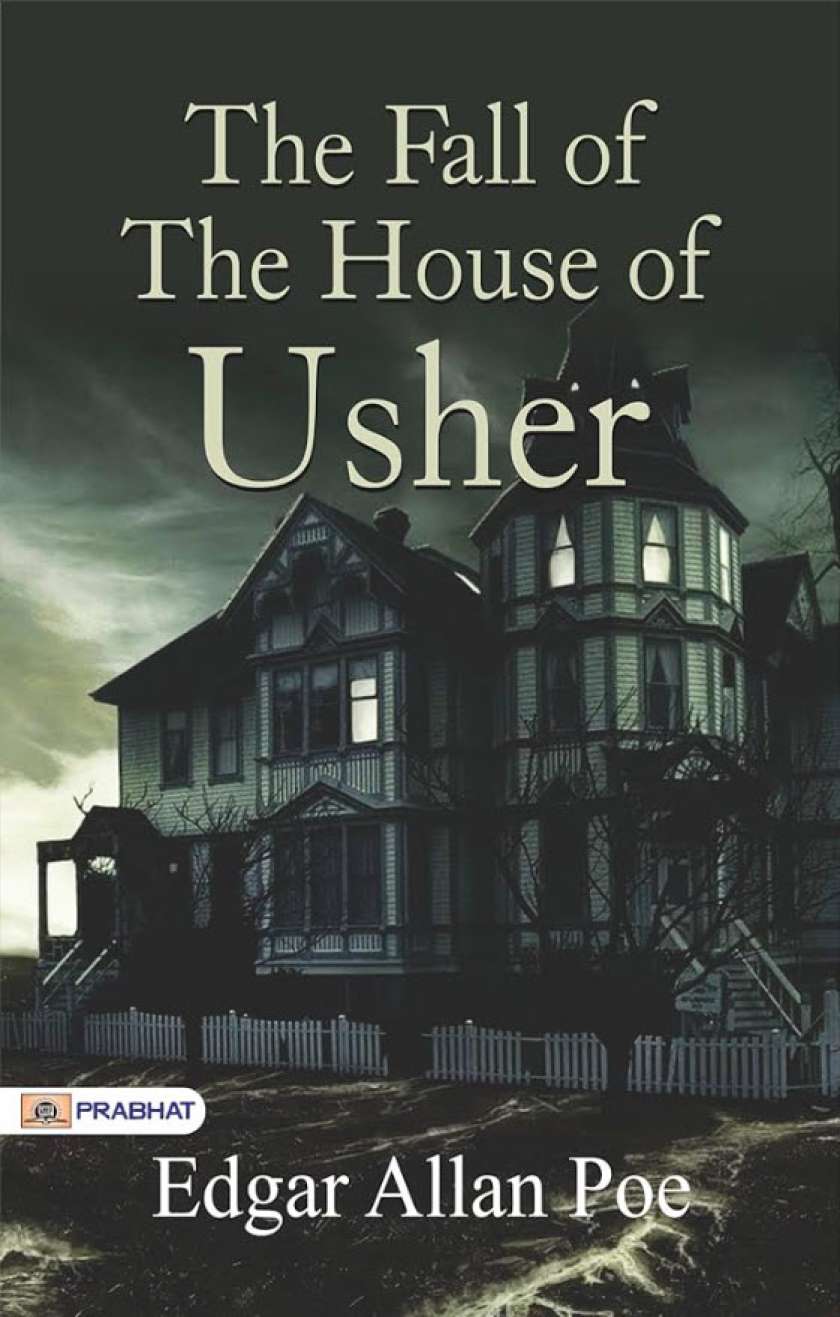
Poe’s language is more ornate than some modern readers may be used to, but the story is short, vivid, and so atmospherically precise that it rarely feels difficult. This is one of the finest free Gothic reads for anyone who wants something dark, symbolic, and intensely immersive.
The Turn of the Screw by Henry James
Henry James’s The Turn of the Screw is one of those books that becomes more unsettling the longer you think about it. On the surface, it is the story of a governess sent to care for two children in an isolated country house, where she begins to sense a disturbing presence around them.
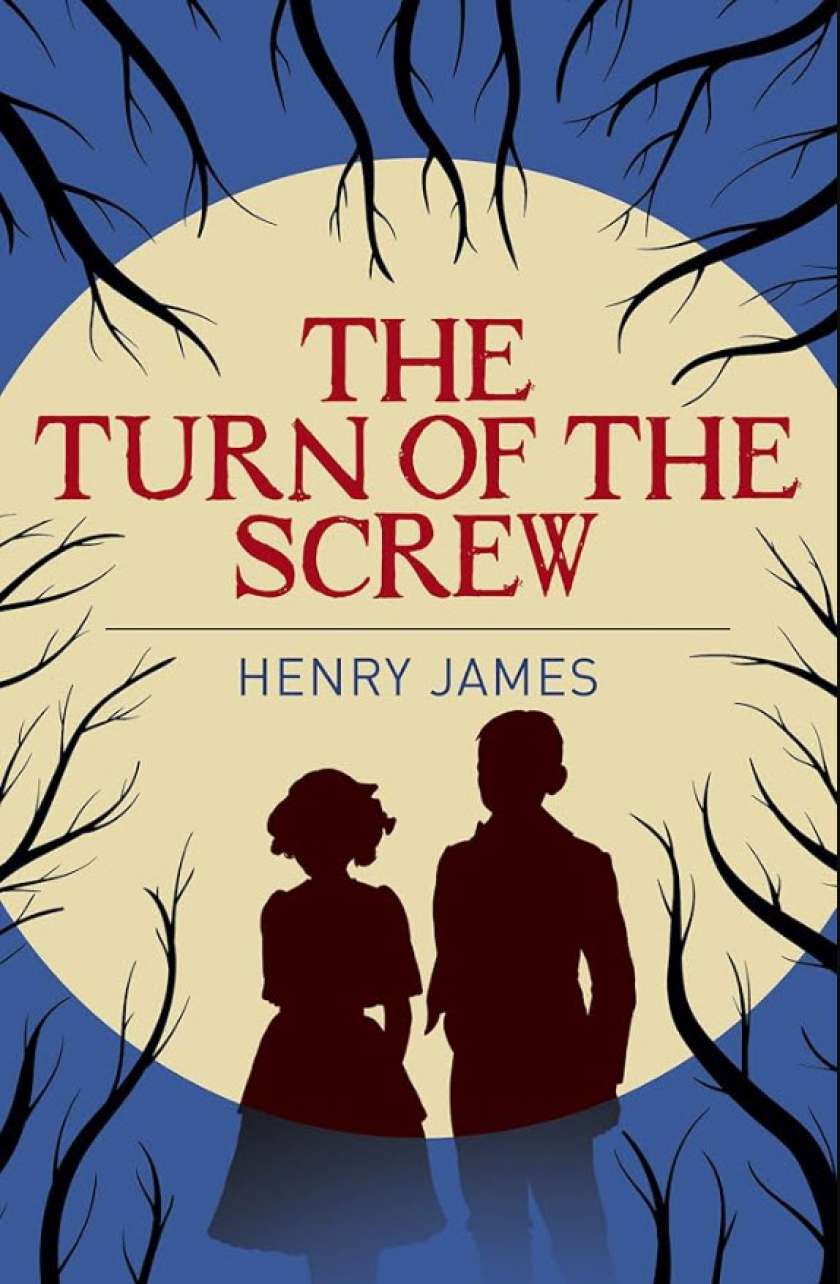
But James leaves just enough uncertainty in the telling that the novel becomes as much about perception and instability as it is about haunting. It is not the easiest book on this list sentence by sentence, but it is one of the most rewarding for readers who enjoy ambiguity, psychological tension, and stories that continue to provoke debate long after the final page.
Frankenstein by Mary Shelley
There is a reason Frankenstein continues to hold such a powerful place in literary culture. It is not only a foundational Gothic novel, but also a deeply human one.

Shelley’s story of ambition, creation, abandonment, and moral failure has far more emotional and philosophical depth than many readers expect if they only know it through adaptation. The book moves through icy landscapes, grief, obsession, and alienation with a seriousness that still feels fresh. It also remains surprisingly readable. Shelley’s prose has grandeur, certainly, but the emotional force of the story carries you forward. For readers who want a Gothic classic with both atmosphere and substance, this is essential.
The Picture of Dorian Gray by Oscar Wilde
Oscar Wilde brings something especially seductive to Gothic fiction: elegance.
The Picture of Dorian Gray is decadent, witty, darkly beautiful, and increasingly disturbing as it unfolds. Its central conceit—a portrait that bears the marks of corruption while its subject remains outwardly untouched—is one of the most memorable in the genre, but what gives the novel its staying power is Wilde’s treatment of vanity, influence, pleasure, and moral decay. The prose is polished and quotable, and the book is easier to read than its reputation might suggest. For anyone drawn to Gothic fiction with style, intellect, and a touch of decadence, this is one of the best free classics to spend a weekend with.
The Woman in White by Wilkie Collins
Part mystery, part sensation novel, part Gothic suspense, The Woman in White has a narrative pull that makes it wonderfully easy to fall into.
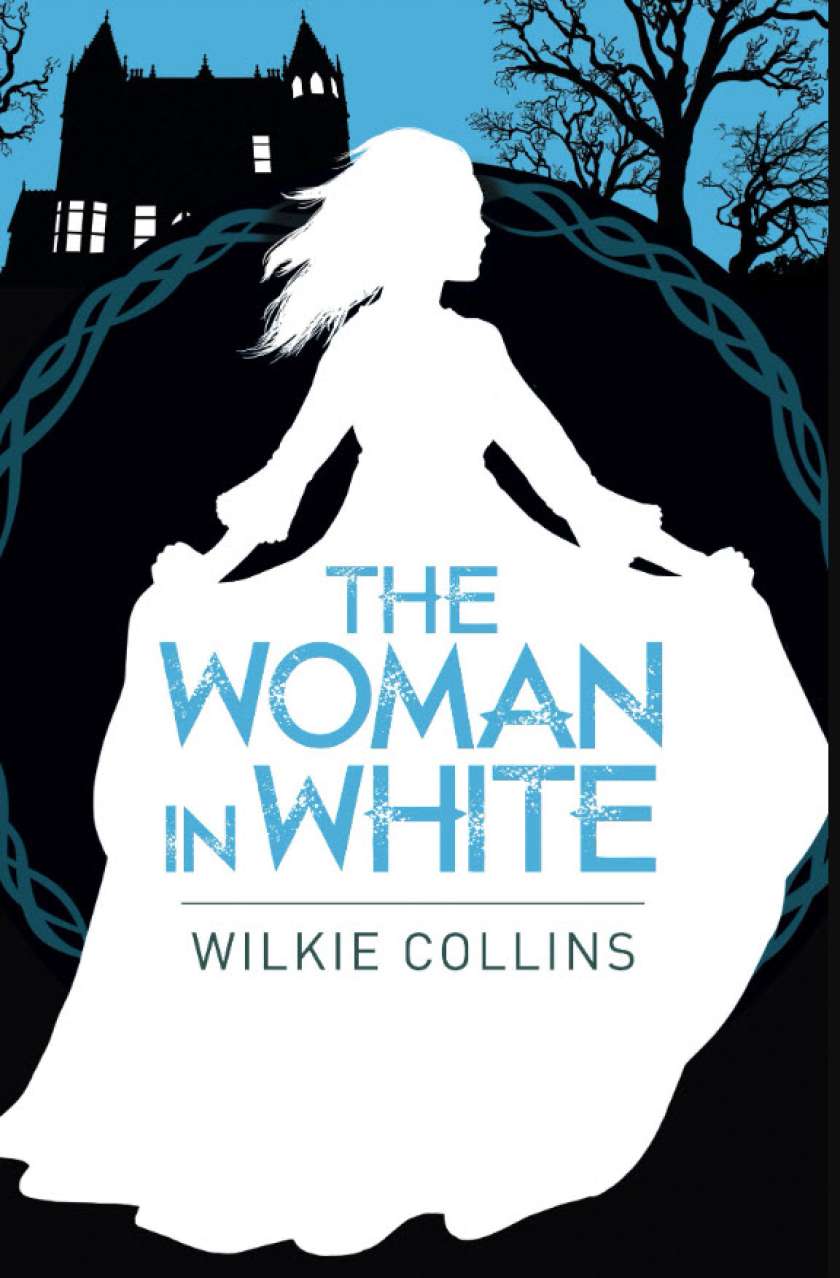
Collins opens with a mysterious encounter on a moonlit road, and from there the novel widens into a story of deception, identity, confinement, and conspiracy. It is longer than some of the other books here, but it moves so well that it rarely feels slow. There is always another revelation, another suspicion, another shadow passing over the truth. If your ideal weekend reading leans more toward plot, intrigue, and atmosphere than outright horror, this is a deeply satisfying choice.
Dracula by Bram Stoker
Some books become so iconic that they risk feeling overfamiliar before you even read them.
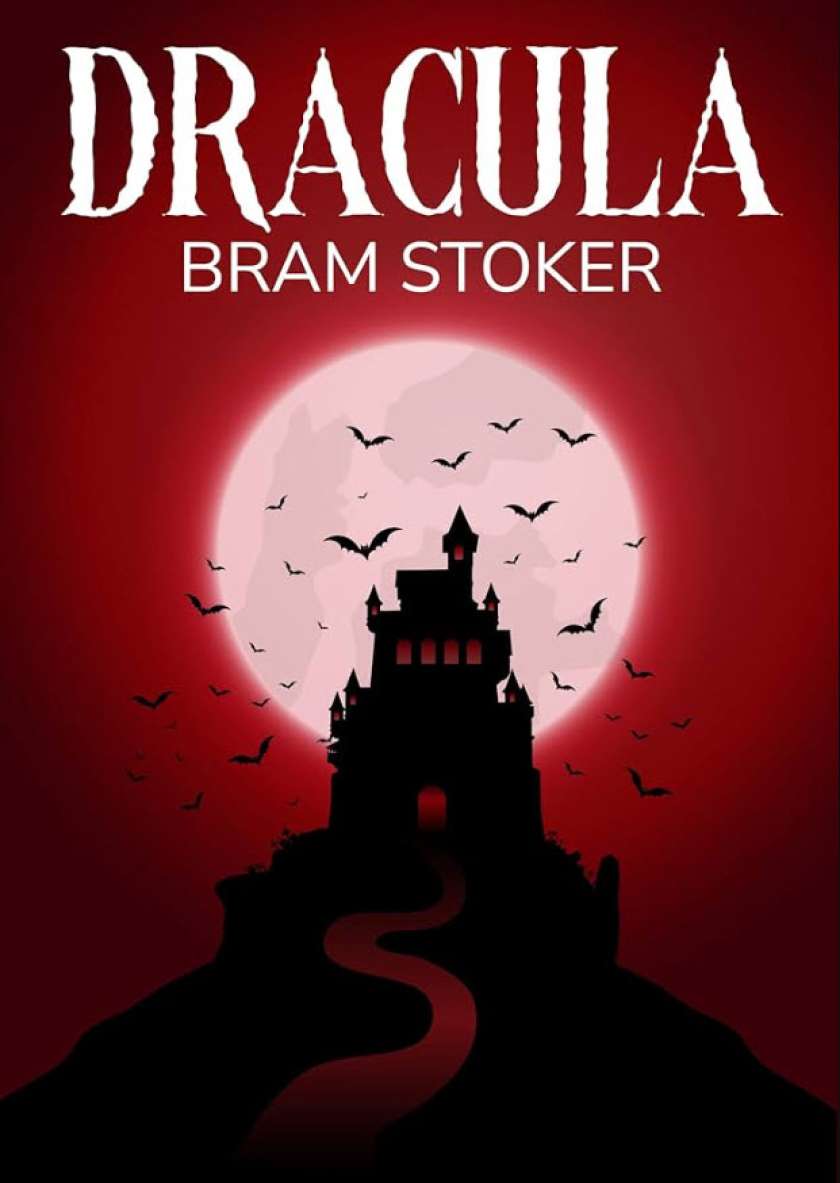
Dracula is one of them, and yet the novel itself still has the power to surprise. Stoker tells the story through letters, journals, and documents, which gives the book an immediacy that keeps it lively despite its length. The early scenes at Dracula’s castle remain some of the most memorable in Gothic literature, and the novel’s sense of pursuit, corruption, and creeping dread holds its force throughout. For readers who want a fuller weekend immersion into classic Gothic fiction, Dracula offers atmosphere, suspense, and one of the genre’s most enduring villains.
The Castle of Otranto by Horace Walpole
If you want to go back to the roots of Gothic fiction, The Castle of Otranto is where the lineage becomes especially visible.
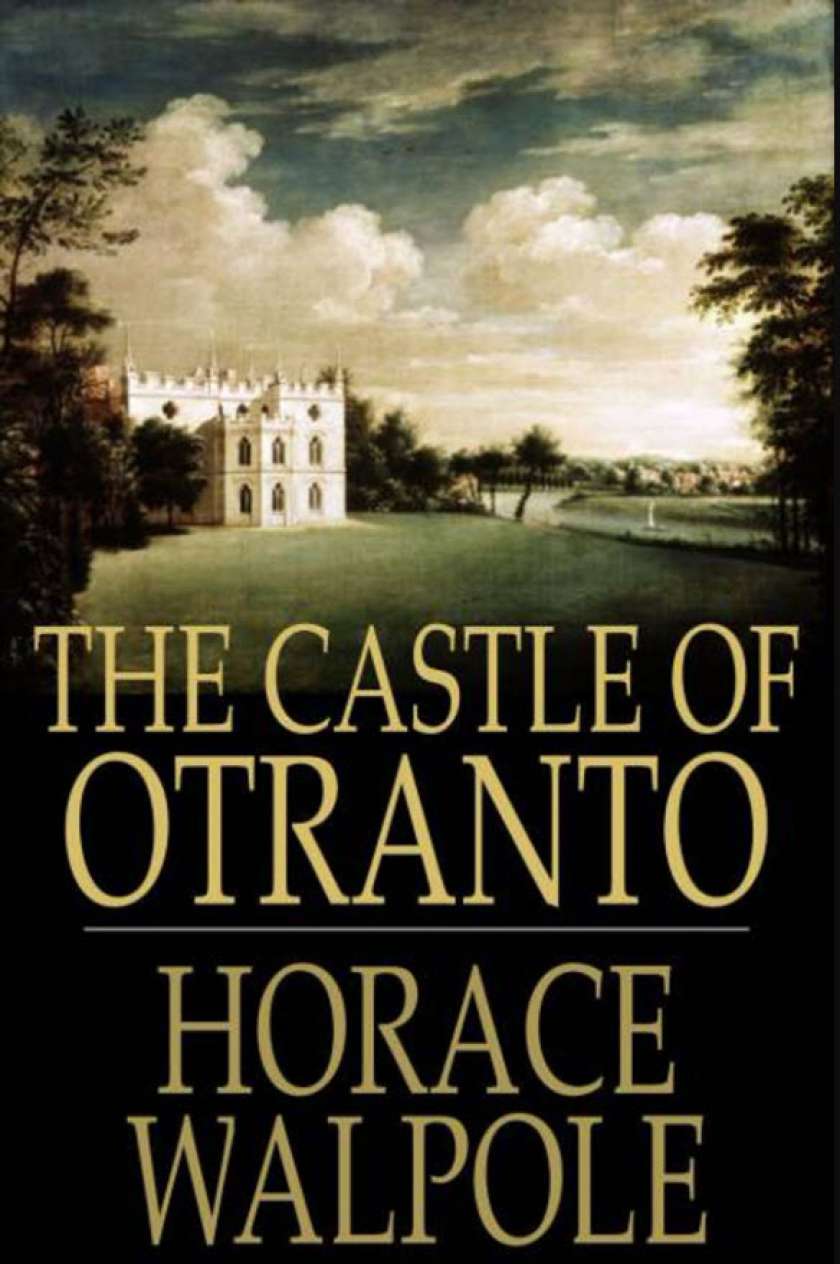
Walpole’s novel is strange, dramatic, sometimes extravagant, and full of the ingredients that later Gothic writers would refine: ancient castles, prophecies, secrets, threatened heroines, and a sense that the past is never really dead. Modern readers may find its style more theatrical than psychologically subtle, but that is part of its interest. It is the Gothic in an early, almost raw form. Read now, it feels like a fascinating origin point for so much that came after, from haunted houses to family curses to the romance of ruin.
The Mysteries of Udolpho by Ann Radcliffe
Ann Radcliffe’s The Mysteries of Udolpho is the kind of book for readers who want the full architecture of classic Gothic fiction: remote landscapes, imprisoning spaces, emotional vulnerability, secrets, suspense, and a heroine moving through a world thick with menace and suggestion.
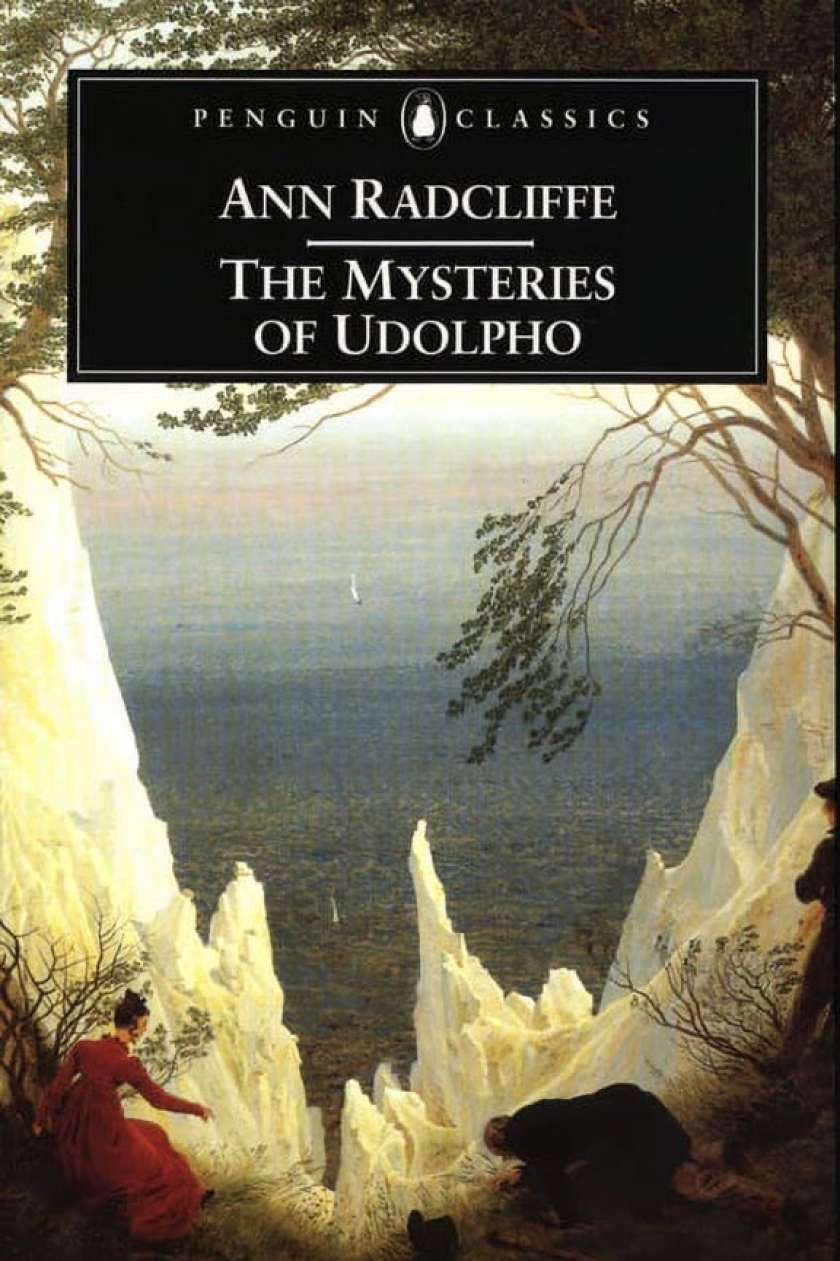
It is longer and more leisurely than the shorter weekend reads on this list, but it is also one of the defining texts of the genre. Radcliffe excels at atmosphere, and much of the pleasure here lies in the slow accumulation of dread. This is an ideal choice for readers who want to settle into a more expansive Gothic world and experience the form in one of its most influential expressions.
Closing
What makes Gothic fiction so satisfying over a weekend is that it changes the mood of your reading life almost immediately. These are books that create weather around themselves. They give you shadow, intensity, old secrets, and emotional extremes in a form that can feel both transporting and intimate. Even when the plots are dramatic, the true pleasure often lies in the atmosphere: the house, the portrait, the storm, the letter, the corridor, the thing half-seen and half-imagined.
The best free Gothic classics still feel alive because they speak to fears that have never really disappeared. Isolation. Desire. Corruption. Obsession. The instability of the mind. The way beauty can conceal decay. Whether you want something short and eerie like Carmilla or The Fall of the House of Usher, or a more immersive read like Dracula or The Woman in White, these public domain books prove that Gothic literature remains one of the richest and most seductive corners of the classic canon.
For the right weekend, there may be no better reading choice.
