
Some of the most famous books in the world have also been some of the most challenged.
That may sound strange at first. Many of these novels are now taught in classrooms, praised by critics, adapted into movies, and placed on “must-read” lists. But the same things that make them powerful can also make them controversial: racism, censorship, sexuality, violence, politics, religion, trauma, language, and rebellion.
A book challenge is an attempt to remove or restrict a book from a school, library, or reading list. A ban happens when that challenge succeeds and the book is removed or access is limited.
Here are 10 famous books that were banned or challenged, and why they caused such strong reactions.
1. To Kill a Mockingbird by Harper Lee
A quiet Southern town. A mysterious neighbor. A child watching the adult world with confused eyes. At the center of it all is a courtroom case that exposes the ugliness hiding beneath everyday life.
To Kill a Mockingbird follows Scout Finch, a young girl growing up in Alabama during the 1930s.
Her father, Atticus Finch, is a lawyer defending a Black man falsely accused of a serious crime. Through Scout’s eyes, the novel shows how prejudice can live inside neighborhoods, schools, churches, and courtrooms.
What makes the book so powerful is the way innocence slowly cracks. Scout begins the story focused on childhood worries, local rumors, and family life. But as the trial unfolds, she begins to see how unfair and cruel the adult world can be.
Why it was banned or challenged:
The book has often been challenged because of its racial slurs, racist language, and painful depiction of racism. Some schools and parents have argued that the language can be harmful or uncomfortable for students, especially when read aloud or taught without enough context.
There has also been criticism of the way the novel centers Atticus Finch as the moral hero of the story, while the Black characters have less voice and agency. Because of that, some challenges have focused not only on the offensive language, but also on whether the book is the best way to teach racism, injustice, and the Black experience in America.
Read Book: To Kill a Mockingbird!2. The Catcher in the Rye by J.D. Salinger
Holden Caulfield is angry, lonely, sarcastic, grieving, and painfully lost.
After being kicked out of school, he wanders through New York City trying to avoid responsibility, adulthood, and the deep sadness he does not know how to explain. He complains about “phonies,” pushes people away, and acts like he does not care. But underneath the attitude is a teenager who feels completely disconnected from the world around him.
The Catcher in the Rye does not rely on a huge plot twist or grand adventure. Its power comes from being trapped inside Holden’s restless mind as he tries to make sense of growing up, grief, loneliness, and disappointment.
Why it was banned or challenged:
This novel has been challenged for profanity, sexual references, underage drinking, smoking, and Holden’s rebellious attitude toward school, adults, and authority. Some critics have argued that the book encourages disrespect, negativity, or unhealthy behavior.
The deeper controversy comes from Holden himself. He is not a polished or inspiring narrator. He is confused, bitter, and emotionally unstable. For some readers, that honesty is what makes the book meaningful. For others, especially in school settings, it has raised concerns about whether the novel is too cynical, inappropriate, or emotionally heavy for younger readers.
Read Book: The Catcher in the Rye!3. 1984 by George Orwell
Imagine a world where every word is watched, every memory can be rewritten, and even your private thoughts are not truly safe.
That is the nightmare of 1984.
George Orwell’s novel follows Winston Smith, a man living under a totalitarian regime ruled by Big Brother. The government controls history, language, information, loyalty, and fear. Truth is not something people discover. It is something the Party decides.
Winston’s rebellion begins quietly. A diary. A forbidden relationship. A private thought. But in Orwell’s world, even the smallest act of independence can become dangerous.
Why it was banned or challenged:
1984 has been challenged for its political content, sexual material, bleak tone, and anti-authoritarian message. Because the novel attacks censorship, surveillance, propaganda, and state control, it has made people uncomfortable across different political moments.
Some objections have focused on the book’s sexual scenes and grim view of human freedom. Others have objected to its political ideas, especially when readers interpreted the book as an attack on certain governments, ideologies, or systems of power.
The irony is hard to miss. A book warning about censorship and thought control has itself been restricted in some places.
Read Book: 1984!4. Brave New World by Aldous Huxley
In Brave New World, people are not controlled mainly by fear. They are controlled by comfort.
Aldous Huxley imagines a future where babies are engineered, emotions are managed, entertainment is constant, and people are trained to love the world that controls them. There is no need for obvious chains when people are distracted, conditioned, and chemically soothed into obedience.
The society in the novel looks clean, advanced, and happy on the surface. But underneath, individuality has been sacrificed for stability, and deep emotion has been treated like a threat.
Then John, an outsider, enters this “perfect” world and sees it for what it really is.
Why it was banned or challenged:
The book has been challenged for sexual content, drug-related themes, anti-religious ideas, and its dark criticism of modern society. Some objections have focused on the novel’s casual treatment of sex, its use of a mood-altering drug, and its portrayal of a world where family, faith, and individuality have been weakened or erased.
In schools, the controversy often comes down to age suitability. Some readers see the novel as an important warning about control through pleasure and distraction. Others argue that its themes and content are too mature for students.
Read Book: Brave New World!5. Lord of the Flies by William Golding
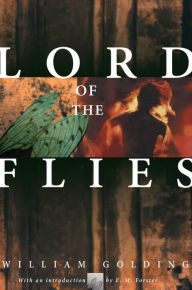
A group of schoolboys crash-land on an island with no adults, no rules, and no rescue in sight.
At first, it sounds like an adventure. A beach. A jungle. A chance to build their own little world.
Then fear spreads. Leaders fight for control. Rules fall apart. The boys begin to turn on each other. The island becomes less like a playground and more like a nightmare.
Lord of the Flies is terrifying because its characters are children. The novel asks a brutal question: what happens when civilization disappears and people are left alone with fear, power, and instinct?
Why it was banned or challenged:
The novel has been challenged for violence, disturbing imagery, profanity, and its bleak view of human nature. Some parents and schools have objected to the cruelty between children and the idea that young people, without adult structure, could become violent or savage.
Others have criticized the book for being too dark or emotionally upsetting for students. Because the story uses children to explore fear, power, mob behavior, and moral collapse, it can feel especially harsh in a classroom setting.
Read Book: Lord of the Flies!6. Of Mice and Men by John Steinbeck
George and Lennie have almost nothing except each other and a dream.
They travel through Depression-era California looking for work, hoping one day to own a small piece of land where no one can fire them, chase them away, or make them feel powerless. George is sharp and protective. Lennie is gentle, physically strong, and unable to fully understand his own strength.
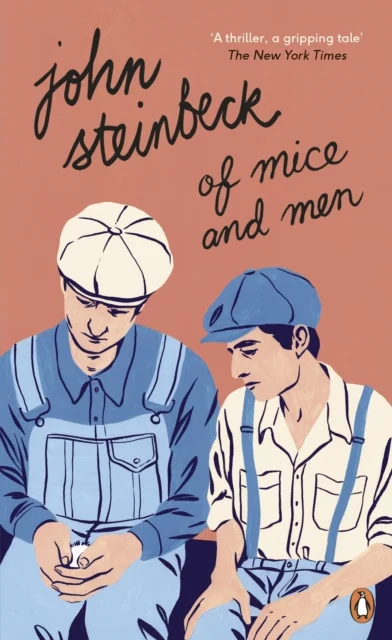
Their dream is painfully simple: a safe place, a bit of land, and a future that belongs to them.
That is what makes the story so heartbreaking. From the beginning, the dream feels fragile in a world that is not built to protect men like them.
Why it was banned or challenged:
Of Mice and Men has been challenged for racial slurs, racist stereotypes, profanity, and its treatment of disability. Some objections focus on the language used by characters, especially in classrooms where the words can be painful or harmful without careful teaching.
The book has also been criticized for its violence, tragic ending, and portrayal of vulnerable people. Because it deals with poverty, loneliness, racism, disability, and mercy in a harsh world, some schools have questioned whether it is appropriate for certain age groups.
Read Book: Of Mice and Men!7. The Color Purple by Alice Walker
The Color Purple begins in pain, but it does not stay there.
Alice Walker’s novel follows Celie, a Black woman in the American South whose life is shaped by abuse, silence, separation, and survival. For years, Celie is made to feel small. She is denied safety, love, education, and the right to speak freely.
But through letters, sisterhood, friendship, and self-discovery, Celie slowly begins to reclaim her voice. The beauty of the book is not that it avoids suffering. It is that it shows a woman rising from it.
Why it was banned or challenged:
The book has been challenged for sexual content, profanity, violence, abuse, and LGBTQIA+ themes. Some readers have objected to the novel’s painful depictions of domestic and sexual abuse, arguing that the material is too graphic or mature for students.
Others have challenged the book because of its language, religious criticism, and portrayal of same-sex love. The controversy often comes from the fact that Walker does not soften Celie’s experiences. The novel deals directly with trauma, racism, sexism, and survival, which has made it both highly praised and frequently challenged.
Read Book: The Color Purple!8. The Bluest Eye by Toni Morrison
Pecola Breedlove wants blue eyes.
Not fame. Not power. Not revenge. Just blue eyes, because she has been taught that blue eyes mean beauty, love, safety, and worth.
That simple wish makes The Bluest Eye devastating.
Toni Morrison’s debut novel follows a young Black girl growing up in a world that has already told her she is ugly before she has even had a chance to know herself.
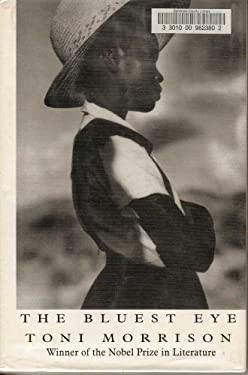
Around Pecola are racism, family trauma, poverty, cruelty, and impossible beauty standards that slowly crush her sense of self.
This is a painful book because its heartbreak feels so personal. Pecola’s dream is not childish vanity. It is a desperate response to a world that has refused to see her as worthy.
Why it was banned or challenged:
The Bluest Eye is one of the most frequently challenged books in recent years. It is often challenged because it deals with child abuse, racism, incest, trauma, and internalized beauty standards in a direct and painful way.
Critics argue that the content is too disturbing or inappropriate for students. Supporters argue that the book confronts racism and trauma honestly rather than hiding them behind safer language. Because Morrison writes about painful realities without softening them, the novel continues to spark intense debate in schools and libraries.
Read Book: The Bluest Eye!9. Fahrenheit 451 by Ray Bradbury
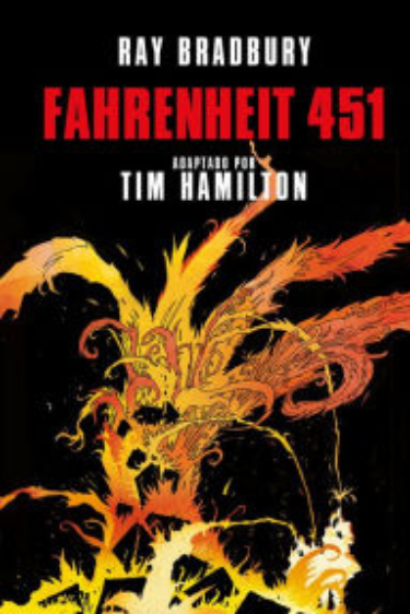
A book about burning books becoming a banned book is almost too perfect.
In Fahrenheit 451, Guy Montag is a fireman, but his job is not to put out fires. His job is to burn books.
In Montag’s world, reading is dangerous. Independent thought is suspicious. Entertainment keeps people distracted, and silence is easier than questioning anything. At first, Montag accepts the system.
Then small doubts begin to grow. A conversation. A hidden book. A strange feeling that something important has been lost.
Soon, Montag starts to realize that a society without books is not peaceful. It is empty.
Why it was banned or challenged:
Fahrenheit 451 has been challenged for profanity, violence, religious objections, and controversial themes. Some objections have focused on the language and darker moments in the novel, while others have taken issue with its criticism of censorship, conformity, and anti-intellectualism.
Its history is especially ironic because the entire novel warns about the danger of suppressing books and ideas. Many readers now see it as one of the clearest literary symbols of censorship, even as it has faced censorship itself.
Read Book: Fahrenheit 451!10. The Handmaid’s Tale by Margaret Atwood
A woman loses her name. Then her job. Then her money. Then her freedom.
In The Handmaid’s Tale, Offred lives in Gilead, a theocratic dictatorship where women are stripped of rights and forced into rigid roles. The world did not become terrifying all at once. It changed slowly, law by law, silence by silence, excuse by excuse.
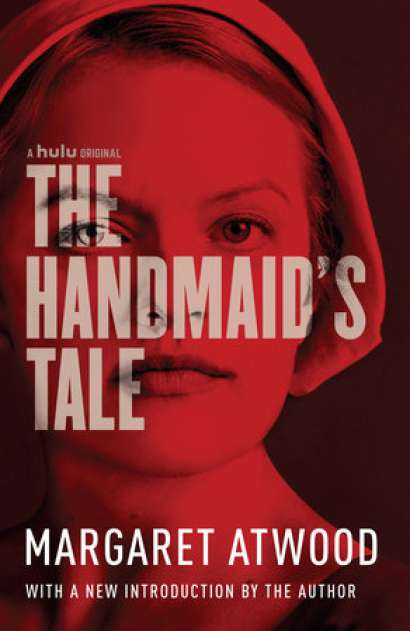
That is what makes the novel so chilling.
Offred remembers ordinary life before Gilead: work, friendship, love, choice. Those memories make her present life feel even more suffocating. The book is a dystopian story, but its fear comes from how possible its world feels.
Why it was banned or challenged:
The book has been challenged for sexual content, profanity, political themes, religious criticism, and its depiction of gender-based oppression. Some objections focus on whether the material is too mature for students, while others object to the way the novel portrays religious extremism and authoritarian control.
The controversy often comes from the book’s central question: what happens when a government uses religion, fear, and law to control women’s bodies and choices? Because that question touches politics, faith, gender, and freedom, the novel remains one of the most debated modern dystopian books.
Read Book: The Handmaid’s Tale!Final Thoughts
These books were challenged for many different reasons: language, racism, sexuality, violence, politics, religion, abuse, censorship, and age suitability.
Some people objected to what the books showed. Others objected to how directly they showed it. But that is also why these stories became so widely discussed. They do not avoid difficult subjects. They force readers to sit with them.
That does not mean every book is right for every reader at every age. But it does show why banned books often become so important. They make people uncomfortable, raise hard questions, and remind us that literature is not always meant to be easy.
