
Wilkie Collins does not rely on atmosphere alone to hold a reader’s attention. His power lies in movement—stories that unfold through letters, testimonies, shifting perspectives, each voice revealing just enough to deepen the mystery without resolving it. Long before detective fiction took its modern shape, Collins was already experimenting with suspense as structure, building narratives that depend on timing, secrecy, and the gradual uncovering of truth.
What makes his work endure is not simply the intrigue, but the world in which it exists. Beneath the surface of Victorian society—ordered, respectable, carefully observed—Collins locates uncertainty. Identities are unstable, reputations fragile, and what appears settled can shift without warning. To read him is to move through that tension, where certainty is always provisional and understanding arrives in fragments.
The works below offer a way into that experience—each one revealing a different dimension of Collins’ instinct for suspense, and his ability to hold a reader in quiet anticipation.
The Woman in White
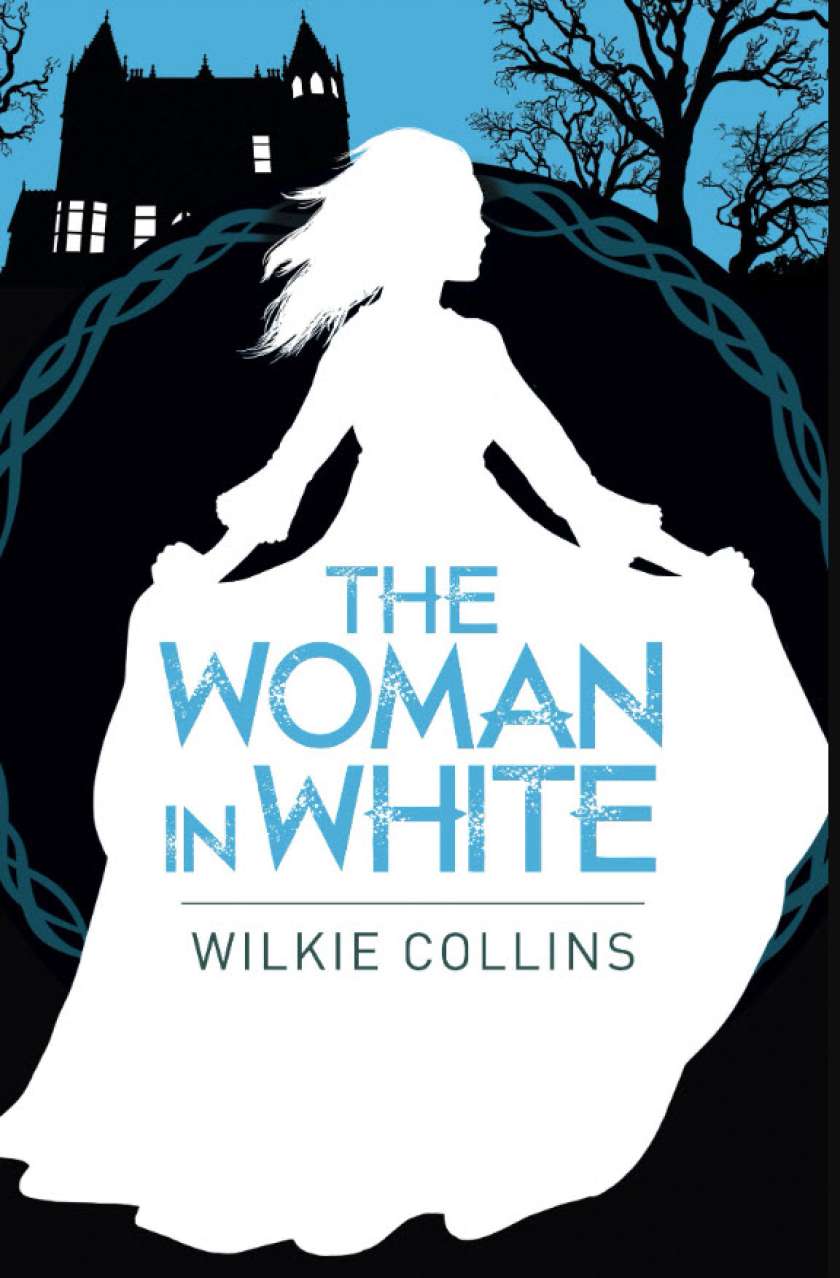
A chance encounter on a moonlit road introduces a mystery that gradually expands into a complex narrative of identity, deception, and control. The Woman in White unfolds through multiple narrators, each contributing their version of events, creating a layered account in which truth must be assembled rather than simply revealed.
What makes the novel such a compelling entry point is its balance. The story is intricate, yet immediately engaging; its characters vivid without being exaggerated. Collins allows tension to build through withholding—information is never entirely absent, but never complete. For readers, the experience is one of gradual immersion, where each voice adds clarity while raising new questions.
Reading Commitment: Long — absorbing and carefully paced, best read steadily to maintain its momentum.
Read Book: The Woman in White!The Moonstone
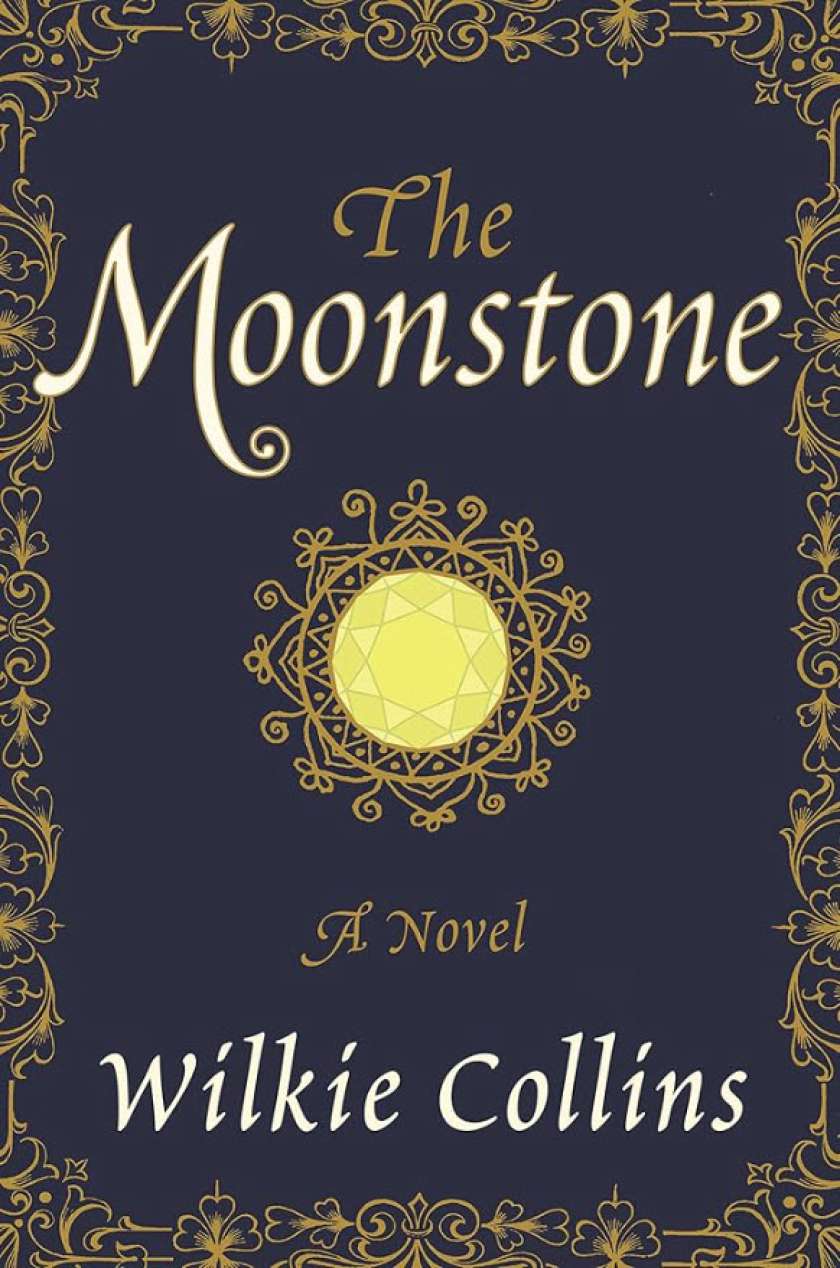
Often considered one of the earliest detective novels, The Moonstone centers on the disappearance of a valuable diamond and the investigation that follows. Like The Woman in White, the narrative is constructed through multiple perspectives, but here the structure becomes more explicitly investigative, with each account contributing to the reconstruction of events.
The novel’s strength lies in its method. Rather than presenting a single authoritative voice, Collins allows uncertainty to persist, even as the narrative moves toward resolution. Readers are drawn into the process of detection itself—observing, questioning, revising assumptions. It is this participatory quality that gives the novel its lasting appeal.
Reading Commitment: Long — intricate and rewarding, with a structure that invites close attention.
Read Book: The Moonstone!Poor Miss Finch
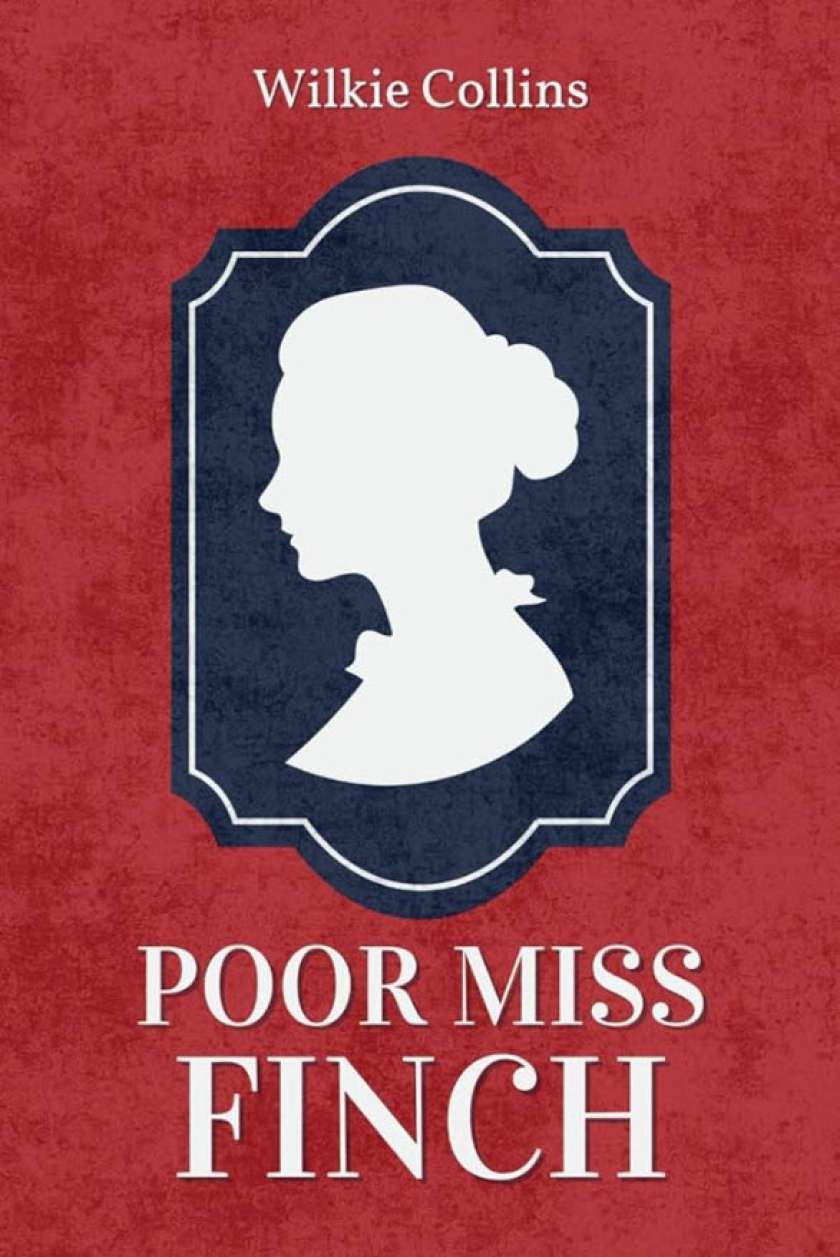
At the center of Poor Miss Finch is Lucilla Finch, a blind woman navigating love, perception, and the shifting boundaries of knowledge. The story moves between emotional intimacy and broader questions about identity, particularly as medical intervention begins to alter what can—and cannot—be seen.
While less overtly suspense-driven than Collins’ major mysteries, the novel remains compelling in its own way. Its tension emerges from uncertainty of a different kind: how perception shapes belief, and how easily trust can be unsettled. For readers, it offers a more personal, character-focused entry into Collins’ work, where the stakes are emotional rather than purely narrative.
Reading Commitment: Medium — steady and reflective, with moments of quiet intensity.
Read Book: Poor Miss Finch!Heart and Science; A Story of the Present Time
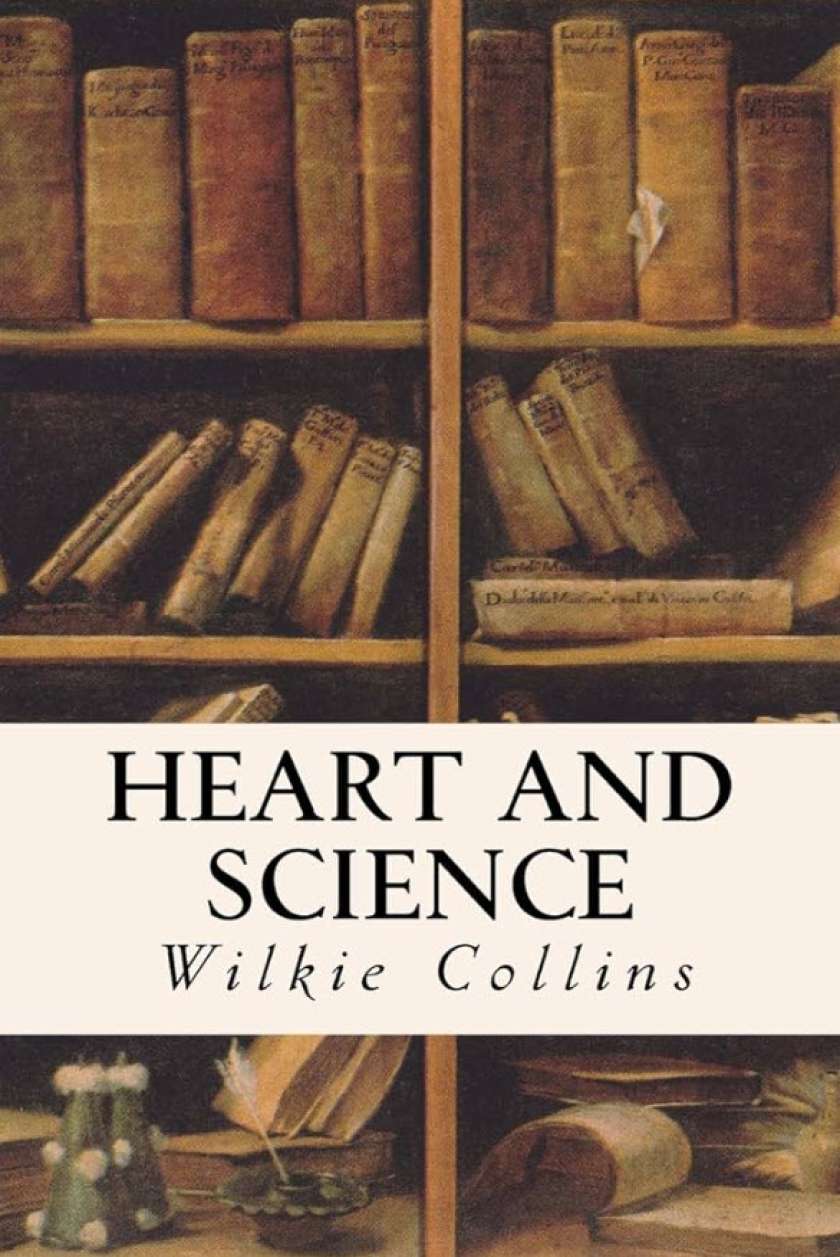
In this later work, Collins turns more directly toward social critique, focusing on the ethics of scientific experimentation and the treatment of animals. The narrative follows intersecting characters whose lives are shaped by ambition, morality, and the consequences of intellectual pursuit.
Though less tightly plotted than his earlier novels, Heart and Science retains Collins’ interest in conflict—here between progress and compassion, knowledge and responsibility. For readers, it offers insight into the broader concerns that informed his writing, extending beyond mystery into questions of conscience.
Reading Commitment: Medium — more discursive in tone, best approached with patience.
Read Book: Heart and Science; A Story of the Present Time!Rambles Beyond Railways
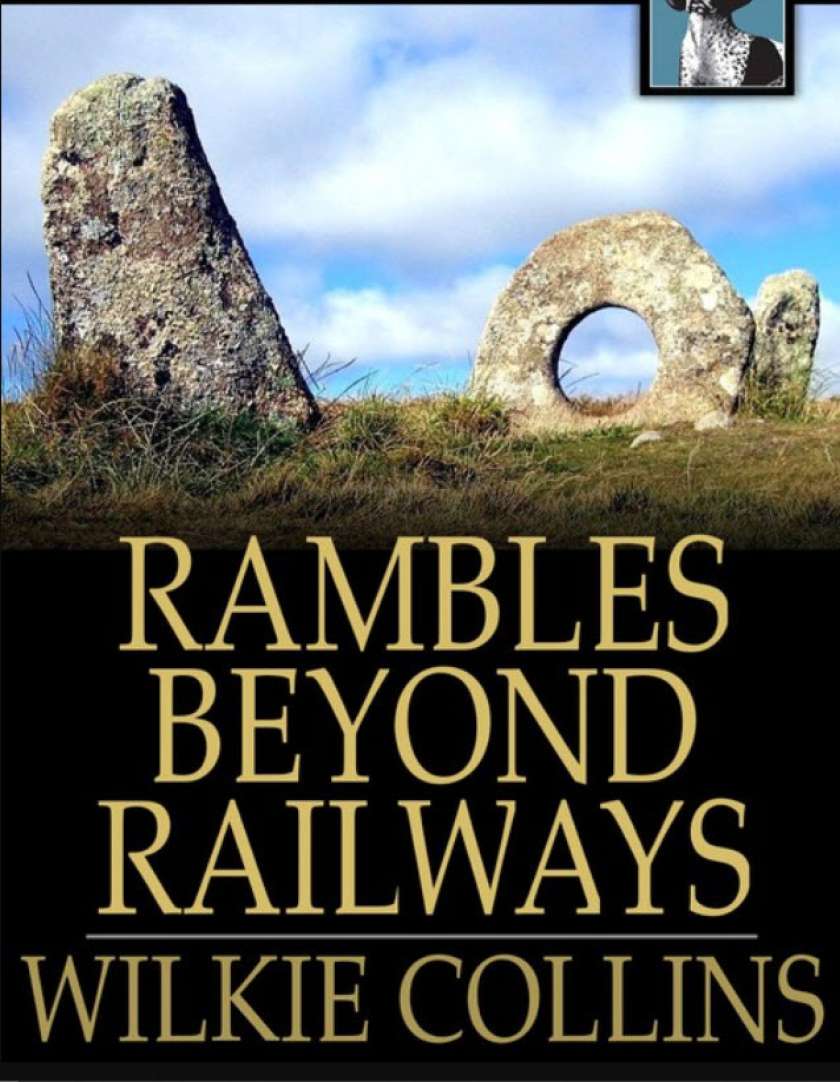
This early work departs from fiction, offering a series of observations drawn from Collins’ travels through rural England. The writing is attentive to place, detail, and the rhythms of everyday life, capturing a landscape less defined by intrigue and more by quiet observation.
While it may seem distant from the suspense of his later novels, Rambles Beyond Railways reveals something essential: Collins’ eye for detail, his ability to notice what others might overlook. These qualities would later shape his fiction, where atmosphere and setting often play a subtle but crucial role.
Reading Commitment: Short to Medium — episodic and reflective, suited to slower reading.
Read Book: Rambles Beyond Railways!Closing
Wilkie Collins’ work invites a particular kind of reading—one that accepts uncertainty as part of the experience. His stories do not unfold in straight lines, but through accumulation, through voices that overlap and sometimes contradict, through details that only later find their place.
What emerges is not simply resolution, but understanding—arrived at gradually, and never entirely without doubt. In this way, Collins’ novels feel less like puzzles to be solved and more like environments to move through, where meaning is discovered in stages.
And perhaps that is why they continue to hold attention. Not because they reveal everything, but because they know how to wait.
