
Tim Cook’s reading list feels steady, thoughtful, and quietly revealing. These are not flashy choices, and that seems to be exactly the point. The books recommended by Tim Cook point toward a leader interested in conscience, resilience, education, purpose, and the human responsibility behind power.
Looking at Tim Cook’s favorite books, a clear pattern emerges: he is drawn to stories about people who choose principle over comfort. Whether through fiction, memoir, biography, or business writing, his reading taste reflects a belief that leadership is not just about success — it is about values, courage, and what you do when the stakes are bigger than yourself.
To Kill a Mockingbird by Harper Lee
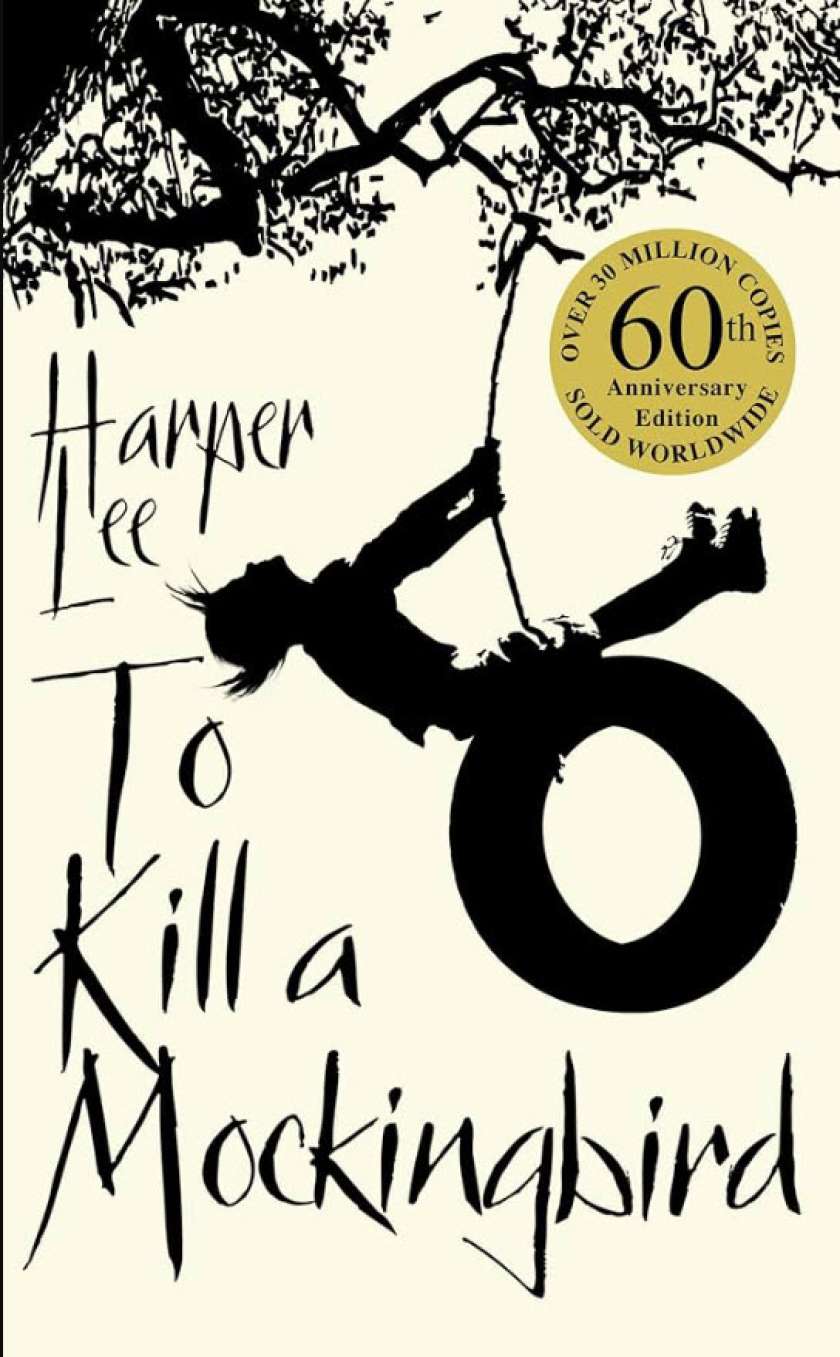
To Kill a Mockingbird follows Scout Finch as she grows up in the American South, slowly becoming aware of the racial injustice, moral hypocrisy, and quiet courage surrounding her.
At the center of the novel is Atticus Finch, whose defense of a Black man falsely accused of a crime becomes a powerful study of conscience under pressure. Harper Lee’s novel remains enduring because it examines justice not as an abstract idea, but as something tested in everyday choices.
Why You Should Read It
This is a book for readers who want fiction with moral force. To Kill a Mockingbird is accessible, deeply human, and still painfully relevant in the way it explores prejudice, empathy, and doing what is right when it is unpopular. If you are drawn to stories that ask what courage looks like in ordinary life, this classic remains essential.
Tim Cook’s Take
Cook’s view of the novel is simple but telling:
“it’s not just for young students, but for all of us.”
That framing captures why the book continues to matter. For him, To Kill a Mockingbird is not merely a school text or coming-of-age classic — it is a moral reminder, one that adults are still responsible for revisiting.
Get Book: To Kill A Mockingbird!Shoe Dog: A Memoir by the Creator of Nike by Phil Knight
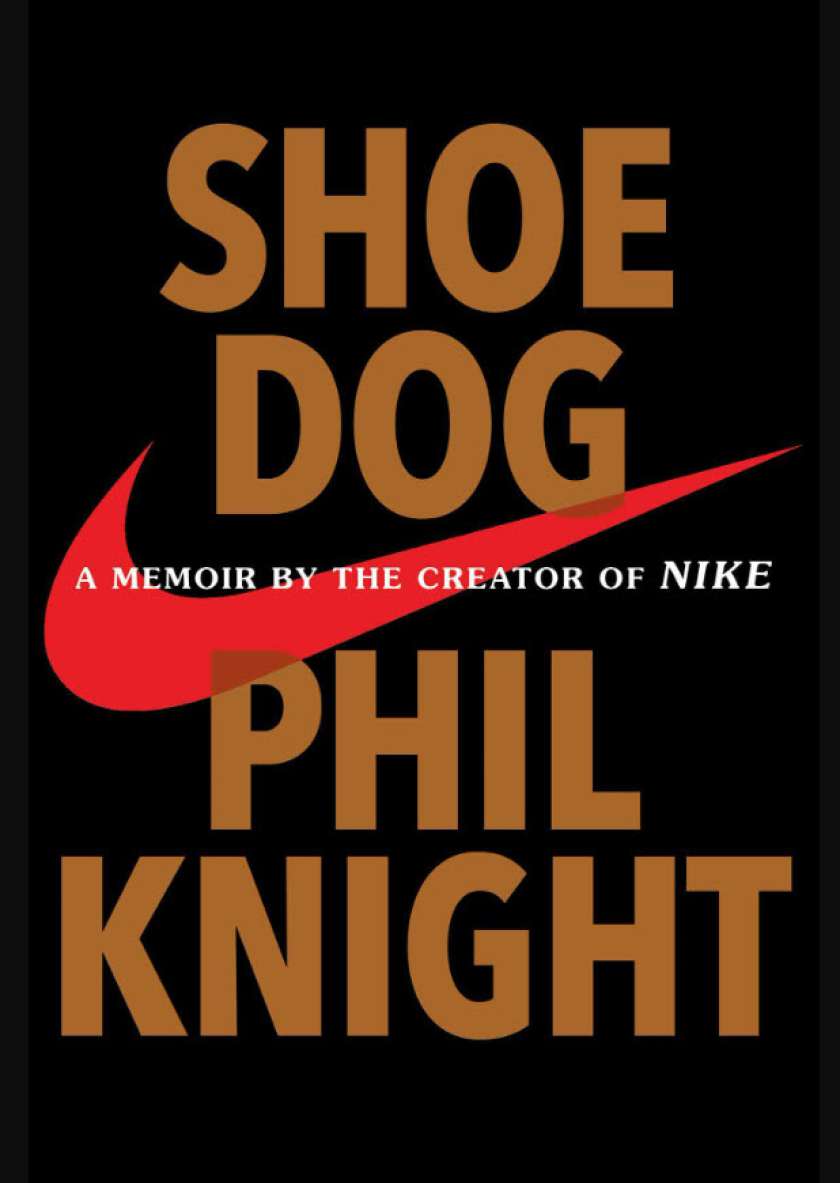
In Shoe Dog, Phil Knight tells the story of building Nike from a small, uncertain startup into a global brand. But what makes the memoir stand out is not just the success — it’s the instability along the way. Knight writes openly about risk, doubt, near-collapse, and the unpredictable nature of building something from nothing. The story unfolds less like a polished business case and more like a series of leaps taken without guarantees.
Why You Should Read It
This is a book for readers who want the truth behind entrepreneurship. Shoe Dog strips away the myth of smooth success and replaces it with something far more real — persistence in the face of uncertainty. If you’re interested in business, leadership, or creative risk-taking, this book offers both perspective and reassurance that the path is rarely linear.
Tim Cook’s Take
Cook’s perspective captures the heart of the book: it may look like a business story, but “it’s a book on life.”
That distinction matters. What stands out to him is not just the company that was built, but the mindset behind it — the resilience, the decisions, and the willingness to keep going when outcomes are unclear. It reflects a broader belief that leadership is not defined by certainty, but by how you move through uncertainty.
Get Book: Shoe Dog!When Breath Becomes Air by Paul Kalanithi
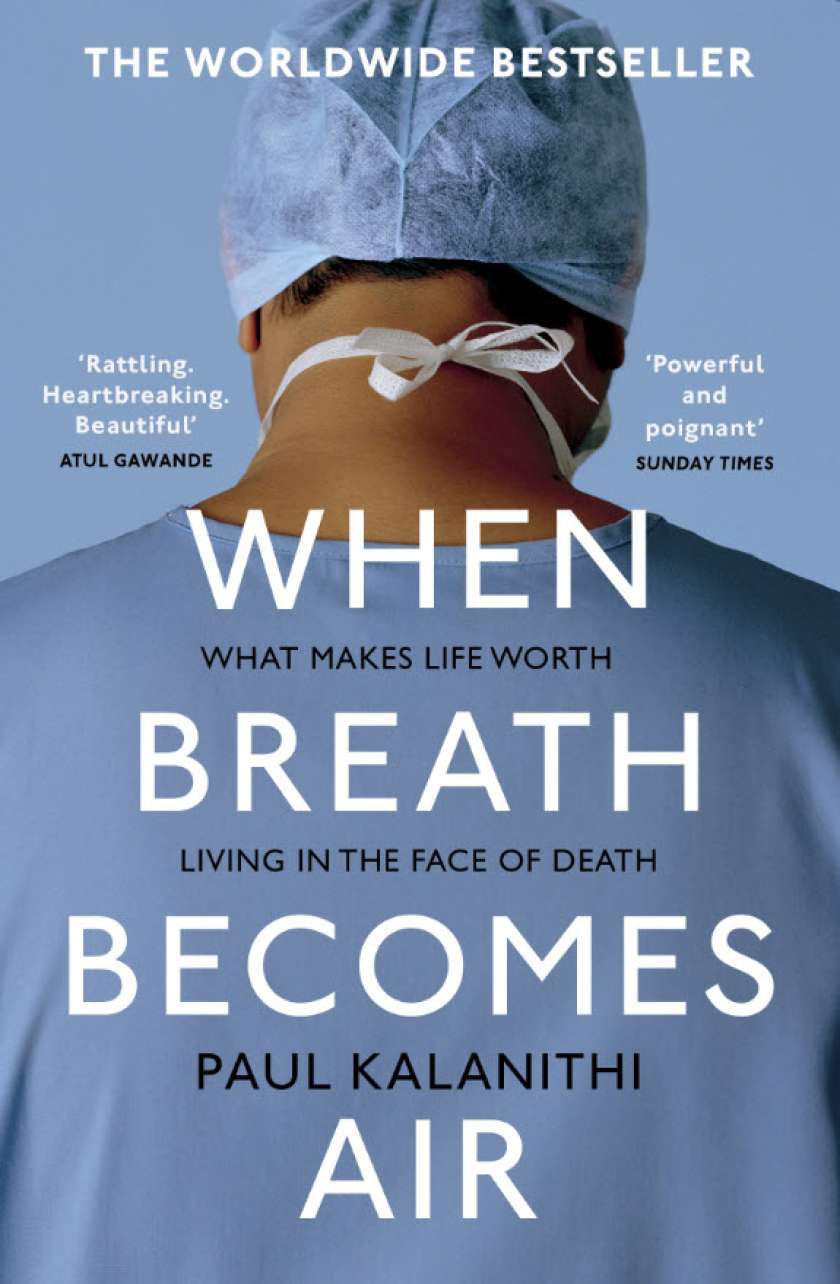
When Breath Becomes Air is the memoir of Paul Kalanithi, a neurosurgeon whose life is abruptly reshaped by a terminal cancer diagnosis. What follows is not just a medical narrative, but a philosophical one — an exploration of identity, purpose, and what gives life meaning when time becomes finite. Kalanithi writes with clarity and restraint, allowing both his medical insight and personal vulnerability to coexist on the page.
Why You Should Read It
This is a book that invites reflection. When Breath Becomes Air doesn’t offer easy answers, but it asks the right questions — about work, love, legacy, and what it means to live well. If you’re drawn to memoirs that balance intellect with emotional depth, this one leaves a lasting impression.
Tim Cook’s Take
Cook describes the book simply as “phenomenal,” and in many ways, that understatement fits. What makes the memoir so powerful is its clarity — its refusal to dramatize, even as it confronts the most difficult realities.
It’s the kind of book that doesn’t overwhelm with sentiment, but stays with you through its honesty, something that clearly resonates with Cook’s own measured, thoughtful approach.
Get Book: When Breath Becomes Air!I Am Malala by Malala Yousafzai

I Am Malala tells the story of Malala Yousafzai’s fight for girls’ education in Pakistan, culminating in the attack that brought her global attention. But beyond that defining moment, the memoir is about conviction — the decision to speak up, even when the consequences are severe. Malala’s voice is clear and grounded, shaped by both her upbringing and her belief in education as a fundamental right.
Why You Should Read It
This is a book that reminds you what courage looks like in practice. I Am Malala is not just inspiring — it is instructive, showing how one voice can influence global conversations. If you’re drawn to stories about purpose, advocacy, and the power of education, this memoir offers both perspective and urgency.
Tim Cook’s Take
Cook’s admiration for Malala extends beyond the page. He’s spoken about her “passion around young girls’ education” and the work they’ve done together, describing it as “incredible.”
That connection makes this recommendation feel especially grounded. It’s not just about the story itself, but about witnessing its impact in real time — a reminder that the ideas within a book can extend far beyond it.
Get Book: I Am Malala!The Autobiography of Martin Luther King Jr. by Martin Luther King Jr. & Bobby Kennedy: The Making of a Liberal Icon by Robert F. Kennedy
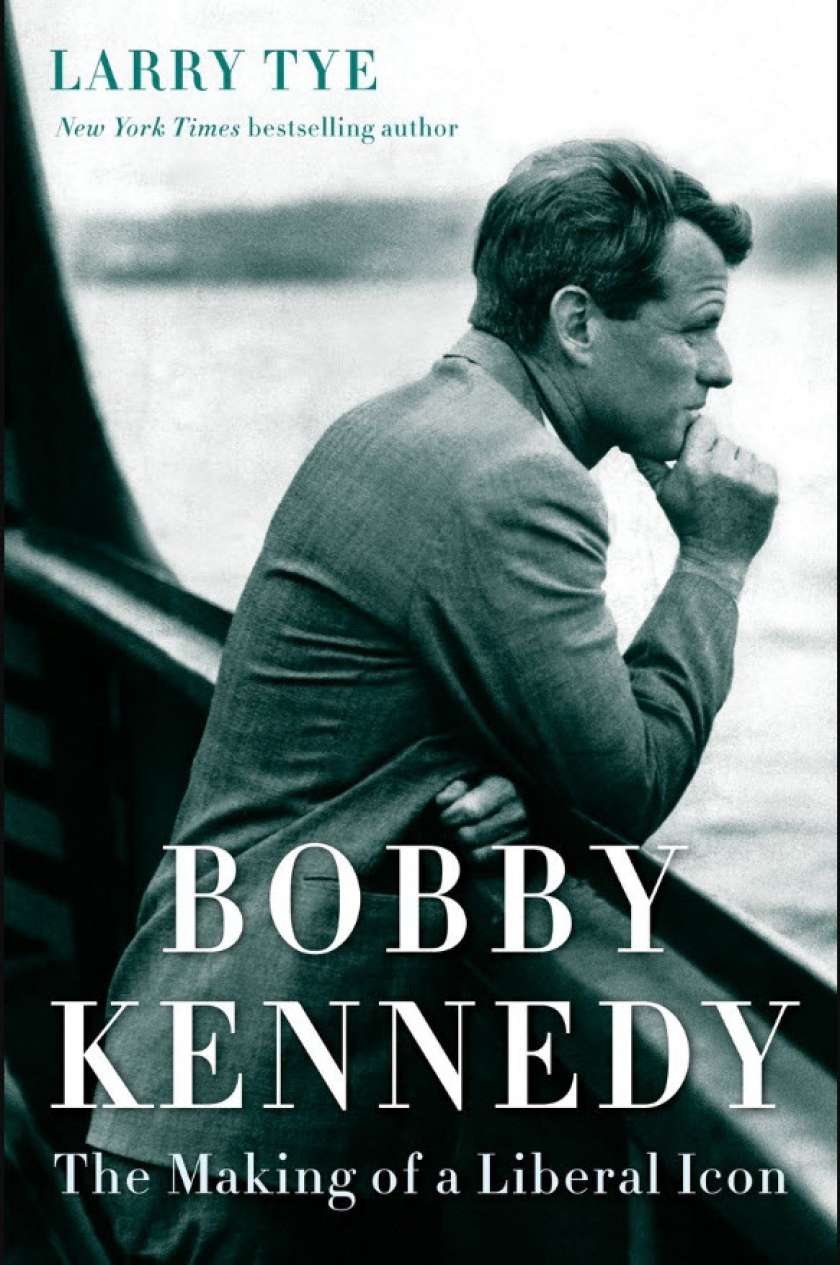
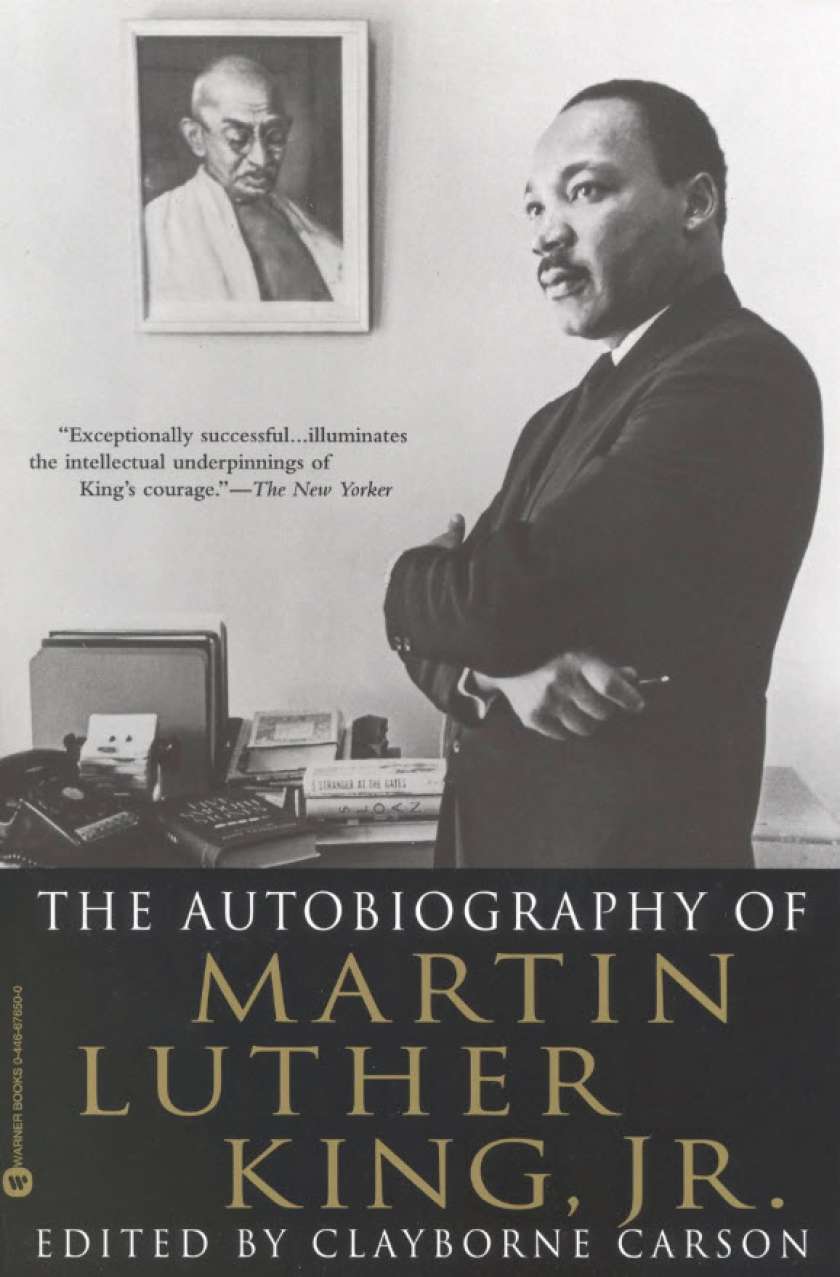
These two books, though distinct in voice and structure, share a common thread: leadership shaped by moral urgency. The Autobiography of Martin Luther King Jr. traces the development of a philosophy rooted in nonviolence, faith, and justice, offering insight into the conviction required to lead a movement. In contrast, Bobby Kennedy: The Making of a Liberal Icon explores transformation — how Kennedy evolved politically and personally, moving toward a deeper commitment to equality and civil rights.
Together, they form a portrait of leadership not as a fixed identity, but as something shaped over time — through experience, reflection, and response to the world around you.
Why You Should Read Them
These are books for readers interested in the intersection of leadership and conscience. Both works go beyond historical events to examine how individuals grow into responsibility — often imperfectly, and often under pressure. If you’re drawn to stories about change, conviction, and the courage to act in the face of resistance, these biographies offer enduring relevance.
Tim Cook’s Take
Cook has spoken about his admiration for figures like King and Kennedy, noting his appreciation for “some of the great people that were pushing forward civil rights.”
What stands out here is not just admiration, but alignment. These are leaders who used their influence to move society forward, often at personal cost. It’s a perspective that reinforces a recurring theme across Cook’s reading list: that leadership is not just about position, but about what you choose to stand for.
Get Book: Bobby Kennedy: The making of a liberal king!Closing Reflection
Taken together, the books recommended by Tim Cook reveal a reading life grounded in clarity, conviction, and quiet responsibility. There’s nothing performative about this list. Instead, it reflects a steady interest in people who think deeply, act deliberately, and remain accountable to something larger than themselves.
Across fiction, memoir, and biography, a pattern emerges: these are stories about conscience. Atticus Finch standing firm in the face of injustice. Malala speaking when silence would have been safer. Leaders like Martin Luther King Jr. and Robert Kennedy choosing principle, even when it came at a cost. Even in a business memoir like Shoe Dog, what resonates is not just success, but the decisions made along the way — the willingness to keep going without certainty.
There is also a sense of perspective running through the list. Books like When Breath Becomes Air remind us that time is limited, that meaning cannot be postponed. Others point outward, toward education, equality, and impact — suggesting that what we build matters less than what it contributes.
In the end, this is what makes Tim Cook’s reading list so compelling. It doesn’t chase complexity for its own sake, nor does it lean into spectacle. Instead, it returns, again and again, to something simple and difficult: the idea that how you live — and what you stand for — is the real measure of a life.
