
Say Arthur Conan Doyle and one name inevitably answers back: Sherlock Holmes.
It is difficult to imagine a fictional character more completely attached to his creator. The deerstalker, the deductions, Dr. Watson, Baker Street, impossible crimes solved through tiny details everyone else has missed—Holmes became so culturally dominant that even people who have never opened one of Conan Doyle’s books already know something about him.
And deservedly so. The Sherlock Holmes stories changed detective fiction forever. But they also created a curious problem for the writer behind them: Holmes became so enormous that much of Conan Doyle’s remarkably varied career disappeared behind him.
Because Conan Doyle did not spend his entire writing life inside 221B Baker Street. He sent explorers into a world of prehistoric creatures. He wrote sweeping historical adventures about knights and prizefighters. And when events in Central Africa demanded his attention, he abandoned fiction altogether and used his public reputation to campaign against real-world atrocities.
The detective, as it turns out, was only the beginning.
A Study in Scarlet
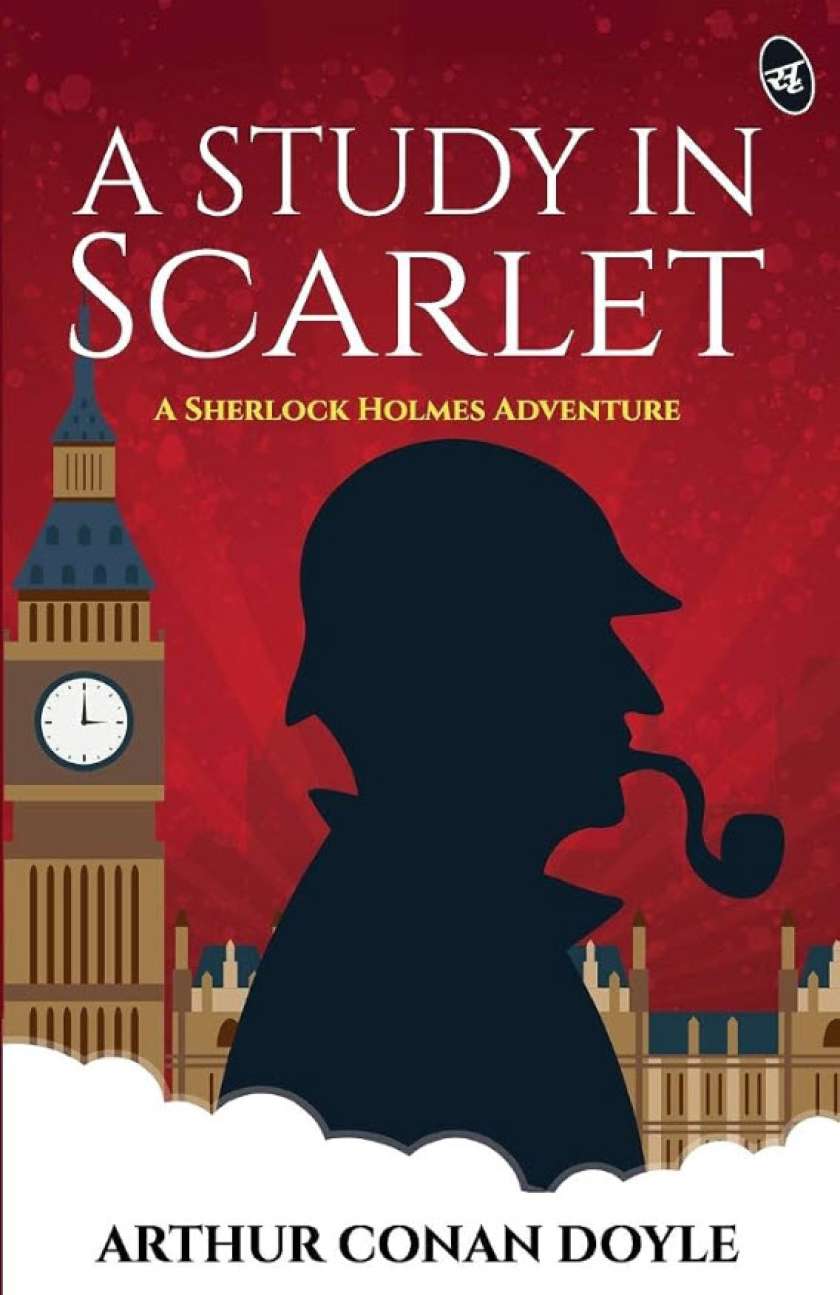
This is where Sherlock Holmes and Dr. John Watson meet for the first time. Watson, recently returned from military service in Afghanistan, needs affordable accommodation in London and is introduced to an eccentric man looking for someone with whom to share rooms. Before long, the two are living together at 221B Baker Street, and Watson is attempting to understand exactly what his strange new companion does for a living.
Then a murder provides the demonstration.
A Study in Scarlet is fascinating to read now because so much that would become iconic is still being assembled. Holmes’s extraordinary observational abilities are introduced, Watson begins occupying the role through which readers encounter him, and the basic rhythm of their partnership takes shape. The novel also makes an unexpected structural turn midway through, moving far from London before eventually revealing how seemingly disconnected events fit together.
For anyone curious about Holmes, there is something satisfying about beginning here—not with the legend fully formed, but with two strangers meeting for the first time.
Reading Commitment: Medium — accessible and particularly rewarding as the origin of literature’s most famous detective partnership.
Read Book: A Study in Scarlet!The Sign of the Four
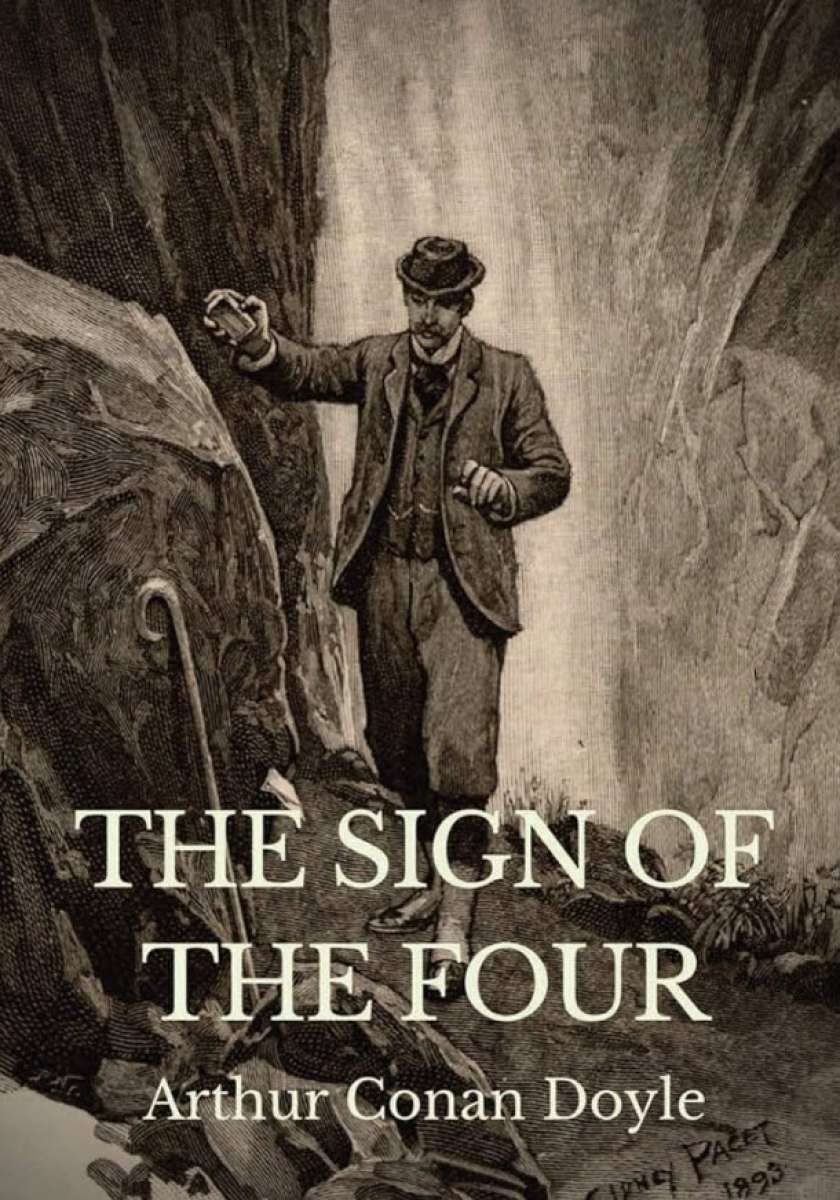
By their second novel, Holmes and Watson feel more settled into themselves. When Mary Morstan approaches Holmes with a mystery involving her missing father, anonymous gifts of pearls, and a strange invitation, the investigation expands into a story of hidden treasure, betrayal, and events whose origins reach back years.
The mystery is more confident, but so are the characters. Holmes’s brilliance sits alongside the more difficult aspects of his personality, while Watson is given a personal storyline that changes his life beyond Baker Street. Conan Doyle is beginning to understand that the relationship between detective and chronicler can carry just as much interest as the cases themselves.
Reading Commitment: Medium — adventurous, brisk, and an excellent continuation after A Study in Scarlet.
Read Book: The Sign of the Four!The Adventures of Sherlock Holmes
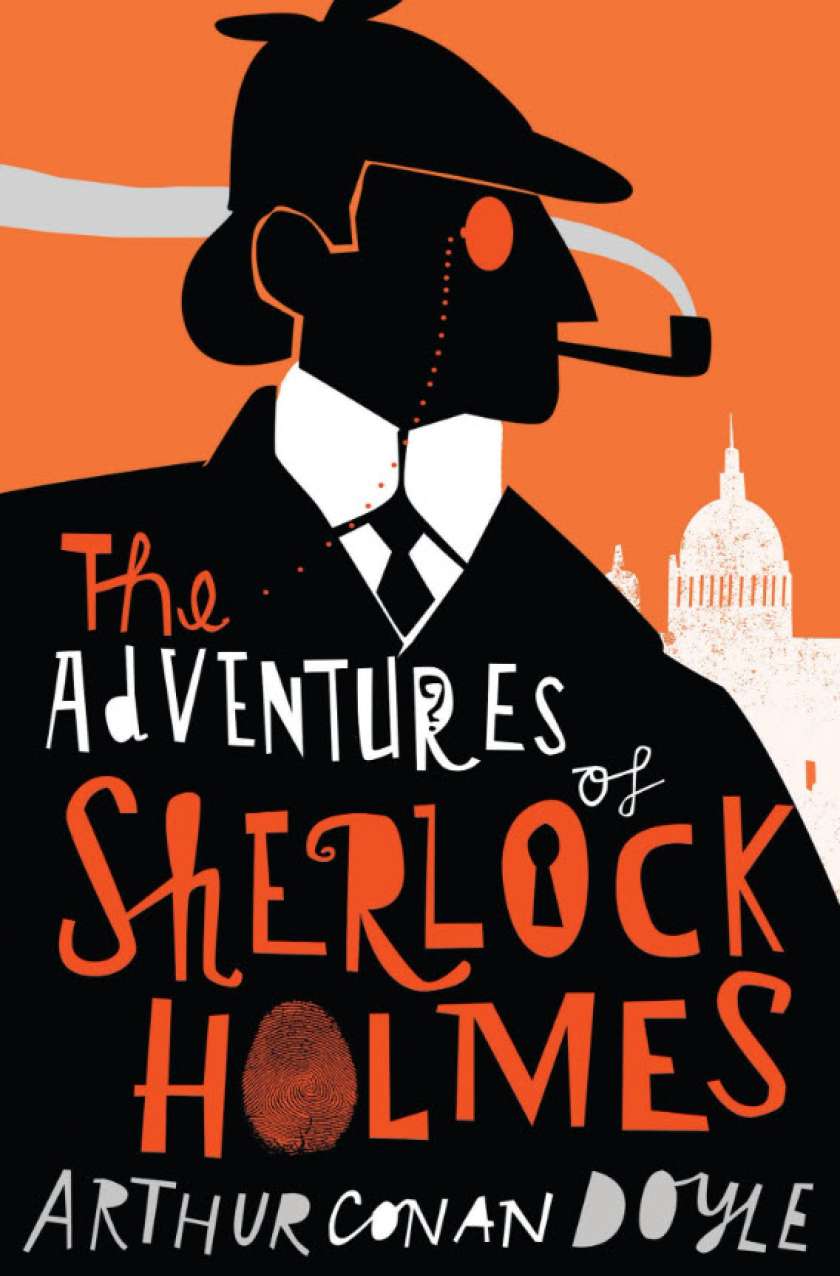
If the first two novels introduce Holmes, The Adventures of Sherlock Holmes is where Conan Doyle discovers just how perfectly the detective fits the short-story form.
Across twelve cases, clients arrive with strange problems, apparently insignificant details become crucial, disguises conceal unexpected identities, and Holmes repeatedly notices what everyone else overlooks. The shorter format removes much of the distance between mystery and deduction, allowing each story to become a compact demonstration of Conan Doyle’s talent for setting a puzzle and then turning it slightly until the answer appears.
It also contains some of the most enduring Holmes stories, including “A Scandal in Bohemia,” where Irene Adler earns the detective’s respect, and “The Red-Headed League,” which demonstrates just how delightfully peculiar a Holmes mystery can become.
For readers who want to understand why Sherlock Holmes became a phenomenon, this collection may be the clearest answer.
Reading Commitment: Medium — twelve self-contained stories that can easily be read one at a time.
Read Book: The Adventures of Sherlock Holmes!The Hound of the Baskervilles
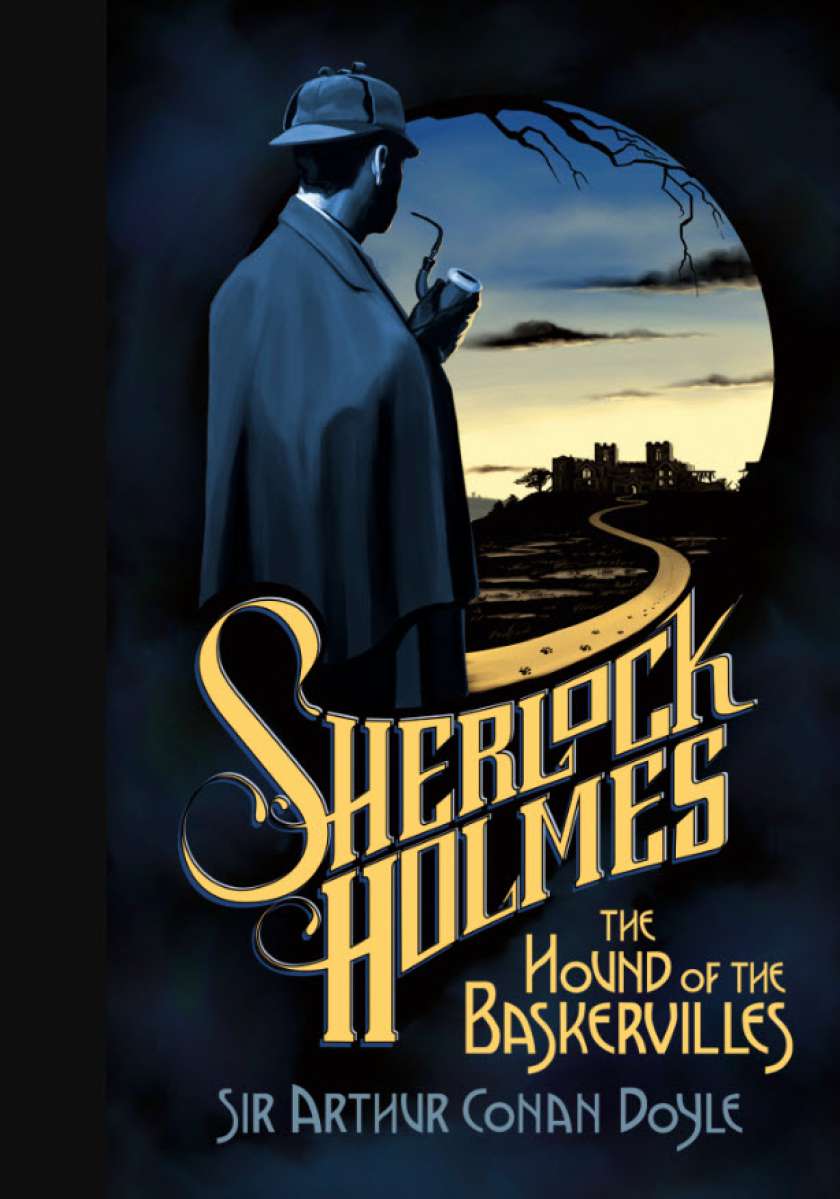
A family legend tells of a monstrous hound haunting the Baskerville line. When Sir Charles Baskerville dies under mysterious circumstances on the edge of the moor, the question confronting Holmes is unusually uncomfortable: is someone exploiting an old superstition, or has the great rational detective finally encountered something reason cannot explain?
Here Conan Doyle takes the machinery of detective fiction and places it inside a gothic nightmare. There are lonely houses, ancient legends, fog-covered moors and something terrifying apparently moving through the darkness. The atmosphere matters almost as much as the investigation.
That combination makes The Hound of the Baskervilles one of the easiest Holmes novels to recommend even to readers who do not usually read detective fiction. It works as mystery, gothic horror and adventure simultaneously, while never losing the intellectual pleasure of watching Holmes separate fear from fact.
Reading Commitment: Medium — atmospheric, suspenseful, and arguably the most immediately gripping Holmes novel.
Read Book: The Hound of the Baskervilles!The Valley of Fear
A coded warning arrives shortly before news of a murder at a secluded country house. Holmes suspects that the crime may be connected to Professor Moriarty’s wider criminal network, but solving the immediate mystery reveals only part of a much larger story.
Like A Study in Scarlet, the novel eventually moves away from Baker Street and into an extended history behind the crime. This time Conan Doyle enters a world of secret societies, intimidation and organized violence, giving the novel a noticeably darker texture than many earlier Holmes adventures.
For readers who have already met the familiar Holmes, The Valley of Fear shows how far Conan Doyle could stretch the formula without abandoning what made it satisfying.
Reading Commitment: Medium — darker and structurally more ambitious than the typical Holmes case.
Read Book: The Valley of Fear!The Adventure of the Devil’s Foot
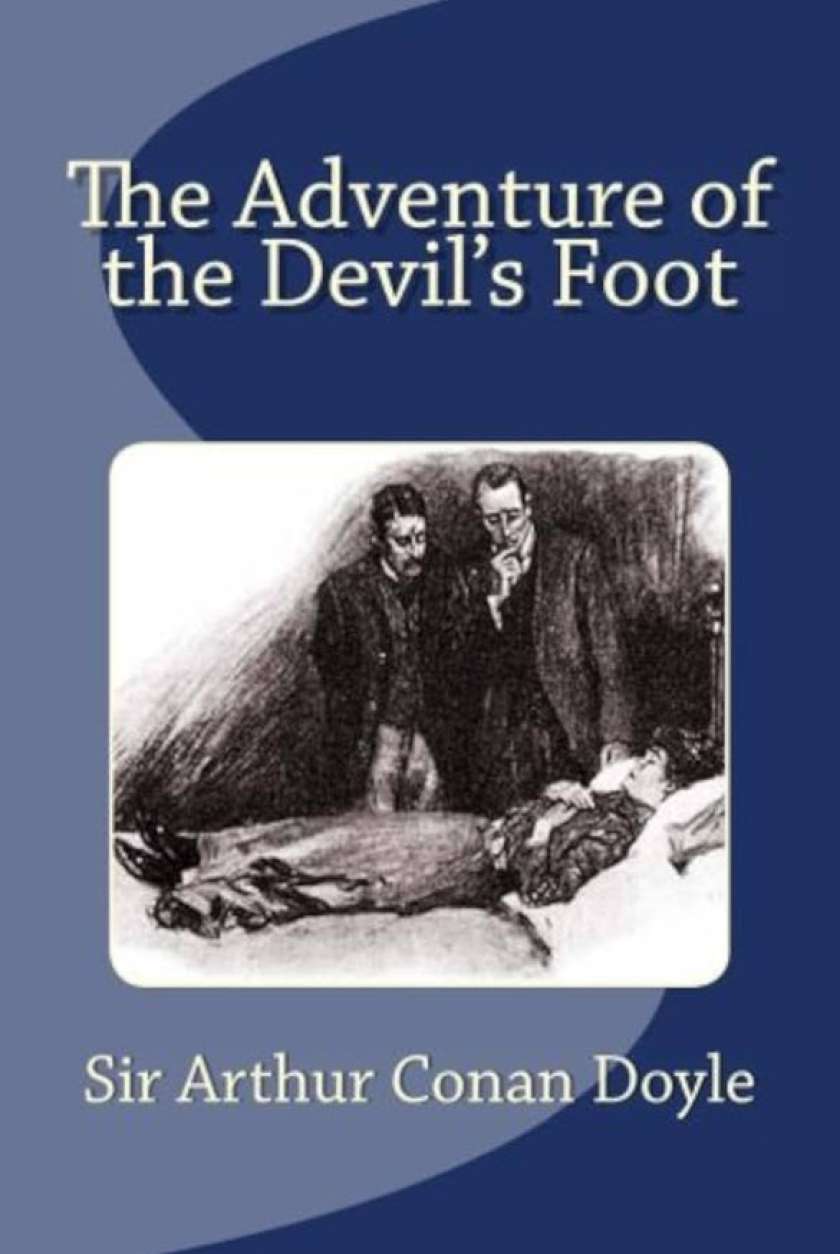
While staying in Cornwall for the sake of Holmes’s health, Holmes and Watson encounter a disturbing case involving a family discovered around a table under extraordinary circumstances. One is dead. The others appear to have been driven violently insane.
The story is Holmes in concentrated form: an isolated setting, an apparently inexplicable event and a danger serious enough to place the detective himself at risk. Conan Doyle builds unease quickly and then lets Holmes’s curiosity pull the reader further into it.
It is particularly good for readers who enjoy the darker edge of The Hound of the Baskervilles but want something that can be finished in one sitting.
Reading Commitment: Short — eerie, contained, and sharply paced.
Read Book: The Adventure of the Devil’s Foot!The Adventure of the Red Circle
A landlady approaches Holmes about a lodger whose behavior has become increasingly strange. The tenant rarely emerges, communicates through brief written requests, and seems determined never to be seen. What initially appears to be an odd domestic problem gradually opens into something much larger.
This is one of the pleasures of Conan Doyle’s shorter mysteries: the starting point can be wonderfully small. A peculiar tenant. An unusual message. A detail that does not quite make sense. Holmes follows those details outward until an entire hidden story appears behind them.
Reading Commitment: Short — an easy single-sitting mystery and a fine example of Conan Doyle’s economy as a storyteller.
And if Arthur Conan Doyle’s career had ended somewhere around here, his reputation would already have been secure.
But now we leave Baker Street.
Read Book: The Adventure of the Red Circle!The Lost World
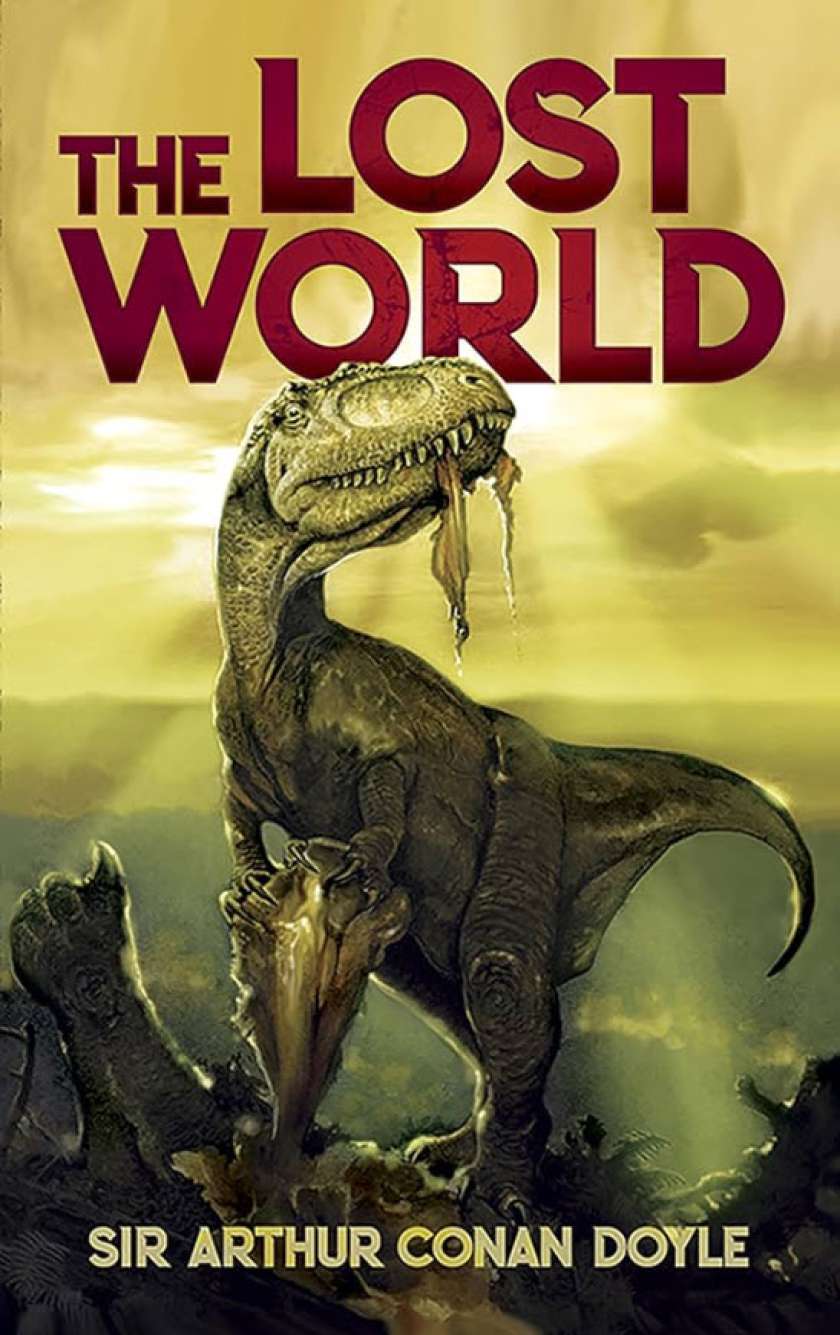
Professor George Edward Challenger is not Sherlock Holmes.
He is loud, combative, physically imposing and spectacularly difficult. When he claims to have discovered evidence that prehistoric creatures still survive on an isolated plateau in South America, an expedition sets out to determine whether the impossible might actually be true.
Suddenly Conan Doyle is writing an entirely different kind of story.
The Lost World is filled with exploration, danger, strange landscapes and creatures that should have vanished millions of years ago. Yet the same narrative instincts that make the Holmes stories compelling remain visible: curiosity drives everything forward, evidence must be tested, and characters repeatedly confront things that challenge what they believe they know.
The novel would become enormously influential in its own right, helping establish the template for the “lost world” adventure that would echo through later books and films about explorers discovering prehistoric worlds.
Reading Commitment: Medium — adventurous, imaginative, and probably the best place to discover Conan Doyle without Sherlock Holmes.
Read Book: The Lost World!Sir Nigel
With Sir Nigel, Conan Doyle travels backwards rather than into an undiscovered world.
Set during the Hundred Years’ War, the novel follows the young Nigel Loring as he seeks the adventures and achievements that will allow him to prove himself worthy of knighthood. Battles, quests, honor and medieval ideals replace detectives and scientific expeditions.
This was not a casual diversion for Conan Doyle. He cared deeply about historical fiction and took considerable pride in his work within the genre. Sir Nigel reveals a writer fascinated by courage, duty and the romantic possibilities of the past. Modern readers arriving from Sherlock Holmes may need a moment to adjust, but that difference is precisely what makes it worth including: the range is becoming impossible to ignore.
Reading Commitment: Long — best for readers who enjoy historical adventure and are ready to leave Victorian Britain behind completely.
Read Book: Sir Nigel!Rodney Stone
Now Conan Doyle moves into the world of Regency England, where young Rodney Stone finds himself drawn into a society of aristocrats, sporting culture, secrets and prizefighting.
Boxing gives the novel much of its energy. Conan Doyle was himself an enthusiastic sportsman, and his interest in physical courage and competition comes through strongly here. But Rodney Stone also combines that sporting world with mystery and historical detail, allowing several of his storytelling interests to overlap.
For readers exploring his work chronologically by genre rather than publication date, it becomes another surprise. The man responsible for literature’s great cerebral detective was equally fascinated by bodies in motion, physical endurance and the drama of the ring.
Reading Commitment: Medium to Long — lively historical fiction with a strong sporting dimension.
Read Book: Rodney Stone!The Crime of the Congo
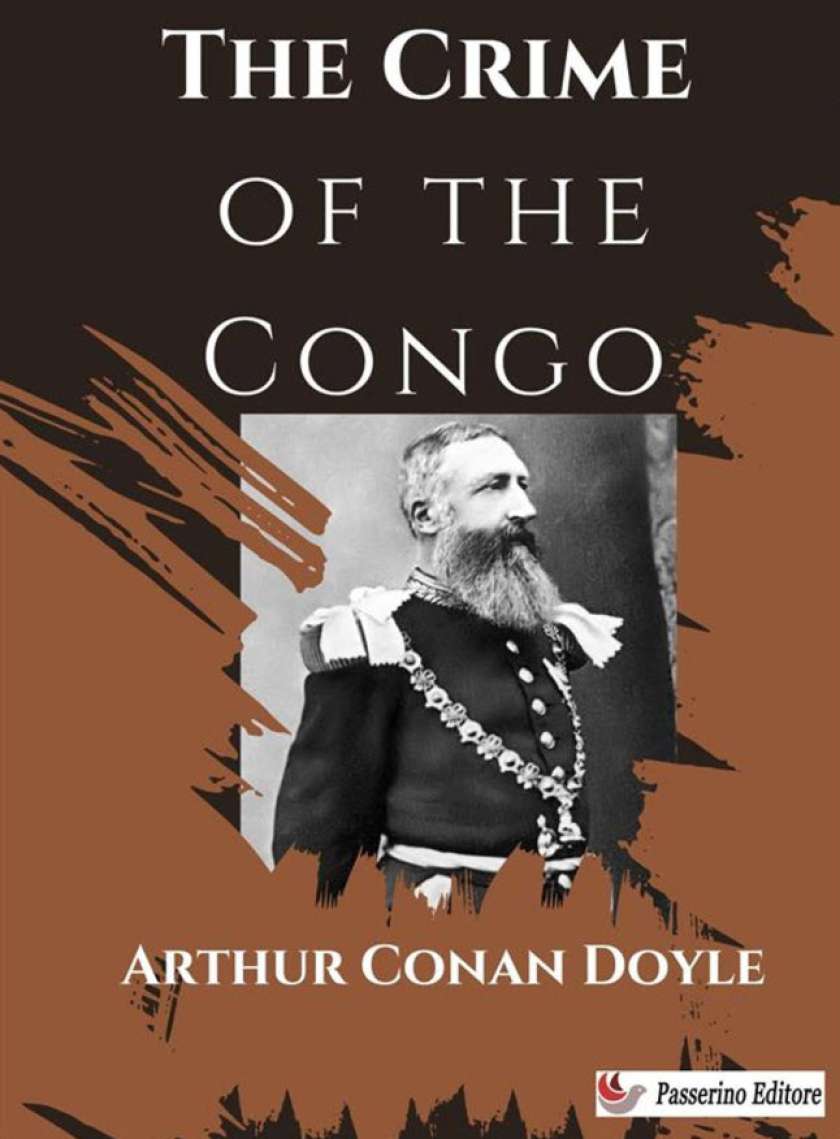
And then the fiction stops.
Published in 1909, The Crime of the Congo was Conan Doyle’s attempt to draw public attention to the brutal exploitation and atrocities associated with the Congo Free State under King Leopold II of Belgium. He assembled testimony and evidence and used his own fame to argue that what was happening could not be ignored.
Reading it after Holmes creates a striking contrast. For years Conan Doyle had constructed fictional crimes and created a detective capable of exposing the truth hidden behind them. Here there is no Holmes, no satisfying final deduction and no invented villain waiting to be unmasked. The violence is historical and the purpose of the writing is explicitly political and humanitarian.
The work also needs to be approached as a document of its period, with the language and assumptions of an early twentieth-century British writer. But within Conan Doyle’s career, it reveals something significant: he did not believe a writer’s public voice had to remain confined to fiction.
Reading Commitment: Medium — nonfiction, historically significant, and best read with its imperial context firmly in view.
Read Book: The Crime of the Congo!Closing
Sherlock Holmes will always stand at the center of Arthur Conan Doyle’s legacy, and there is little reason to resist that. Holmes and Watson earned their place there. From their first meeting in A Study in Scarlet through the fog and fear of The Hound of the Baskervilles, Conan Doyle helped establish patterns of detective storytelling that remain instantly recognizable more than a century later.
But stay with Conan Doyle after the detective work is done and the landscape changes dramatically.
There are dinosaurs waiting beyond the known world. Knights riding through medieval England. Fighters entering the Regency boxing ring. And eventually, a writer putting fiction aside because the crimes he wanted readers to notice were no longer imaginary.
Sherlock Holmes may have been Arthur Conan Doyle’s greatest creation.
He was never the whole story.
