
Jane Austen is often introduced through reputation before experience. Her novels are framed as manners-driven, decorous, even distant—stories one is meant to admire rather than enter. That framing misses the point. Austen wrote with a sharp eye for self-deception, social performance, and the quiet stakes of ordinary lives. Her wit is precise, her sympathy earned, her judgments rarely simple.
Read attentively, Austen feels less like an emblem of an era and more like a contemporary observer—alert to power, money, gender, and the fragile negotiations of intimacy. The books below are natural beginnings: novels that invite readers into her world with clarity, humor, and emotional intelligence.
The Starter Shelf
Pride and Prejudice
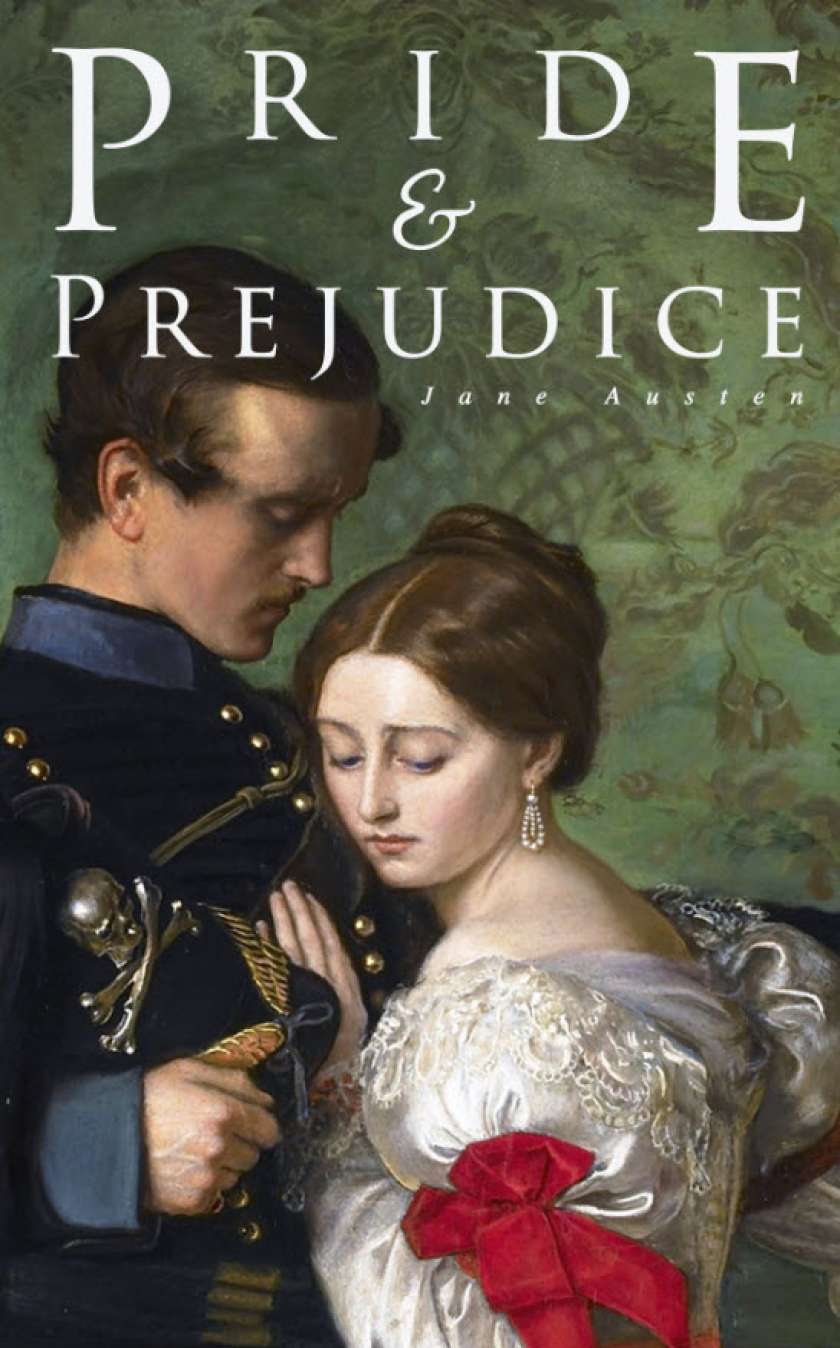
At its heart, Pride and Prejudice is a study in misreading—of others, of circumstance, and of oneself. Elizabeth Bennet’s quick intelligence and moral confidence meet a society shaped by inheritance, reputation, and narrow margins for women’s choice. The pleasure of the novel lies not only in its romance, but in the gradual recalibration of judgment that Austen orchestrates with quiet precision.
As an entry point, it offers Austen at her most immediately engaging. The narrative moves briskly, the dialogue sparkles, and the emotional stakes are legible without being overstated. It is both welcoming and exacting—entertaining, but never superficial.
Reading Commitment: Medium — lively and absorbing, with momentum that carries the reader forward.
Read Book: Pride and Prejuduce!Emma
Emma centers on a heroine who is confident, capable, and wrong—often. Emma Woodhouse’s certainty becomes the novel’s engine, allowing Austen to explore the pleasures and dangers of self-assurance unchecked by self-knowledge. What begins as comedy gradually sharpens into moral inquiry.
For new readers, Emma is a revealing introduction to Austen’s irony. It asks the reader to observe closely, to notice what the heroine overlooks, and to enjoy the slow unraveling of mistaken conclusions. The result is one of Austen’s most intricate—and rewarding—portraits.
Reading Commitment: Long — best read with attention, allowing its layered ironies to unfold.
Read Book: Emma!Sense and Sensibility
Following two sisters with contrasting temperaments, Sense and Sensibility examines how feeling and restraint collide in a world where women’s security depends on careful navigation. Austen resists simple binaries, instead revealing how emotional excess and emotional suppression carry their own costs.
As a starting point, the novel offers clear thematic structure and emotional clarity. Its interest in balance—between impulse and prudence, vulnerability and self-command—makes it especially resonant for readers attentive to interior life.
Reading Commitment: Medium — measured in pace, emotionally attentive.
Read Book: Sense and Sensibility!Persuasion
Written later in Austen’s life, Persuasion carries a quieter gravity. Its heroine, Anne Elliot, moves through a world that once discounted her constancy and judgment. The novel dwells on memory, regret, and the long echo of decisions made too soon—or too cautiously.
For first-time readers, Persuasion offers a softer entry into Austen’s emotional range. It is less playful, more reflective, and deeply concerned with time’s ability to clarify what youth obscures.
Reading Commitment: Medium — restrained, introspective, and deeply felt.
Read Book: Persuasion!Northanger Abbey
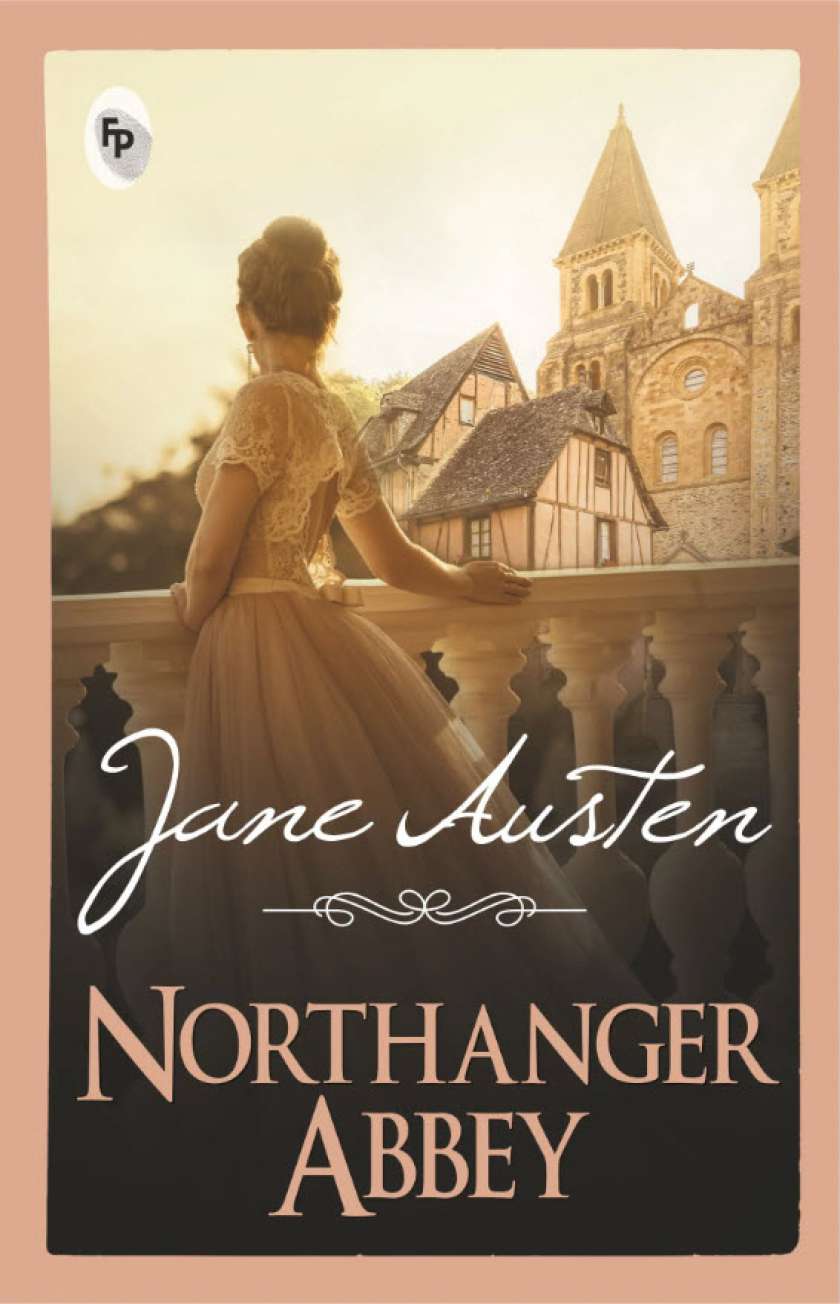
Part satire, part coming-of-age story, Northanger Abbey follows a young woman whose imagination—shaped by popular novels—outpaces her experience. Austen’s humor is at its most overt here, gently puncturing excess while defending the pleasures of reading itself.
As an entry point, it is disarming and accessible. The novel’s self-awareness and warmth make it an inviting introduction to Austen’s wit, particularly for readers curious about her lighter touch.
Reading Commitment: Short — playful, quick, and easily approachable.
Read Book: Northanger Abbey!If You Loved This, Try That
Readers drawn to the social sparkle and emotional recalibration of Pride and Prejudice often find Emma deepens those pleasures with greater complexity. If the reflective restraint of Persuasion lingered, Sense and Sensibility broadens its emotional inquiry through contrast and consequence. And for those who enjoyed the knowing humor of Northanger Abbey, Pride and Prejudice offers that wit within a richer social canvas.
Next Steps for Curious Readers
Once the surface polish fades, Austen’s novels reveal a steady concern with moral growth—how people learn to see clearly, to listen well, and to revise themselves without humiliation. Her work rewards rereading, not for hidden twists, but for the way perspective shifts over time.
There is no prescribed order, only inclination. Austen’s books remain patient companions—ready to meet readers wherever they are, and often to say more the second time around.
