
If there’s one thing Kaia Gerber’s bookshelf proves, it’s that she reads far beyond her years. Her favorite books are the kind that get passed around independent bookstores, underlined in pencil, photographed next to coffee cups, and recommended with the words, “This one changed me.” They’re quiet rather than flashy, emotionally precise rather than dramatic, and filled with questions that linger long after the final page.
Looking at the books recommended by Kaia Gerber, a clear literary sensibility emerges. She gravitates toward writers who trust silence as much as dialogue, who explore grief without sentimentality, love without cliché, and philosophy without pretension. Whether it’s French autofiction, existential classics, intimate memoirs, or minimalist short stories, these books invite readers to slow down and notice the emotional weight hidden inside ordinary moments.
What makes Kaia’s reading list especially compelling is how deeply personal her relationship with these books seems to be. She doesn’t simply admire great writing—she talks about books that altered the way she thinks, expanded her understanding of love, helped her process grief, or introduced entirely new ways of seeing the world. Reading, for her, isn’t just entertainment; it’s a way of growing into herself.
Taken together, these five books create the portrait of a reader who values curiosity over certainty, vulnerability over spectacle, and emotional honesty above all else. If you’ve ever wanted to understand why indie bookstores keep recommending the same handful of literary classics—or if you’re looking for books that feel quietly transformative—Kaia Gerber’s bookshelf is an excellent place to begin.
The Lover by Marguerite Duras
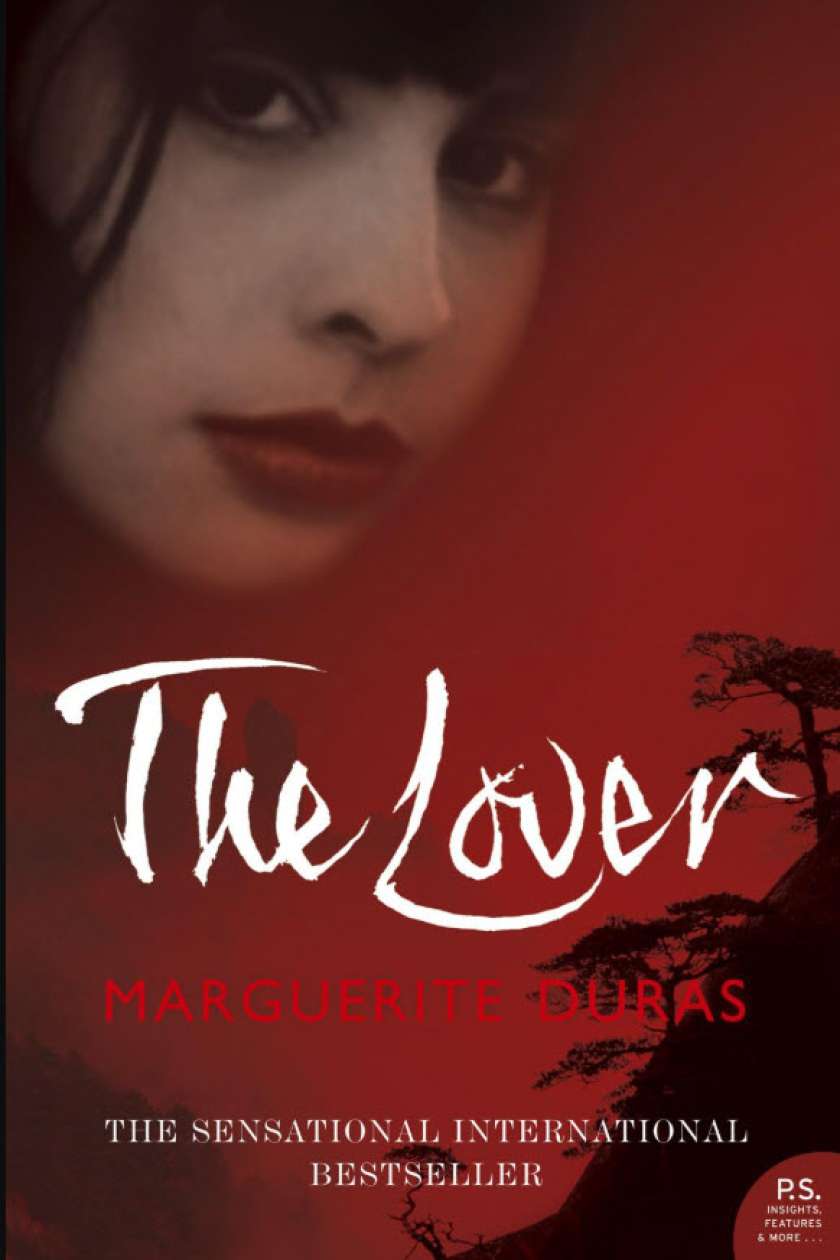
The Lover is a haunting, semi-autobiographical novel that recounts a forbidden affair between a young French girl and a wealthy Chinese man in colonial Vietnam.
Told through fragmented memories rather than a traditional linear narrative, Marguerite Duras explores desire, power, class, identity, and memory with extraordinary restraint. Every sentence feels carefully distilled, allowing emotion to emerge through what is left unsaid as much as what is written.
Why You Should Read It
This is a book for readers who appreciate lyrical prose and emotionally layered storytelling. The Lover takes a familiar premise—a complicated romance—and transforms it into something deeply introspective and unlike any conventional love story. If you’re drawn to literary fiction that values atmosphere, nuance, and emotional honesty over dramatic plot twists, this short novel is unforgettable.
Kaia Gerber’s Take
Kaia’s admiration begins with the book’s immediacy—she says she read it “in a day,” unable to put it down. What stayed with her was its rare combination of being “poetic and sad and very, very honest.”
But perhaps her most revealing observation is that it offers “a different take on a story that we’ve read and seen lots of times before.” That perfectly captures what makes Duras such a singular writer.
She isn’t interested in reinventing the romance itself, but in revealing the emotional complexities that traditional love stories often leave unexplored. It’s exactly the kind of quietly radical, emotionally intelligent novel that defines Kaia’s literary taste.
Get Book: The Lover!The Stranger by Albert Camus
The Stranger follows Meursault, a detached young man whose seemingly indifferent response to life—and to a shocking act of violence—forces readers to confront questions about morality, justice, and the search for meaning.
Through deceptively simple prose, Albert Camus introduces readers to the philosophy of the absurd, exploring what it means to live in a world that doesn’t always offer clear answers or inherent purpose.
Why You Should Read It
Few novels have influenced modern literature and philosophy as profoundly as The Stranger. Yet despite its reputation as a philosophical classic, it’s remarkably accessible. Camus writes with striking clarity, allowing complex existential ideas to emerge naturally through the story rather than through lengthy philosophical debates. Whether you’re new to existentialism or revisiting one of the twentieth century’s defining novels, The Stranger remains as thought-provoking today as when it was first published.
Kaia Gerber’s Take
For Kaia, The Stranger completely changed her expectations of what philosophy could be. She recalls it as the first philosophical book she ever read and admits she expected something dense and intimidating. Instead, she discovered a novel that was refreshingly direct.
As she puts it, Camus is so matter-of-fact that “he almost tricks you into grappling” with enormous philosophical questions without you even realizing it. That’s one of the book’s greatest achievements—it invites readers into conversations about existence, freedom, and meaning through an engaging story rather than abstract theory.
Kaia’s recommendation makes an excellent case for why The Stranger continues to be one of the best introductions to philosophical fiction ever written.
Get Book: The Stranger!The Year of Magical Thinking by Joan Didion
The Year of Magical Thinking is Joan Didion’s deeply personal memoir about the sudden death of her husband, writer John Gregory Dunne, and the devastating months that followed.
Blending reportage with raw emotion, Didion examines the disorienting reality of grief—its irrationality, its persistence, and the ways it reshapes every aspect of life. Rather than offering comfort through easy conclusions, she chronicles loss with extraordinary precision and honesty.
Why You Should Read It
This is widely regarded as one of the greatest memoirs ever written about grief, not because it offers answers, but because it gives language to feelings that are often impossible to describe. Didion writes with remarkable clarity and restraint, capturing the confusion, anger, hope, and quiet disbelief that accompany profound loss. Even readers who haven’t experienced the same kind of bereavement will recognize the deeply human emotions at its heart.
Kaia Gerber’s Take
More than any other writer, Joan Didion has shaped the way Kaia thinks about literature. She calls Didion “probably the author whose body of work has affected my life the most,” and The Year of Magical Thinking stands out as the book that forever changed her understanding of grief.
Kaia reflects that before reading it, most books and articles she encountered treated grief as something you eventually move beyond. Didion challenged that idea completely. Instead, she portrays grief as something that continues to exist alongside life, revealing uncomfortable emotions—including anger—that people often struggle to acknowledge.
Kaia especially admires Didion’s willingness to put into words what so many people feel but cannot articulate, praising the memoir’s “brutally honest” portrayal of a loss that never truly has an ending. It’s a recommendation that reveals Kaia’s appreciation for writers who refuse easy resolutions in favor of emotional truth.
Get Book: The Year of Magical Thinking!Just Kids by Patti Smith
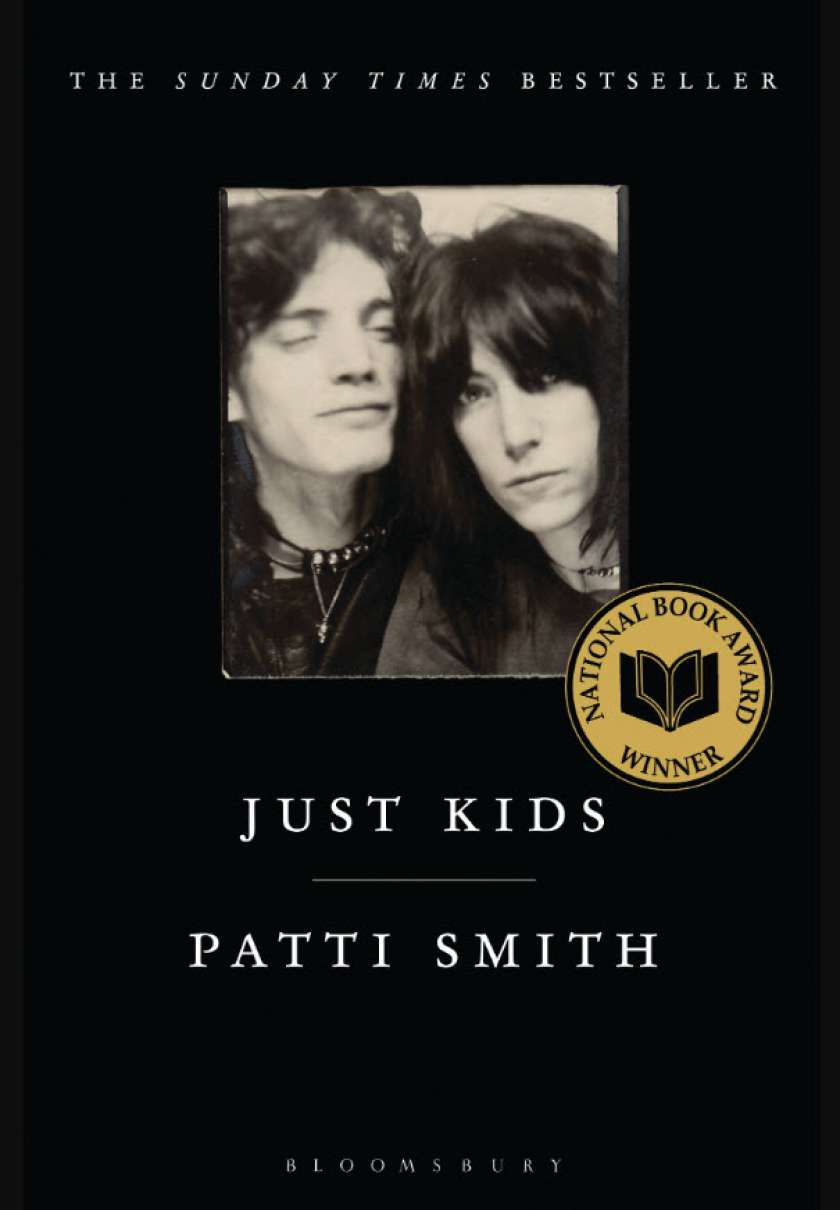
Just Kids is Patti Smith’s memoir of her extraordinary friendship and creative partnership with photographer Robert Mapplethorpe as they navigate New York City’s vibrant art scene in the late 1960s and 1970s.
More than a coming-of-age story, it’s a portrait of two young artists encouraging one another to pursue their creative ambitions while discovering who they are, both individually and together.
Why You Should Read It
Whether you’re an artist or simply someone searching for purpose, Just Kids is an inspiring reminder that creativity isn’t reserved for a select few. Patti Smith writes with warmth, nostalgia, and remarkable honesty about ambition, friendship, sacrifice, and love in all its forms. It’s a memoir that celebrates artistic curiosity while showing that the most meaningful relationships don’t always fit conventional definitions.
Kaia Gerber’s Take
Timing made this book especially meaningful for Kaia. She read Just Kids just before moving to New York, and it became more than a memoir—it felt like an invitation into an entirely new way of living.
She describes the book as deeply inspiring, saying it made her want to “change your entire life afterwards, to live freely and be who you want.” Coming from a very different upbringing than Patti Smith’s, Kaia found herself drawn to the book’s belief that making art is something anyone can pursue. She also credits it with expanding her understanding of love, showing her that relationships don’t have to follow familiar scripts to be profound. It’s easy to see why this memoir resonates so deeply with Kaia: like many of her favorite books, it celebrates authenticity, creative freedom, and the courage to imagine a life beyond the one you’ve always known.
Get Book: Just Kids!What We Talk About When We Talk About Love by Raymond Carver
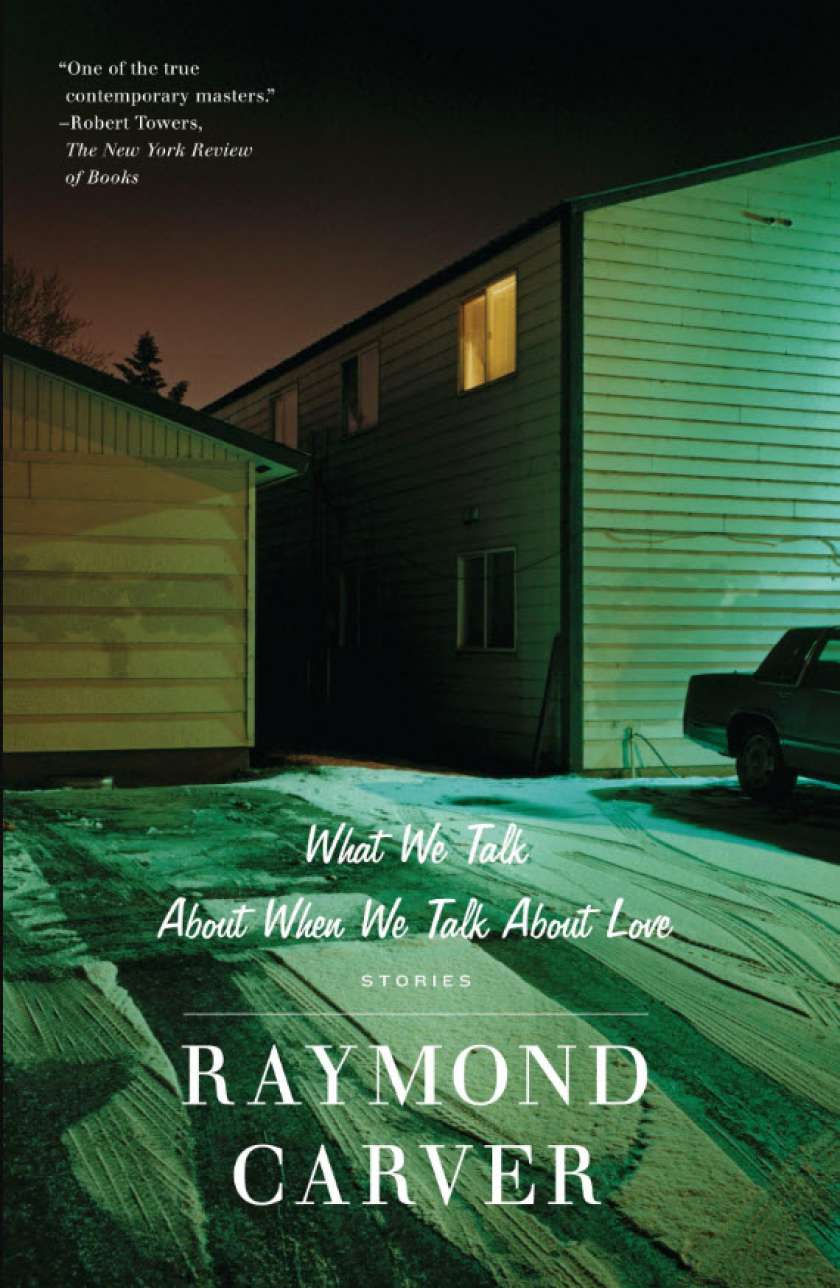
What We Talk About When We Talk About Love is Raymond Carver’s celebrated collection of short stories about ordinary people navigating marriage, heartbreak, loneliness, addiction, and the complexities of everyday life.
With his famously minimalist style, Carver reveals extraordinary emotional depth through seemingly ordinary conversations and fleeting moments, allowing readers to discover meaning in what is left unsaid as much as in the words on the page.
Why You Should Read It
This collection is considered one of the defining works of contemporary American literature for good reason. Carver proves that a story doesn’t need dramatic twists or sweeping plots to leave a lasting impression. His understated approach captures the beauty, uncertainty, and quiet heartbreak of everyday existence, making each story feel startlingly real. If you enjoy literary fiction that rewards close attention and emotional nuance, this collection is an essential read.
Kaia Gerber’s Take
Kaia came to Raymond Carver expecting him to feel different from the French and Russian writers she usually gravitates toward—and that’s exactly what she loved. She describes his work as “so unapologetically American,” praising the way it captures American culture through everyday lives rather than grand statements. What fascinates her most is Carver’s ability to find immense emotional weight in life’s smallest moments. His stories often resist traditional beginnings, middles, and endings, yet somehow leave readers feeling as though they’ve witnessed an entire lifetime unfold in just a few pages. Kaia also appreciates the collection’s unconventional structure, calling Carver “a genius” for the way he plays with form while making every quiet, seemingly insignificant moment feel unforgettable.
Get Book: What We Talk About When We Talk About Love!Closing Reflection
Taken together, the books on Kaia Gerber’s bookshelf reveal a reader who is endlessly curious about what it means to live honestly. These aren’t books chosen for their popularity or cultural cachet—they’re books that challenge, comfort, and quietly reshape the way we see ourselves and the people around us.
A common thread runs through every recommendation: emotional truth. Whether it’s Marguerite Duras writing about desire, Albert Camus exploring the absurdity of existence, Joan Didion giving language to grief, Patti Smith celebrating artistic freedom, or Raymond Carver finding profound meaning in everyday conversations, each author refuses easy answers. Instead, they invite readers to sit with uncertainty, complexity, and contradiction.
Kaia’s reflections also make it clear that she reads with her whole life. She connects books to pivotal moments—moving to New York, discovering philosophy, processing grief, or simply encountering a new way of thinking. For her, great books aren’t just stories to admire; they’re companions that help make sense of life’s biggest questions and inspire new ways of seeing the world.
If you’ve ever wandered through an independent bookstore wondering where to begin with literary fiction, this list is an excellent starting point. These books are poetic without being pretentious, philosophical without being inaccessible, and deeply human in the questions they ask. They may not offer tidy conclusions, but like Kaia Gerber herself suggests, the most memorable books rarely do. Instead, they stay with you—changing how you think, feel, and understand the world long after you’ve turned the final page.
