
Oscar Wilde is often remembered in fragments. A line quoted out of context. A drawing room filled with laughter. A reputation for brilliance that seems almost too polished to question. Over time, that surface—witty, dazzling, effortlessly clever—can begin to feel like the whole.
But Wilde’s work resists that simplification. Beneath the epigrams lies a writer preoccupied with contradiction: beauty that conceals consequence, performance that obscures truth, society that rewards appearances while quietly punishing authenticity. His voice moves easily between satire and sincerity, delight and discomfort, often within the same page.
To read Wilde well is to allow for this range. The works below offer a way of meeting him in full—not as a single tone, but as a series of shifting, sometimes conflicting selves.
The Wit and Social Satirist
Wilde’s comedies are often the first encounter—polished, playful, and filled with lines that seem to sparkle on contact. Yet beneath their elegance lies a precise understanding of how society functions: through performance, reputation, and carefully maintained illusion.
The Importance of Being Earnest
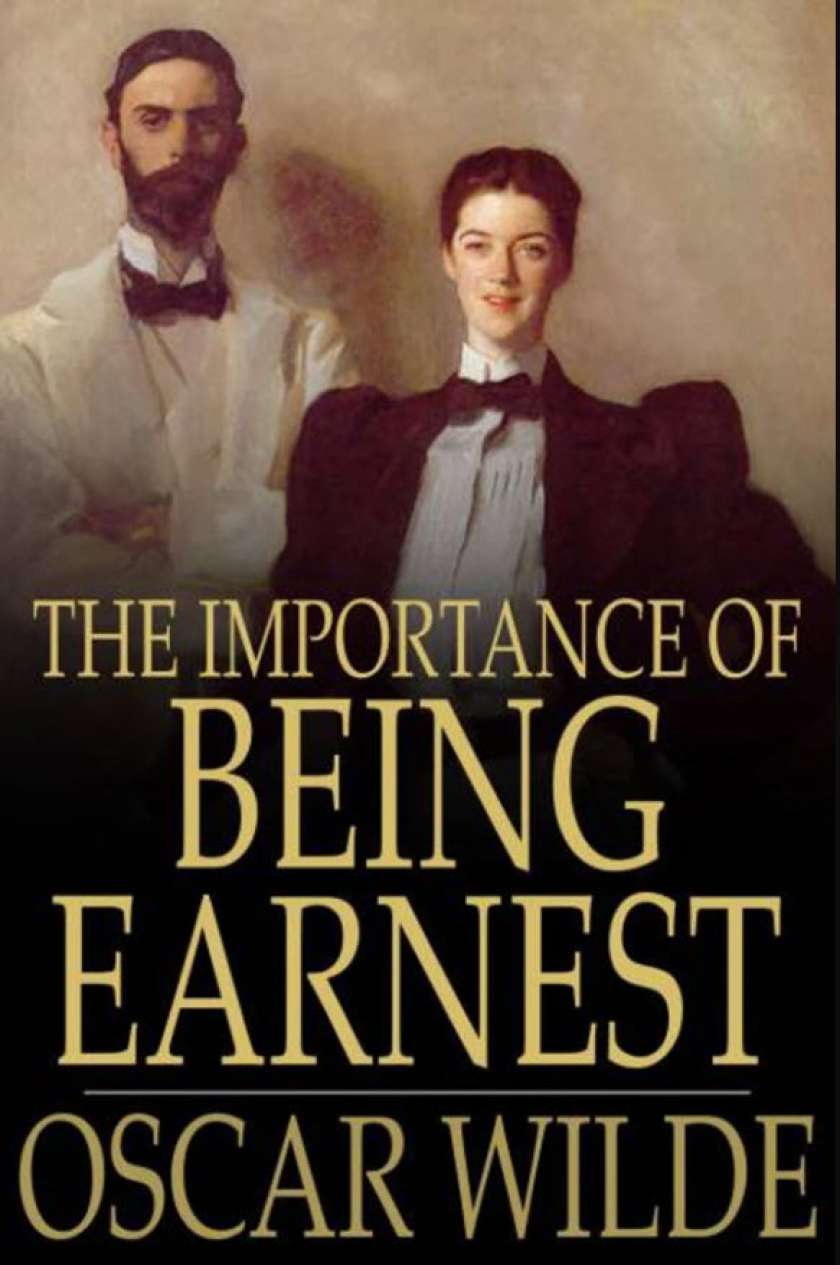
At its surface, The Importance of Being Earnest is a comedy of mistaken identities, invented personas, and romantic entanglements among the English upper class. Characters move through elaborate deceptions with ease, creating a world where truth is flexible and sincerity is often inconvenient.
What makes the play enduring is not simply its humor, but its precision. Wilde exposes how identity itself can become a performance—something constructed to meet expectation rather than reflect reality. For new readers, this is the most immediate way into his voice: light in tone, but exacting in observation. It rewards attention, but does not demand it.
Reading Commitment: Short — quick, elegant, and best enjoyed in a single sitting.
Read Book: The Importance of Being Earnest!An Ideal Husband
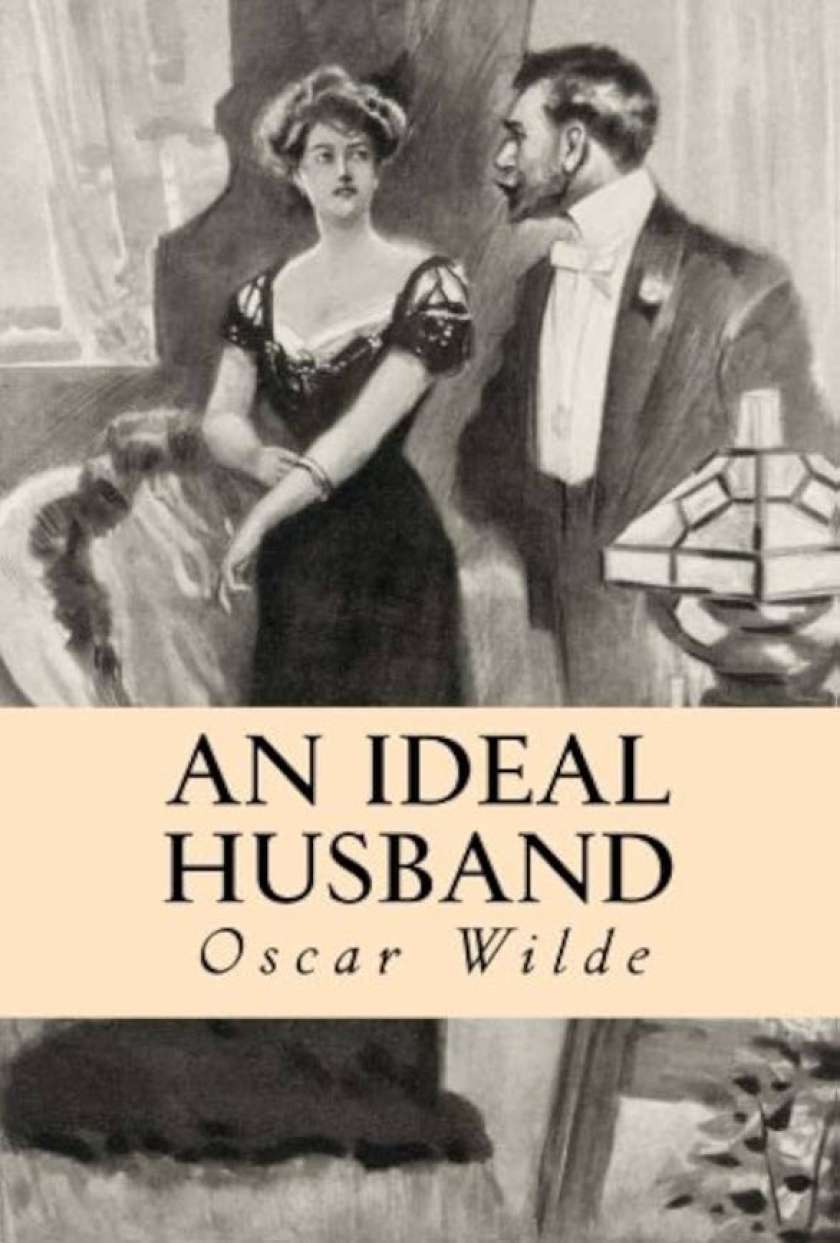
Here, Wilde shifts from pure comedy toward something more morally layered. The play follows a respected public figure whose past indiscretion threatens to unravel both his career and his carefully constructed image. Around him, characters negotiate loyalty, ambition, and the limits of forgiveness.
This is Wilde engaging directly with power—how it is built, how it is protected, and how easily it can fracture. The wit remains, but it carries a sharper edge. For readers, it offers a fuller sense of Wilde’s ability to balance entertainment with moral inquiry.
Reading Commitment: Short — brisk in form, but with themes that linger.
Read Book: An Ideal Husband!A Woman of No Importance
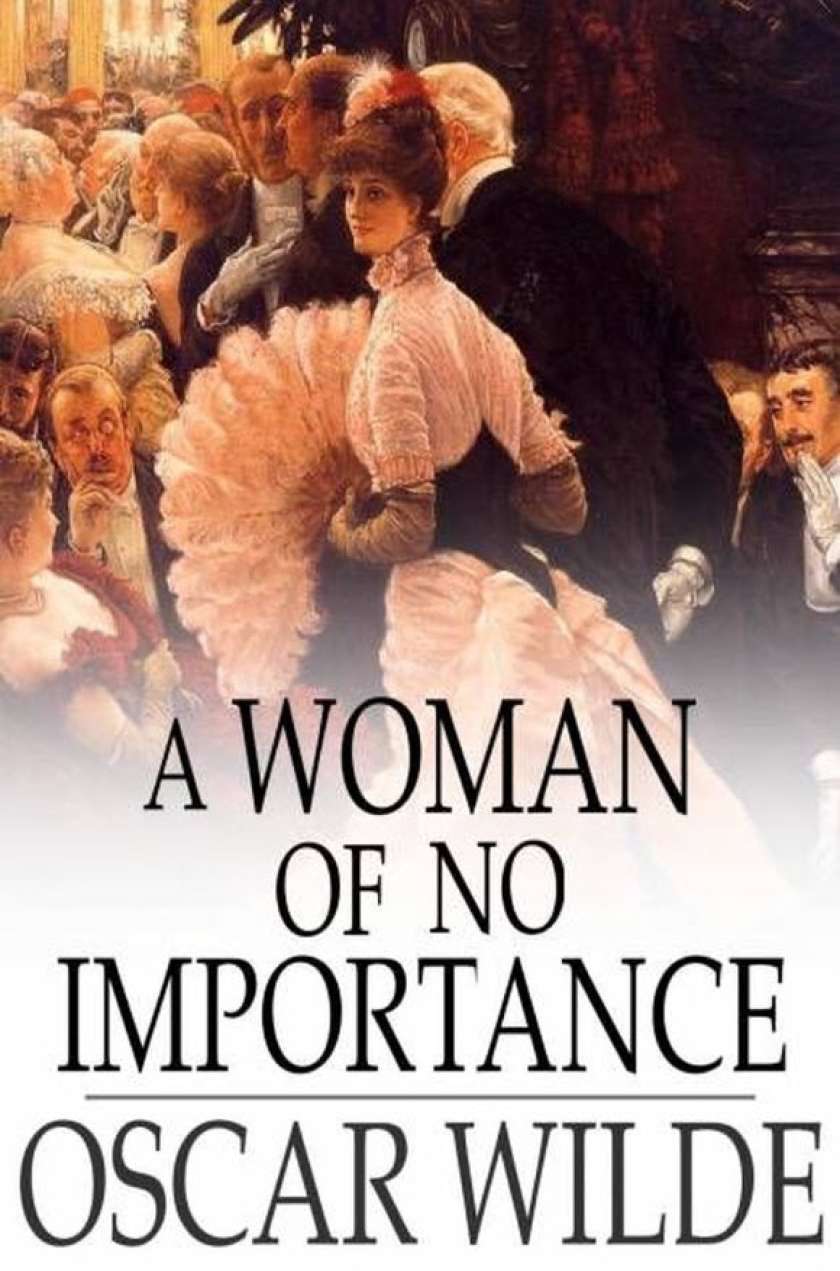
Less frequently discussed but quietly powerful, this play examines gender, reputation, and the uneven consequences of social judgment. A woman’s past is treated as disqualifying, while a man’s is absorbed into respectability without consequence.
Wilde’s critique here is more direct, though still framed through dialogue and social setting. The play reveals his awareness of the moral double standards embedded within polite society, making it particularly resonant for readers attentive to issues of power and accountability.
Reading Commitment: Short — conversational in structure, with a steady emotional undercurrent.
Read Book: A Woman of No Importance!The Dark Aesthete
If Wilde’s comedies reveal his wit, this work reveals his depth—his fascination with beauty, influence, and the cost of living without moral restraint.
The Picture of Dorian Gray
The Picture of Dorian Gray follows a young man who, upon having his portrait painted, becomes consumed by the desire to remain forever youthful. As he pursues pleasure without consequence, the portrait bears the marks of his moral decay, while he himself remains outwardly unchanged.
The novel moves beyond simple allegory. It is a sustained meditation on influence—how ideas, once accepted, reshape a life. Wilde’s language is rich, sometimes deliberately excessive, mirroring the aesthetic philosophy the book both explores and questions. For readers, this is not a work to rush. It asks for attention, for pauses, for a willingness to sit with discomfort.
Reading Commitment: Medium to Long — best read slowly, allowing its ideas to unfold.
Read Book: The Picture of Dorian Gray!The Tender Storyteller
Alongside satire and philosophy, Wilde wrote with a surprising gentleness. His stories, often framed as fairy tales, carry emotional clarity without losing their complexity.
The Happy Prince and Other Tales
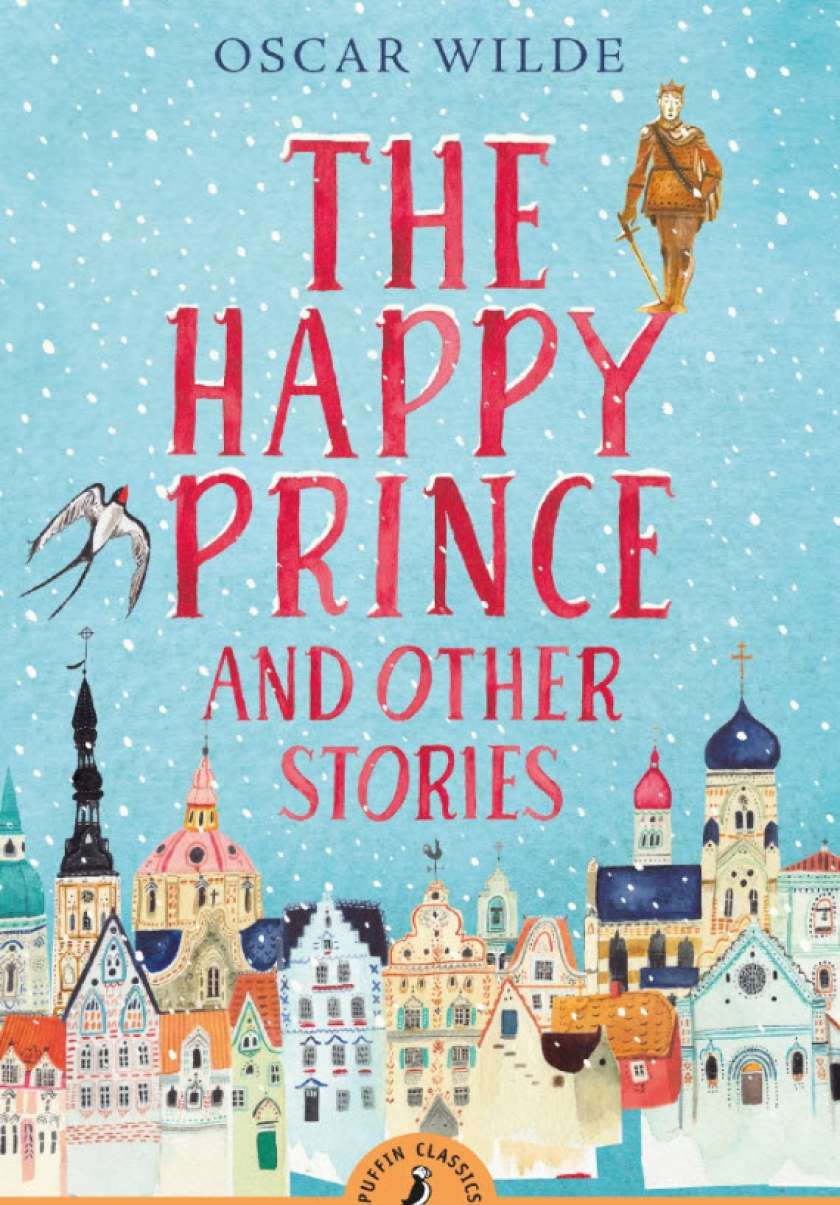
In these stories, statues weep, nightingales sacrifice themselves, and kindness often comes at a cost. The collection moves through themes of compassion, generosity, and quiet suffering, offering narratives that feel simple on the surface but resonate more deeply over time.
For readers new to Wilde, this collection reveals a different register—one that values sincerity over wit. It is especially effective for those who prefer shorter forms, where meaning emerges through suggestion rather than argument.
Reading Commitment: Short — ideal for reading in individual sittings.
Read Book: The Happy Prince and Other Tales!A House of Pomegranates
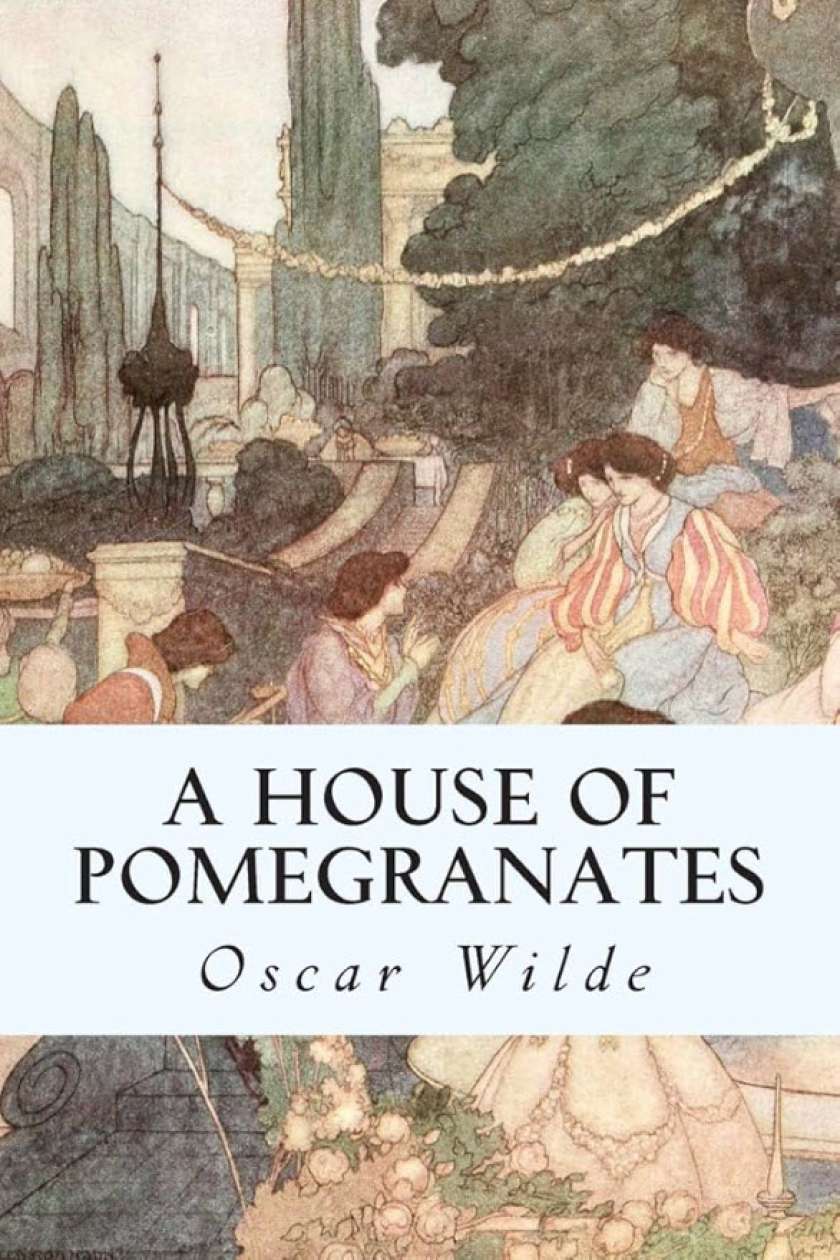
More ornate and symbolically rich than his earlier tales, this collection leans into atmosphere and moral complexity. The stories are less direct, their meanings less easily resolved, inviting a slower and more reflective reading.
Here, Wilde’s aesthetic sensibilities are fully present, but softened by emotional depth. These are stories to return to, rather than to complete.
Reading Commitment: Medium — best approached with patience.
Read Book: A House of Pomegranates!The Canterville Ghost

Blending humor with sentiment, this story follows an American family who move into a haunted English estate—only to find themselves unimpressed by its ghost. What begins as parody gradually becomes something more tender, as the ghost’s loneliness and longing come into focus.
This is perhaps Wilde at his most accessible: light in tone, but not without feeling. It offers an easy entry point for readers uncertain where to begin.
Reading Commitment: Short — quick, engaging, and quietly moving.
Read Book: The Canterville Ghost!The Thinker and Critic
Wilde’s essays reveal the intellectual framework beneath his fiction—his ideas about art, individuality, and the role of society in shaping both.
The Soul of Man Under Socialism
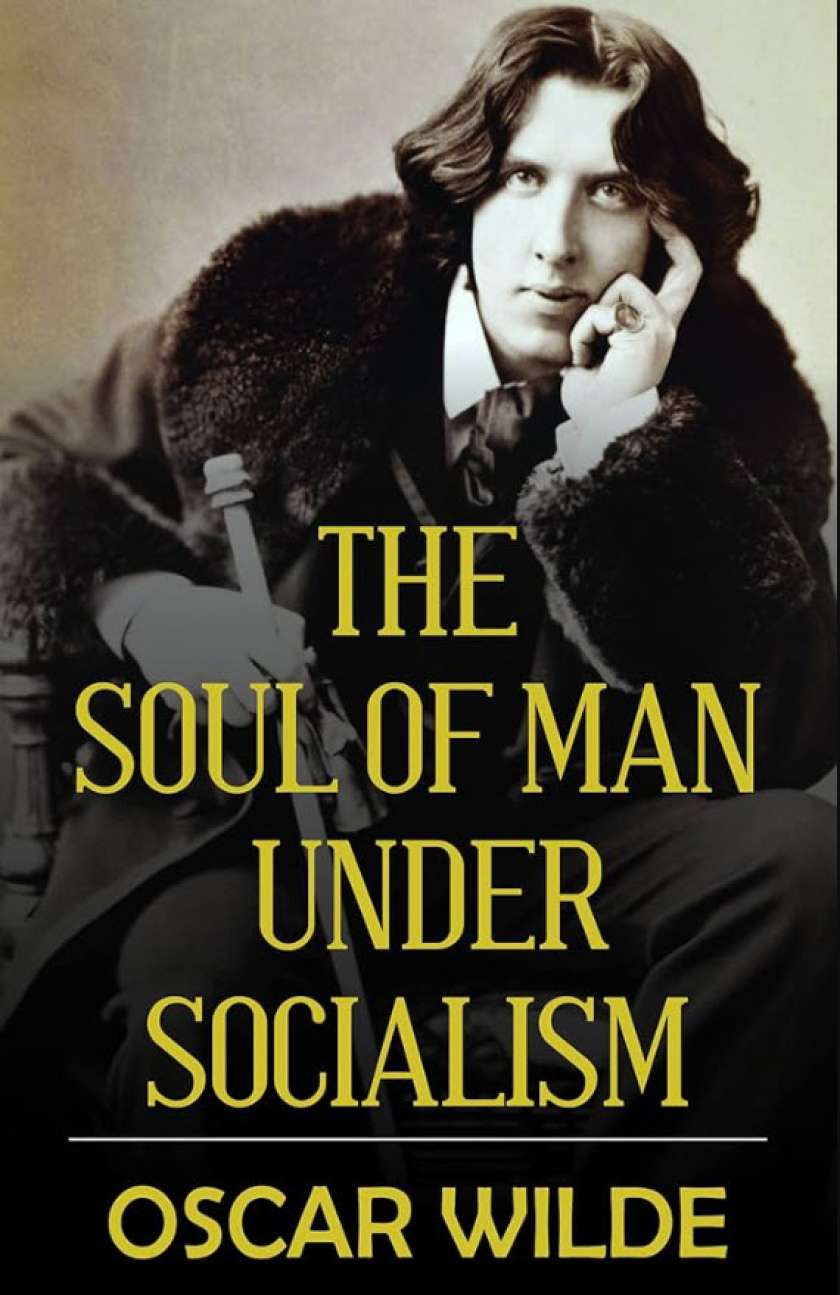
In this essay, Wilde argues for a form of society that allows for true individual expression, free from the constraints of poverty and conformity. His perspective is less political in the conventional sense and more philosophical, rooted in the belief that creativity flourishes when individuals are liberated from necessity.
For readers, this work offers insight into Wilde’s broader worldview. It is best read slowly, with attention to how his ideas about freedom and art intersect.
Reading Commitment: Short — dense, but manageable in a single sitting.
Read Book: The Soul of Man under Socialism!Intentions
This collection of essays explores Wilde’s views on art, criticism, and the relationship between reality and representation. Through dialogue and reflection, he challenges the idea that art should imitate life, instead suggesting that life often imitates art.
These essays require a different kind of reading—less narrative, more contemplative. They reward readers willing to engage with abstraction and paradox.
Reading Commitment: Medium — best read in sections, with space to reflect.
Read Book: Intentions By Oscar Wilde!The Early and Experimental Wilde
Before the full clarity of his mature voice, Wilde’s earlier works show a writer testing form and tone—sometimes uneven, but often revealing.
The Duchess of Padua
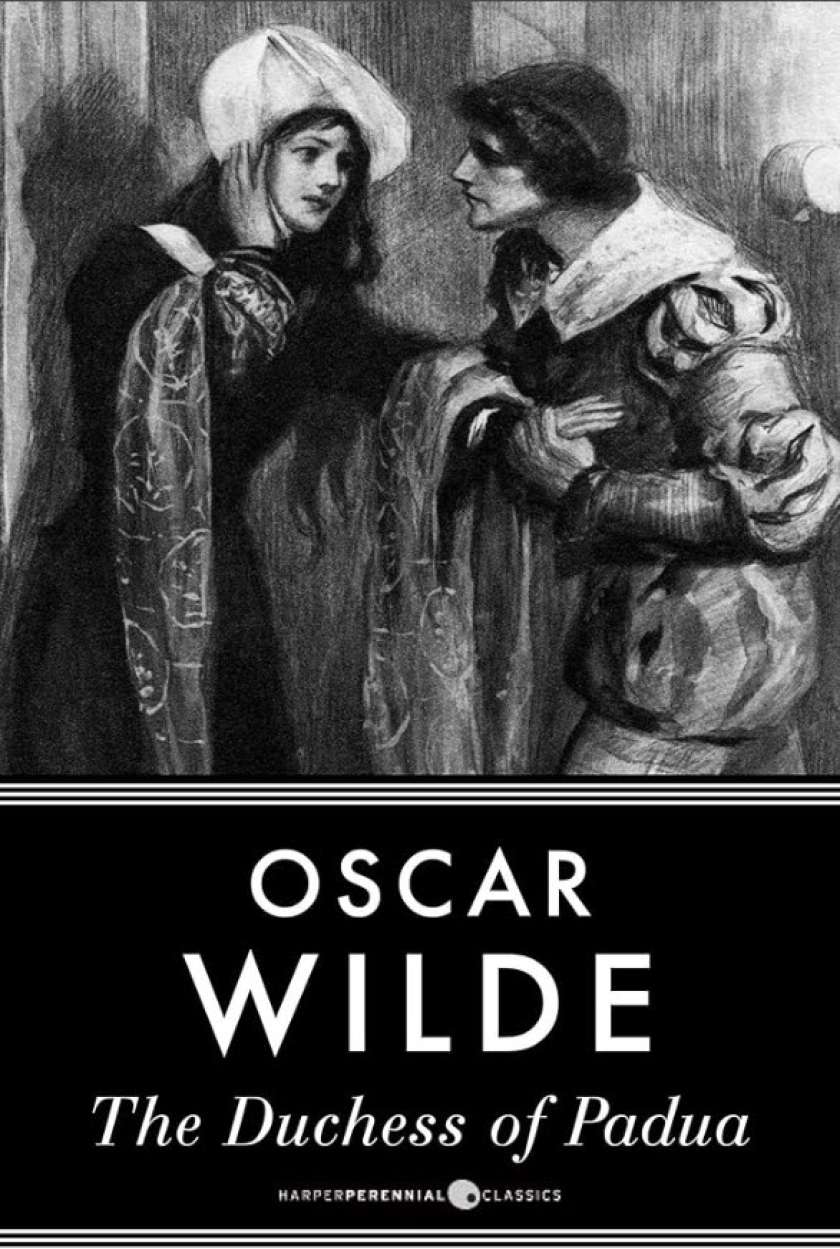
A dramatic tragedy set in Renaissance Italy, this play leans heavily into passion, revenge, and heightened emotion. It reflects Wilde’s early interest in theatrical form, though it lacks the restraint and precision of his later comedies.
For readers already familiar with his major works, it offers an interesting contrast—less polished, but still recognizably his.
Reading Commitment: Medium — more dramatic in tone, with a slower rhythm.
Read Book: The Duchess of Padua!Closing
Wilde’s work resists a single definition. He is at once playful and severe, ornamental and exacting, deeply attuned to both the pleasures and the consequences of human desire. To read him is to move between surfaces and depths—to enjoy the wit, but not stop there.
There is no single path through his work. Some begin with laughter and find themselves, unexpectedly, in something quieter. Others start with the darker questions and return later for the lightness. What remains constant is his ability to observe, with unusual clarity, the ways people shape themselves—and the cost of doing so.
