
Henry James is often described as a writer who rewards patience. His novels and stories rarely rush toward revelation, preferring instead to linger in moments of uncertainty, observation, and quiet realization. Characters hesitate, misunderstand one another, conceal their motives, and discover truths only after opportunities have passed. What emerges is a body of work less concerned with what happens than with how people perceive what happens—and how those perceptions shape their lives.
This reputation can make James seem intimidating to modern readers. Yet beneath the elegance of his prose lies a writer deeply interested in recognizably human experiences: ambition, love, disappointment, self-deception, and the desire to belong. Across his fiction, he moves effortlessly between continents, social classes, and emotional landscapes, creating stories that feel remarkably different from one another while remaining unmistakably his own.
The works below offer a journey through those many worlds—from youthful innocence and social ambition to ghostly uncertainty and profound psychological insight.
Daisy Miller
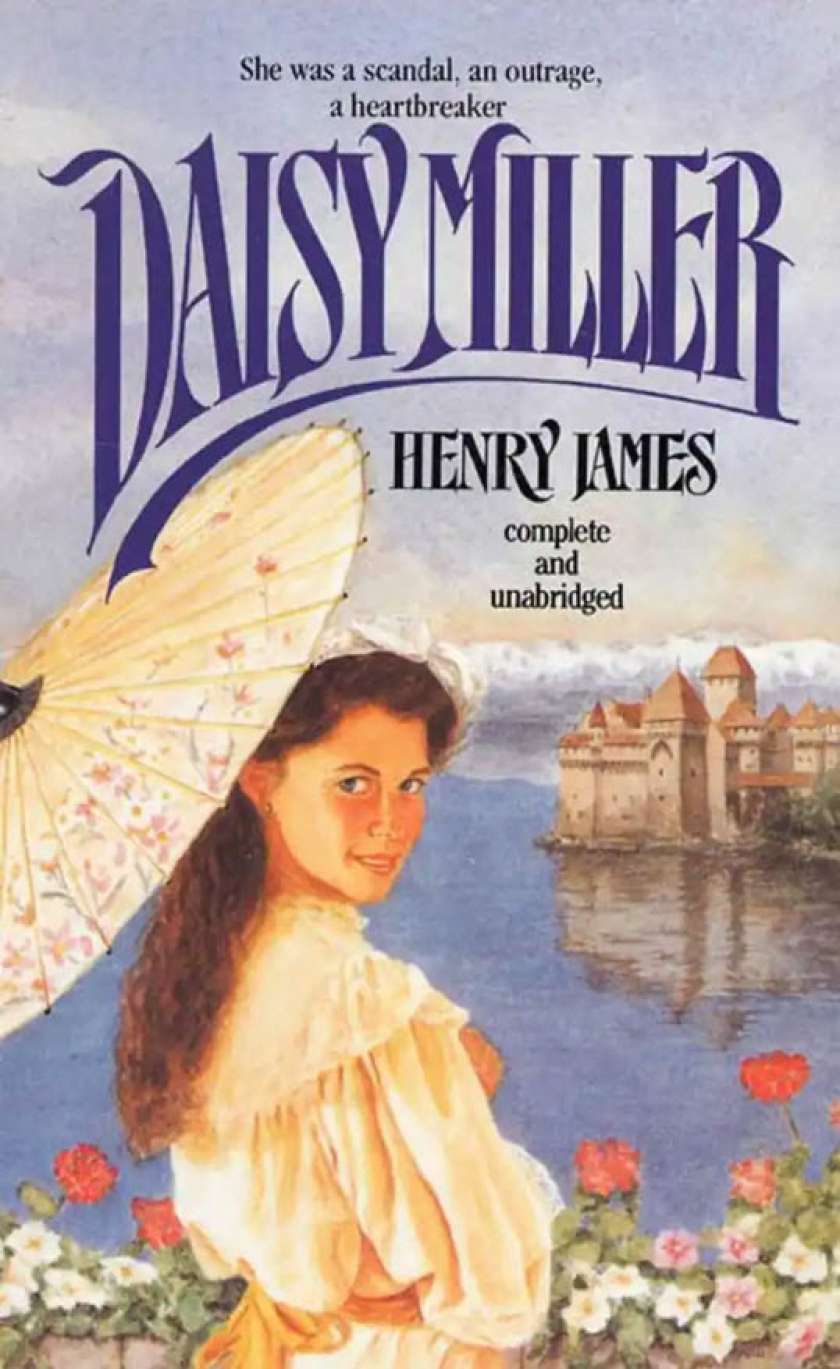
Few introductions to Henry James are as inviting as Daisy Miller. The story follows a young American woman traveling through Europe whose openness and independence place her at odds with the rigid expectations of the society around her. Observed and judged by those who believe they understand her, Daisy becomes the center of a quiet but increasingly consequential drama.
What makes the novella enduring is its ambiguity. James never fully resolves whether Daisy is misunderstood, naïve, rebellious, or some combination of all three. Instead, he asks readers to consider how easily assumptions become judgments. Compact, elegant, and emotionally immediate, it provides an ideal first encounter with James’s fascination for perception and misunderstanding.
Reading Commitment: Short — accessible, engaging, and deceptively complex.
Read Book: Daisy Miller!The American
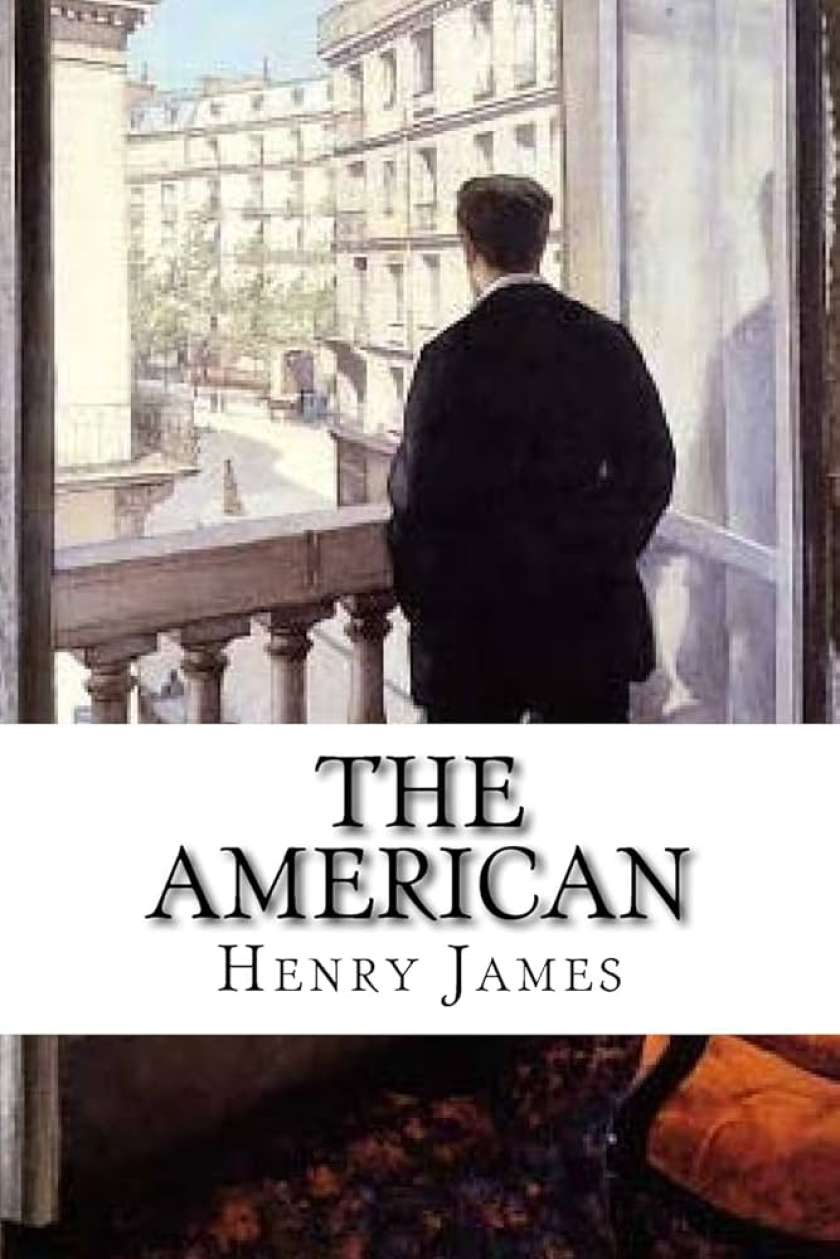
Christopher Newman arrives in Europe armed with wealth, optimism, and the belief that sincerity can overcome social barriers. What he discovers instead is a world governed by customs, hierarchies, and expectations that cannot simply be purchased or ignored.
This novel introduces one of James’s favorite themes: the encounter between American directness and European sophistication. Newman is an appealing guide through this world because he shares the reader’s curiosity, making the novel one of James’s most approachable works. Beneath its social observations lies a deeper exploration of innocence meeting complexity.
Reading Commitment: Medium — expansive yet welcoming.
Read Book: The American!Washington Square
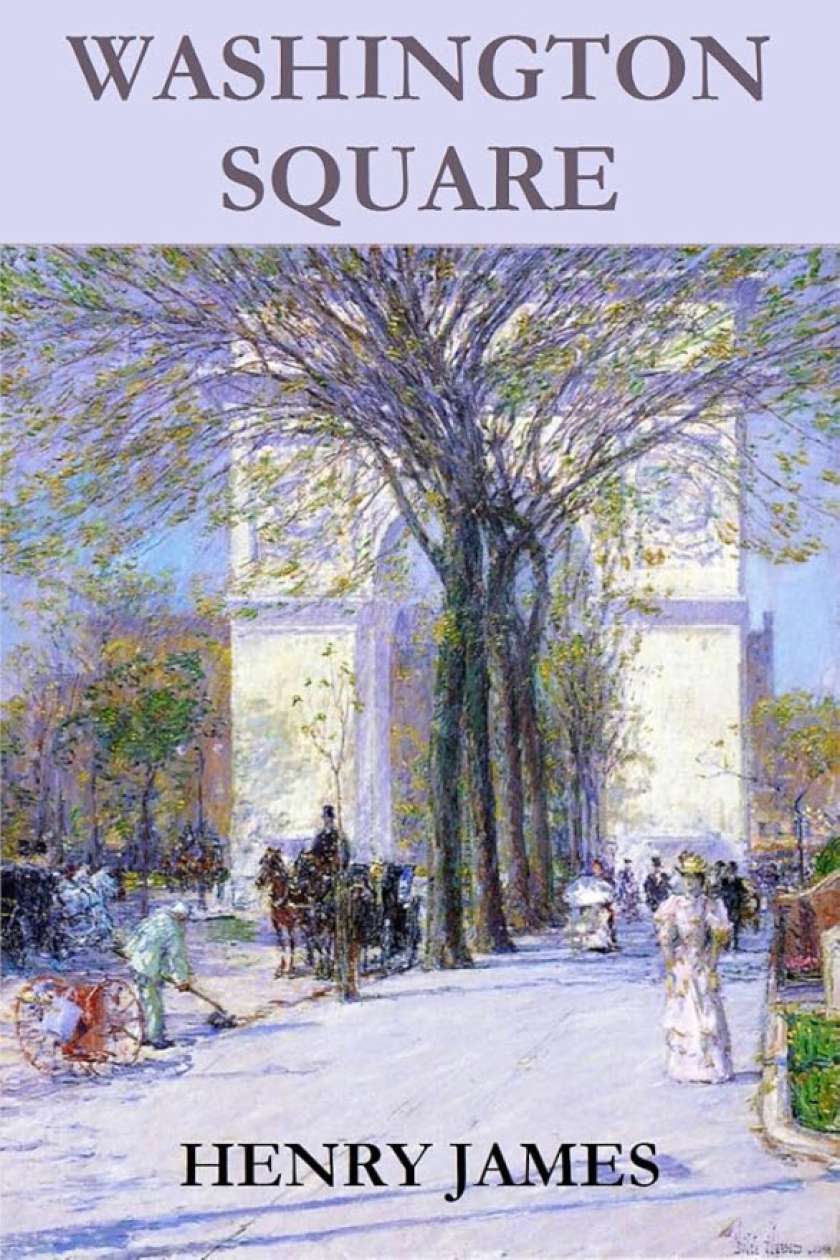
At the heart of Washington Square is Catherine Sloper, a young woman whose quiet nature causes others to underestimate her. When a charming suitor enters her life, questions of love, inheritance, and parental authority quickly emerge, exposing tensions that run beneath the surface of a seemingly respectable household.
James writes with remarkable restraint here, allowing emotional conflicts to unfold gradually rather than dramatically. The result is a novel that feels both intimate and incisive, revealing the costs of manipulation and the strength that can exist beneath apparent passivity.
Reading Commitment: Medium — emotionally rich and highly readable.
Read Book: Washington Square!The Portrait of a Lady
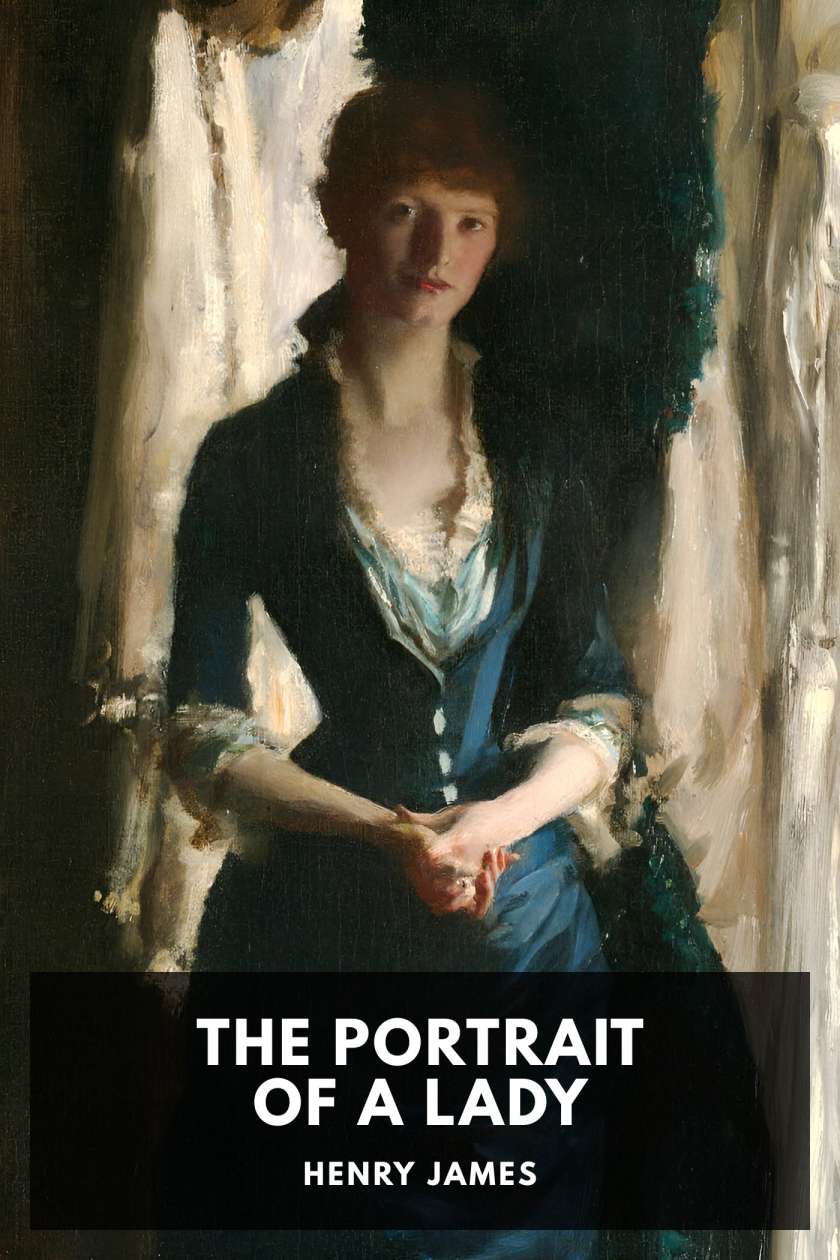
Widely regarded as one of James’s greatest achievements, The Portrait of a Lady follows Isabel Archer, a young woman determined to shape her own destiny. Intelligent, independent, and eager to experience life on her own terms, she enters a world of opportunity that gradually reveals unexpected constraints.
The novel’s power lies in its understanding of choice. James is less interested in dramatic events than in the consequences of decisions and the ways people come to understand themselves through them. Isabel’s journey remains one of literature’s most compelling portraits of freedom, aspiration, and self-knowledge.
Reading Commitment: Long — rewarding, immersive, and deeply reflective.
Read Book: The Portrait of a Lady!The Wings of the Dove
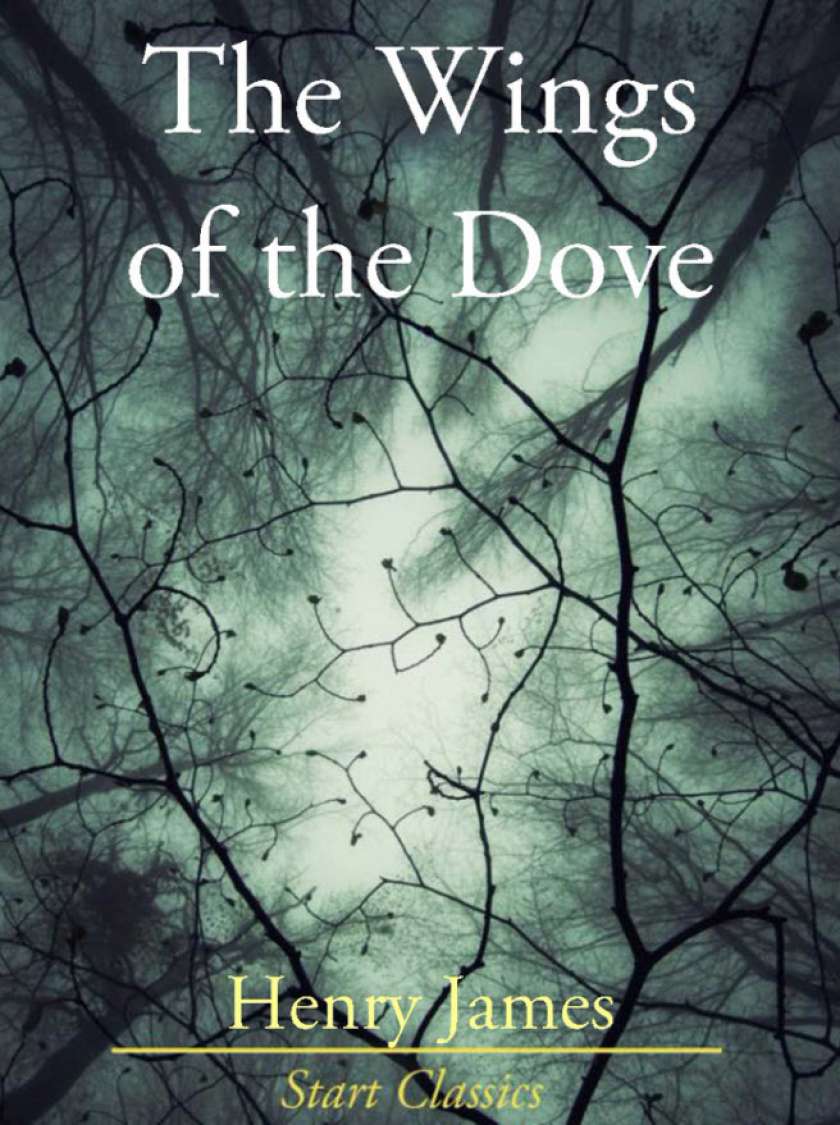
In this later masterpiece, love, money, illness, and moral compromise become tightly intertwined. The story follows a group of characters whose desires and loyalties collide in increasingly complex ways, creating a narrative that feels both intimate and expansive.
James’s mature style is fully present here—patient, intricate, and intensely psychological. The novel asks readers to look beyond actions and into motivations, revealing how even genuine affection can become entangled with self-interest.
Reading Commitment: Long — intricate and best savored slowly.
Read Book: The Wings of the Dove!The Ambassadors
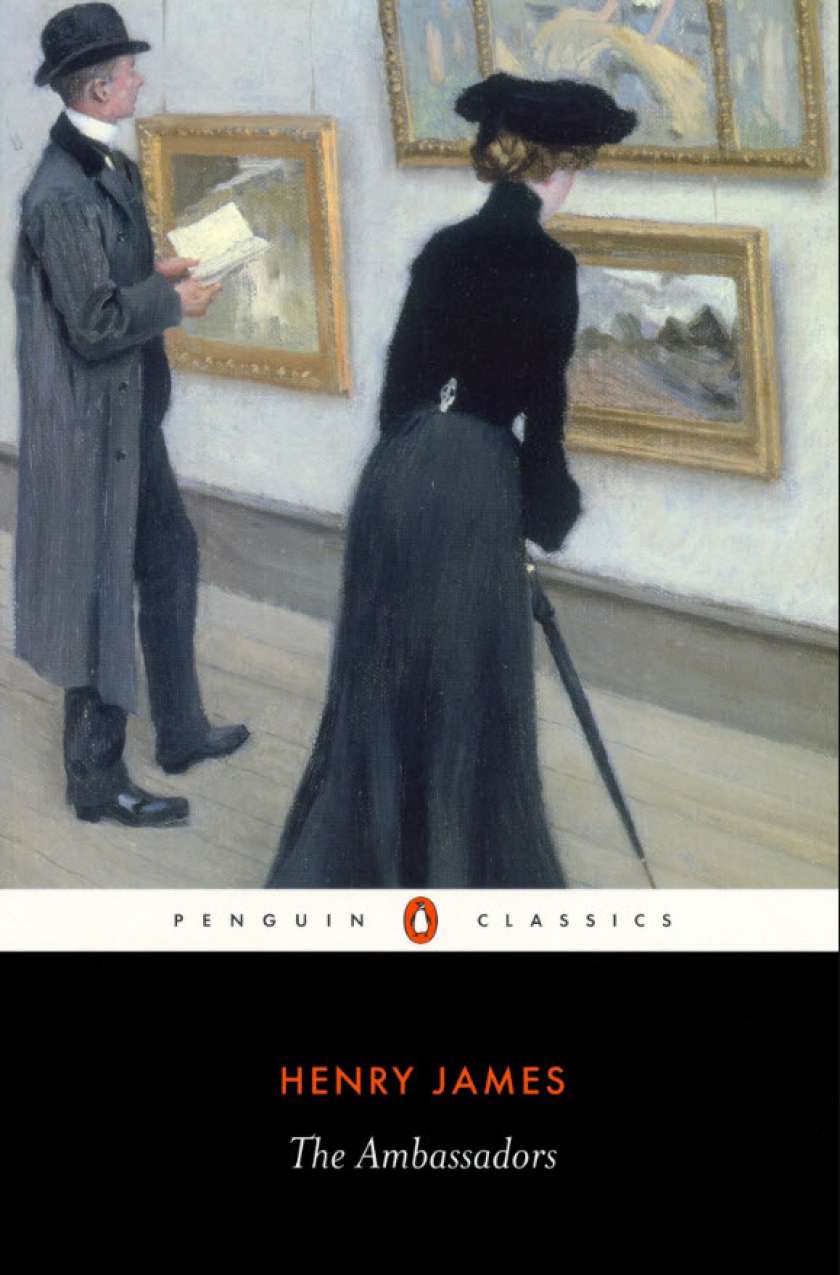
Lambert Strether travels to Europe on what appears to be a straightforward mission: retrieve a young man and return him to America. What follows becomes something far more profound, as Strether begins to question the assumptions that have guided his own life.
Among James’s most admired novels, The Ambassadors explores transformation not through dramatic upheaval but through perception itself. The story is filled with moments of recognition—quiet shifts in understanding that gradually alter everything.
Reading Commitment: Long — contemplative, subtle, and richly rewarding.
Read Book: The Ambassadors!The Bostonian

Set against the backdrop of social reform and political change, The Bostonians examines competing visions of progress through a cast of characters whose ideals often conflict as much as their personalities. Questions of gender, power, influence, and persuasion run throughout the novel.
James approaches these issues not as abstractions but as forces shaping individual lives. The result is a work that remains surprisingly relevant in its exploration of conviction and the tensions that arise when personal and public commitments intersect.
Reading Commitment: Long — thoughtful and intellectually engaging.
Read Book: The Bostonians!The Turn of the Screw
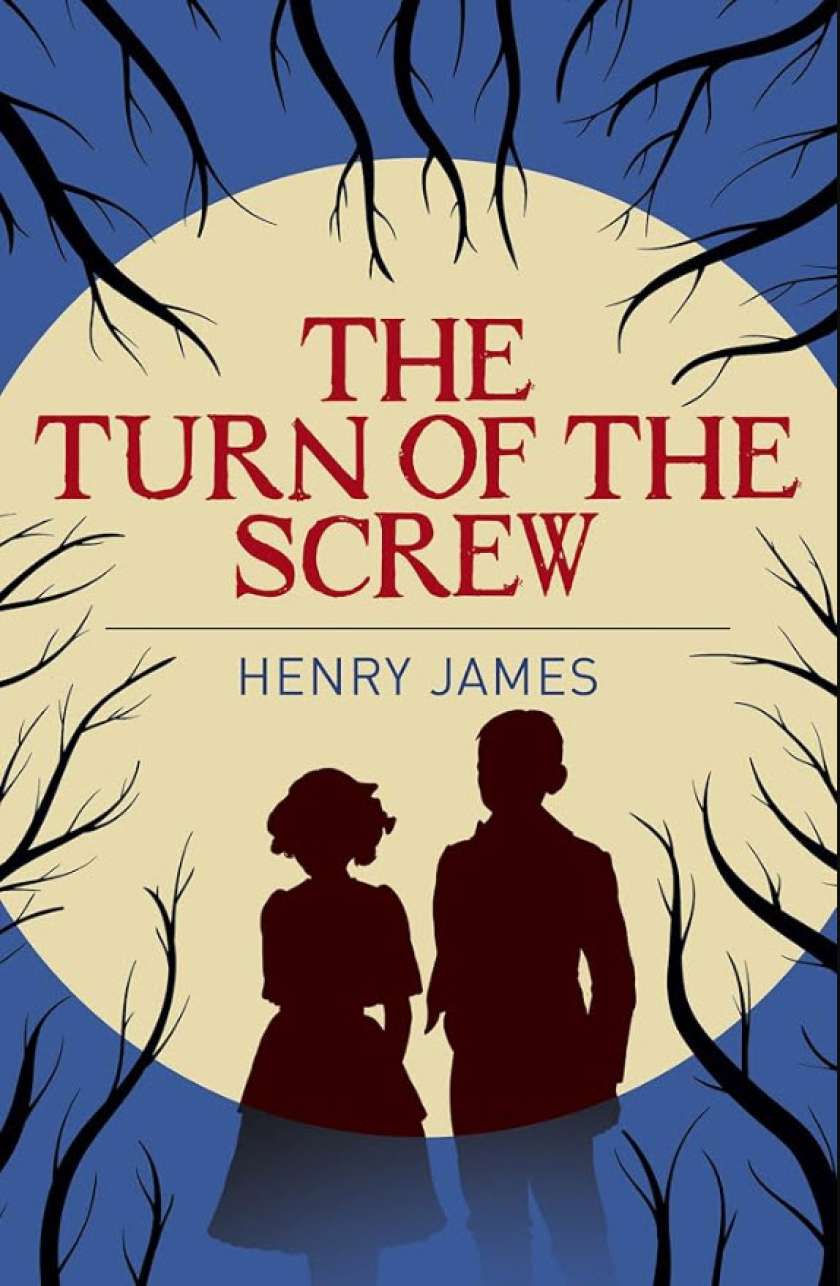
A governess arrives at a remote country estate to care for two children, only to become convinced that supernatural forces are influencing the household. What follows is one of the most debated ghost stories ever written.
The brilliance of The Turn of the Screw lies in its uncertainty. Are the ghosts real? Is the governess reliable? James refuses to settle the matter, allowing ambiguity itself to become the source of unease. More than a ghost story, it is a study of perception, fear, and interpretation.
Reading Commitment: Short — atmospheric, unsettling, and endlessly discussable.
Read Book: The Turn of the Screw!The Beast in the Jungle

John Marcher spends his life convinced that an extraordinary event awaits him—something momentous that will set him apart from ordinary experience. As the years pass, he waits for the revelation, increasingly preoccupied by what he believes destiny has reserved for him.
This is one of James’s most haunting works, not because of what happens, but because of what does not. The story examines expectation, missed opportunities, and the danger of living in anticipation rather than engagement. Few writers have captured regret with such quiet force.
Read Book: The Beast in the Jungle!Reading Commitment: Short — reflective, poignant, and unforgettable.
A London Life and Other Tales
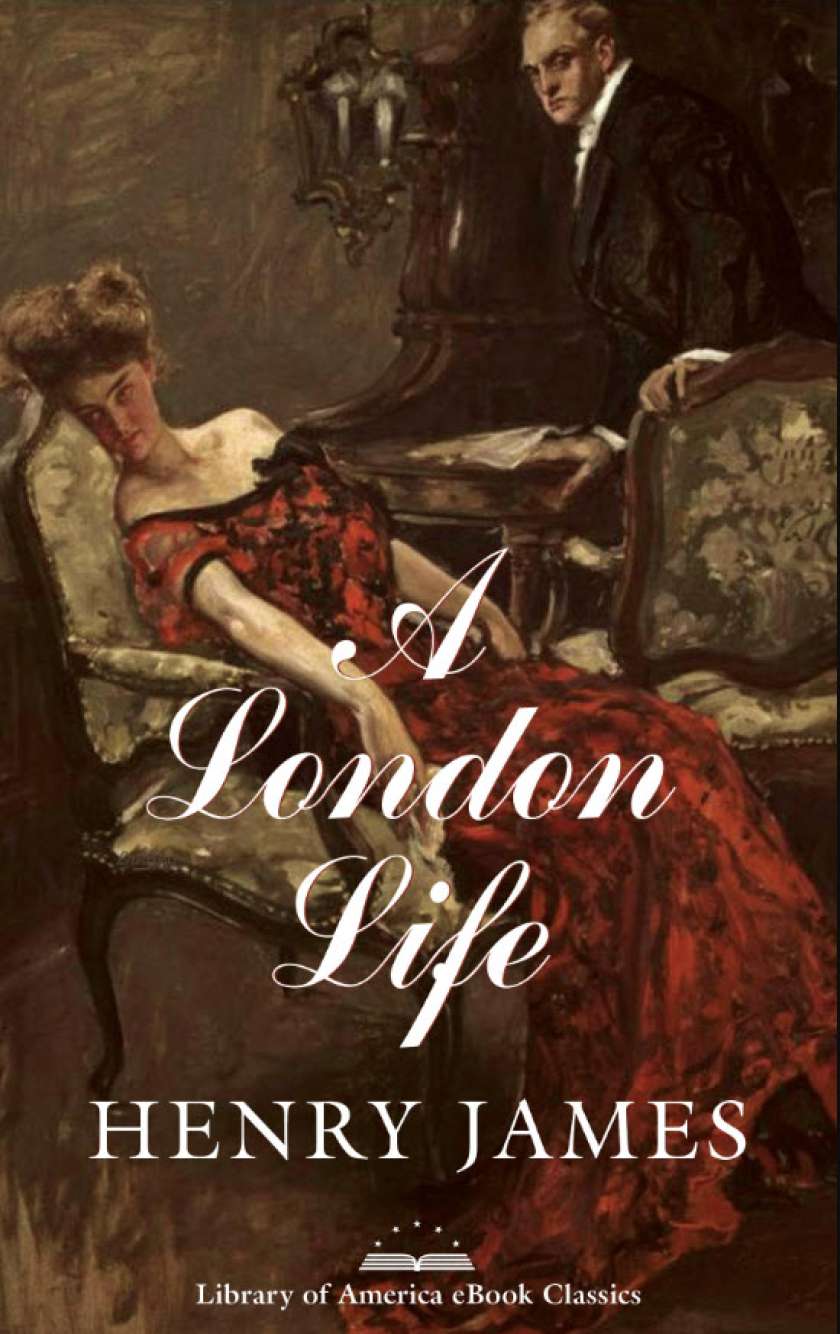
This collection offers a broader view of James’s range, bringing together stories that explore social expectations, personal relationships, and the subtle dramas of everyday life. Across different settings and situations, the qualities that define his work remain consistent: attentiveness, psychological insight, and an enduring interest in the complexities of human behavior.
For readers looking to sample James without committing to one of the longer novels, these stories provide an excellent introduction to his voice and concerns.
Reading Commitment: Short to Medium — ideal for reading one story at a time.
Read Book: A London Life and Other Tales By Henry James!CLOSING
Henry James wrote across many worlds, but the thread connecting them is remarkably consistent. Whether he is exploring transatlantic society, intimate family conflicts, romantic ambitions, or ghostly uncertainty, his attention remains fixed on the mysteries of human perception. Again and again, he asks how people understand one another—and how often they fail.
That curiosity is what gives his work its enduring vitality. His novels and stories do not rush toward certainty. Instead, they invite readers to observe more carefully, to question first impressions, and to recognize that the most significant truths are often the hardest to see clearly.
