
For most readers, Bram Stoker begins and ends with Dracula. The novel has so thoroughly shaped the idea of the vampire that it can feel less like a book and more like a cultural inheritance—something absorbed long before it is actually read. In the process, Stoker himself becomes reduced to a single creation, his wider body of work left largely unexplored.
Yet Dracula was not an isolated achievement. Across his writing, Stoker returned to similar preoccupations: ancient forces pressing into the modern world, the instability of knowledge, the uneasy boundary between belief and skepticism. His novels move between gothic horror, speculative fiction, and adventure, often carrying a quiet sense that something—unseen, unmeasured—lies just beyond what can be explained.
To read beyond Dracula is not to leave that world behind, but to see how many forms it can take.
Dracula
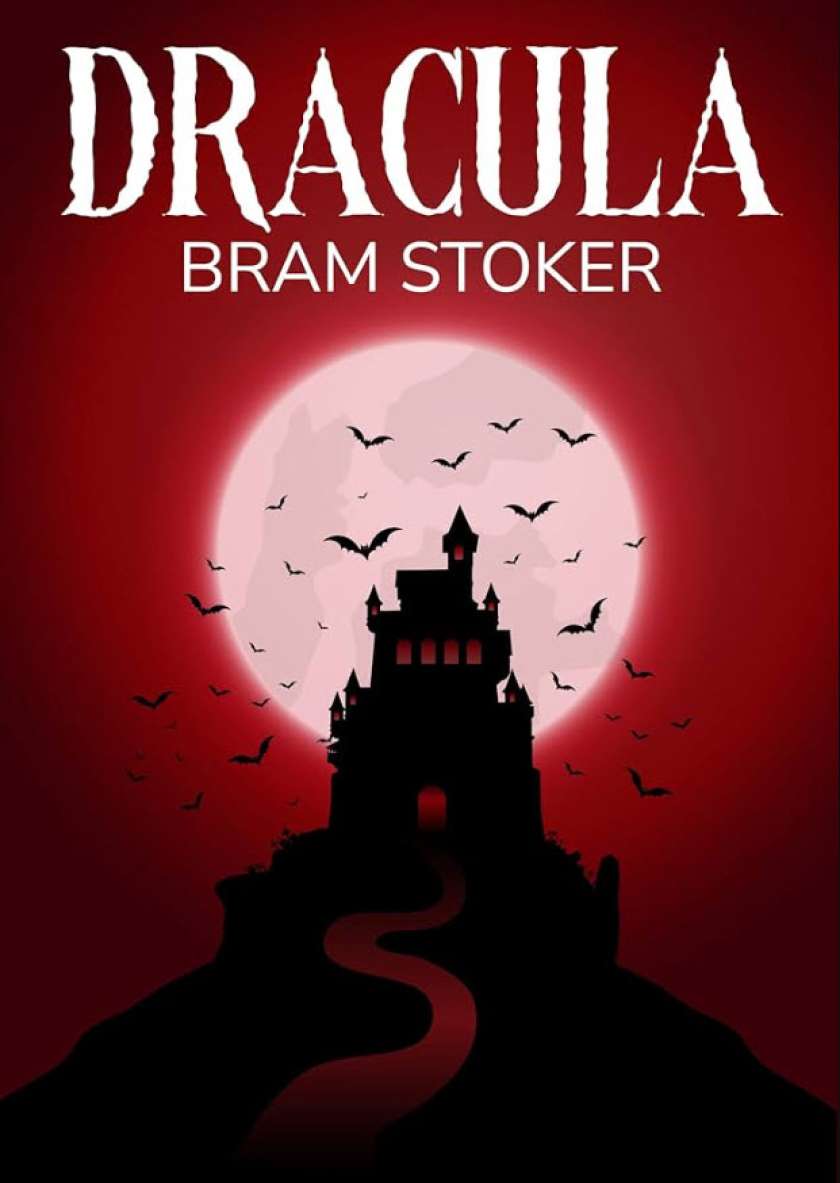
Told through letters, journal entries, and fragments of testimony, Dracula follows a group of individuals attempting to understand—and ultimately confront—a presence that resists the logic of their world. What begins as unease gradually sharpens into pursuit, as Count Dracula moves through shadow and distance, always slightly ahead of comprehension.
What gives the novel its lasting power is not simply the figure at its center, but the structure around him. The story unfolds through accumulation, through voices trying to piece together what they are facing. Fear emerges slowly, built from uncertainty rather than spectacle. For readers, it offers a layered experience—one that rewards attention to detail, tone, and the interplay between knowledge and belief.
Reading Commitment: Long — best read steadily, allowing its fragmented structure to build tension over time.
Read Book: Dracula!The Jewel of Seven Stars
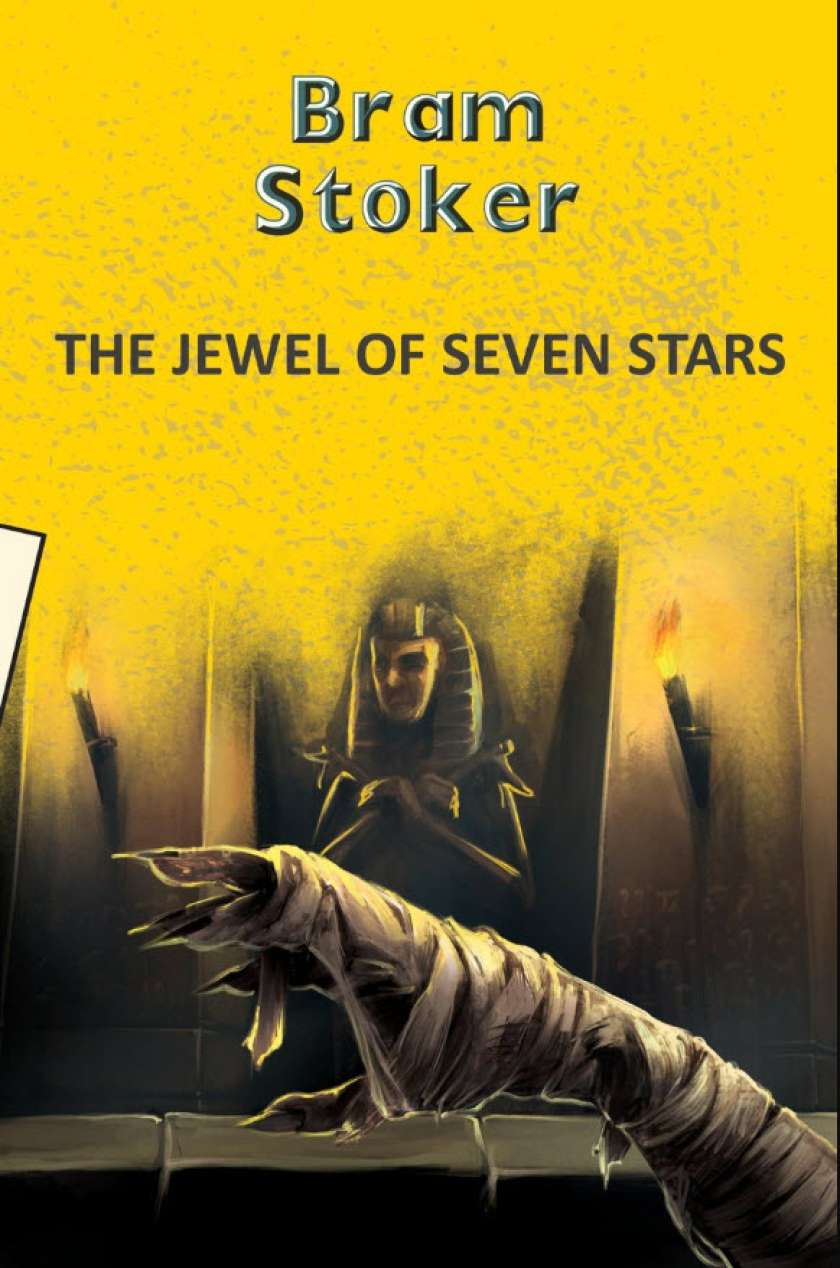
In this novel, Stoker turns toward the occult and the allure of ancient civilizations. A group of scholars and observers become involved in the attempt to revive an Egyptian queen, drawing them into a world where knowledge and ambition begin to exceed their control.
The novel reflects a fascination with the past as something not entirely dormant. What has been buried retains its presence, its influence, its potential to return. As an entry beyond Dracula, it deepens Stoker’s interest in forces that challenge modern certainty, though in a more concentrated and symbolic form.
Reading Commitment: Medium — atmospheric, with a gradual unfolding of tension.
Read Book: The Jewel of Seven Stars!The Lair of the White Worm
Stranger and less restrained than much of his earlier work, The Lair of the White Worm moves into a space that feels almost surreal. A young man arrives in the English countryside, only to encounter a series of unsettling events connected to an ancient, serpentine presence that seems to exist both within and beyond human understanding.
This is Stoker at his most unpredictable. The novel resists easy categorization, shifting between gothic horror and something more exaggerated, almost dreamlike. For readers, it offers a glimpse of a writer pushing his ideas further, even at the risk of imbalance.
Reading Commitment: Medium — unusual in tone, best read with openness to its strangeness.
Read Book: The Lair of the White Worm!The Lady of the Shroud
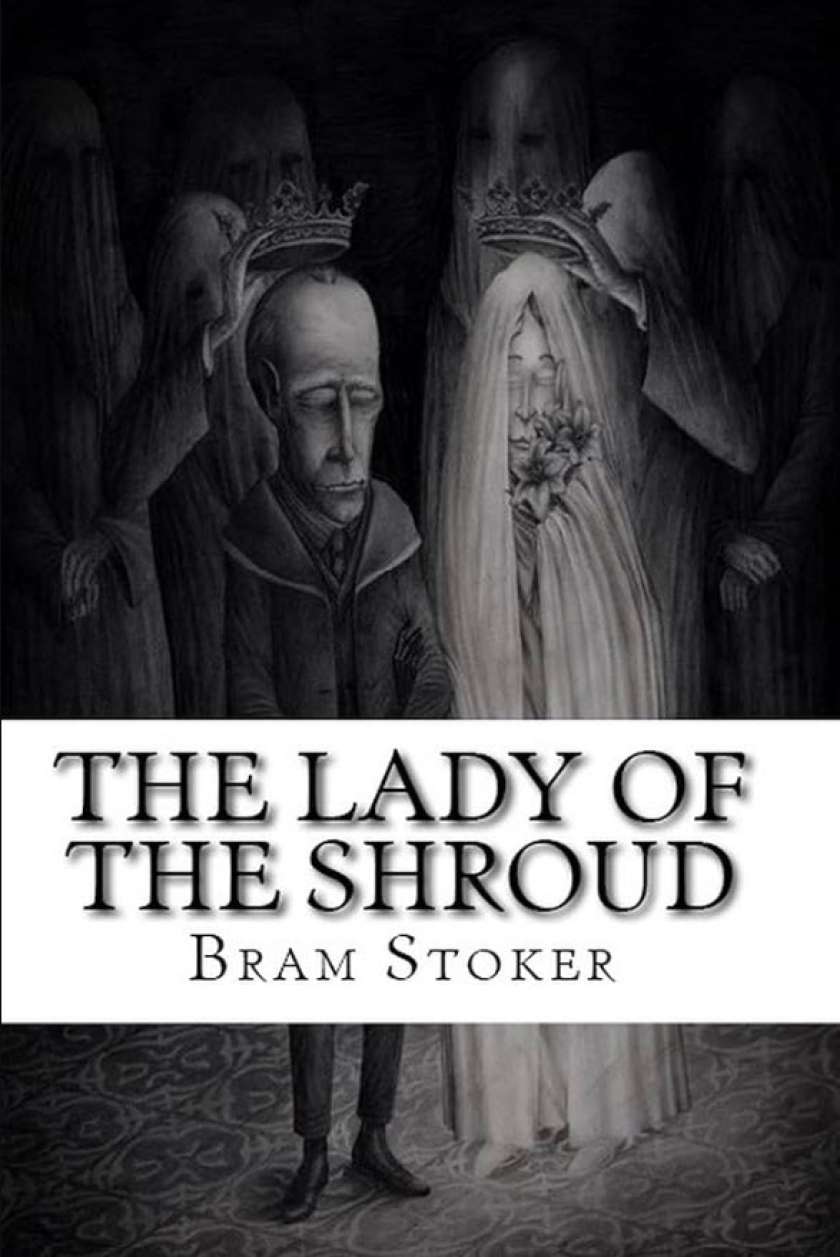
Blending elements of gothic fiction with political intrigue, this novel follows a young Englishman who inherits an estate in Eastern Europe and becomes entangled in a mysterious figure who appears—and disappears—under cover of darkness. What begins as a supernatural mystery gradually shifts toward something more grounded, though no less complex.
The novel occupies an interesting space within Stoker’s work. It begins in the familiar territory of gothic uncertainty, then moves toward questions of identity, nationhood, and modernity. For readers, it offers a more expansive narrative, where atmosphere gives way to broader concerns.
Reading Commitment: Medium — layered, with a shifting tone.
Read Book: The Lady of the Shroud!The Mystery of the Sea
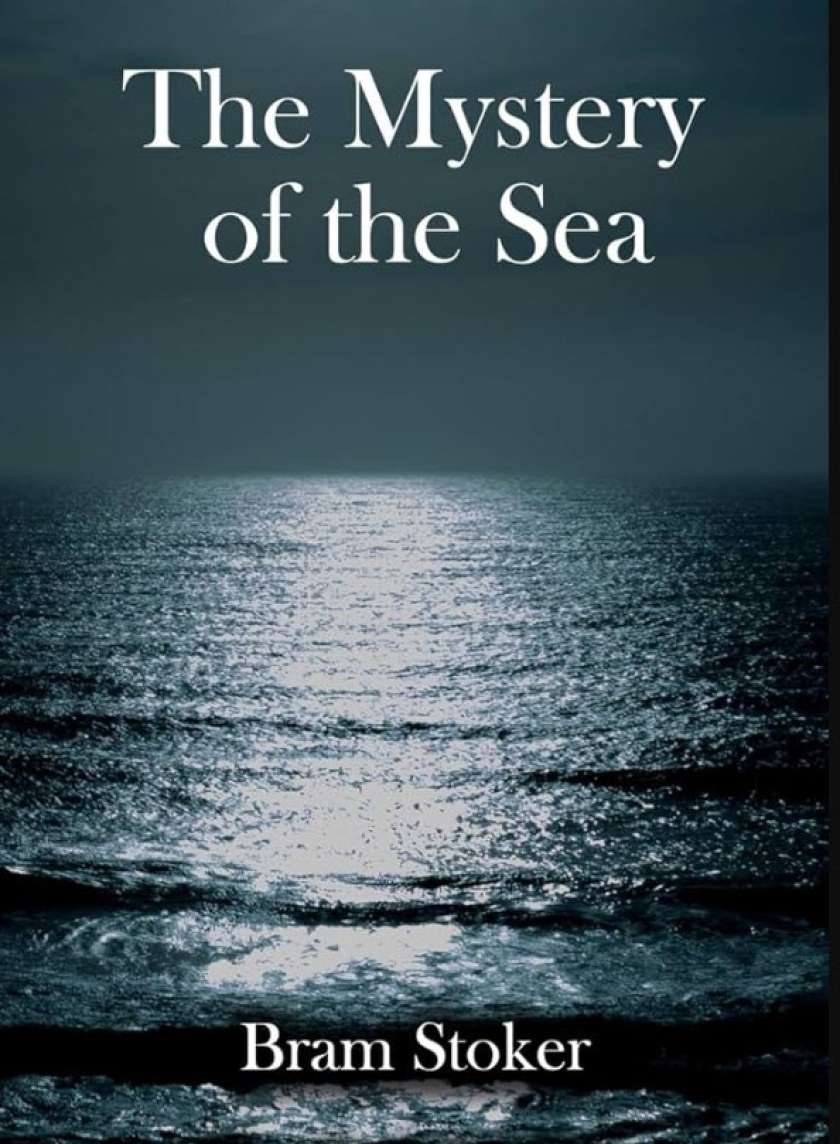
Here, Stoker moves closer to adventure, though not without retaining his sense of unease. The novel follows an Englishman drawn into a coastal mystery involving hidden treasure, historical intrigue, and moments that suggest something beyond coincidence at work.
While less overtly gothic, the story maintains a quiet tension between the rational and the unexplained. It reveals Stoker’s ability to work across genres, blending suspense with subtle hints of the supernatural.
Reading Commitment: Medium — more narrative-driven, with a steady pace.
Read Book: The Mystery of the Sea!Dracula’s Guest
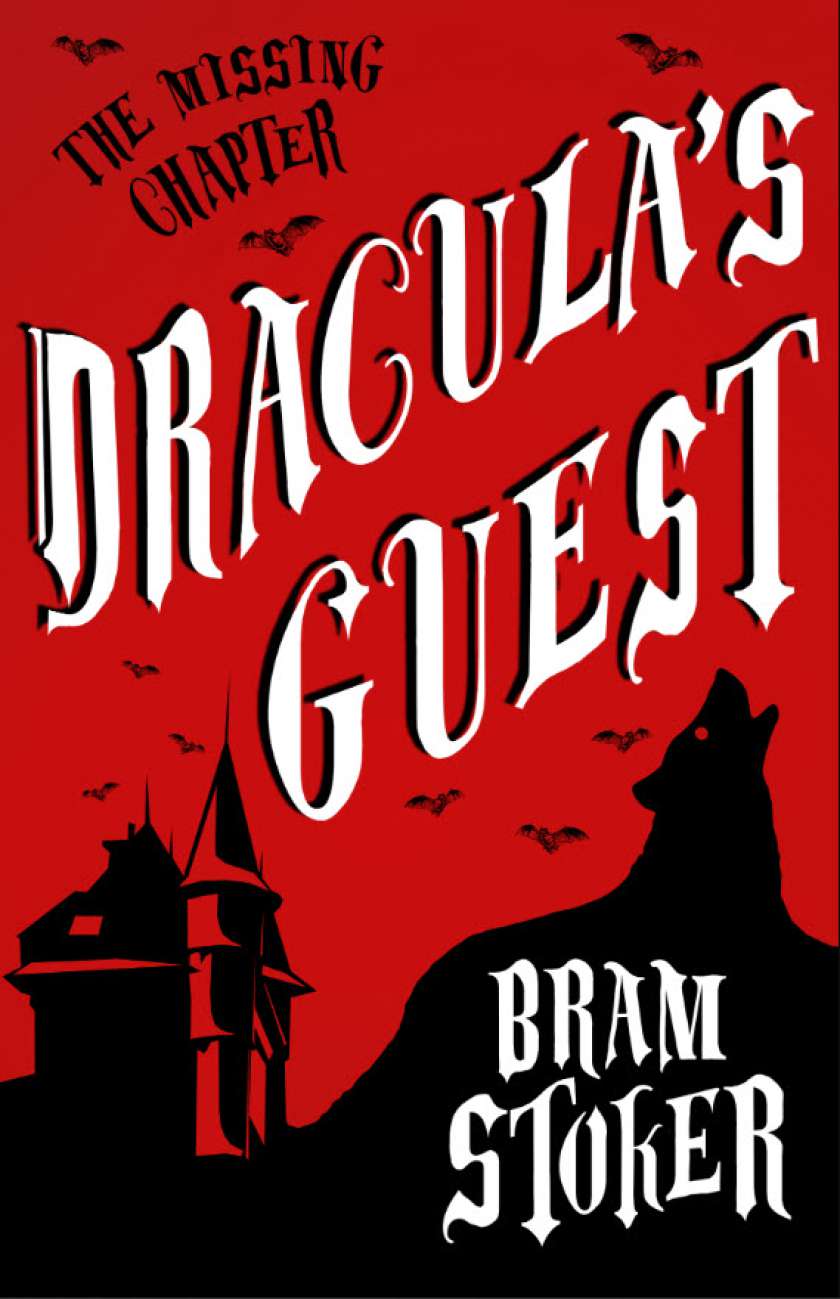
Often read as a companion to Dracula, this story follows a traveler who strays from his intended path and encounters a landscape marked by silence, absence, and a growing sense of threat. The narrative is brief, but the atmosphere is immediate and sustained.
For readers, it offers a concentrated version of what makes Stoker effective—the ability to suggest more than is shown, to let the setting carry the unease. It serves as an accessible entry point into his shorter fiction.
Reading Commitment: Short — quick, but deeply atmospheric.
Read Book: Dracula’s Guest!The Man

Also known as The Gates of Life, this novel shifts away from overt supernatural elements, focusing instead on personal development, resilience, and the shaping of identity. The story follows a woman navigating independence and responsibility within the constraints of her society.
While quieter in tone, the novel reflects another side of Stoker’s interests: the internal struggles that define a life. It may not carry the same sense of external unease as his gothic works, but it reveals a more grounded, human dimension of his writing.
Reading Commitment: Medium — reflective, with a focus on character.
Read Book: The Man!Closing
Bram Stoker’s work extends far beyond the shadow of Dracula, though it is that novel that continues to shape how he is read. Across his writing, certain patterns return: the pull of the unknown, the persistence of the past, the limits of certainty in the face of what cannot be fully explained.
To read him more widely is to encounter variation within those concerns—stories that shift in tone and scope, but remain attentive to the same underlying unease. What emerges is not a single defining work, but a body of writing that continues to ask, quietly, what lies just beyond the edges of understanding.
And perhaps that is where Stoker remains most compelling—not in what he reveals, but in what he leaves just out of reach.
