
If you mostly read modern fiction, classics can sometimes feel like a different country altogether. The pacing seems slower. The language looks older on the page. The names carry the weight of school syllabi and literary reputation. It is easy to assume that classic literature will ask for patience before it offers pleasure.
But some classics meet modern readers halfway. They are psychologically sharp, emotionally immediate, and deeply interested in the same things contemporary fiction still returns to now: identity, desire, loneliness, status, marriage, power, reinvention, discontent, and the private life that exists beneath social performance. These are the books that feel less like distant monuments and more like living stories.
If you have been looking for free classics that still feel relevant to a modern fiction reader, these public domain novels and stories are an excellent place to start. Some are dark and intimate. Some are elegant and ironic. Some feel startlingly contemporary in the way they examine women’s lives, social pressure, and the gap between who we are and who we are expected to be.
The Awakening by Kate Chopin
Some classics feel modern because of style; others feel modern because of the questions they dare to ask.
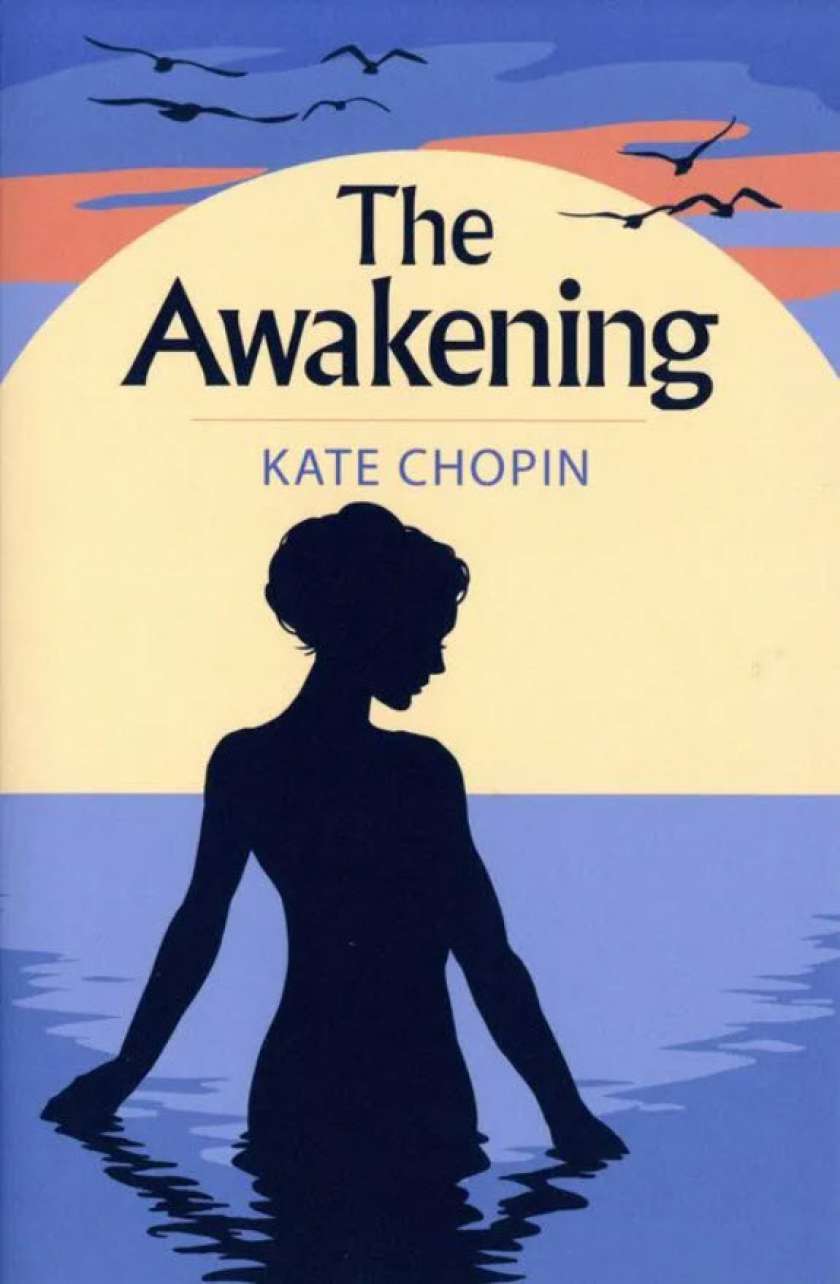
The Awakening belongs to the second kind. Kate Chopin’s novel follows Edna Pontellier, a married woman who begins to awaken to desires, frustrations, and forms of selfhood that do not fit neatly within the world around her. The emotional and social tensions in this novel still feel strikingly current, which is one reason it remains such a compelling entry point for readers who usually prefer contemporary women’s fiction or literary fiction. It is elegant, readable, and far more daring than its age might suggest.
The Picture of Dorian Gray by Oscar Wilde
If you enjoy modern novels about image, influence, moral drift, or the seductions of beauty and self-invention, The Picture of Dorian Gray can feel surprisingly familiar.
Wilde’s novel is stylish and dark, but also psychologically accessible, built around the unforgettable idea of a portrait that bears the marks of corruption while its subject remains outwardly untouched. Beneath its elegance lies a sharp interest in vanity, performance, pleasure, and the cost of living without moral restraint. It still feels fresh because its concerns are not old at all. They have merely changed costume.
Jane Eyre by Charlotte Brontë
For readers who love emotionally immersive modern fiction, Jane Eyre often feels less like a dutiful classic and more like an intense, deeply personal novel.
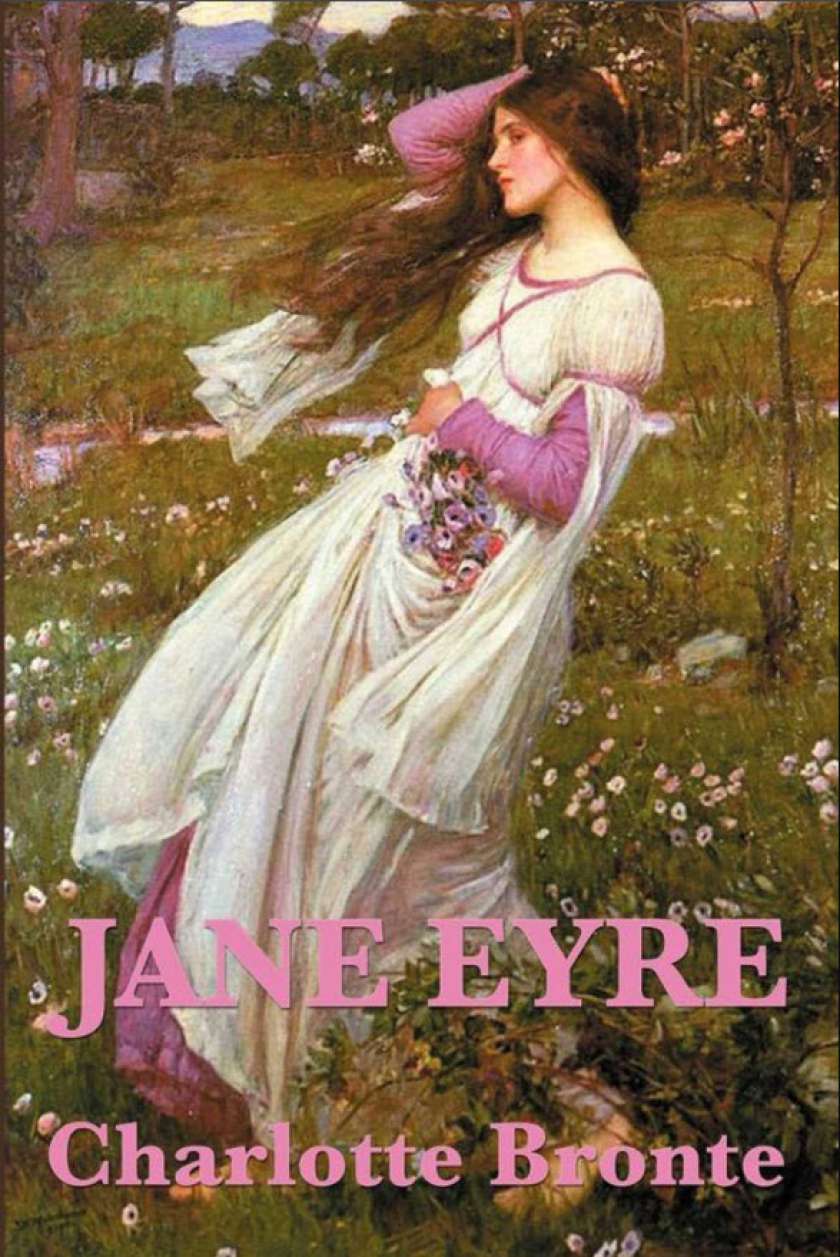
Jane is such a strong interior presence that the book never becomes remote. Her loneliness, self-respect, longing, anger, and moral clarity all come through with unusual force, giving the novel a psychological intimacy that many modern readers immediately respond to. Yes, there is romance here, but there is also ambition, trauma, power, and the question of what it means to preserve oneself in unequal circumstances. That emotional seriousness is part of what keeps the book so alive.
The Yellow Wallpaper by Charlotte Perkins Gilman
Some readers do best with a classic that can be finished in one sitting but still leaves a powerful aftertaste.
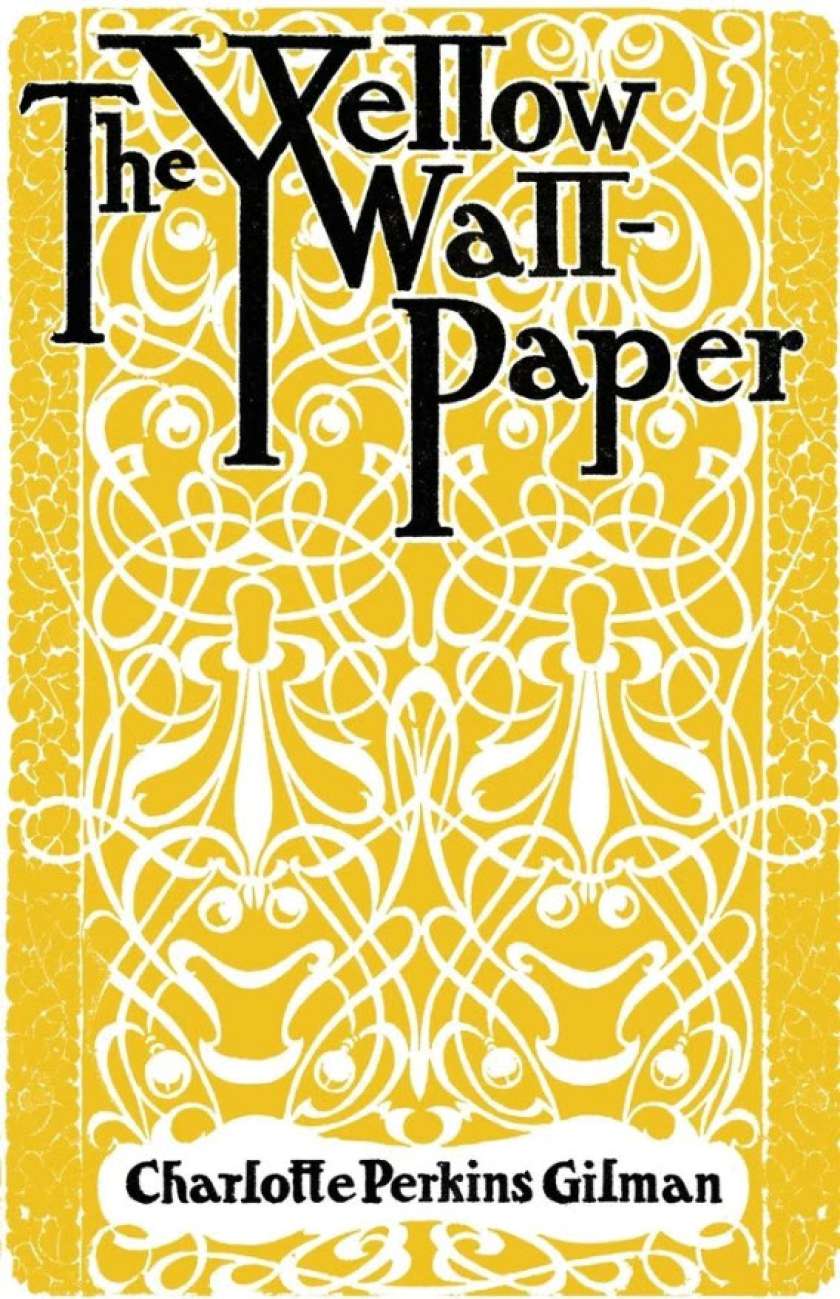
The Yellow Wallpaper does exactly that. Gilman’s short story follows a woman confined for her supposed recovery, whose mental state becomes increasingly tangled with the room around her. It is one of the sharpest and most unsettling explorations of gender, control, and psychological collapse in classic literature, and it still feels startlingly modern in its intensity. For readers who enjoy contemporary fiction about women’s lives, mental health, or domestic unease, this is an essential short classic.
The Woman in White by Wilkie Collins
If your modern reading tastes lean toward suspense, secrets, and page-turning fiction with strong narrative momentum, The Woman in White is a wonderful bridge into classic literature.
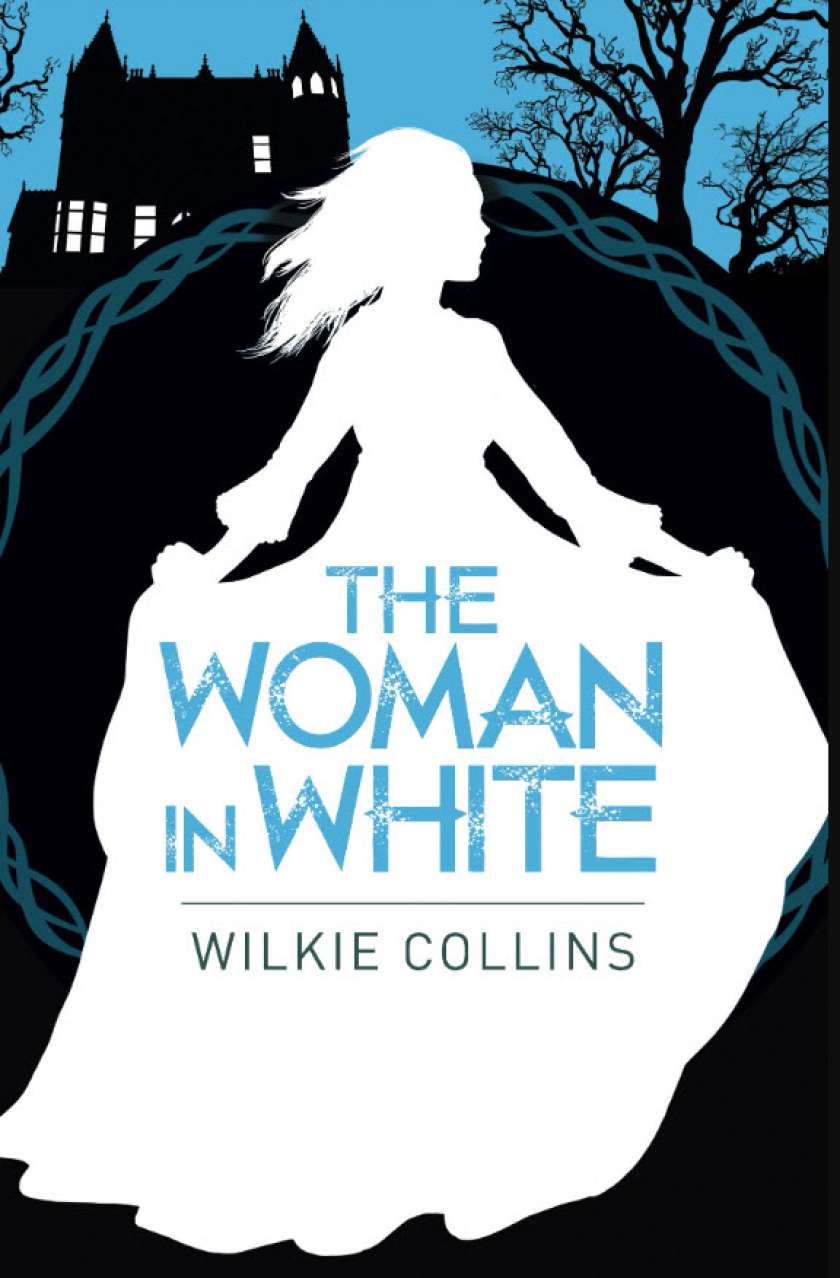
Collins begins with an eerie meeting on a moonlit road and quickly unfolds a story of deception, mistaken identity, confinement, and buried truths. Though it is a longer novel, it has the grip of modern suspense fiction, and its structure keeps the intrigue moving. It is one of those classics that reminds you readers in the nineteenth century also loved drama, mystery, and being thoroughly carried along by a story.
A Room with a View by E.M. Forster
There is a bright intelligence to A Room with a View that makes it especially appealing to readers of modern literary fiction.
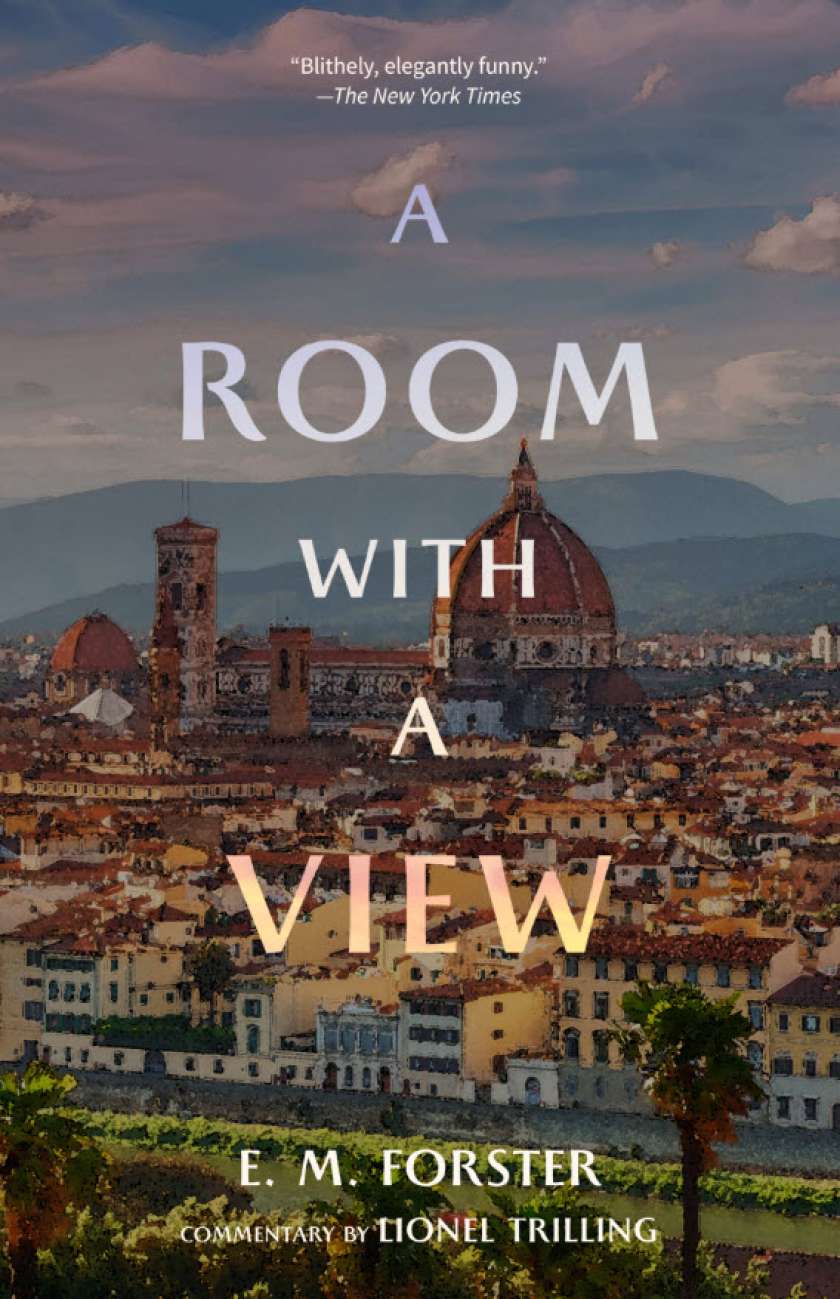
Forster is interested in love, certainly, but also in repression, social performance, self-knowledge, and the subtle ways people become trapped inside the versions of themselves they have been taught to present. Lucy Honeychurch is not a loud heroine, yet her inner conflict feels deeply recognizable. The novel has wit, emotional clarity, and a lightness of touch that makes it very readable. For anyone who enjoys beautifully observed fiction about people trying to become more fully themselves, this is a lovely choice.
Ethan Frome by Edith Wharton
Edith Wharton’s Ethan Frome is short, cold, and devastating in a way that feels remarkably modern. Its story of longing, silence, frustration, and emotional imprisonment unfolds with great economy, but the effect is lasting.
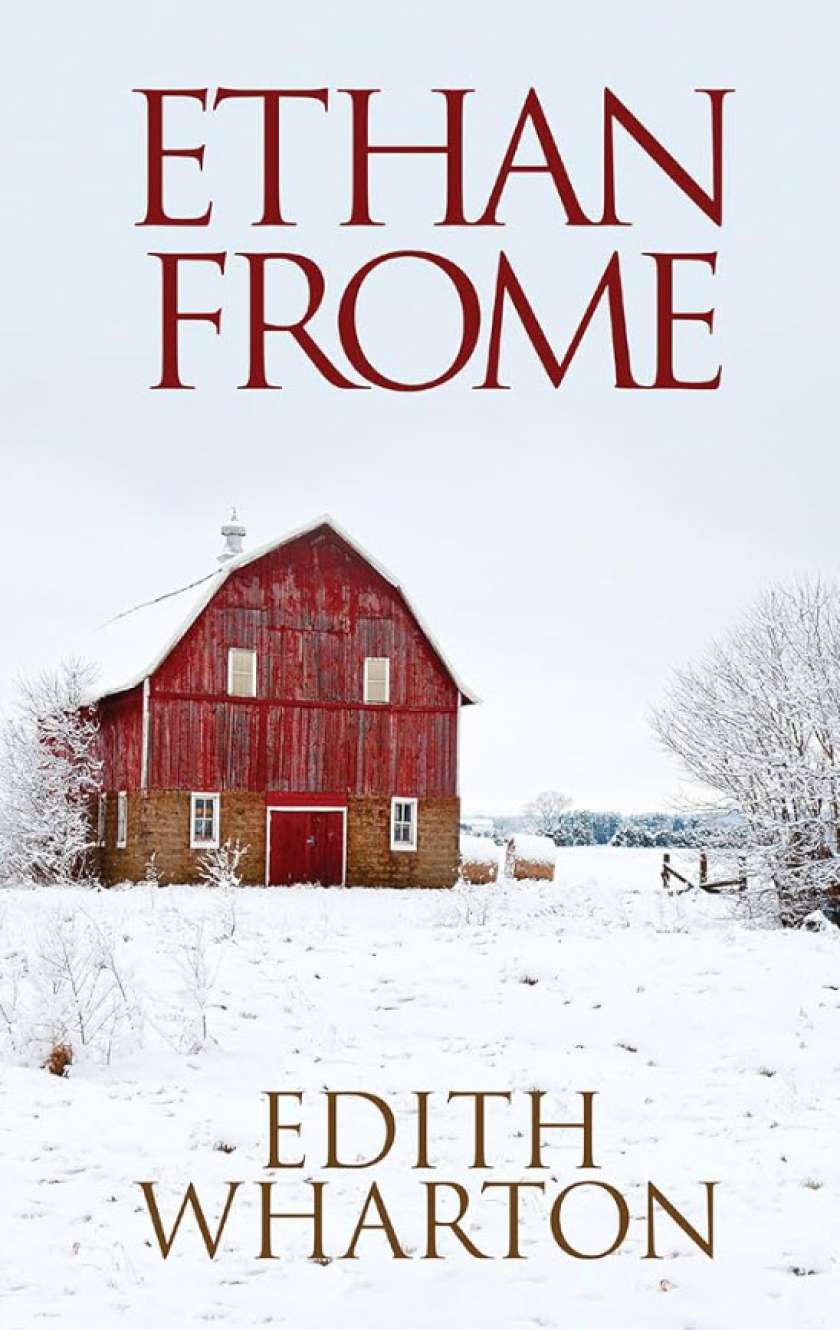
There is very little excess here. Wharton writes with precision, and the emotional weather of the novel is so bleak and controlled that it can feel closer to certain modern minimalist novels than to what many readers imagine a classic should be. If you like fiction that is psychologically tense and quietly tragic, Ethan Frome is likely to land hard.
North and South by Elizabeth Gaskell
Readers who love modern fiction that balances romance with social observation often find a great deal to admire in North and South.
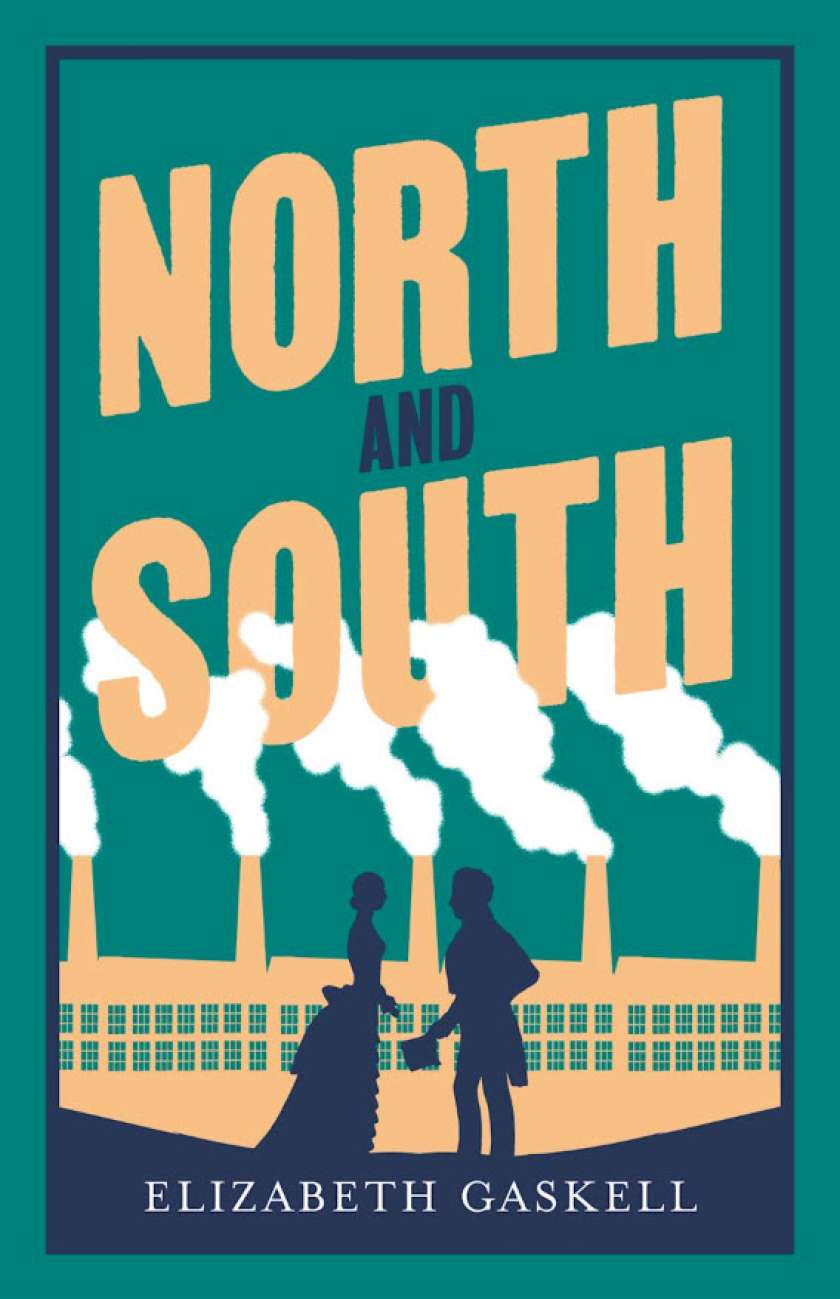
At its center is Margaret Hale, a heroine who moves from the rural South of England to an industrial northern town and must reckon with class, labor, conflict, and her own shifting perceptions. The novel offers emotional tension and a memorable central relationship, but it also has a broader intelligence about work, society, and change. That mix of feeling and social insight gives it a richness that still feels satisfying now, especially for readers who like character-driven novels with strong relational and political undercurrents.
The Strange Case of Dr Jekyll and Mr Hyde by Robert Louis Stevenson
For readers who prefer tighter, darker modern fiction, Stevenson’s famous novella remains one of the easiest classics to pick up.
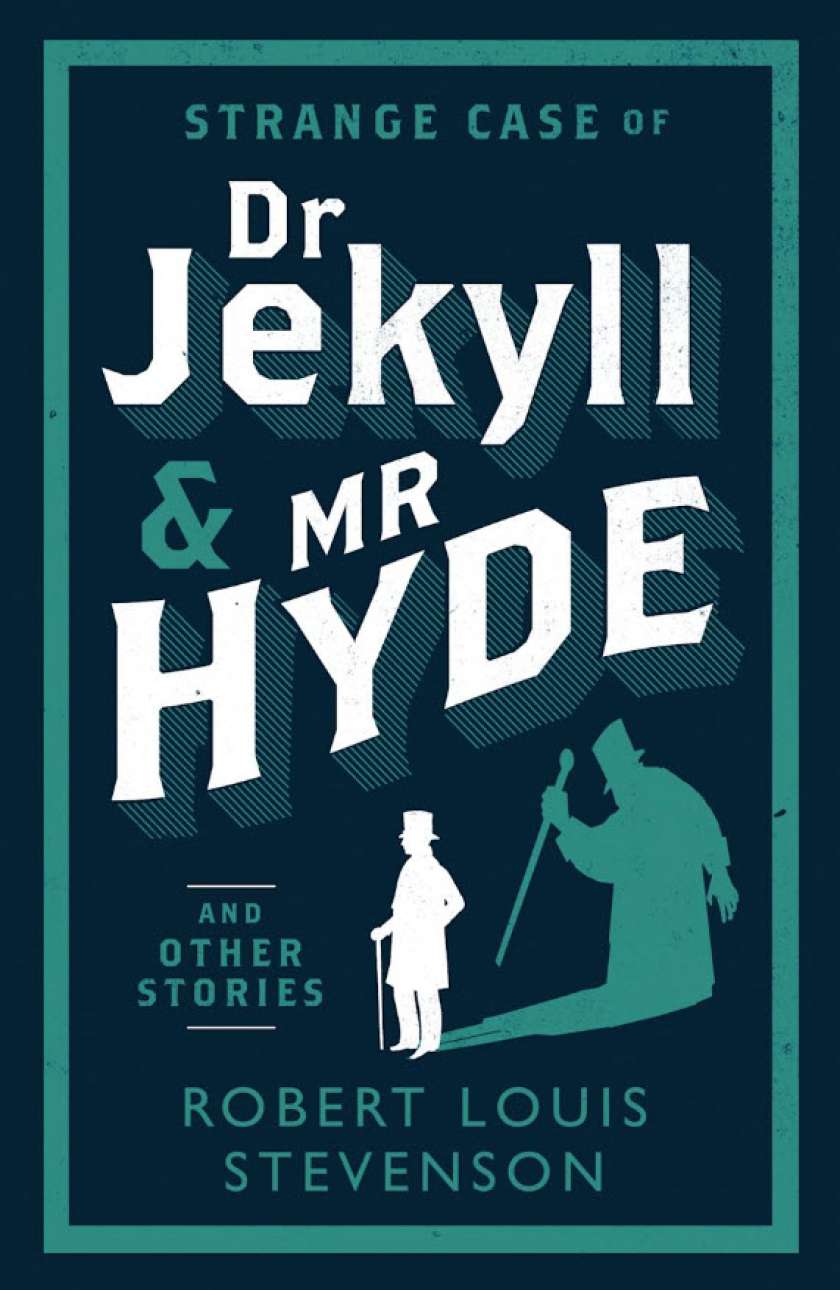
It is short, suspenseful, and anchored by a premise that still feels powerful: the division between respectable public identity and hidden private self. Even readers who already know the reveal will find plenty to enjoy in the atmosphere and pacing. What makes it feel modern is not only its brevity, but its psychological idea. The fear that a person contains more than one self is hardly an old one, and Stevenson handles it with elegant force.
The Age of Innocence by Edith Wharton
If you enjoy contemporary novels about social codes, marriage, status, restraint, and the gap between desire and duty, The Age of Innocence can feel unexpectedly current.
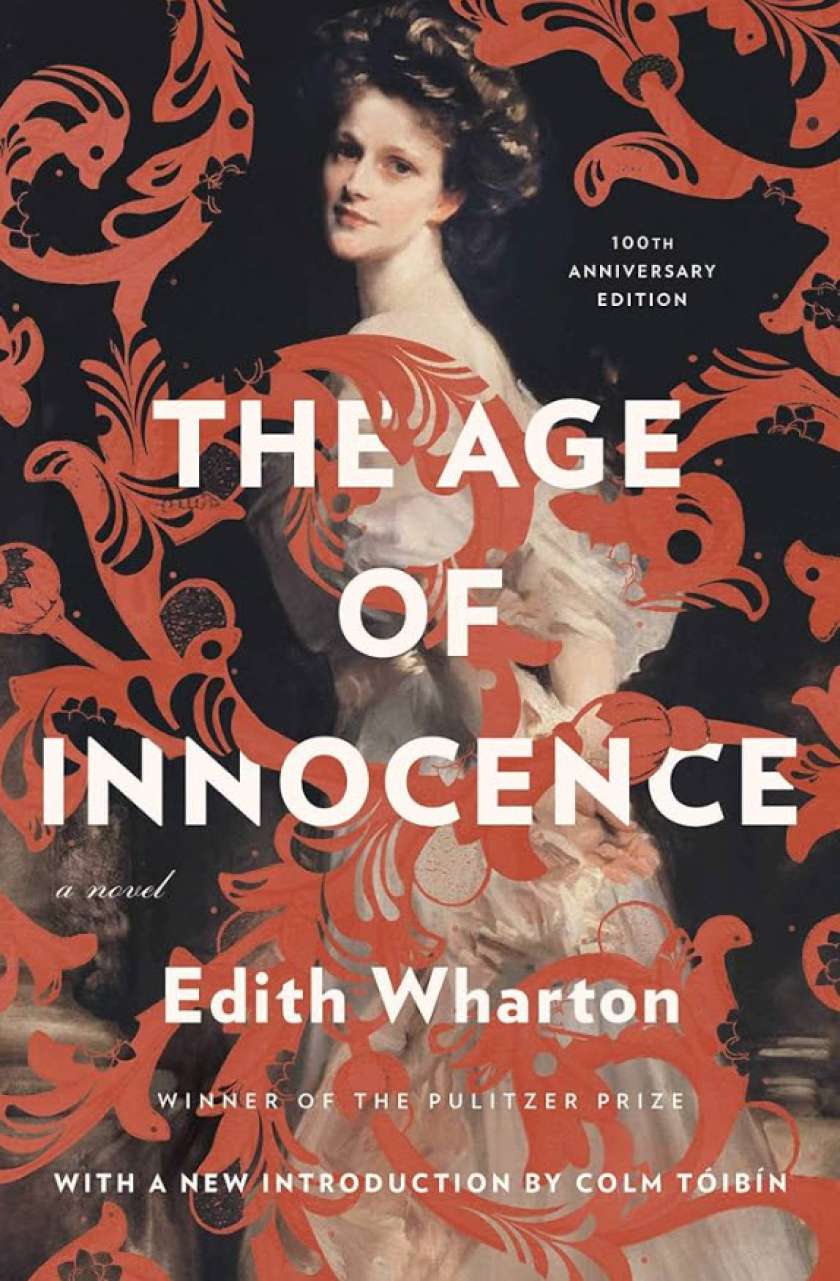
Wharton writes about old New York society with exquisite control, but what makes the book endure is not the period detail alone. It is the emotional intelligence with which she captures compromise, self-deception, and the cost of living within a world that prizes appearances above honesty. This is a quieter novel than some others on the list, but for readers who love finely observed modern literary fiction, it offers immense rewards.
Closing
What makes these classics work so well for modern fiction readers is not simply that they are easier to read than expected, though many of them are. It is that they care about things we still care about. The pressure to perform a version of yourself. The instability of desire. Women trying to claim interior freedom. The collision between private feeling and public expectation. The way class, gender, beauty, and reputation shape a life.
That is why these free classic books do not feel trapped in the past. They speak in older forms, certainly, but their emotional and psychological concerns remain vividly alive. For readers who usually live in contemporary fiction, these public domain books offer a satisfying way into the classics without requiring you to abandon the kinds of stories and tensions you already love.
Sometimes the best path into older literature is not to start with what feels most famous or most intimidating. It is to start with the books that still seem to understand us.
