
Some love stories give us grand romantic gestures, touching reunions and couples we desperately want to see together.
Wuthering Heights gives us betrayal, revenge, ghosts, emotional destruction and two people who seem determined to haunt each other in life and death.
Emily Brontë’s only novel has often been presented as one of the greatest romances in English literature. At the centre of the story is the fierce connection between Catherine Earnshaw and Heathcliff, two people who grow up together on the isolated Yorkshire moors.
Their relationship is passionate, unforgettable—and deeply unhealthy.
So, is Wuthering Heights really a love story? Or is it a warning about what happens when love becomes obsession?
WATCH: Emily Brontë’s Wuthering Heights: The Wildest Love Drama in Classic Literature!Emily Brontë’s Wuthering Heights: The Wildest Love Drama in Classic Literature
Emily Brontë published only one novel during her lifetime, but that novel became one of the most unforgettable works in English literature. In our video, we explore Brontë’s life, the world that shaped her writing and the chaotic relationship at the heart of Wuthering Heights.
Watch the complete video above to discover how a quiet young writer from Yorkshire created one of literature’s darkest and most dramatic stories.
Who Was Emily Brontë?
Emily Brontë was born in 1818 and grew up in Haworth, Yorkshire, with her famous literary siblings, Charlotte, Anne and Branwell Brontë.
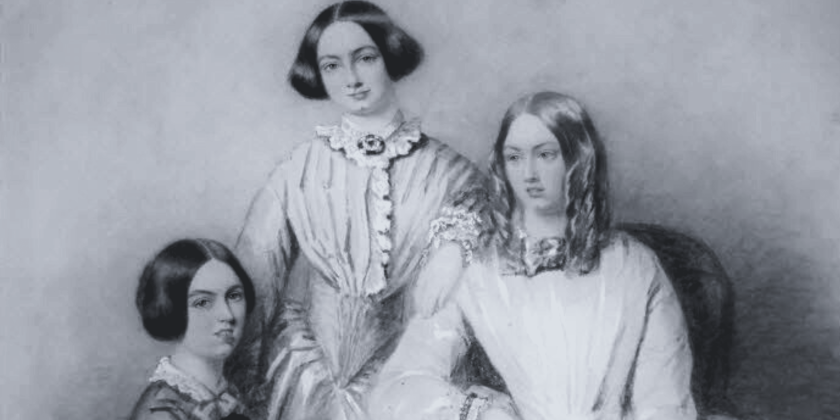
Although she is now considered one of the most important writers of the Victorian period, Emily left behind very little fiction. Wuthering Heights, published in 1847 under the name Ellis Bell, was her first and only novel.
The book confused and disturbed some of its earliest readers. Its violence, cruelty, unconventional characters and emotional intensity were unlike the more restrained novels many Victorian readers expected. Some reviewers condemned it, while others recognised its originality and power.
Emily died in 1848, only a year after the novel was published. She was 30 years old and never lived to see Wuthering Heights become the literary classic it is today.
Is Wuthering Heights Really a Love Story?
At first, Catherine and Heathcliff’s relationship appears to have the ingredients of a tragic romance.
They grow up together. They run across the moors together. They understand each other in a way that nobody else seems able to. Their bond is wild, private and almost impossible for the people around them to understand.
But their relationship is not built on kindness, trust or mutual respect.
It is built on possession.
Catherine and Heathcliff do not simply love each other. They see each other as extensions of themselves. Catherine famously struggles to separate her identity from Heathcliff’s, while Heathcliff cannot imagine a life that is not controlled by his love for—and anger toward—Catherine.
Their connection is powerful, but it does not make either of them better.
Instead, it helps destroy them and nearly everyone around them.
Catherine Chooses Security Over Passion
Catherine loves Heathcliff, but she does not believe marrying him would give her the life she wants.
Heathcliff enters the Earnshaw household as a poor, mysterious child with no known family or social position. Although Catherine forms a close bond with him, her brother Hindley treats Heathcliff cruelly and pushes him into the position of a servant.
Catherine later becomes close to Edgar Linton, a wealthy and respectable neighbour. Edgar represents comfort, status and social acceptance—everything Heathcliff cannot offer her.
She therefore decides to marry Edgar while continuing to believe that her deepest connection is with Heathcliff.
It is a decision that changes several lives.
Heathcliff overhears only part of Catherine’s explanation and leaves Wuthering Heights, believing that she is ashamed of him. When he eventually returns, he is wealthy, bitter and ready to punish everyone he believes has wronged him.
What could have been a story about lost love becomes a story about revenge.
Heathcliff Is Not the Romantic Hero Many Adaptations Suggest
Heathcliff is one of literature’s most recognisable brooding men.
He is mysterious, wounded, passionate and completely devoted to Catherine. These qualities have helped turn him into the image of a tragic romantic hero.
But the Heathcliff of Emily Brontë’s novel is also frightening.
He manipulates people, abuses those who depend on him and uses marriage, money and property to carry out his revenge. His pain may help readers understand some of his actions, but it does not excuse the cruelty he chooses to inflict.
He does not only seek revenge against the people who hurt him. He also punishes their children.
That is what makes Heathcliff such a complicated character. Readers may sympathise with the neglected child he once was while being horrified by the man he becomes.
The novel never gives us an easy answer about how we should feel about him. Its layered narrators also mean that we rarely receive a completely neutral version of Heathcliff’s story.
The Yorkshire Moors Are Part of the Story
The setting of Wuthering Heights is just as memorable as its characters.
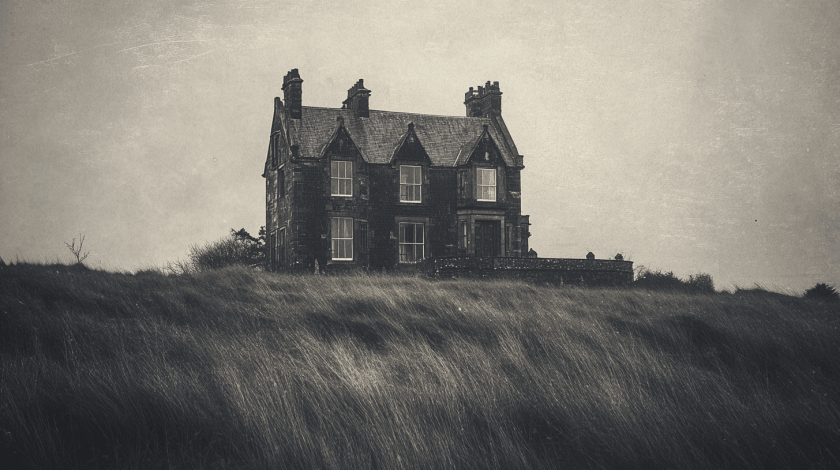
Much of the novel takes place between two homes: Wuthering Heights and Thrushcross Grange.
Wuthering Heights is exposed to fierce weather and surrounded by open moorland. It feels rough, isolated and unpredictable. Thrushcross Grange is more comfortable, orderly and refined.
The two houses reflect the different worlds pulling Catherine apart.
Wuthering Heights represents the wild freedom she shares with Heathcliff. Thrushcross Grange represents Edgar’s civilised and socially acceptable life.
The moors also give the novel its Gothic atmosphere. Storms, darkness, isolation, dreams and suggestions of ghosts make the landscape feel alive. The wild setting does not simply surround the characters—it seems to echo their anger, loneliness and longing.
The British Library describes the bleak moorland as a powerful presence throughout the novel, rather than a simple background.
A Love Story That Becomes a Revenge Story
Catherine and Heathcliff may be the novel’s most famous characters, but Wuthering Heights follows two generations of the Earnshaw and Linton families.
After losing Catherine, Heathcliff dedicates much of his life to gaining control of the families and properties connected to those who mistreated him.
He uses people’s weaknesses against them. He arranges relationships for his own benefit. He turns children into pieces in a revenge plan that began before some of them were born.
The consequences of Catherine and Heathcliff’s choices therefore continue long after their relationship has ended.
This is one reason the novel can initially feel confusing. Readers must keep track of repeated names, two family homes, several narrators and characters from different generations.
However, the second generation is essential to the story.
It shows that pain can be inherited—but it can also end.
While Catherine and Heathcliff remain trapped by pride and obsession, the younger characters are slowly given an opportunity to choose something different.
Why Wuthering Heights Still Fascinates Readers
Part of the lasting power of Wuthering Heights comes from how difficult it is to classify.
It is a love story, but it is not romantic in the traditional sense.
It is a Gothic novel, but its greatest horrors often come from ordinary human cruelty rather than supernatural creatures.
It is a family drama, a revenge story and an examination of class, property, abuse and social power.
The novel also refuses to give us perfectly good or completely simple characters. Catherine is selfish but deeply conflicted. Heathcliff is both a victim and an abuser. Even the people telling the story have their own prejudices, loyalties and blind spots.
Readers are left to decide how much sympathy each character deserves.
That uncertainty keeps the novel alive. Every generation can return to Catherine and Heathcliff and ask the same questions:
Was their relationship true love?
Did society destroy their chance of happiness?
Was Heathcliff shaped by cruelty, or did he eventually choose to become cruel?
Can love still be called love when it causes so much suffering?
Should You Read Wuthering Heights?
You should try Wuthering Heights if you enjoy:
- Gothic settings and isolated houses
- Complicated, morally grey characters
- Intense family conflicts
- Stories about obsession and revenge
- Classics that encourage debate
- Tragic relationships that are impossible to romanticise fully
The novel may not work for readers expecting a gentle historical romance. Catherine and Heathcliff are not a comforting couple, and their story is filled with emotional and physical cruelty.
But readers looking for something dark, dramatic and psychologically intense will find plenty to discuss.
Final Thoughts
Calling Wuthering Heights a romance does not fully capture what Emily Brontë created.
Catherine and Heathcliff love each other with an intensity that appears to overcome distance, marriage and even death. Yet that same love is possessive, destructive and unable to survive in the ordinary world.
Perhaps that is why readers remain fascinated by them.
They are not an example of the kind of love we should want. They are an example of how powerful love can become when it is mixed with pride, social rejection, anger and the desire to possess another person completely.
More than 175 years after its publication, Wuthering Heights continues to disturb, divide and captivate readers.
And for a writer who published only one novel, that is an extraordinary legacy.
Watch our full video, “Emily Brontë’s Wuthering Heights: The Wildest Love Drama in Classic Literature,” to learn more about the mysterious author and the unforgettable story she left behind.
