
Few writers ask as much of their readers as Fyodor Dostoevsky. His novels are rarely driven by plot alone, nor are they content to remain on the surface of experience. Instead, they descend into the contradictions that define human life: the tension between reason and emotion, freedom and responsibility, faith and doubt. His characters think intensely, feel deeply, and often find themselves caught between competing versions of truth.
For readers encountering him for the first time, this reputation can feel intimidating. Yet Dostoevsky’s enduring appeal lies not in complexity for its own sake, but in his ability to make abstract questions feel urgently personal. His novels are filled with people searching—for meaning, for redemption, for certainty—and finding answers that are rarely simple. The works below offer a path into that world, beginning with some of his most accessible ideas and gradually moving toward his most expansive vision.
Notes from Underground
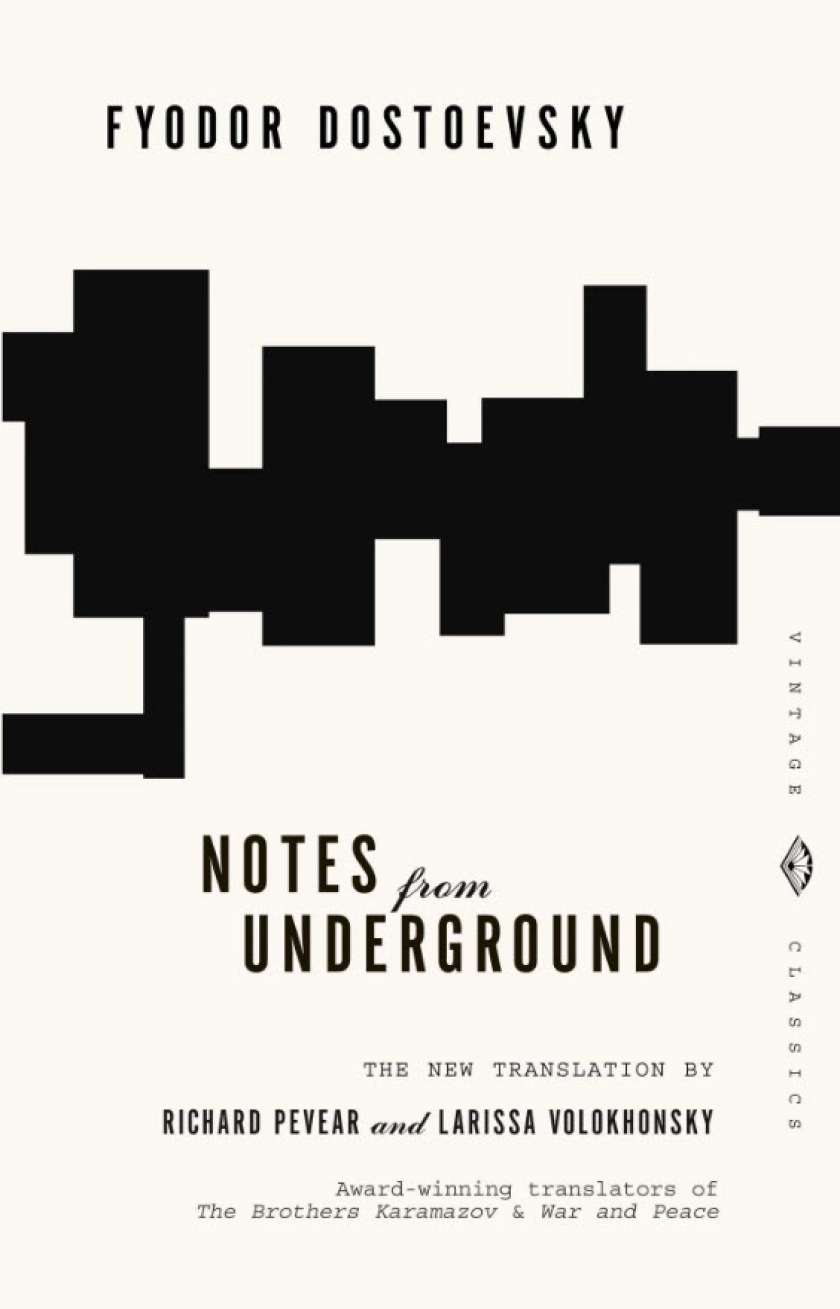
Few books provide a clearer introduction to Dostoevsky’s concerns than Notes from Underground. Through the voice of an unnamed narrator living in self-imposed isolation, the novella explores resentment, pride, freedom, and the strange ways people sometimes act against their own interests. The narrator argues, contradicts himself, revises his conclusions, and exposes the uncomfortable gap between what people believe and how they actually behave.
What makes the work so compelling is its immediacy. The narrator feels startlingly modern, wrestling with questions about individuality and self-awareness that continue to resonate today. For readers new to Dostoevsky, this is the ideal doorway into his ideas: concentrated, provocative, and surprisingly readable.
Reading Commitment: Short — dense with ideas, but manageable in a few sittings.
Read Book: Notes from Underground!Crime and Punishment
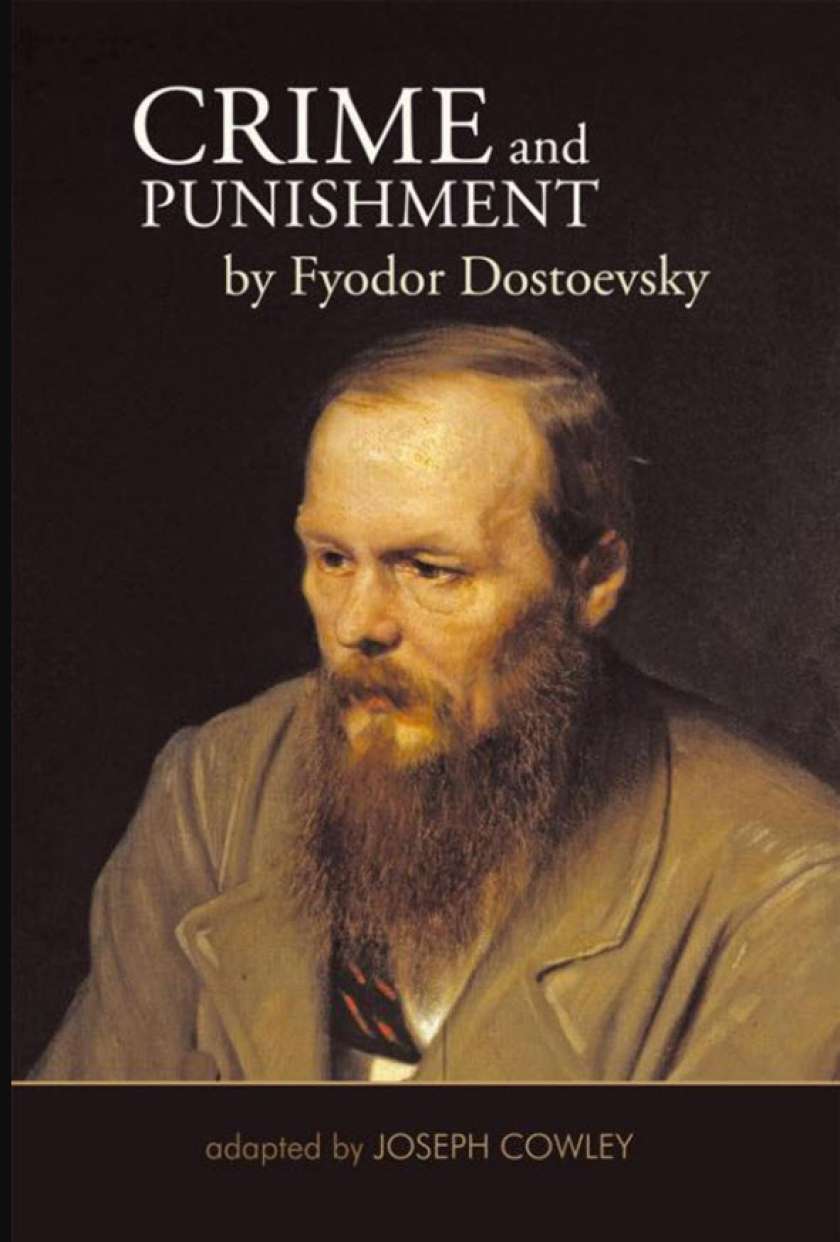
When former student Rodion Raskolnikov commits a murder he believes can be justified by reason, he expects to escape the consequences. Instead, he finds himself trapped within his own conscience. The novel follows not only the investigation that unfolds around him, but the psychological and moral unraveling that occurs within.
This is often considered the best starting point for readers approaching Dostoevsky’s major novels. The narrative carries the momentum of a crime story, while simultaneously exploring guilt, morality, and the limits of intellectual certainty. Its questions remain profound, but they are anchored in a gripping and emotionally immediate plot.
Reading Commitment: Long — immersive and rewarding, with remarkable psychological depth.
Read Book: Crime and Punishment!The Idiot
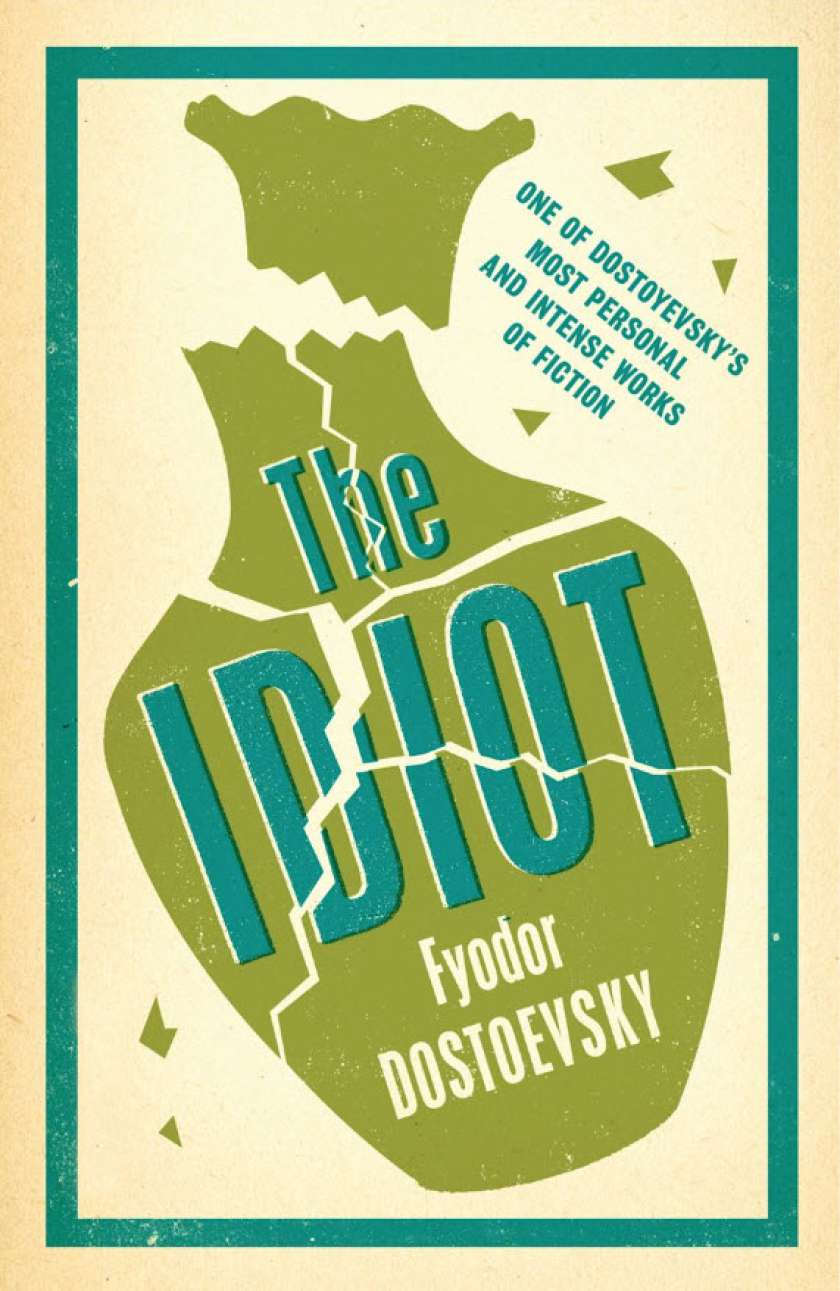
Prince Myshkin returns to Russia after years abroad, bringing with him an unusual quality rarely celebrated in literature: genuine goodness. Honest, compassionate, and incapable of manipulation, he enters a society governed by ambition, vanity, and self-interest. The result is both moving and unsettling.
Rather than exploring corruption directly, Dostoevsky asks a different question: what happens when an exceptionally kind person encounters a world that does not know what to do with kindness? The novel becomes an examination of innocence, compassion, and the tragic misunderstandings that can arise between people who want entirely different things from life.
Reading Commitment: Long — thoughtful and emotionally rich, best approached with patience.
Read Book: The Idiot!The Gambler
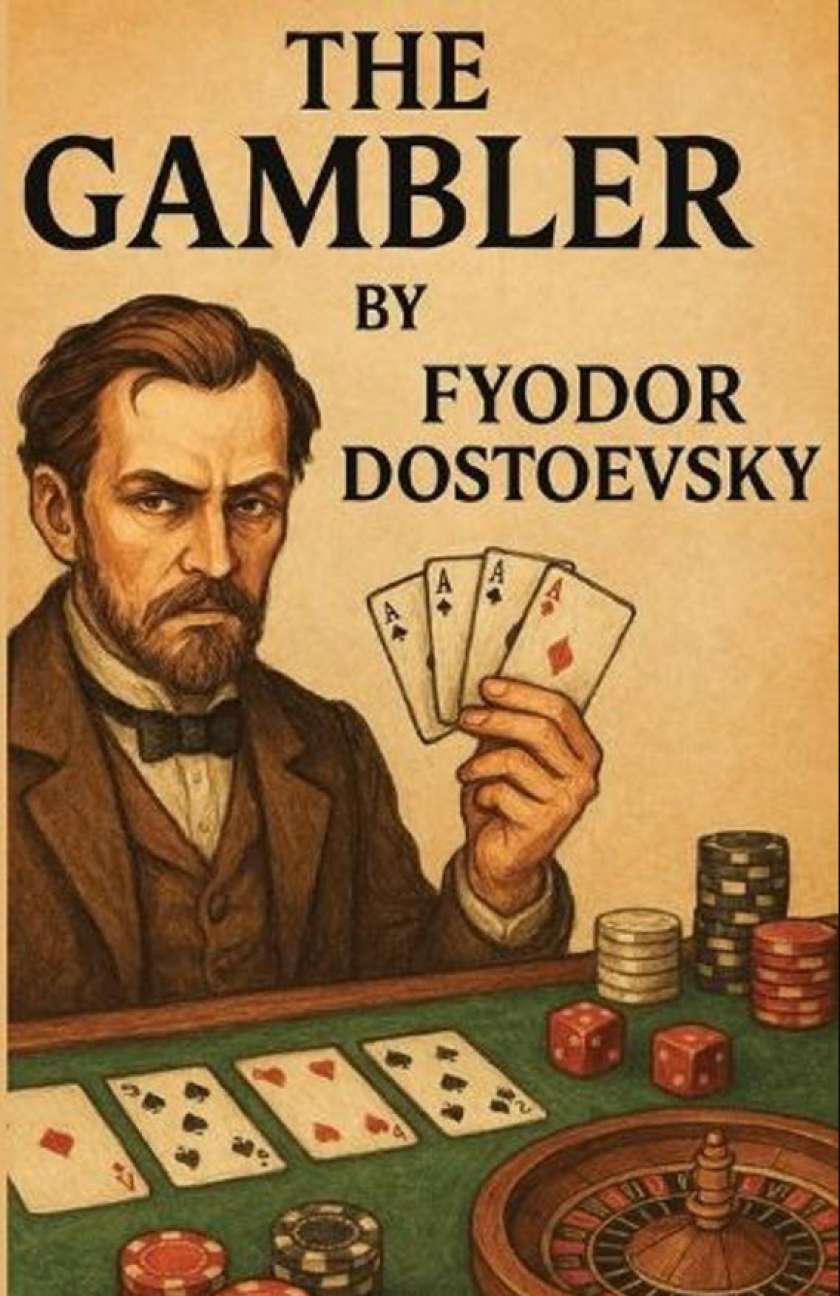
Written during a period when Dostoevsky himself struggled with gambling addiction, this novel follows Alexei Ivanovich as he becomes increasingly consumed by the lure of risk and reward. What begins as fascination gradually becomes obsession, shaping relationships, ambitions, and self-worth.
Unlike some of Dostoevsky’s larger philosophical works, The Gambler feels immediate and intensely personal. The emotional volatility of its characters mirrors the unpredictability of the roulette table itself, creating a narrative driven by compulsion rather than reason. For readers, it offers a vivid portrait of self-destruction and the seductive nature of hope.
Reading Commitment: Medium — fast-moving and psychologically sharp.
Read Book: The Gambler!Poor Folk

Dostoevsky’s debut novel takes the form of letters exchanged between two impoverished individuals living on the margins of society. Through their correspondence, a picture emerges of dignity maintained under difficult circumstances, and of human connection surviving despite hardship.
Though less philosophically ambitious than his later works, Poor Folk reveals many of the qualities that would define his career: empathy for the overlooked, attention to suffering, and an interest in how social conditions shape personal lives. It offers readers a glimpse of the young writer before the full scale of his later ambitions emerged.
Reading Commitment: Medium — intimate, accessible, and emotionally affecting.
Read Book: Poor Folk!The House of the Dead
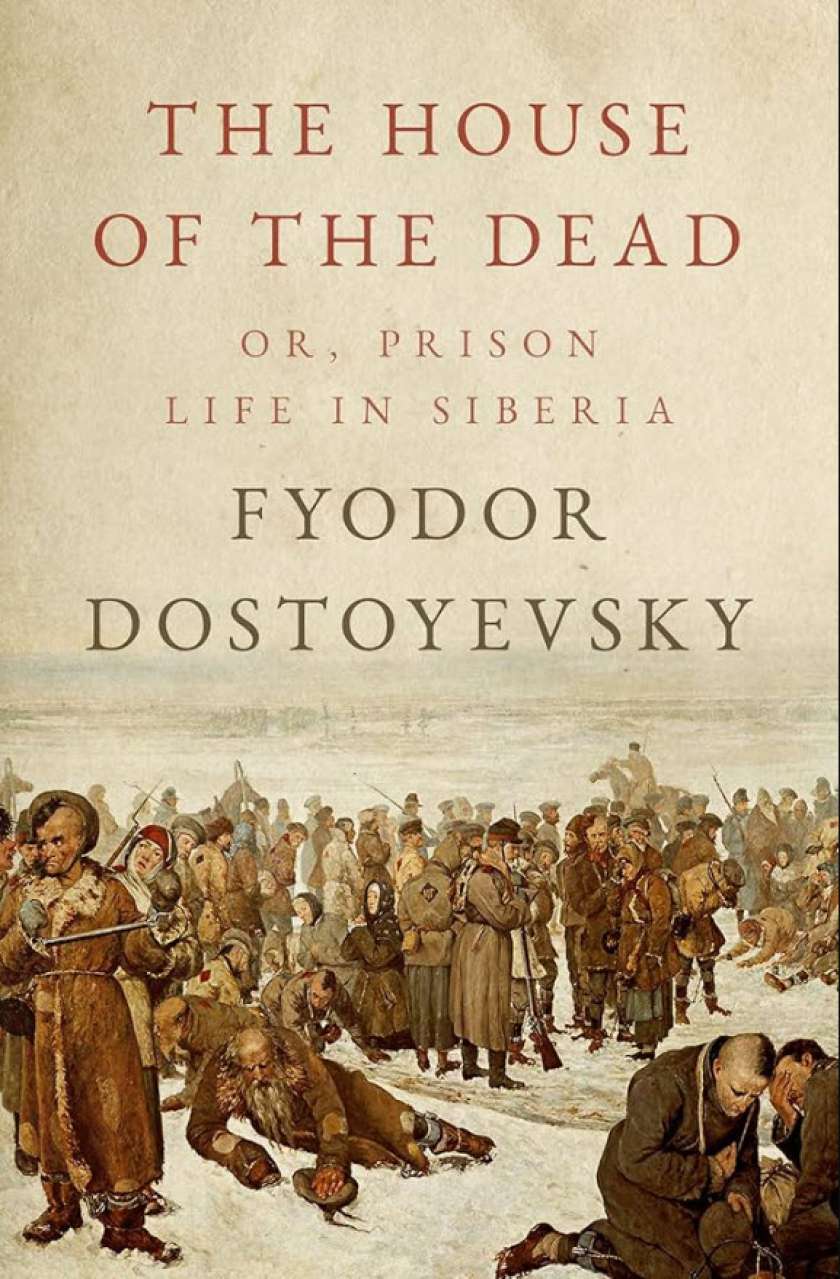
Drawing heavily from Dostoevsky’s own imprisonment in a Siberian labor camp, The House of the Dead chronicles life among convicts and exiles. Rather than focusing on a single dramatic narrative, the book presents a series of observations about punishment, survival, and the complexity of human character.
The work marks a turning point in Dostoevsky’s development. His years in prison transformed many of his beliefs, deepening his interest in suffering, redemption, and spiritual renewal. Readers interested in understanding the foundations of his later philosophy will find this book particularly illuminating.
Reading Commitment: Medium to Long — reflective and observational rather than plot-driven.
Read Book: The House of the Dead!The Grand Inquisitor
Though technically part of a larger novel, The Grand Inquisitor has become one of the most discussed pieces of writing in world literature. Presented as a story told by one brother to another, it imagines a meeting between Christ and a powerful religious leader who believes humanity cannot bear the burden of freedom.
What follows is not a conventional narrative but a philosophical confrontation, exploring authority, faith, responsibility, and the desire for certainty. Even readers who never venture further into Dostoevsky’s work often encounter this extraordinary chapter on its own.
Reading Commitment: Short — intellectually demanding, but endlessly rewarding.
Read Book: The Grand Inquisitor!The Brothers Karamazov
Dostoevsky’s final novel gathers together many of the themes that occupied him throughout his career. At its center is a fractured family whose conflicts encompass questions of faith, morality, free will, justice, and love. The brothers themselves represent different ways of understanding the world, and their struggles become a stage for some of literature’s most profound debates.
Yet despite its philosophical reputation, the novel remains deeply human. Its ideas emerge through relationships, betrayals, hopes, and griefs rather than abstract argument alone. For many readers, it feels less like a book to finish than a conversation to continue.
Reading Commitment: Long — expansive, challenging, and deeply rewarding.
Read Book: The Brothers Karamazov!Closing…
Dostoevsky’s novels do not offer easy resolutions. His characters rarely arrive at certainty, and his questions are often left deliberately open. Yet this is precisely what gives his work its lasting power. Rather than providing answers, he invites readers into the process of searching for them.
To enter the world of Dostoevsky is to encounter a writer who trusted that human beings are more complicated than any theory can explain. His novels remain compelling not because they solve life’s mysteries, but because they illuminate them from unexpected angles. Long after the final page, the questions remain—and perhaps that is exactly the point.
