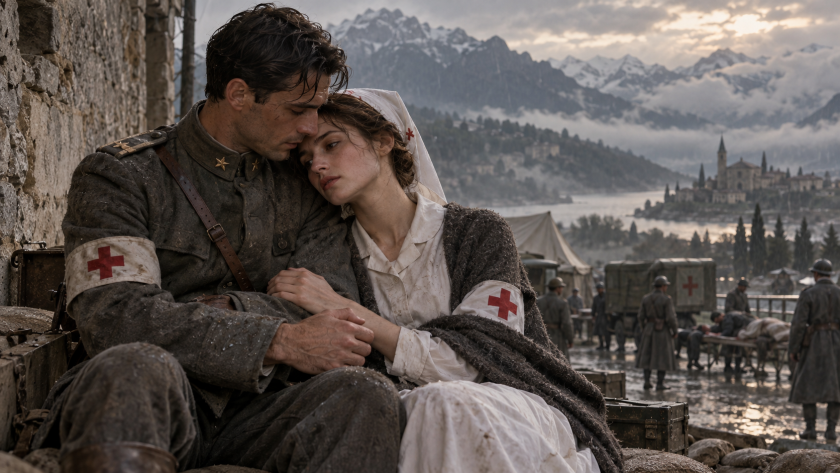
Ernest Hemingway's A Farewell to Arms is often described as one of the greatest love stories ever written.
But there's something rather cruel about calling it a love story.
Because unlike the romances we're accustomed to, Hemingway doesn't offer the comforting idea that love can conquer anything. His characters don't earn happiness simply because they've…
What happens when a murderer deserves punishment, but the law has already failed to deliver it?
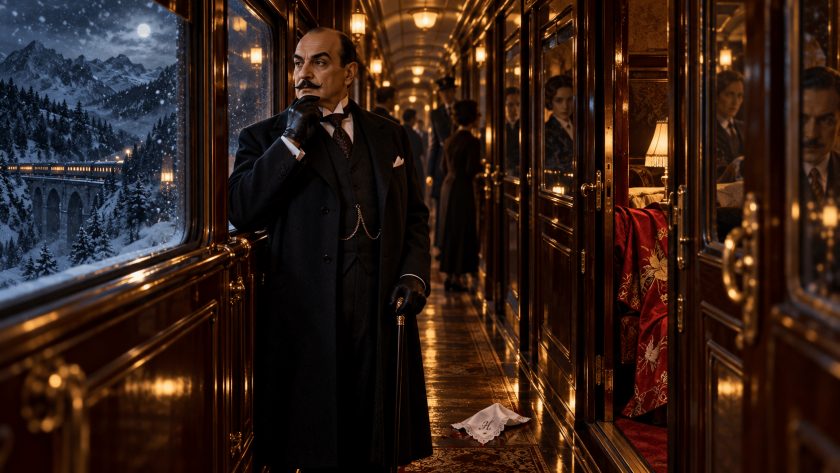
That is the uncomfortable question at the heart of Agatha Christie's Murder on the Orient Express. On the surface, it's a classic detective story. A wealthy American businessman is found stabbed to death aboard a luxury train stranded in…
There's a feeling most people recognize even if they've never put a name to it. Someone takes up residence in your head. You replay the last conversation you had with them. You check your phone for a reply more times than you'd admit out loud. A good day and a bad day both seem to…
Light spoilers ahead, but I won't tell you who did it.
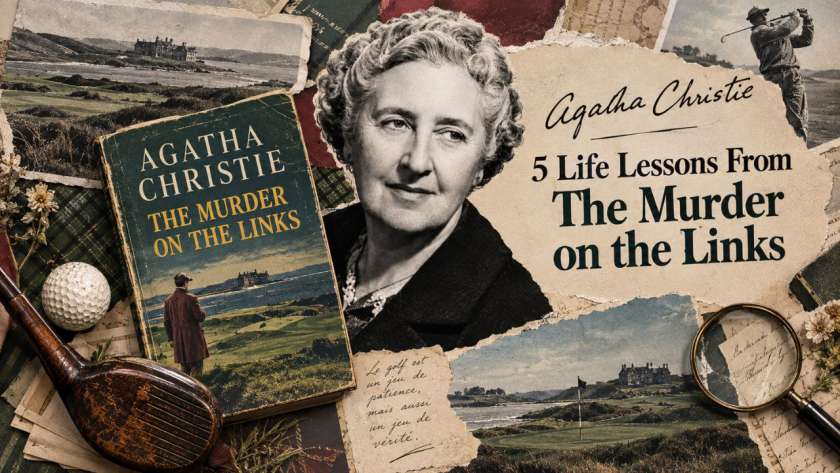
Agatha Christie published The Murder on the Links in 1923, and on the surface it's a classic Poirot mystery: a body in a freshly dug grave beside a golf course, a grieving widow, a rival detective with something to prove. Underneath, it's a book…
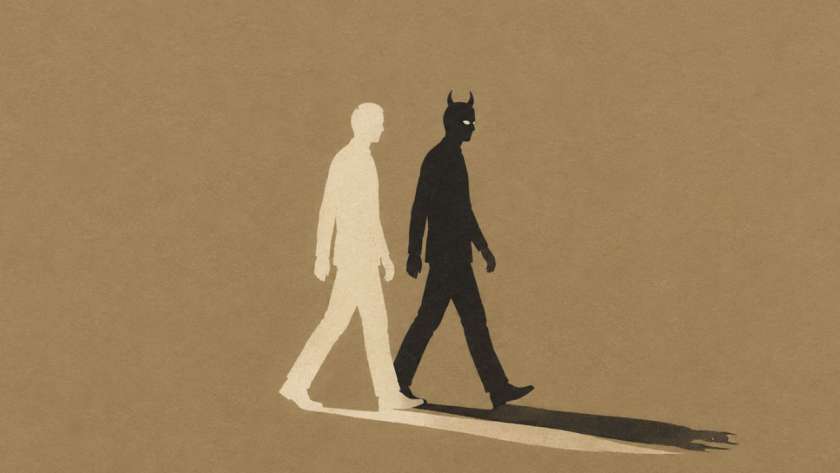
Decades before Carl Jung ever wrote about the "shadow," Robert Louis Stevenson had already described it, almost perfectly, in a novel about a doctor and a monster who turn out to be the same man.
Jung's shadow is the part of the self we push out of view because it doesn't fit the person we…
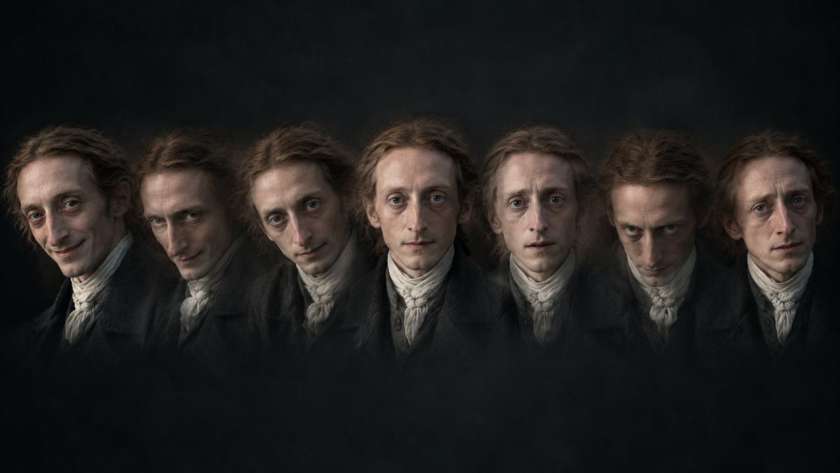
Prince Myshkin steps off a train in St. Petersburg with almost nothing. No money, no scheming, no armor. Just an unusual habit of telling the truth, and an inability to see people as anything less than human.
By the end of the novel, that habit has destroyed him.
Dostoevsky's The Idiot is often shelved next…
If you've read Jane Eyre, you remember the moment. A wedding interrupted. A scream from the attic. A woman nobody warned you about, revealed to be Edward Rochester's living wife — locked away, unseen, unheard, for over a decade.
Bertha Mason gets maybe a dozen pages of actual "page time" in a nearly 500-page novel.…
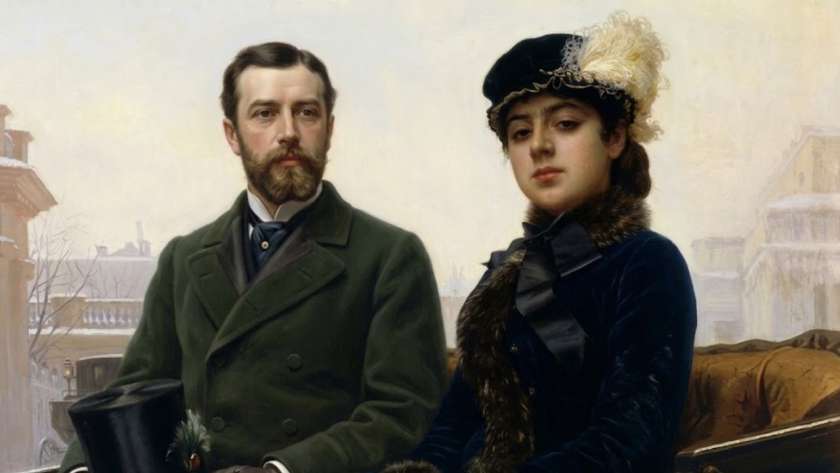
If you've ever finished Anna Karenina and felt a flash of anger—not at Anna, but at the world around her—you weren't imagining things. Anna doesn't fall because she's weak, reckless, or uniquely flawed. She falls because she's a woman living inside a system engineered, quietly and completely, to protect men and punish women for the…
For many readers, H. G. Wells belongs to the future. He is the writer who sent humanity forward through time, brought invaders down from Mars, imagined journeys to the Moon, and made a man disappear. His most famous stories helped shape what science fiction would become, and more than a century later, their ideas remain…
Inside Raskolnikov’s Self-Inflicted Prison in Dostoevsky's Crime and Punishment
Imagine committing the perfect crime. No witnesses, no DNA left behind, no smoking gun linking you to the scene. The police are baffled, and logically, you are entirely in the clear.
You’ve gotten away with murder. Or have you?
In 1866, Fyodor Dostoevsky published Crime and…