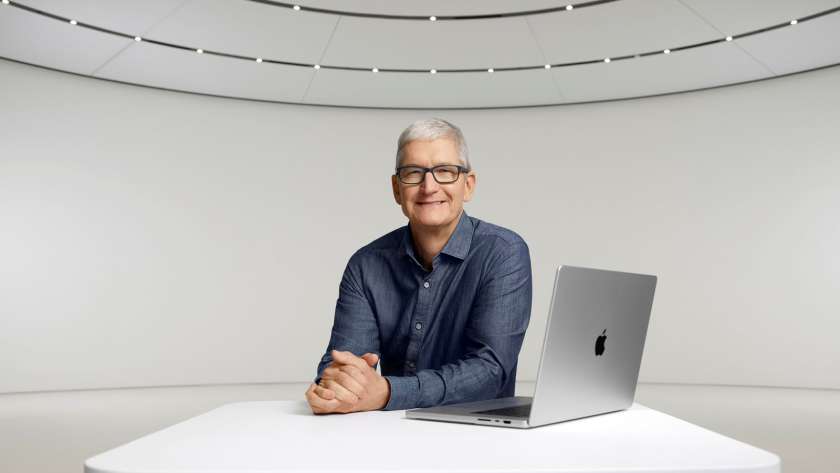
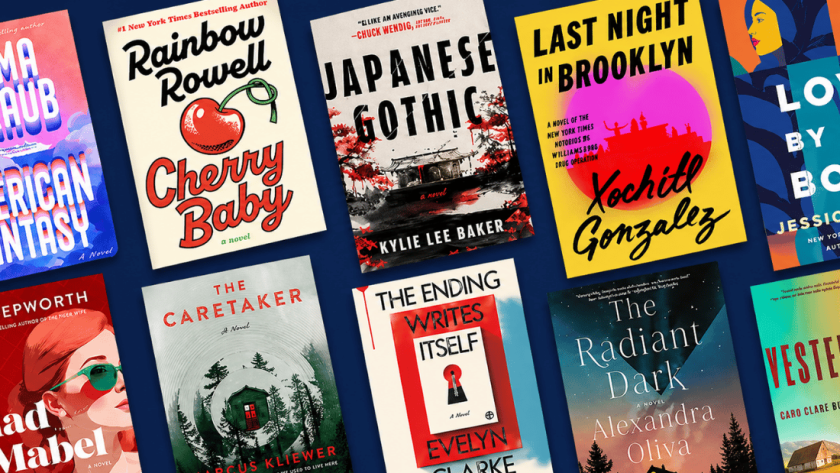
Tim Cook’s reading list feels steady, thoughtful, and quietly revealing. These are not flashy choices, and that seems to be exactly the point. The books recommended by Tim Cook point toward a leader interested in conscience, resilience, education, purpose, and the human responsibility behind power.
Looking at Tim Cook’s favorite books, a clear pattern emerges:…
For most readers, Bram Stoker begins and ends with Dracula. The novel has so thoroughly shaped the idea of the vampire that it can feel less like a book and more like a cultural inheritance—something absorbed long before it is actually read. In the process, Stoker himself becomes reduced to a single creation, his wider…
There are some weekends that seem to ask for a different kind of reading. Not something brisk and forgettable, but something atmospheric. Something full of candlelit corridors, restless minds, locked rooms, decaying houses, strange inheritances, and the feeling that something is not quite right. Gothic fiction, at its best, gives you exactly that. It lingers…
April arrives with a certain quiet insistence. The year is no longer new, yet not quite settled. There’s a soft recalibration that happens around this time—an awareness of what has endured from the early months and what has quietly fallen away. It’s often in this in-between that we begin to crave stories that feel both…
Some books entertain you for a few hours. Others stay with you for years.
The most powerful books do more than tell a good story. They challenge the way you think. They make you question what you believe, how you see other people, and what you assume about the world around you. Sometimes they expose…
Mary Shelley is often remembered through a single creation. Frankenstein has come to stand not only for her work, but for an entire genre—its image so familiar that it risks obscuring the mind behind it. Yet Shelley’s writing moves far beyond that one story, returning again and again to questions of creation, loss, responsibility, and…
Edgar Allan Poe does not ask to be understood all at once. His work moves through shadow and sound, through rooms that seem to close in on themselves, through voices that linger long after the final line. What he creates is not simply story, but atmosphere—something felt as much as read.
Often described as the…
Classic novels often carry a quiet reputation for being difficult, distant, or even intimidating. Many readers approach them with hesitation, expecting dense language and stories that feel disconnected from modern life. This assumption, while common, is often misleading. The truth is that classic literature is not meant to exclude readers—it invites them into deeper reflection.…
Some reading months ask for urgency. This one asks for depth.
The books on this shelf are not bound by genre so much as by sensibility. They are interested in inheritance, in the broadest sense of the word: the families we come from, the histories that shape us before we have language for them, the…
Physics can feel like a locked room: equations on the walls, strange symbols everywhere, and a quiet fear that you’re “not smart enough” to be here. But physics isn’t a private club. At its core, it’s just the most honest way we’ve found to ask big questions about ordinary life: Why does time move forward?…